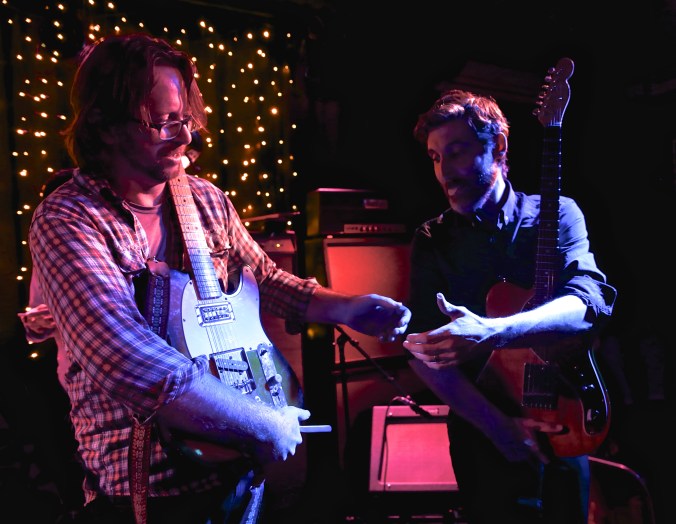
 It is not often that you attend a gig where a set list covers such a range of styles but still pays due respect to each. If anyone could pull off such a gig; traversing the heights of Monk, Murray McNabb, Frantz Casseus, Bill Frisell and Ornette Colman it was these two. In lesser hands, the trajectory would have faltered, the items come across as disembodied. Here, the connecting threads, however improbable, made perfect sense. The centre held and the arc of the journey was a joyous adventure.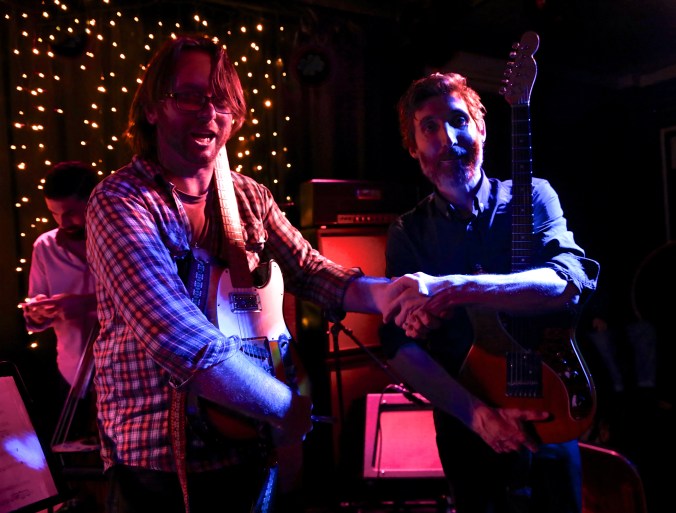
Neil Watson is a musician who musicians flock to hear. He breaks rules and strikes out in directions where few dare to follow. Everyone from Sharrock to Montgomery is referenced in his sound; with a generous pinch of Ribot thrown in for good measure. He sometimes hides in pit bands backing dancing fools, tours with famous country stars, opens for people like Marc Ribot, but whatever he does, he does convincingly. In recent years he purchased a pedal steel guitar and that is now an essential part of his repertoire. He exudes real warmth on stage, both as a storyteller and a musician.
I have only seen David Ward play on the odd occasion but it is always a treat. Like Watson, he is a master of diverse styles and he is particularly noted for his award-winning theatre compositions. He has toured extensively and gained a formidable reputation over the years. In Jazz and alternative music circles, it is the improvising band RUKUS that we mostly associate him with. RUKUS has featured a who’s who of adventurous improvisers such as Chris O’Connor, John Bell, Jeff Henderson, Eamon Edmundson-Wells, Cameron Allen, Finn Scholes & Rui Inaba. 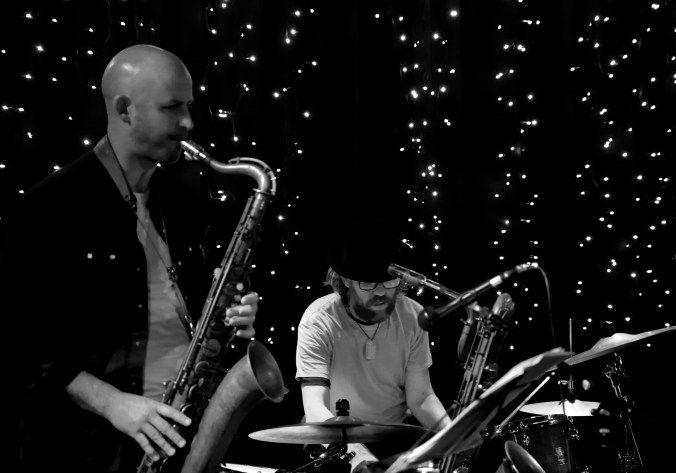
The pairing of Watson and Ward guaranteed that creative sparks would fly. It was always on the cards that they would perform together but until now the opportunity had not presented itself. I am certain that this project will develop from here – logic tells me it has to. The quality of their musicianship was very much on display at the Backbeat Bar. On the three Monk tunes, they either ran unison lines or interwove an intricate counterpoint, and miraculously, the jagged phrases often created a fat Monkish dissonance; each guitarist deliberately landing on different voicings- creating a piano cluster chord effect. This was a quality band as Watson & Ward were backed by Cameron Allen (tenor and Baritone saxophones) Cameron McArthur (upright bass) and Chris O’Connor (drums). Understanding exactly what was required here the three left the lion’s share of the limelight to the guitarists. O’Connor displayed his usual eclectic virtuosity as the drum styles required were many and varied. 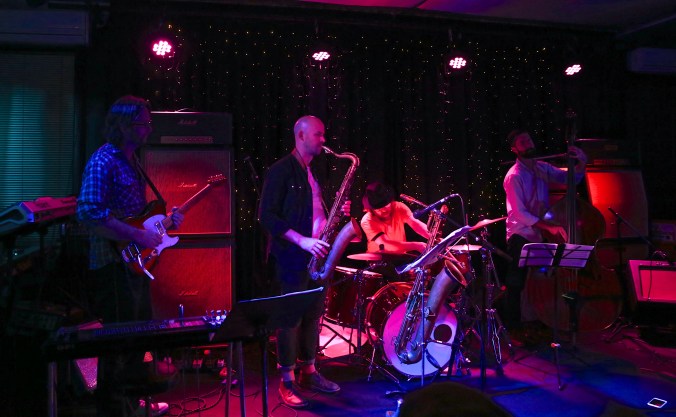
At one point Watson played solo, a composition by Frantz Casseus (a folksy classical guitarist who has influenced the likes of Marc Ribot). Out of his Fender came a delicate classical guitar sound – a moment of whispering clarity and magic. The pair also showcased their own compositions and again these contrasted in a good way. Ward’s ‘Mango’, ‘Shebop’ and ‘Hip replacement’ – Watson’s ‘Trash talkin’ (a Western Swing) and his extraordinarily ‘Murray’ – an apt tribute to the lost lamented and much-loved Jazz musician Murray McNabb. Among the tunes, we heard some heartfelt Americana (rare in New Zealand Jazz clubs and it is especially rare to hear Western two-beat Swing).
The high points were many, but I will put up two clips; The first is a Bill Frisell number ‘I am not a farmer’ from his moody atmospheric album ‘Disfamer’. The second up is a short clip where Watson plays a Frantz Casseus tune ‘Improvisations’ solo on Fender.
The gig took place at the Backbeat Bar, K’Road Auckland for the CJC Creative Jazz Club, 15 August 2018.
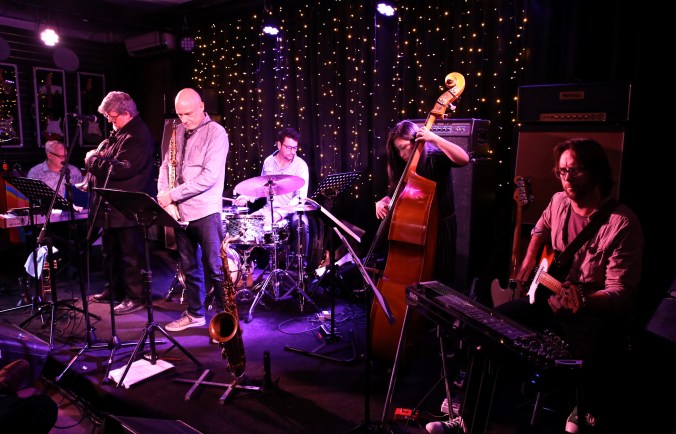 This project was bound to happen sometime and it was long overdue. On the night of the bands first gig, the pent-up energy that had long been building found a voice. As they kicked off, the room filled with potent energy and the enthusiasm of the band was met in equal parts by the capacity audience. Steve Sherriff is fondly remembered from Alan Browns Blue Train days and he brought with him an interesting group of musicians. Most of them were compatriates from earlier bands and their familiarity with each other musically paid dividends.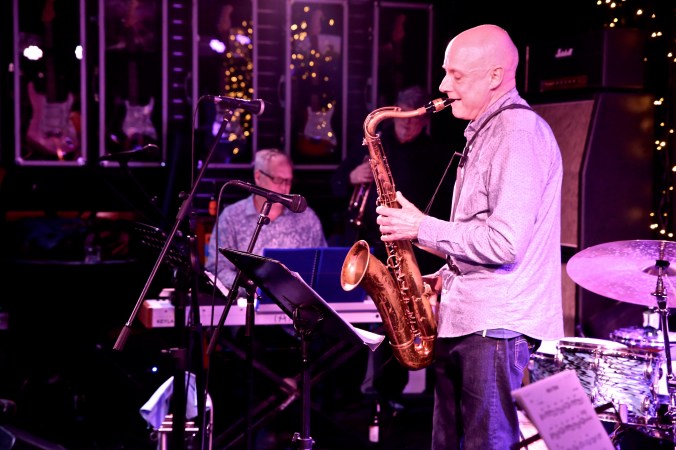
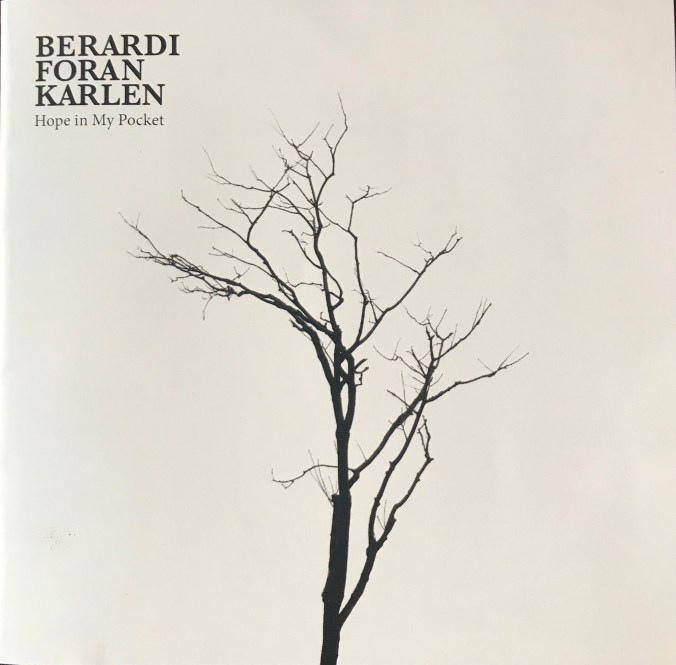
 When Kristin Berardi, Sean Foran and Raphael Karlen started to play I knew exactly what I was hearing. It was modern and original and it rekindled fond memories of the Winstone/Wheeler/Taylor group Azimuth. A world of beautifully crafted harmonies communicating their message with effortless clarity; the individual voices of the musicians hovering in the air like free spirits but interconnecting in profound ways. There was also a contemplative essence to their music which took us deep inside the music, a quiet centre that emanated strength and vibrancy. This fine balance of opposites was evident throughout – it was a performance to remember for its soul touching beauty.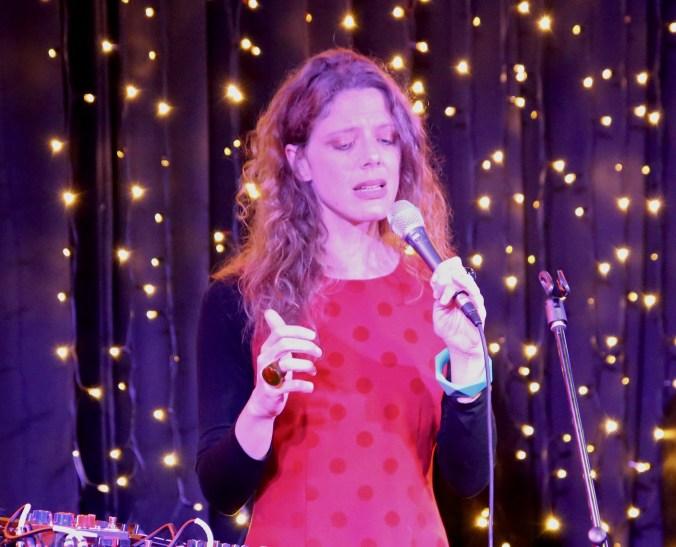
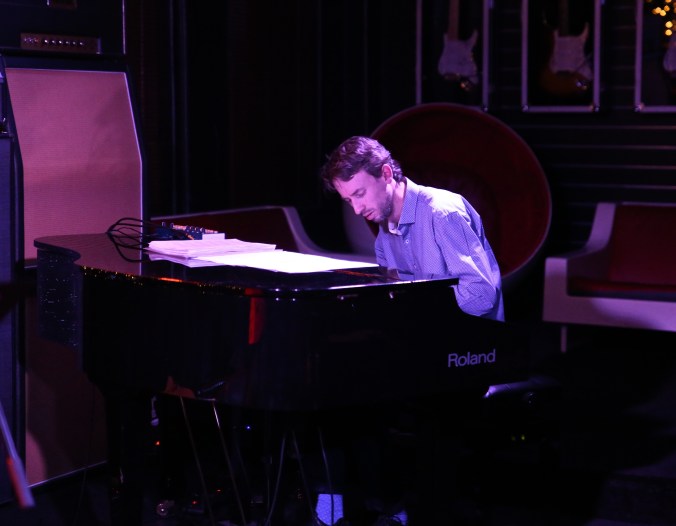
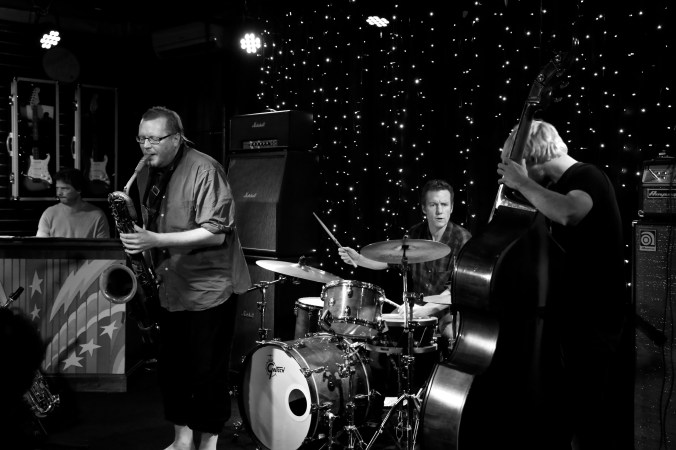 Jeff Henderson is a freedom warrior from outside of the perimeter fence. On the 9th of May, 2018, he marched barefooted into the Backbeat Bar with a ragtag army of irregulars. The audience had come well prepared and a pregnant air of anticipation hung over the bandstand during setup. Unusually, there were no lower ranks in this army, all were battle-hardened veterans (or anti-heroes depending on your viewpoint). All had impressive service records, an advance guard who took no prisoners. Jonathan Crayford is arguably the most famous of the troop, a decorated hero who swiftly commandeered a C3 organ (an ancient analogue machine decorated by psychedelic art and reminiscent of a Haight Asbury weed shop). Beside him sat machine gunner Steve Cournane, a rat-tat-tat freedom fighter recently returned from Peru. The remaining soldier, battle scared and bleeding, was Eamon Edmundson-Wells (his Viking surname tells it’s own story).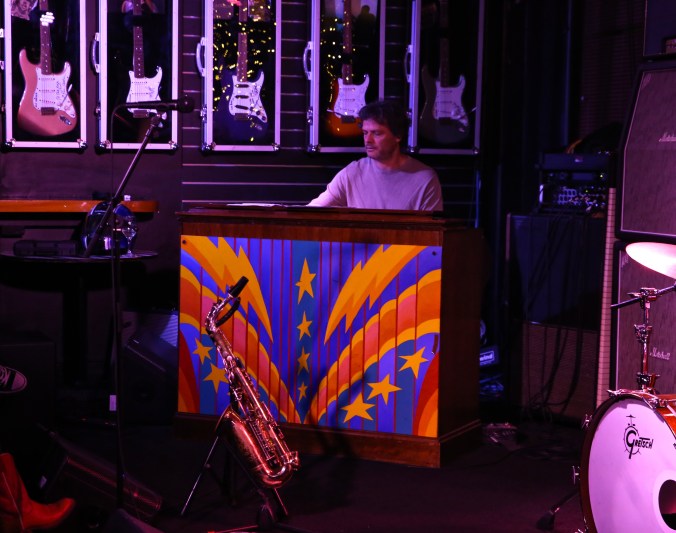
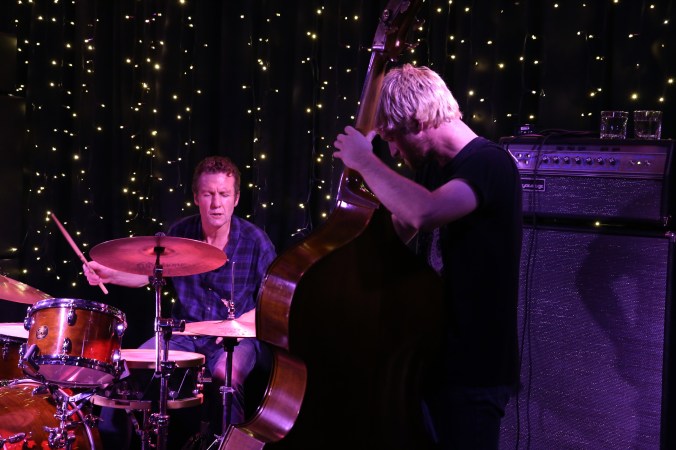
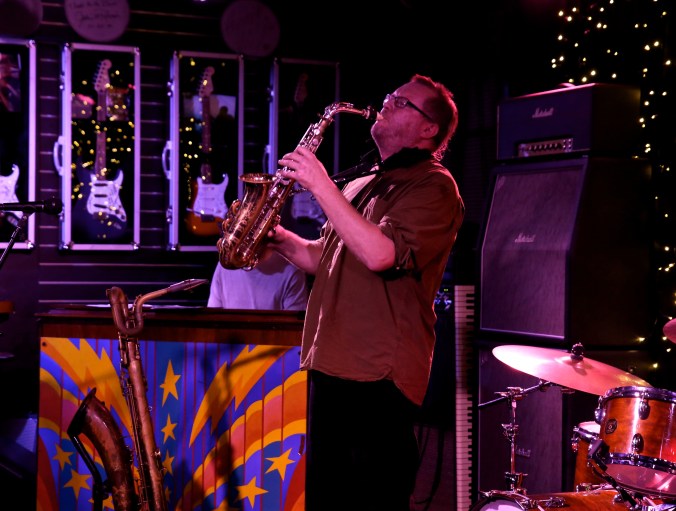
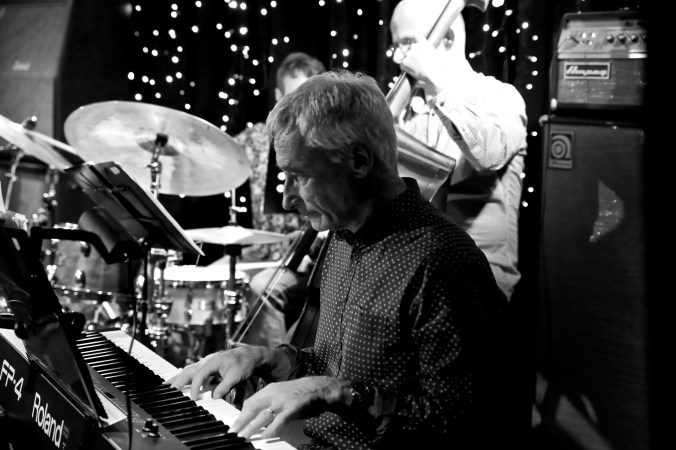 After a year of living in Paris the Auckland educator and pianist Phil Broadhurst and his partner, Julie Mason, have returned. The Broadhurst Quintet has been a regular feature on the Auckland scene for many years. The unit is fueled by a constant stream of great compositions, an unchanging line up of fine musicians and three critically acclaimed records (one of them a Tui Jazz Album of the year winner). Broadhurst’s ‘dedication trilogy’ set a high bar compositionally, but his pen is always crafting new compositions. After last weeks gig, I suspect that another album capturing the artistic soul of France might be in gestation. Broadhurst, as many will know, is unashamedly francophile. Out of this deep appreciation and finely honed perception flows terrific creations.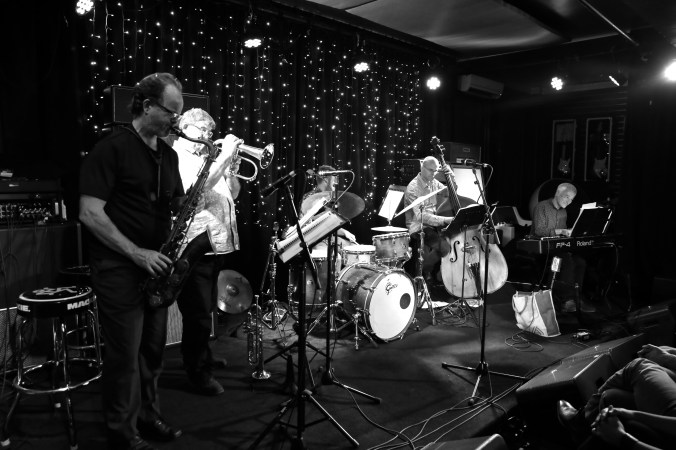
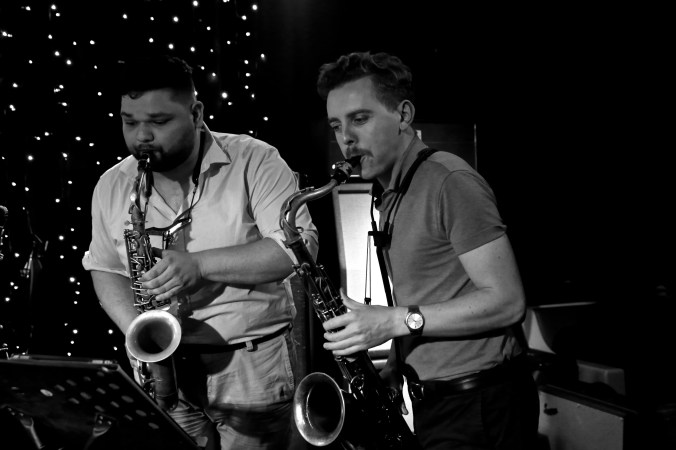 This is the second appearance of Flightless Birds at the CJC Creative Jazz Club and the audience flocked to hear them. The band is a history lesson to the initiated and an initiation to those unversed in Jazz history. They presented a programme that was both clever and accessible and therein lay its charm. The band specialises in contrafacts and especially those of the bebop and swing era. The inside joke is that many of those tunes were once contrafacts themselves; new and often frenetic tunes written over the changes of familiar ‘songbook’ standards. In the bebop era tunes like ‘Cherokee’ (Noble) became Ko-Ko (Parker), ‘I Got Rhythm’ (Gershwin) became ‘Dizzie Atmosphere’ (Gillespie). Musicians like Charles Mingus took things a step further by introducing a wry political humour into titles, exemplified in his contrafact ‘All the things you could be by now if Sigmond Freud’s mother was your wife’ was ‘All the things you are’ (Kern). A throwaway favourite of mine is ‘Byas a Drink’ (Don Byas) which is ‘Stompin at the Savoy’ (Sampson).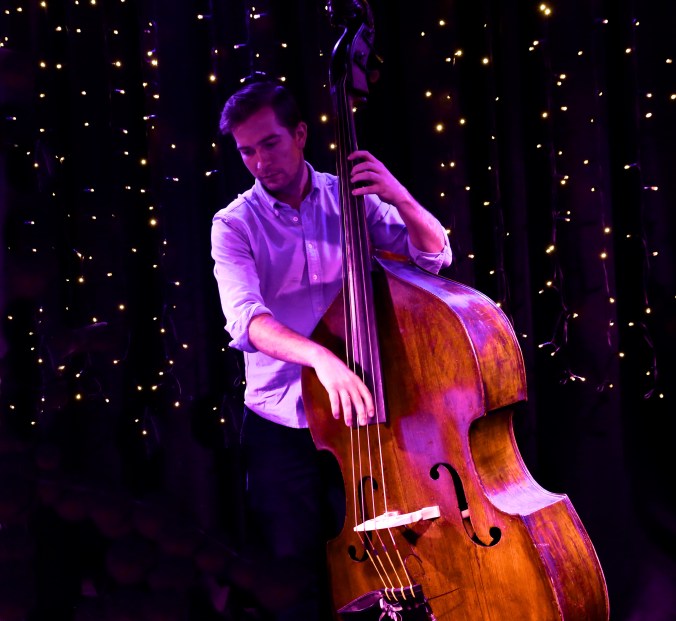
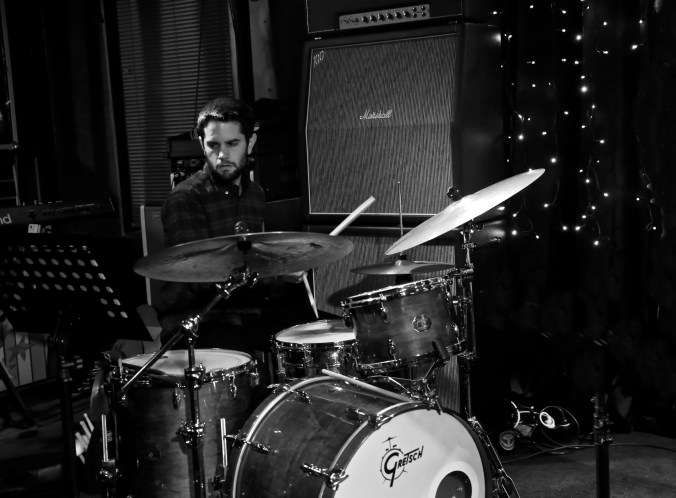
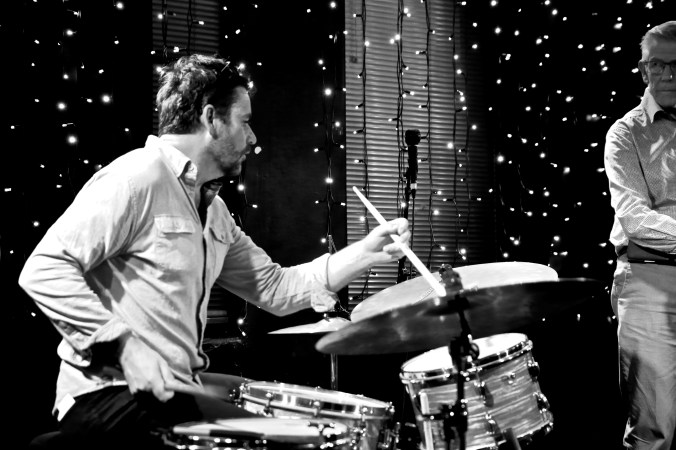 This particular group is an uncommon thing on the Auckland scene. A Jazz guitar trio formed by three of our best musicians and each of the musicians in it for the long haul. Samsom/Nacey/Haines have been playing and recording together for a long time and the commitment has remained constant throughout. Their longevity is clearly about musical chemistry, but also about their combined approach to composition. Each band member writes in their own style, but each instinctively understands how the others will react to the chart. This is how mature bands operate; the familiarity enabling the collective to dive into the heart of a composition and extract the best from it. While their original compositions form the bedrock of their output, they also tackle standards; especially when performing live.
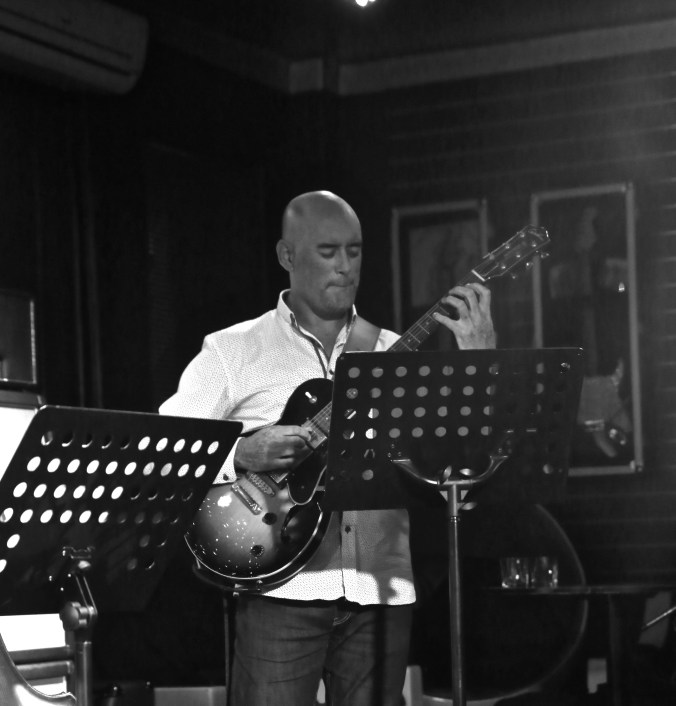
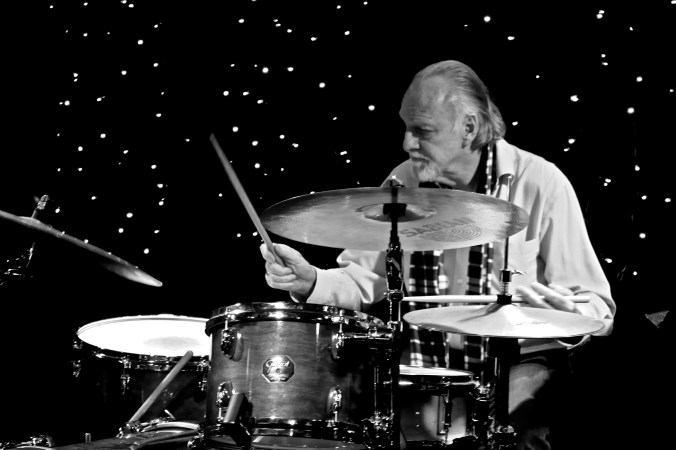 Every Jazz club needs a Monk night on their calendar and when it comes to Monk the local go-to person is definitely the well-known drummer Frank Gibson Jr. Gibson and the various iterations of his bands have long made a point of keeping the Hardbop era and Monk firmly on our radar. While the setlist was not exclusively Monk, the Monk tunes chosen were a solid mix of seldom-heard compositions and old favourites.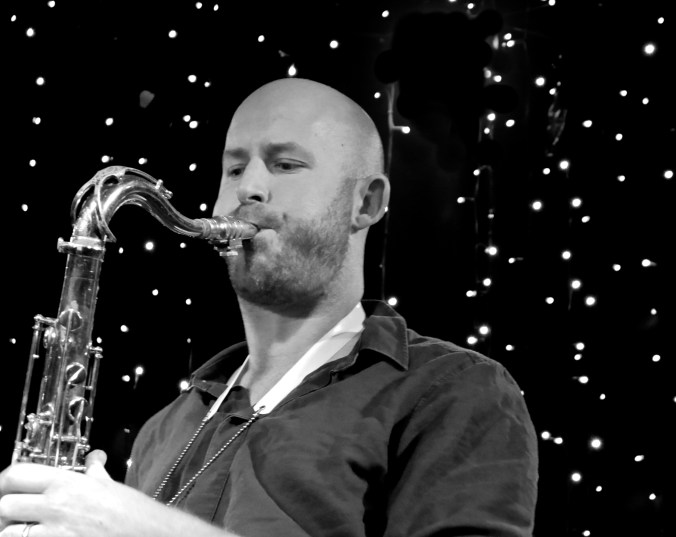
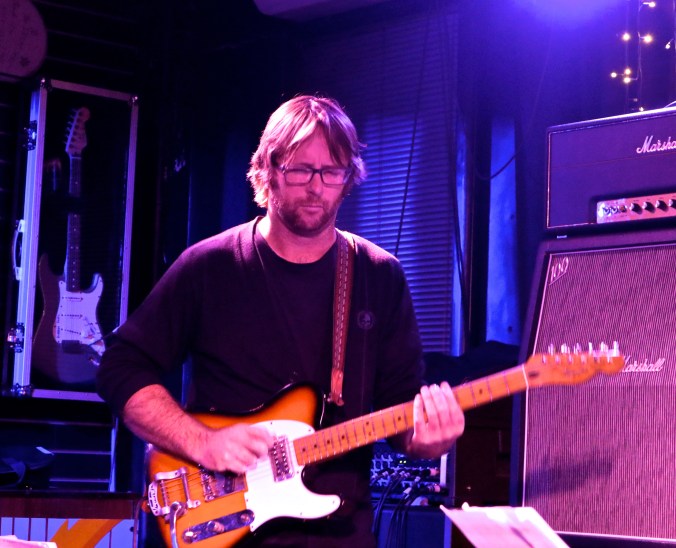
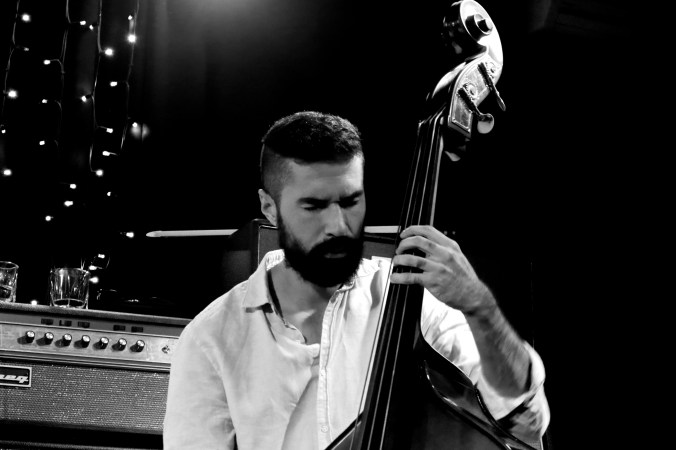
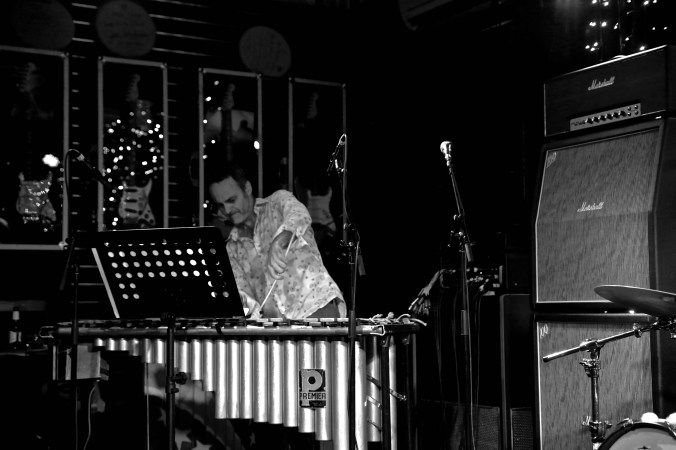 I have listened to John Bell over a number of years and I have always marvelled at his inventiveness. Bell (along with Jeff Henderson), is widely acknowledged as the experimental music guy, the free improvisation guy. He is a musician who takes risks as he aims for clear skies; a musician who involves himself in interesting cross-cultural collaborations, a vibraharp player who doubles on brass instruments. He is an artist who you always associate with innovation – consequently, other musicians look up to him.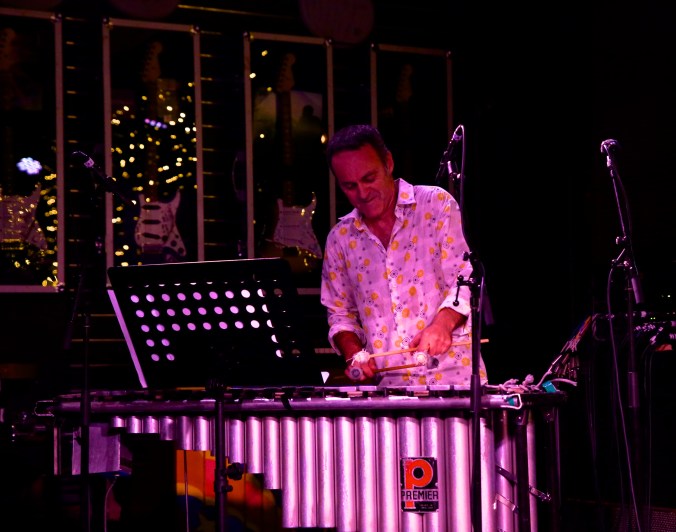
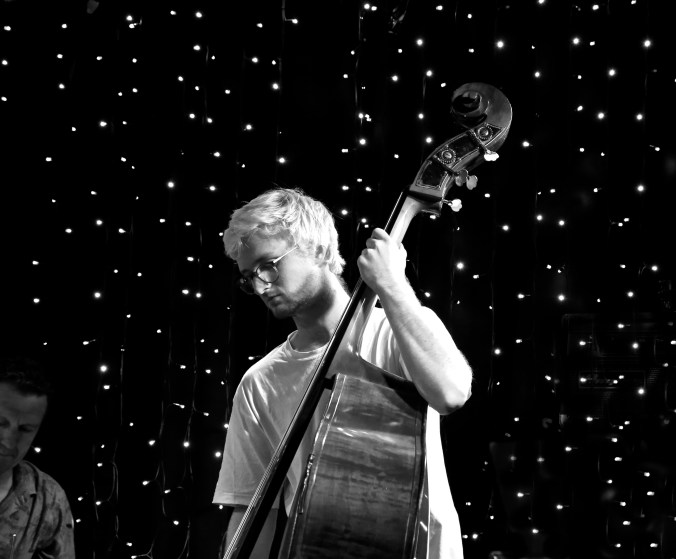
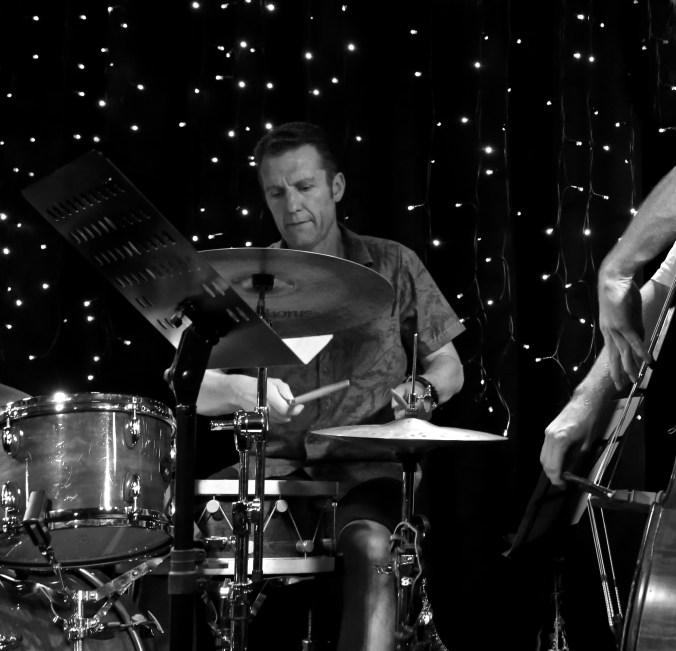
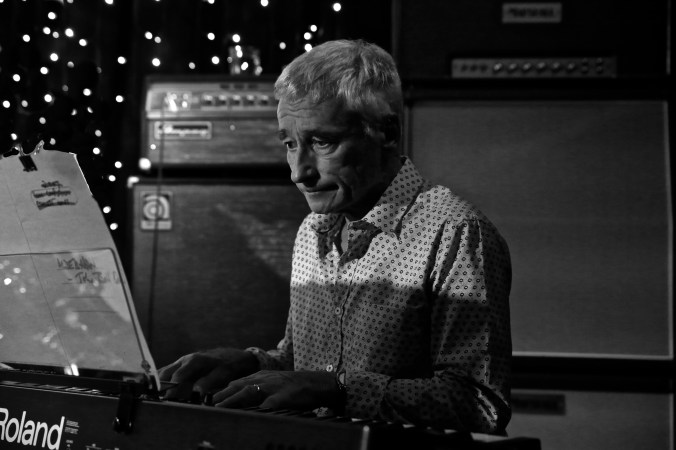
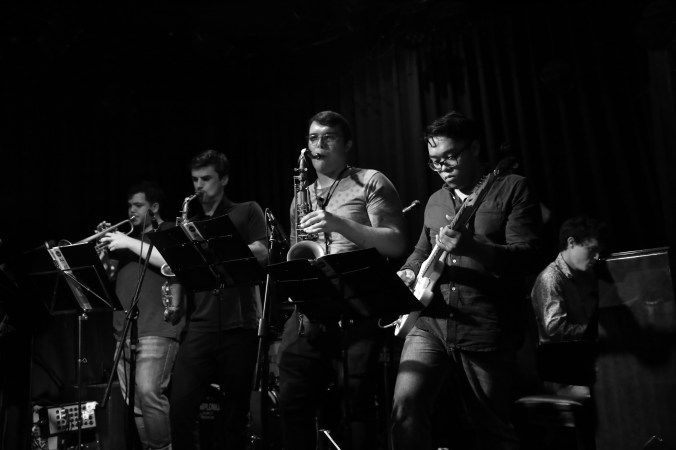 In keeping with the longstanding CJC tradition of keeping twice yearly slots open for emerging artists, late March featured two such sets. First up was a group led by bassist Denholm Orr. Orr has appeared in lineups a number of times, but this was his first appearance playing his own material and as a leader. His recent compositional work has placed increasing focus on arco-bass and consequently, the charts reached into that territory. Arco is not the default style for Jazz bassists but I am seeing a lot more of it lately and I welcome that.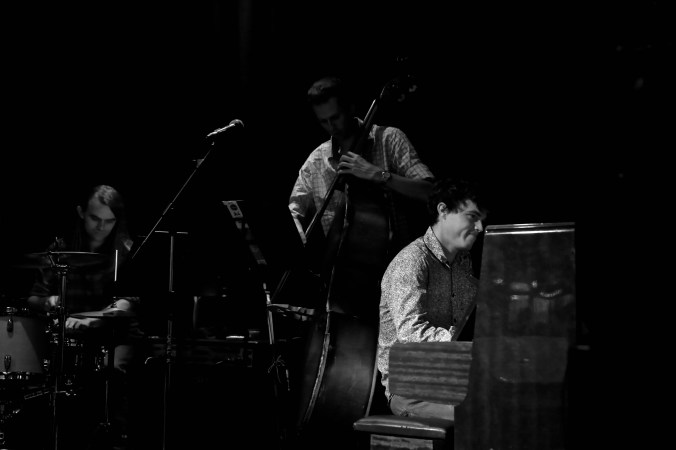
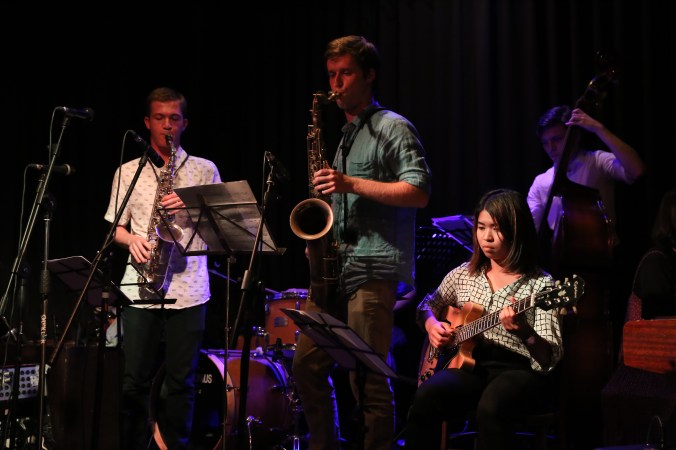
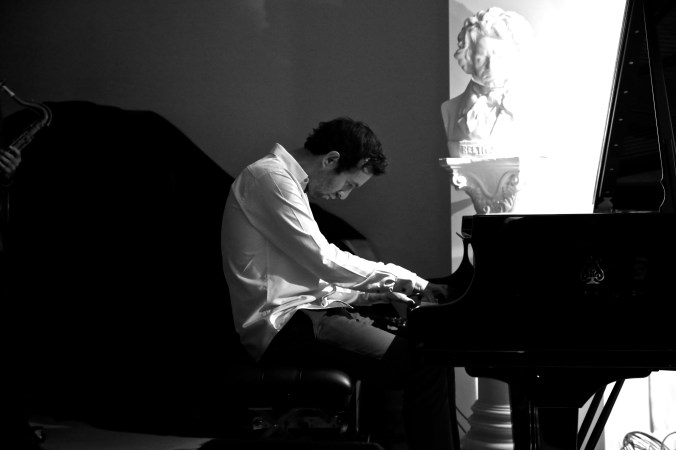 When Michal Martyniuk left Auckland for Poland last year, it was hot on the heels of a successful appearance at Java Jazz; the biggest Jazz festival in the world. It was always on the cards that Martyniuk’s Auckland trio would fare well, as they are the epitome of an inventive, high energy unit and all of that is wrapped up in a very European sound.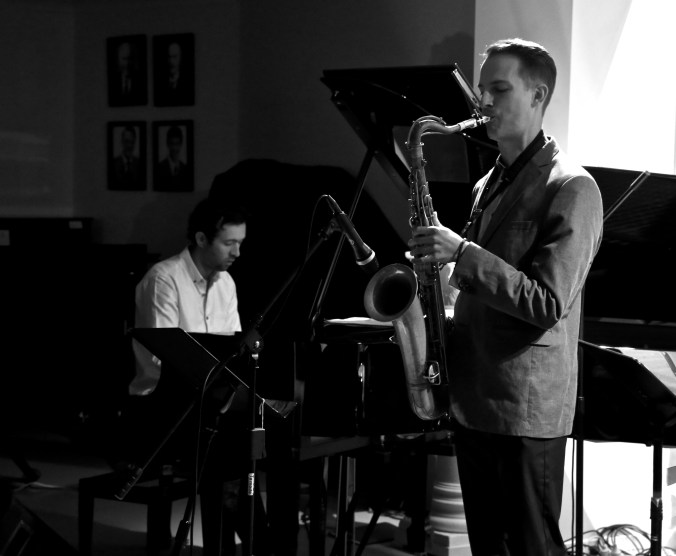
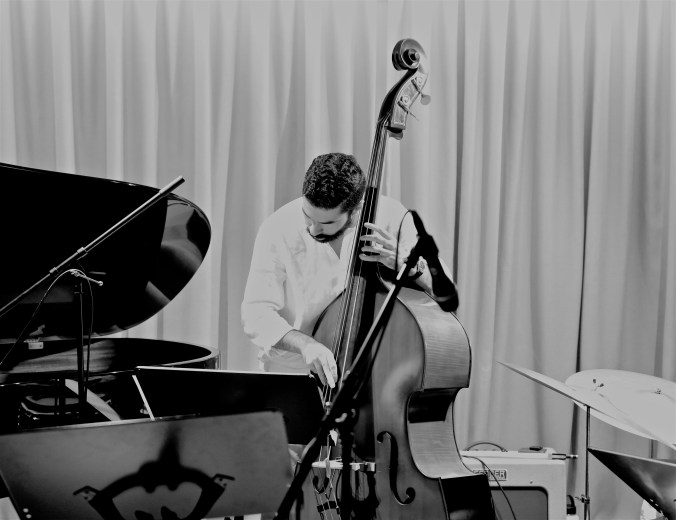
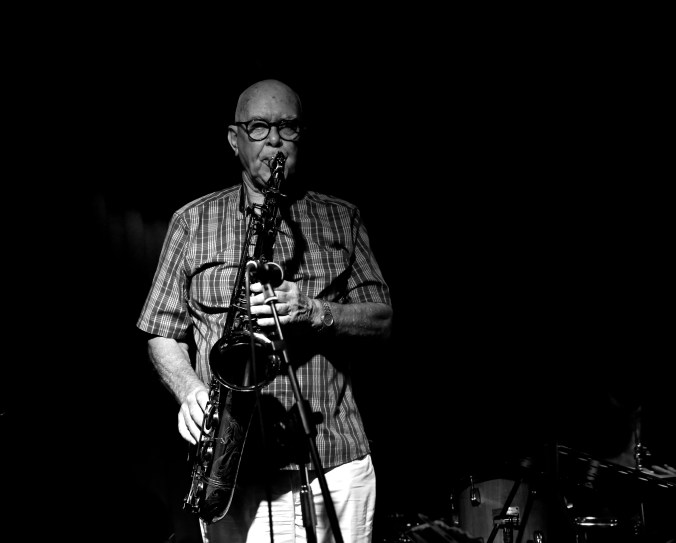 Brian Smith is a legendary figure in New Zealand Jazz, achieving career highs that few others attain. Normally artists of this stature settle overseas and are seldom seen after that. It was our good fortune that Smith moved back to New Zealand and in consequence, we get to hear him perform locally. It’s a moot point whether good musicians ever truly retire (luckily, the answer is seldom). Not so long ago he formed a quintet and since then he has been performing at venues around town. While Smith is a regular at the CJC, this is the first time that we have seen the current quintet in action. The event was predominantly a standards gig and a band of veterans is the right vehicle where standards are concerned. When you bring a selection of loved tunes back into orbit, comparisons are inevitably made. Therefore it pays to choose well and to perform them well and that’s exactly what the Brian Smith quartet did.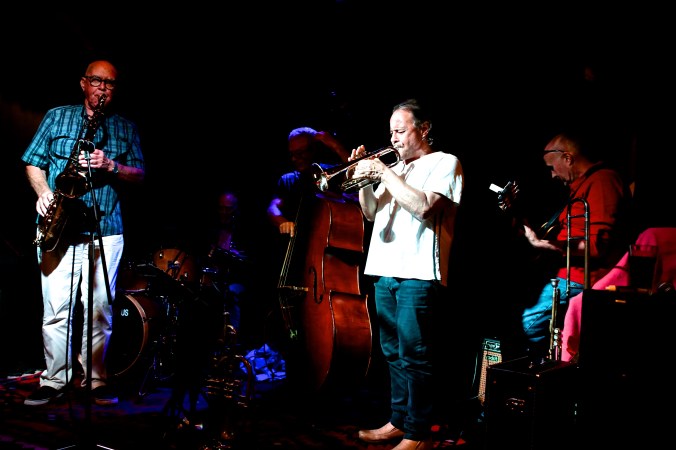
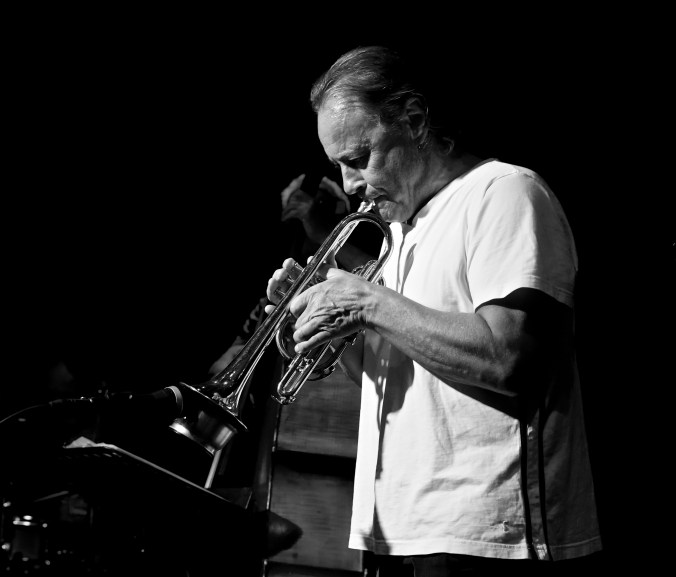
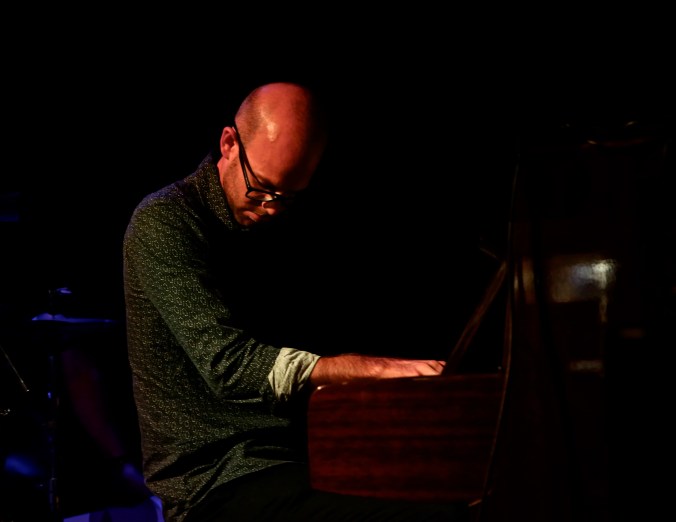 Good Music always says something interesting; it’s a form of communication where a musical statement begins a process and a listener responds. With any innovative musical form, we need to bring something of ourselves to the equation. The more open our ears the better the experience. Gifted improvisers of all cultures understand these fundamentals and because of this they mostly tell old stories in new ways. Rarely and bravely, musicians hit us with stories not yet fixed in the popular imagination. Steve Barry and his collaborators have a foot in both camps. While this is adventurous material, it is also approachable to anyone with open ears. What we heard at the CJC was innovative but the archetypes of all music were located deep in the compositional structure. A careful listening revealed trace elements from composers like Stravinsky or Bley and perhaps even of indigenous music.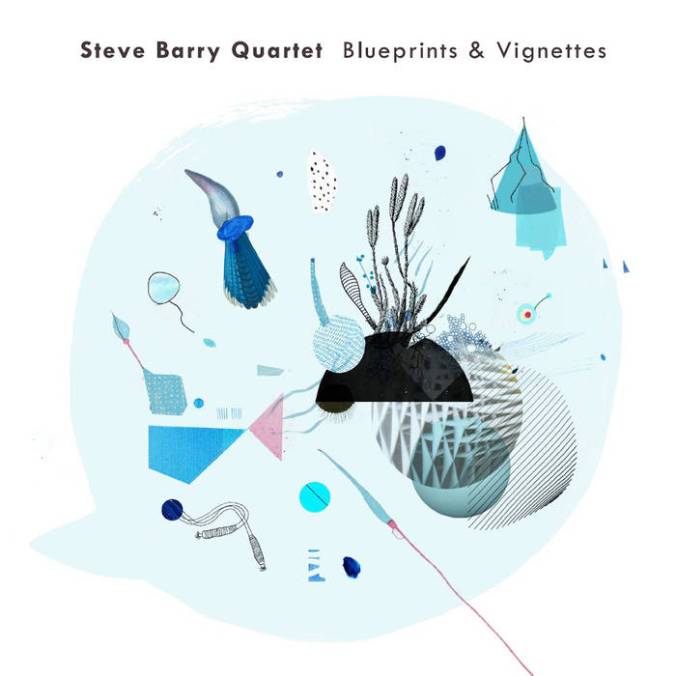
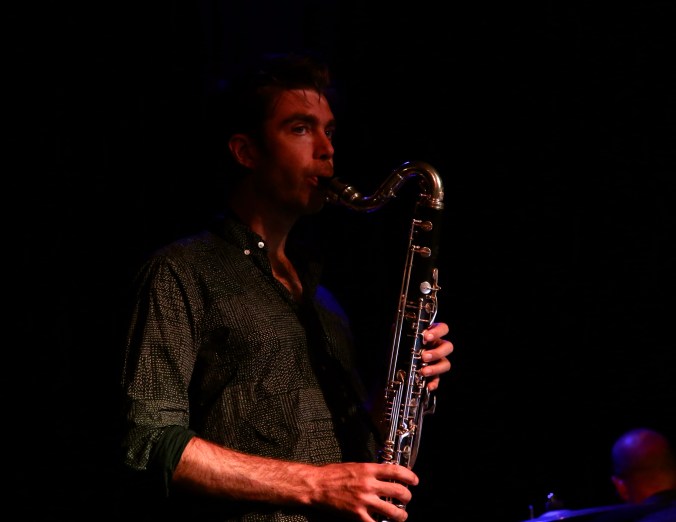
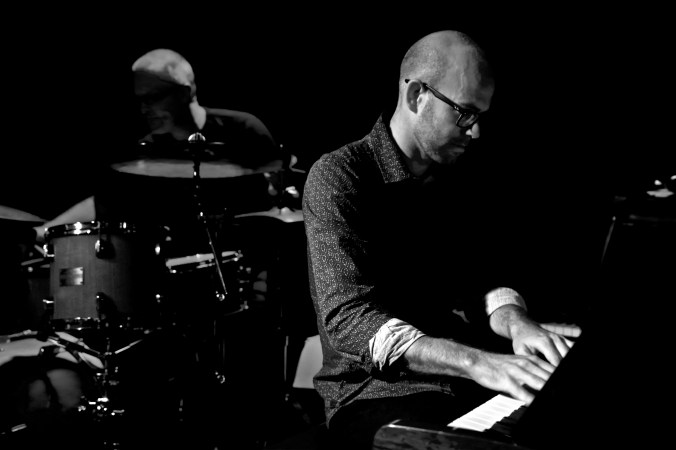
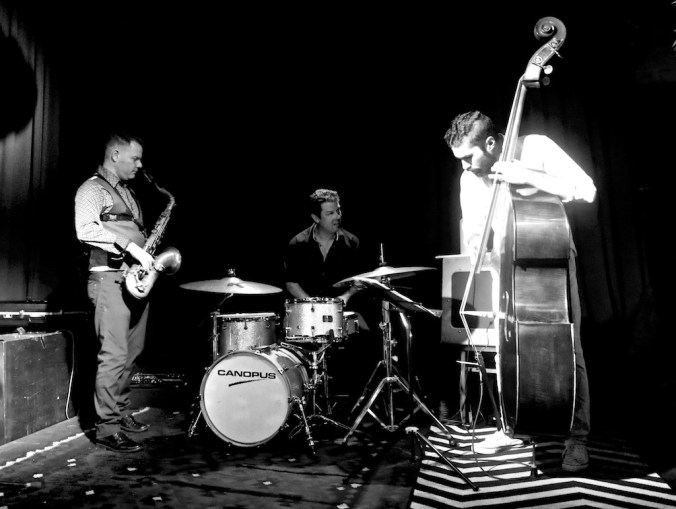
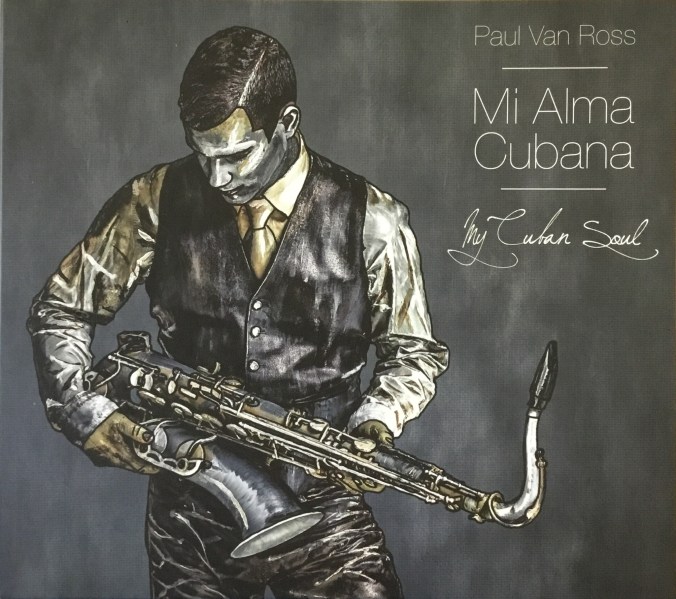
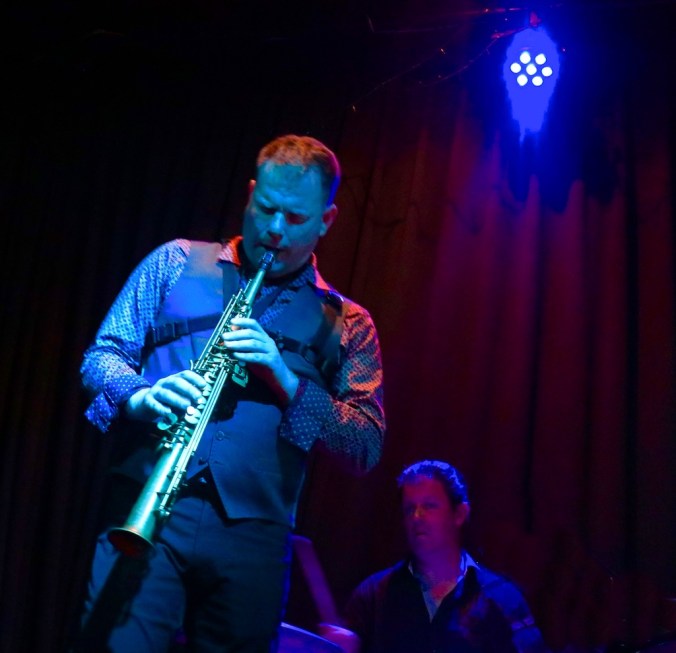
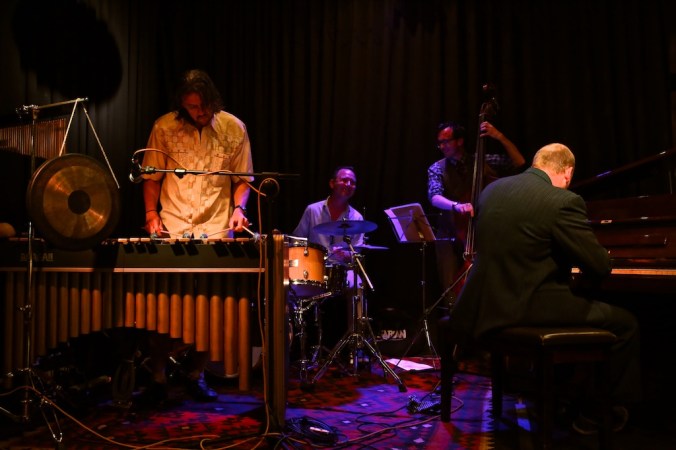
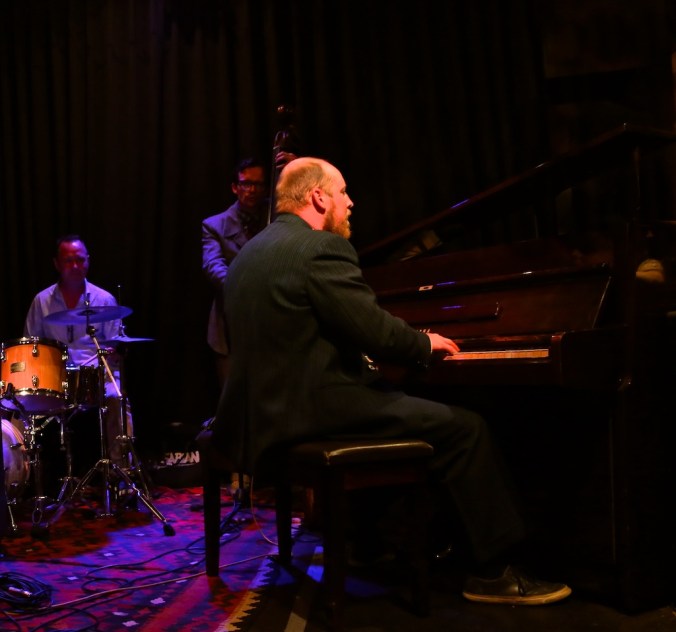
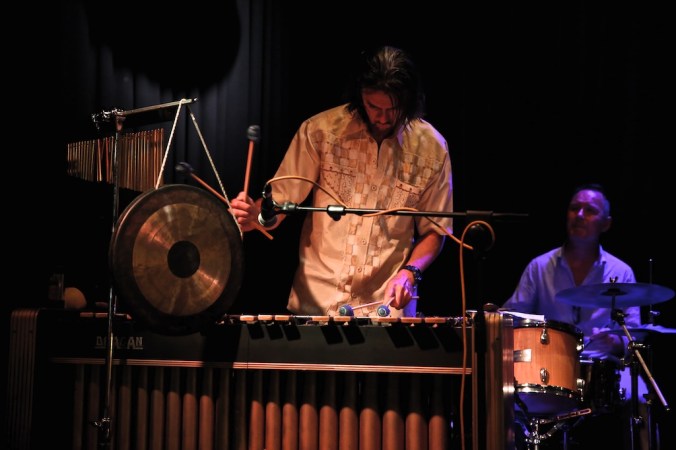
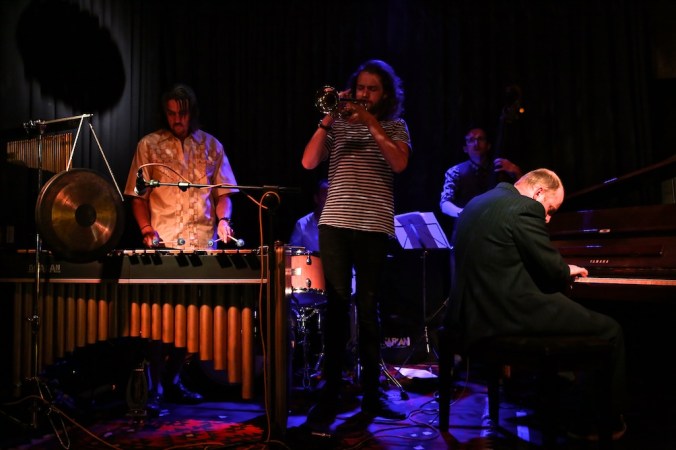 The line up on Squeaky Weasel, an earlier Jelly Rolls album, was as now Wilcock, Rae and bass player Yeabsley. The addition of Michael Barker on percussion and vibraphone is an evolution that makes perfect sense. Trumpeter Finn Scholes joined them for one number and delivered a well thought through high energy solo. To pick up a copy go to Ben Wilcock Thick Records Ltd –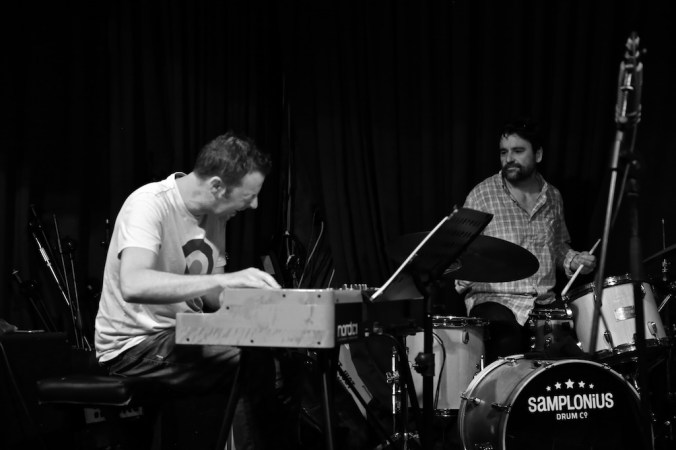
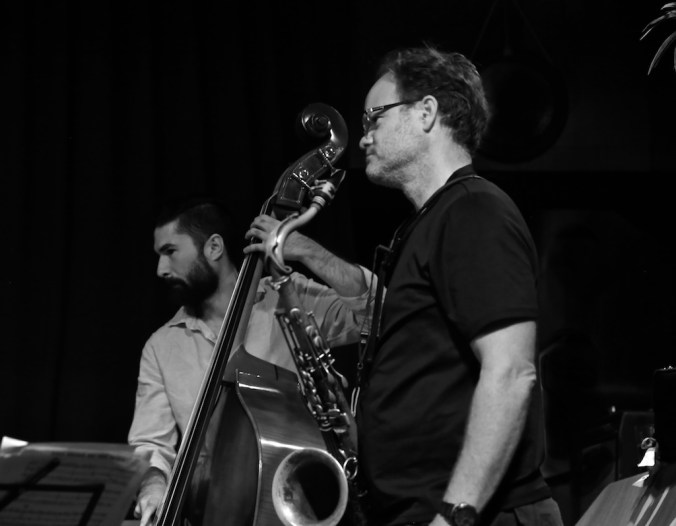
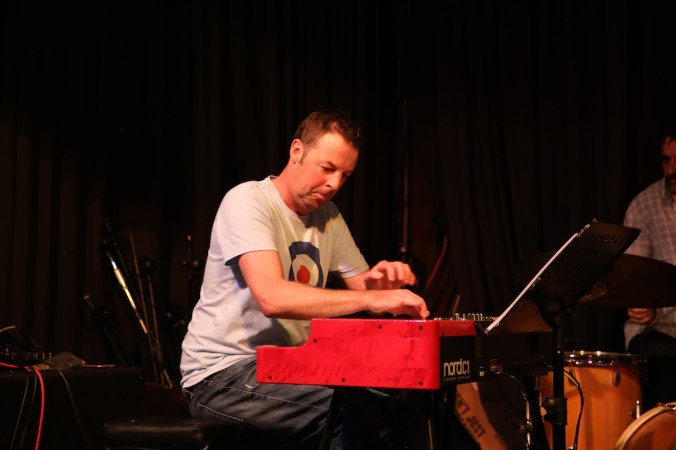
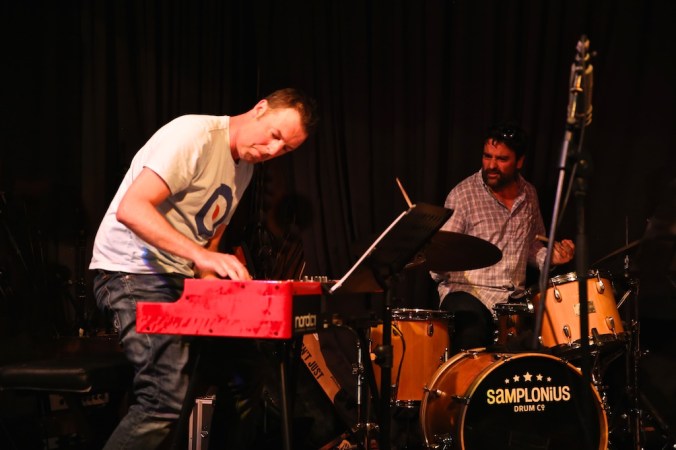
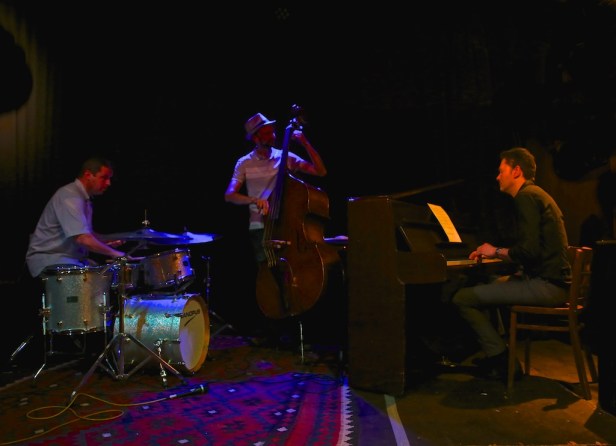
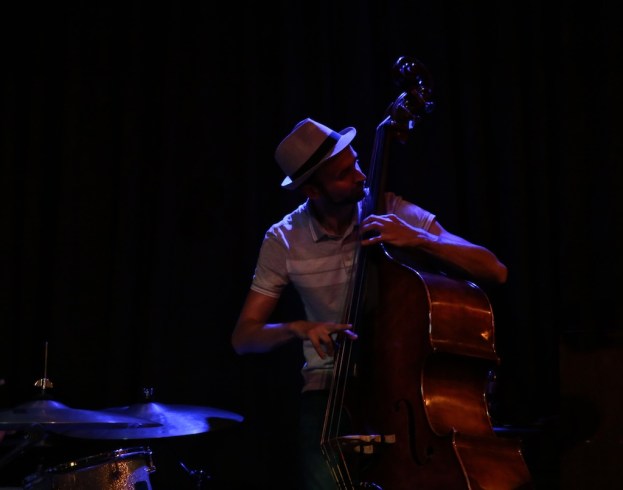
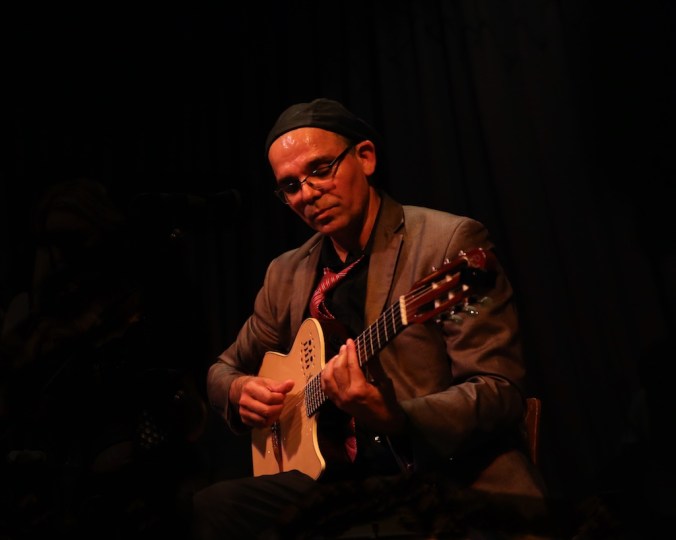
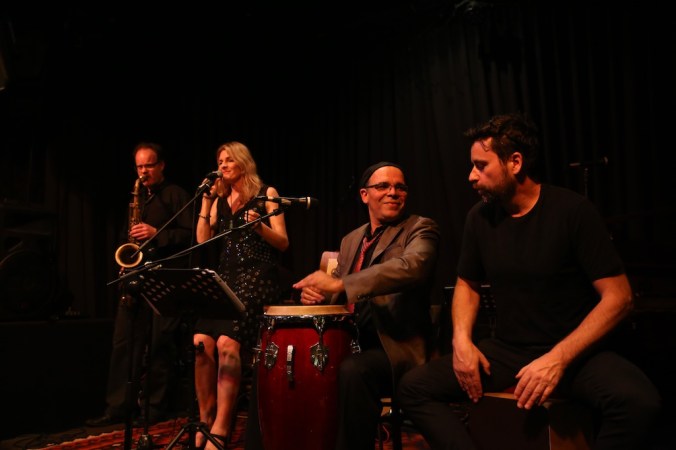 I like South American music and the more I hear, the deeper I am drawn in. A rich and ancient fusion of African, European and Amerindian music, each coast and region nurturing distinct flavours. There are also highly localised variations; all rhythmically complex and all deeply infectious. This week the CJC featured the highly respected Brazilian musician Nanny Assis and New Zealand born vocalist Maggie Gould. Assis was born in Salvador, North Eastern Brazil; a region especially rich in musical traditions and heavily influenced by African rhythms. The coast below Bahia nurtured Tom Jobim, Roberto Menescal and a cohort of like-minded innovators; the creators of the Bossanova (new music) form. In a world where saccharine versions of great music often assail us, it is necessary to return to the source from time to time in order to refresh our ears. Listening to Tom Jobim and Elis Regina on the album ‘Elis & Tom’ – ‘Chovendo Na Roseira’ especially, is a good place to start. The time feel is subtly different from North American versions and the unique rhythmic tensions dance with life. Jobim is long gone but authentic practitioners of the various traditions are still there if we look. Assis is just one of these; a master of rhythm and of the many distinct Bahia styles.
 Gould was a successful photojournalist in an earlier life. When the pressures of that lifestyle became too much, she decided to abandon the frenetic media world and follow her passion instead. Rekindling a youthful dream she became a Jazz vocalist and has followed that path ever since. Eventually, her journey took her to New York where she met Assis and a musical collaboration began. While living in New York Gould has performed with a number of luminaries, notably the pianist John de Martino (who has also recorded with Assis). Gould and Assis have just toured New Zealand, appearing in festivals and clubs throughout the two Islands. They have toured with great musicians and they intend to record soon in Auckland. When they do, the well-known New York-based ex-pat Kiwi bass player Richard Hammond will join them.
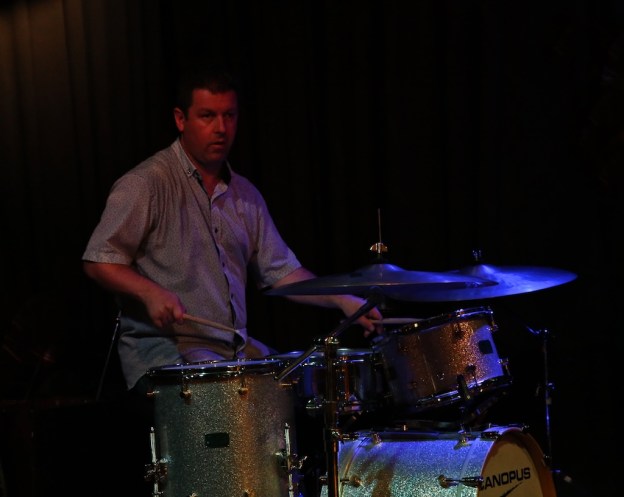
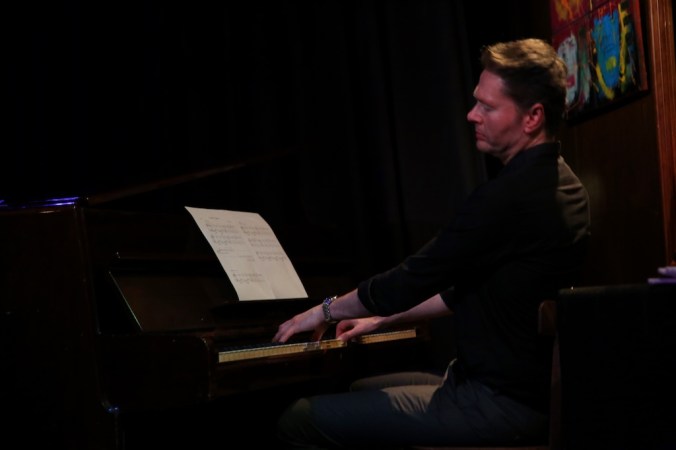
 It is said that Latin American music is ‘the other swing music’. That makes for great synergies between Jazz and Latin musicians. It can work well, but only if the musicians have the ears and the courage to submit to the weave. Utilising the considerable skills of pianist Kevin Field, Alex Griffiths on 5 string bass and drummer Ron Samsom (plus for the CJC gig, saxophonist Roger Manins). The mix of Jazz musicians and Brazilian created a spark. Alex Griffiths is obviously well versed in Brazilian rhythms as his lines could not have been better placed. Field has for some time been immersed in this music and he is no stranger to the various clave rhythms either. His understated delicate lines in place of comping held the echoes of Jobim’s own tasteful piano accompaniment. During solo’s he gave both hands full reign in clave rich explorations. Samsom is a talented drummer and throughout the night, he and Assis worked in concert. With Assis on percussion and Samsom on the kit, a wonderfully rich sound scape emerged. At one point Assis beat a cowbell to hold the centre – allowing Samsom additional freedom to move. This was a moment of pure magic.
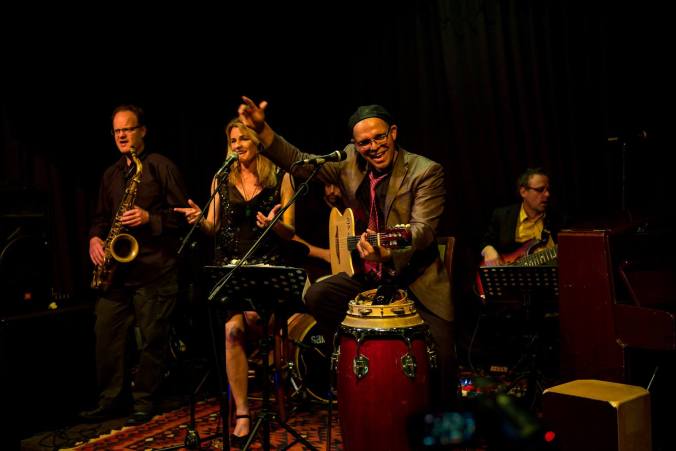 I read once, that a Jazz drummer playing Bossa or Samba is doing three basic things; the right hand replaces the shaker or cowbell, the left hand has the clave pattern and the kick drum follows the bass line. Add in actual congas shakers or cowbell and the interplay has the magnitude of a sonic earthquake.The number that I have posted is ‘O Barquinho’ or ‘My Little Boat(of Love)’ – a tune by Roberto Menescal and sometimes wrongly attributed to Jobim. It is a nice example of the Brazilian Bossa rhythms; rich in subtlety and contrast. It is a long-held tradition in this music to have a female and a male voice – call and response. Gould in English, imparting the wistfulness of the lyrics – Assis in Portuguese – taking me back to the master Joao Gilberto. The Portuguese language is extremely pleasant to the ear, while often masking incredibly sad songs. We didn’t need a dictionary or interpreter on Wednesday as we were transported without them. Nanny Assis’s voice, like his percussion and guitar playing, is pure magic – together the musicians gave us a great night.
 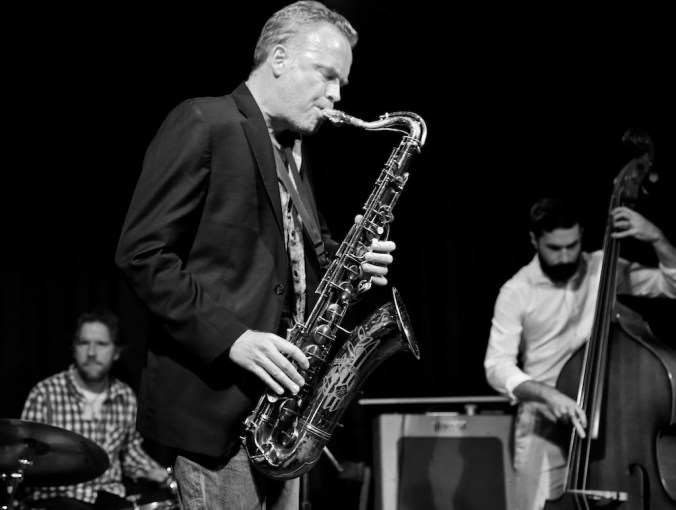 Music listeners split into two main camps; active and passive listeners. Those who listen to improvised music incline towards active, deep-listening. We know that the brains of improvising musicians light up in unusual ways when playing. Much the same applies to listening Jazz audiences. On Wednesday night a saxophone trio played at the Thirsty Dog; no chordal instruments, no lingering over familiar melody lines, a trio which worked within a broader musical architecture, following the changes where ever they led. Nick Hempton is an interesting player and the right person to take us on this journey.
 This sort of gig works well with listening audiences because it invites active participation. On Wednesday, each piece began with a few lines from a familiar standard, often just implied; then, a few bars in, the lines evolved into new melodies based on the changes. As the trio responded the horn led the others to various way-points: places where the music changed course. Fragments of new standards were discovered, unravelled, abandoned. The human brain is hard-wired for pattern recognition, but we love the puzzles that arise from the search. Settling for the familiar is not how we evolved. We evolved by following the risk takers, marvelling at their daring. Following this musical risk-taker, was our delight.
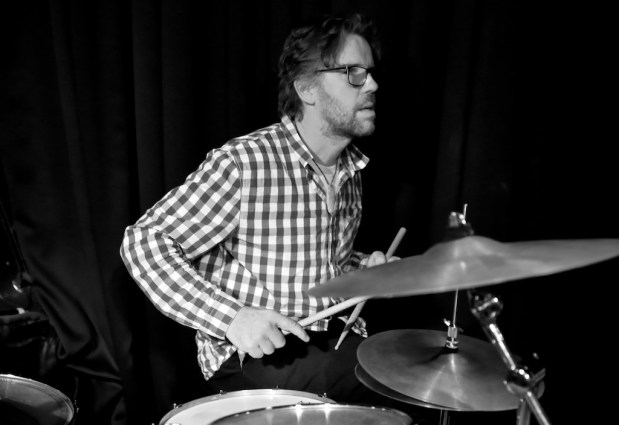 The point was not so much the standards themselves but the opportunities they presented. Appearing and disappearing in medley form was; ‘Night in Tunisia’, ‘Body and Soul’ A Sony Rollins waltz, ‘Exactly Like You’ and ‘Rhythm a Ning’ – these and more were examined. Standing alone was the lovely ballad ‘When I Grow too old to Dream’ (Romberg) and in Hempton’s hands, it was beautifully realised. There was also a great rendition of ‘Just Squeeze Me (don’t tease me)’ (Ellington) – I have posted that. The last trio piece was ‘Poor Butterfly (Hubbell [Puccini])’; followed by Roger Manins joining the trio for two last two numbers. As is often the case when two tenors appear on the same stage, a delightfully upbeat and riotous vibe emerges. Friendly sparring matches like this always go down well.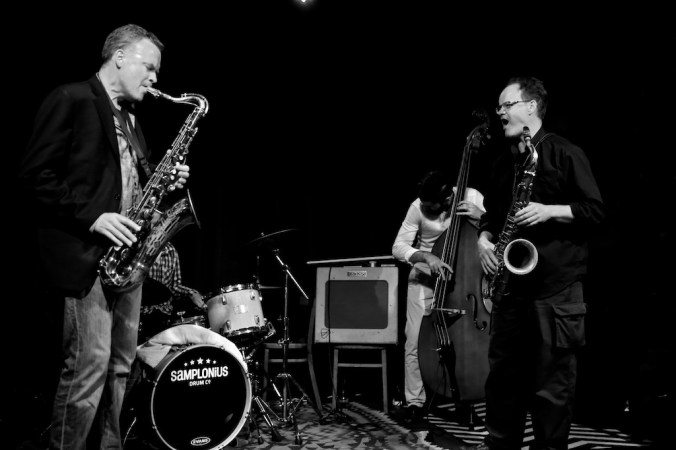
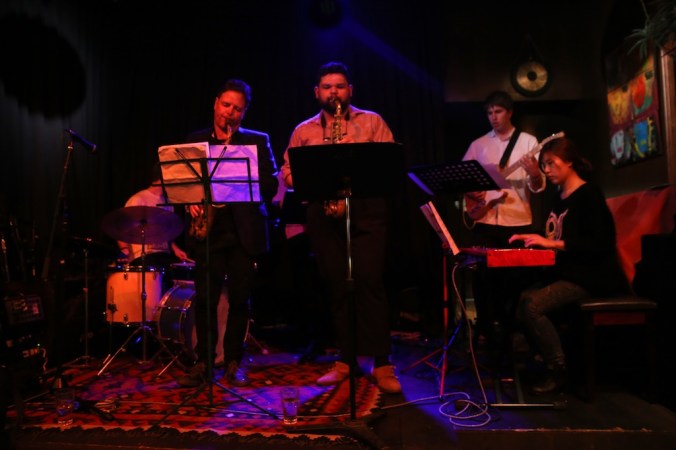 At some point in human evolution, the majority of humans decided to stay put. In consequence, the hunter-gatherers and the pastoral nomads became outliers. As civilizations grew, agriculture grew and large enclosures and granaries grew along with them. Beyond the walls and the jumble of enclosures; largely unnoticed, often unseen, foraging continued unabated. The homeless on the streets forage, philosophers forage, writers forage, wild and domestic animals forage and above all improvisers forage.
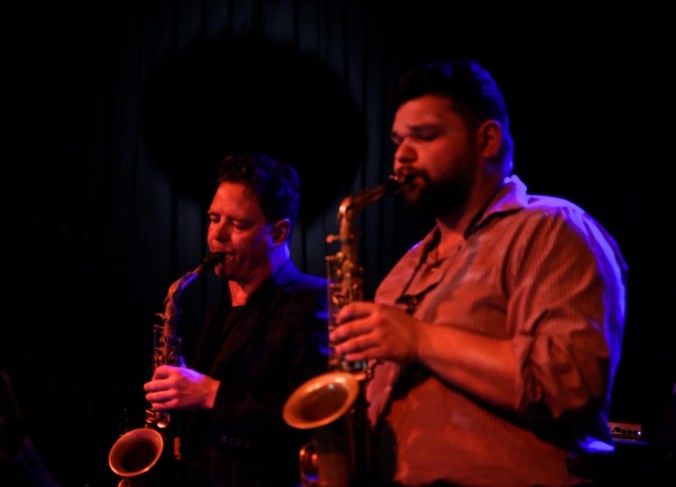 On Wednesday, his charts were for a larger ensemble. This time offering fresh insights; taking us further down the Rabbit hole. The pieces were of variable lengths and sometimes in parts. At some point during the second set, he played a piece titled ‘Ligeti’s Goat (I first heard that back in 2013). While the piece has melodic hooks and a basic structure, it is more, a surrealistic journey. A place where imagining, spoken narrative and musical narrative meet. Ligeti’s goat is vividly embedded in my memory; it is not a piece easily forgotten, a goat wandering through pastures, locating carrots (perhaps forbidden carrots), digesting the vegetables in that mysterious way of all ruminants.
 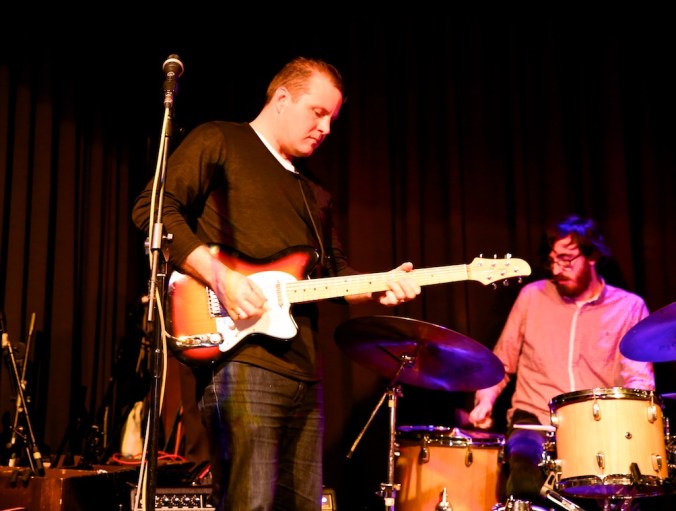 The last time Nick Granville played in Auckland was 2014. A year prior to that he released his Rattle Jazz album ‘Refractions’ here At that time the CJC was located in an old downtown basement venue and that feels like a lifetime ago. Wellington is his home base and Wellington keeps Granville busy. He teaches, he gigs about town, he backs visiting artists, he plays in shows, he records, he tours and he is the featured guitarist in the Rodger Fox Big Band. The last time I saw him play was in Wellington, but that was a few years ago. Much water has passed under the bridge since then and his reputation has meantime grown apace. I have also kept an eye on his teaching clips, and his ongoing evolution as a musician is evident in these. Almost everything Granville plays is coloured by the blues in some way; that is his thing. On a mid-winter night, it is my thing as well.
 With the exception of ‘Alone Together’ by Schwartz/Dietz, all compositions were Grenville’s. Some were from his Rattle Album, such as Tossed Salad & Scrambled Eggs or Blues For Les, while others were much newer. The compositions were all ear-grabbing and most appeared to reference geographical locations or old TV programs. ‘Funky New Orleans Groove Thing’ was certainly true to label; a rhythm-driven groove piece that generated white heat. With Stephen Thomas on the job, the New Orleans beat never sounded better. Thomas is an exceptional drummer.
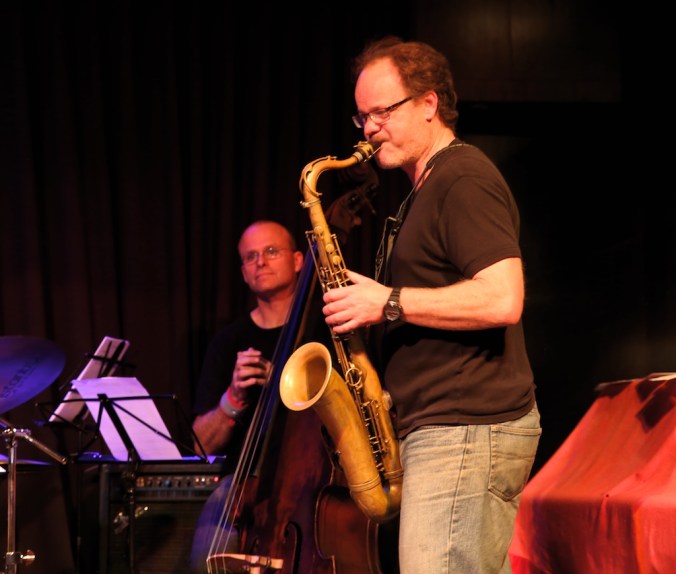
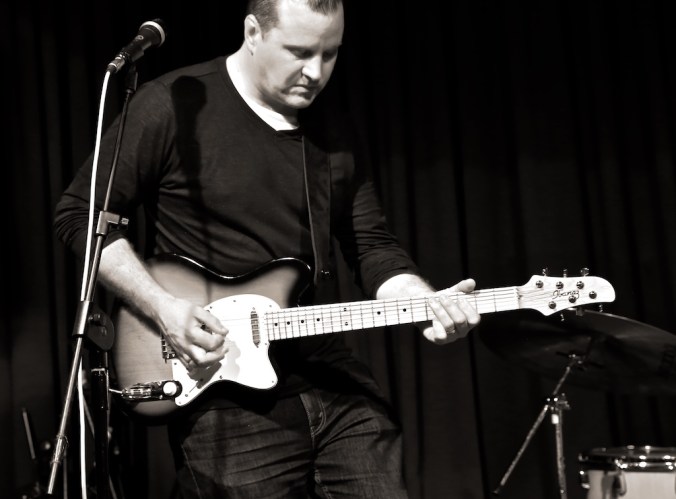 A tune that I have heard Granville play previously is ‘Somewhere You’ve Been’. The title is a clever play on Wayne Shorter’s ‘Footprints’. The tune, although not a contrafact of Footprints is close enough to bring it to mind, It is nicely constructed and a good vehicle for a band to play off. For this gig Granville had wisely engaged old friends; Roger Manins, Oli Holland and Steven Thomas. Together on the bandstand, they represented genuine firepower and everyone dug deep when it came to delivering solos
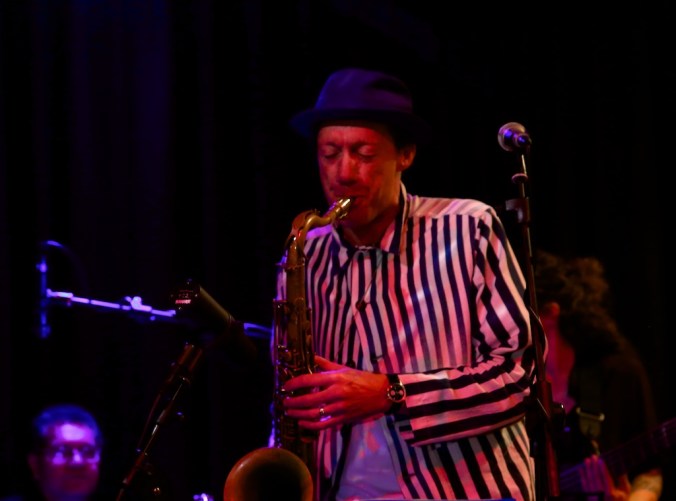 This was trippy stuff. A band that gnawed at the bones of form while the music swept us along; taking us ever deeper, forcing us to loosen our grip, as the waterfalls of sound consumed us. This was most definitely filmic music; throwing up subliminal specters like a Burroughs cut-up montage: an indie soundtrack, Voodoo but with four Papa Docs urging us toward trance.
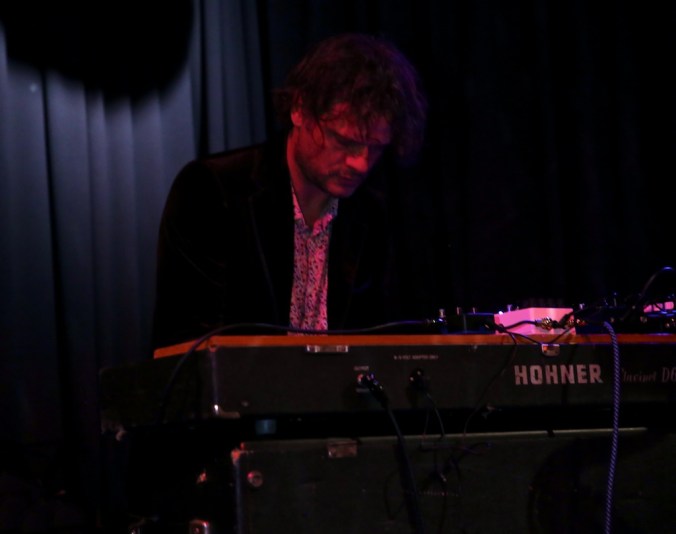 Attempts to confine improvised music within historic boundaries is plain foolishness. Never has this been more obvious to me than at last week’s ‘Monsters of The Deep’ gig. Superficially it sounded like, looked like classic fusion; but it was and it wasn’t. The keyboard instruments were classic analog, the lighting otherworldly; various delays, distortions or effects echoed across the room. While the overall vibe nodded in the direction of Jazz/Rock, the musical language was that of deep improvisation. The accessibility hiding worlds of complexity and there’s the wonder of it. Few local musicians could pull this off as well as Crayford and Haines did.
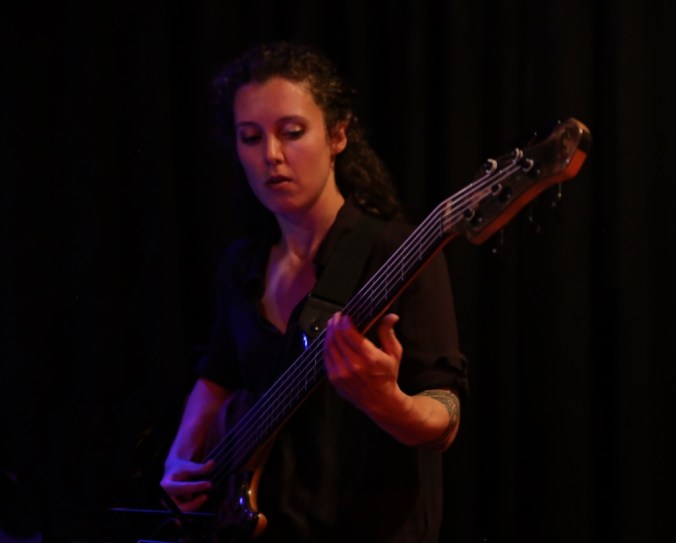 The collaboration between Crayford and Haines is certainly not their first; that took place in New York a long time ago. Since then they have both gained international reputations, recording in the UK or in New York. Both have separately won the Best New Zealand Jazz album of the year during the last decade, both attract sizable audiences. These artists are generally offshore but we caught a break this year – they are domiciled in Auckland at the moment.
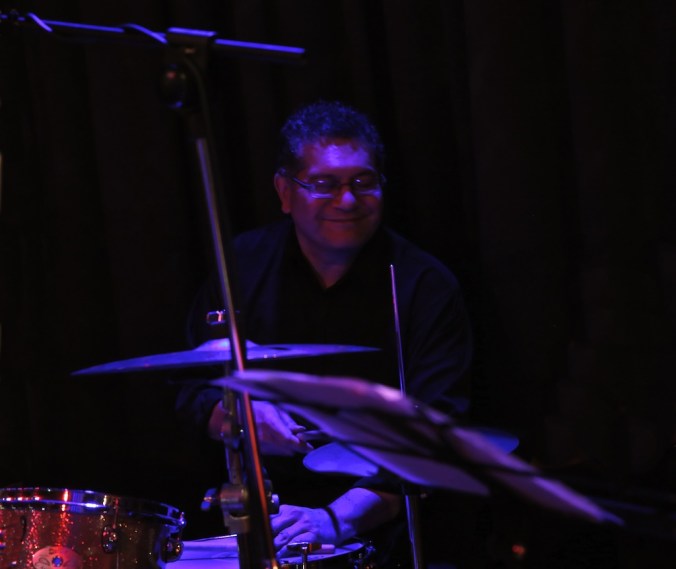 While the project draws on various inspirational sources like Alice Coltrane and Igor Stravinsky it is also brimming with originality. This is ‘spiritual music’ of the highest order and it uses the devices of the Shaman: long intensifying vamps and hypnotic beats which slip deftly into the consciousness. Throughout the night, it was Haines who took the melodic path while Crayford provided magnificent architectural structures. If even one element was removed, the edifice could fail; this was a music built from layers, each balancing delicately on the one beneath; only exposed incrementally, like a nested Russian doll. Marika Hodgson was the perfect choice for running those long ostinato bass lines. Her time feel is impeccable and she creates a gut punch while blending seamlessly into the mix. Not many know it, but Crayford is also a gifted bass player – he knows exactly what is needed and he trusts Hodgson to deliver. The one musician that I had not seen before was Mickey Ututaonga. He has a long history with Haines and again he was a good choice. Because the music was so carefully balanced, the last thing it needed was a busy splashy drummer. Ututaonga synced with the others, his every beat enhancing the overall hypnotic effect.
 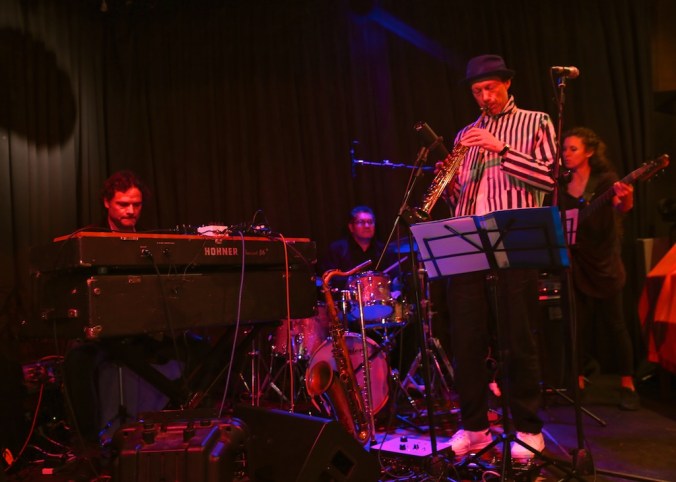 The other stars of the show were the instruments and pedals. For Crayford a Fender Rhodes and an equally vintage Clavinet; for Haines, his beautiful horns fed through a vintage SM7 Shure Microphone, then into a preamp and guitar FX board.
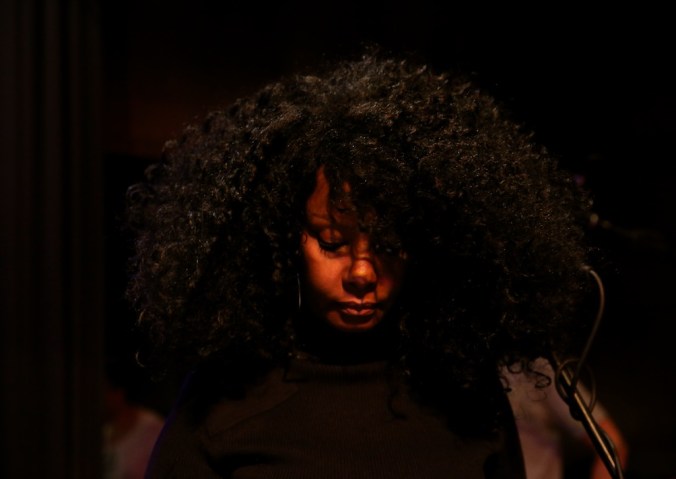 When Vivian Sessoms sings, she takes you deep inside the music. Whether singing the American Songbook, or her own compositions, her storytelling resonates. She sings of American life with all its contradictions; joy and pain both laid bare. Her rendering of Herbie Hancock’s ‘Butterfly‘ tender: the rendering of her own composition, ‘I Can’t Breathe‘, a song referencing the ‘black lives matter’ struggle – raw. As she sang ‘I Can’t Breathe‘, people brushed tears away; feeling the loss, the injustice; sharing in the incomprehension. She sang it for the families of the young lives so senselessly snuffed out; dying at the hands of those sent to protect them – she sang it for us, a people located an ocean away. We listened and understood the message. Art is at its best when it is fearless and truth-telling – Sessoms gets this.
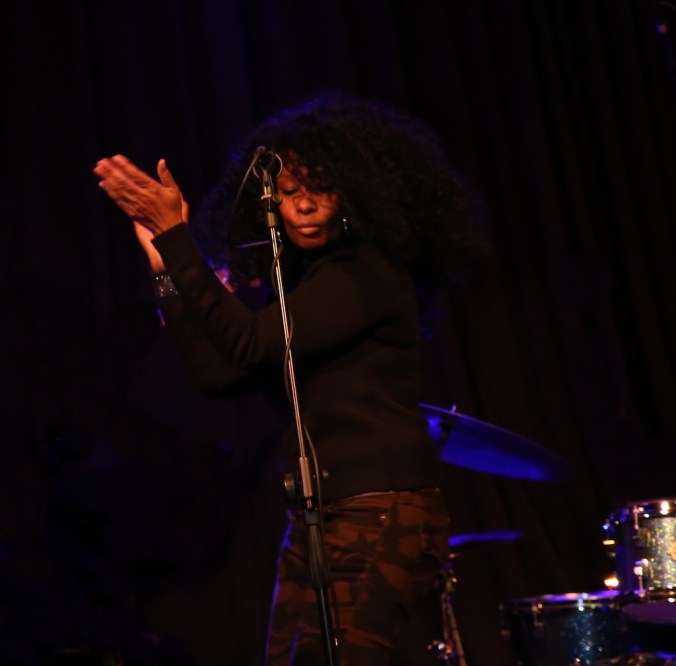 Sessoms is Harlem born and bred; an activist, the niece of Nancy Wilson, the daughter of musicians and a gifted performer with a long string of credits to her name. She was raised in the Jazz world but found early acclaim as a soul singer. Now she is returning to her Jazz roots with her ‘Life‘ album. The tour reviews have been overwhelmingly positive and no wonder; At age 9 she opened for Marvin Gaye, later working with Michael Jackson, Cher and Stevie Wonder. As a performer she is simply riveting; her voice a miracle – to have her here in an intimate Jazz club setting, a rare treat.
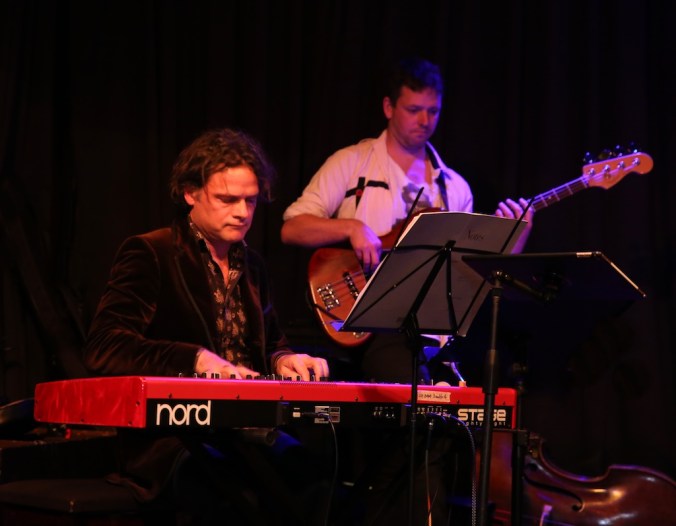 What we were hearing was counter-intuitive. A voice of incredible power, but a voice filled with subtlety: A voice that dominated a room, but never at the expense of nuance. Although powerful, her instrument never strained, a voice which flowed as naturally as breathing. These are rare qualities when considered together in one package. Her material was also well thought out; The standards timeless but each one interestingly reinterpreted: ‘Tenderly’, ‘Love for Sale’, ‘Round Midnight’, ‘Never Let Me Go’, ‘I’ve Got You Under My Skin’ and others.
  Sessoms is a generous entertainer, happy to mingle with the audience, comfortable enough to tease them a little; posing for endless selfies and promising faithfully to return. She even shared the microphone with several first-year students. That is the common touch – a thing Kiwis love; she read our love of informality well. For details about her ‘Life‘ album go to the website link below. If we support the album, it might just hasten her return.
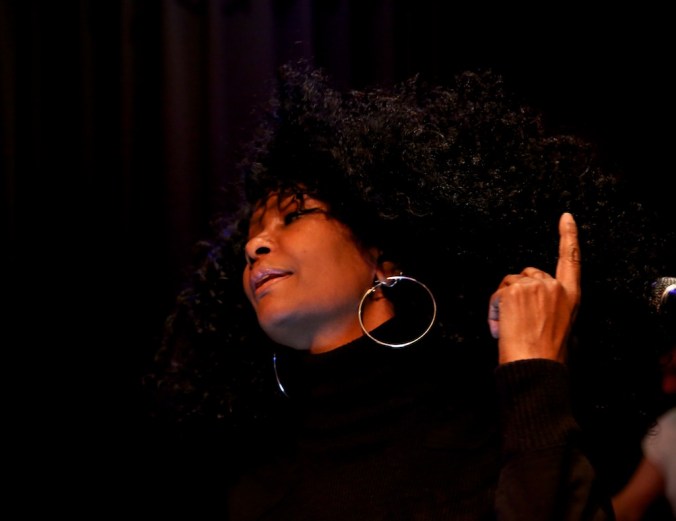 She departed New Zealand the next morning on an early flight; arriving in the USA to be greeted by the news, that yet another jury had acquitted a police officer of killing an unarmed black youth. In these troubled times, more power to her.
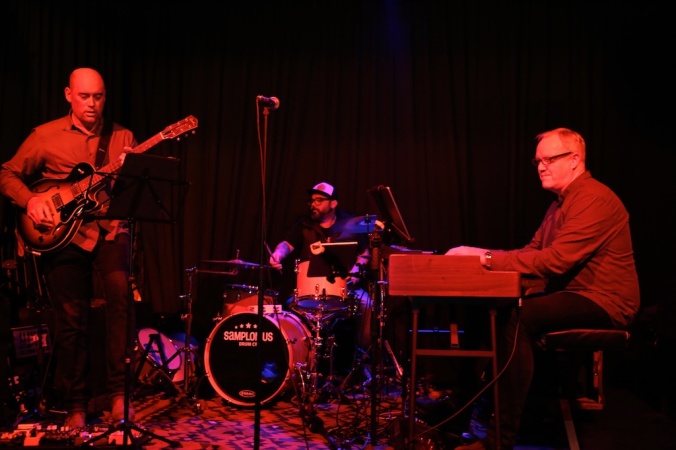 While some of us didn’t make it to the Wellington Jazz Festival, we had no need to cry into our beer. What Auckland had on offer was the Alan Brown Trio, returning to the Creative Jazz Club after a long hiatus, and in very good form. I have long thought that an organ trio is the best dish to serve up on a wet winter’s night. This trio proved the pudding with its down-home goodness, tasty grooves, and with all the trimmings. While Brown is across many genres, this is the one most music lovers associate him with. His deft touch calling down the good times and bathing us in a warm orb of sound.
 We heard mostly new material with a few well-chosen standards thrown in; all of it sounding fresh, the arrangements for the standards updated and interesting. Brown is a prolific composer – he always writes interesting tunes. His Between the Spaces album came out years ago, but I can still remember the tunes note for note. He is never afraid of melody either, balancing it nicely with his rich harmonies and all the while providing a solid improvisational vehicle. His final strength, and perhaps his greatest, is his feel for a groove. Although rooted firmly in the organ groove tradition, much of the new material felt evolutionary – taking us in a similar direction to that of Lonnie Smith. There is a lot to like about this direction.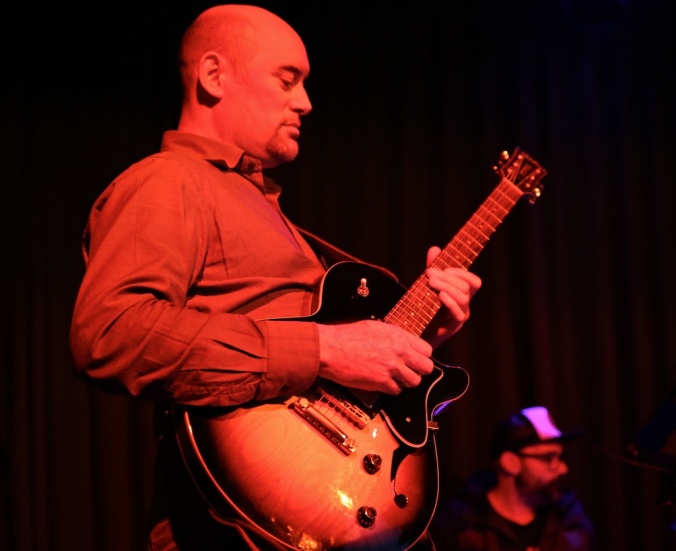
 It was good to see Melville perform again. I had not seen him on the bandstand since the Grand Central days. He’s an in-demand vocalist these days and deservedly so. I think that it was on his insistence that ‘I didn’t know what time it was’ was included (the Cecile McLauren-Salvant treatment). I have always loved his wonderful ”Come what may’ (Melville/Nacey) – surprisingly it is seldom heard.
 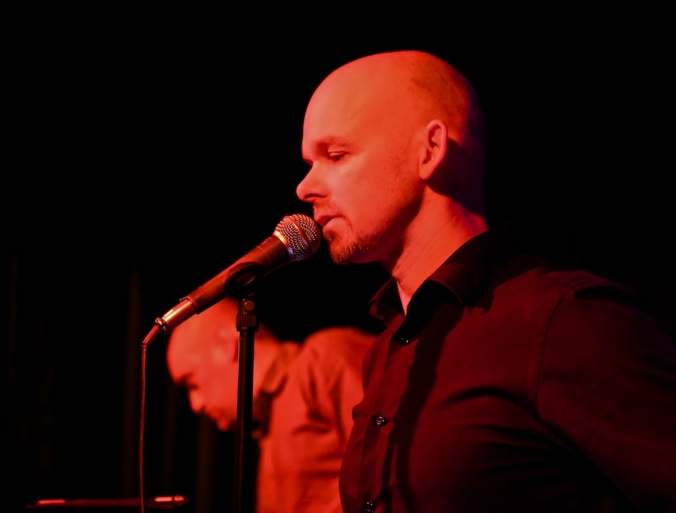 Although my battery died half way through, I have uploaded a clip from the gig – one of Alan Brown’s newer compositions. The trio’s incredibly warm vibe is well captured on this clip – a sound enhanced by the use of a Leslie Unit and of course by Nacey’s Godin guitar. This was the place to be; as the woody tones and warmth enveloped us, Winter was dispelled from our lives.
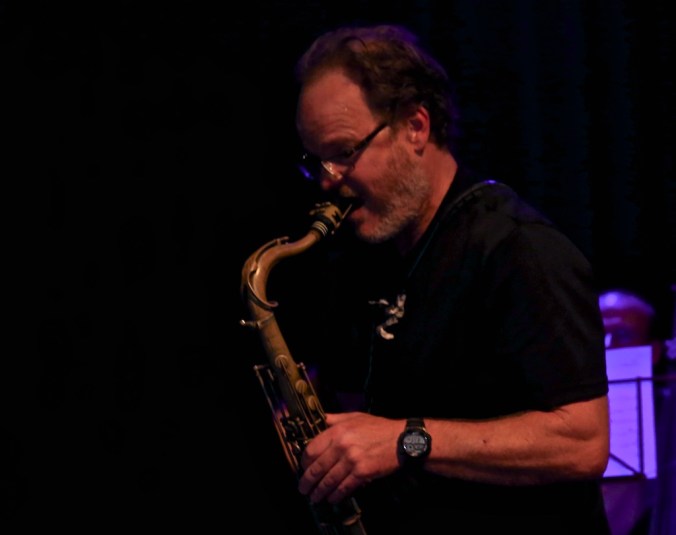 There is never a guarantee that two good acts blended into one will work. This one did. DOG and the various iterations of the Peter Koopman trio are each in their way self-contained; exuding a confidence born out of time spent with familiar musicians. Bands that play together over long periods anticipate and react instinctively. Stepping outside of that circle can be a risk, but that is a large part of what improvised music is about. DOG are a tight unit with quick-fire lines and nimble moves. By adding a guitar, DOG risked crowding their musical space; with Koopman, this did not happen. He is an aware and thoughtful musician. The pairing aided by some well-written charts, a pinch of crazy and good humour. The result was a looser sound, but the joy and respect provided all the glue it needed for the gig to work well.
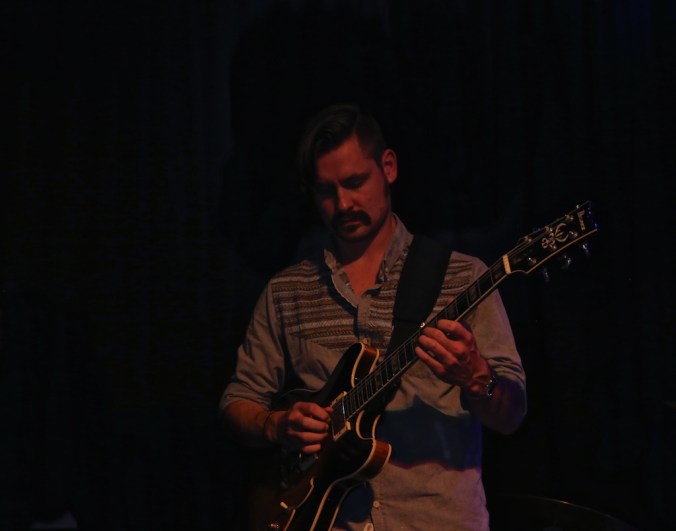 The unison lines and exchanges between guitar, tenor saxophone and Rhodes were just lovely. Kevin Field is always on form and the Rhodes with its chiming clarity was the perfect foil for Koopman and Manins. Field is the complete musician, tasteful, original and with impeccable time feel; Koopman’s guitar benefitting from the well-voiced chords, gently and sparsely comping beneath. Manins also gave a nice solo, and as we have come to expect, he reached for a place beyond the known world. Olivier Holland had a slightly different approach to Koopman’s regular bassist Alduca. Both approaches worked well on Judas Boogie. The interplay between Holland and Samsom was also instructive. As is often the case with good Jazz; the complicated was made to sound easy.
 JazzLocal32.com