 Karangahape Road and the precincts around it are a natural home for adventurous and alternative music. If you walk the length, you are assailed by sights and sounds at variance to each other. Taken in their entirety they are oddly compatible. The jumble of colour and the bursts of noise as you pass a Karaoke bar or an uber cool eatery is counterbalanced by the languid notes from Shanghai Lils or the soft chatter emanating from Hookah smoking Kebab shop doorways. Woven into this oddness of streetwalkers and urban cool, are the alternative music joints. Down in basements, under the street or up narrow stairways. Thirsty Dog, Anthology, Audio Foundation, Wine Cellar. And at the top end of the strip, next to the old Jewish graveyard is the Backbeat Bar. High-quality alternative improvised music resides here on Wednesdays.
Takadimi is the brainchild of the gifted tabla player Manjit Singh and the CJC featured his band last Wednesday. This is a fusion band in the very best sense of the word as it fuses styles and complex rhythms with apparent ease. The music’s origins are clear but the tunes are not unduly anchored to them. We are living in an age when classical forms are not nailed down and in the west, the whole notion of musical purity is frequently overstated. The higher purpose of music is to connect on a human level and not to impress by showing off technical prowess. Takadimi connected deeply and spoke directly to our senses. They played improvised music but worked into the complex structures of Indian Talas. It felt as if both forms were respected.
The tunes were all introduced by the leader Manjit Singh, who would establish the rhythm by chanting a tala (or taal); then he would guide the ensemble into the open and freer air of jazz harmonies where collective (or solo) improvisation occurred. I have seen this band before and this felt like a step up. The soloists, in particular, showed a readiness to work with and enjoy the challenges presented by the complex polyrhythms. All of the musicians held the line and made it appear easy – it certainly was not. 
Underpinning everything were the rhythms and colours provided on the Tabla – an instrument long embedded into the Jazz repertoire. Anyone who has heard John McLoughlin, Jean Luc Ponty and Zakir Hussain together will understand how profound the association can be. It is therefore great to have such a fine tabla player in our midst and it our good luck that he is up for cross-genre collaborations.
The last time I heard Takadimi was at the Thirsty Dog; way down the other end of K’ Road. On that gig the lineup was different, this time the band had no guitar and the pianist Alan Brown had joined them. Singh could not have chosen better. Brown is well versed in the output of East European wunderkind Tigran Hamasyan. Hamasyan often counts in with talas and his beautiful Armenian styled rhythms are at times, very close to Indian forms. Brown is a master of complex rhythmic structures and capable of executing them without ever losing the groove. There were many fine performances but a standout was from Lukas Fritsch. His alto danced expertly through the tunes and for a young musician, he handled the complexities like a veteran. 
The clip that I have posted is a beautiful composition by the guru Ustad Fazal Qureshi and arranged by Manjit Singh. The Taal is Mishra Jaati – rendered as a polyrhythmic 7 over 4/4 time. On this track, Brown plays a synth instead of piano.
Takadimi: Manjit Singh (leader, tabla, arrangements), Alan Brown (piano, keyboards), Lukas Fritsch (alto saxophone), Denholm Orr (bass), Daniel Waterson (drums). The gig was at the Backbeat Bar, K’ Road, Auckland, CJC Creative Jazz Club, July 11, 2018.
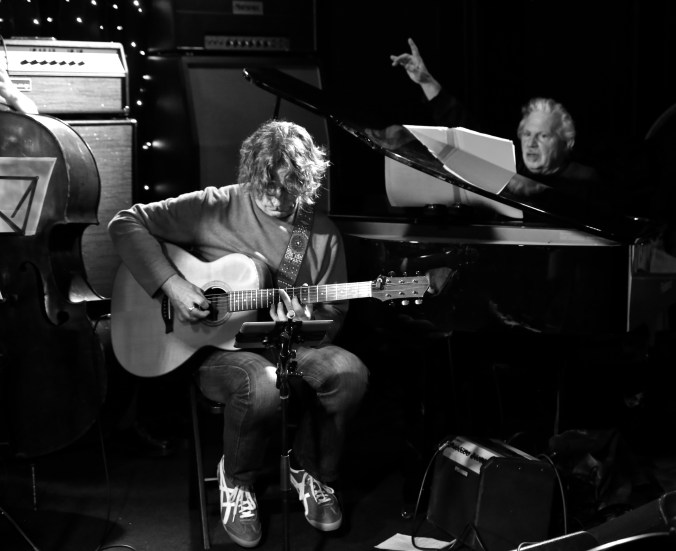 There is an inescapable charm surrounding any Besser performance and Wednesday’s Zestniks gig at the Backbeat bar was no exception. While his music has many strands feeding it and although it can be hard to categorise, it is never the less rooted in the Jewish musical traditions. Besser is somewhat of an icon in Arts circles and deservedly so. The arc of his work has a momentum that few could emulate. As it alights on various styles or genres it borrows their raiment, and seemingly without compromising what lies at the music’s heart; gathering what is necessary and no more. Over the years he has collaborated with leading conceptual artists, filmmakers, symphony orchestras, electronic adventurers and Jazz musicians. The Zestnics performance reflected much of this fascinating journey.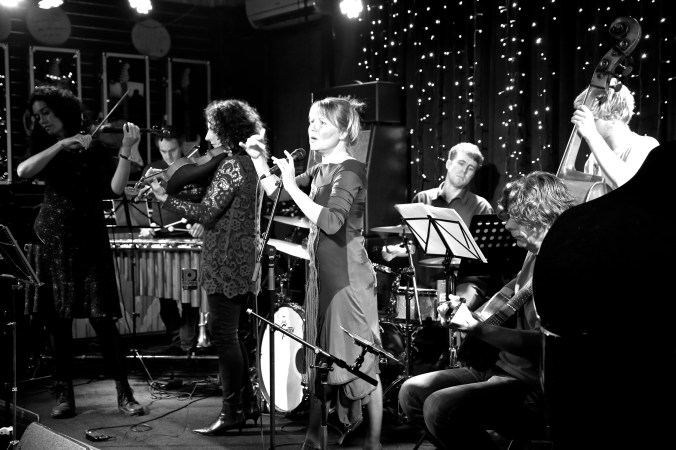
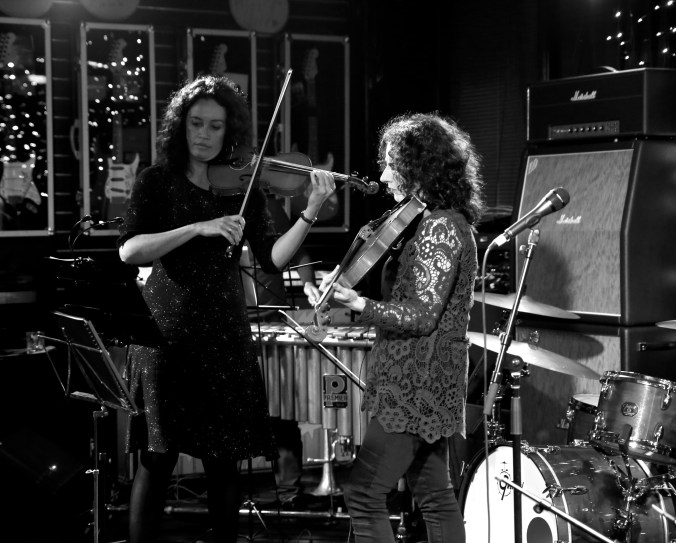
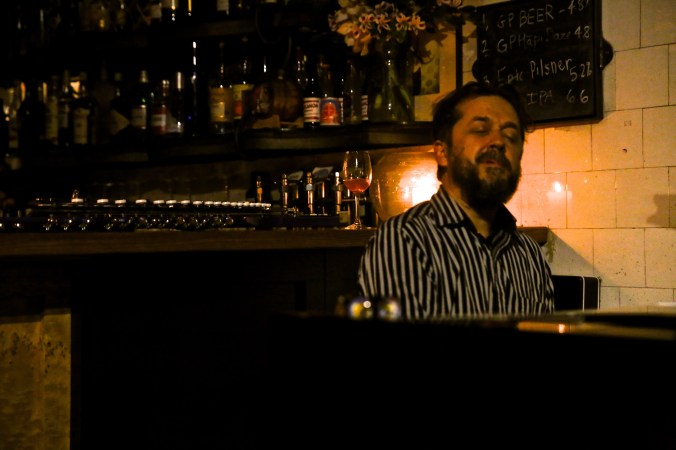 The pleasure of experiencing great music in small venues is inestimable. Sure, we love it when the famous cats blow through town, rush to get our tickets for the town hall concerts, pay the hefty price tag gladly and listen; watch the tiny figures way, way down on stage. I have attended many such concerts over the years and regarded them among life’s high points, but now I am not so sure. As great as these concerts are and as amazing as the visiting musicians are, the experience is filtered through layers of complexity and as a result, one essential ingredient is often missing, that feeling of warm intimacy.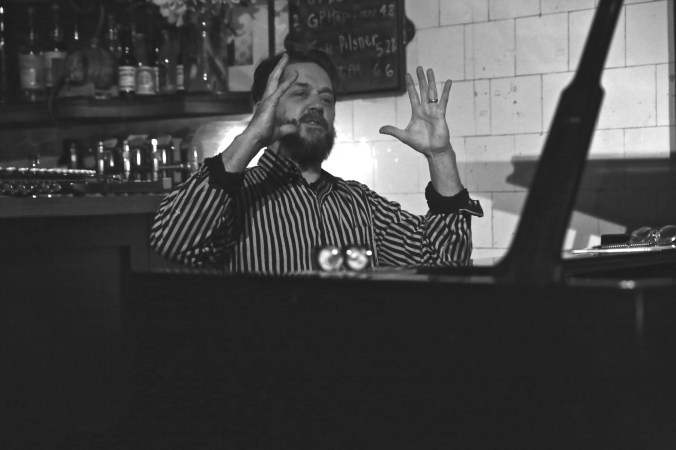
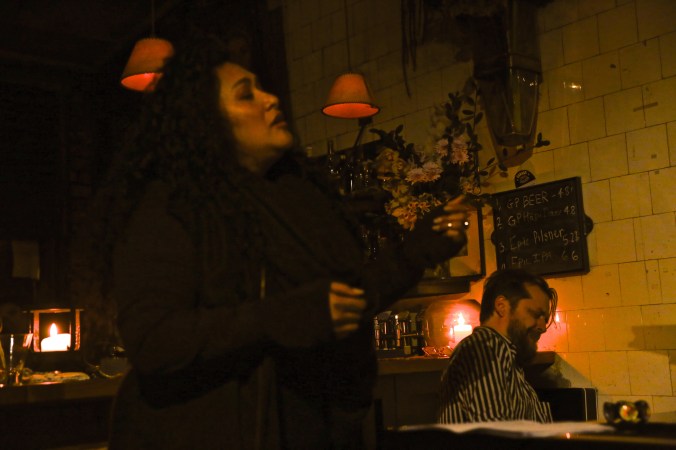
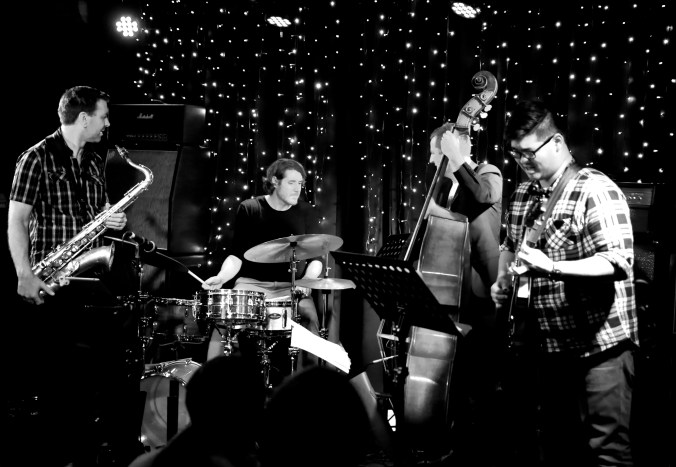 Wednesday 30th May was the Auckland launch of Sumo’s second album titled ‘Shiko’. I am reliably informed that Shiko is a stamping motion which Sumo wrestlers perfect during training. The action drives away evil spirits and when you hear the band, the descriptor strikes you as appropriate. Suspense and surprise are hallmarks of this unit and as in Sumo wrestling, you get theatre, tricky moves, tradition and a degree of inscrutability. Above all, they showcase quality improvised music.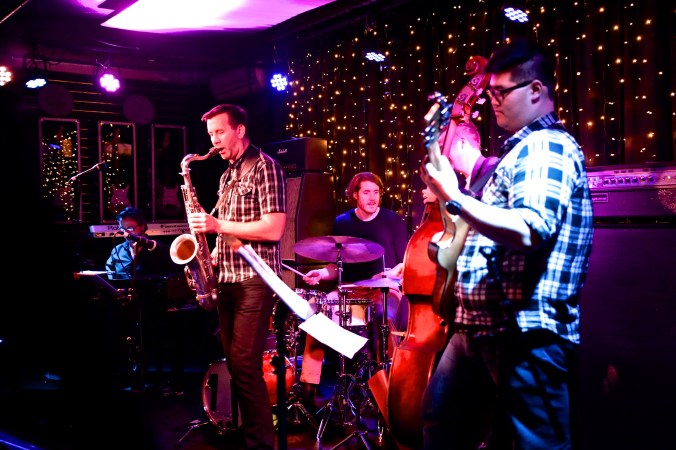
 Viata
Viata Zephyrix
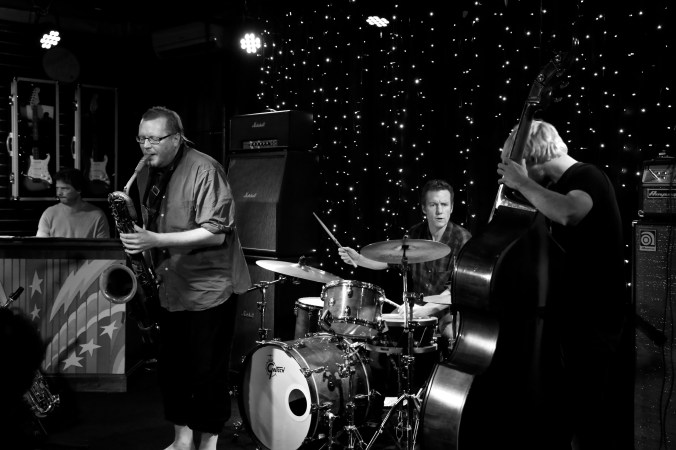 Jeff Henderson is a freedom warrior from outside of the perimeter fence. On the 9th of May, 2018, he marched barefooted into the Backbeat Bar with a ragtag army of irregulars. The audience had come well prepared and a pregnant air of anticipation hung over the bandstand during setup. Unusually, there were no lower ranks in this army, all were battle-hardened veterans (or anti-heroes depending on your viewpoint). All had impressive service records, an advance guard who took no prisoners. Jonathan Crayford is arguably the most famous of the troop, a decorated hero who swiftly commandeered a C3 organ (an ancient analogue machine decorated by psychedelic art and reminiscent of a Haight Asbury weed shop). Beside him sat machine gunner Steve Cournane, a rat-tat-tat freedom fighter recently returned from Peru. The remaining soldier, battle scared and bleeding, was Eamon Edmundson-Wells (his Viking surname tells it’s own story).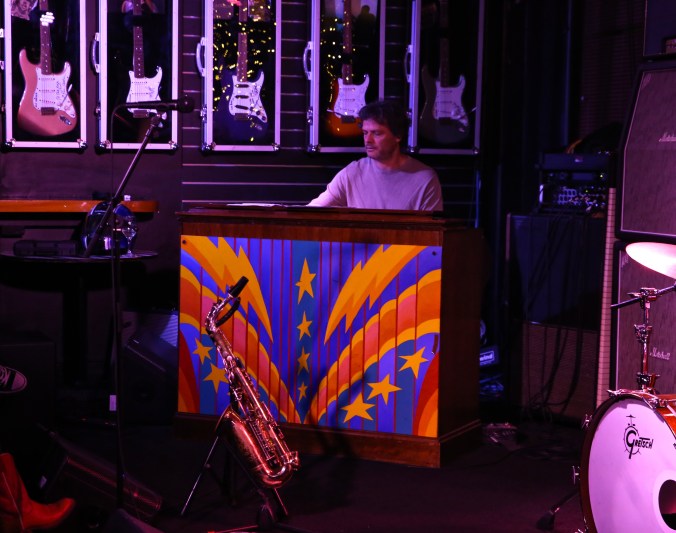
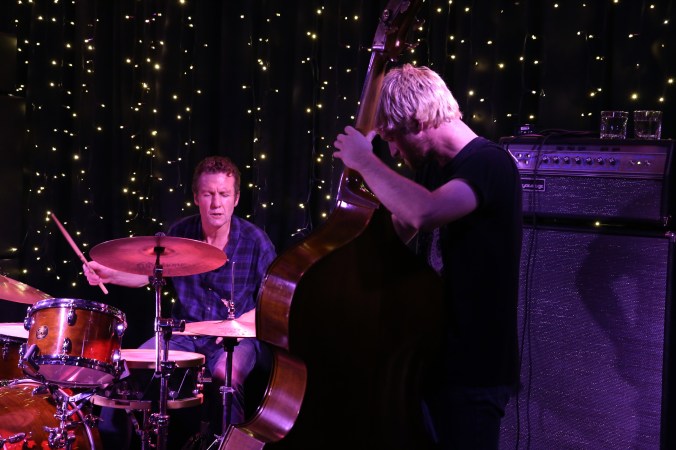
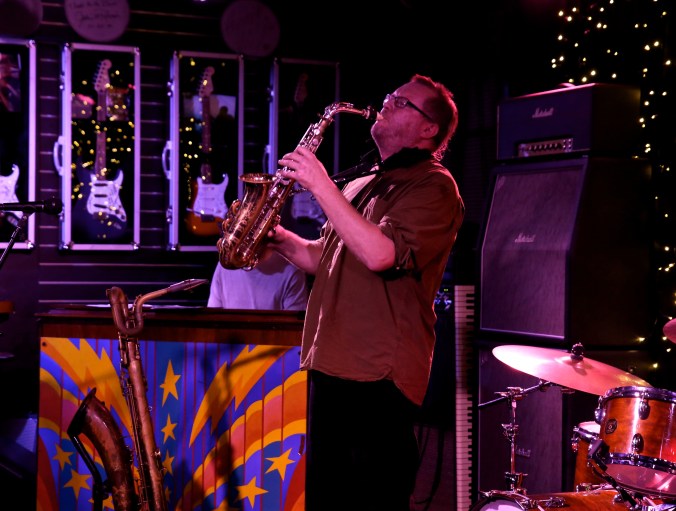
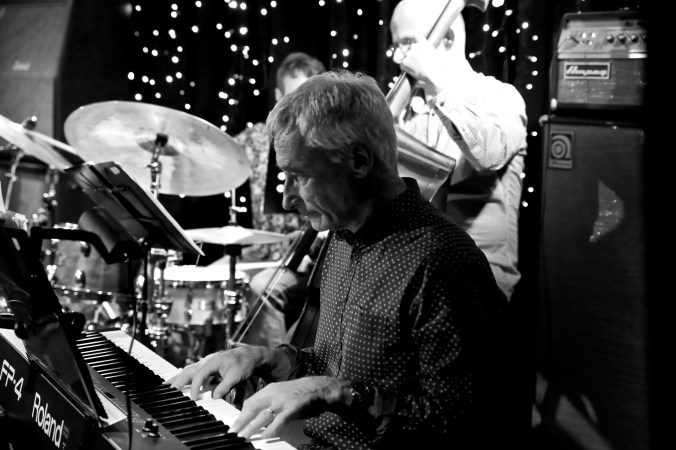 After a year of living in Paris the Auckland educator and pianist Phil Broadhurst and his partner, Julie Mason, have returned. The Broadhurst Quintet has been a regular feature on the Auckland scene for many years. The unit is fueled by a constant stream of great compositions, an unchanging line up of fine musicians and three critically acclaimed records (one of them a Tui Jazz Album of the year winner). Broadhurst’s ‘dedication trilogy’ set a high bar compositionally, but his pen is always crafting new compositions. After last weeks gig, I suspect that another album capturing the artistic soul of France might be in gestation. Broadhurst, as many will know, is unashamedly francophile. Out of this deep appreciation and finely honed perception flows terrific creations.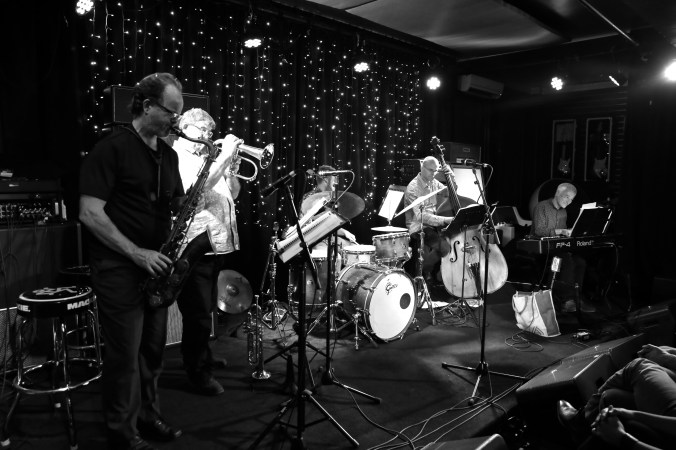
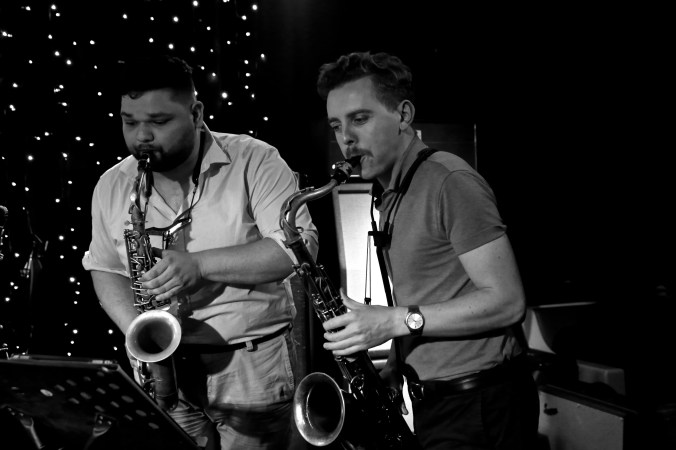 This is the second appearance of Flightless Birds at the CJC Creative Jazz Club and the audience flocked to hear them. The band is a history lesson to the initiated and an initiation to those unversed in Jazz history. They presented a programme that was both clever and accessible and therein lay its charm. The band specialises in contrafacts and especially those of the bebop and swing era. The inside joke is that many of those tunes were once contrafacts themselves; new and often frenetic tunes written over the changes of familiar ‘songbook’ standards. In the bebop era tunes like ‘Cherokee’ (Noble) became Ko-Ko (Parker), ‘I Got Rhythm’ (Gershwin) became ‘Dizzie Atmosphere’ (Gillespie). Musicians like Charles Mingus took things a step further by introducing a wry political humour into titles, exemplified in his contrafact ‘All the things you could be by now if Sigmond Freud’s mother was your wife’ was ‘All the things you are’ (Kern). A throwaway favourite of mine is ‘Byas a Drink’ (Don Byas) which is ‘Stompin at the Savoy’ (Sampson).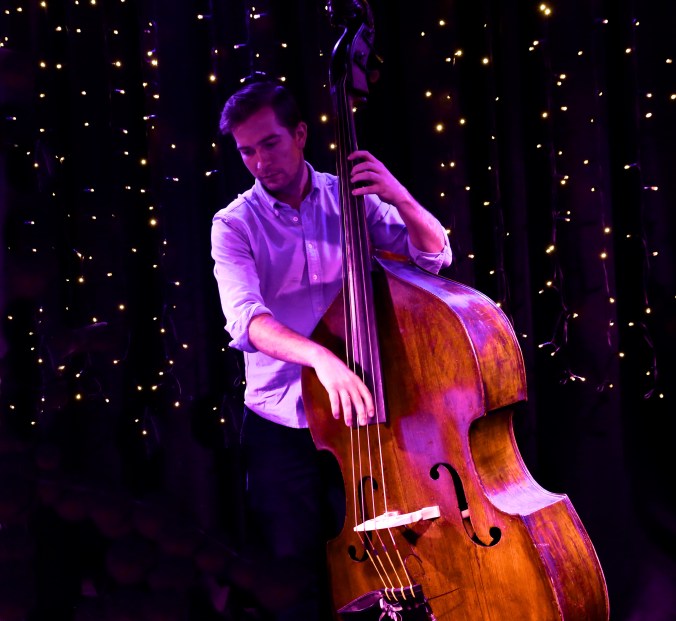
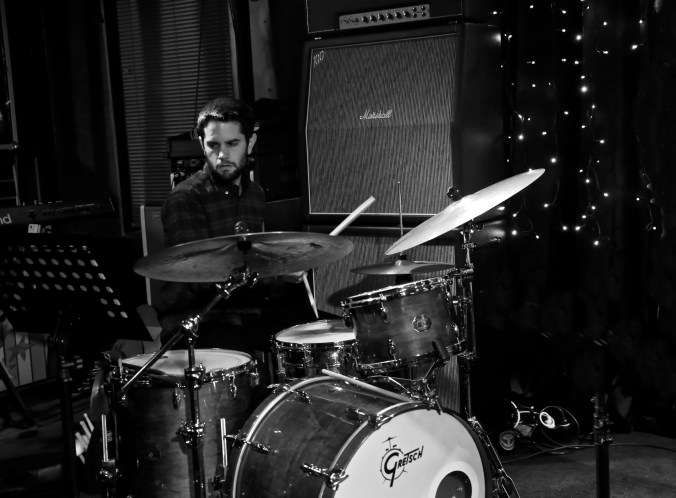
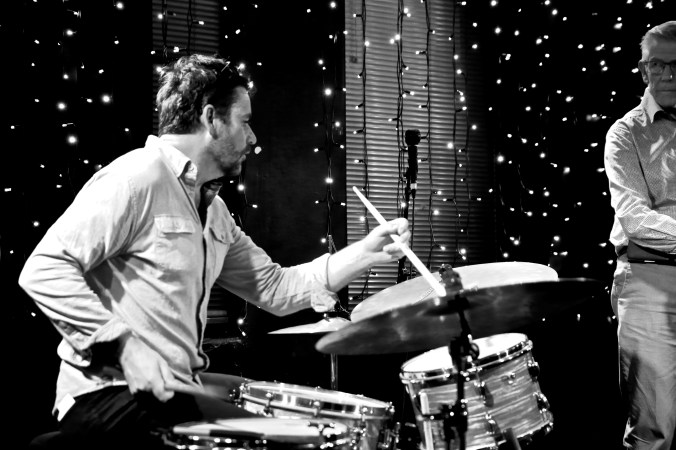 This particular group is an uncommon thing on the Auckland scene. A Jazz guitar trio formed by three of our best musicians and each of the musicians in it for the long haul. Samsom/Nacey/Haines have been playing and recording together for a long time and the commitment has remained constant throughout. Their longevity is clearly about musical chemistry, but also about their combined approach to composition. Each band member writes in their own style, but each instinctively understands how the others will react to the chart. This is how mature bands operate; the familiarity enabling the collective to dive into the heart of a composition and extract the best from it. While their original compositions form the bedrock of their output, they also tackle standards; especially when performing live.
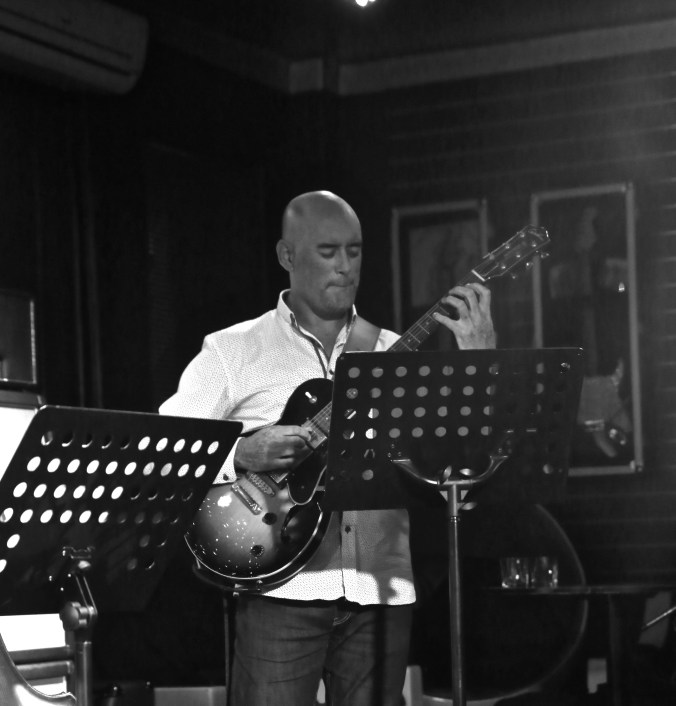
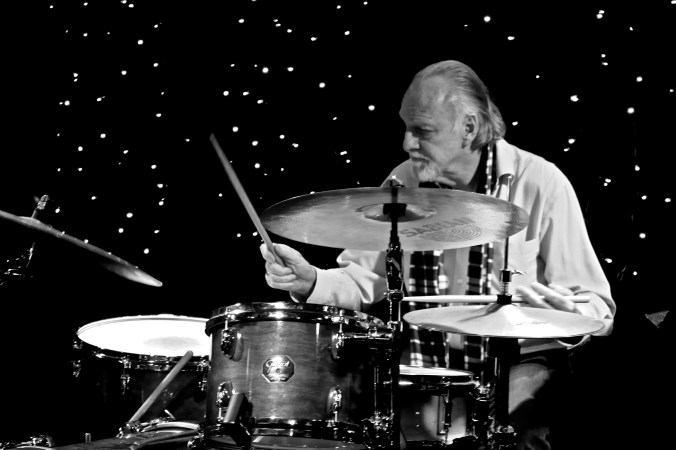 Every Jazz club needs a Monk night on their calendar and when it comes to Monk the local go-to person is definitely the well-known drummer Frank Gibson Jr. Gibson and the various iterations of his bands have long made a point of keeping the Hardbop era and Monk firmly on our radar. While the setlist was not exclusively Monk, the Monk tunes chosen were a solid mix of seldom-heard compositions and old favourites.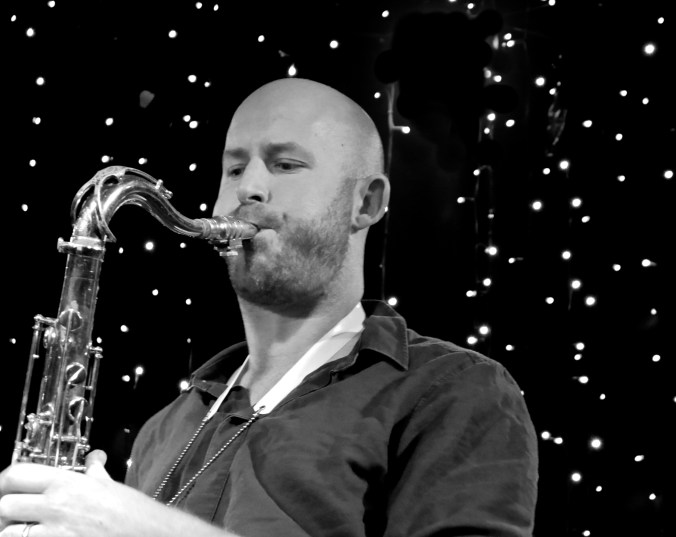
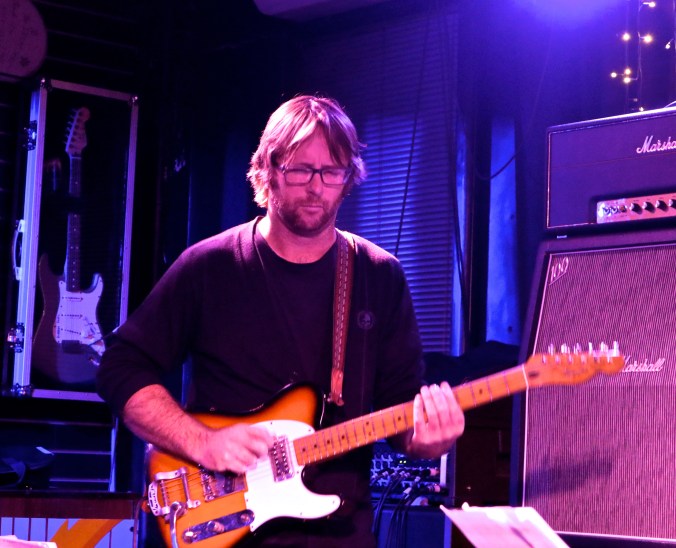
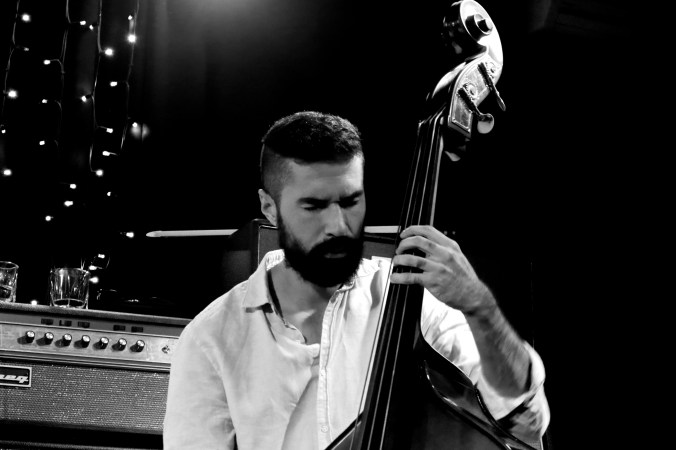
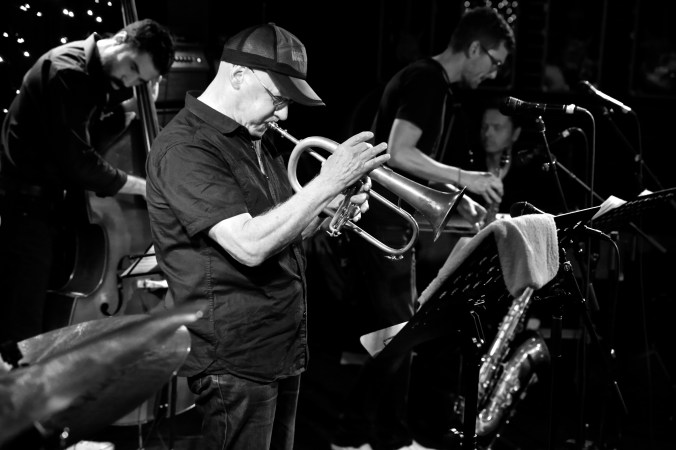 After a long gloomy week of intense storm weather, 200 kph winds, polar darkness and zero electricity, I am finally back in front of my computer. A few days before the storm I was sitting in the warm, well-lit, electricity charged Backbeat Bar and listening to the Kim Paterson Band – by far the preferable option. Jazz trumpeter, Paterson, has been on the New Zealand Jazz scene for as long as I can remember and his name is forever associated with legendary figures like Mick Nock. When I was a teenager I knew many people that he knew and he always seemed to lead an exciting life: gigging in Australia or further afield and travelling to India on a shoestring (our generation regarded that as an essential rite of passage). Out of that rich life experience and long years of devotion to his artform, has come a book of marvellous compositions. These compositions were the focus of his CJC gig and his bandmates gave them the respect they deserved.
 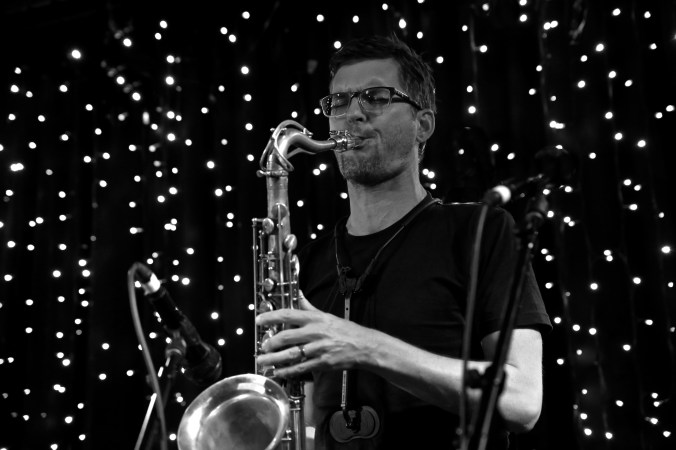 It is hardly surprising that Paterson selected his bandmates well, all experienced musicians and all with a feel for the texturally rich, open-ended compositional structures. I was particularly delighted to see Lewis McCallum on the bandstand, having missed an earlier gig of his and regretting it. He played tenor and soprano and the unmistakable influence of Coltrane’s conceptions shone through. Although not the leader, McCallum was a powerful presence. It was obvious that he regarded this project highly and his guiding hand was repeatedly acknowledged by Paterson. His tone was biting, but not harsh; his ideas were communicated with clarity.
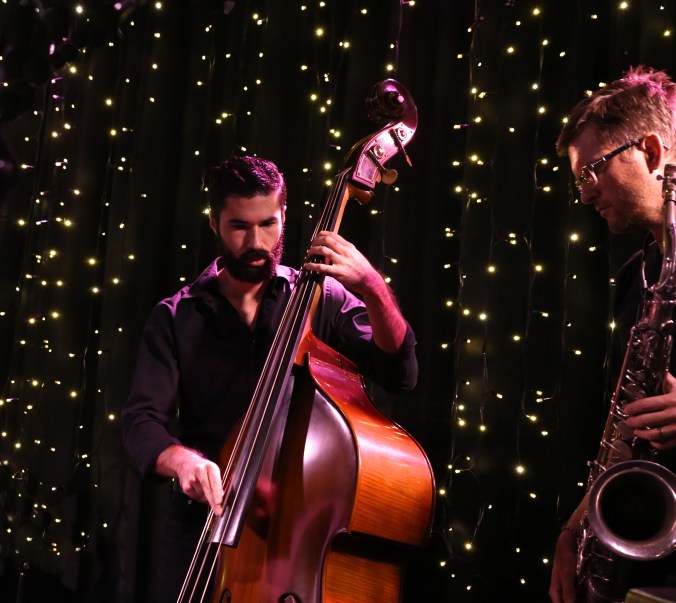 Keven Field was on Rhodes and as always his contribution was impeccable. The Rhodes was exactly the right keyboard for this project and Field, the best keyboardist to bring out its strengths. Somehow he always manages to tease hidden beauty from a Rhodes. Cameron McArthur was on bass and like Field, a first call musician. McArthur is so well established and well respected that no one is surprised when turns out a stellar performance. The remaining band member was Stephen Thomas and again a very fine musician. Thomas works across a number of genres now, but his Jazz chops and good taste are always on show.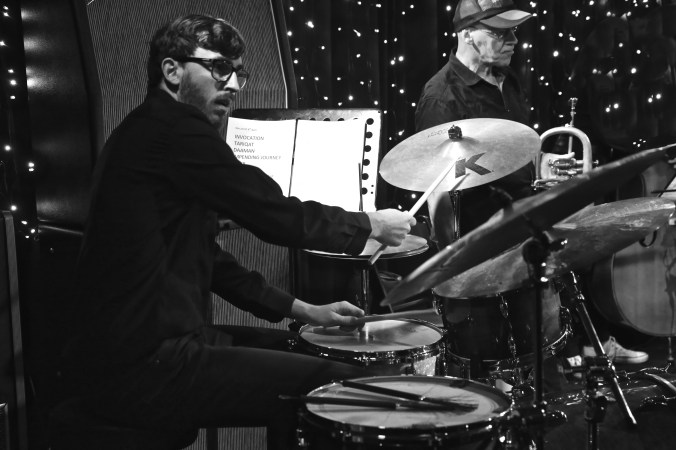
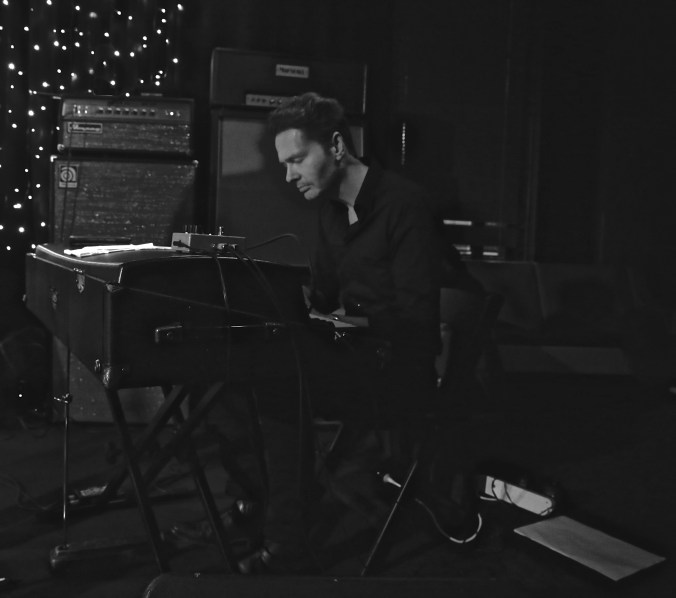
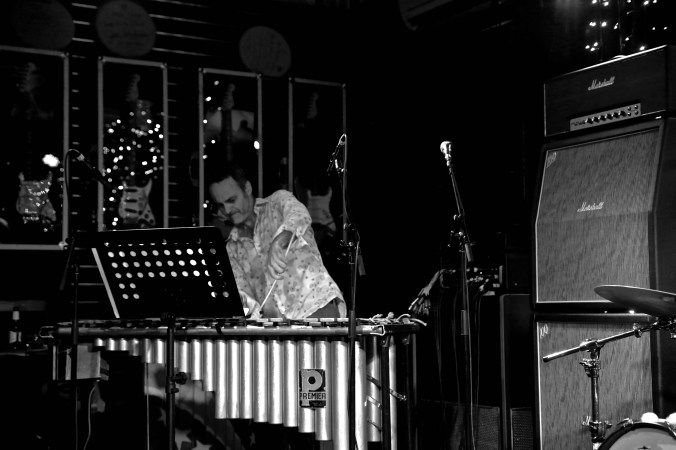 I have listened to John Bell over a number of years and I have always marvelled at his inventiveness. Bell (along with Jeff Henderson), is widely acknowledged as the experimental music guy, the free improvisation guy. He is a musician who takes risks as he aims for clear skies; a musician who involves himself in interesting cross-cultural collaborations, a vibraharp player who doubles on brass instruments. He is an artist who you always associate with innovation – consequently, other musicians look up to him.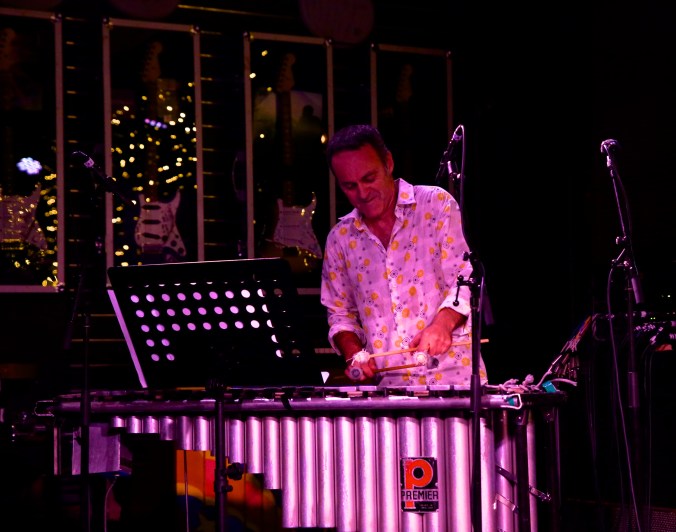
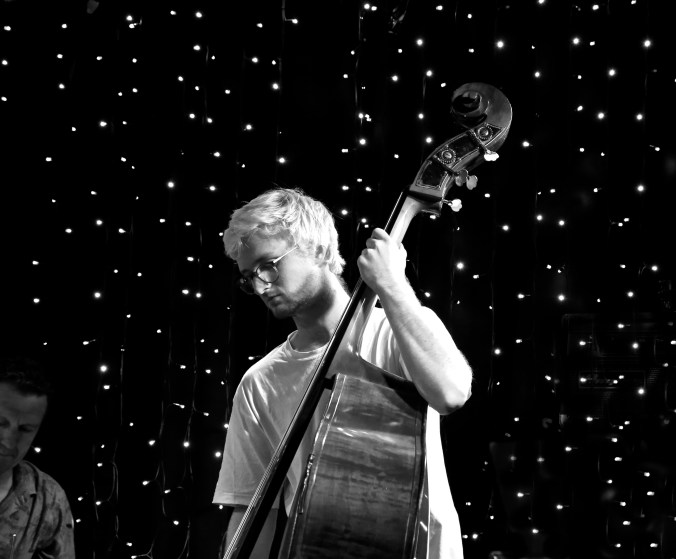
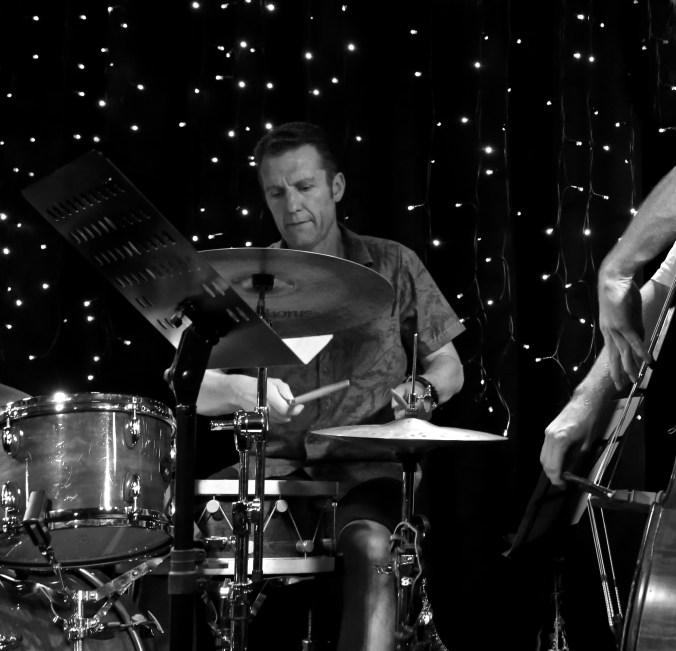
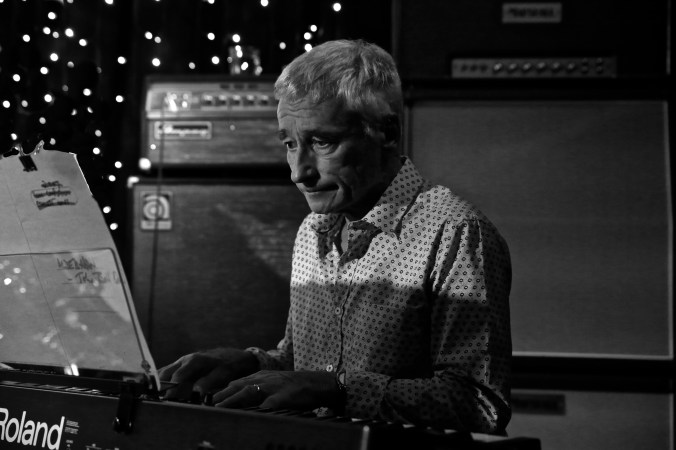
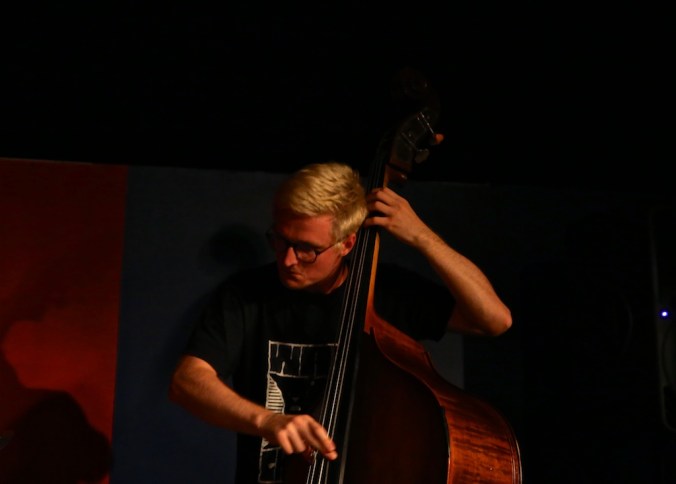
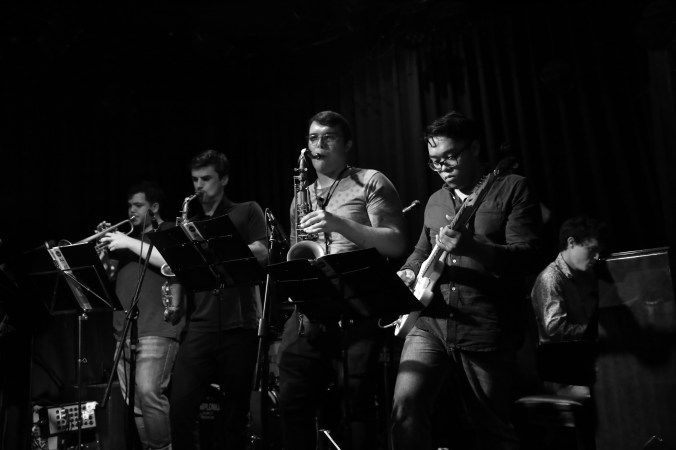 In keeping with the longstanding CJC tradition of keeping twice yearly slots open for emerging artists, late March featured two such sets. First up was a group led by bassist Denholm Orr. Orr has appeared in lineups a number of times, but this was his first appearance playing his own material and as a leader. His recent compositional work has placed increasing focus on arco-bass and consequently, the charts reached into that territory. Arco is not the default style for Jazz bassists but I am seeing a lot more of it lately and I welcome that.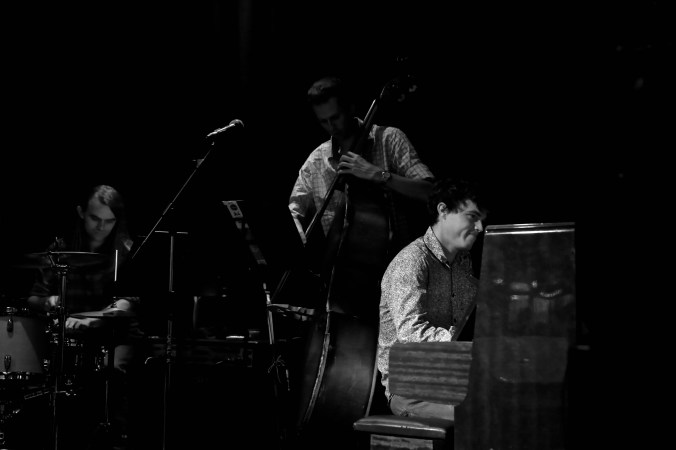
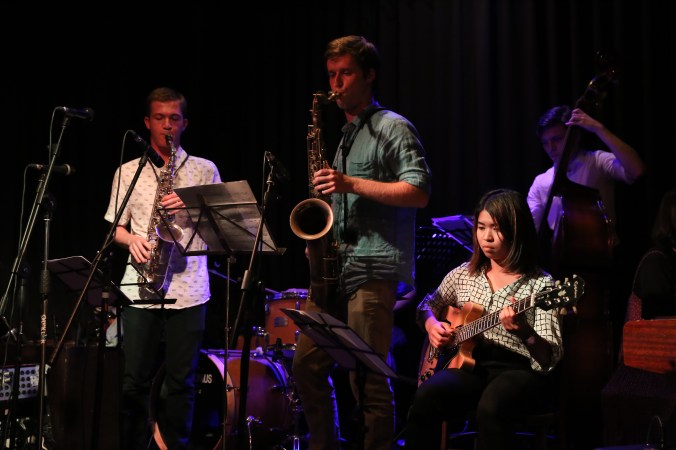
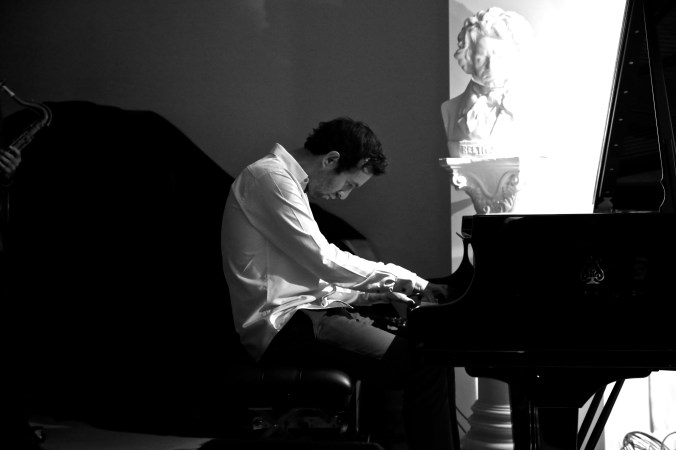 When Michal Martyniuk left Auckland for Poland last year, it was hot on the heels of a successful appearance at Java Jazz; the biggest Jazz festival in the world. It was always on the cards that Martyniuk’s Auckland trio would fare well, as they are the epitome of an inventive, high energy unit and all of that is wrapped up in a very European sound.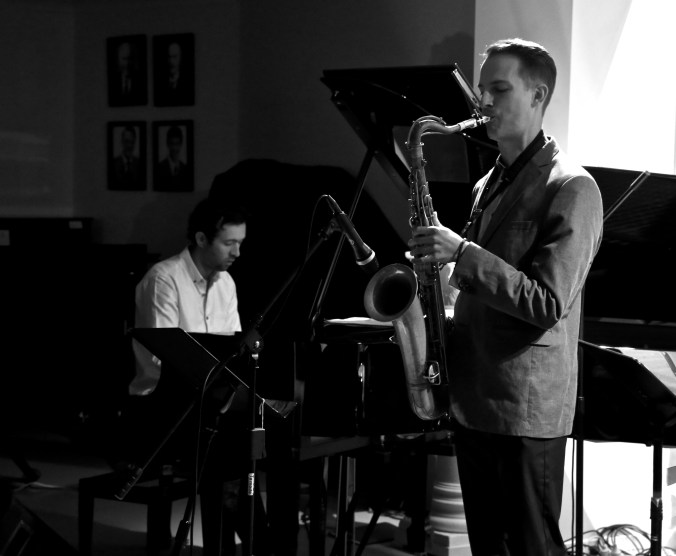
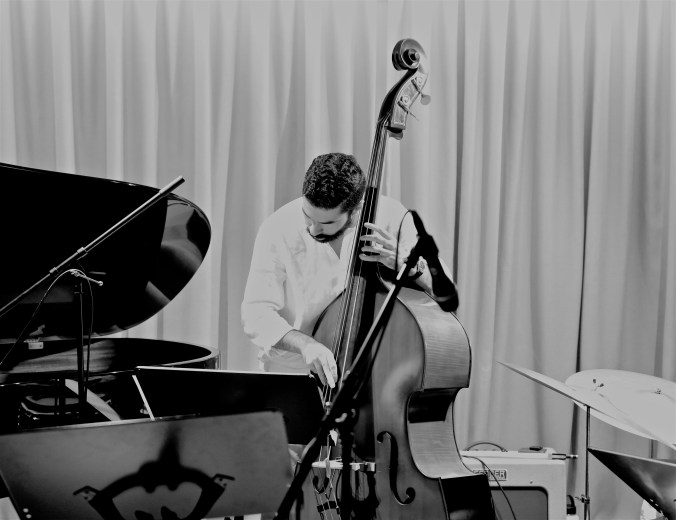
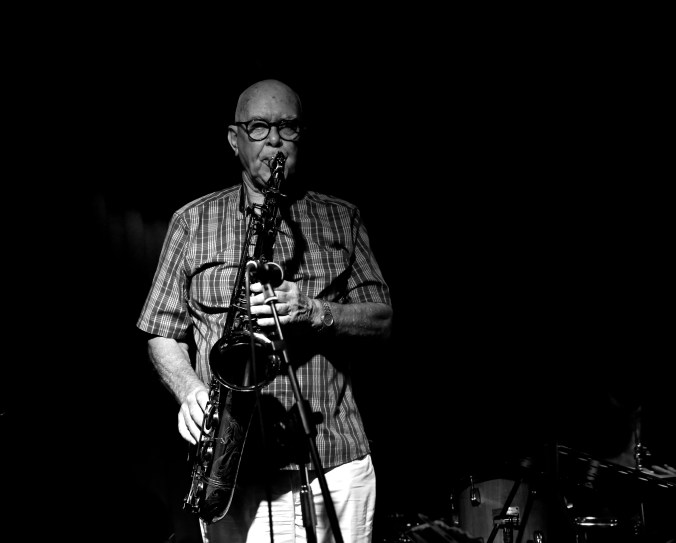 Brian Smith is a legendary figure in New Zealand Jazz, achieving career highs that few others attain. Normally artists of this stature settle overseas and are seldom seen after that. It was our good fortune that Smith moved back to New Zealand and in consequence, we get to hear him perform locally. It’s a moot point whether good musicians ever truly retire (luckily, the answer is seldom). Not so long ago he formed a quintet and since then he has been performing at venues around town. While Smith is a regular at the CJC, this is the first time that we have seen the current quintet in action. The event was predominantly a standards gig and a band of veterans is the right vehicle where standards are concerned. When you bring a selection of loved tunes back into orbit, comparisons are inevitably made. Therefore it pays to choose well and to perform them well and that’s exactly what the Brian Smith quartet did.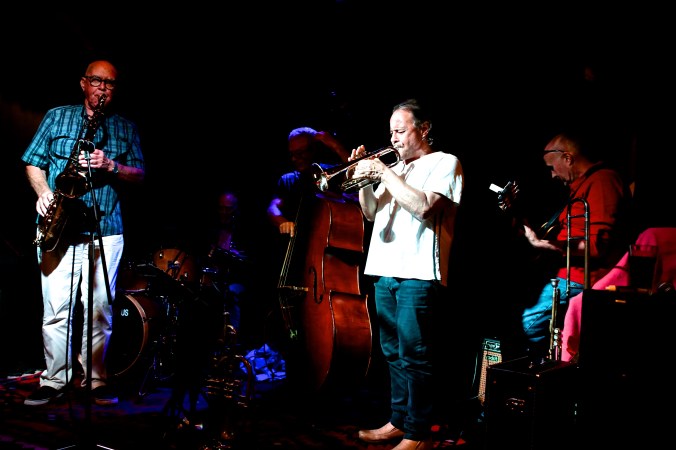
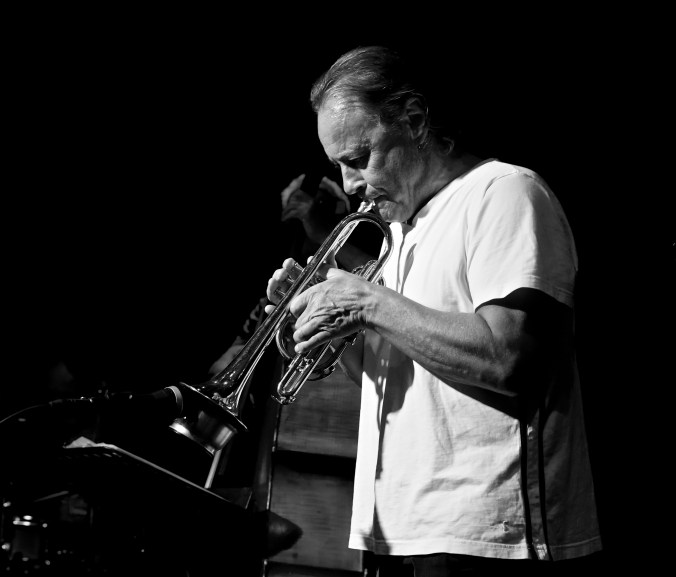
 Oli Holland is one of the leading bass voices in New Zealand. He formed Jazz Attack just over a year ago and since its inception, he has been writing new charts and expanding the lineup. Holland writes interesting charts; often complex but always compelling and his last gig showcased a number of these. This was an expanded lineup – adding three of Auckland’s heavyweights for a quartet segment in the first set. His bass is a powerhouse presence and his ringing melodic lines always distinctive. During solos, his vocalised unison lines fleshed out the tone, drew us deeper in – perhaps even influencing his improvisational choices. It is well established that vocalising while improvising on an instrument, fires up the human brain in new and interesting ways.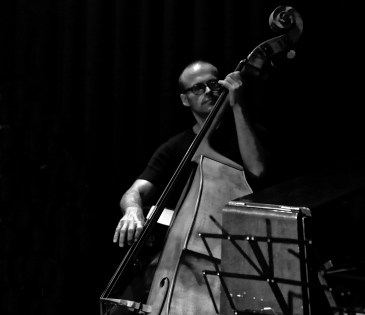

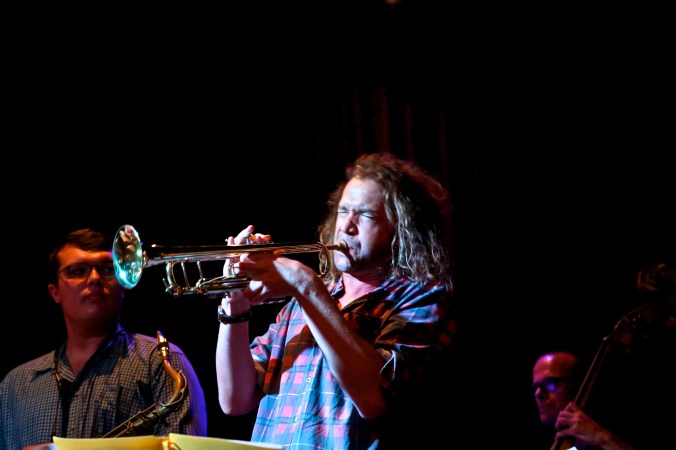
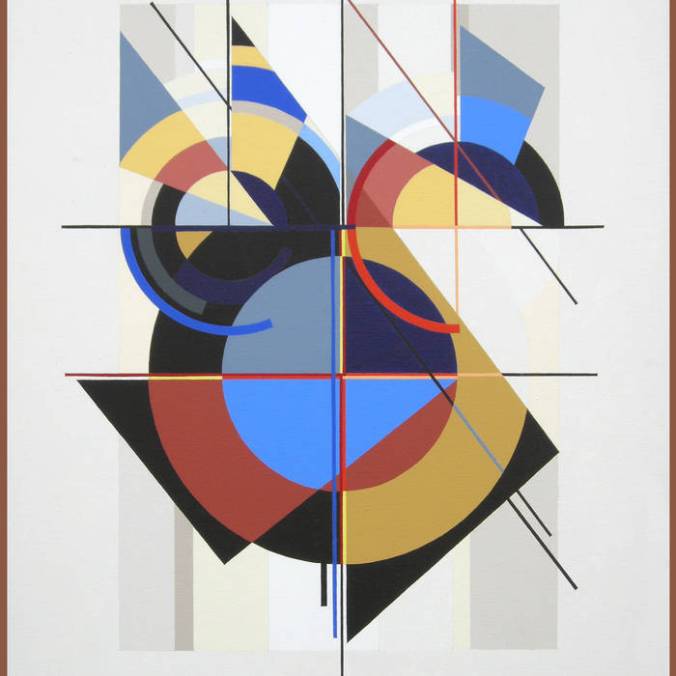 The eponymously titled album ‘Lucian Johnson+5’ was first released in 2016 and has recently been re-released in Japan on vinal. I have only encountered Johnson performing once or twice as he has spent a lot of time outside of New Zealand. He was born in Wellington, but led an interesting life elsewhere, travelling the world with various innovative bands and living for long periods in Paris. I first encountered him when he toured with ‘The Troubles; a delightfully anarchic folksy ensemble he co-founded along with Scottish Jazz drummer John Rae. After hearing Lucien Johnson+5, I will be paying close attention to his futures offerings.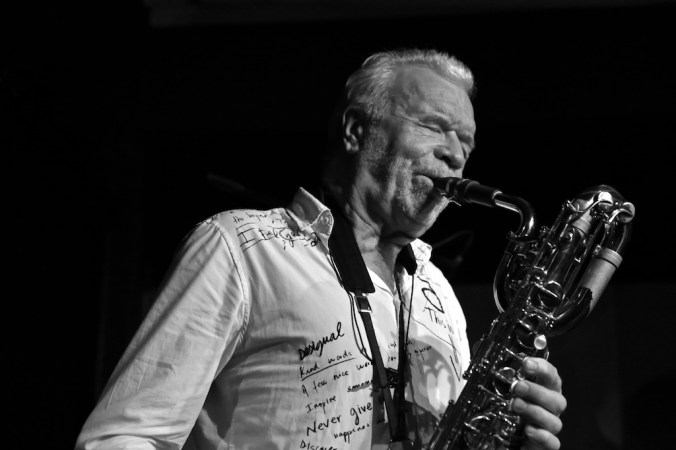
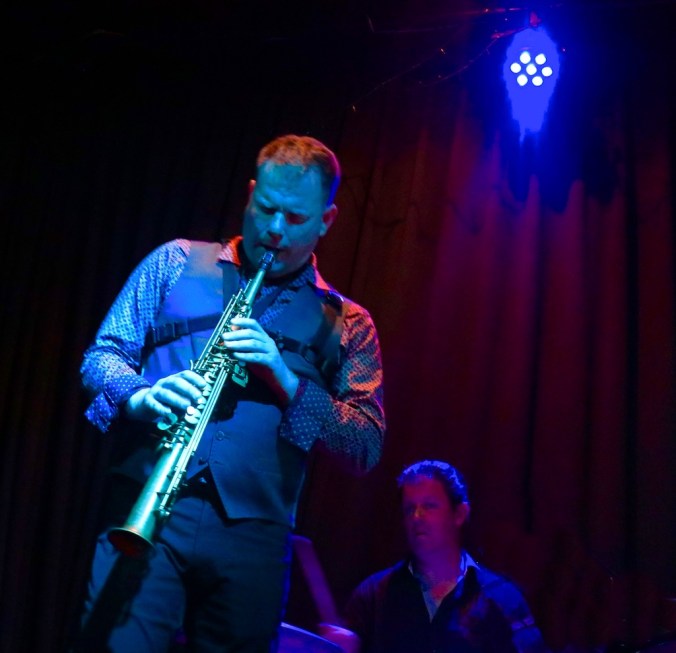
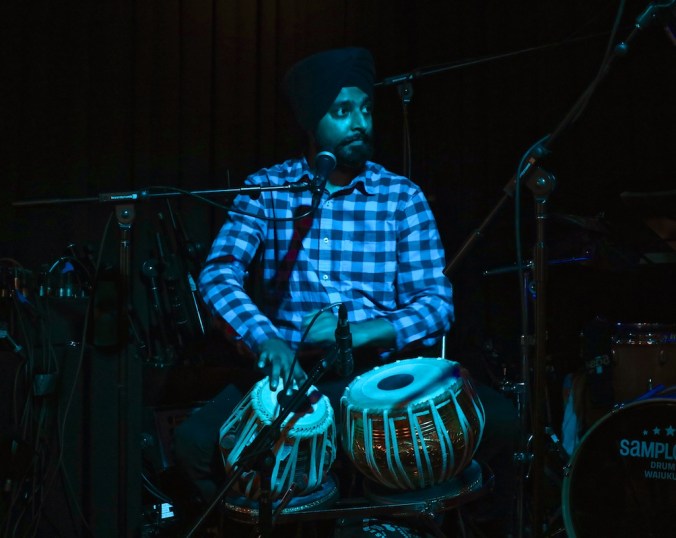 With emerging artists gigs you modify your expectations, but in this case, it was completely unnecessary. Both sets showcased great musicianship and originality. The first set was Manjit Singh and Takadimi; an Indian music/Jazz fusion project. Manjit Singh is not an emerging artist in the strictest sense, he is a highly experienced tabla player, composer and teacher in the two main traditional schools of Indian music (Northern and Carnatic). He has recently been doing a Jazz studies course at the UoA and this project arises from that. The traditional music he teaches is not that dissimilar to Jazz, as it has improvisation aspects and complex interwoven rhythms at its core. Singh also gave us an insight into another tradition, the ecstatic Sufi-influenced music of northwest India, Pakistan and central Asia – Again, a tradition that has fed the rich streams of Indian music and more recently, Jazz.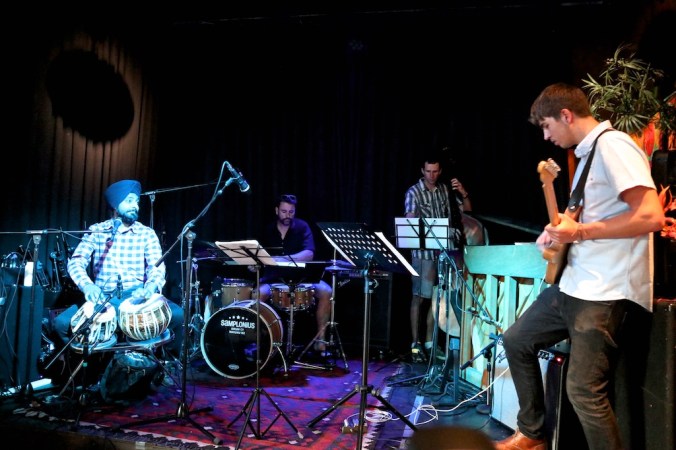
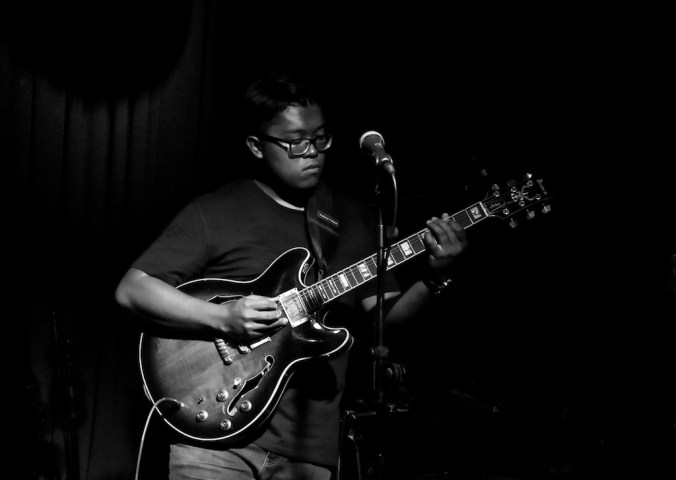
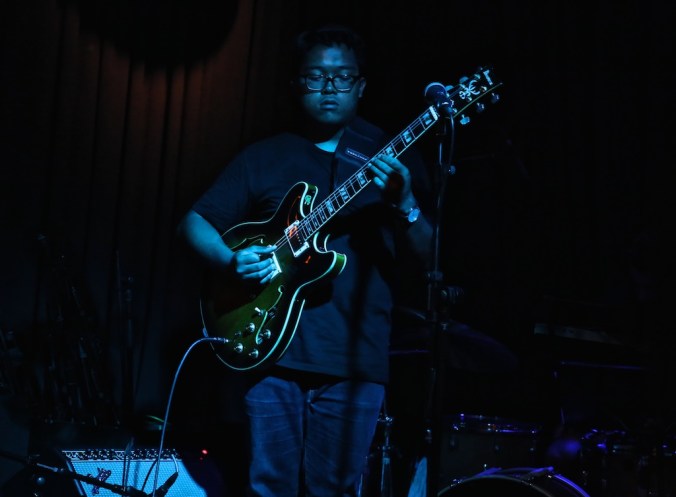
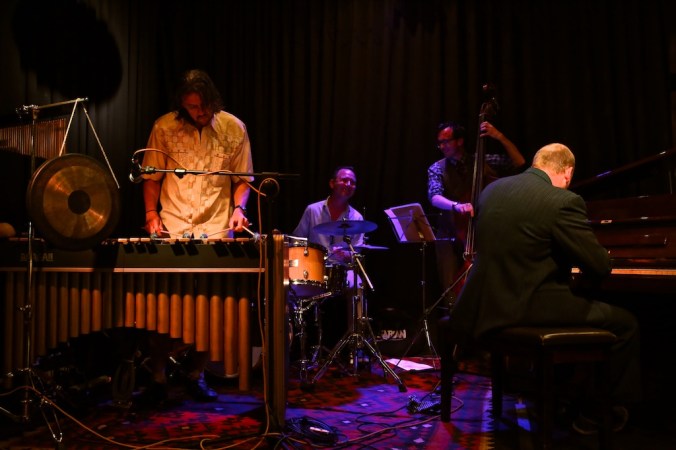
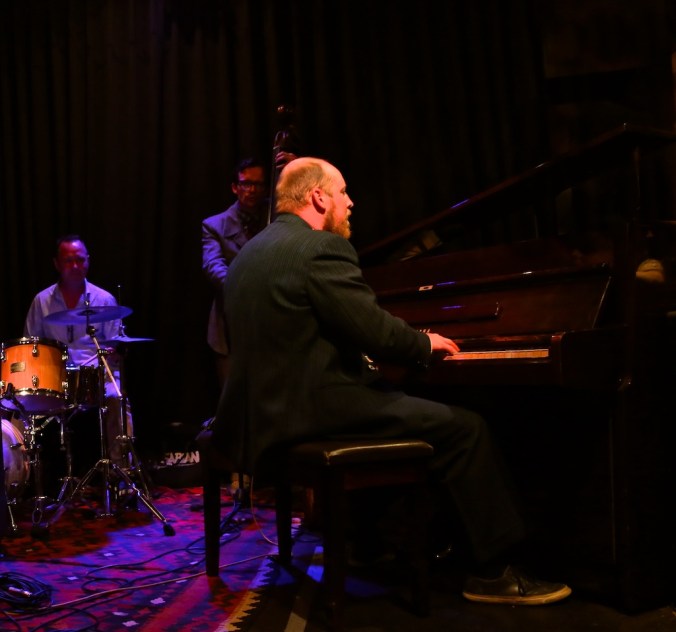
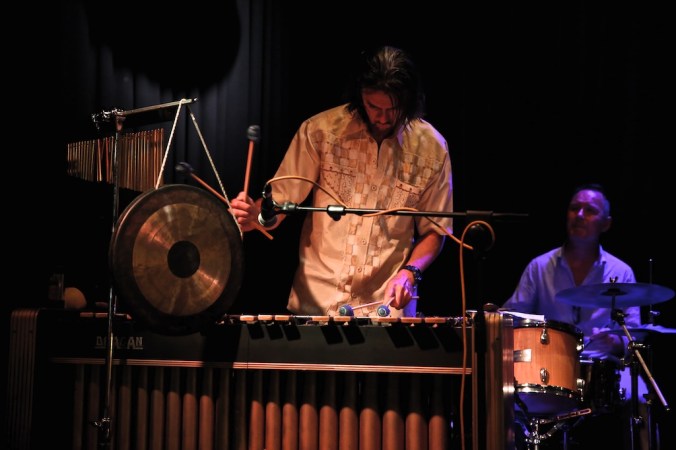
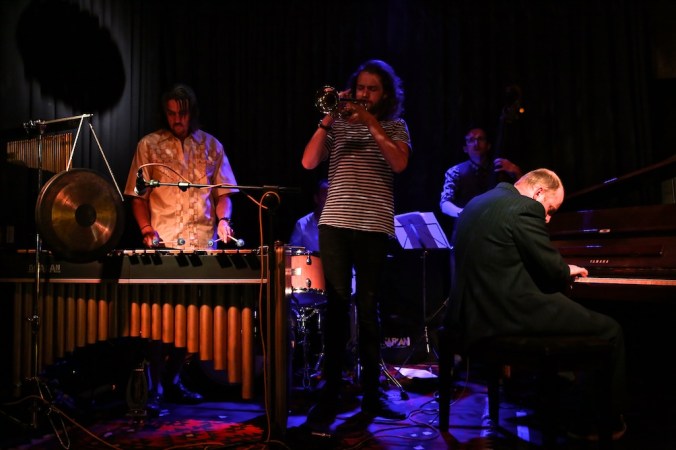 The line up on Squeaky Weasel, an earlier Jelly Rolls album, was as now Wilcock, Rae and bass player Yeabsley. The addition of Michael Barker on percussion and vibraphone is an evolution that makes perfect sense. Trumpeter Finn Scholes joined them for one number and delivered a well thought through high energy solo. To pick up a copy go to Ben Wilcock Thick Records Ltd –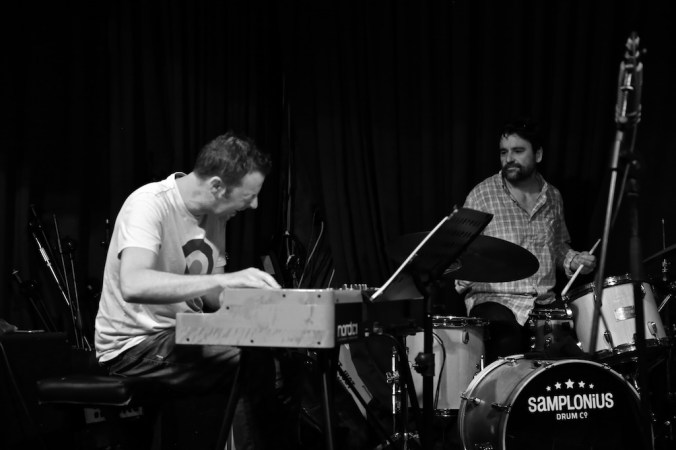
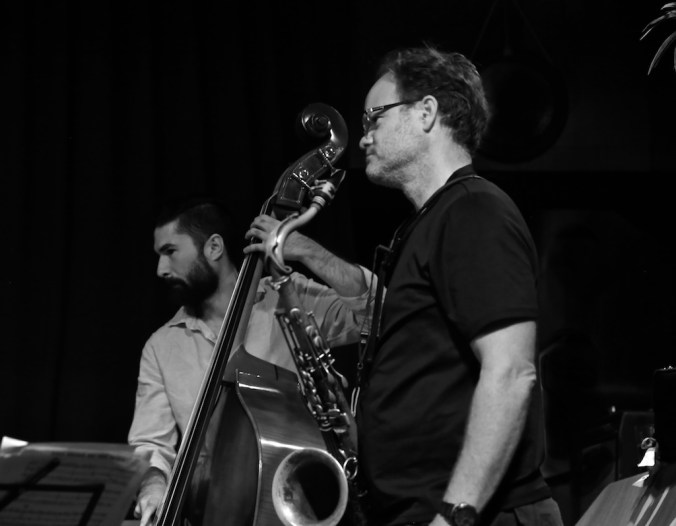
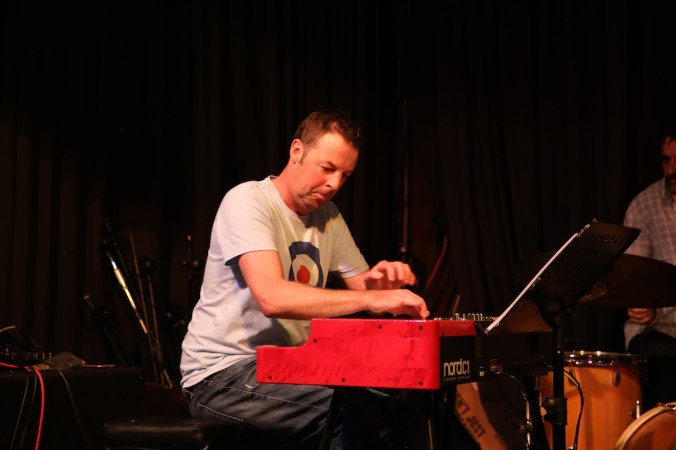
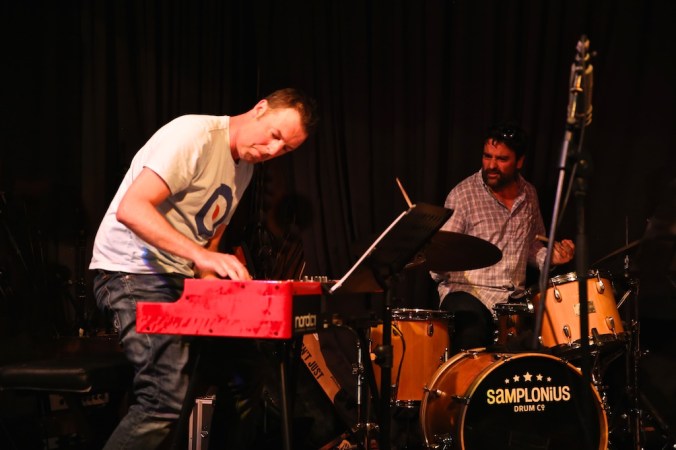
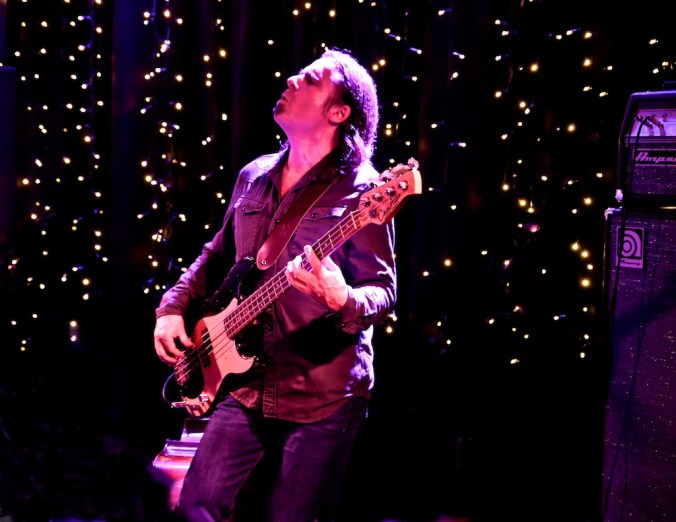
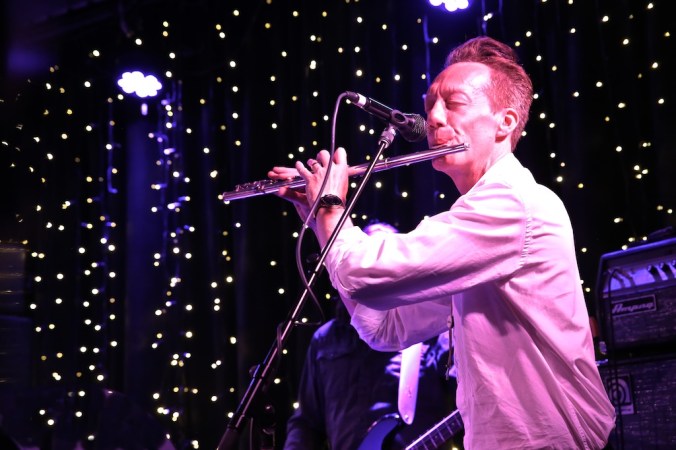

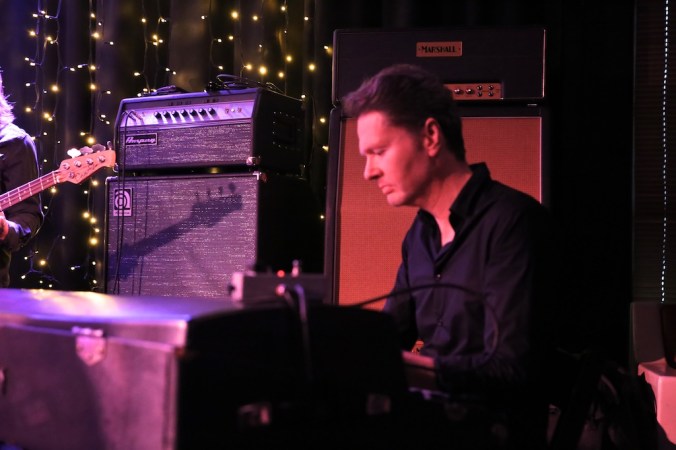 The CJC, sensing an opportunity and knowing that they had only a few days, organised a special one-off Richard Hammond gig and billed it as an all-star event. The programming fell to keys player Kevin Field. Field playing Rhodes, Ron Samsom on drums, Nathan Haines and Roger Manins on saxophones and Marjan on vocals. Hammond alternated between upright bass and electric bass and he wowed us on both instruments. On upright bass, he has a tone to die for; one that only the best bass players locate; on electric bass his lines bite, speaking the language of Jaco or Richard Bona.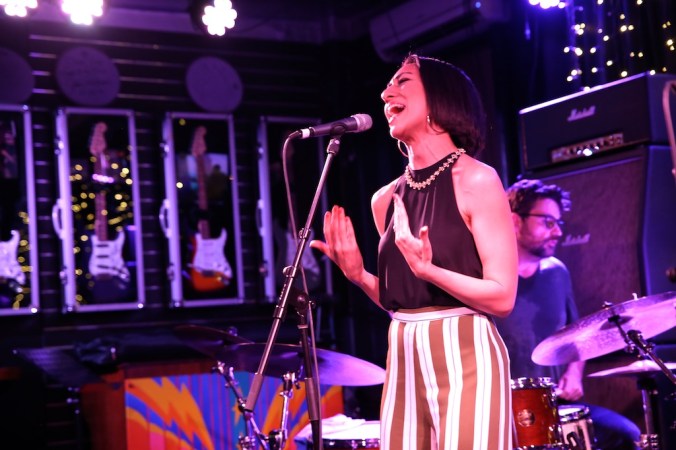
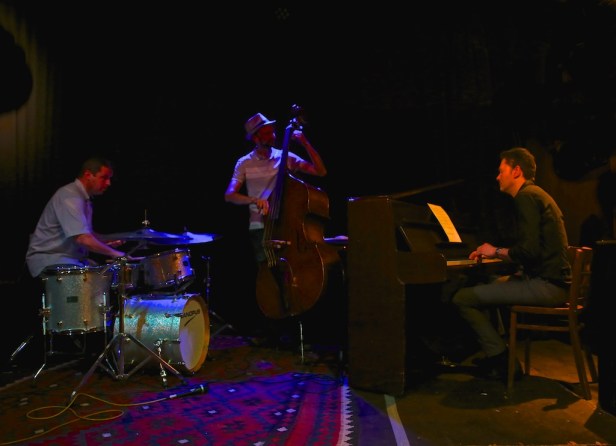
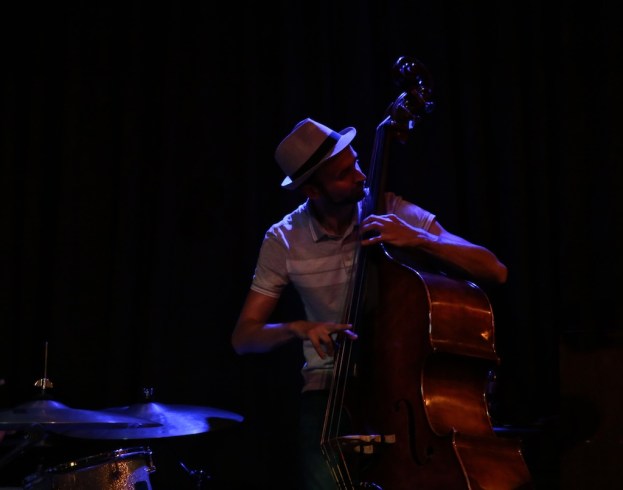
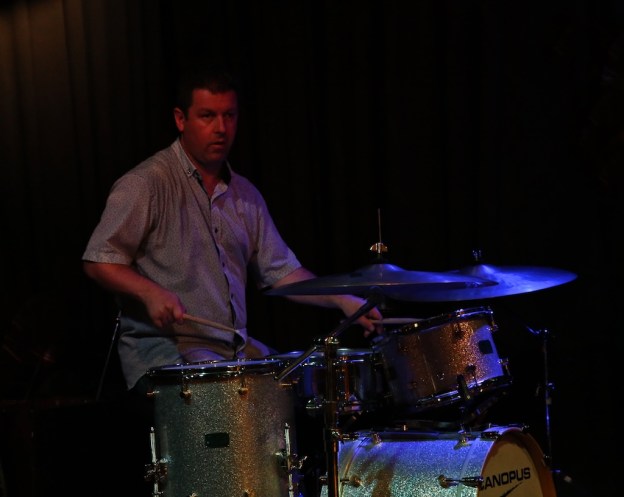
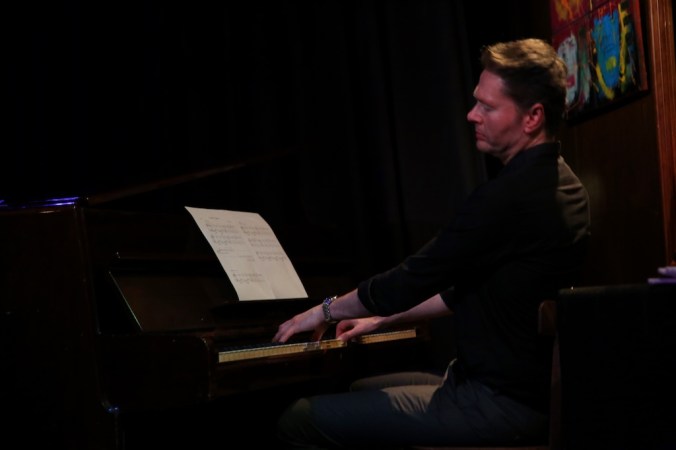
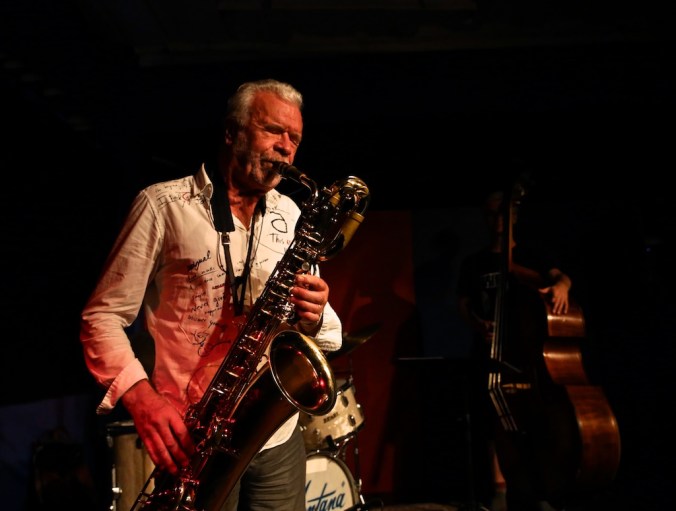
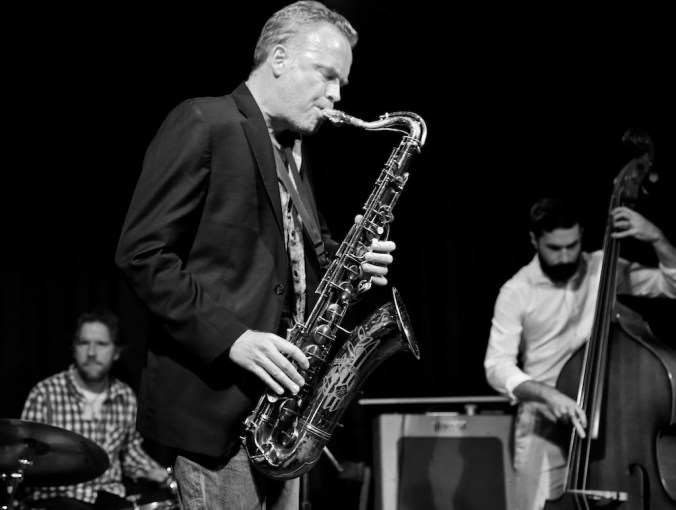 Music listeners split into two main camps; active and passive listeners. Those who listen to improvised music incline towards active, deep-listening. We know that the brains of improvising musicians light up in unusual ways when playing. Much the same applies to listening Jazz audiences. On Wednesday night a saxophone trio played at the Thirsty Dog; no chordal instruments, no lingering over familiar melody lines, a trio which worked within a broader musical architecture, following the changes where ever they led. Nick Hempton is an interesting player and the right person to take us on this journey.
 This sort of gig works well with listening audiences because it invites active participation. On Wednesday, each piece began with a few lines from a familiar standard, often just implied; then, a few bars in, the lines evolved into new melodies based on the changes. As the trio responded the horn led the others to various way-points: places where the music changed course. Fragments of new standards were discovered, unravelled, abandoned. The human brain is hard-wired for pattern recognition, but we love the puzzles that arise from the search. Settling for the familiar is not how we evolved. We evolved by following the risk takers, marvelling at their daring. Following this musical risk-taker, was our delight.
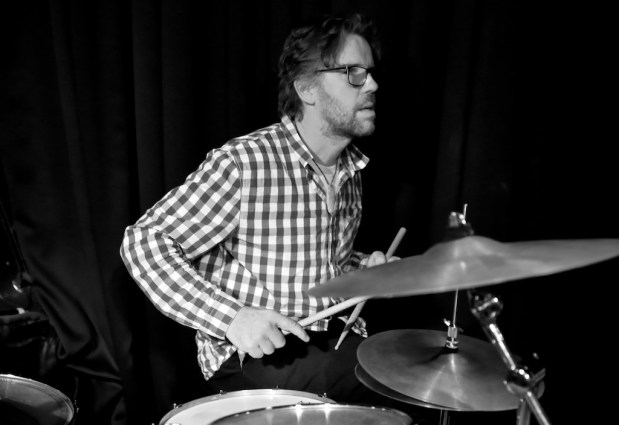 The point was not so much the standards themselves but the opportunities they presented. Appearing and disappearing in medley form was; ‘Night in Tunisia’, ‘Body and Soul’ A Sony Rollins waltz, ‘Exactly Like You’ and ‘Rhythm a Ning’ – these and more were examined. Standing alone was the lovely ballad ‘When I Grow too old to Dream’ (Romberg) and in Hempton’s hands, it was beautifully realised. There was also a great rendition of ‘Just Squeeze Me (don’t tease me)’ (Ellington) – I have posted that. The last trio piece was ‘Poor Butterfly (Hubbell [Puccini])’; followed by Roger Manins joining the trio for two last two numbers. As is often the case when two tenors appear on the same stage, a delightfully upbeat and riotous vibe emerges. Friendly sparring matches like this always go down well.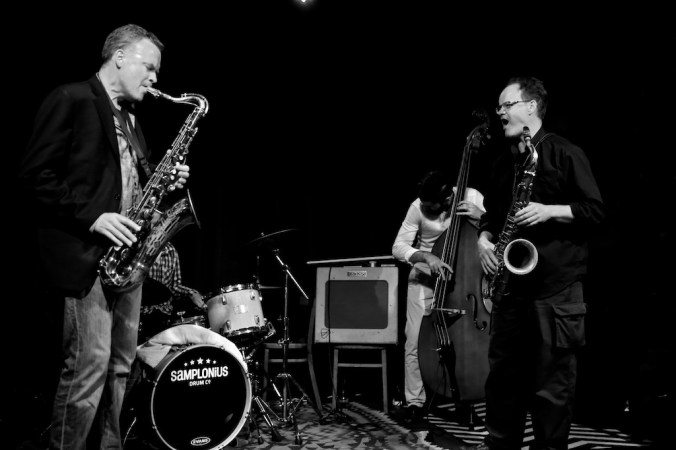
 JazzLocal32.com