
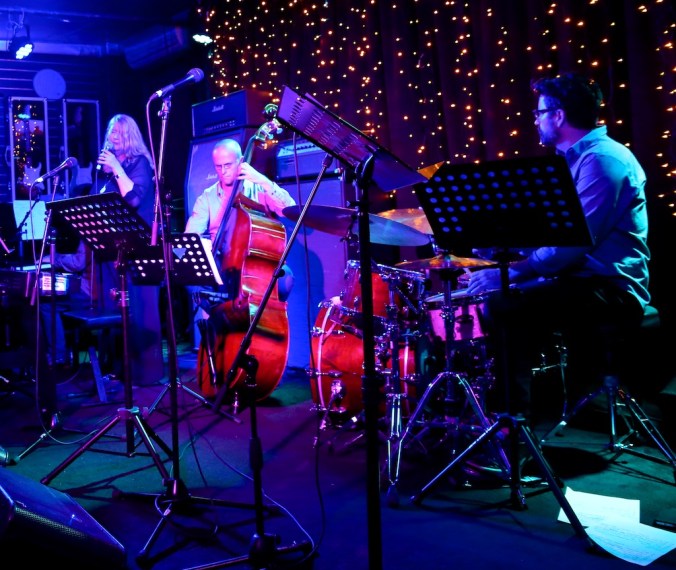
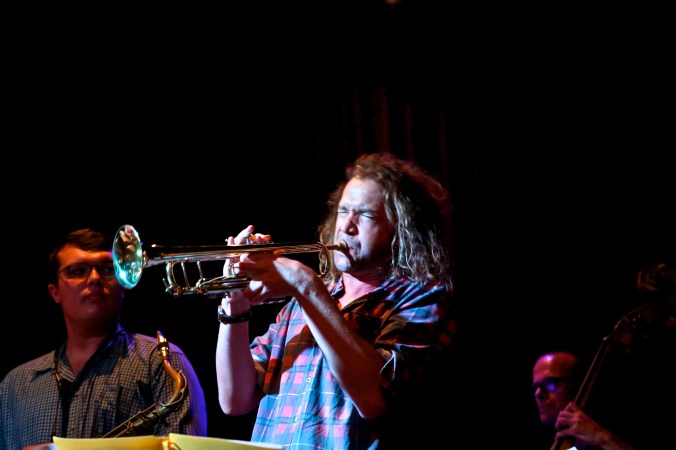
The value of having a Jazz Club in your city should never be underestimated as the experience of hearing quality live music in an intimate setting is far superior to anything that you will experience in a concert hall. Even international musicians tell you this although it is against their best interests to say so. What you pay the big bucks for in the concert hall or stadium, you buy for a pittance at a small club doorway. In addition, you get to meet the musicians and best of all experience the music up close. This post is to remind people that Auckland’s premier Jazz Club, the CJC has moved to Anthology 375 K’ Road, Auckland City. Tonight, TTTenors with Manins, Sugg & Mackey.
The CJC came into being around eleven years ago and since its inception, there have been at least five moves. The audience always follows like pied pipers and I have no doubt that they will make the switch from Backbeat to Anthology seamlessly. What we have in the CJC is a gift of inestimable value. Its mission is simple. Showcase high-quality original improvised music and provide a place for musicians to play. As a not-for-profit enterprise, it runs on good-will. Underpinning this is the hard work of its founder/administrators Roger Manins, Caro Manins & Ben McNichol. On hand to assist them are numerous Jazz Students and other volunteers. The final ingredient is the listening audience and keeping the attendance levels high is essential to its continuance. Tonight, Wed 5th June 2019 sees the new venues launch gig and please note, it’s at Anthology, not the Backbeat as previously advertised. Don’t miss the chance to hear three of Australasia’s top tenor players (with Kevin Field, Cam McArthur, and Mark Lockett as rhythm section) You can get up to date gig information at www.creativejazzclub.co.nz
If there are Jazz Lovers who don’t love Mike Nock’s music, I have never met them. Should any be located send them to me and I will arrange for remedial education. I have just returned from Australia and while there I caught up with Mike. Over dinner, we discussed, the dismal state of the music industry and the tenacity of musicians – who keep producing great music in spite of that. I read a quote recently by the preeminent Jazz writer Ted Gioia who penned the following; (paraphrased slightly) ‘Jazz musicians get frustrated, even angry, at the lack of opportunity – but they keep playing and in playing at such high-level they experience a rare joy that few people get to experience’. And they share this with us in spite of the poor remuneration and industry marginalisation. As many will know, Mike Nock was badly injured last year when an inattentive driver bowled him at a pedestrian crossing. 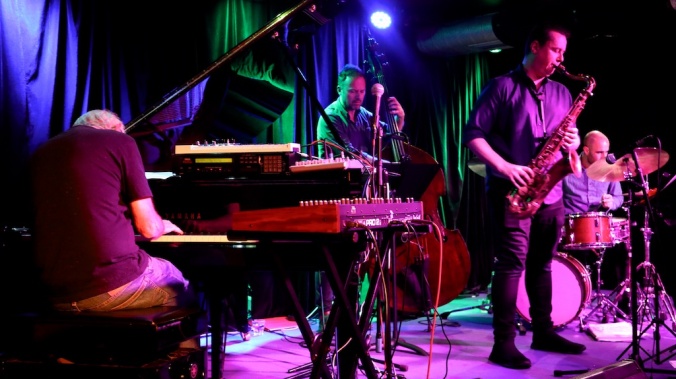
I cannot imagine a world without him performing and amazingly, bravely, he is doing just that. While I was there his Quartet performed at the 616 Foundry Jazz Club in Ultimo and he demonstrated to everyone that it takes more than an out of control 4×4 to keep him down. It is all intact, that Nock magic, the great compositions, the surprises, the deep – deep blues, the unconfined breath of freedom, and that innate swing. On stage with him were a few old friends – expat Kiwi bass player Brett Hurst (always marvelous), ‘Pug’ Waples (a treat) and for the first time I met tenor player Karl Laskowski – anyone familiar with the Nock recordings will be familiar with his lovely sound and clean lines. When Mike is up to it he will come back and perform for us at the new venue – as he said – ‘Godzone is my home man’.
Keep your ears open, attend the live gigs, buy the albums – this music feeds the soul and is an oasis of sanity in a fractured world.
John Fenton – Jazzlocal32.com

 In the late 1950s and early ’60s, anyone with an ounce of cool wore a coarse-knit black polo neck jersey. While they sat there feeling cool their necks would start to itch and angry red rashes would creep up to their chins. Chins made all the itchier by the regulation chinstrap beards or ‘hip’ goatees.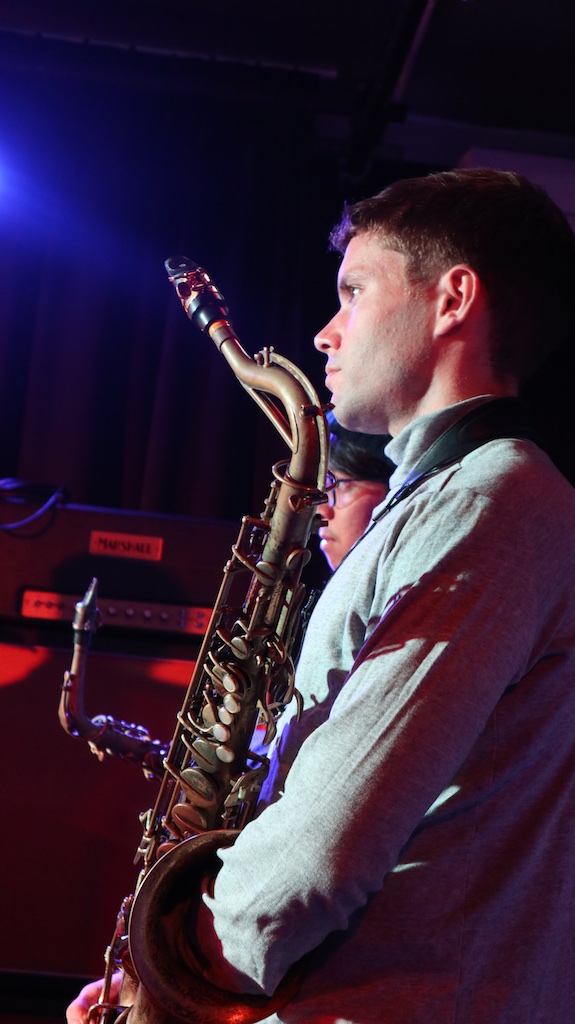
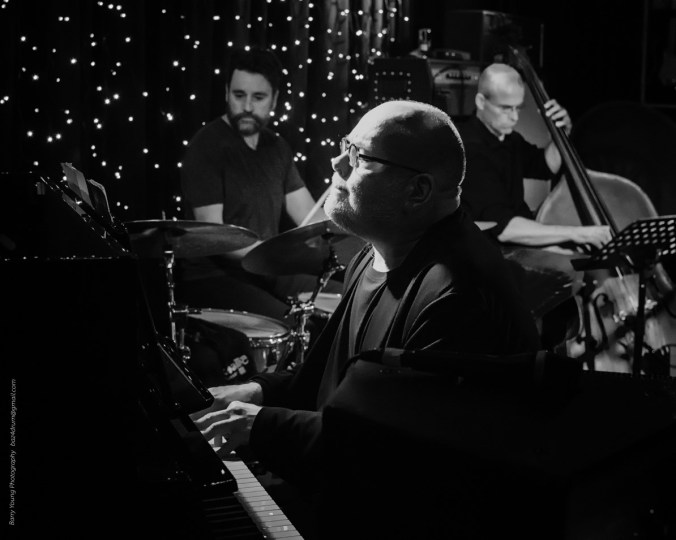
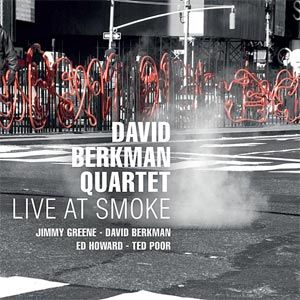

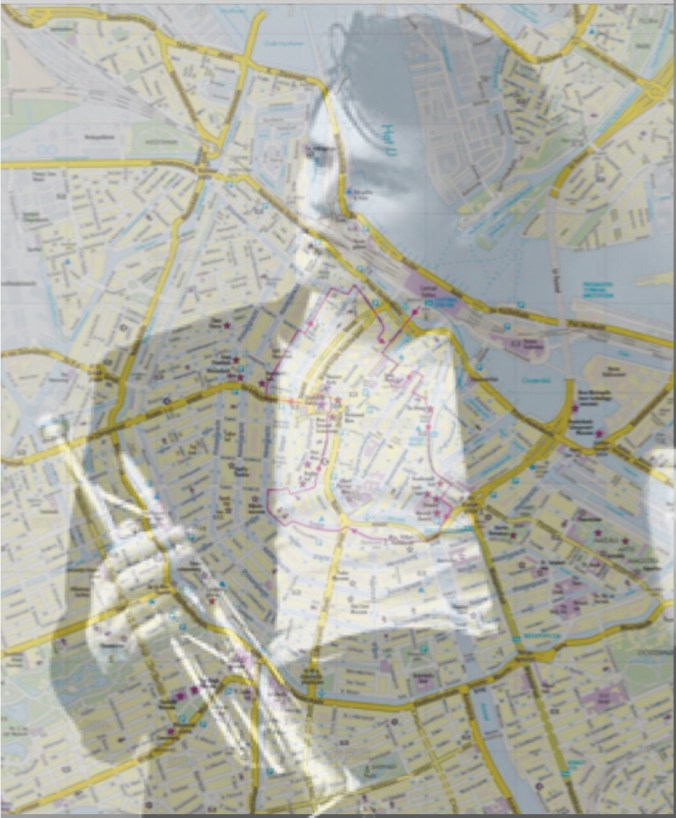 I had been to Amsterdam before but never tracked down Chet Baker. I blame the city for this oversight because it swallows travellers whole, reorders their plans and confuses them with a multiplicity of temptations. You arrive, you drift through the alleys and before you know it, it’s time to check out. This time I was not to be distracted. As soon as I awoke I grabbed an early breakfast, noted down Chet’s address and headed for the red light district. His hotel was located in Prins Hendrikkade, a street on the edge of sanity. A quarter where bored-looking sex-workers knit cardigans in dimly lit shop windows.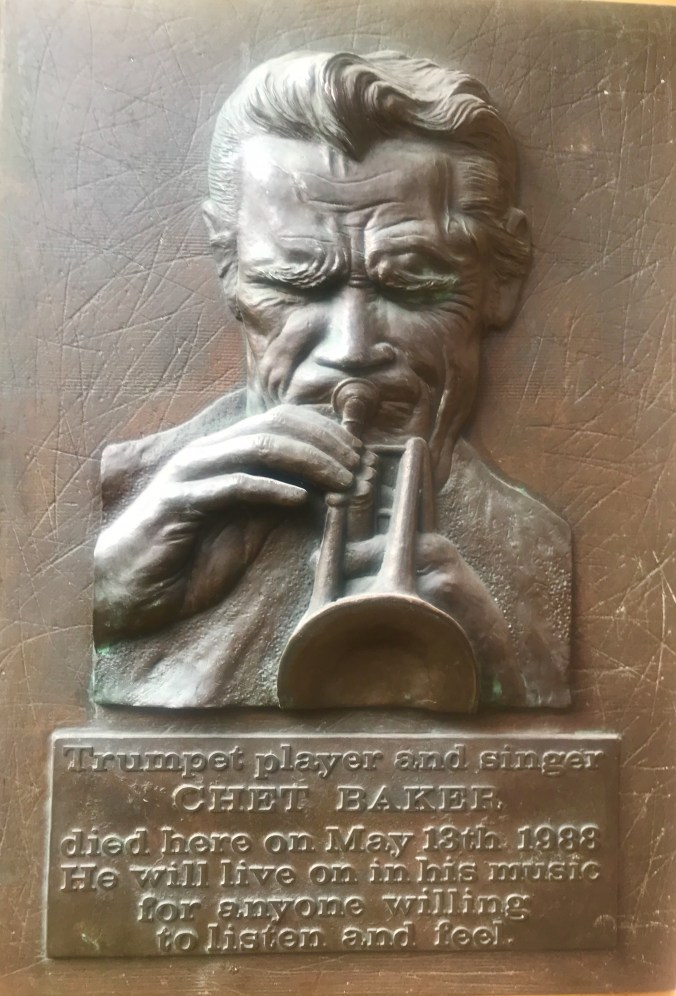

 ‘Eat Your Greens’ is an album by to the popular Wellington pianist and educator Anita Schwabe. It was recorded at the UoA Kenneth Myers Centre in Auckland during her recent tour. Her band also performed live before a capacity audience at Auckland’s CJC Creative Jazz Club and it was immediately obvious that they were in great form. Schwabe normally plays with Wellington musicians and regularly with the Roger Fox Big Band. The idea of recording in Auckland was formed while sharing gigs with Roger Manins earlier and it was with his assistance that the Kenneth Myers Centre was made available for recording.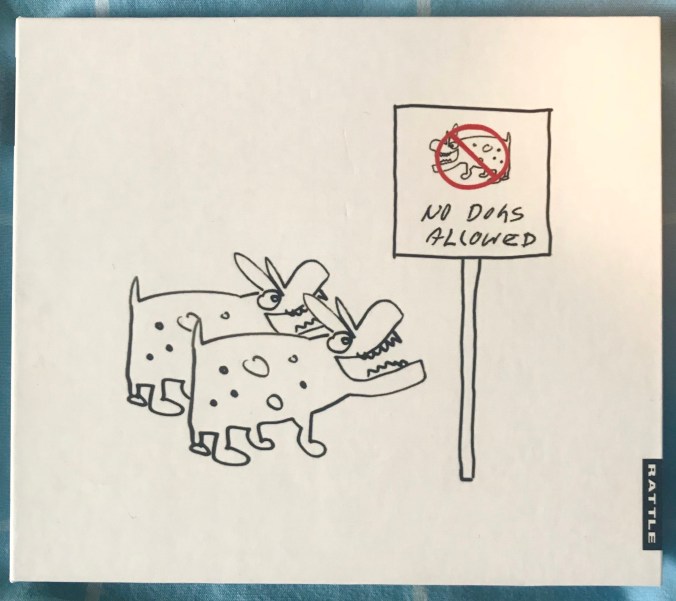
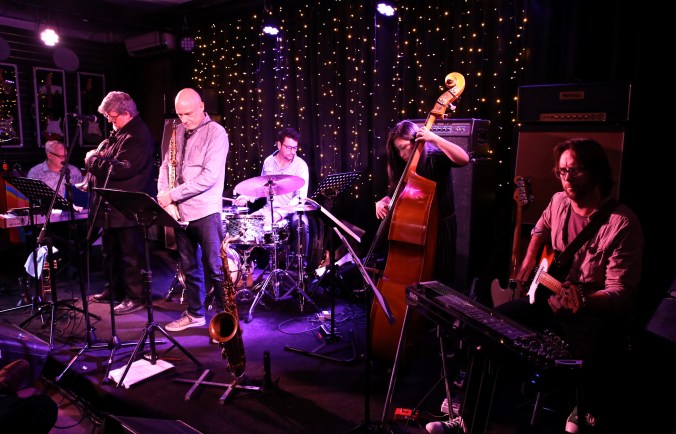 This project was bound to happen sometime and it was long overdue. On the night of the bands first gig, the pent-up energy that had long been building found a voice. As they kicked off, the room filled with potent energy and the enthusiasm of the band was met in equal parts by the capacity audience. Steve Sherriff is fondly remembered from Alan Browns Blue Train days and he brought with him an interesting group of musicians. Most of them were compatriates from earlier bands and their familiarity with each other musically paid dividends.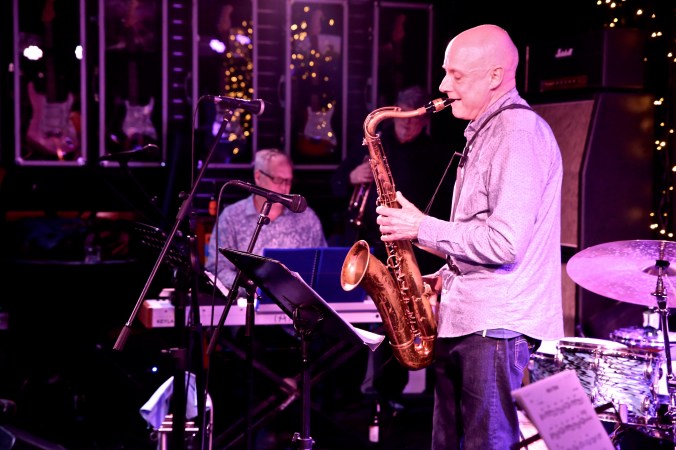
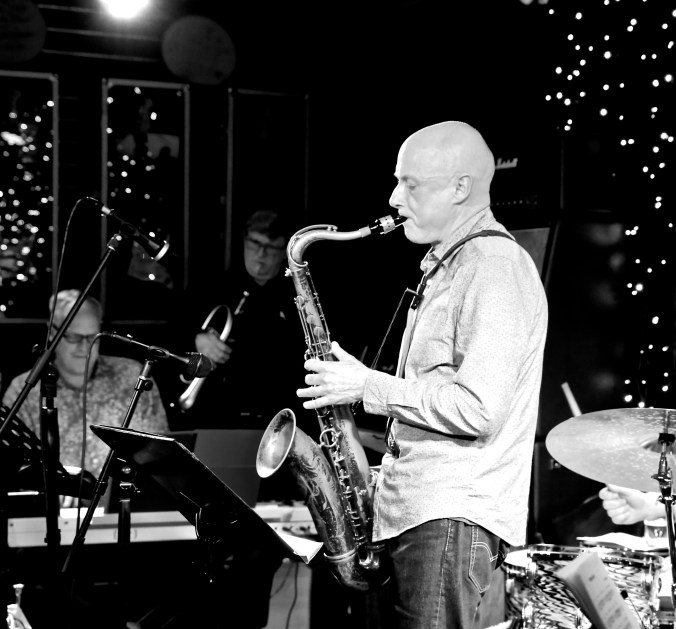
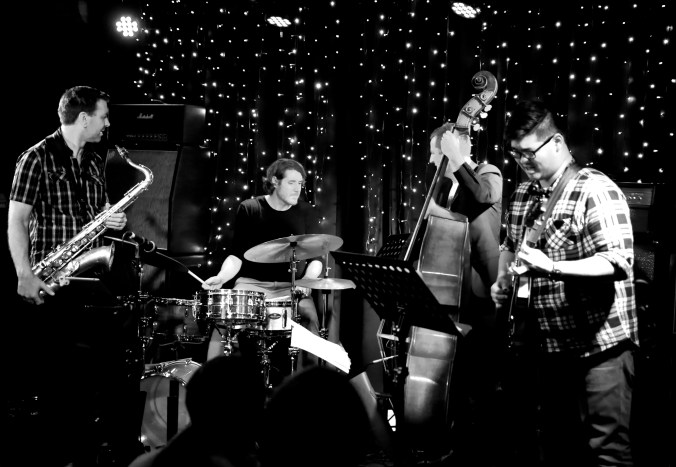 Wednesday 30th May was the Auckland launch of Sumo’s second album titled ‘Shiko’. I am reliably informed that Shiko is a stamping motion which Sumo wrestlers perfect during training. The action drives away evil spirits and when you hear the band, the descriptor strikes you as appropriate. Suspense and surprise are hallmarks of this unit and as in Sumo wrestling, you get theatre, tricky moves, tradition and a degree of inscrutability. Above all, they showcase quality improvised music.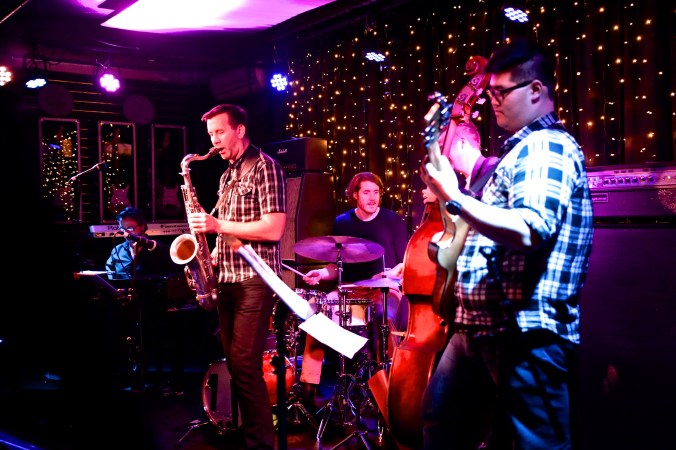
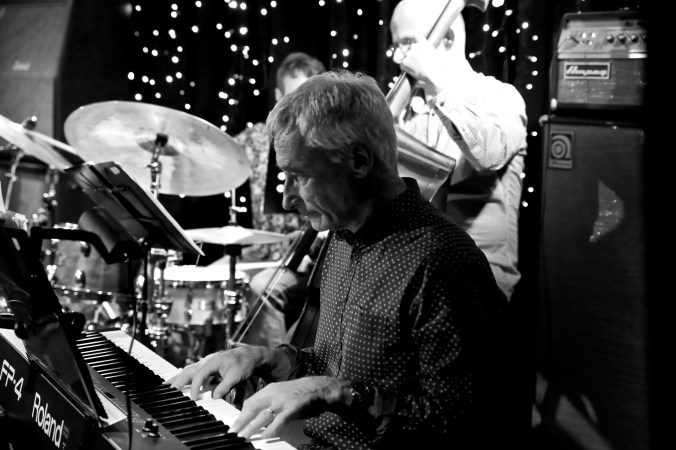 After a year of living in Paris the Auckland educator and pianist Phil Broadhurst and his partner, Julie Mason, have returned. The Broadhurst Quintet has been a regular feature on the Auckland scene for many years. The unit is fueled by a constant stream of great compositions, an unchanging line up of fine musicians and three critically acclaimed records (one of them a Tui Jazz Album of the year winner). Broadhurst’s ‘dedication trilogy’ set a high bar compositionally, but his pen is always crafting new compositions. After last weeks gig, I suspect that another album capturing the artistic soul of France might be in gestation. Broadhurst, as many will know, is unashamedly francophile. Out of this deep appreciation and finely honed perception flows terrific creations.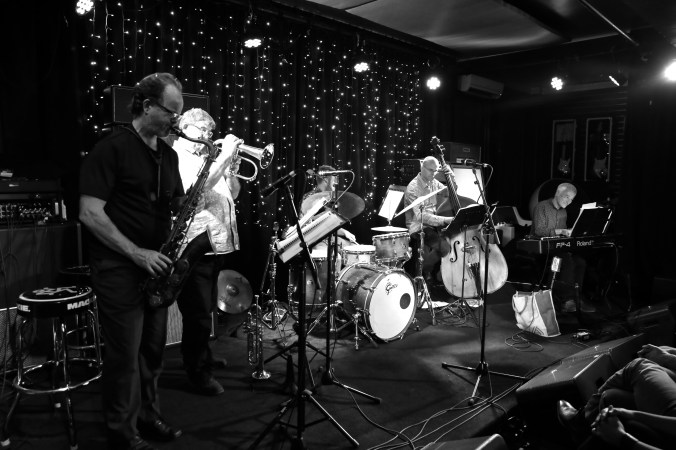
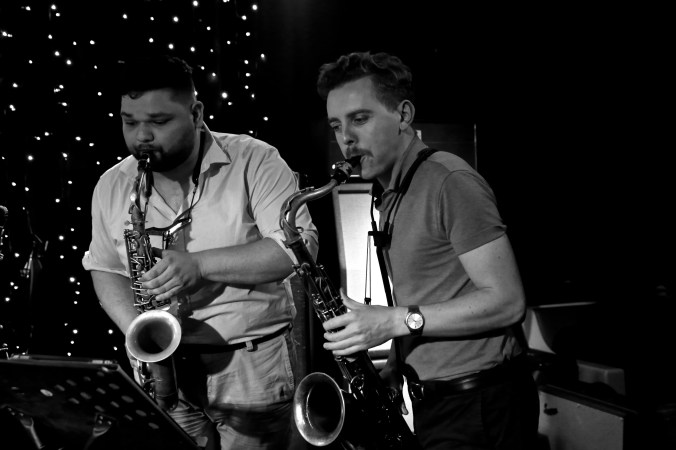 This is the second appearance of Flightless Birds at the CJC Creative Jazz Club and the audience flocked to hear them. The band is a history lesson to the initiated and an initiation to those unversed in Jazz history. They presented a programme that was both clever and accessible and therein lay its charm. The band specialises in contrafacts and especially those of the bebop and swing era. The inside joke is that many of those tunes were once contrafacts themselves; new and often frenetic tunes written over the changes of familiar ‘songbook’ standards. In the bebop era tunes like ‘Cherokee’ (Noble) became Ko-Ko (Parker), ‘I Got Rhythm’ (Gershwin) became ‘Dizzie Atmosphere’ (Gillespie). Musicians like Charles Mingus took things a step further by introducing a wry political humour into titles, exemplified in his contrafact ‘All the things you could be by now if Sigmond Freud’s mother was your wife’ was ‘All the things you are’ (Kern). A throwaway favourite of mine is ‘Byas a Drink’ (Don Byas) which is ‘Stompin at the Savoy’ (Sampson).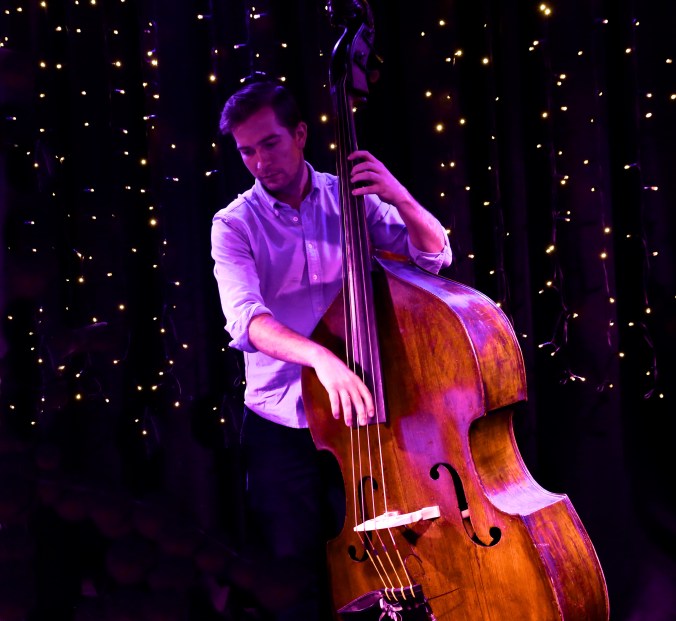
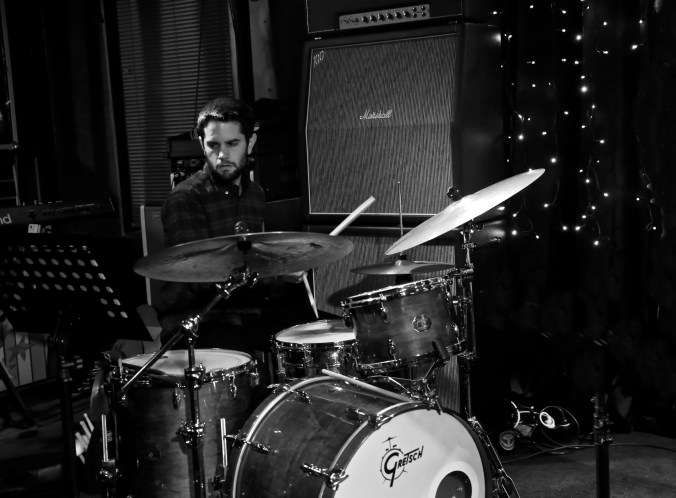
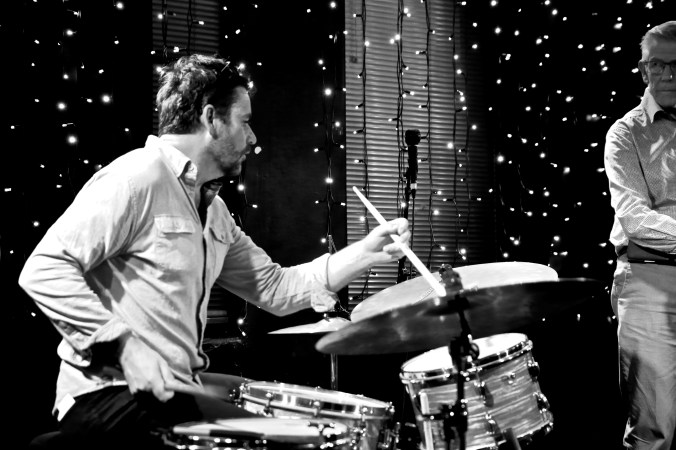 This particular group is an uncommon thing on the Auckland scene. A Jazz guitar trio formed by three of our best musicians and each of the musicians in it for the long haul. Samsom/Nacey/Haines have been playing and recording together for a long time and the commitment has remained constant throughout. Their longevity is clearly about musical chemistry, but also about their combined approach to composition. Each band member writes in their own style, but each instinctively understands how the others will react to the chart. This is how mature bands operate; the familiarity enabling the collective to dive into the heart of a composition and extract the best from it. While their original compositions form the bedrock of their output, they also tackle standards; especially when performing live.
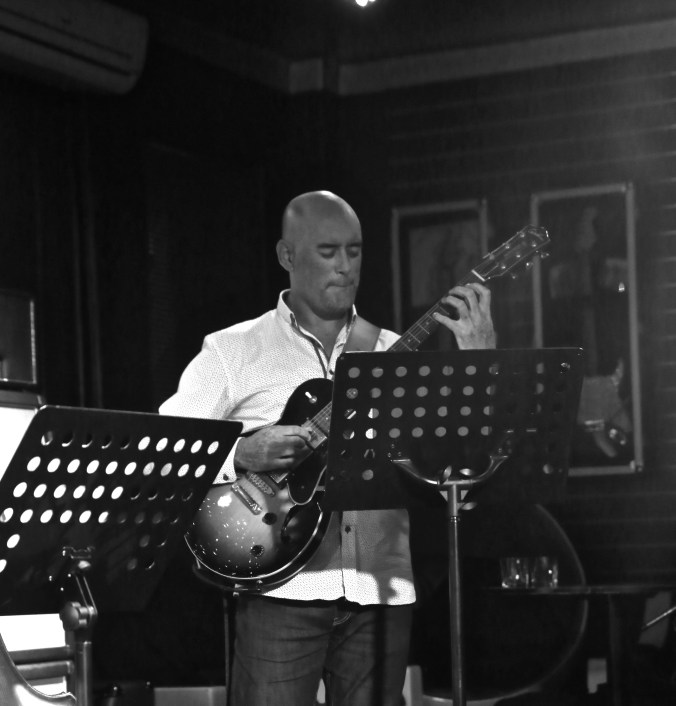
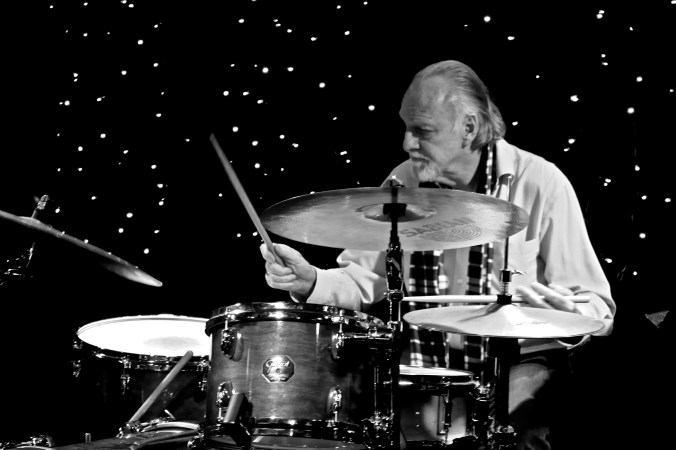 Every Jazz club needs a Monk night on their calendar and when it comes to Monk the local go-to person is definitely the well-known drummer Frank Gibson Jr. Gibson and the various iterations of his bands have long made a point of keeping the Hardbop era and Monk firmly on our radar. While the setlist was not exclusively Monk, the Monk tunes chosen were a solid mix of seldom-heard compositions and old favourites.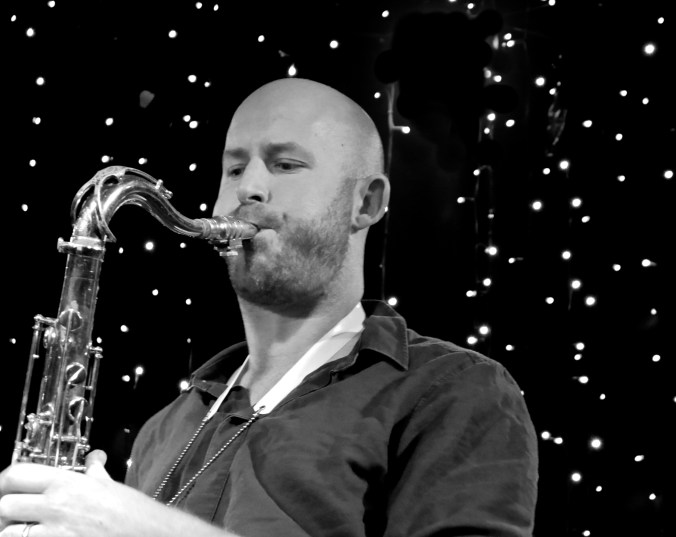
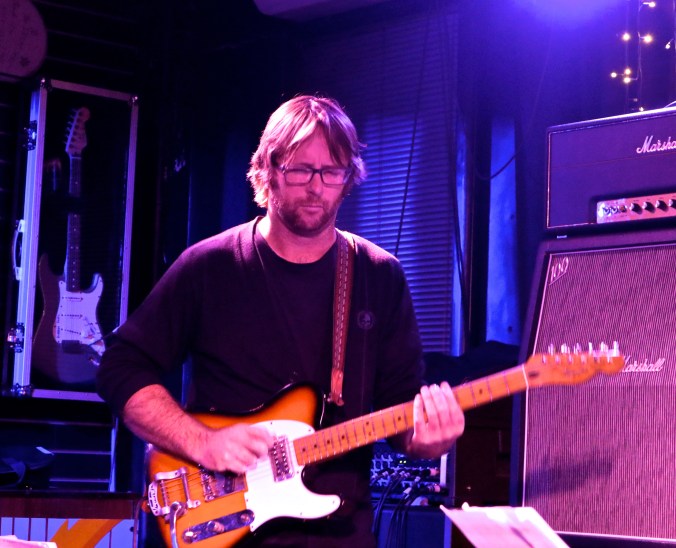
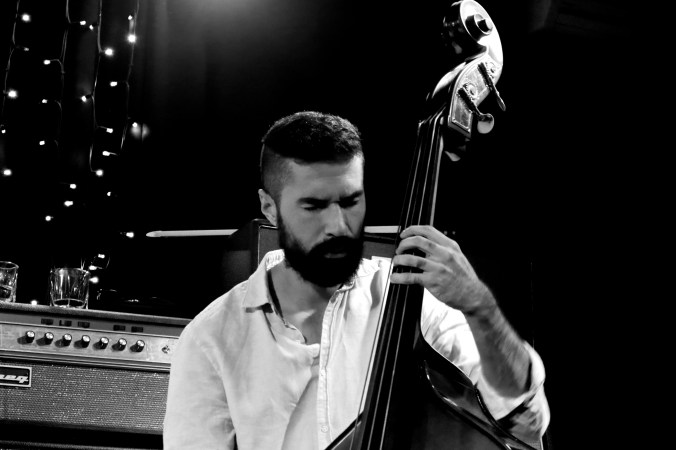
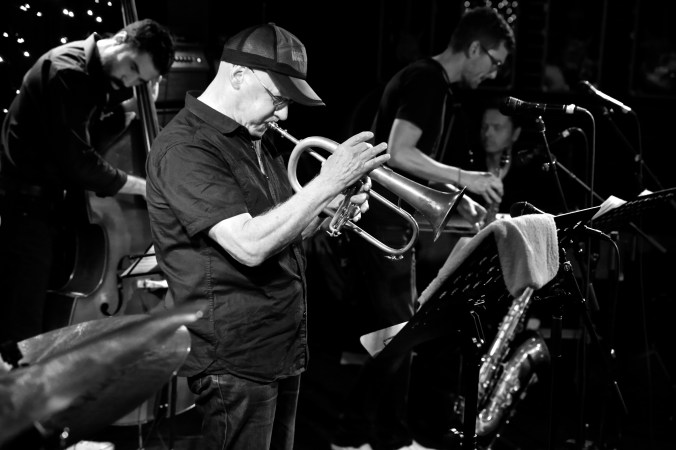 After a long gloomy week of intense storm weather, 200 kph winds, polar darkness and zero electricity, I am finally back in front of my computer. A few days before the storm I was sitting in the warm, well-lit, electricity charged Backbeat Bar and listening to the Kim Paterson Band – by far the preferable option. Jazz trumpeter, Paterson, has been on the New Zealand Jazz scene for as long as I can remember and his name is forever associated with legendary figures like Mick Nock. When I was a teenager I knew many people that he knew and he always seemed to lead an exciting life: gigging in Australia or further afield and travelling to India on a shoestring (our generation regarded that as an essential rite of passage). Out of that rich life experience and long years of devotion to his artform, has come a book of marvellous compositions. These compositions were the focus of his CJC gig and his bandmates gave them the respect they deserved.
 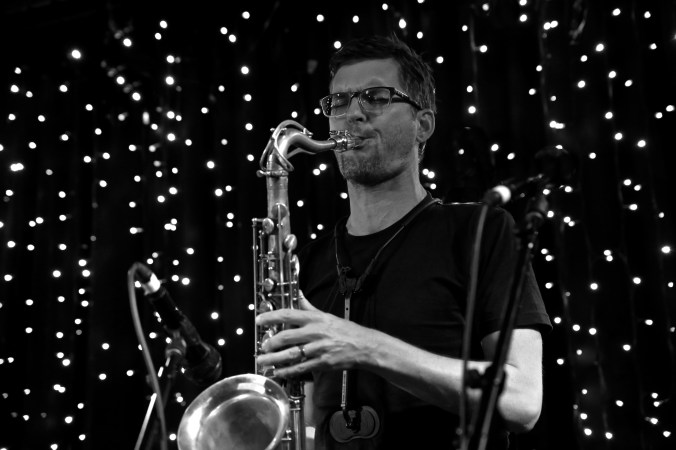 It is hardly surprising that Paterson selected his bandmates well, all experienced musicians and all with a feel for the texturally rich, open-ended compositional structures. I was particularly delighted to see Lewis McCallum on the bandstand, having missed an earlier gig of his and regretting it. He played tenor and soprano and the unmistakable influence of Coltrane’s conceptions shone through. Although not the leader, McCallum was a powerful presence. It was obvious that he regarded this project highly and his guiding hand was repeatedly acknowledged by Paterson. His tone was biting, but not harsh; his ideas were communicated with clarity.
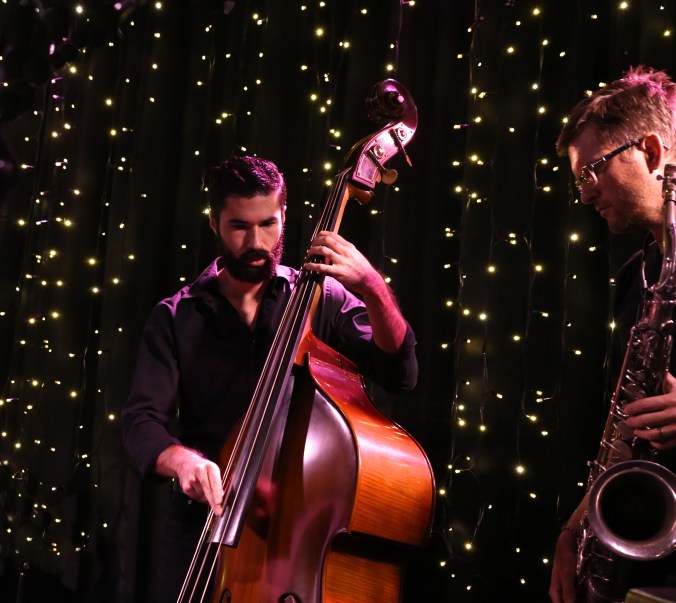 Keven Field was on Rhodes and as always his contribution was impeccable. The Rhodes was exactly the right keyboard for this project and Field, the best keyboardist to bring out its strengths. Somehow he always manages to tease hidden beauty from a Rhodes. Cameron McArthur was on bass and like Field, a first call musician. McArthur is so well established and well respected that no one is surprised when turns out a stellar performance. The remaining band member was Stephen Thomas and again a very fine musician. Thomas works across a number of genres now, but his Jazz chops and good taste are always on show.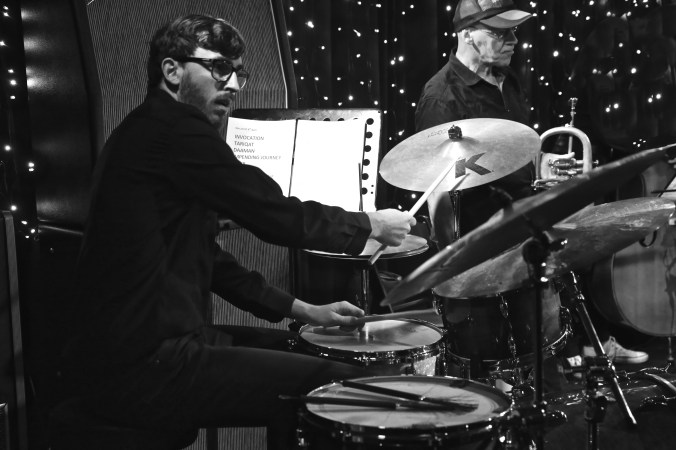
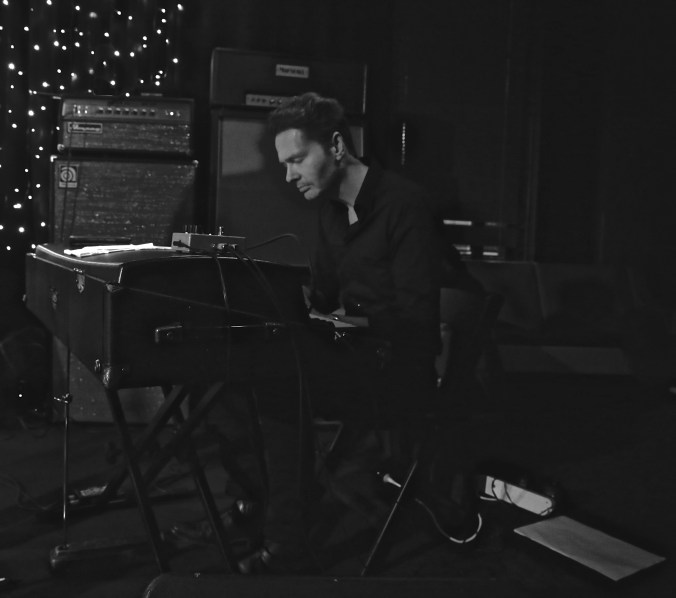
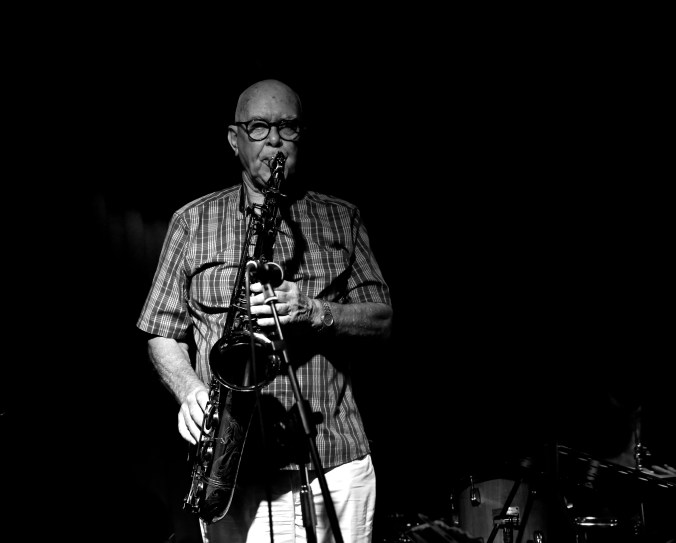 Brian Smith is a legendary figure in New Zealand Jazz, achieving career highs that few others attain. Normally artists of this stature settle overseas and are seldom seen after that. It was our good fortune that Smith moved back to New Zealand and in consequence, we get to hear him perform locally. It’s a moot point whether good musicians ever truly retire (luckily, the answer is seldom). Not so long ago he formed a quintet and since then he has been performing at venues around town. While Smith is a regular at the CJC, this is the first time that we have seen the current quintet in action. The event was predominantly a standards gig and a band of veterans is the right vehicle where standards are concerned. When you bring a selection of loved tunes back into orbit, comparisons are inevitably made. Therefore it pays to choose well and to perform them well and that’s exactly what the Brian Smith quartet did.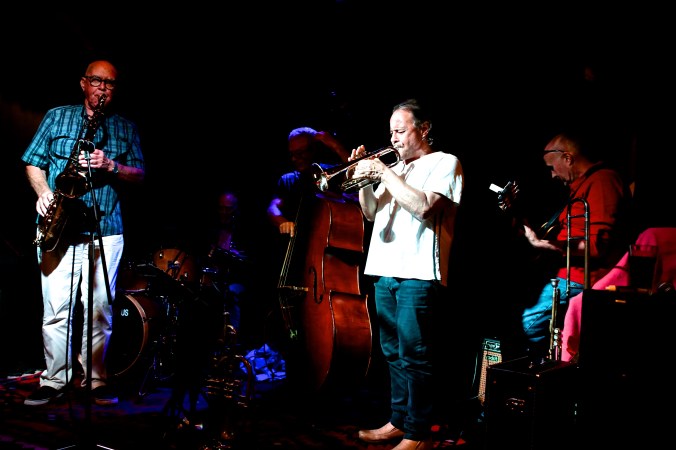
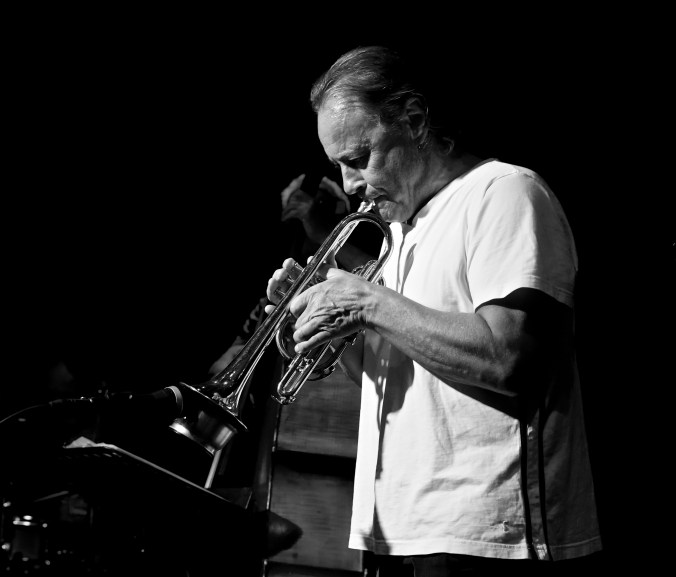
 Oli Holland is one of the leading bass voices in New Zealand. He formed Jazz Attack just over a year ago and since its inception, he has been writing new charts and expanding the lineup. Holland writes interesting charts; often complex but always compelling and his last gig showcased a number of these. This was an expanded lineup – adding three of Auckland’s heavyweights for a quartet segment in the first set. His bass is a powerhouse presence and his ringing melodic lines always distinctive. During solos, his vocalised unison lines fleshed out the tone, drew us deeper in – perhaps even influencing his improvisational choices. It is well established that vocalising while improvising on an instrument, fires up the human brain in new and interesting ways.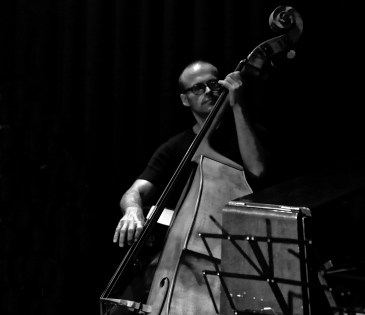

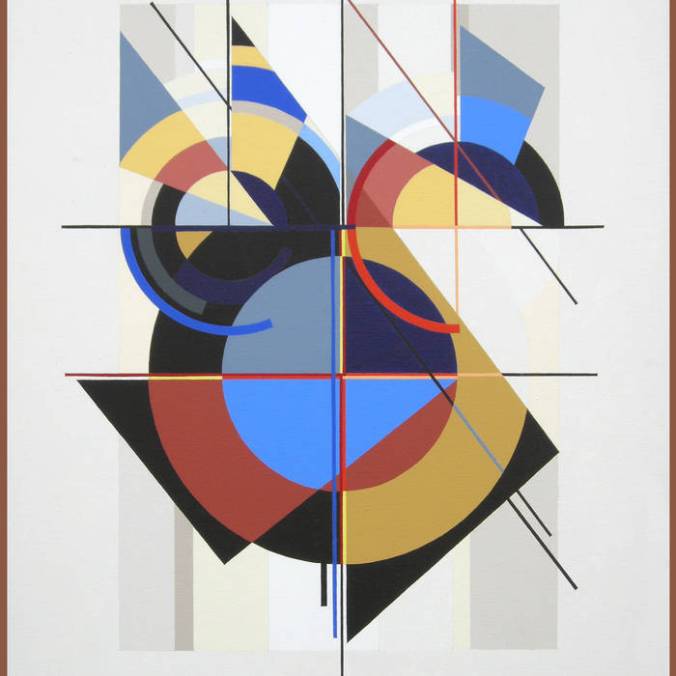 The eponymously titled album ‘Lucian Johnson+5’ was first released in 2016 and has recently been re-released in Japan on vinal. I have only encountered Johnson performing once or twice as he has spent a lot of time outside of New Zealand. He was born in Wellington, but led an interesting life elsewhere, travelling the world with various innovative bands and living for long periods in Paris. I first encountered him when he toured with ‘The Troubles; a delightfully anarchic folksy ensemble he co-founded along with Scottish Jazz drummer John Rae. After hearing Lucien Johnson+5, I will be paying close attention to his futures offerings.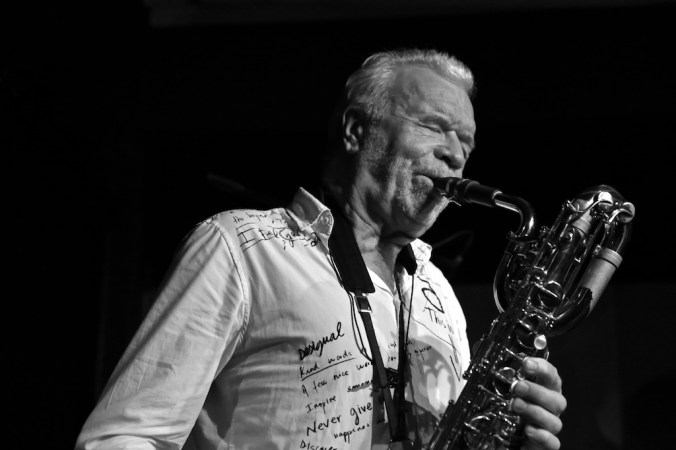
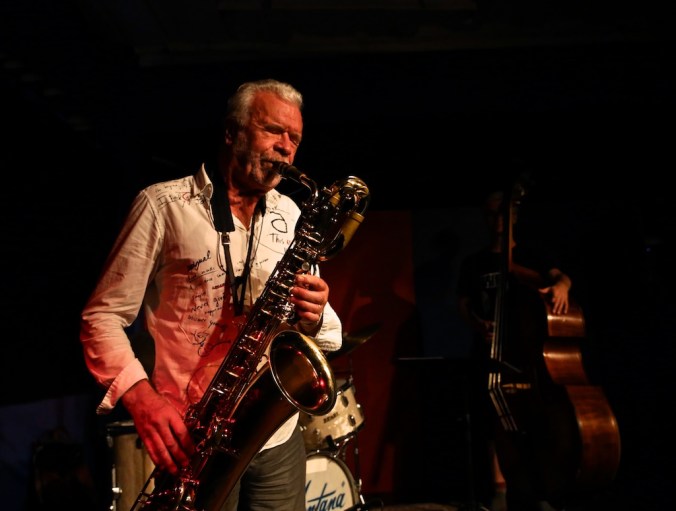
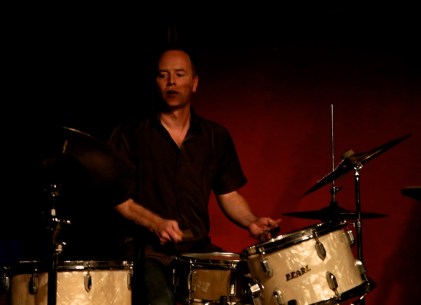
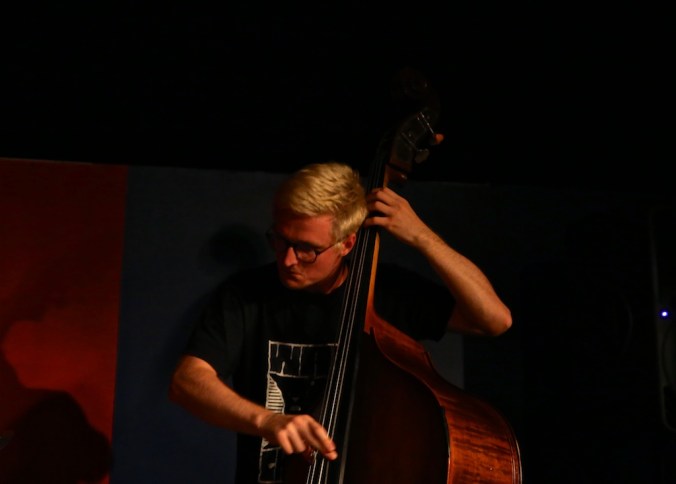
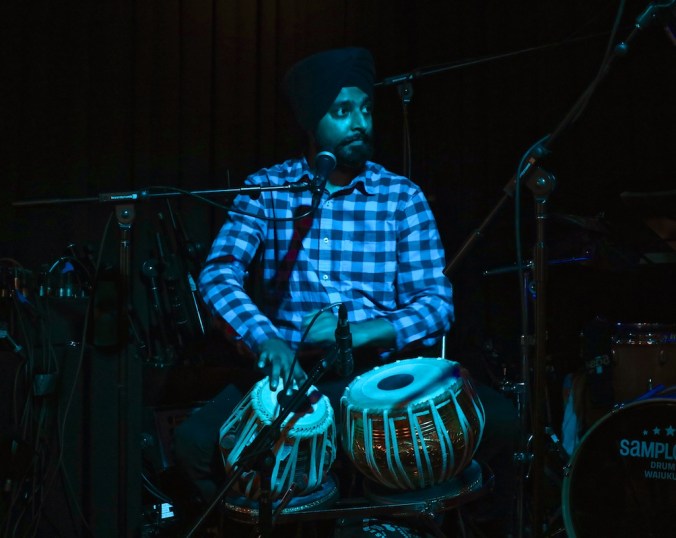 With emerging artists gigs you modify your expectations, but in this case, it was completely unnecessary. Both sets showcased great musicianship and originality. The first set was Manjit Singh and Takadimi; an Indian music/Jazz fusion project. Manjit Singh is not an emerging artist in the strictest sense, he is a highly experienced tabla player, composer and teacher in the two main traditional schools of Indian music (Northern and Carnatic). He has recently been doing a Jazz studies course at the UoA and this project arises from that. The traditional music he teaches is not that dissimilar to Jazz, as it has improvisation aspects and complex interwoven rhythms at its core. Singh also gave us an insight into another tradition, the ecstatic Sufi-influenced music of northwest India, Pakistan and central Asia – Again, a tradition that has fed the rich streams of Indian music and more recently, Jazz.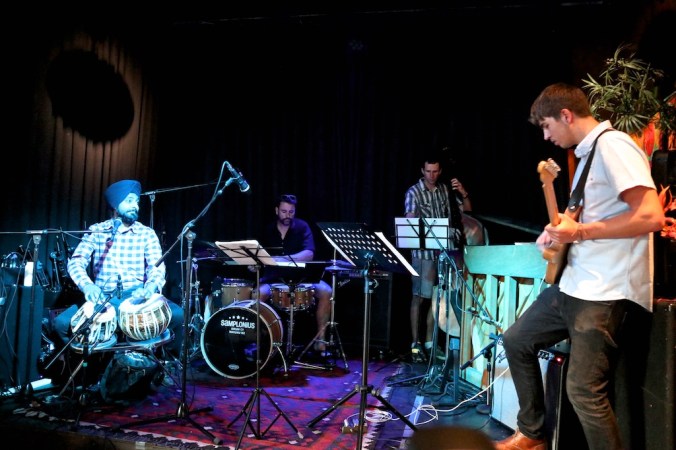
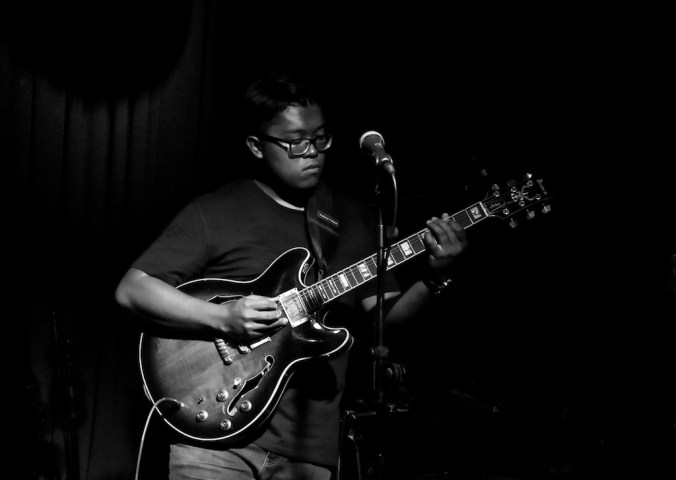
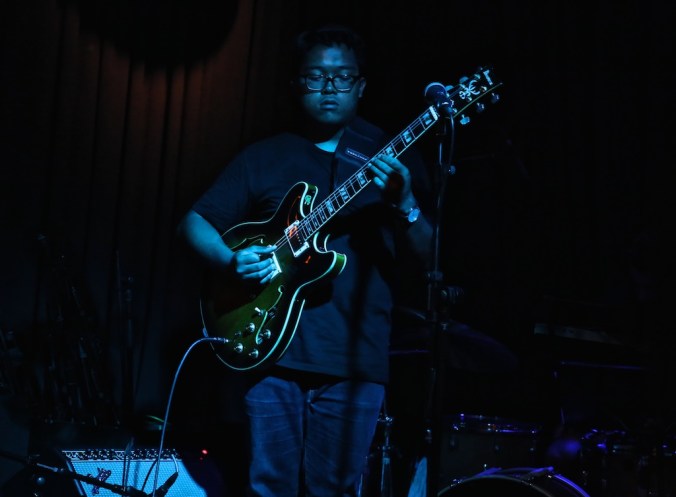
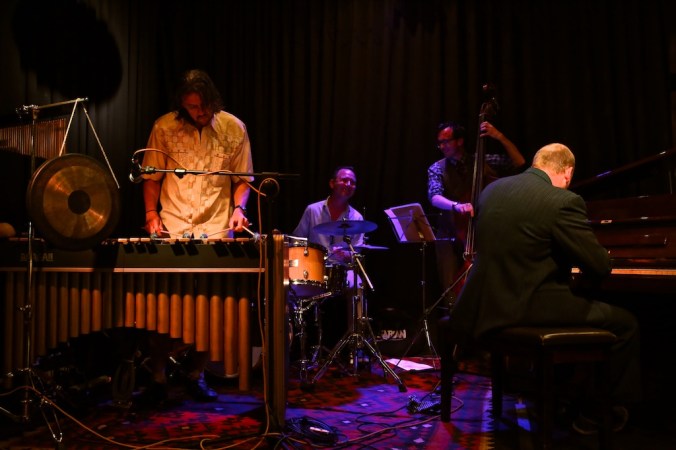
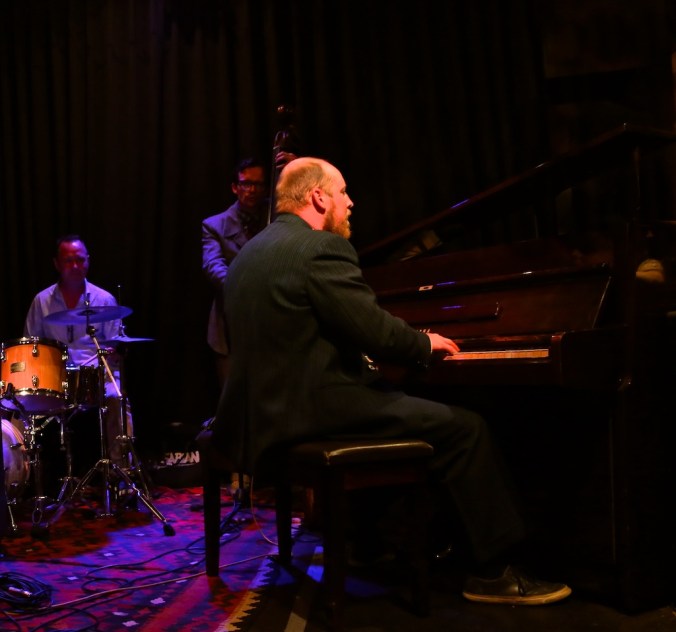
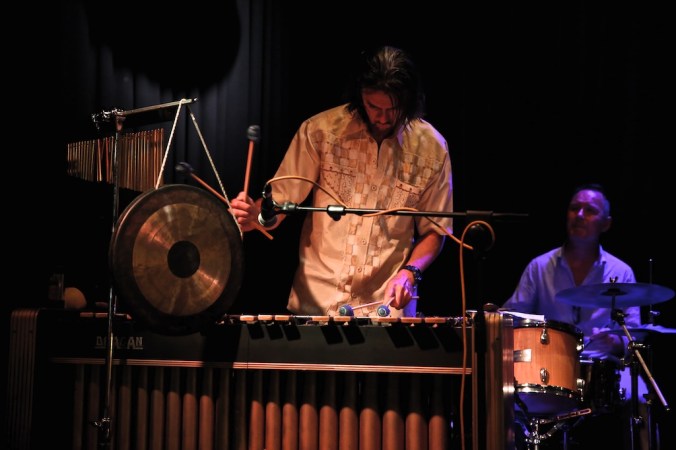
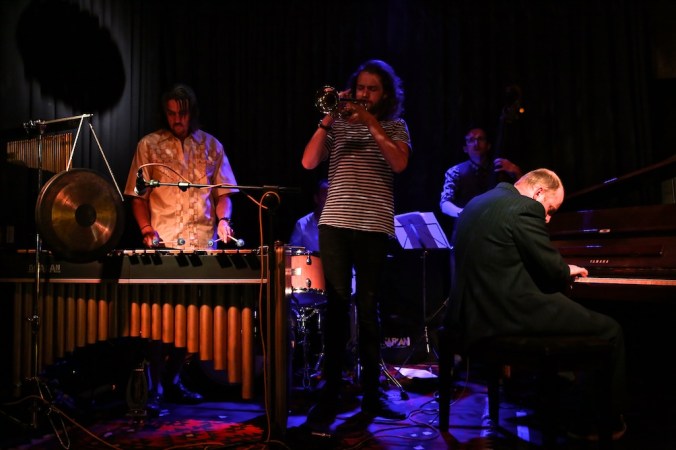 The line up on Squeaky Weasel, an earlier Jelly Rolls album, was as now Wilcock, Rae and bass player Yeabsley. The addition of Michael Barker on percussion and vibraphone is an evolution that makes perfect sense. Trumpeter Finn Scholes joined them for one number and delivered a well thought through high energy solo. To pick up a copy go to Ben Wilcock Thick Records Ltd –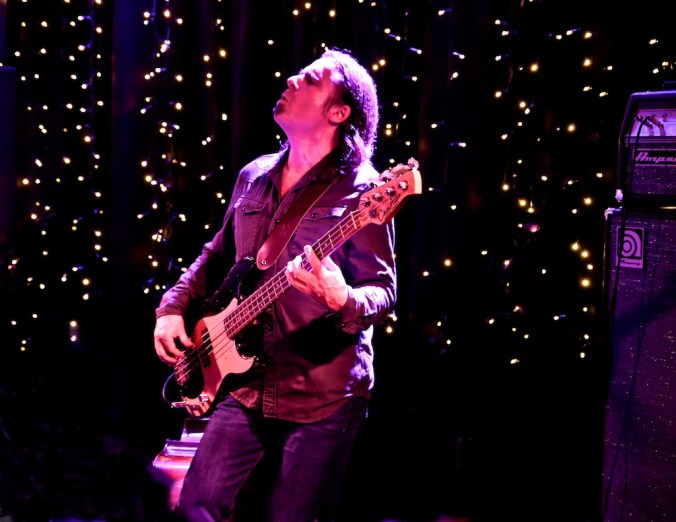
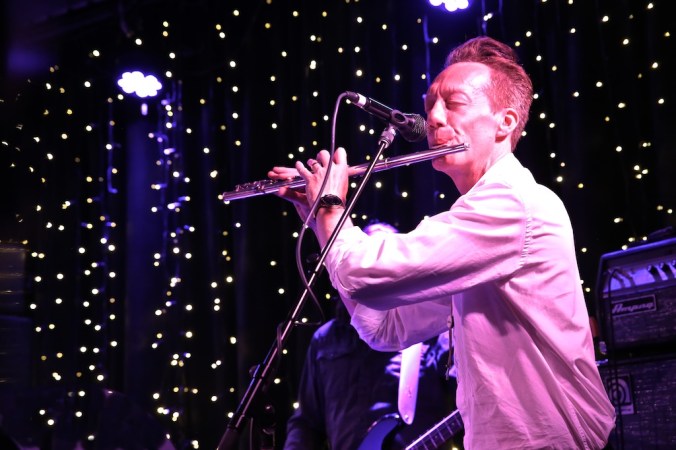

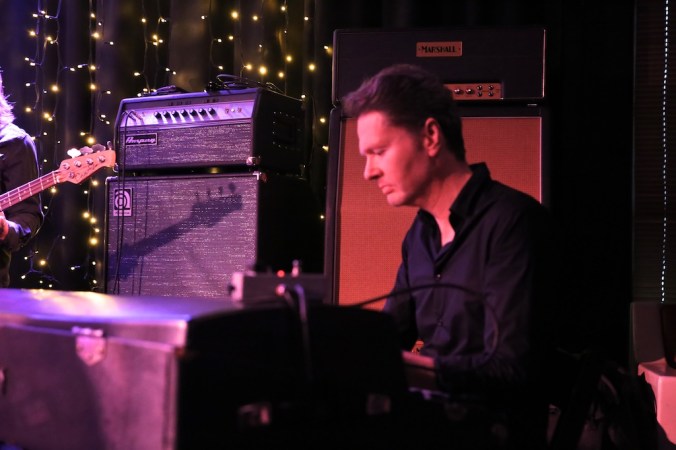 The CJC, sensing an opportunity and knowing that they had only a few days, organised a special one-off Richard Hammond gig and billed it as an all-star event. The programming fell to keys player Kevin Field. Field playing Rhodes, Ron Samsom on drums, Nathan Haines and Roger Manins on saxophones and Marjan on vocals. Hammond alternated between upright bass and electric bass and he wowed us on both instruments. On upright bass, he has a tone to die for; one that only the best bass players locate; on electric bass his lines bite, speaking the language of Jaco or Richard Bona.
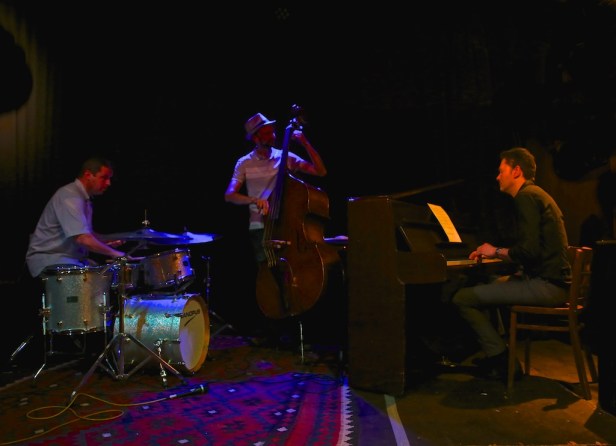
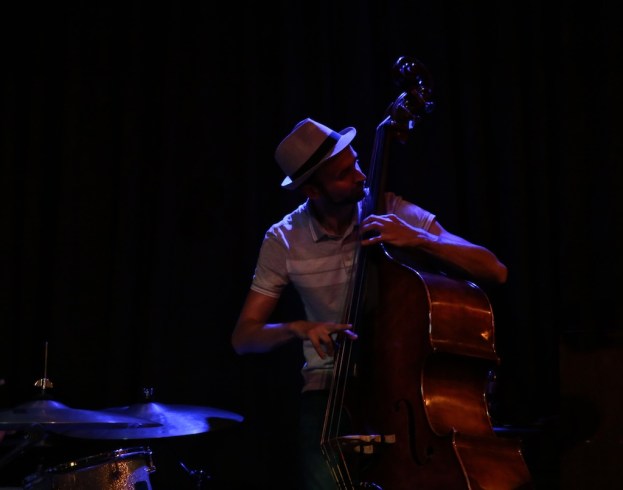
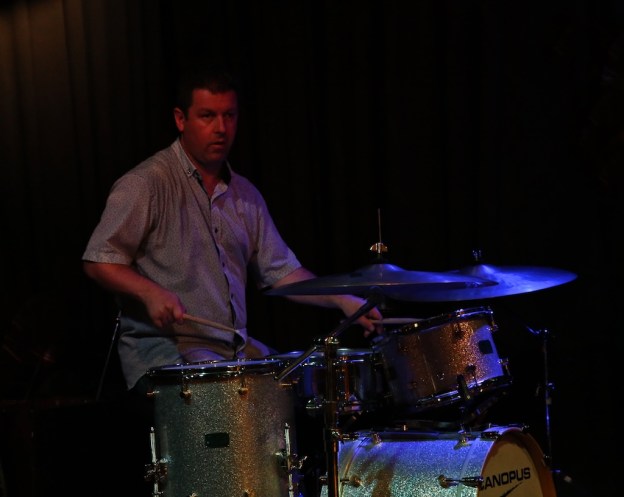
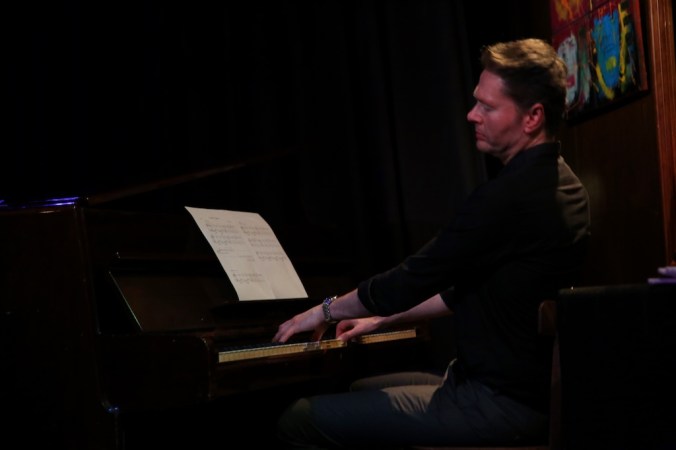
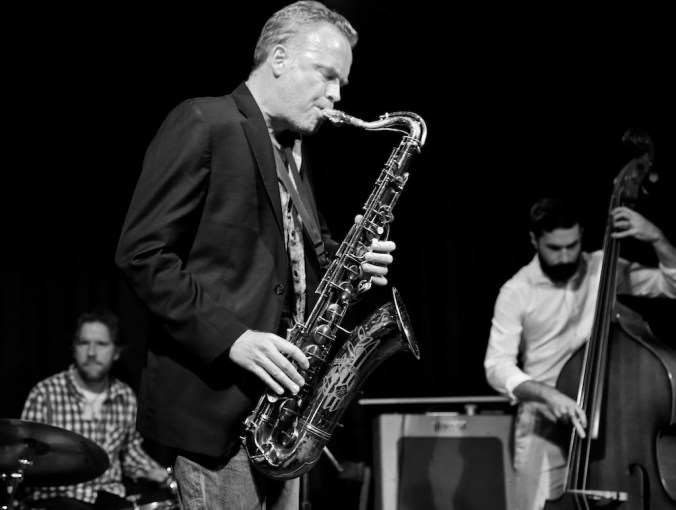 Music listeners split into two main camps; active and passive listeners. Those who listen to improvised music incline towards active, deep-listening. We know that the brains of improvising musicians light up in unusual ways when playing. Much the same applies to listening Jazz audiences. On Wednesday night a saxophone trio played at the Thirsty Dog; no chordal instruments, no lingering over familiar melody lines, a trio which worked within a broader musical architecture, following the changes where ever they led. Nick Hempton is an interesting player and the right person to take us on this journey.
 This sort of gig works well with listening audiences because it invites active participation. On Wednesday, each piece began with a few lines from a familiar standard, often just implied; then, a few bars in, the lines evolved into new melodies based on the changes. As the trio responded the horn led the others to various way-points: places where the music changed course. Fragments of new standards were discovered, unravelled, abandoned. The human brain is hard-wired for pattern recognition, but we love the puzzles that arise from the search. Settling for the familiar is not how we evolved. We evolved by following the risk takers, marvelling at their daring. Following this musical risk-taker, was our delight.
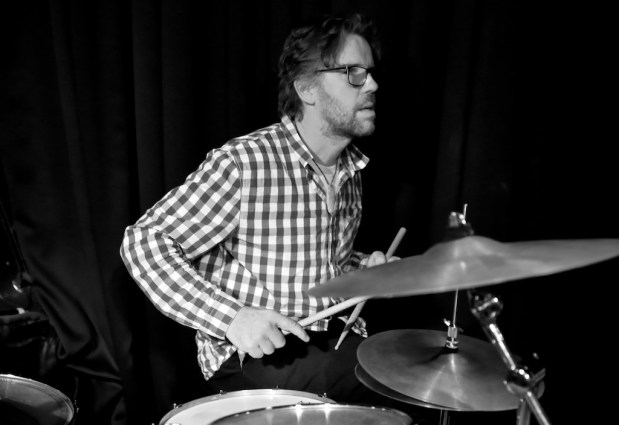 The point was not so much the standards themselves but the opportunities they presented. Appearing and disappearing in medley form was; ‘Night in Tunisia’, ‘Body and Soul’ A Sony Rollins waltz, ‘Exactly Like You’ and ‘Rhythm a Ning’ – these and more were examined. Standing alone was the lovely ballad ‘When I Grow too old to Dream’ (Romberg) and in Hempton’s hands, it was beautifully realised. There was also a great rendition of ‘Just Squeeze Me (don’t tease me)’ (Ellington) – I have posted that. The last trio piece was ‘Poor Butterfly (Hubbell [Puccini])’; followed by Roger Manins joining the trio for two last two numbers. As is often the case when two tenors appear on the same stage, a delightfully upbeat and riotous vibe emerges. Friendly sparring matches like this always go down well.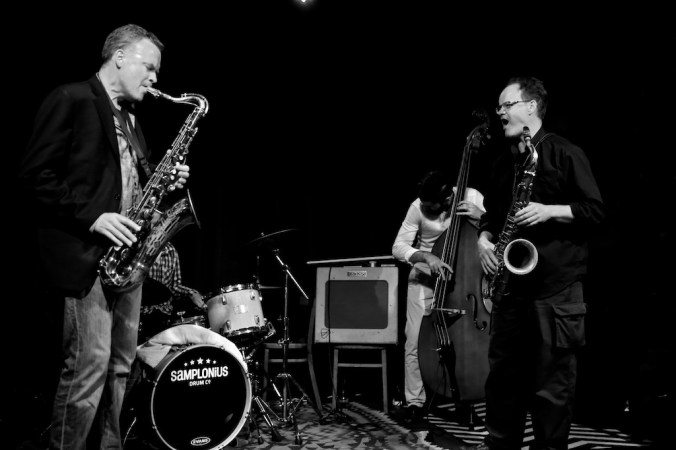
 JazzLocal32.com