Fragile Magic & Tenging ~ Ingi Bjani (Iceland)

Before I became aware of the trio albums, I was already familiar with the Ingi Bjarni Quintet through his Tenging album, which I can only describe as extraordinary. Tenging is an album of breathtaking beauty and invention, evoking an ECM aesthetic. I love to hear musicians who boldly tell unique stories and flirt with the unexpected. There are many things to like about this album, such as the folksy, often Slavic-referencing modal melodies, the minimalism and the way the tunes are structured, often atypically. The essence of the group is especially evident in the title track, “Tenging”.
There is excitement but also a sense of space and calm. Throughout, the music fully engages the listener. They are all excellent musicians, achieving a unity of purpose that is rare in a young band like this. The Norwegian trumpeter Jakob Eri Myhre has a Nordic edgy breathiness about his sound, and the Estonian guitarist Merje Kägu is just marvellous. My first encounter with this Quintet was as a 7VirtualJazzClub judge. Guitarist Merje Kägu was a knockout during that clip, a Nordic version of Mary Halvorson.
Fragile Magic, the trio album, will be released in March. Advancing the concepts explored in earlier trio releases. Here, the bass, drums and piano achieve perfect balance. As with the larger ensembles, the players breathe the same musical air. The interplay is of the highest order. The compositions often arise from Satie-like minimalism and build on that, expanding the themes. Here, the exquisite touch, a feature of Skúlson’s playing, is accentuated. The pianist can also adopt a more percussive approach, contrasting his gentle minimalism.
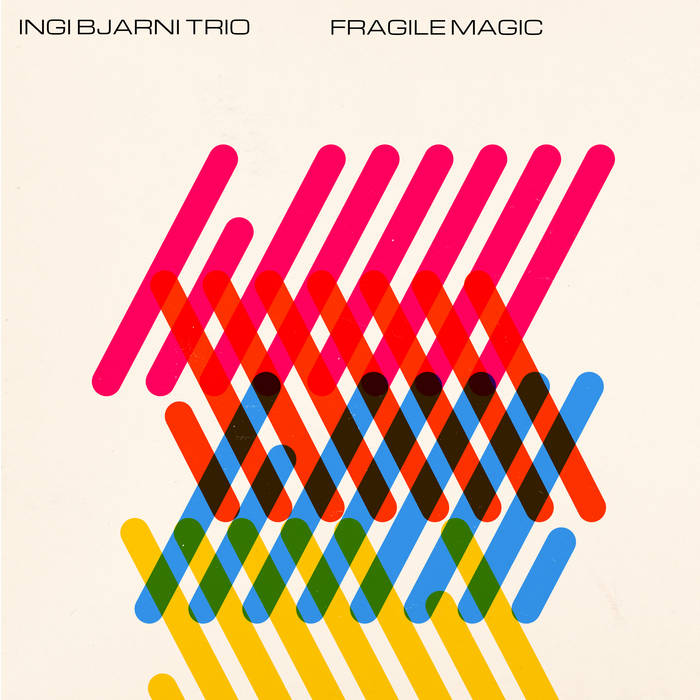
Ingi Bjani (full name Ingi Bjani Skúlson) is a celebrated musician in Iceland. Now, the wider Jazz world is starting to notice. His trio albums and quintet are the best known, but he has an established quartet and performs in a duo and solo. He attended the F.I.H. School of Music in Reykjavík, Den Haag Royal Conservatory in the Netherlands and undertook a Jazz Master’s in composition at Oslo and Copenhagen conservatories. His mentors have included many notables, including Aaron Parks and Anders Jormin. If you are new to his work, start with Tenging” and take it from there.
The musicians on Fragile Magic: Ingi Bjarni Skúlson (Piano), Bárður Reinert Poulsen (bass), (Faroe Isles) and Magnús Trygvason Eliassen (drums). Bandcamp, {Spotify ~ (sample track)}
The musicians on Tenging: Ingi Bjarni (piano, compositions), Jakob Eri Myhre, Merje Käju (guitar), Daniel Andersson (bass), Tore Ljøkelsøy (drums) ~ Ingi Barjani Quintet is available on Bandcamp @ https://ingibjarni.bandcamp.com/album/tenging
Flicker & Polar Bird ~ Andrea Keller (Australia)

Andrea Keller’s recorded output is bold, engaging and original. This album is no exception. “Flicker & Polar Bird” is a double album and her twenty-third release as a leader. The album is the result of her time as the Coombs Creative Arts Fellow in 2022 and also features various commissions undertaken between 2010 and 2022.
The first disk, Flicker, has a deliciously melancholic feel. Not one of weighty sadness but the pleasant melancholia of Shakespeare: ‘A melancholia of mine own…a sundry rumination of my travels. Flicker is just that, as Keller reflects and reimagines older works and places them alongside new compositions. Composers like Keller arouse deep emotions in a listener, aided by pianistic minimalism and the judicious use of open sonic textures. The relationships between pieces are carefully thought through, as are the musicians she chooses to realise her visions. Completing the trio is John Mackey, a superb tenor saxophonist and Miroslav Bukovsky, the trumpeter who appeared with Keller on The Komeda Project album. Completing the complement of musicians are two six-piece string sections (Canberra & Sydney) and two voices.
The second disk, “Polar Bird”, brings in the voices of Rachel Toms and Liam Budge, reciting a poem, singing wordlessly and reading prose. The addition of human voices is in keeping with the overall vibe, as they blend into the mix. The vocalists are instruments. Everything on these albums invites a deeper listening, as the beauty of the playing and the compositions stir varying emotional responses. Anyone who follows Keller will know to expect originality and excellence and how nice hearing an E.E. Cummings poem intoned so beautifully.
The trio musicians are Andrea Keller (compositions, arranging, piano), John Mackey (tenor saxophone) and Miroslav Bukovsky (trumpet). All of Andrea Keller’s albums are available on Bandcamp in digital, CD or vinyl formats @ https://andreakeller.bandcamp.com/album/flicker-polar-bird
Devotion ~ Muriel Grossmann (Spain)

When I saw an invitation to review Devotion in my inbox, I listened, intrigued. It halted me in my tracks; how had I not been aware of this musician before? What started as layered electrically-tinged grooves morphed into spiritual jazz and referencing other genres as it seamlessly navigated pulsing vamps. What appeared at first to be a classic groove unit was that, but also something else entirely. During the first track, “Absolute Truth”, pulsing and unhurried, the groove mesmerises; then Muriel Grossmann winds her way into a solo that builds its momentum and wows you. From there, we hear one stunning solo after another, amazingly cohesive, considering that each soloist takes a different approach to effect.
It’s hard to know how to unpack a cornucopia like this. It doesn’t feel like a studio album, but it is. Imagine descending a flight of stairs to find yourself in the jazz club of your dreams. A heady zone that affects you at the molecular level as the music and vibe wash over you. The tunes captivate one by one, great compositions, but also the ideal vehicles for collective and individual improvisation. I love a good groove unit, but it has been a long time since I was this blown away by one. There are echoes of Lonnie Smith, Pat Martino and Pharoah Sanders, but the album stands steadfastly on its merits. It borrows echoes from the past and creates something uniquely new.
Grossmann is a multi-instrumentalist with nine instruments credited, and out of this comes the expansive sound. The listener quickly realises that her compositions and the various textures under her fingers elevate the extraordinary soundscape. All of that, and they can swing like crazy. The musicians: Muriel Grossmann (tenor, alto and soprano saxophones, flute, percussion, tambura, upright bass, kalimba, harmonium), Radomir Milojkovic (guitars), Abel Boquera (Hammond B3 organ), Uros Stamenkovic (drums). This double album available digitally, on CD and vinyl, through Bandcamp @ https://murielgrossmann.bandcamp.com/album/devotion-2
“In Green” EP ~ Taylor Griffin (Aotearoa/New Zealand)
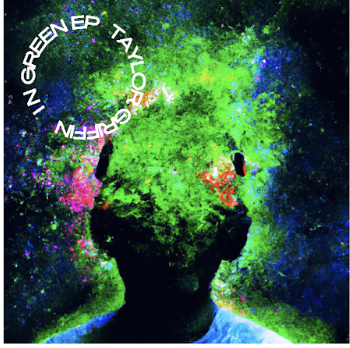
“In Green” is a groove-based EP due to be released around now. A debut album written and produced by Taylor Griffin, a drummer from Tāmaki Makaurau/Auckland and co-produced by well-known Auckland Jazz musician Nathan Haines. The title track, “In Green”, opens with an inviting piano segment, played against background club chatter, shortly after dropping you into a deep and pleasant groove. The rest of the album flows nicely from there, maintaining the groove of the opening track.
The album oozes the warm sounds of summer with its danceable urban groove feel. The laid-back vibe and accessibility are the result of well-constructed compositions and the skilful integration of vocal lines woven into the instrumental mix, a clincher for me. The vocalese of Rachael Clarke, Saia Falou and Griffin is perfect, complementing and blending with Nathan Haines’s airy flute lines and soprano saxophone. The playing is tight and the mix is just right, everyone sounds good.
This is a fine debut release for Griffin. The band: Taylor Griffin (drums, compositions, percussion, vocals, arrangements), Leo McMenamin (Keyboards), Robert Picot (guitar), Guy Harrison (trumpet synths), Charlie Isdale (alto and tenor saxophone, flute), Geoff Ong (guitar, bass), special guests Nathan Haines (flute, soprano saxophone), Michal Martyniuk (Rhodes, synths).
JazzLocal32.com was rated as one of the 50 best Jazz Blogs in the world by Feedspot. The author is a professional member of the Jazz Journalists Association, a Judge in the 7VJC International Jazz Competition, and apoet & writer. Some of these posts appear on other sites with the author’s permission.






 Have you ever heard one of New Zealand’s iconic pop songs and wondered how it would sound reimagined as Jazz? The journey from popular song to Jazz piece is a well-trodden path. Many tunes that we now refer to as ‘Jazz standards’ began their life as tunes written for broadway musicals or for the popular music market. For a tune to successfully cross that divide it needs to be well constructed and to lend itself to reharmonisation. With ‘Alchemy’, this elusive symmetry is realised.
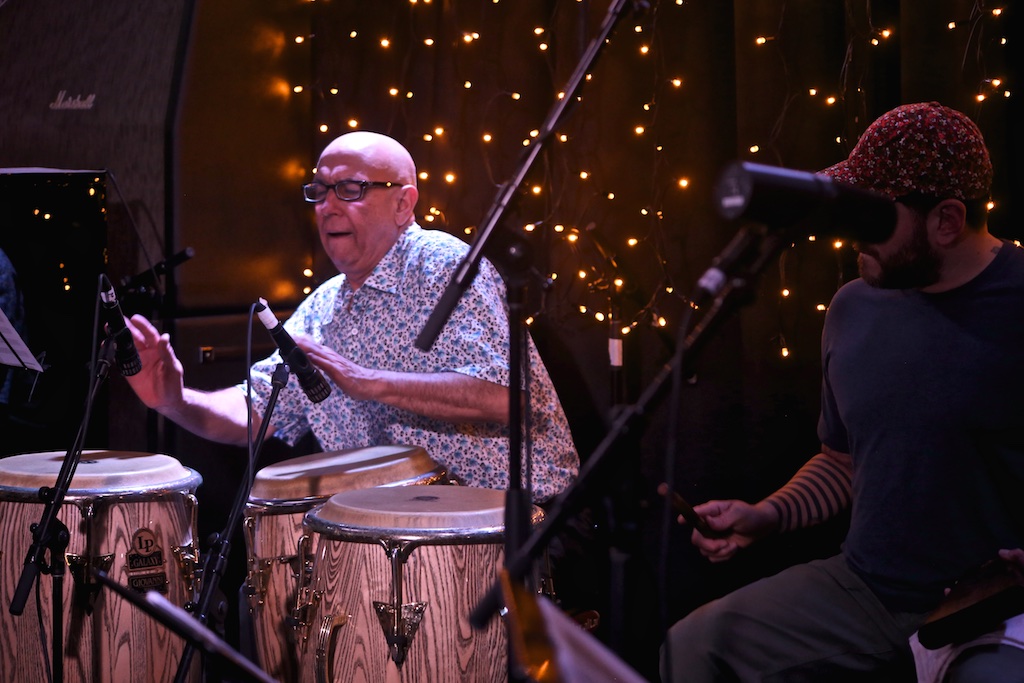
 A lot of great live music happened this year but this gig was a favourite. It was danceable, visceral and the deeply rhythmic pulse found its way straight to your heart. As the band played the room radiated an infectious joy and the swaying of the audience amplified it. One by one the feet tapped and the hands moved until no one was left unaffected. Yes, this was music to wash away your cares but underneath that was something of real substance. Latin music that misses its groove is unsatisfying but when it’s done well like this was, it’s simply wonderful. No one in New Zealand could pull this off better than Jonathan Crayford and with co-leader Nathan Haines on board, it was locked down. The final ingredient to this potent tropical brew was master percussionist Miguel Fuentes.
 The songbook was a heady fusion of Bebop and Afro-Cuban (or more accurately Afro-Rican as Vidal was from Puerto Rica). When Crayford initially agreed to take the Vidal gig he knew little about Latin music, but a quick phone call to his friend Barney McAll gave him valuable tips. Fast forward to 2018 and it is obvious to anyone who hears him that he absorbed the complexities and rhythms of the music beyond caveat. Although the rhythmic patterns are fixed, for the music to work well it needs something else – a controlled fluidity – the ability to react to the other musicians. Crayford once described it as being a weave which can be tightened and loosened at precise times – without the shape being lost. When you hear the clave patterns skilfully executed and interwoven, the experience is unforgettable.
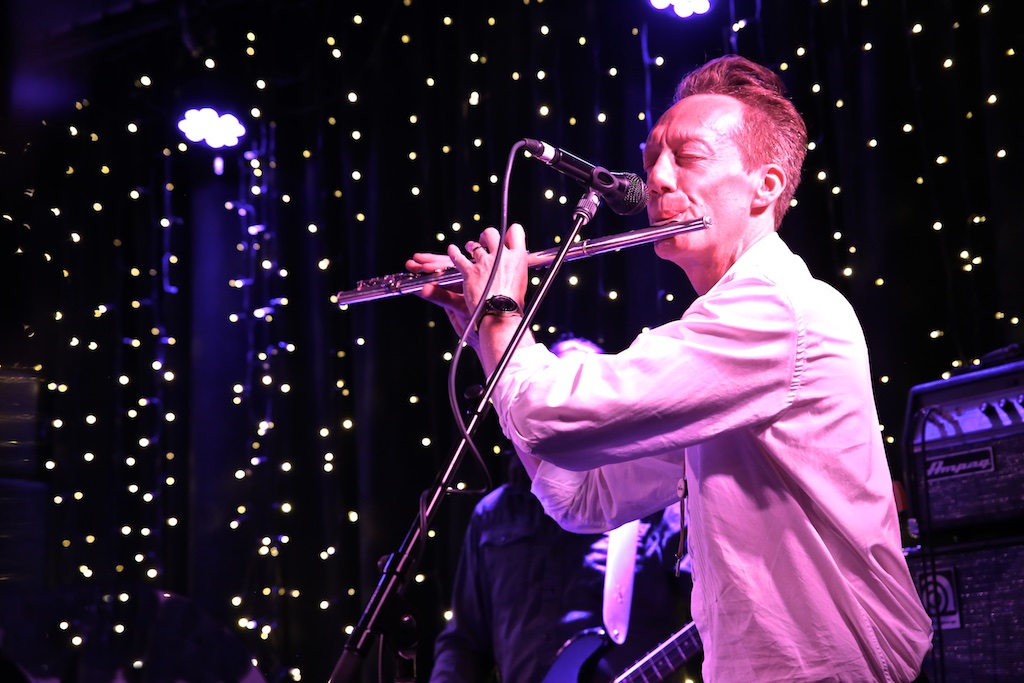
 Many Jazz musicians avoided the flute, believing it to be expressionless, but when Haines blows, it has life, character, and edge. As a horn, it has pride of place in Latin ensembles and Latin lineups are diminished without it. Watching these two feed off each other’s lines or grooves is to attend a masterclass. Many years of collaboration has gifted them an acute situational awareness. An awareness that is now instinctual.
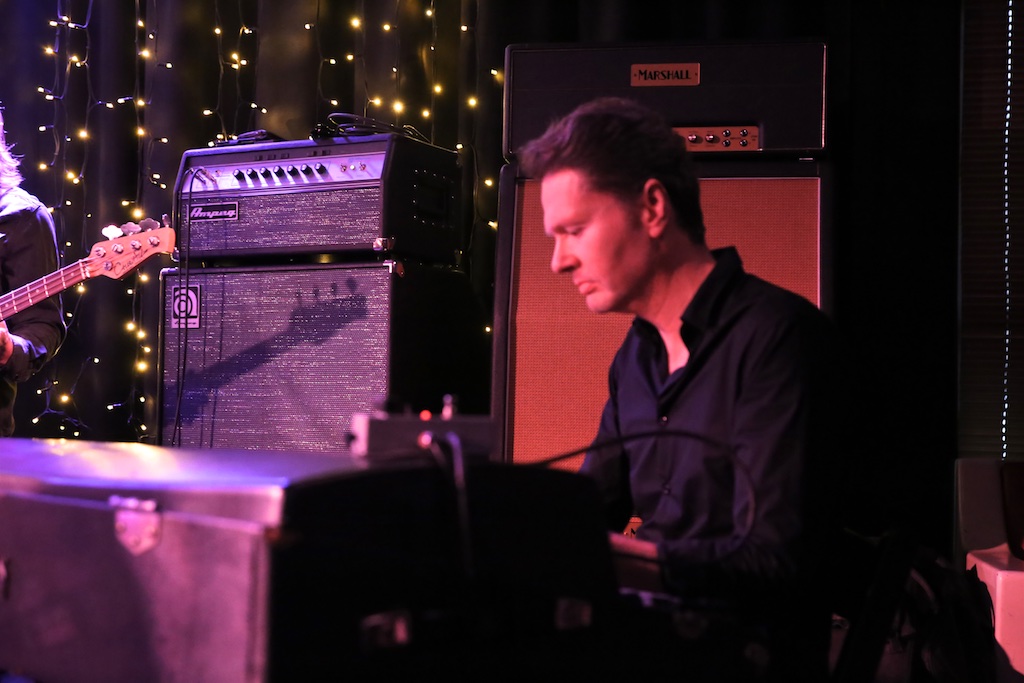 The CJC, sensing an opportunity and knowing that they had only a few days, organised a special one-off Richard Hammond gig and billed it as an all-star event. The programming fell to keys player Kevin Field. Field playing Rhodes, Ron Samsom on drums, Nathan Haines and Roger Manins on saxophones and Marjan on vocals. Hammond alternated between upright bass and electric bass and he wowed us on both instruments. On upright bass, he has a tone to die for; one that only the best bass players locate; on electric bass his lines bite, speaking the language of Jaco or Richard Bona.
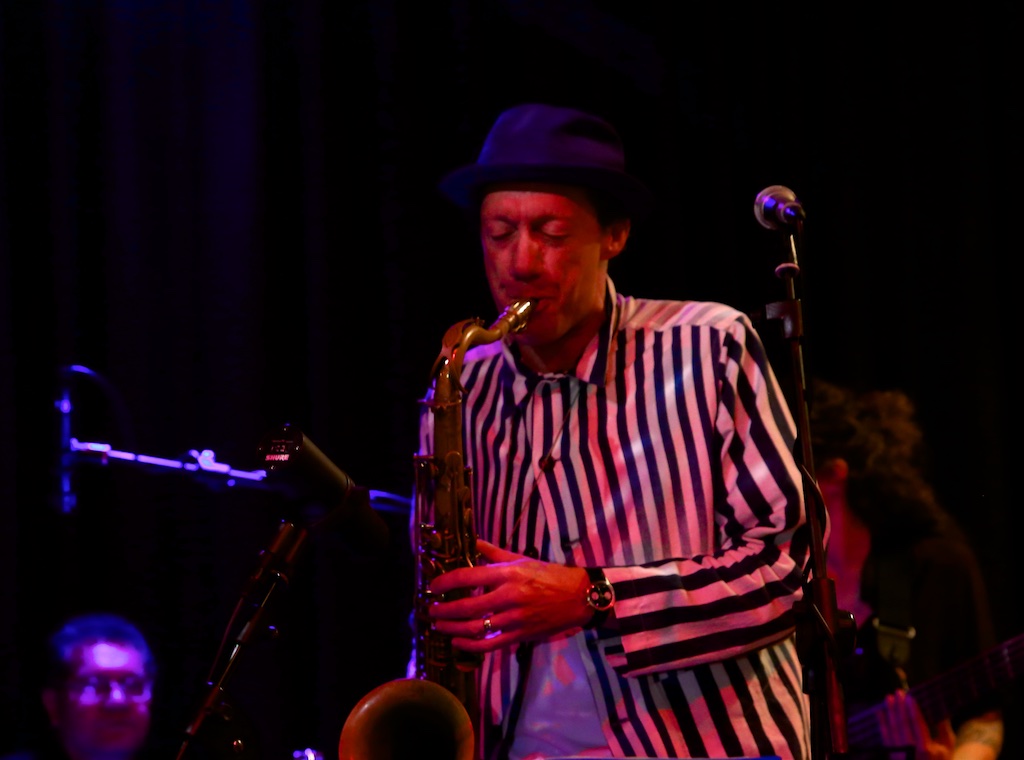 This was trippy stuff. A band that gnawed at the bones of form while the music swept us along; taking us ever deeper, forcing us to loosen our grip, as the waterfalls of sound consumed us. This was most definitely filmic music; throwing up subliminal specters like a Burroughs cut-up montage: an indie soundtrack, Voodoo but with four Papa Docs urging us toward trance.
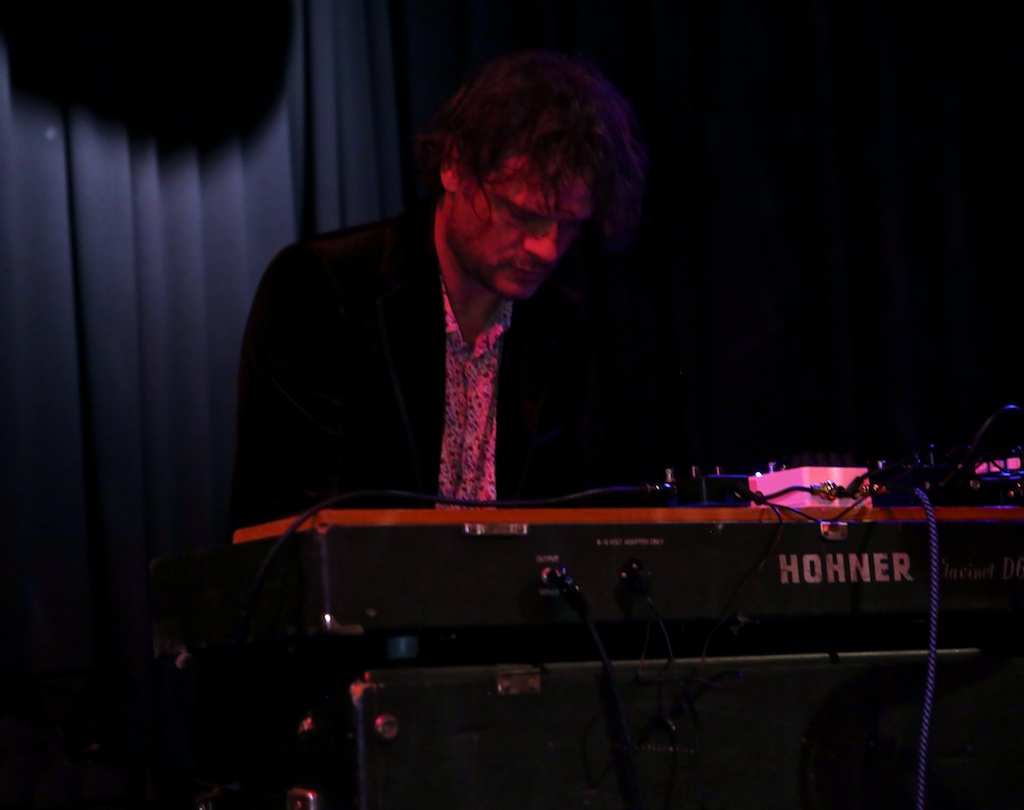 Attempts to confine improvised music within historic boundaries is plain foolishness. Never has this been more obvious to me than at last week’s ‘Monsters of The Deep’ gig. Superficially it sounded like, looked like classic fusion; but it was and it wasn’t. The keyboard instruments were classic analog, the lighting otherworldly; various delays, distortions or effects echoed across the room. While the overall vibe nodded in the direction of Jazz/Rock, the musical language was that of deep improvisation. The accessibility hiding worlds of complexity and there’s the wonder of it. Few local musicians could pull this off as well as Crayford and Haines did.
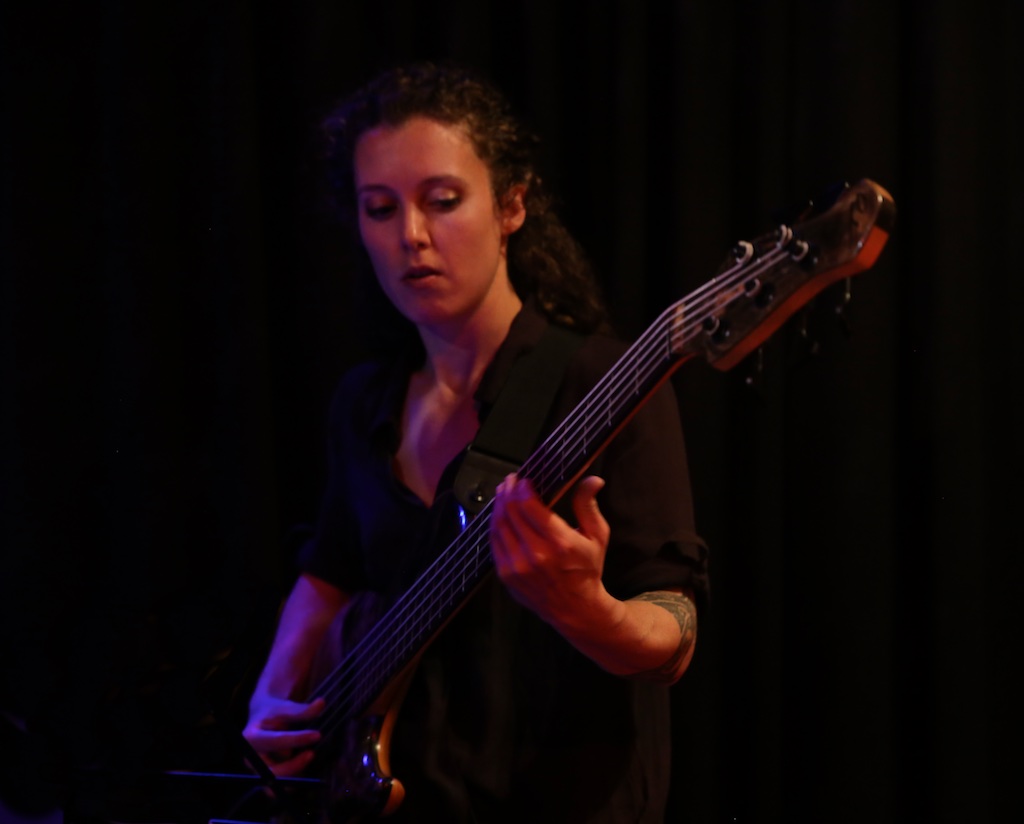 The collaboration between Crayford and Haines is certainly not their first; that took place in New York a long time ago. Since then they have both gained international reputations, recording in the UK or in New York. Both have separately won the Best New Zealand Jazz album of the year during the last decade, both attract sizable audiences. These artists are generally offshore but we caught a break this year – they are domiciled in Auckland at the moment.
 While the project draws on various inspirational sources like Alice Coltrane and Igor Stravinsky it is also brimming with originality. This is ‘spiritual music’ of the highest order and it uses the devices of the Shaman: long intensifying vamps and hypnotic beats which slip deftly into the consciousness. Throughout the night, it was Haines who took the melodic path while Crayford provided magnificent architectural structures. If even one element was removed, the edifice could fail; this was a music built from layers, each balancing delicately on the one beneath; only exposed incrementally, like a nested Russian doll. Marika Hodgson was the perfect choice for running those long ostinato bass lines. Her time feel is impeccable and she creates a gut punch while blending seamlessly into the mix. Not many know it, but Crayford is also a gifted bass player – he knows exactly what is needed and he trusts Hodgson to deliver. The one musician that I had not seen before was Mickey Ututaonga. He has a long history with Haines and again he was a good choice. Because the music was so carefully balanced, the last thing it needed was a busy splashy drummer. Ututaonga synced with the others, his every beat enhancing the overall hypnotic effect.
  The other stars of the show were the instruments and pedals. For Crayford a Fender Rhodes and an equally vintage Clavinet; for Haines, his beautiful horns fed through a vintage SM7 Shure Microphone, then into a preamp and guitar FX board.
 Long after the ANZAC commemorations had finished, when The World Masters Games contestants were either celebrating their success or limping toward the nearest A&E, a largely unheralded gig took place at the KMC in Shortland Street. It was fitting, that on a day of remembrance, the faithful old war horses, the standards, were honoured. It is surprisingly rare to see a standards only instrumental gig these days. The event was curated by Kevin Haines and what a treat it was. The definition of what makes a Jazz standard is a moveable feast, but the safest definition is that the tunes are, or were, from the standard repertoire. Most, but not all standards come from the Great American Songbook, e.g. Irving Berlin, Cole Porter, Victor Young, Duke Ellington Ira & George Gershwin etc. Many of them, and often the best, from failed musicals. Other Jazz standards come from the pen of gifted composers like Sonny Rollins.
 When introducing the band, Haines stated,” The ability to play the standards well, is the benchmark against which Jazz musicians are ultimately judged”. Assembled on the bandstand were some of New Zealand’s finest musicians. Kevin Haines (bass), Nathan Haines (tenor & soprano saxophones, vocal), Kevin Field (piano), Dixon Nacey (guitar), Ron Samsom (drums). The band gave it everything and the exchanges were beautiful – Nacey and Field conjuring up the Evans/Hall duos, Nathan Haines making his tenor sound like the Desmond Alto. The night was well attended and it will certainly be remembered.


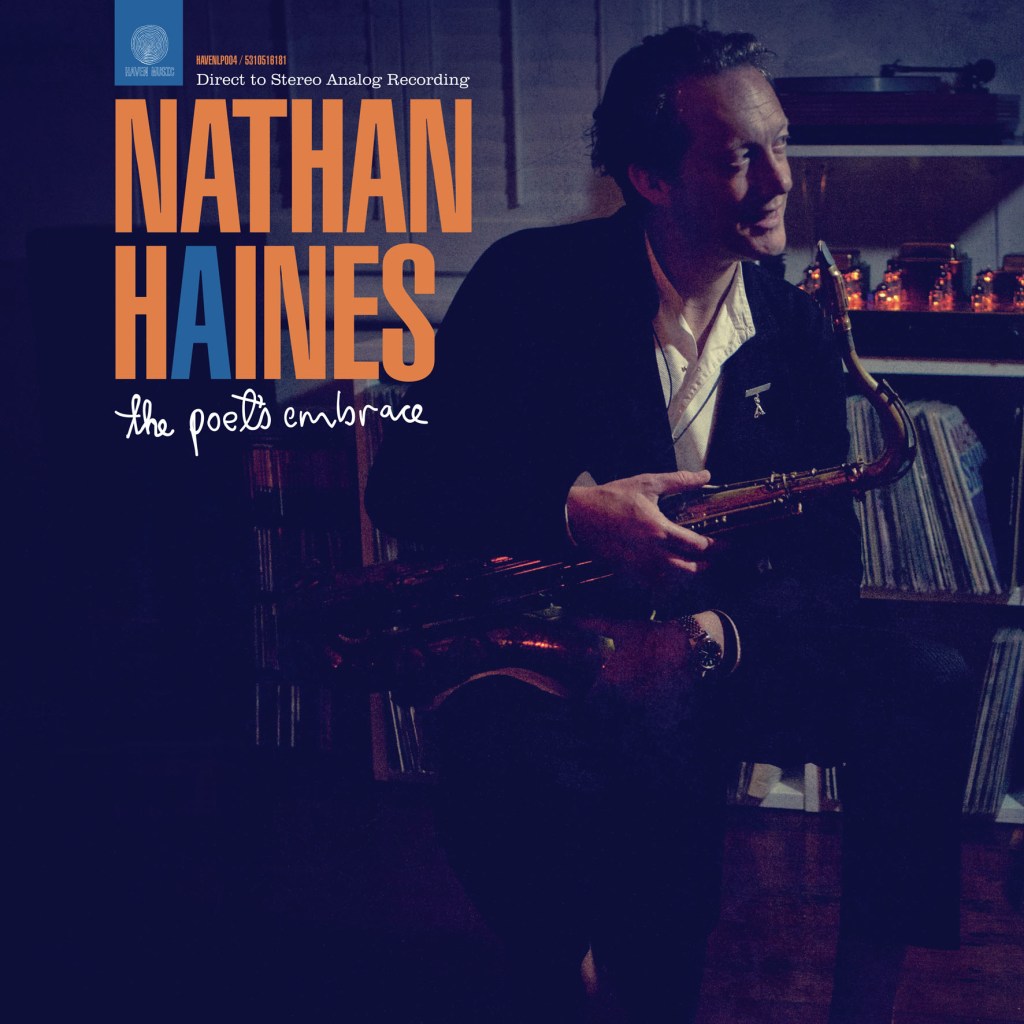
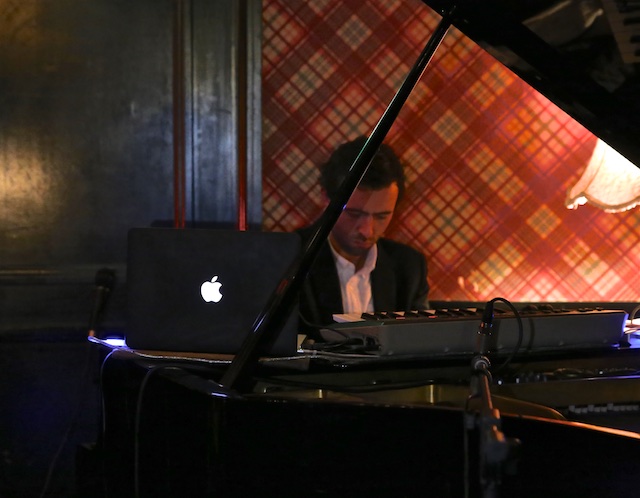 I can’t remember when I first became conscious of Polish Jazz, but after Tomasz Stanko, Poland was forever on my listening radar. After that, I would listen to Polish improvisers whenever I came across them, Wasilewski, Komeda etc, and all the more so when I discovered later in life that I was a quarter Polish. In light of the above, I was naturally interested when I came across an Auckland-based, Polish-born pianist Michal Martyniuk. He was standing in for Kevin Field at a Nathan Haines gig – around the time of “The Poets Embrace’ release. Since then I have seen him with various iterations of Haines’ bands but until last week, never at a gig where he was the leader.
 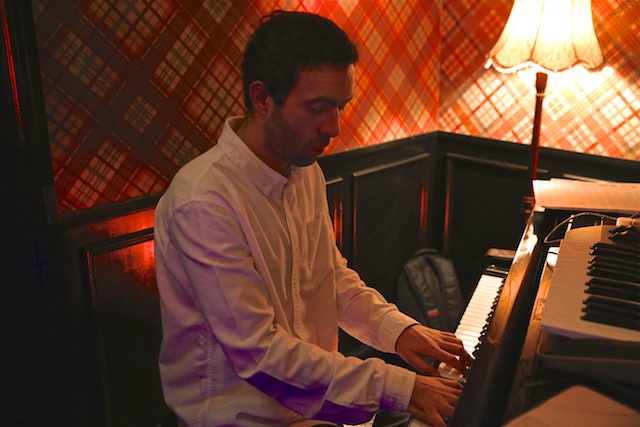 It is an oft-debated topic, but I sometimes hear references to time and place in original music. After hearing Martyniuk I could identify his northern European influences. When I asked the pianist about the artists he most admires, he quickly identified Lyle Mays and Pat Metheny (also Weather Report plus Miles and Herbie). The Metheny/Mays reference is definitely evident but sifted through a Eurocentric filter. Mays, although influenced by Evans never sounded like a typical American pianist. Martyniuk’s compositions and performance contain all of the hallmarks of modern Euro jazz, a sound I hear in the Alboran Trio, Wasilewski and younger pianists like Michal Tokaj. A warmer sound than the Scandinavian pianists but as light filled and airy. There is a beauty to Martyiuk’s playing, a stylistic identity. For such a young pianist to have located this special sound is impressive.
 Something that many post-millennial Jazz musicians avoid, is evoking a sense of beauty. I can understand that because it must be done well or not at all. It is the territory of balladeers like Ben Webster and the territory of artists like Metheny. This was done well. The compositions were cleverly constructed around developing themes and with nothing was rushed, allowing melodic inventions to manifest. The tunes were also cleverly modulated, subtly amping up the tension to good effect at key points. Like Bennie Lackner, he used electronic keyboards to enhance or emphasize a phrase, but very sparingly.
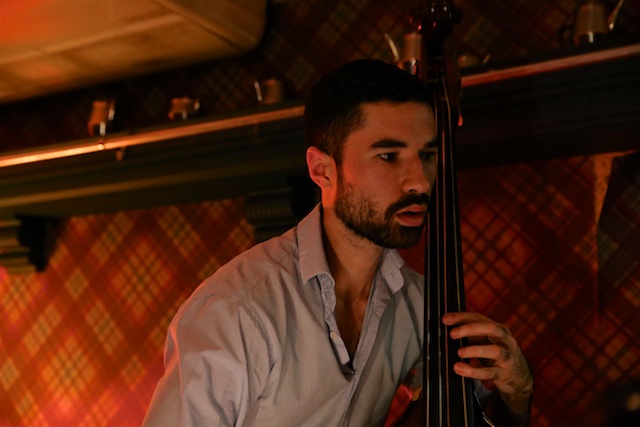
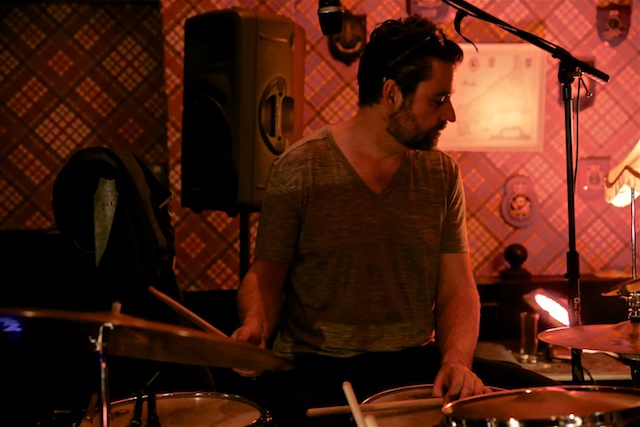 Again we see a musician deploying a top rated rhythm section to good advantage. With McArthur and Samsom behind him, he again showed wisdom. He worked with them and they gave him plenty in return. Although we often see this particular bass player and drummer in diverse situations, they appeared very comfortable here. The overall effect was that of interplay and cohesion.
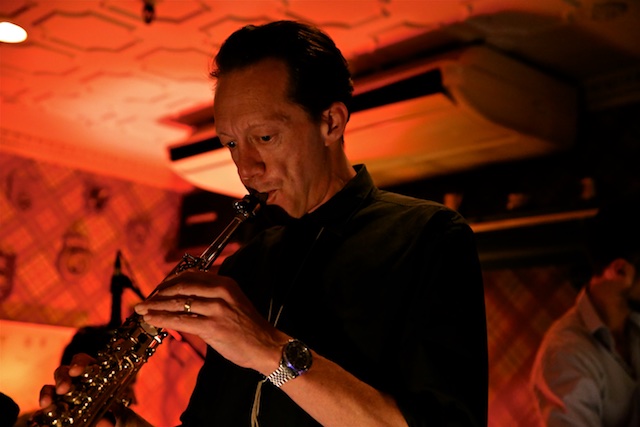 Martyniuk came to New Zealand around ten years ago and he attended the Auckland School of Music. Along with producer Nick Williams, he is soon to release a Jazz infused Soul album which will feature internationally renowned artists like Kevin Mark Trail, Nathan Haines, Miguel Fuentes and others. Judging by the huge audience at this gig his future looks very rosy indeed. The Jazz club turned away dozens of attendees in the end. A good problem to have.
 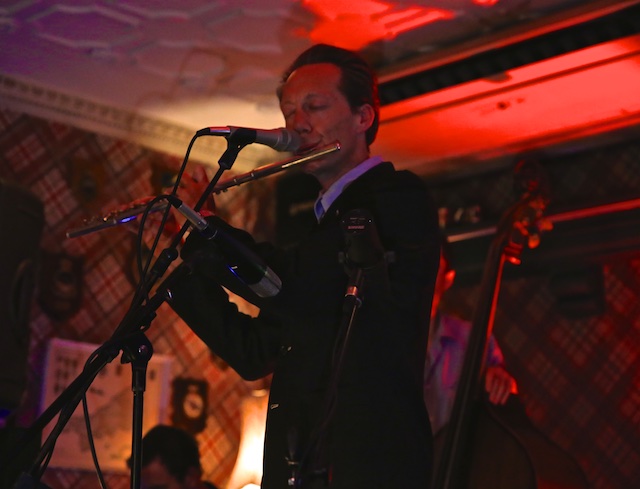 Musicians of a certain calibre are peripatetic, going where the music or the work takes them. This partly arising out of necessity, but also out of an impulse to explore new sonic and cultural environments. When a child or a grandchild arrives the musicians journeys circumscribe smaller arcs and are less frequent; the local scene being the beneficiary. This is the case with Nathan Haines; happily young Zoot tethers him in our midst for the moment. Haines has a solid reputation here and in the UK, with a loyal fan base in both locations. He has never been afraid to push in new directions, but at the heart of whatever explorations he embarks upon, a default soulfulness underpins the enterprise. This leads him to productive collaborations with like-minded artists, and not necessarily all Jazz purists. From the Hardbop-infused to Soul Jazz to DJ funk – it all works for him. While all of these collaborations are pleasing, none is more so than when he plays alongside brother Joel Haines.
 The Haines brothers have different musical careers, Nathan Haines outgoing, a public performer and award-winning recording artist – understanding well, the vexed world of marketing and the presentation of non-mainstream music. He balances these competing forces better than most. Brother Joel is a successful composer and a gifted performer as well, but his career these days centres on TV and film work. An engaging musician and a crowd pleaser; less in the public gaze by choice. Improvised music thrives on contrasts and the rub between different sounds always works well in the right hands. Nathan creating soulful innovative grooves and catchy melodies over traditional Jazz offerings, Joel bringing a warm-as-toast Jazzgroove edge, wrapped in a blues/rock package.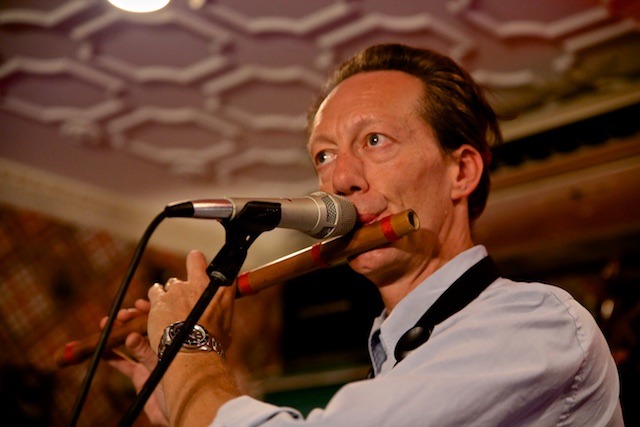
 Next up was ‘Desert Town’ a Haines tune from ‘Heaven & Earth’. That was followed by an earthy version of ‘Set us Free’ (Eddie Harris) and then ‘Mastermind’ (Haines) from his recent ‘5 a Day’ album. Last up on the first set was ‘Land Life’ a tune based on a Harold Land composition. It pleased me to get a mention from the bandstand at this point. It is no secret that I’m a real Harold Land enthusiast. The band tore up the propulsive changes and moving free, made the tune their own.
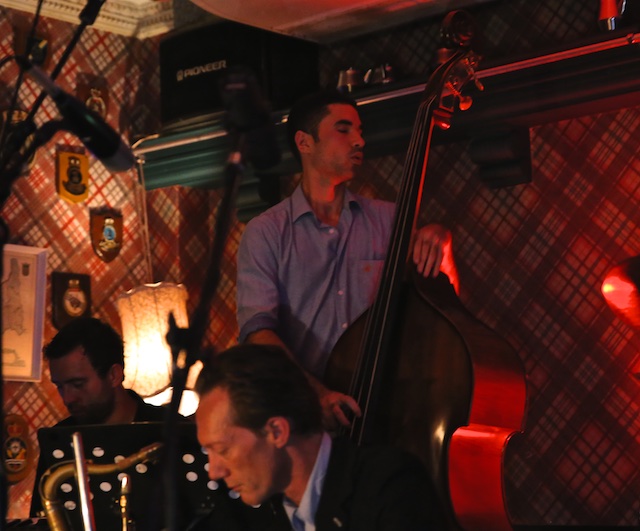
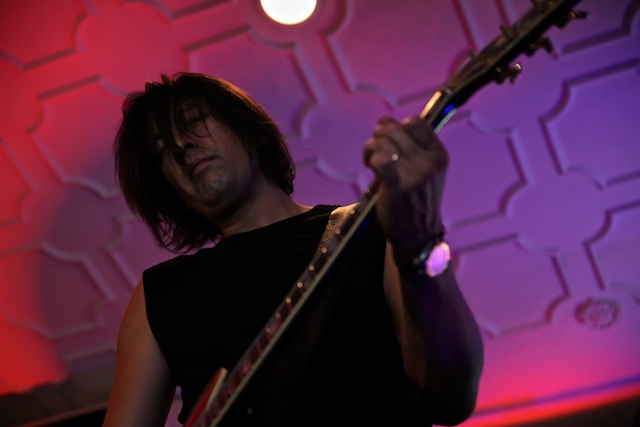
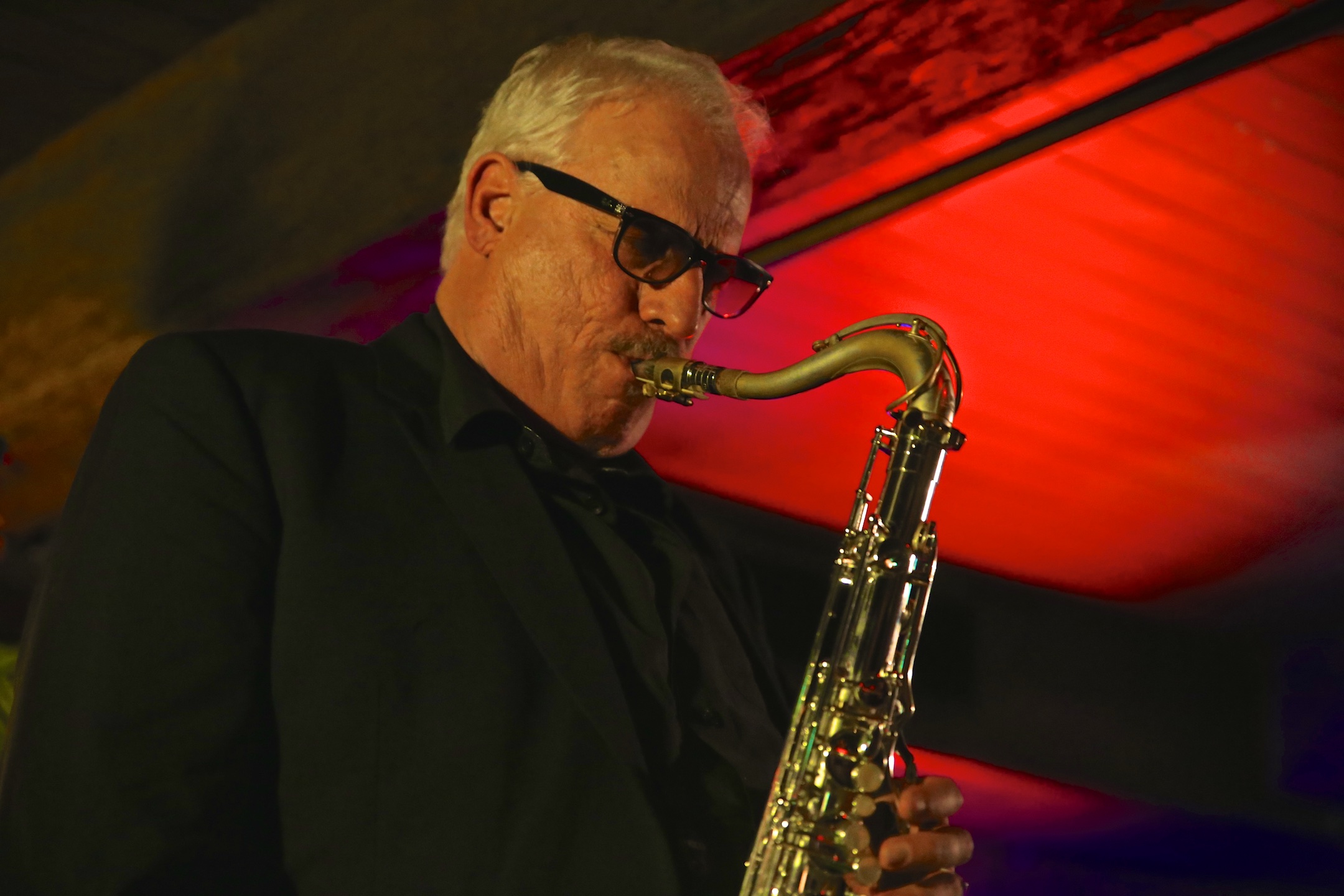 Doug Lawrence is every bit the archetypal southern tenor man, from the top of his tall frame to the bell of his brightly shining tenor. His sound is fat and down-home-cooking rich, whether playing softly or at volume. He has more cut through than a diamond headed drill-bit. Lawrence has such considerable credentials that it is beyond my reach to enumerate them all here (google him).
 Lawrence is tall and as he performs he stoops slightly, forming a classic old school playing pose. Slowing bending his knees inwards before stretching and lifting his horn to the ceiling. His speaking voice is rich like his playing, a southern Louisiana drawl adding to his considerable charm. The first number was ‘End of a love Affair (Redding) and the audience whooped in delight as the band took the changes at a good pace. The rhythm section propelled by the tidal waves of sound emanating from the tenor. It was that sound and the power of delivery that grabbed you from the get go. The intonation and phrasing revealing influences which although readily identifiable, transformed them into a new sound. This was pure alchemy. It was like having Gene Ammons and Dexter Gordon on the same band stand.
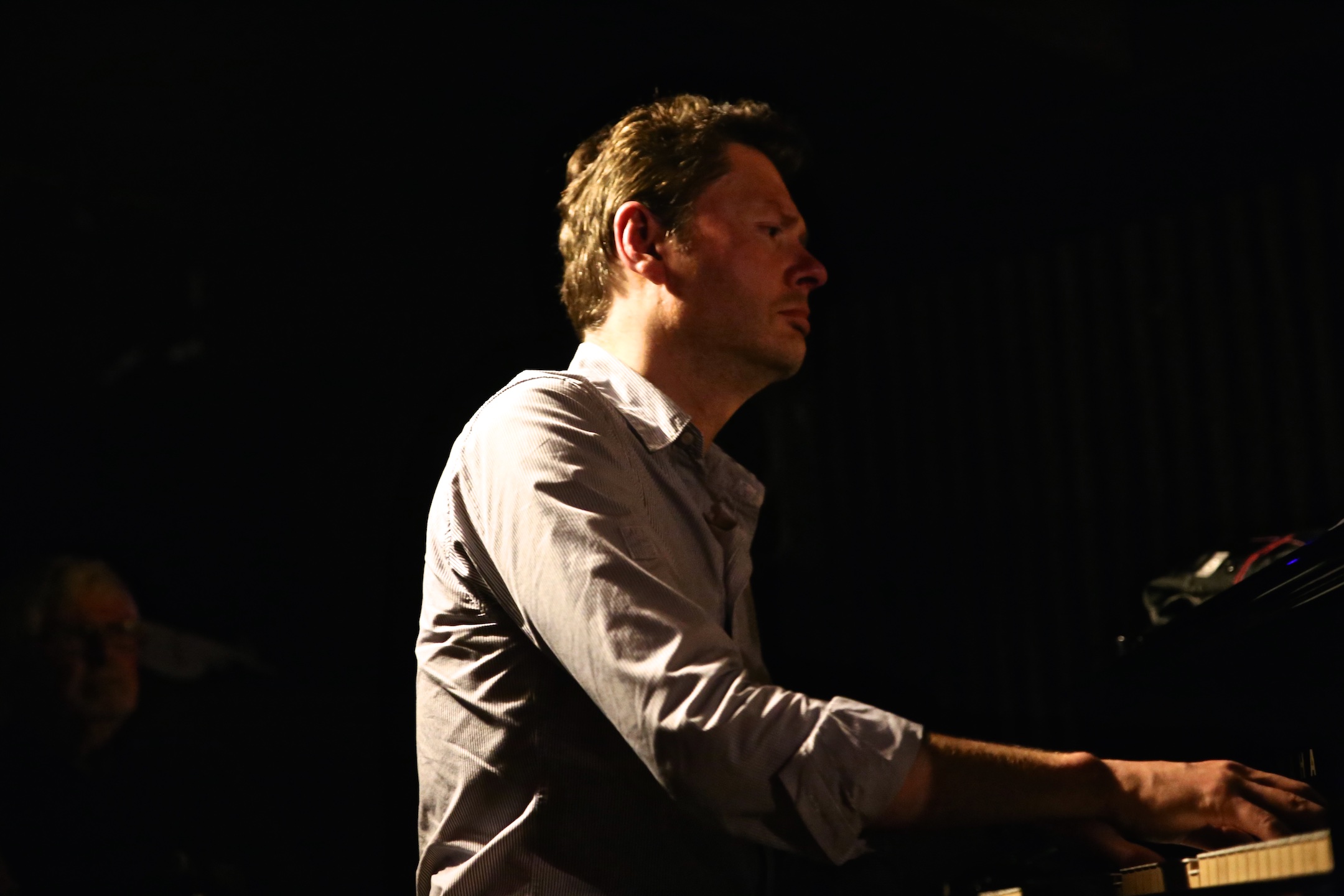 It is during ballads that the skill of a musician is often tested. In this case we saw something close to perfection. It wasn’t just Lawrence, but his Kiwi pickup band as well. Spurred on by each other, they dug deeper and deeper. A night and a vibe that we will remember for years to come. There was an obvious rapport between pianist Kevin Field and Lawrence. I gather that he found Field’s harmonic approach interesting and perhaps this is an indication of our own development as we grow our standing. Lawrence’s intonation was the thing that grabbed you most and this made his solos particularly enjoyable. Long held notes ending in breathy flurries or else bending the note ever so slightly before delivering a short heart stopping burst of controlled vibrato. With Holland and Samsom also finding their sweet spot this was a dream band.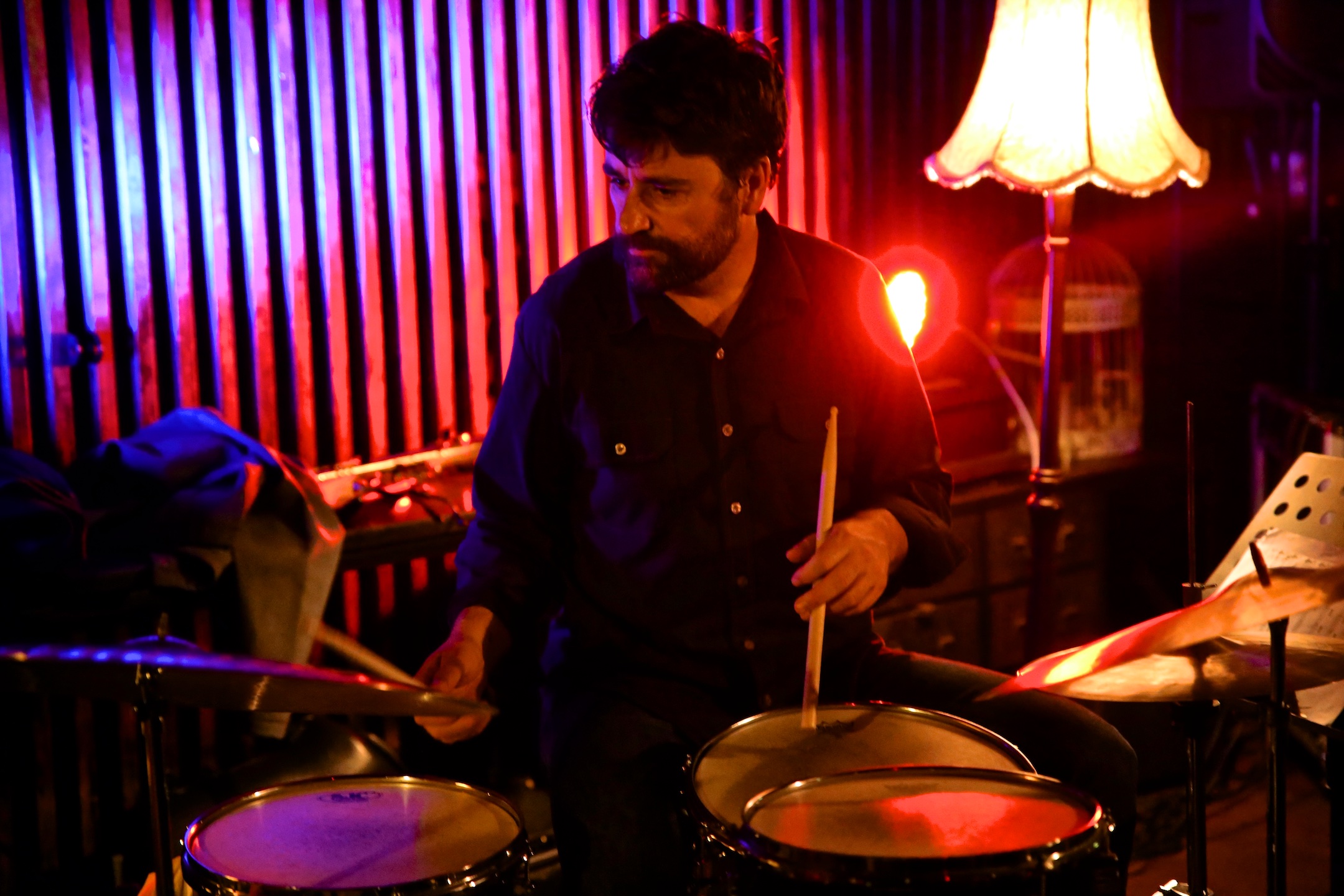
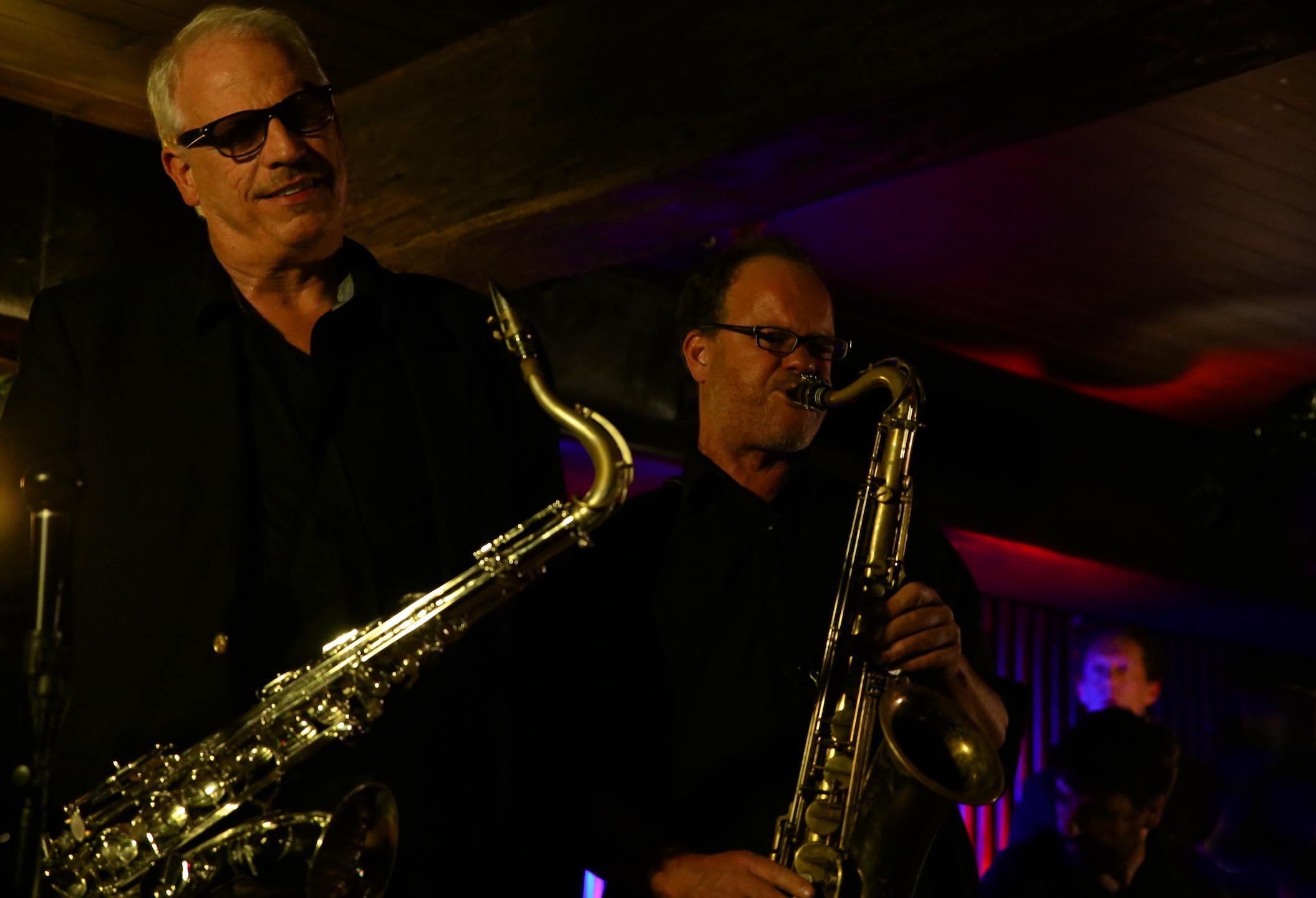 Here is the back story: 17 years ago a younger Roger Manins hit the New York streets, where he learned to scuffle in the time-honoured way of Jazz musicians. Because he possessed the hunger to learn he approached many established horn players. One of these was Doug Lawrence and traces of that time are still evident in Manins sound. All of those years ago Manins subbed for him and here is a Face Book extract that Lawrence posted once he returned to the USA.
  “Roger has matured into a GREAT player and MAGNIFICENT teacher! All of his students have a SOUND and they are all inspired to play, because of Roger. The curriculum at the University of Auckland Jazz Department is second to none, and I am going to use it as my model when conducting masterclasses at other universities around the world. Roger and Ron Samsom and the rest of the faculty have got it right at the U of A and I’m going to suggest that each and every University I teach at check it out. Cheers ROG! You are doing it ALL right brother! I hope to see and play with you soon mate!” That says it all really.
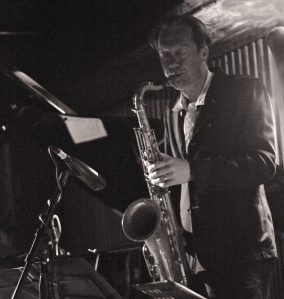
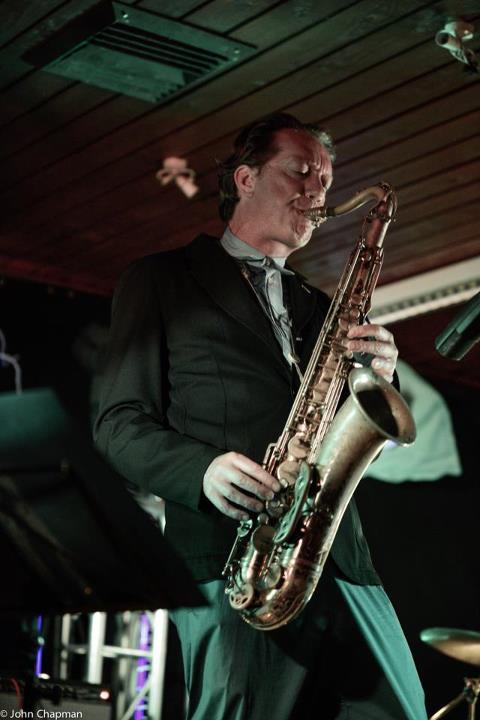
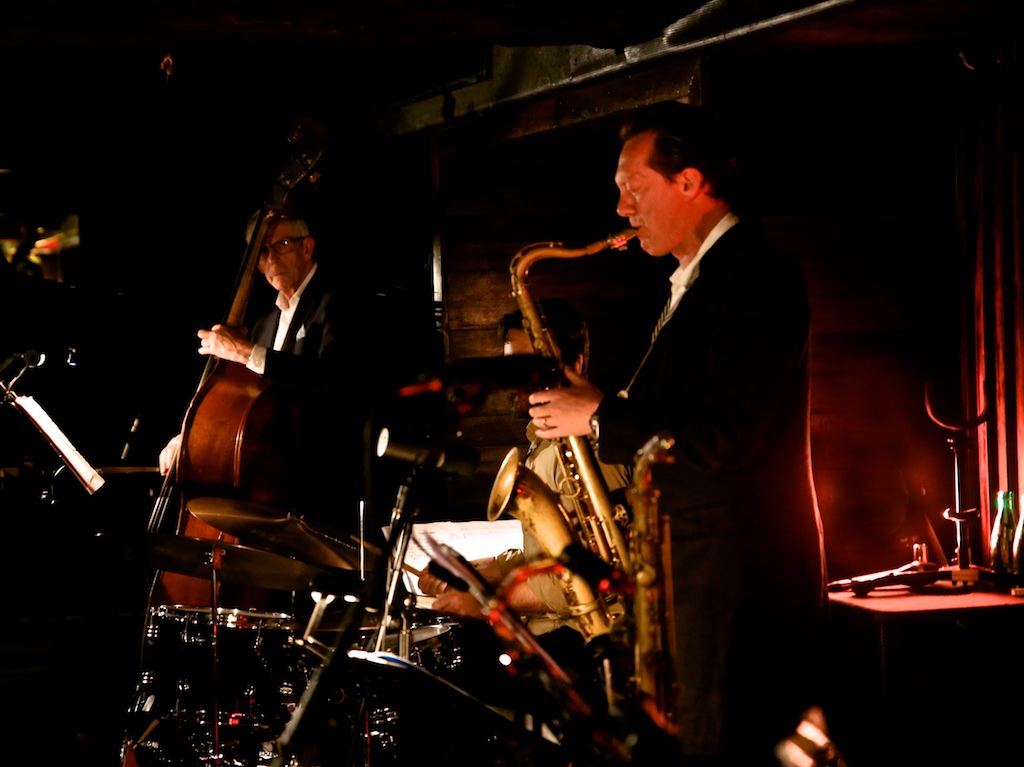 Nathan Haines is a master of the melodic and the model and he has a beautiful and distinctive sound on all his horns (and winds). He has a strong following around the world and it is no wonder when he turns on gigs like this. His following crosses genres, attracting younger and older audiences equally. He also cuts through media blind spots in a way that few other New Zealand improvising musicians do. It is good to have him on home soil for a while and good that he is focussing on fresh local projects. What he does is always exciting and this gig was no exception.
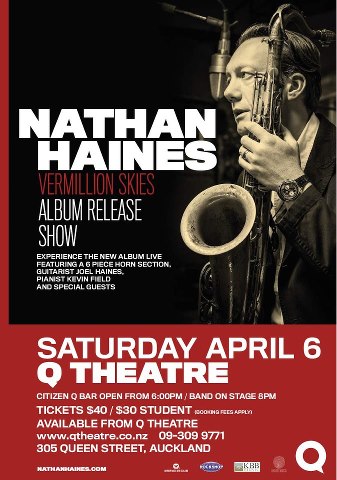
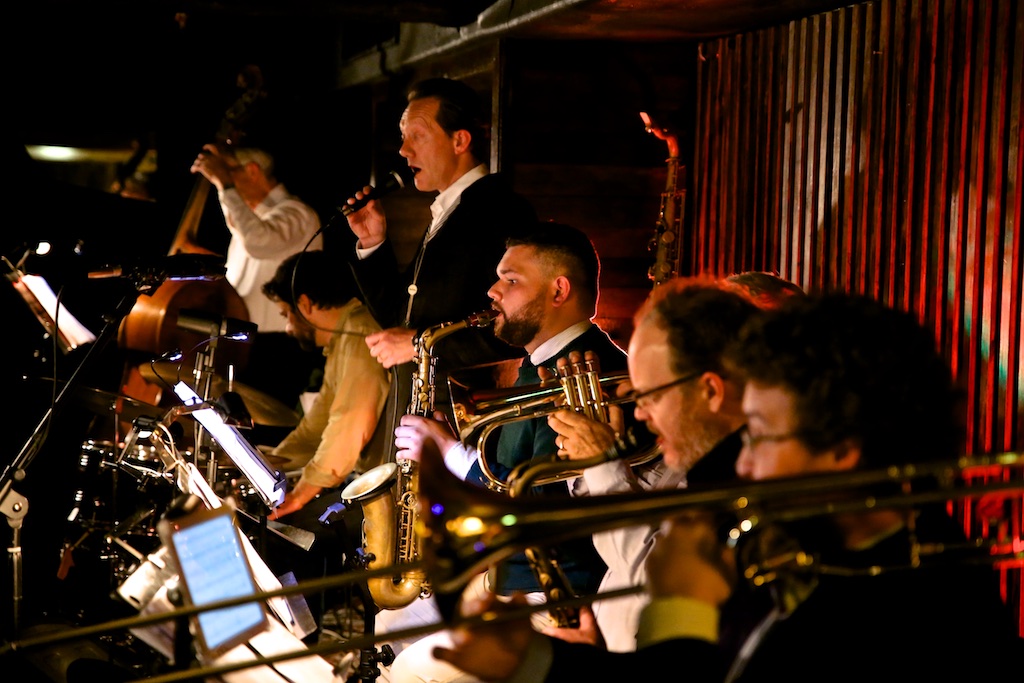 The talented and hard-working, Haines always thinks through his projects. Hot on the heals of his successful award-winning Jazz albums ‘Poets Embrace’ and ‘Vermillion Skies’ he has again teamed up with arrangers Wayne Senior and Mike Booth. The decision to include more Jazz vocals is a welcome development. There’s a paucity of male jazz singers in the modern world and they’re a rarity in New Zealand. The set list was an interesting mix of Haines originals and a few Jazz standards seldom heard live. Like his recent Jazz projects, these tunes evoked and reinterpreted the classic era of the 50’s. Consequently they oozed cool.
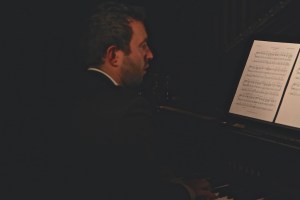
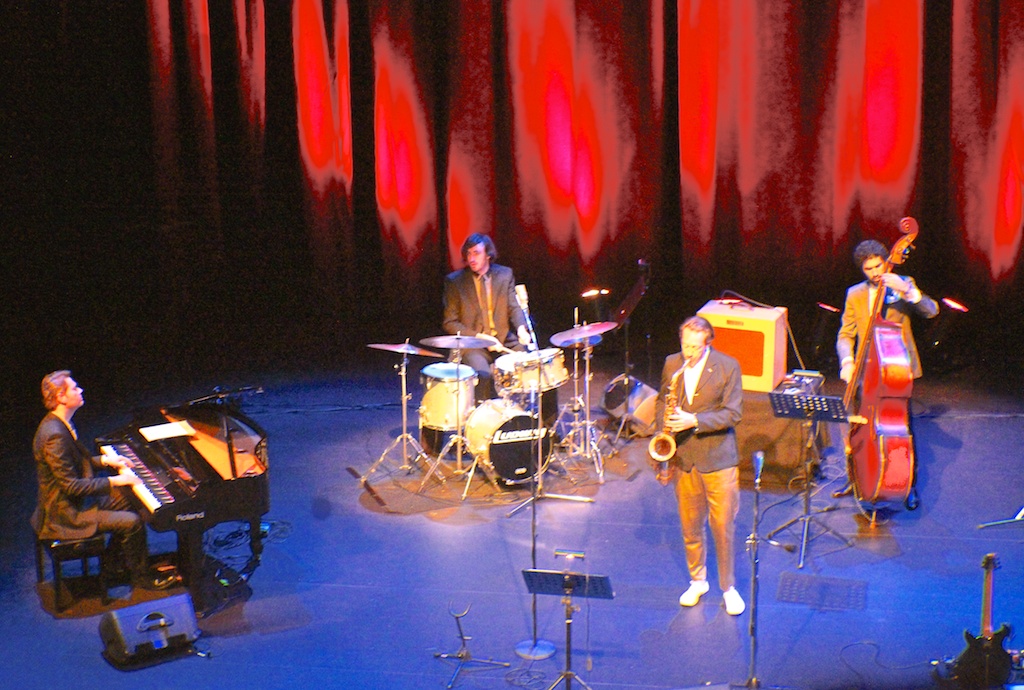
 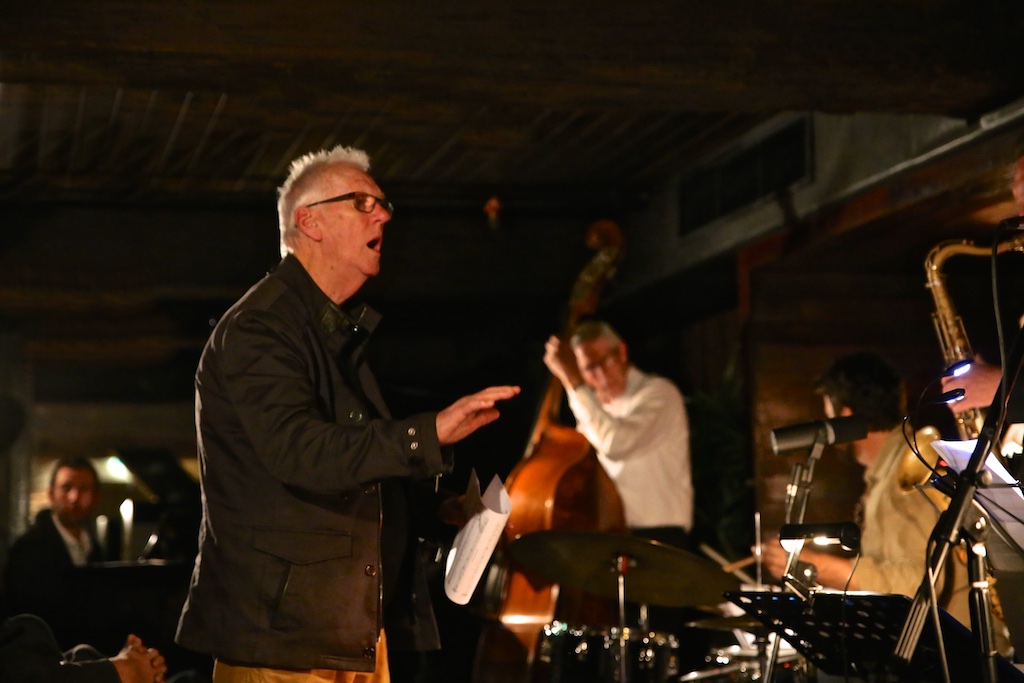 With Michal Martyniuk on piano, Kevin Haines on bass and Ron Samsom on drums he was already on solid ground. This is also where Haines excels. He is a bandleader who choses his musicians well. Martyniuk made his presence felt and soloed beautifully while never over playing. It was exactly what these charts required. Kevin Haines is a highly-respected, tasteful bass player with an impeccable CV. During the sets smiles and friendly banter flowed between father and son; further enhancing the mood. The highly experienced Samsom was on drums throughout. He is new to Haines lineups. His approach to the kit springs from a confident inner logic; more organic than Haines usual drummers. It was interesting to watch their interactions as they sparked off each other. Samsom giving Haines a different platform to work from.
 immediately took me back to hearing Pharoah Sanders for the first time. When Haines plays these modal pieces, there’s a spiritual joy that comes across. This is a strong suit for him and for those of us who love that era a balm.
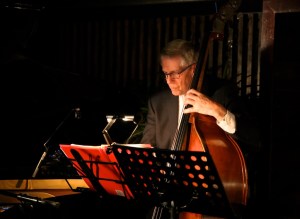 Davis album ‘Birth of Cool’. Few bands tackle this and more’s the pity. The octet horn section were Mike Booth, Roger Manins, Callum Passells and Hayden Godfrey.
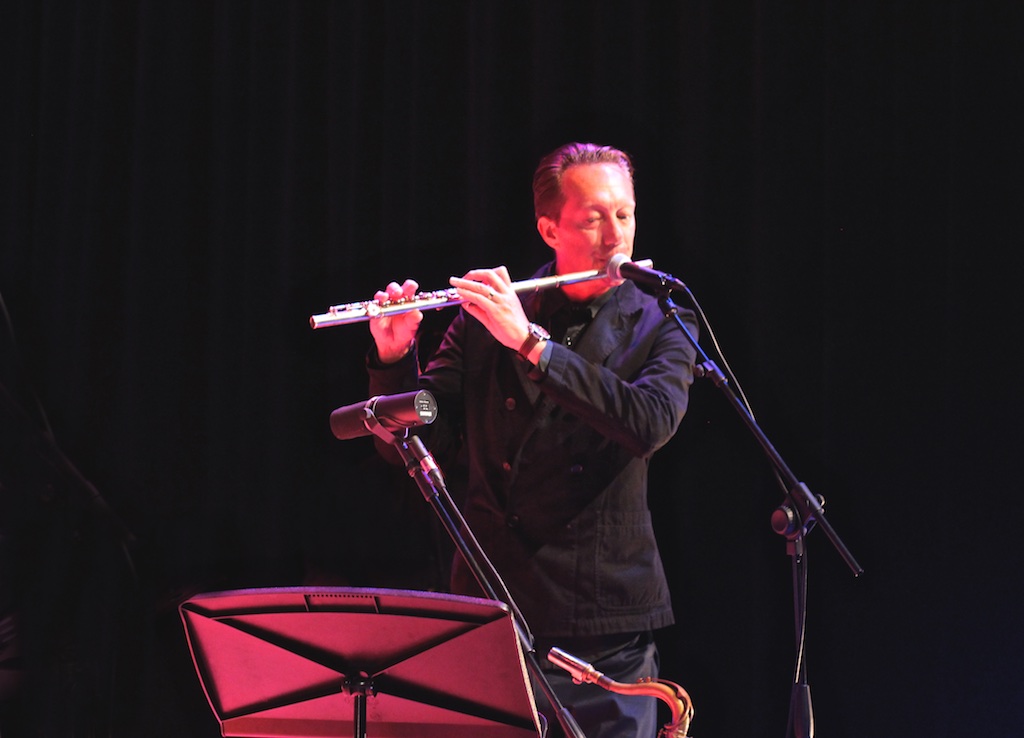 On Wednesday five well turned out ‘men in black’ suspended time at Auckland University. This was a rare event, pairing two of New Zealand’s best known and best-loved contemporary tenor players. The invitation only concert billed as ‘Nathan Haines meets DOG’ kicked off of the Universities 2015 Summer Concert Series. New intake students attending (or viewing the video clip) discovered just how high the standard is; they also realised how lucky they are to have these teachers and these role models.
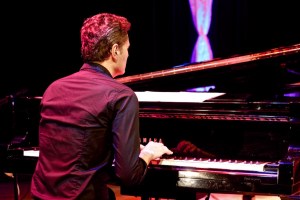
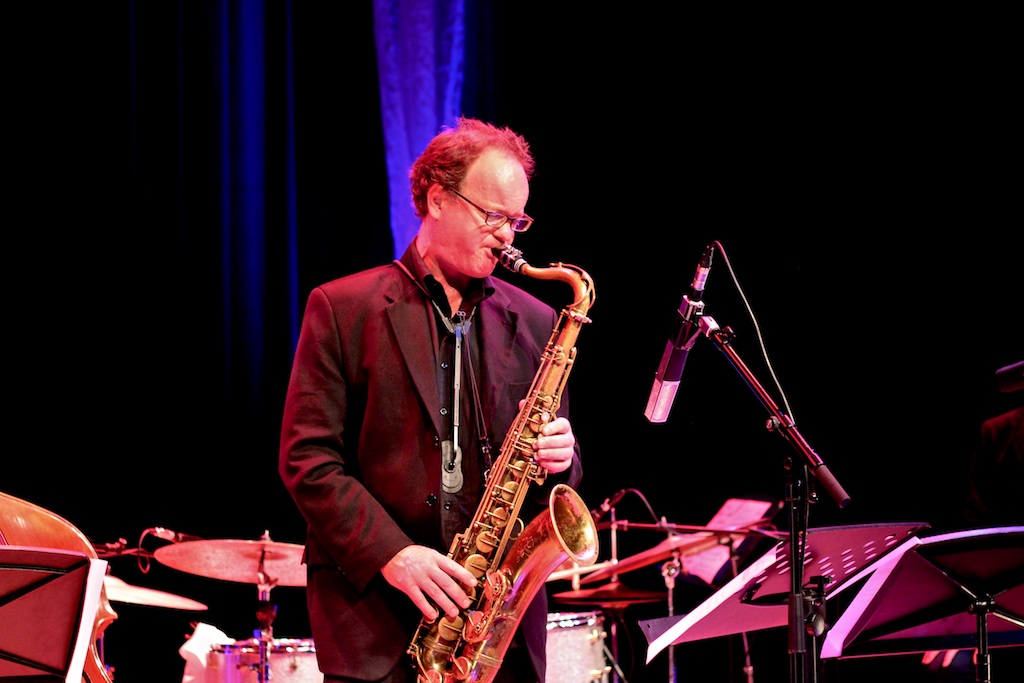 The Nathan Haines/DOG line up can rightly be described as a super-group; the cream of New Zealand’s improvising artists. We saw Haines at his best here as he showcased his formidable talents on tenor saxophone, soprano saxophone, flute & vocals. He is a multiple New Zealand Music Awards winner and perennially popular in New Zealand and London where he is now based. The DOG band members are all senior teaching staff at the Auckland University Jazz School (Faculty of the Arts). Collectively Ron Samsom (drums), Roger Manins (tenor saxophone), Oli Holland (bass) and Kevin Field (piano) form a dangerous new breed. The agility and intelligence of the animal has led many
 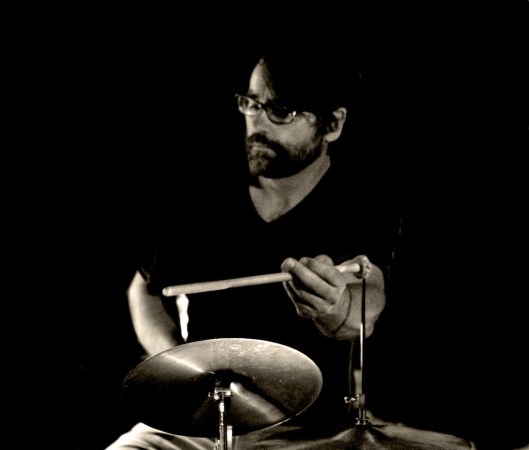 to speculate on its lineage; some suggesting Greyhound crossed with Border Collie? We will never know unless the parents own up, but it is beyond dispute that each band member has multiple acclaimed recordings to his credit. DOG is one of three groups short-listed for the 2015 Vodafone New Zealand Music Awards.
 reportage and most musicians view the exchanges as a chance to collaborate; not cut someone down to size. It is an opportunity to challenge and be challenged; a high level musical interaction between equals. At its best it can bring out something special in both artists and Wednesdays gig achieved just that.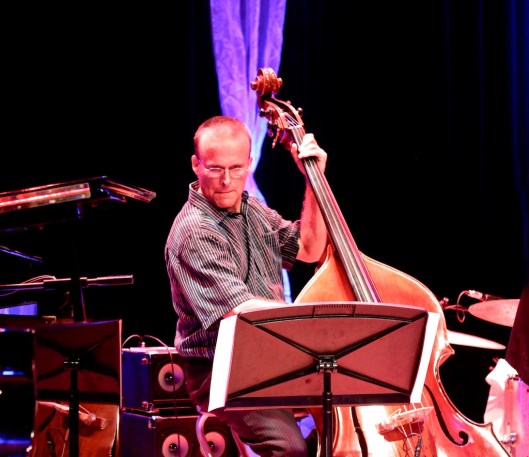





 JazzLocal32.com