‘Troubles’ come in many forms and what a proliferation of ‘Troubles’ we have seen in Auckland. In mid 2012 we saw a nonet replete with a sizeable string section (and clarinet). Earlier this year at the Auckland Jazz Festival we saw a septet (strings, no clarinet and with Roger Manins on tenor saxophone as guest artist). By Wednesday December 10th 2014 all trace of rosin was purged and the sweet sounds and fresh faces of the front line string section replaced by three tall bearded men clutching saxophones (and a shorter clean-shaven trumpeter). This was a bold and brassy line up; a weightier manifestation, delivering anarchic messages from darker corners. This was too good an opportunity not to record and Rattle did just that. Capturing chordal instruments in a space like the CJC is challenging as the sound has a number of hard edges to bounce off. Recording a live performance of this particular brand of ‘Troubles’ might work well. Guiding the proceedings with his well-known brand of anti-establishment megaphone diplomacy was ring master John Rae, ‘Troubles’ co-founder. He shepherded the ensemble through a constantly shifting landscape. His effervescent flow of joyous and often irreverent cries only stemmed by Patrick Bleakley’s timely interjections. Rae is the supercharged engine room, but Bleakley is clearly the anchor. Like Rae he’s an original member. With this Auckland horn section in place, a new front had opened and the tweaked charts took maximum advantage of that. On baritone was Ben McNicoll and his presence gave the sound added bottom. Roger Manins, who had stunned us with his wild death-defying solo’s at the Troubles Portland Public House gig was on tenor again. Jeff Henderson took the alto spot and that was a significant addition. His ultra powerful unblinking delivery was the x-factor. Unafraid of repeated motifs but able to negotiate the music without ever resorting to the familiar. That is the Henderson brand, original clear-cut and uncompromising. In no way diminished by the powerful reed instruments surrounding him was Kingsley Melhuish on trumpet. Melhuish has a rich burnished sound and like the others, he is no stranger to musical risk taking. Together they evoked a spirit close to the earlier manifestations of the Liberation Jazz Orchestra. Not just the rich and at times delightfully ragged sound, but the cheerful defiance of convention and discarding of political niceties. Rae’s introductions were gems and I hope some of them survive in the recording. He told the audience that it had been a difficult year for him. “It was tough experiencing two elections in as many months and in both cases the got it woefully wrong” (referring to the Scottish referendum and the recent New Zealand Parliamentary elections). “there are winners and losers in politics and there are many assholes”. It wouldn’t be the ‘Troubles’ if there wasn’t a distinct nod to some of the worlds trouble spots or to political events that confound us. I have chosen a clip ‘Arab Spring Roll’ (John Rae), a title which speaks for itself. Following the establishment of a compelling ostinato bass line, the musicians build a convincing modal bridge to the freedom which follows. Chaotic freedom is the perfect metaphor for the ‘Arab Spring’ uprising. The last number performed was the ANC National anthem and as it concluded, fists rose in remembrance of the anti-apartheid struggle. It is right that we should celebrate the struggles for equality, but sobering to reflect on how far we have to go. The Troubles keep our feet to the flame, while gifting us the best in musical enjoyment.
What: ‘The Troubles‘ – John Rae (drums, compositions, exaltation), Patrick Bleakley (bass, vocal responses), with Roger Manins (tenor sax), Jeff Henderson (alto sax), Ben McNicholl (baritone sax), Kingsley Melhuish (trumpet, Trombone).
Steve Barry recorded his new ‘Puzzles’ album back in February and after his very successful first album ‘Steve Barry’, there were high expectations for its successor. In ‘Puzzles’ Barry has returned to the winning combination of Alex Boneham on bass and Tim Firth on drums and he could hardly have done otherwise. When musicians work this well together and have more to say, the journey should continue. While essentially a trio album, the gifted alto saxophonist Dave Jackson joins them for three numbers. There is a sense of shared vision here as the four have worked together extensively. While familiarity can sometimes breed complacency there is none of that in ‘Puzzles’. The communication between band members is intuitive, but there is an element of surprise and freshness about the interactions. All of these musicians are at their peak and while they impress deeply, there is no escaping the fact that it is the strength of compositions that gives this album its edge.
Barry’s life is an extremely busy one. He is in the final stages of his doctrinal studies (focussing on composition) and he gigs regularly around Australia and New Zealand. Last year he won the prestigious Bell Award and was the runner-up at Wangaratta. Guiding his impressive work ethic is more than just academic or professional considerations; he possesses a deep quest for knowledge. If you follow Barry’s physical travels you understand something of what motivates him. He is never a casual tourist. His engagement with and questioning of the world about him informs his work. The compositions in ‘Puzzles’ reflect this as they are carefully crafted improvisational vehicles, complimentary in relation to each other but clearly reflecting the learnings gained by Barry along the way. The sound quality on the album is also superb and the album nicely presented. ‘Puzzles’ was recorded at the ‘Pughouse Studios’ in Melbourne by Niko Schauble and the cover design is Barry’s.
I saw Barry on his way through Auckland to perform in Queenstown. Reports from that gig were positive and over the week he worked his way back to Auckland’s CJC, where he performed with Roger Manins on tenor, Cameron McArthur on bass and Ron Samsom on drums. The CJC band are highly rated musicians, but you inevitably get a different feel from any band less familiar with the material. While the numbers on the album sound effortless, the charts are obviously complex. We heard many cuts from the album and a few new numbers that have not yet been recorded. In the past Barry’s compositions tended to favour a degree of density, but many of his new tunes have a lighter feel. They are probably just as complex but like all evolving musicians Barry is mastering the art of making the complex sound simpler. It would be hard to pick between the tracks on ‘Puzzles’ but for beauty and emotional depth I like ‘Forge’ and for groove the fabulous ‘Heraclitus Riverbed’ (anything involving the ancient philosopher Heraclitus draws me in). It was interesting to compare Manins (live) with Jackson (on the album). Manins on tenor was the passionate story-teller while Jackson on alto has a drier sound and evokes the feeling of an intrepid pugnacious explorer.
After listening to him live and replaying the album for days on end the conclusion is inescapable; Barry is a major talent on an upward trajectory. I would urge people to hear him live when the opportunity presents itself and above all to support his art by buying the albums.
The Album: ‘Puzzles’ – Steve Barry (piano, rhodes), Alex Boneham (bass), Tim Firth (drums), Dave Jackson (alto saxophone). www.stevebarrymusic.com
The CJC Gig: Steve Barry (Piano), Roger Manins (tenor saxophone), Cameron McArthur (bass), Ron Samsom (drums) on the 29th October 2014 www.creativejazzclub.co.nz
The 2014 Auckland Jazz festival is over and it is time to reflect on ten days of warm vibes, edgy grooves, good company and above all truly exceptional music. Auckland is a difficult beast when it comes to festivals. It is like a smaller version of Los Angeles; a spread out town centre and an urban area sprawling over 600 Square Kilometres. This contrasts with the smaller Wellington, where the suitable music venues are in close proximity. While getting festivals off the ground has always been a challenge in Auckland, there are willing audiences out there. The trick is getting them to pay attention. It was an ‘underground’ festival and apart from a handful of flyers, some posters in the participating venues and student radio, the publicity machine was Facebook, a hastily created website and word of mouth. In spite of that people turned up and everyone enjoyed the gigs. Town halls and large commercial venues are utterly without soul and the decision to stick to smaller venues made good sense. Because of that festival goers got to experience live music up close and personal. A woman at the Mike Nock gig expressed delight that she could sit less than a metre away from the band. Close enough to catch every nuance and smile; to connect with the joy. To be so close to one of the worlds great pianists is an experience never forgotten. This sort of intimacy is gold. This is a solid foundation to build upon and potential sponsors will hopefully see that and come onboard next year.
Over the ten days I managed to attend five gigs, including the three headline acts. Like any music lover I wanted to attend more. Actually there were over thirty gigs on offer for those with time on their hands and that is impressive. The opening gig was at the Portland Public House in Kingsland which is an intimate entertainment space with a delightfully shabby-sheik decor and great bar food. ‘The Troubles’ were the perfect act to launch the festival, as their rollicking, anarchic, good time vibe engaged the large and enthusiastic crowd from the first note. I am a huge fan of this group which is a collective led by Wellington drummer John Rae. This time, and it was an inspired move, they had included Auckland’s Roger Manins in the lineup. This transformed a wonderful boisterous freedom loving band into a full-scale riot. The five piece string section were the perfect foil and they shone. Neither Manins nor Rae gave any quarter as they hungrily fed off all challenges like musical Pacmen. The Troubles music bubbles out of a deep well of musicality and exuberance. It references the sounds of protest, eastern European music, the vibrancy of street life and above all joy. As the chants, cries, shouts, dissonance and snatches of sweet melody catch your ear, you realise that this is ancient and future music. It is honest and often deeply swinging. It is everything from Mingus to now.
On Monday I got an email. ‘If I was free, would I be able to pick up Mike Nock and his trio from the airport’. I truly like him as a human being as there is an irreverence and a sense of fun about him. Hanging with him is a positive experience and it was also a good opportunity to gain a few insights into the gig. He has a Zen approach to life and to music; living in the moment and cutting through the bullshit. He is funny and a great storyteller, but surprisingly humble about his own impressive accomplishments. Anyone who has studied the history of New Zealand music (and arguably Australian) will inevitably say at some point, “Oh yeah, Mike Nock; this is THE guy”. At the airport I ran into another returning Jazz Pianist Steve Barry, so we all crammed into my hatchback. Musicians, personal luggage and cymbals. “What will you play tonight” I asked on the way into town? Mike gave a typical Mike reply, “Man I don’t always know until my fingers are on the piano keys”. When I repeated this to bass player Brett Hirst he laughed, “Yes and I age a year every-time he does it” he said. “These days whether a standard or an original, all I want to do is reach deep inside until I find the poetry”, added Nock.
It is this last statement that epitomises his approach. You watch him seated quietly at the keyboard, calmly flexing his arms and then suddenly he is playing; the melody stated as if in passing, feeling his way to the essence of a tune. It is always a masterclass for the careful listener. All of the dross and excess baggage of a tune is dispensed with as the smiling Nock shares his joy with those present. As he plays he sings quietly or exclaims joyously. Sometimes pausing momentarily, dropping his hands from the keys, acknowledging a special moment. In a club like the CJC you get an immediacy like no other venue and being part of a Mike Nock experience is very special. Nock played a variety of tunes, some well-loved standards, some almost forgotten older tunes and an original or two. When he played Irving Berlin’s lovely ‘How Deep is the Ocean’ he prefixed it with a long intro, pulling you deep into the mood of the piece and then suddenly swinging madly, the melody dancing with him. It was as if we were hearing it for the first time. Next was ‘Solar’ (Miles Davis), which in lessor hands could be viewed as a surprising choice. The tune was given no quarter. Nock, Brett Hirst and James Waples (drums) immediately peeled the layers away to reveal an energised core which burned like a super nova. Life is good when the Mike Nock trio is in town.
The next night featured the Benny Lackner Trio from Germany. Lackner has played at the CJC twice previously, but this was the first time that he had brought his European trio with him. He is an interesting artist and his music is very different from that of the Mike Nock Trio. This music is firmly rooted in the European aesthetic and less rooted in the bluesy traditions of America. What he offers is something wholly modern and closer to the oeuvre of artists like Esbjorn Swennson and Tigran Hamasyan . It was a rare chance to hear a type improvised music that I have long followed with enthusiasm but get few chances to hear being so far away from Europe. Rather than drawing on the blues it seems to appropriate folk music and near eastern song forms. The tunes though are all originals and they are often lovely to the ear. The trio uses electronics in the way that EST did, but there is more edge these compositions. There are complex cross rhythms and pulsing bass lines on the upbeat numbers; probing filigree explorations around the beautiful melodic lines on the ballads. On upright and electric bass was Paul Kleber and on drums the interesting Matthieu Chazarenc. This was music to savoured and thought about long afterwards. Offering complimentary but contrasting artists is at the heart of good festival programming.
The third headline act was a double trombone lineup. From the USA was Francisco Torres who is best known for his stellar work with Poncho Sanchez or the award-winning Gordon Goodwin Big Phat Band. His credits are considerable and everyone from Terrance Blanchard to Natalie Cole has benefitted from his strong playing. The other trombonist was Wellington’s Rodger Fox who like Torres has an impressive list of credits to his name. Fox wears many hats, promoter, educator, composer and trombonist. Neither Torres nor Fox had played at the CJC before and it was appropriate that they were given a quality rhythm section. On piano was Kevin Field, Bass Oli Holland and drums Ron Samsom. The gig was therefore titled ‘two bones and a dog’. The dog reference was about the ‘Dog’ band which features Field, Holland and Samsom. Perhaps because it was the third headline gig in a row the numbers were down and that was a shame because they played like there was no tomorrow; mostly standards and particularly those with strong trombone associations. It was nice to hear a tune by the ill-fated master of the west-coast trombone, Frank Rosolino. I am always overwhelmed by the warmth of the instrument. In the semi darkness a glow of burnished gold radiated from the horns, reflecting the warmth of the music perfectly. There were a number of trombonists in the audience, grinning from ear to ear. Another great festival night.
The final gig that I attended was at the Golden Dawn. Recently voted the best bar in town, it is a welcoming place; a venue begging to become your local, no matter how far away you live. The management have the happy knack of engaging the quirkier bands, showcasing an edge that can only emerge from underground music. The lighting is particularly appealing, something between a vaudeville dressing room and a prohibition era speak-easy. The multi hued lighting seeps through dark-toned wood grain and bounces off the bottles behind the bar, losing its intensity on the journey. Sunday night is jazz night and what better place to finish up a festival. When I arrived the Alex Ward trio had just set up and they played a short opening set. We heard Tigran Hamasyan’s ‘leaving Paris’, a Brad Mehldau tune (from his Easy Rider album) and a standard or two. The number that I most enjoyed was Wards own composition ‘Litmus Test’, which strongly references and builds upon the vibe of 60’s McCoy Tyner.
The closing set was ‘Harry Himself’ and this under-the-radar band is truly amazing. It is a hybrid music with enormous appeal, similar to the Jazz from the Nordic countries. Unusual combinations of instruments, some electronics, loops and an endless supply of deep grooves. All of the musicians were of the highest calibre and perhaps this is the bands ace in the hole. When doing something brave and unusual, do it really well. Leading the band was Kingsley Melhuish on tuba, trumpet, trombone, flugal and vocals (and pedals). On pedal steel guitar and Fender was Neil Watson, a much admired musician who can subvert and then create afresh like few others. Sam Giles was pumping out-deep groove electric bass lines and it was good to see him on the band stand again. At the rear and barely visible, but clearly audible, was Ron Samson, a drummer as respected as he is versatile. Carried on the pulses of blue light were shimmering outlines, accompanied by mesmerising waves of sound; intensely textural grooves, layer building upon layer.
At times Melhuish would set up a loop on tuba, tweak the sound and then play wonderful figures over it on trumpet or flugal. In behind, bending notes on fender or adding fills on the pedal steel guitar was Watson. This unusual combination of instruments works so well that it should definitely be repeated. It begs further explorations. With Samsom and Giles in the mix a pulsing original sound scape unfolded; perhaps best described as a Second Line gumbo meeting psychedelic Americana. The festival finished up with a Jam session at the same venue.
Those who attended the various festival gigs were very pleased with what was on offer and those who found out too late cursed their ill luck. I understand that the notification period will be longer for next years festival, so watch out for it next Spring.
Sometimes you just get lucky; being in the right place, at the right time, when something special is about to happen. In 2013 that something special was the Hip Flask 2 project. Roger Manins conceived of the second Hip Flask album while he was staying with band member Brendon Clarke. The other band members quickly indicated their enthusiasm and the project had begun. Once underway the need for fresh compositions and a host of other practicalities needed sorting. Around that time I was talking to Roger Manins about the successful ‘Dog’ project, and he told me about ‘Hip Flask 2’.
Knowing that I had been planning a trip to Australia he said. “Why don’t you spend a day with us in ‘Studio 301’ and watch us record?”. No second invitation needed, I did just that. There is something special about watching a good band at work, taking a project from conception to completion. Seeing them from inside the recording booth as new ideas and interesting charts coalesced into magic was fascinating.
Now almost a year later the album is out on ‘Rattle’ and the band is on the road. To add some additional icing to an already rich cake, ‘Ode Records’ suggested that ‘Hip Flask 1’ be included with the new album. The original album is still widely sought after but it is sometimes hard to get. Everyone jumped at the opportunity and ‘Rattle’ quickly changed focus to create a double-album cover. As I had taken a number of photographs in the recording studio I decided to offer them to the band, just in case there was a use for them. To my delight many of these were utilised in the cover art. To be a small part of a project like this is a joy.
As you would expect, a band on the road is a lot freer than when in the studio. There is more room to develop ideas and there is an immediacy which occurs in a no-second-take environment. Both manifestations are extraordinary. The Stu Hunter tune ‘revolution’ is a good case in point. It just begs for piano and Hammond to stretch out. Live they do this, the musicians all extending their reach. Manins stratospheric lift-offs into harmonics become imbued with keening cries of ecstatic soulfulness. Hunter (who comps sparingly and soulfully during others solos) weaves his solo right around the beating heart of the music, while Adam Ponting sermonises on the meaning of the blues. Because the band have a history together they are well accustomed to each others moves.
It is unusual to have both C3 (or Ace Tone) and piano in the same funk unit. Musicians of lessor calibre than Ponting or Hunter would be unable to keep out of each others way. They not only manage it well, but make the pairing of the instruments sound natural. Hunters soulful grooves are nicely contrasted by Pontings approach which is often unexpected. He is an interesting pianist to listen to, often using atypical voicings. He is equally interesting to watch. He sits comfortably erect yet close to the piano, his hands spread flat over the keys, Monk like. Bass player Brendan Clarke is at a sweet spot in the mix. He never over plays, but his strong lines impress as does his perfect time sense, never more so than during ‘Bennett’s Radio Blues’. Drummer Toby Hall rounds off this band of heavyweights. His absorption clearly on show as he sinks trance-like into the polyrhythmic grooves. I often wonder whether bass face trumps drum face or B3 face. Drum face was the winner on this night. Someone in the audience muttered excitedly at one point, “holy shit that is totally a real Jazz drummer”.
I like so many tunes on this album but I suppose that it was ‘Lancelot Link, Missing Chimp’ that made me smile the most with its otherworldly Yusef Lateef vibe. Anyone who was a child or who raised a child when Lancelot Link graced our screens will be chuckling at the happy remembrance; and on a key challenging penny whistle to boot.
It is to the credit of Auckland University that they gave a grant for the Hip Flask 2 project. Rattle records must also be praised as they have become the standard bearers of quality Jazz in this corner of the world. The final credit goes to Roger Manins for rebooting this important piece of funk history, blowing with all his heart and above all for sharing the journey.
For my related post on the day I spent in the 301 recording studios in Sydney, search for ‘New Year 2014 The Fabric of Creativity’ on this blog site
Mark Lockett lives in New York these days but he manages to visit Auckland every so often. This year, as he did in 2012 when he released ‘Sneaking out after midnight’, he appeared with a trio. Lockett is an engaging personality and his often quirky good humour spills into his playing. He is probably the most unusual drummer I have seen. One manifestation of this is the way he holds his sticks which is sometimes more than a third of the way down. It’s as if he puts his entire body into the task in hand, partly lowering himself over the kit and listening intently to each sound and sensing each player; feeling for the spaces in between.
There is an apparent deliberation that accompanies each beat or flurry, holding back for a micro second , then dropping the stick. What is more interesting is his ability to convey the maximum of effect when playing quietly. He isn’t a loud drummer but he conveys a world of sound. Reminding us as he uses elbows, hand palms, rims and stands, that the drum kit is a subtle and incredibly musical instrument in the right hands. His are the right hands. Lockett’s compositions are also quirky and there is always the hint of a delightful joke in the offing. These jokes stretch beyond the humorous titles, unfolding as musical stories with clever narrative lines. His communication skills are such that the audiences follow with delight. The humour is gentle but deeply imbedded and perhaps this is the best hook of all. This tour was appropriately titled, ‘Flying by the seat of my pants’.
There are definite risks with trios like this, as they tempt saxophonists to self indulgently noodle once freed from chordal constraints. Manins was perfect with this trio and used the opportunity to build upon the existing narratives. At times playing outside but never once disconnected from the bass in drums. He clearly took his lead from Lockett. He is known for his intuitive reading of varying bandstand situations, a particular strength of his.
The bass player Umar Zakaria had never played at the CJC before and in fact when I saw his name on the web site I thought that he had come from New York with Lockett. When I spoke to him it surprised me to hear a Kiwi accent. Zakaria has been attending the School of Music in Wellington and I believe that he is doing his honours at present. My belief that he was an experienced offshore musician was not dispelled until I spoke with him after the gig. His solos were interesting and he ably supported the others. This was a good night of music from a solid band, that entertained without taking itself too seriously.
Who: Mark Lockett Trio – ‘By the seat of my pants tour’. Mark Lockett (drums and compositions), Roger Manins (tenor saxophone), Umar Zakaria (upright bass).
One of the strengths of the CJC (Creative Jazz Club) is its varied program. Sixty years ago improvised music meant only one thing to the western world. Mainstream Jazz. From the late fifties onwards the music drew from an ever-widening array of influences, experiments with unusual and exotic instruments occurred, not always successful as the attempts were often self-conscious. At worst they felt like a size twelve-foot being jammed into a size six shoe, at best they tantalised, leaving us wanting more. Among the best of these explorations were Jimmy Giuffre’s. A Texas tenor man with open ears and an innate ability to double on reeds and winds. By the sixties his folk tinged Jazz with Jim Hall and Bill Crow (Train and the River) was considered mainstream. By then Giuffre had moved on to explore open skies atonal explorations with Paul Bley and Steve Swallow and to dabble in the ‘third stream’. The third stream referenced modern classical music as it sought to make a hybrid of the two forms. Attempts to bring in the exotic sounds of the Mediterranean, in spite of Django, were slower coming. The exotic of the sixties was more likely Cuban influenced Jazz or the music of Tom Jobim. Both wonderful, but unmistakably music rooted in the Americas, in spite of their ancient African influences.
Post millennium, there are interesting and innovative Jazz Projects proliferating across the globe. ECM in particular has long been adept at broadening Jazz tastes and over the last two decades it is repeatedly voted as the best-loved Jazz Label. Not once has it compromised its mission. Not once has it tried to travel down the populist route. It survives in a space where the iconic Jazz labels disappear, engulfed by amoral corporate machines or buried in an increasingly harsh market place. One ECM album in particular comes to mind, a wonderful collaboration between premier Italian Jazz trumpeter Paulo Fresu and a traditional Corsican mens choir, ‘Mystico Mediterraneo’. This acapella song form is combined with improvisation much like Caroline’s and Tui’s projects. Improvising around ancient forms and bringing back deeply evocative all but forgotten songs. This feels natural in 2014 and this brings me to the original point. Jazz now coexists comfortably around a variety of genres, from deep Americana (Bill Frisell), to Middle Eastern music (Dhafer Youssef). The self-consciousness is gone and the younger audiences in particular are more open. This feels right in a globalised world and from an ethnomusicological view-point, it helps catalogue musics that are fast fading from thecollective memory.
The ‘Acapollination’ project illustrates the above points perfectly. This acapella group, four women (two established Jazz vocalists), explore the harmonies and rhythms of Bulgarian folk music. I knew little of Bulgarian music but was keen to learn. What I now know is that there is an ancient tradition of folk singing and that the style is quite distinct. Differing markedly from other European or Slavonic music. When Bulgaria became communist the authorities appropriated these folk songs and under their guiding hand they morphed in propaganda tools. Complex meters became the norm, no longer left in the sole hands of peasants who had preserved them by oral tradition. In some cases purged of unwelcome minority ethnic influences. It is to the credit of Ron Samsom and the Auckland University Jazz School that this project was accepted. There are many improvising traditions in the world, some new, some ancient. When they meet new horizons open before us.
The second set was Carolina Moons Mother Tongue. This project has been around for a few years and has travelled extensively. There have been a few changes to the original line-up but the core performers remain. Wherever the Mother Tongue project has appeared it’s received to wide acclaim. Once again this is an ancient music, a hybrid form emerging from multiple sources in medieval Sephardic Spain. Not only are the melodies of the Jewish Diaspora heard, but the songs of the Moors and the other races surrounding them. This truly exotic and rich music just begs for modern interpretation and Carolina Moon has achieved that exceptionally well. Her voice is wonderful and her arrangements perfect. I have heard this group many times, but at each listening I gain new insights, fresh enjoyments. They are evolving with time and different facets emerge or fade as they progress. Nigel Gavin is always extraordinary but Roger Manins intense short modal improvisations on Bass Clarinet, Flute or Soprano saxophone make this special. Carolina Moon, Roger Manins, Kevin Field, Ron Samsom and Nigel Gavin are the original members. Cameron McArthur is a newer addition. This is a cohesive working group and long may they remain so.
If you have seen the Neutrinos perform at the Albion you will know how intensely funky they are. Because they are a pub band, the music is beat focussed, danceable and outrageously cheerful; making people whoop with joy at the sheer exuberance of the music. Ron Samsom is the Neutrino’s leader and he has contributed most of the tunes. I have only recently begun to grasp the breadth and depth of his compositions. He is as a gifted writer. Roger Manins has also contributed some great tunes from his popular earthy funk projects. In his inimitable way he is also shares comparing duties. The Albion band is Ron Samsom (drums), Roger Manins (tenor), Grant Winterburn (organ) and Cameron McArthur (bass). As a unit they are the ultimate live experience. Grant Winterburn’s solos scuffle and sing their way into your soul, taking your breath away with their brilliance. Roger Manins brings down the happy ghosts of the funk tenor greats, Cameron McArthur makes the music dance and Ron Samsom’s drives endless flurries of killing beats out from his kit. Being bombarded with something faster than light and more mysterious; neutrinos. leaving in their wake pulsing rays of warmth. More later on that gig as I will be writing a post on the Albion Funk Jazz Neutrinos shortly.
The CJC Neutrinos while composed of the same parts approached the music from a different angle.
The Neutrinos lineup at the CJC was promoted as Jazz Funk (not Funk Jazz) and this offered a clue to the change of focus. Visiting Canadian keyboard player Rob Thompson also replaced resident organist Grant Winterburn for this one gig. Instead of the tone wheel simulating Nord C2D which Winterburn uses, there was a Nord Stage 88ex. The sounds are very different. Because the CJC is a listening space this opened up other possibilities; beat driven funk can follow ballads or introspective pieces. We heard many of the tunes from the Albion repertoire, but the real surprise of the evening came when Rob Thompson moved from keyboards to piano. He made a brief announcement and then proceeded to play two numbers strongly associated with Bill Evans. Appropriately the quartet shrunk to a trio at this point. Leaving just Thompson, McArthur and Samsom.
It is unusual to see anyone interpret Bill Evans these days as modern pianists tend to shy away from this material. There are a number of reasons for this and I suspect the sheer recognisability of his style, and of his particular approach to harmony invites unwelcome comparison. A recent exception would be the album by Eliane Elias with husband Marc Johnson (an Evans alumni). That particular album is Evans and Elias in equal proportions. Rob Thompson has been studying Evans for a year or so and in situations like this there is a fine point between sounding like a particular artist and strongly referencing that artist. How to approach the tunes is the perpetual conundrum. The first tune of two was ‘Morning Glory’ (Bobby Gentry). It was typical of Evans to appropriate an unlikely pop tune, film theme or country & western tune and then make it his own. In this case ‘Morning Glory’s’ country and western origins dissolved into crystalline beauty. Quite uncoupled from the Tallahatchie Bridge and Billy Joe McAlester.
From the intro to the end it spoke of Evans without being a slavish imitation. The voicings and the approach were close enough to Evans to evoke him, but different enough to feel that you had gained a fresh perspective. His second Evans number was ‘Re: Person I Knew” (Evans), a tune he wrote as a tribute to his friend Orrin Keepnews of Riverside Records. The title is a clever anagram of Keepnews name, an intellectual challenge that Evans could seldom resist. This introspective, wistful tune is among those most associated with Evans. It is not only Keepnews who’s referenced here, as the song contains a haunting echo of the Scott Lafaro sessions at the Village Vanguard. I have put up a clip of this. Later I asked Cameron McArthur if he had ever played this material before and he had not. With Evans bass playing changed. Chuck Israels was the bass player when Evans wrote this tune and he said, “My voice is left open because Bill doesn’t play the bass in his left hand”. Both McArthur and Samsom responded appropriately to Thompson’s explorations and both displayed a high degree of sensitivity. Then it was back to the quartet format and higher octane tunes: with Roger Manins playing boisterously and to his usual high standard.
It is always worthwhile to see familiar material examined afresh and played from a new perspective. It was not just the Evans but the Neutrino song book reinterpreted on this night.
Who: Ron Samsom’s Neutrinos – Ron Samsom (drums), Roger Manins (tenor saxophone), Cameron McArthur (bass) with guest artist Rob Thompson (piano, keys)
Where: CJC (Creative Jazz Club), Britomart 1885, Auckland, New Zealand 13th May 2014. www.creativejazzclub.co.nz
The DOG project was conceived two years ago and during its public outings the band garnered enthusiastic support. Those who heard DOG urged them to record and eventually they did. The long-awaited album was ready for release on International Jazz Day 2014; a gestation time roughly equivalent to that of an elephant. The time however has been very well spent, as the band members have composed a wealth of new material. DOG (formally Dr Dog) is Roger Manins, Kevin Field, Oli Holland and Ron Samsom. Manins, Field & Holland are lecturers at the Auckland University School of Music (Jazz program), Samsom is the senior lecturer. They are all in demand for the best gigs about town. They are the big dogs on the block.
International Jazz day was the perfect time to release this album, underscoring as it does a local Jazz scene crackling with life and teeming with invention. Anyone familiar with the Auckland Jazz Scene will know that these musicians are a driving force; inspiring, challenging and empowering emerging artists. It is a band of titans but it is also a true band of equals. In the Jazz world bands made up of many leaders often fall short. A juggling act’s required to unify a multiplicity of visions. That problem does not apply here. These men appear to breathe in unison and react to each other intuitively. At the ripe old age of two DOG is in peak condition.
The album is beautifully recorded and the mix could hardly be improved upon. Credit to the York Street Studios in Auckland and to the tasteful mixing by Rattle’s Steve Garden (and DOG themselves). ‘Rattle Records’ are going from strength to strength and if the last three months output is anything to go by, this will be their best year yet. From the first few notes the album reels you in and holds your attention throughout. There is a virtuosity and a tightness to the performances but it is more than that. Beneath the unquestionable musicianship there is a radiating warmth and a bounty of good humour which shines through. This was especially evident during the International Jazz Day performance at the CJC. It was a humour filled affair and delightfully laid back.
Roger Manins was the front man for the release gig and the dog jokes and banter had people in fits of laughter. He teased the band mercilessly and they responded with sad looks or dismissive gestures. The Zeppo Marx to Manins Groucho. This is a role that he is well suited to and his jokes are quintessential Kiwiana. Some of the titles contained obscure dog references. ‘Race to Space’ honours the Russian dog which led off the space race, others inspired by loveable but hapless dogs of good breeding as in ‘Evolution’. At one stage Manins directed people to a comparative dog intelligence chart. “This is my spaniel rated at number fifty three, which is around the middle of a descending scale”. Next he asked, “Does anyone here own an Afghan Hound?”. No one owned up, perhaps guessing what was to transpire. “Ladies and gentlemen they are number ninety two on the list, almost at the bottom of the intelligence scale”. Some brave soul responded, “Surely not”. “Have you ever tried to play cards with an Afghan Hound” was Manins quick response. Roger Manins drawings for the cover art say it all.
Because there are four composers, the tunes have a variety of moods and tempos. I like them all, but if forced to choose one I would go for Hollands ‘Didel Didel Dei’. There are burning solos on this uptempo track and the interplay is quite exceptional. On this track you will hear Manins at his best. As usual there is no sugar-coating as he pushes the tenor to its outer limits. Field, Holland and Samsom responded in kind. This music they play has the utmost integrity and the audience laps it up.
International Jazz Day has become the premier event on the International Jazz Calendar with the brightest stars in the Jazz firmament showcased. Auckland, New Zealand can hold its head high in the midst of these international celebrations. This album and this live performance did us proud.
Who: ‘DOG’ is Roger Manins (tenor Sax), Kevin Field (piano), Oli Holland (bass), Ron Samsom (drums) – compositions by all band members
When a Hammond B3 artist hits town, organ combo fans cheer and roadies duck for cover. The B3 is not the sort of instrument that musicians bring with them on a plane (unless they have chartered a Lear Jet or a Hercules). These mysterious musical behemoths are now harder to find, as the Hammond company folded in 1986 and the original tone-wheel B3/C3 has not been made since 1974. The instrument barely fits into a utility van and weighs more than 435 lb; with the accompanying Lesley Unit you can add 150 lb. The first problem for a travelling B3 artist is therefore to source a well restored working machine in the town where the gig will be held. Auckland is lucky in this respect as there are a few of the instruments around. To locate one in full working order is often difficult but the first port of call in Auckland is always keyboardist/organist Alan Brown. Alan has just restored his beloved C3 (an even heavier version of the B3).
Young unsuspecting musicians and a few experienced ones who should have known better, cajoled by Roger manins, moved this fabulous machine halfway across town, down two flights of stairs and into the basement of the 1885 building. They suffered for our enjoyment.
.
Its been over a year since Michele Benebig and Shem were in town and we love them here. Their blend of hard swinging old school B3 Jazz groove and evocative South Sea Island referencing vocals is a perfect fit for New Zealand audiences. The Author Lawrence Durrell* once described a rare disease called ‘Islomania’. This affliction of the spirit causes a form of intoxication; an overwhelming desire to live on lush green Islands surrounded by limitless expanses of sea. For the afflicted this is a source of inner happiness. While Michel and Shem are often seen on the West Coast of America; in Australia, New Zealand or France, it is their Island home base of New Caledonia that defines them. Shem in particular fills her compositions with descriptions of exotic papillon (French for butterfly), colourful birds who warn the locals of impending storms and of the Pacific. She and Michel are clearly afflicted by Islomania and as a fellow sufferer I empathise. When this affliction meets the Jazz B3 obsession a potent hybrid arises and from the grip of this there is no escape.
After seemingly endless months of blue skies it poured down on the night of the gig. This was bound to affect attendance, but those who braved the storm heard something exceptional. If there is one compelling reason to brave wind and rain it is to hear a B3 Combo. There is a primal warmth radiating from a B3 that seeps into your body. From the first few chords you feel at one with the world and during the intense slow burning grooves you are lost to your cares altogether.
Several numbers into the first set we heard ‘State Highway Blues’, composed and arranged by Fabienne Shem Benebig (the previous day) while driving up the North Island. This blues in Ab was absolutely captivating and the way the musicians gently pulled back on the beat gave it a deep swing (a number that reprised in my dreams for days to come). This number had enough tension and release to power Big ben. There were many new compositions from both Michel and Shem plus the odd tune from Michel’s earlier albums ‘Black Cap’ and ‘Yellow Purple’. One notable exception was the inclusion of a number by the French organist Eddie Louiss. Several years ago Michel wrote ‘Blues for Rog..’ (for Roger Manins) and in this number much of his formidable technique is evident.
Fabienne Shem Benebig always accompanies Michel on the road and she is also a gifted musician. Her well thought out compositions and strong vocal presence are integral to the combo. ‘Shem’ mainly sings in her native French tongue and hearing the blues in that language is pleasant to the ear. That said she is not there for mere novelty value as her voice is authoritative. Whether whispering a ballad or belting out a Basie number she is equally compelling. Like Michel she has a captivating stage presence and her playful humour is the perfect foil to his studied cool.
Michel Benebig is gaining wider attention and his recent trips to California have resulted in two stellar albums. His command of the B3 is astonishing and if you want a masterclass in technique and cool watch him in action. He has an intuitive feel for this genre and every move, every pregnant pause and every gesture becomes part a his unfolding story. As the last of the old B3 masters leave us, Michel Benebig and others like him will be swiftly identified as the new cadre, ready to move up and occupy that hallowed space.
No organ combo is going to work properly without the right sort of guitarist and for this gig Michel used Auckland’s Dixon Nacey. Dixon Nacey and drummer Ron Samson had not long been back from New Caledonia where they joined Michel and Shem for the official opening of the new Astro Jazz Club (run by Michel and dedicated to organ Jazz and in particular Brother Jack McDuff). Dixon always looks happy when playing, but never more so when playing blues or groove. He really pulled out some great performances on this gig and the chemistry between he and Michel was evident. The multi faceted (and by default polyrhythmic drummer) Ron Samsom was cast in the unusual role of groove drummer here. He exercised restraint and kept the tight focus needed, stepping free at appropriate moments. The most important role for a groove drummer is to lock into the organs groove and he achieved that. Roger Manins and Ben McNicoll made up the horn section and while Roger played the heads and an occasional solo, Ben mostly played counterpoint. The tenor sax and baritone sounded wonderful together. Everything about this gig felt right and the genre was well served.
We are now halfway through the CJC (Creative Jazz Club) #jazzapril series and the program offers depth and variety. As we approach International Jazz Day we should reflect on the gift that we have at our disposal. While it is tempting to say that we’re lucky (and we are) I also mindful that the music we call Jazz is the result of hard work and dedication. This American art form has long had global outreach and down at the bottom of the Pacific we legitimately own a piece of that, thanks to a plethora of gifted musicians and enablers like Roger, Ben and Caro.
*Reflections on a Marine Venus – L Durrell
Who: Michel Benebig (Hammond C3), Fabienne Shem Benebig (vocals), Dixon Nacey (guitar), Ron Samsom (drums), Roger Manins (tenor sax), with Ben McNicoll (baritone sax).
Where: CJC (Creative Jazz Club), 1885 Britomart, Auckland New Zealand. 16th April 2014
The second gig in the CJC #jazzapril series featured a quintet led by veteran Auckland musician Phil Broadhurst. Phil is a very familiar figure on the New Zealand Jazz scene thanks to his many recordings, his broadcasting, gigs and Jazz education. He is also a finalist in New Zealand’s 2014 Jazz Tui awards and we will hear the results this coming Easter weekend. The last two years have certainly been busy for Phil. In between running the Massey University Auckland Jazz Program and hosting visits by overseas Jazz musicians he has found time to compose new material and to record several highly rated albums. I have previously reviewed his passionate tribute to the diminutive Jazz pianist Michel Petrucciani ‘Delayed Reaction’ (he’s an authority on Petrucciani’s work), and his beautifully crafted ‘Flaubert’s Dance’ (now up for the Tui).
Phil Broadhurst compositions are well constructed and seldom just head arrangements. There is always a subtler framework behind the obvious; something that invites you to look beyond the tune. The song titles and the stories that accompany them give a strong sense of place or sometimes touch upon an all but forgotten quirky interlude from the past. Phil Broadhurst is well read in several languages and it shows in his work. His compositions reference this but never in a preachy way and there is a strong sense of seeing the world through his eyes. This experiential vantage point rather than any particular idiom informs his work most. His compositions also convey ideas and at the conclusion of a piece we feel like examining them further.
The first set began with ‘Delayed Reaction’ from his Petrucciani album, followed by a number of newer tunes. I have posted a You Tube clip from the latter titled ‘Precious Metal’. It initially sounded familiar but I couldn’t quite grasp why. It is a tribute to Horace Silver and the form here is recognisably hard bop. This gives a strong impression of the famous Jazz pianist and it was that impression which sounded so tantalisingly familiar. This is what Phil Broadhurst does so well.
As is normally the case with busy musicians there had been no time to rehearse other than a twenty-minute run-through before the gig. In situations like this it is essential to have good readers and if you are lucky musicians who are familiar with your work. With Roger Manins (tenor sax), Mike Booth (trumpet, flugelhorn), Oli Holland (bass) and Cameron Sangster (drums) it was always going to go well. There is a subtle difference between bands who work well together and those who really gel. There were no high octane numbers and the mood was consistent rather than variable. This worked very much to the bands advantage and the laid-back feel gave them a chance to delve deeply into the compositions during solos. Everyone pulled out great performances and you could tell afterwards how pleased they were that the gig had gone so well. It just goes to prove that nights like this can bring about just as pleasing results as the edgier higher octane ones.
Roger Manins and Mike Booth blended perfectly and Booth has never sounded better. Their solos were thoughtful, probing and often intensely melodic. They clearly understood what Broadhurst had in mind and worked with it. Oli Holland who sings lines during his bass solos was in great form (when is he not). Having played with Manins and Broadhurst often he needed no prompting, his powerful bass lines giving just the right momentum. Phil has used several drummers in the past but he obviously likes working with Cameron Sangster who is the youngest band member. “He has subtlety and gives colour where it’s needed” said Broadhurst afterward.
#jazzapril is a about sharing the joy of Jazz and it is about celebrating the diversity of the music. Improvised music is increasingly embraced by younger audiences and those audiences and the many younger musicians performing bring exciting new sounds to the mix. Getting the mix right between the experienced and the up-and-coming is a challenge but at the CJC appears to get it right. Jazz has long been established in New Zealand and this is a time to celebrate its longevity and its diversity.
Auckland’s CJC (Creative Jazz Club) has created a Jazz Appreciation Month program with all of the above in mind. This week there is a B3 master from French New Caledonia, next week the globe-trotting genius of the keyboard Jonathan Crayford. Best of all is the long anticipated album launch of ‘Dr Dog’ on International Jazz Day. I feel lucky to live near a club that can present such wonderful artists. Grab this opportunity by the ears Kiwis, now is the perfect time to enjoy this music and above all share it with others.
Who: Phil Broadhurst Quintet – Phil Broadhurst (compositions, piano), Roger Manins (tenor sax), Mike Booth (trumpet), Oli Holland (bass), Cameron Sangster (drums).
#JazzApril is International Jazz Appreciation Month (JAM) and the CJC (Creative Jazz Club) in Auckland New Zealand has lined up an impressive roster of artists. The opening gig for Jazz April was the acclaimed saxophonist Jamie Oehlers from Perth Australia and the club could hardly have done better than engage this titan of the tenor. Anyone who had heard Jamie Oehlers on previous visits needed no second invitation; the club filled to capacity. Jamie is tall, so tall in fact that I managed to chop off his head while filming the first video clip (having foolishly set up the camera during the sound check when he was not present). In fact everything about Jamie Oehlers is larger than life. His presence fills a room in ways that it is hard to adequately convey. The sound of his tenor has a warm luminous quality about it and it seems to penetrate every nook and cranny of a room; whether playing softly or loudly it reaches deep into your soul.
Two hundred years ago ( November 1814) a young Belgium instrument maker Adolphe Sax was born and in the 1840’s he patented the tenor saxophone. It has gone through relatively few modifications since that time. Fast forward to the Jazz age and the instrument came into its own. Nobody brought the instrument to the wider public’s attention more than Coleman Hawkins and few took it to such dizzying heights as John Coltrane. Listening to Jamie Oehlers perform made me think of the tenor’s history and above all it reconfirmed my deep love for the instrument. Last time he was in Auckland he played ‘Resolution’ from Coltrane’s ‘A Love Supreme’ (it is the 50th anniversary of ALS this year). Among other numbers in the set list this year was Coltrane’s ‘Dear Lord’ (recorded by JC in 1963 but only released in the 1970’s on the ‘Dear old Stockholm’ album). Jamie Oehlers was born to interpret Coltrane and he certainly held our rapt attention last Wednesday.
He had requested the same local musicians for this visit as last time; Kevin Field (piano), Oli Holland (bass) and Frank Gibson (drums). Roger Manins joined the band for the last two numbers and the two tenor masters unsurprisingly wowed everybody by the way they cajoled each other to new heights. There were introspective ballads, freshly interpreted standards and a few fire-breathing fast burners. I filmed quite a few numbers and have posted a duo performance of Mal Waldrons ‘Soul Eyes’ (Jamie Oehlers and Auckland pianist Kevin Field). It is during ballads and especially the slower paced duo numbers that a musician is left naked. No pyrotechnics to hide behind, no lightening strike runs or off the register squawks to dazzle us with. This clip says everything about Oehlers as a man and as a musician. Thoughtful, compelling and always authoritative.
He was right to request Field, Holland and Gibson for this gig. They showed repeatedly that they were up to the task and gave of their best. It is gigs like this that make us proud of our down-under musicians and we know when we hear performances like these that we can hold our heads high in the wider Jazz world. There was no more appropriate gig than this in which to kick off Jazz April. Listen to the You Tube clip and I’m certain that you will agree.
Who: The Jamie Oehlers Quartet – Jamie Oehlers (tenor sax), Kevin Field (piano), Oli Holland (bass), Frank Gibson (drums).
Where: The CJC (Creative Jazz Cub), Britomart 1885 basement, Auckland New Zealand, 2nd April 2014
Every Jazz guitarist in Australasia seems to admire James Muller. Here in New Zealand at the mere mention of him, guitarists shake their heads in disbelief and fall into a contemplative trance. It is as if you had uttered a secret mantra; one ascribed to an unnamable deity. I have always been drawn to Jazz guitar and while I need no prompting to follow the genre, pointers like this are irresistible. When musicians are so highly regarded by other musicians it is generally with good reason.
I first encountered the name James Muller on the 1999 Naxos disc titled ‘Sonic Fiction’. Even in his twenties there was no mistaking that lovely clean sound, the imaginative improvising and the virtuosity. Since that time James was awarded a number of prestigious music awards including a recent Australian Arts Council Fellowship grant (two years) and the ARIA award. These achievements have never gone to his head and he comes across as an artist constantly examining his body of work to see where he could improve. After half a dozen stints in New York, numerous recordings as sideman and at least four albums as leader he ranks among the premier Australasian Jazz artists.
Because we are getting more highly rated international jazz musicians coming to the CJC, I bailed up Roger Manins and asked him about bringing James back (he was here three years ago). It was already on his radar and towards the end of last year he told a delighted CJC audience that James Muller would be appearing in early 2014. I had always been of a mind to seek out one of his gigs and then a chance presented itself. Roger Manins told me of a gig with Mike Nock, James Muller, Dave Goodman and Cameron Undy at the 505 in Sydney. It was time for a family visit, so I headed to Australia. Seeing the Manins, Muller, Nock band was a highlight. Now a few months later I looked forward to the Auckland gig.
Roger Manins, Oli Holland and Ron Samsom were to accompany James at the CJC.
I have learned that James generally avoids playing with pianists, but there are certainly exceptions to this. His longtime friends Sean Wayland and Mike Nock would top that list of exceptions. In Auckland he expanded his default guitar trio format to include Roger Manins on Tenor sax. When James and Roger play together the guitarist generally lays-out during solos. This allows for the intensive probing improvisation that both are known for. What we saw on the 12th of March was Jazz of exceptional quality and a packed club. They queued early, mostly younger people and among them numerous guitarists who had just been to the masterclass at Auckland University.
The set list was a mix of James Muller compositions, some standards and a Roger Manins composition. Most of the heads were often approached obliquely and what followed were long solos and unencumbered explorations. This was a chance for the musicians to stretch out and they certainly did. In contrast was the standard ‘Moonlight in Vermont’. A lovely tune and one played less often these days. Unlike the other numbers there was no laying out during the saxophone solo. It felt right to approach this lovely tune with tasteful comping and soloing closer to the melody. They later played a fast paced version of ‘Rhythm n Ning’ (Monk), a killing ‘More than you Know'(Rose/Eliscu/Youmans) and absolutely best of all a Lennie Tristano number.
I am an acolyte of the Tristano cult and I doubt that anyone could ever deprogram me. To hear ‘317 East 32nd Street’ performed so well was bliss. As Roger and James ran those memorable unison lines I felt the joy wash over me. Here was a tune I truly loved and they had even included the car-horn sounds that had so influenced Tristano when he composed it. Tristano once told a musician, “this tune was composed in front of an open window, while listening to the New York street sounds outside”.
Both Oli Holland and Ron Samsom gave exceptional performances during the evening. Oli with his Slam Stewart like sung unison lines during his solos. Ron with his subtle and interactive drumming on the slower paced numbers and his blistering explosions of white heat on the burners. I have read that James likes the bass as an anchor and the drums to work more outside. That is what he got.
I have spoken to James on several occasions now and he seldom discusses his accomplishments. This is not false modesty or even shyness, but rather a manifestation of that classic antipodean sense of understatement. It is the hallmark of Australasian musicians that they are often self-effacing, preferring to use throw-away-lines or obscure insider humour in verbal communication. I have often observed this in local musicians and it fascinates me. It is particularly evident in their bandstand banter. When I meet American musicians they seldom come across as self-effacing. There is an ebullience about them that underpins the conversation and selling their accomplishments comes naturally. It is seldom the same with Australian or New Zealand musicians who rely on their music to speak up for them.
We hear many fine guitar players at the CJC but this gig would rate among the high points.
Who : James Muller Quartet – James Muller (guitar), Roger Manins (tenor saxophone), Oli Holland (upright bass), Ron Samsom (drums).
Thanks to Roger Manins extensive connections and the ever widening reputation of the CJC (Creative Jazz Club) Auckland now attracts many gifted offshore Jazz artists. On the 3rd of February Steve Russell (piano) and Leigh Carriage (vocals) each led a set at the CJC. Leigh is from Lismore in Northern New South Wales and Steve (from Byron Bay) teaches at the Southern Cross University in Brisbane. Both have worked extensively in the bigger Australian cities. Steve Russell has appeared with James Morrison and done support gigs for the likes of Wynton Marsalis and John Scofield while Leigh Carriage has performed in many Australian Jazz festivals and at the Monterey Jazz Festival in America.
Steve Russell opened with a quartet set which comprised himself on piano, Roger Manins (tenor), Cameron McArthur (bass) and Stephen Thomas (drums). His choice of bandmates was fortuitous as Roger is a phenomenon and the other two are fast establishing themselves as the premier local musicians in their field. The band was extremely tight considering that the musicians had been holidaying in far flung disparate locations. I later learned that they had been sent the charts a few weeks earlier and had put in some time familiarising themselves with the music. Sometimes flying by the seat of the pants works just fine and sometimes a little work prior to a gig yields dividends. This was the latter.
Steve Russell is highly regarded as an accompanist (which is a specialist skill that all too few master). He is also a gifted leader, and composer. It was well that he chose three experienced musicians for his set because the complex time signatures and edgy rhythms of some tunes certainly demanded that. He began with a tune called ‘Belongil Blues’ which laments the loss of access to a much loved wilderness area around Lismore. The warmth and soulfulness of this number made it the perfect choice as a starter, because what followed was often edgy and crackling with fire. Fine musicians like these can always extract gold from well used forms (this tune is a good illustration of that as it is simply lovely. You can hear it as track 7 on Steve’s fine ‘Dark Matters’ album and in the streamed sample below).
As the set progressed we heard a Caprice, a latin infused tune (Sambol) and several tunes not from the album. Stylistically there are hints of Evans in Steve’s playing but he is entirely modern for all that. He is an artist that I will gladly seek out when the chance presents itself. His compositions, his feel for time and the sheer exuberance of his playing won me over completely.
Roger Manins has been busy moving house over the holidays but he certainly didn’t need easing into giging again. He hit the bandstand in exceptional form and his solo work on numbers like ‘Sambol’ can only be described as incendiary. In certain light there appeared to be sparks and coloured orbs emanating from the bell of his classic 60’s Selmer. Roger Manins is a musician at the peak of his powers and given the right bandmates he burns brighter than the sun. I had not seen Cameron McArthur for over a month but he is also in peak form. He’s always worth hearing and never more so than when he is challenged and well supported. Stephen Thomas is a widely respected drummer and his work across various genres is gaining him a significant following. He’s a musician well worth hearing because of his originality, chops and the deep intuitive feel for what ever music he’s playing.
When Leigh Carriage began her set she was accompanied by Steve Russell (her usual accompanist) plus Roger Manins, Cameron McArthur and Stephen Thomas. A set like this required an entirely different set of skills and the band moved into this supportive role seamlessly. Leigh Carriage has a voice that reaches deep into your soul. There is a certain purity to it; a quality that is not always evident in Jazz singers. What she does with her voice is special, using subtlety and nuance to reveal a thousand colours and shapes. Leigh Carriage is also a composer of note. She performed a number of self penned songs from her most recent album ‘Mandarin Skyline’ and one standard ‘Get Out of Town’, which she made her own. She has also released an album titled ‘Get out of Town’. There is often a wistful melancholic edge to her songs and the album is largely in that vein. In the club she added a few upbeat numbers and it was a delight to hear her voice and Roger Manins tenor saxophone merging in unison. Although she is far from a blues belter, hers is an exceptionally strong voice. Of her own material ‘I’m not leaving’ stands out particularly’.
As expected Steve Russell took an altogether different role during the vocal set. Though his note placement was sparser and his attack more subdued, his strong presence was still felt.
Who: Leigh Carriage and Steve Russell – with Roger Manins, Cameron McArthur, Stephan Thomas.
Album – Leigh Carriage; ‘Mandarin Skyline’ with Jonathan Zwartz (bass), Steve Russell (piano), Matt McMahon (piano), Sam Keevers (piano), Phil Slator (trumpet), Matt Smith (guitar), Hamish Stuart (drums).
Album –Steve Russell; ‘Dark Matters’, Matt Smith (guitar), Greg Lyon (bass), Scott Hills (drums).
For many, music is a distant and pleasant soundtrack which augments their moments of relaxation. Something to wallpaper the background while they chatter over a few drinks. I am wired differently because my normal talkativeness ceases when even a faint echo of good music is heard; an off switch is flicked. This pied piper effect has characterised my life and often made me late for appointments. What is it that makes music so compelling to some and not to others and why is improvised music beguiling to those with that special antennae?
My earliest memory of Jazz is of a Louis Armstrong film. I was a primary schooler and I made my long-suffering mother take me back twice. Louis fascinated me in ways my relatives couldn’t quite fathom but they indulged me with an EP or two. Ours was a classical music household. Three years later I was walking down a street near my home when I heard a trumpet playing. I could see the musician’s outline in the upstairs window as he played, weaving deftly around what I later learned was a Coleman Hawkins solo. I stopped in the street, delighted and open-mouthed. I have no idea how long I stood on the pavement gawking, but I vaguely recall being led inside and offered cocoa by the trumpeters mother. The trumpeter and his mother were Polish refugees and they made me feel very welcome. In the months that followed I called often and absorbed Miles, Lester Young, Dave Brubeck, Sweets Edison, Art Peper, Hampton Hawes, Billie Holiday, Basie, Ellington and more. By the time I had connected with the groove-organ trios of Gene Ammons I was damned. I would bunk off school and play Gene Ammons or Miles all day long, dancing about like a deranged fool. The devils music had me by the throat.
Half a century on the same music gods and their siren songs still exert power over me. Enough to lure me to Australia at very short notice. I had picked up some gossip from Australian musician friends, that my friend Roger Manins was doing a gig with Mike Nock, James Muller, Cameron Undy and Dave Goodman at the 505. I have family in Sydney and so it was a no brainer. Family, grandchildren and Jazz, perfect. When I told Roger that I would be flying over for the gig he invited me to his ‘Hip Flask’ recording session at the famous 301 Studios in Alexandria. I love recording studios and to hear a top rated unit like this recording in a famous studio was too good an opportunity to miss. I applied for extra leave and altered my flight schedule to accommodate the extra day in the 301.
The timing rested on a knife-edge as I had a gig to attend just hours before my flight to Australia. I made the check-out with 4 minutes to spare. The flight over on Virgin was abysmal. I had a headache from lack of sleep and it was like being stuffed into a rubbish tin surrounded by bored, rude flight attendants who acted as if they were in a BBC spoof. An Australian musician later commented that Virgin felt to him like it was piloted by overtired children.
After clearing customs, I poured myself into a taxi and headed directly for the 301. The industrial exterior gave little indication that I was standing outside an important recording studio. The one where EST recorded their final album. They buzzed me in and after navigating a series of corridors I pushed open a heavily padded door to find myself in an icy cool low-lit room with two technicians, a two-man film crew and the five cats from ‘Hip Flask’. They were sitting around the mixing desk drinking coffee and listening over and over to the intro of a tune. It sounded great. This is what I had come for. To capture the very act of creation.
It is a special privilege to follow a creative process through from inception and I felt like a kid in a candy store. This is exactly where I wanted to be and I soaked it up greedily. My headache had vanished at the first note. As the morning progressed the band would troop in and out of the studio. Trying material, listening to it and repeating it if any one member expressed dissatisfaction. Roger outlined his vision and set the tone, but after that he allowed a form of guided democracy to exist. If they strayed from his vision he would talk them back round.
The sessions in the control room were all smiles and banter but a sense of purpose always ran through the proceedings like an unbreakable thread. When they reached agreement they would return to the studio and assume their positions, baffled up and miked to such an extent that the bass drums and piano were barely visible above the wires, cover sheets and portable booths. The band has an unusual configuration for a funk unit, being tenor Saxophone, Hammond B3, grand piano, drums and bass. The saxophone, bass, piano and B3 were in the studio while the drums and the Leslie unit were both in isolation booths. The studio space was big enough to accommodate an orchestra, but this quintet was squeezed into a corner and each baffled from the other in some way.
The quintet had recorded together before and even though their last recording was in 2007, their essence had survived intact. As the session progressed I learnt a new word, ‘shoint’. Roger and the organist Stu Hunter used it often and they would proclaim a satisfactory cut as being ‘Shointy’ or they would listen to the playbacks to see if they had ‘shoint’. As far as I can ascertain the term describes a deep dirty groove that hits the musical ‘g’ spot. While it is accurate to describe the recording as Jazz Funk, it is more than that. The unusual pairing of two keyboards, the intuitive interaction and the quality of the musicianship gifted them with limitless options to draw upon. Over all of this Roger Manins presided like an old time preacher, communicating with gestures, earthy licks on his Conn, diagrams and pithy Rogeresk phrases.
The most interesting moments came towards the end of the session when Roger produced a chart for ‘circles and clouds’. The chart contained a few bars of musical phrases and then a series of symbols. The ideas conveyed were beyond normal logic. On most of the staves clouds were drawn and although these pieces were essentially free, there was a clear purpose underpinning them. Roger had the concept firmly in his sights as he talked them through the vision or let the ideas develop in the studio until the concept was realised. Stu Hunter would play a compellingly dissonant chord and then Adam Ponting and the others would grab a hold of what was unfolding and produce kaleidoscopic shapes, moving and shifting together like interchangeable chameleons. When the idea was realised Roger would take them back into the control room and expand on what had gone before. Roger, “OK you are clouds, circling a vast ocean. Now if you look down you will see dolphins swimming and playing”. One or other of the band then asked if there was a shoal of bait fish swimming near by. The concepts developed and then they would repeat the process until a number of amazing miniatures were cut. This filigree of beguiling patterns had been conjured up in that very hour. Realised without an over reliance on written notation or oral language. This was improvisation in its most profound form and I was lucky enough to hear and experience it.
My earlier question as to why some people fall deep within the web of music, while others let it wash over them unaffected, is not answered here. This listener will never lose the magic and following bands like this guarantees that. I am impatient to see what cuts survive and what is locked way in a vault. When the album comes out and I can hardly wait, I will have heard more than most. Every squeak, false start and profound moment is locked in my memory. John Zorn said, “all sound is valid”. I heard and witnessed an intensely creative process and I feel very lucky.
Who: ‘Hip Flask’ Roger Manins (tenor saxophone), Stu Hunter (Hammond B3), Adam Ponting (piano), Brendon Clarke (bass), Toby Hall (drums)
Where: Recording Session at 505 Studios, Sydney Australia.
This post is dedicated to Roger Manins my choice of best NZ artist for 2013. Roger is not only deeply authentic and amazingly creative, but equally important he shares his vision and enables others to follow.
Pianist and composer Mark Isaacs has a rapidly growing international reputation and we were lucky to get him here. Once again it was down to Roger Manins, who has wide connections in the Jazz world and we are eternally grateful for it. Mark Isaacs has toured the world extensively and not only fronted a number of prestigious Jazz festivals, but also recorded with many world-renowned Jazz musicians. Artists like Kenny Wheeler, Roy Haines, Adam Nussbaum and Dave Holland have appeared on his albums but as if that were not enough, he has two parallel musical careers. Mark is also a classical pianist/composer of some stature and the conductor Vladimir Ashkenazy said this of his extraordinarily beautiful ‘Children’s Songs’. “This wonderful cycle is highly inventive and inspiring, accessible to children and adults alike. Very enjoyable and touching“.
The first thing to strike you about Mark is his intense passion for music, but his focus and drive have not in any way deterred him from exhibiting a cheerful, often extroverted demeanour. He engaged easily with the CJC audience and his level of report with the band and especially Roger, made the gig all the more enjoyable. Even though he had not played with drummer Frank Gibson Jr or Bass player Cameron McArthur before it felt like an established band. He and Saxophonist Roger Manins go back a long way and perhaps because of this long-standing connection, what was billed as a standards gig, soon became so much more.
The set kicked off with ‘Gone With the Wind’ (Allie Wrubel – 1937). By coincidence this once popular but seldom heard tune was performed here by Mike Nock only months earlier. Both artists appeared to briefly reference the brilliant but somewhat obscure Brubeck version, but each approached the tune in very different ways. Mark Isaacs is another musician who has the history Jazz piano under his finger tips and as he worked his way into the tune I could hear brief echoes of the past greats. I love this tune and especially when interpreted this well.
As the set list unfolded I realised that most of the standards were from the 1930’s. It is not hard to fathom why, as the Great American Songbook tunes written in this period were second to none. The gig, subtitled as ‘Pennies From Heaven’, was later explained as being an inside joke. Roger and Mark had embarked upon just such a project a decade ago and in their view the title scared off the potential audience. More fool those who failed to turn up because this number in their hands was fresh, funny and satisfying. ‘Pennies from Heaven’ (Johnny Burke/Arthur Johnston) is also from the 1930’s.
The tune that I have posted is the perennial favourite ‘Someday My Prince Will Come’ (Frank Churchill – 1937). Although non Jazz audiences would only associate this tune with Disney, it has a long and distinguished Jazz history. Among the 100’s of well-loved versions are those by Oscar Peterson, Miles Davis, Dave Brubeck, Bill Evans, Wynton Kelly and Grant Green. Playing a classic standard like this to a savvy Jazz audience can have its pitfalls as comparisons are inevitable. The audience however lapped it up and from the stating of the melody through to the open-ended interpretation near the end, it was fabulous. With Roger egging the band on and Mark responding in kind it could hardly be otherwise.
There was a very nice solo by Cameron McArthur who astonishingly just keeps improving between gigs. Frank Gibson Jr met Mark years ago but in spite of them trying to organise a gig it never happened until now. In the event it was a happy confluence of inventiveness, exuberance and great musicianship. Roger Manins was on form as usual, delivering fiery energised solos in a post Coltrane manner.
Mark Isaacs has the technique and the hunger to continually reach beyond. Whether gently comping under a melodic bass solo or unwinding the melody to explore what lies beneath he engages us. His probing left hand often pulls slightly back on what his right hand is playing and the tension created gives added impetus. While his Classical compositions are informed by Jazz, the opposite is also true. He will surely continue to do well in both worlds.
As I left the club I picked up a copy of his Resurgence band’s ‘Duende’ album and put it on during the drive home. It is an album of his own compositions. What was immediately apparent was how well crafted the compositions were. It was the sort of album that ECM might have released and the quality of the recording added to that impression. As I listened on I heard some beautiful guitar work, not over stated but clean, inventive and crystalline. Then I heard a human voice, wordlessly singing arranged lines as part the ensemble. Easing over to the curb I picked up the album cover and flipped it over.
The personnel list would stop anyone in their tracks. Mark Isaacs (piano), James Muller (guitars), Matt Keegan (reeds and percussion), Brett Hirst (bass), Tim Firth (drums), Briana Cowlishaw (vocal). Matching this dream line up with those compositions was a masterstroke. Muller and Isaacs communicate so very well. It all made sense, the Kenny Wheeler connection, the skilled arranging and the promise of what may follow. Mark Isaacs has the ears to absorb and the smarts to compose what works best for him. This album certainly does.
Who: Mark Isaacs (piano, compositions, leader), Roger Manins (tenor saxophone), Cameron McArthur (upright bass), Frank Gibson Jr (drums).
Where: CJC (Creative Jazz Club), Britomart, 1885 Basement, Auckland, New Zealand on 2nd October 2013.
Album and contact details: ‘Duende’ (Gracemusic GROO4)
On Wednesday the 21st of August ‘Rattle’ records launched Nick Granville’s ‘Refractions’ album. Nick Granville needs no introduction to Wellington audiences, being a professional musician who works extensively throughout that city. While he is not as well-known in Auckland, that is rapidly changing, as he has played a number of well received gigs here over the last year. CJC audiences now look forward to his return.
He is increasingly featured in the award-winning Roger Fox Wellington Jazz Orchestra and his recorded output as leader and sideman is growing by the year. This latest album is definitely his best to date and there is every expectation that this upwards career trajectory will continue. With this album his guitar chops are very much on display but it is the engaging warmth and unmistakable integrity that draws you into the project. All of the numbers on the album are originals and all are either blues based or have a distinct blues feel. Nick attributes this to the strong Scofield influence that has shaped his progress over the years.
There were mostly numbers from the current album featured at the CJC launch, but we also heard a few updated older compositions. As I am familiar with that material it gave some interesting points of comparison. The stand out tune from that earlier period was ‘Somewhere You’ve Been’ which is a well crafted reharmonisation of the standard ‘Footsteps’.
This album has a lot of strong points and compositionally it is a tour de force. It pays a subtle but heart-felt homage to John Scofield without being slavishly imitative or needing to play Sco tunes. Strong material like this just begs to played by the best musicians available and Nick has pulled this off. Much of the material was composed while completing his Masters at the Auckland University Jazz School, and this enabled him to utilise faculty members for the album. The three who joined him on the album are Roger Manins (tenor sax), Oli Holland (bass) and Ron Samson (drums). You would be hard put to find better musicians anywhere and they had obviously warmed to the task in hand.
A really good album is one that manages to sound familiar, yet original and Nick Granville has achieved this rare feat.
Roger Manins has a busy schedule teaching, co-managing the CJC and gigging around New Zealand and Australia. There is nothing that he can’t tackle as he is a very strong reader and a fearless improviser. His storytelling ability and improvisational inventiveness mark him out. Whether delivering a breathy ballad, where each gentle rasp of air counts, or a fast burner where the furies rain down, he’s a phenomena.
Oli Holland had barely returned from a holiday in Germany, but he showed no sign of jet lag on the band stand. He and Nick go back a way and so it was not surprising that he is on the album. Oli is one of the strongest bass players in New Zealand. At times he surprised as he delivered the sort of raunchy biting grooves that you would expect of an electric bass. Mostly though we heard his deeply resonant fluid lines weaving skilfully throughout the mix.
I always enjoy Ron Samsom’s drumming but he really stands out on this album. When you listen to ‘Gloves off’ in particular you will hear what a multi faceted Jazz drummer can do. This hard-driving funky tune is my personal favourite. It has a punch to rival Jack Johnson’s and an edgy groove that delights. It is one of the tracks that I return to again and again. Throughout this album Ron Samsom is marvellous.
The other strength is the quality of the recording and this is largely down to ‘Rattle’s’ Steve Garden. Every detail from the cover art to the sound quality is meticulously attended to. When it comes to mixing and mastering Steve has a special touch and the results here attest to that.
Nick Granville has pulled one out of the bag here and I strongly advise people to grab a copy.
What: Nick Granville Band. Nick Granville (guitar, leader, compositions), Roger Manins (tenor saxophone). Oli Holland (bass), Ron Samson (drums). Released by Rattle.
After the success of ‘Mantis’ and ‘Resonator’, Auckland audiences were keen to see a Reuben Bradley band perform again. Reuben is one of those musical drummers that Wellington seems to specialise in and he clearly has an eye for an epic project. For ‘Mantis’ he engaged some real heavyweights. Roger Manins (tenor), Matt Penman (bass), James Illingworth (piano), John Psathas (arrangements) and the New Zealand String Quartet. The tunes were all Drew Menzies originals, with arrangements by Reuben Bradley and John Psathas.
Mantis is a celebration of the works of Drew Menzies, a highly respected bass player in both the Jazz and Classical spheres and whose compositions had never been recorded before. What is well communicated during this project is the connection that the musicians have with the material and what also comes across is Reuben’s obvious affection for his departed friend. Reuben’s liner notes give us a fascinating account how the pieces came back to life, drawing us into a kaleidoscope of quirky lead sheets and a musicians world. In some cases the tunes re-evolved from embryonic beginnings, coaxed by Reuben’s pen. I urge everyone to buy the album. The tunes are fresh but at the same time strangely familiar and this quality anoints them as being timeless, potential local standards.
While no added incentives are needed to purchase ‘Mantis’, it is worth pointing out that the proceeds of the sale go to the Drew Menzies Memorial Scholarship for young New Zealand bass players. ‘Mantis’ was featured as a key event at the recent Wellington Jazz festival and this week it was a highlight of the Nelson Jazz Festival. Credit to Creative New Zealand for funding such an important project and to Rattle Records for the album. It is hardly surprising that musicians of this quality delivered so royally, but a nod to John Psathas and the New Zealand String Quartet is appropriate here. No matter how experienced a classical string quartet, there is always a challenge when playing Jazz compositions. The quartet’s unmistakeable chops and John Psathas airy charts took this exactly where it needed to go.
Having Matt Penman aboard was a huge coup. This expat Kiwi bass player is now one of the real heavyweights of the North American scene. His work with the San Francisco Jazz Collective, James Farm, Kurt Rosenwinkel, Kenny Werner, Joe Lovano, Fred Hersch, plus his own ground breaking albums, mark him out as one New Zealand’s greatest Jazz exports. His Bass playing on this album is simply wonderful and no superlatives can do it justice. Drew would have been extremely pleased.
Reuben won the Tui Best Jazz Album of the Year with his ‘Resonator’ album in 2010. Roger Manins was also on that album and these two musicians work together whenever possible. Both of the above albums are adventurous and in their different ways lay down benchmarks for what’s good and original about New Zealand Jazz.
When Reuben came to the CJC on the 31st July, the working unit was pared back to drums, tenor sax and bass. On Sax was Roger Manins who has shown time and again that he can give of his best in any configuration. This sort of trio is wide open for possibilities and the lack of any chordal underpinning leaves the musicians open to risk, but completely free to explore melody and form. None of the trio were strangers to this format.
I have often watched Roger stepping free of the boundaries, like an anarchic motorist on some long empty highway who has just realised that the normal road rules will not apply there. I was also delighted to see Roger using his Radio Model, Cigar Cutter Selmer for the first time. A sleek silvery goddess of bygone years which oozes charm. In Rogers hands it purrs dangerously like an ancient vixen, brought back to life to seduce us all.
Brett Hirst is a popular Australian bassist and a list his former band mates would read like the who’s who of Aussie Jazz. He has a big sound and an instinctive rhythmic feel which lent itself perfectly to this gig. In their usual fashion Australia has claimed him as their own but he is originally from New Zealand like so many artists doing well across the Tasman.
Reuben, Roger and Brett work extremely well together and so it was fitting that they should tackle the work of Drew Menzies from a fresh angle. While there was a tune or so from ‘Resonator’ in the set list, the bulk of the material played was from ‘Mantis’. It is Reuben’s hope that these tunes will become mainstays in the Kiwi Jazz repertoire and I hope that this comes to pass. I have heard at least one rendition of ‘Ladies Man’ played recently at a gig and so the trend may gather steam.
It was sometime in early June when I first heard the news. I was sitting with Roger, talking music and shooting the breeze about who we rated. Suddenly he half turned and said, “Mikes coming back to do a CJC gig”. The words hung in the air like a siren song and for me the impatient waiting began from that moment. If Mike Nock was coming to town there would be magic aplenty. That’s what it meant. That is what it has always meant.
The word seeped out, first to the music students and then to the wider world, like ripples in an ever-widening arc. The club would be full that night.
Closer to the gig Roger asked Mike who he wanted in the band. They quickly settled on a trio format, not your usual piano trio but one with piano, tenor saxophone and drums. Roger Manins on tenor, Frank Gibson on drums. Mike had jettisoned the anchor for this gig and he was quite definite about that, no bass. This is a challenging lineup for a pianist (and for the other band members) because no-one is there to hold the centre. If you slip there is greater distance to fall. In this different space wonderful things can also happen and they did. This was a night among nights.
Barely able to contain my impatience I rolled into the club foyer three-quarters of an hour early. The queue was already snaking back past the basement stairway and well into the upstairs bar. A seething mass of eager faces. When the doors finally opened there was Mike sitting sideways on the piano stool and Roger was blowing a few scales nearby. The music stand sitting to one side abandoned, an unnecessary distraction, in a free ranging gig going where the music took it.
Before the first set I caught up with Mike, talking about his various projects (he was playing with a New Zealand string quartet the next night). He told me that he was coming back to the CJC with his newest Australian trio in a few months. Next time bass and drums. We talked a bit about Jazz musicians from the past, Kiwi’s that he had played with and then the discussion shifted to the older pianists who straddled the swing to bop era. Like all great pianists Mike lets the entire history of Jazz fall under his fingers and so I asked him about players like Hank Jones and Mary Lou Williams. When I listen to them I hear such strong left hands, walking chords, syncopation, hinting at a time when ‘harlem stride’ was still an influence. “The newer and stronger bass players changed that” said Mike. “As the bass lines become stronger and pickups better the need for such dominant left hand work fell away. There was too much conflict”. As a non musician I had never considered that and it all made perfect sense. I marvelled all the more that Be Bop/Post Bop greats like Hank Jones kept a touch of this earlier style and even when accompanied by strong bass players like Ray Brown, George Mraz and Ron Carter. I wondered if we would ever see those strong left hand stylists again. I soon got my answer.
The set list was not really planned and it changed and evolved as the evening wore on. The numbers selected were all standards, but they were somehow fresh, as if revealed for the very first time. The first number was ‘When Your Smiling’ (Shay/Fisher/Goodwin 1889) and the second number was ‘Gone With The Wind’ (Allie Wrubel 1937). Those two numbers coming together had me wracking my brain as to where I had heard them, heard them played together. Then it came to me, they were both on one of the earliest of the Brubeck Quartet albums. ‘Dave Brubeck at Storyville 1954’ was a wild live recording that lacked polish but oozed soul and immediacy. Afterwards Mike announced that a Brubeck album had inspired him to play that number – bingo. These are the connections we love. If you ingest a large dollop of Jazz history the memories will reward you.
As they played through the first set I realised that the lack of a bass had not impeded them at all. There it was, that strong left hand of Hank Jones, working the mid lower register while wonderful modern chords and runs flew from his darting right hand. This was a master class for the senses to grapple with, giving us an unparalleled taste of Jazz piano mastery from an oblique angle. No matter what Mike threw his way Roger matched it as they danced in and out of reach like well matched prize fighters . These two have an uncanny level of communication. It was even more evident later when they played ‘Softly as a Morning Sunrise” (Romberg/Hammerstein). They had been considering what to play next when Frank Gibson suggested it. Heads nodded in agreement and Frank set the number up nicely with a melodic intro on his traps. “We will just see where this goes” said Mike, “could be anywhere”and he proceeded to pick at the bones of the melody. Where it went was somewhere wonderful. This is where the magic truly occurred, a moment to be savoured by all present.
They had begun the number, sparingly at first, soon more purposefully. The level of interplay increased as they unpicked the tune. Soon all three were working and pulling at the tune like it was a joyful game. As Roger soloed I watched the trio inching up the intensity by degrees. At first Roger had tapped out time with his right foot as he played, now he was pawing at the ground like a bull about to charge. Mike was rocking madly and then standing and dancing some crazy dance. Frank too was rolling with the beat. By now they were way outside – blowing free of all constraints. It was a moment to savour. The moment.
As I watched these three, so attuned, a thought struck me, Mike Nock is originally from Ngaruawahia, Roger from Waiuku. These two small country towns are close to each other. What are the odds that rural New Zealand would produce two musicians of this quality. Maybe it was something in the upper Waikato water supply?
When Jazz musicians are enjoying themselves there are always moments of hilarity, but on this night the best moment came from an unexpected quarter. The CJC was full, so full that dozens of people were turned away at the door due to the fire regulations. Outside it was winter, but inside it was hot as hell. Mike by now stripped to his T-shirt asked if there was any talcum powder for his hands, which were slippery from the exertion. Caro Manins duly produced a talcum powder container. Mike wrestled with the lid for a few minutes and then handed it to someone else to unscrew. Bigger and younger blokes stepped forward in turn, each saying that they were up to the task, but none could dislodge that damn lid. “Take it back to the shop” said one, “it’s a faulty product”. At this point a diminutive young woman took the container from the frustrated men, gently flicked off the child proof lock and opened it. Men often forget the golden rule in these situations, ask a woman.
During the second set Kim Paterson and Brian Smith sat in for a number or two. Kim and Brian go back a long way with Mike and both have recorded with him.
As the enjoyment washed over me I could hear the words of Sean Wayland from a month earlier as he announced his gig. “New Zealand I would like to thank you for Mike Nock”. With you on that brother.
Aaron Blakey is someone you warm to instantly. He communicates with ease and has a relaxed manner about him. The same applies to his approach to music. I have heard pianists who feel that they must astound with every note and while that is all well and good, it can be exhausting for everyone. The more experienced musicians understand that performance is not only about original ideas, but also about communication. The latter involves working with an audience while you tell an interesting musical story. I would place Aaron in that category.
Aaron left Auckland for Japan in 2008 and he gigged regularly around Tokyo. After a few years he returned to study in Auckland before moving to Sydney in 2011. On this gig his accompanists were Roger Manins on tenor saxophone, Cameron McArthur on bass and Adam Tobeck on drums. Roger Manins is at the peak of his powers and after his very successful stint with the JMO in New Zealand and Australia, he is more on fire than ever. He is one of the best saxophonists in Australasia and so having him in any group lifts their game. Putting him with a fine musician like Aaron Blakey produces especially rewarding results.
Anyone who has read these reviews or spent some time at Auckland Jazz gigs in the last six months will know just how swiftly Cameron McArthur is rising through the ranks. He is one of a small handful of must-have bass players when visitors come to town. Adam Tobeck is fast becoming a regular at the CJC and his abilities were evident at this gig
With two notable exceptions Aaron played his own material and the compositions were all named after people he knows. With each song, we were ushered into Aaron’s private world. A world peopled by close friends, eccentric waiters, babies and delightful dancing children. At the end of the two sets I felt that I would recognise these people if I saw them; so convincing was the imagery. Live improvised music creates shapes and forms which you can almost grasp, but which evaporate and dissolve in unpredictable ways. What remains is a series of impressions, a filigree journey imprinted on the ether.
A good example of this was a tune called ‘Sinclair’s Routine’. Aaron named this after a waiter who worked at a busy Surrey Hills restaurant. He was using the establishments piano to practice one morning and trying out a few ideas, when the waiter said, “I like that, it helps me to go about my routine” . Not your usual musical commentary but it ended up as great tune and gave us a window into that particular moment in time. It worked for me on several levels but primarily because I could picture and hear the event in my mind’s eye. There was a song ‘Jonathan B’ dedicated to an old friend from New Zealand. As Aaron was explaining the origins of the tune he looked up and said, ” Oh there he is, he just walked in – hi man”, Once again we connected the song to time and place and this gave added weight to the number.
The track that I have recorded on video is “One for Steve”, which is a dedication to the much admired Steve Barry. This was certainly a connection that hung in the air as the band played through the number. Steve (another ex-pat Aucklander) had been playing that very piano only a few weeks earlier and the echo of his gigs was relived through the tribute.
The first of two standards was ‘My Song’ (Keith Jarrett). It amazes me that ‘My Song’ is hardly ever performed. There is a view that Jarrett’s three recorded versions are so contained, that musicians shy away from it. More is the pity because most jazz lovers rate it highly. During the introduction Roger Manins helpfully suggested that Aaron would actually be doing the Elton John “My Song’. This was a solo performance and you could have heard a pin drop. It was great to hear it done and great to hear it done so well.
The second standard was the Cole Porter tune ‘I Love You’ from the musical Mexican Hayride, placed squarely in the Jazz Lexicon by John Coltrane (Lush Life album). While Coltrane’s version was with Saxophone, Bass and drums, The version on this night was a duo featuring piano and tenor saxophone (Manins and Blakey). That these two have been friends for years and that they have worked together many times before, became evident on this number. The sensitive interplay between them was truly extraordinary and although they took quite different approaches to the task in hand the synergy was uncanny. It was one of the wow moments which Jazz audiences live for and to my annoyance I had run out of HD video-tape just a moment before it started. I am sure that they will play it again sometime, as Aaron has promised to return. We hope that he will not leave it two and a half years this time.
For those wanting more there was a Roger Manins gig down at Frankie’s Bar in Wyndom Street two nights later. This was a similar lineup, but with premier drummer Ron Samsom at the kit. For this gig Aaron had brought his Fender Rhodes along. They swung mightily and as I listened I could hear Ron pulling back on the beat. There is some fine music around Auckland. All it needs is our continued support.
Who: Aaron Blakey (piano) with – Roger Manins (tenor sax), Cameron MacArthur (bass), Adam Tobeck (drums).
We don’t get many offshore Jazz pianists visiting New Zealand, but we have seen quite a few over recent weeks. This particular gig comes hot on the heals of hearing Sean Wayland appearing as featured guest artist with the marvellous Jazzgroove Mothership Orchestra. Sean had impressed me at the JMO gig and so I really looked forward to hearing him play at the CJC (Creative Jazz Club).
Before he had played a note Sean Wayland won us over with his easy-going banter. Especially when he thanked us for Mike Nock and mentioned band mate Matt Penman. These are two of Auckland’s best-loved sons and I suspect that Kiwi’s, like Canadians, enjoy our worth acknowledged by the big country next door. This generous acknowledgement by a respected New York based (Aussie born) pianist reveals an interesting truth about Australasian Jazz.
There may be a struggle to meet the financial realities, deal with lack of good pianos and the paucity of gigs, but the two scenes continually produce world-class Jazz musicians. The Scenes are in fact so intermingled that it is often hard to know who is an Aussie and who is a New Zealander. Steve Barry and Mike Nock illustrate this perfectly as they live and work in Australia. Roger Manins lives in New Zealand but gigs across the Tasman every other week.
In spite of the difficulties there is no lack of great music coming out of Australasia and the main problem is that of distribution. An upside of this changing business model is that bands travel more. For the keen Jazz fan live music is once again king. We don’t have to wait for a multi-national recording label to tell us what we should or shouldn’t like, we can explore ‘You Tube’ or ‘Bandcamp’ and hear from the artists directly.
Sean Wayland is a hugely respected figure on the Australian scene and in New Zealand as well. He is a very modern pianist, as he moves in circles where new approaches are constantly being explored and new sounds developed. After listening to his compositions I was not in the least surprised to find him supported by the likes of Matt Penman, Jochen Rueckert, Will Vinsen, and James Muller. This is essentially the Rosenwinkel generation. While he speaks that language fluently he is unmistakably an individual stylist. No one sounds quite like Sean.
Sean’s tunes are very melodic. Often unfolding over a simple bass line as with ‘eenan’ off his ‘Lurline’ album. What sounds catchy and accessible can actually be quite complex as his approach to rhythm gives the tunes that unique feel. This is tension and release at its sophisticated best. I have put up a version of ‘eenan’ as a ‘You Tube’ clip which unfolds in subtle and beguiling ways. So beguiling in fact that I dreamed the tune two nights in row. Such powerful hooks are not accidental but the result of careful craftsmanship. There is a strong sense of pulse or swing to his tunes, but approached from a different perspective to that of the more traditional pianist.
This intergenerational shift is one that I hear more often as the changing of the guard occurs. Other tunes played to great effect were his, ‘Trane plus Molly equals countdown” and the solo piece ‘Little Bay’. Both of those tunes are found on the ‘Expensive Habit’ album. ‘Trane plus Molly equals countdown’ hints at McCoy Tyner, but you quickly realise that the voicings have very modern in feel. I can however certainly imagine Kurt Rosenwinkel doing the tune. It is an extraordinary composition where the left hand continuously punctuates the flow with oblique accents. I was left wanting more than the single set and I certainly hope that we get to see Sean again on his next trip back to Australia.
Accompanying Sean were Cameron MacArthur (bass) and Jason Orme (drums). Both accomplished musicians who quickly slotted into the challenges of supporting a world-class and highly inventive pianist.
The next artist up was David Berkman. He has been to New Zealand before and anyone who saw him last time would have jumped at the opportunity of seeing this top flight New York Pianist in action. There is a fluidity to his playing and above all an impeccable sense of timing. This hard-driving post bop fluidity and the big bluesy chords is what most characterises his work.
The Kiwi members of the quartet were Roger Manins (tenor), Olivier Holland (bass) and Ron Samsom (drums). Together they formed a powerhouse of inventiveness and Roger in particular seemed to benefit from this grouping. His solo’s were so incendiary as to cause gasps of surprise and from an audience who are used to such pyrotechnics. While we expect Rogers high wire acts he is always able to surprise us and this night saw him really on fire. David Berkman certainly knows how to amp up the tension and his ability to extol a horn player to reach deeper and deeper is impressive. He worked the room with as much enthusiasm as he would have done in a prime New York club and everyone there appreciated that commitment. This was the kind of gig where you sat back and let the sound wash over you, tapping your feet uncontrollably and yelling enthusiastically between numbers.
David Berkman
David Berkman’s repertoire was a well-balanced mix of his own compositions and some lessor known standards. During the gig he talked about his mentor, the much respected pianist Mulgrew Miller (who sadly passed away that very evening). He has worked with a wide variety of artists such as trumpeters Tom Harrell and Dave Douglas and his contribution to Jazz education is well-known. Having moved to New York some years ago he quickly settled into the routines of gigging, recording and teaching and since then he has been a fixture on the local scene. He travels extensively and is a Palmetto recording artist.
The two pianists were very different, but both were amazing in their way. In David Berkman we heard the history of the post bop era and in Sean Wayland we glimpsed the future.
What: Sean Wayland and David Berkman Winter International Series.
Who: Sean Wayland (p) (leader) Cameron McArthur (b) Jason Orme (d). – David Berkman (p) (leader), Roger Manins (s), Oli Holland (b), Ron Samsom (d)
Phil Broadhurst is a regular at the CJC (Creative Jazz Club) just as he was at the ‘London Bar’ in its hey day. He is also the compiler and presenter of the well-known Jazz radio slot ‘The Art of Jazz’. His last album titled ‘Delayed Reaction’ was well received and shortlisted in the Jazz Tui Awards. It was dedicated to the music of Michel Petrucciani, the diminutive and wonderfully brilliant French pianist whose life was blighted by ‘brittle bone syndrome’. That project was obviously a labour of love, as Phil had long been immersed in Petrucciani’s music. The album, (out on IA-Rattle), outlined a very personal journey for Phil and while showcasing the project about New Zealand he must have pondered ‘what next’? The what-next is ‘Flaubert’s Dance’.
From ‘Delayed Reaction’ it was a logical step to examine other artists who had influenced him and for whom he had a deep affinity. Not all are pianists but all take a pianistic approach to their music. All are currently at the top of their game. The compositions on ‘Flauberts Dance are all Phil Broadhurst’s and they are dedicated to the following musicians: Herbie Hancock, Manu Katche, Enrico Pieranunzi, Eliane Elias, Kieth Jarrett and Tomasz Stanko. What these artists have in common is striking originality, a modern approach to harmony and the fact that none of them are easy to compartmentalise. They are consequently quite different from each other. A Tomasz Stanko tune and a Manu Katche tune could hardly be confused even though they have worked together.
It is obvious from the above list that Phil often reaches outside of the Americas for musical inspiration. While Jarrett and Hancock have influenced most modern pianists their ubiquitous presence tends to eclipse others of equal importance. It is therefore fitting that the latin infused Brazilian born Eliane Elias and the two Europeans give counterweight to the North Americans. The composition ‘First Shot’ dedicated to Hancock looks at a particular tune rather than the scope of his career to date. I truly like this number as it has the distinct feel of a European or an Antipodean acknowledging Herbies work, not an American.
Phil has had no trouble in assembling top class musicians for the album and with Roger Manins (tenor sax), Olivier Holland (bass) and Cameron Sangster (drums) his quartet had depth and experience. He also enlisted trumpeter Mike Booth for three numbers.
The title track on the album is dedicated to the scandalously underrated and utterly brilliant Italian Pianist Enrico Pieranunzi. This track ‘Flaubert’s Dance’ had everyone listening in rapt silence and even though the club filled to bursting point you could have heard a pin drop. With unerring accuracy he has dived right into the essence of the man he pays homage to. The voicings, the phrasing and a unique sense of weightless swing that is so European. When Roger Manins comes in the Pieranunzi connection deepens. Bringing to mind the Italian tenor player Stefano de Anna who along with Hein Van de Geyn featured so strongly on the classic Pieranunzi album ‘Don’t Forget the Poet’.
Tenor player Roger Manins always gives of his best and he showed us once again that he can wring deep sentiment and even prettiness out of ballads while never sounding cliched. In the mid tempo tunes he imparts that intensity and locomotive drive that he is so well-known for. When the tunes are explorations, it is only fitting to have a born story-teller like Roger onboard. Olivier Holland (bass) has often played in Phil Broadhurst line ups and his approach is that of the consummate professional. These days it is not uncommon to hear bass players vocalising lines an octave above the pitch. Once the preserve of Major Holley and Slam Stewart, Oli has increasingly been employing that technique (but not so much arco bass). His improvisational approach has always been solid but the vocalising appears to extend that. It is perhaps like a saxophone player having the words of a standard firmly in their head as they lay down the melody. It changes the dynamic in positive ways. Cameron Sangster (drums) works across many genres and he is one of the few drummers to appear regularly with big bands in Auckland. He has a strong sense of space and dynamics and can switch to a more colourist mode if the number requires that. He is also able to moderate his sound to a room. A tasteful drummer. The remaining band member is trumpeter Mike Booth who played on three numbers. His soloing and ensemble work is great and musicians about town are often utilising him for his impressive and varied skills. He and Roger in lock-step are a force to behold. Both the quartet and quintet gave Phil Broadhurst adequate room to shine and he did.
What: The Phil Broadhurst Quartet
Who: Phil Broadhurst (piano), Roger Manins (tenor sax), Olivier Holland (bass), Cameron Sangster (drums) – guest Mike Booth (trumpet).
Notwithstanding the obvious resemblance between these grizzled old guys, Jazz April is no joking matter. To avoid being an April Fool participate in as many Jazz April activities as you can. Remember to ‘like‘ and ‘share‘ this and any other Jazz April pages that you come across. Don’t monkey about; ape the trend-setters and brand your Face Book picture with a Jazz April badge like cousin Boris (left) and I (right) did. This is a month set aside to promote and honour Jazz and its practitioners. The best way of achieving this is by sharing our enjoyment with others. If they see and hear what we experience they will want to participate. Take the pledge and agree that you will visit as many Jazz events as possible during April. If that is difficult you should at least participate online.
I have posted some logos which you should share indiscriminately. If the internet slows down due to the volume of ‘shares‘ we will know that you have done your bit. Think of it as a ‘Wikileaks’ for music lovers. The world needs to know this secret.
There will be hundreds of Jazz April celebrations occurring world-wide and the events will culminate in UNESCO’s ‘International Jazz Day‘ which is April 30th 2013. The venue for the main Jazz Day event this year is Istanbul Turkey and Herbie Hancock is joined by a number of Jazz Luminaries like Hugh Masakela, Marcus Miller and Manu Katche. If your city does not have an event planned you could consider hosting one. If you do let me know and I will pass the information on to the Jazz Journalists Association.
In New Zealand the ‘Waiheke Jazz Festival’ and the ‘Tauranga Jazz Festival’ can be considered a good segue into Jazz April as they are both held over Easter weekend. Auckland has a number of Jazz April events occurring and there will be a satellite party celebration at the CJC (Creative Jazz Club) during April. Check out the CJC website as there is a good gig guide.
In Auckland the CJC (Creative Jazz Club) will be featuring some spectacular Jazz April Gigs and we will be making a presentation to a few deserving local musicians at a JJA Satellite Party (date to be announced shortly). The CJC line up so far is Nacey/Samsom/Haines (3rd April), Brian Smith Quartet (10th April), Kevin Field Trio (17th April) …more gigs to come. For those who missed last years satellite party at the CJC, Roger Manins was inducted as a ‘Jazz Hero‘ by the Jazz Journalists Association.
A highlight event will be the Nathan Haines‘Vermillion Skies’ album Release on the 6th April at the ‘Q Theatre’, Queen Street, Auckland. This amazing album involves a number of our best-loved Jazz musicians and it will be a high point in the Auckland Jazz calendar. Don’t miss this event or forget to buy the album (available in download/CD/vinyl).
There will also be gigs at the ‘Ponsonby Social Club‘, the ‘Grand Central‘ (both in Ponsonby Road) and for experimental improvised music ‘The Wine Bar ‘Vitamin S‘ St Kevin’s Arcade, The Auckland Jazz and Blues Club (Tuesday evenings Pt Chevalier RSA), The ‘Titirangi Music Festival’ Titirangi Village (where the Alan Brown band is playing in the ‘Tool Room” on Friday the 5th April@ 7: 30pm).
Jazz April is now a world-wide event and I know that NZ will not let the side down. My April posts will be profiled on the JJA Facebook page and or webpage. The choices Auckland is offering over April 2013 are many and varied. Locals have absolutely no excuse for not supporting Jazz this month, so see you all there.
John Fenton
JazzLocal32.com – Jazz Journalists Association member
A few weeks ago someone had whispered, “Dr Dog is back”. What started as a mere dog whistle soon became an insistent rumour; confirmed beyond doubt when I saw a red van cruising the streets with ‘who let the dogs out’ emblazoned on its side. I checked the CJC (Creative Jazz Club) website and sure enough there was the gig listing. Dr Dog are the business or as the vernacular will have it ‘the dogs bollocks’. We had all been hanging out for this return gig. This was a risky outing for them as there would almost certainly be an attempt to capture them live during the performance. The sight of determined looking technicians carrying a tangle of cables and heavy suitcases down the 1885 staircase club confirmed this.
‘Dr Dog’ are some of the best musicians that the Auckland Jazz Scene has to offer. Roger Manins – tenor, Kevin Field – piano, Oli Holland – bass and Ron Samsom – drums. They all teach at the Auckland University Jazz Studies course where Ron Samsom is program director. They are teachers, but they also gig regularly. These guys have honed their skills over many years of playing with the best. Suffice it to say that expectations are always high when any one of them performs, but when all four appear on the same stage it is a noteworthy event.
Dr Dog is a showcase for the talents of the four band members, all of whom have written original material for the occasion. I suspect that these compositions are not for the faint hearted and a sneak look at the heavily annotated scores confirmed that. It was dog eat dog on the bandstand as each musician tried to outdo the other. Heads would occasionally bend low over the charts in mock dismay and between numbers quick animated conferences were held. This was not a set list designed to give band members an easy ride. It was the audience who got the best of these exchanges and while the sweat poured off the band we lapped up the music. This was a rare treat, just as we knew it would be.
As you would expect from a dog band there were cool licks a playful approach to the music, a meat raffle and stick chasing. I filmed most of the sets and I was particularly impressed with the first number up. It was obvious that these guys had their eye on the ball. I have put up that clip titled ‘Dideldideldei’. Being Oli Holland’s composition I knew that it would be well written and have a back story (perhaps involving fishing?). Oli has a strong sense of irony which is in his titles. Dideldideldei was evidently a phrase uttered by a Jazz hating apartment dweller in a German comedy, who had the misfortune to live above a Jazz club. He would shower the band with rotten fruit while yelling, “this is not music it’s just dideldideldei”. All of the tunes had equally illusive or improbable titles and that only added to the fun.
Roger contributed ‘Peter the Magnificent’ which he had written in honour of Peter Koopman and tune called ‘Evolution’ (dog evolution). He gave an explanation of the titles but as I was near the back I couldn’t hear because the people up front were laughing so hard. Kevin contributed a few tunes and one named ‘Synaesthesia’ referenced the unusual condition which he tells me afflicted one of the great classical composers. Synaesthesia is a rare condition where colours are heard as sounds or sounds as colours. Pat Martino Jazz guitar master uses this affliction as a vehicle to assist his improvisation. In the end I lost track of who had composed what because the dogs only wanted to play. While this was occurring they were captured by a sound man named John. An album and a properly attributed track list should result from that. This band is long overdue in recording and I am hoping that the live take is adequate to purpose. If the sound is not good enough then they should shake their tails and get to the studio ASAP. I for one can’t wait.
Who: Dr Dog – Roger Manins, Kevin Field, Oli Holland, Ron Samson
On Wednesday the 24th October we had an overseas visitor playing at the club, tenor saxophonist Sean Coffin. This has been a great year for the Auckland Jazz scene and especially for the CJC (Creative Jazz Club) as a number of interesting local bands, out-of -towner’s, and overseas acts have appeared. It’s the clubs imperative to offer genuine diversity, and this has caused the CJC to extend its reach. Because Roger Manins has such a well established Australasian reputation and because the CJC is increasingly seen as a great club to play in, the net is ever-widening. We are on the Oceania Jazz circuit fair and square.
Sean Coffin is known in his native Australia for his stellar educational work, but it is his high level tenor playing that draws people to him. He is among the best that Australia has to offer. For many years he has been accompanied by his brother Greg (piano) and the work of this formidable pair is well recorded. Sean studied at the Berklee School of Music and later as a postgraduate at the Manhattan School of Music. Among his many teachers I would single out George Garzone, as this world leading tenor player appears to have created a cadre of exceptional students in Australasia.
At the CJC Sean showcased his most recent compositions and they were mostly themed around his children. This proved a good source of inspiration as the numbers ranged from heart-felt ballads to some faster paced offerings (one referenced children at play). These lovingly drawn compositions were well crafted and executed and no one had difficulty relating to them. It is arguably risky to focus exclusively on family material, but the gamble paid off because the improvisations were tender without once descending into introspective noodling. The integrity of the compositions as Jazz vehicles was always evident. A lovely ballad to ‘Garz’ (dedicated to George Garzone) rounded things off nicely.
A local rhythm section was put together for this gig and in due deference to the visitor he was given the best. Ron Sampsom (drums) and Oli Holland (upright bass). With Kevin Field overseas, Dr Stephen Small took the piano chair. No one needs to puzzle over my views on Ron Sampson and Oli Holland as my support for their work has been constant over time. These two go way beyond the merely competent; they are solid, reliable musicians and they are also gutsy enough to handle new challenges without flinching. Listening to them live or in a recorded situation will tell you everything you need to know.
Seeing Stephen Small again was an unexpected pleasure, as the patch he normally patrols is on the periphery of the Jazz world. Because he teaches classical piano at Auckland University it would be easy to overlook the fact that he has other strings to his bow. He is a madman on keyboards and I have seen him cut loose on banks of synthesisers during a Jazz fusion gig. To say that his fusion performance was riveting would be an understatement. He created textural layers of sound which swirled and soared alternatively. Put him together with a fusion versed guitarist like Nick Granville or Dixon Nacey and he will take your ears apart in the best possible way. Stephen is also a highly talented, straight-ahead, post-bop pianist and judging by the whoops of delight as he negotiated his solo’s he needs to get down to the CJC more often. I am casting my vote for one of his Jazz fusion gigs.
Sean worked hard all evening and at the end he invited Roger Manins to the bandstand. There was obvious respect between the two men but that didn’t stop them from going hard out. When the best tenor players occupy the same bandstand, it generally ends up being a joyful celebration rather than a cutting contest. This was respectful but no quarter was given.
The way that music is interpreted by the human brain is understood up to a point, but there are many mysteries remaining. The topic interests neuroscientists, fans and musicians alike. While pattern recognition is one the of the main hooks drawing us deeper into a piece of music, we also become bored if the pattern remains relentlessly familiar. That doesn’t rule out repeated notes or a vamp as the points of variance are incredibly subtle; groove music or John Cage compositions bear this out. Whether subtle or overt, educated Jazz audiences prefer music that challenges, delights, reveals or amazes.
Good Jazz and improvised music does this despite the few fans who slavishly confine themselves to a single era or style. Live gigs will drag you out of your comfort zone and here’s the thing. Music is a language and we learn by hearing the unfamiliar and comparing it with what we know. Learning language is an innate skill possessed by all humans. As we listen to what we are unsure of, our tastes grow proportionally. These days Dolphy, Ornette Coleman, Art Ensemble of Chicago, Carla Bley and Zorn have a solid foothold in our consciousness; just as Jackson Pollack makes overwhelming sense when seen on a gallery wall. Jazz listeners should always want more than sonic wallpaper.
In keeping with Roger Manins enlightened approach as program director of the CJC (Creative Jazz Club),he had bookedtwo very interesting groups to play on the 17th October 2012. First up was ‘Ruckus’, a quartet that was anything but run of the mill. The second was the out-brass ensemble (+ four), ‘Spoilers of Utopia’. What we got was joyful, challenging and outrageously humorous music. Music that was fiendishly clever without once resorting to introspective navel gazing.
‘Ruckus’ led by David Ward, a fine guitarist who has assimilated a dozen guitar styles and then stepped free of them. He composed the tunes Ruckus played and they were a metaphor for the inventiveness and vibrancy of the New Zealand Jazz scene. The set list was interesting and the group showed real guts in their interpretations. No one cruised through this material and consequently the collective pulse was quickly amped to a point of high intensity. Some of this material was reminiscent of a Fellini soundtrack, while still managing to evoke real-time global references. It was modern in the best possible way while hinting at its musical origins. I like musical surprises and this music surprised me.
Club goers recognised two well-known locals in ‘Ruckus’, Chris O’Connor (d) and John Bell (vibes). I do not recall seeing the bass player Rui Inaba before but this unit really did come together. Chris and John had double duties this night as they were not only in ‘Ruckus’ but in the ‘Spoilers of Utopia’ as well.
Chris is a drummer that I am very familiar with as his multifaceted approach to traps and percussion makes him a favourite on a number of scenes. He is one of the most talented, open and interesting drummers in New Zealand and it is always fascinating to watch how other drummers flock to hear him. Chris never rushes to fill any void as he understands how complete an implied or missed beat is. He has such a well honed sense of time that he can push at the fabric of reason without losing momentum . He also knows how to remain relaxed at the kit and how to say more with less. The fact that he is one of the nicest cats on the music scene is an added bonus.
John Bell is an extraordinary vibes player and he generally favours the free over the straight ahead. In Ruckus he showed that he is comfortable moving between both worlds. He can swing like ‘Hamp’ then merge that groove seamlessly into an irregular pulse. The one thing that stands out however is his musical courage. John shows an integrity that few vibists do. While a lovely ringing vibrato is what we most often associate with the vibes (early Gary Burton or Bags), the instrument is capable of more besides. He is recapturing the history of the vibraphone while showing us a possible future path. The vibraphone is a percussion instrument and that can easily be forgotten.
The Spoilers of Utopia (also ‘Tparty Spoilers of Utopia’) are a brass heavy ensemble and they are marching resolutely into new territory. While the charts are initially familiar they are never quite what you think. The genius of this music is its kaleidoscopic quality, as it reflects a thousand fractured images while somehow keeping the whole intact. We feel that we can almost grasp the essence; only to find the familiar deconstructed. A pack of travelling Jesters has skilfully woven a new cloth from the old and what was once orderly descends into a pleasant chaos. We follow the twists and turns and just as we fear we are lost…. a disciplined brass band marches out of the haze. This is a new take on tension and release and it really works for me.
The ‘Spoilers of Utopia’ are usually a nonet and as anyone who knows me will verify, I just love a nonet. They are big enough to create to create the illusion of a larger unit but small enough to leave a sense of airiness. To balance out the five brass instruments there was Vibraphonist (John Bell), guitarist (Neil Watson), bass player(Darren Hannah) and drummer (Chris O’Connor). The Brass section were Kingsley Melhuish, Ben Ziber, Finn Scholes, Owen Melhuish, (Don McGlashan absent that night).
I know Finn Scholes having been wowed by his facility on the trumpet (or flugal horn) before. Neil Watson is also a familiar figure at the CJC and I noted how well his solid-body guitar sound fitted the brass dominant ensemble. I liked his contributions enormously and knowing his quirky offbeat take on life and music, it must have been a no-brainer to include him in the mix. There was also a degree of unison playing and with the unusual instrumental configurations, the timbre of the instruments merged to create a richer sound. George Shearing and Tristano grasped this long ago. Having Piano, vibes and/or guitar playing unison lines changed the sound. Putting vibes and guitar with brass was to produce a wonderful contrast. As the ensemble moved from order to chaos and back again I could feel the guiding spirit of John Bell at work: the demented dance instructor shimmering in darkness.
The track that I have selected from the ‘Spoilers of Utopia’ set is so good that I have watched it over and over. The tune is a hymn beloved of the Salvation Army bands, ‘We’re Marching to Zion’ (Sankey). Someone decided on the spot that a drum solo should occur in the middle. As the band proceeded the overall effect of this anarchic but strangely reverential wizardry brought us to our feet? The audience showed wild enthusiasm (and if you peered into the darkness and listened carefully, I swear you could hear Sankey laughing).
This comes from where Jazz began; brass marching bands and random instruments merging to form a new and riskier sound.
Thank you to Jen Sol for providing the video material (as I stupidly forgot my camera bag on that night)
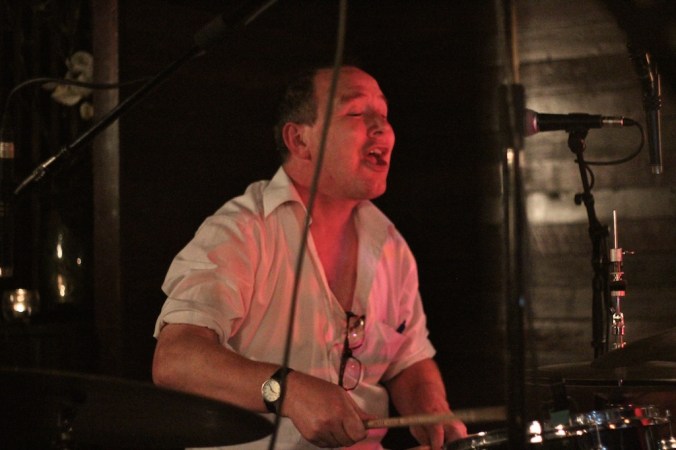
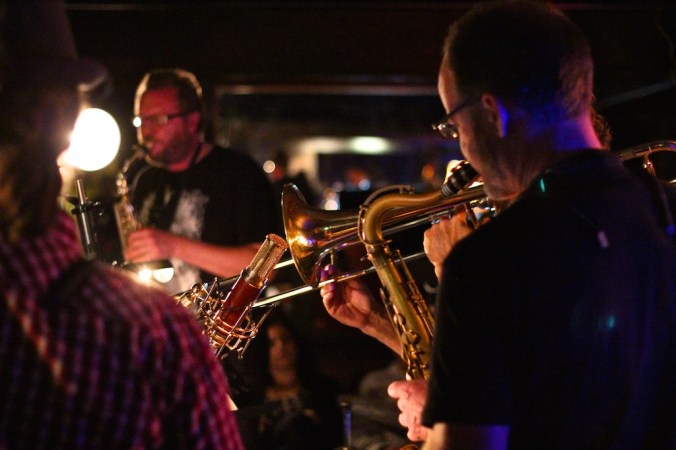 This was too good an opportunity not to record and Rattle did just that. Capturing chordal instruments in a space like the CJC is challenging as the sound has a number of hard edges to bounce off. Recording a live performance of this particular brand of ‘Troubles’ might work well.
 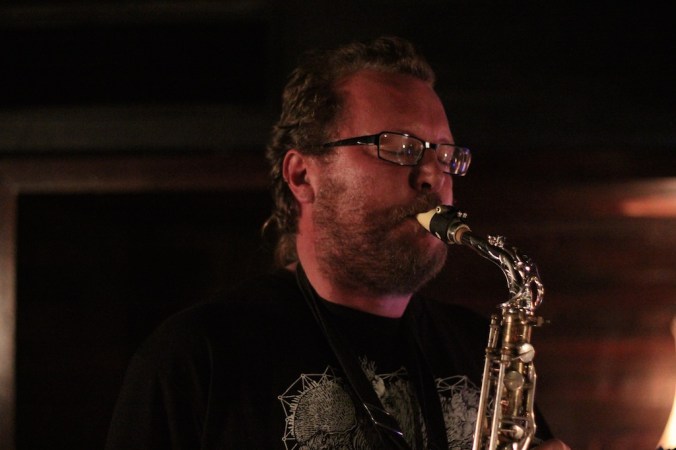 Guiding the proceedings with his well-known brand of anti-establishment megaphone diplomacy was ring master John Rae, ‘Troubles’ co-founder. He shepherded the ensemble through a constantly shifting landscape. His effervescent flow of joyous and often irreverent cries only stemmed by Patrick Bleakley’s timely interjections. Rae is the supercharged engine room, but Bleakley is clearly the anchor. Like Rae he’s an original member.
 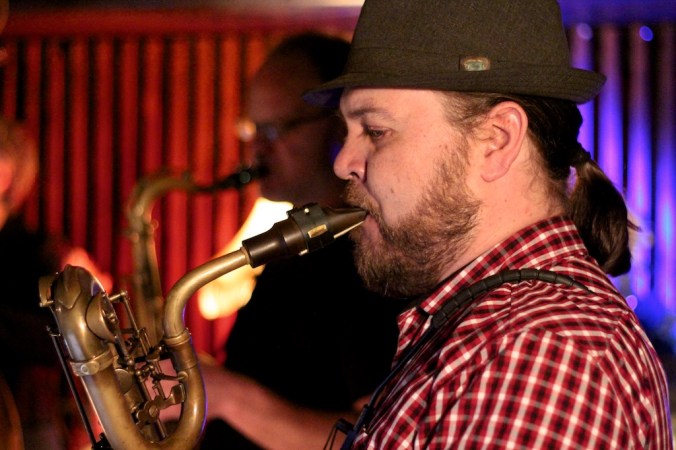 With this Auckland horn section in place, a new front had opened and the tweaked charts took maximum advantage of that. On baritone was Ben McNicoll and his presence gave the sound added bottom. Roger Manins, who had stunned us with his wild death-defying solo’s at the Troubles Portland Public House gig was on tenor again. Jeff Henderson took the alto spot and that was a significant addition. His ultra powerful unblinking delivery was the x-factor. Unafraid of repeated motifs but able to negotiate the music without ever resorting to the familiar. That is the Henderson brand, original clear-cut and uncompromising. In no way diminished by the powerful reed instruments surrounding him was Kingsley Melhuish on trumpet. Melhuish has a rich burnished sound and like the others, he is no stranger to musical risk taking.
 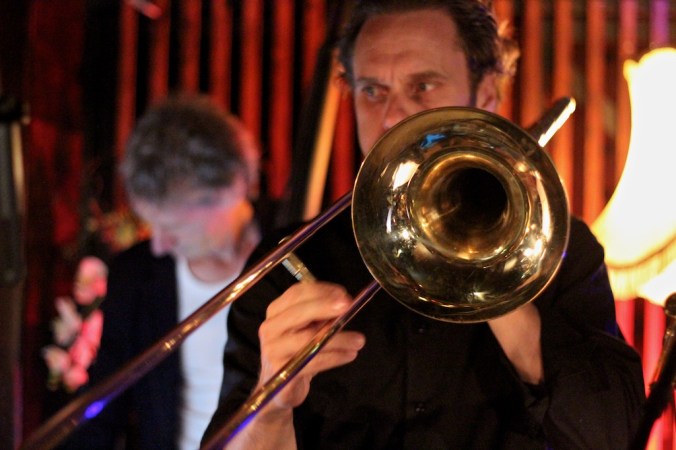 Together they evoked a spirit close to the earlier manifestations of the Liberation Jazz Orchestra. Not just the rich and at times delightfully ragged sound, but the cheerful defiance of convention and discarding of political niceties. Rae’s introductions were gems and I hope some of them survive in the recording. He told the audience that it had been a difficult year for him. “It was tough experiencing two elections in as many months and in both cases the got it woefully wrong” (referring to the Scottish referendum and the recent New Zealand Parliamentary elections). “there are winners and losers in politics and there are many assholes”.
 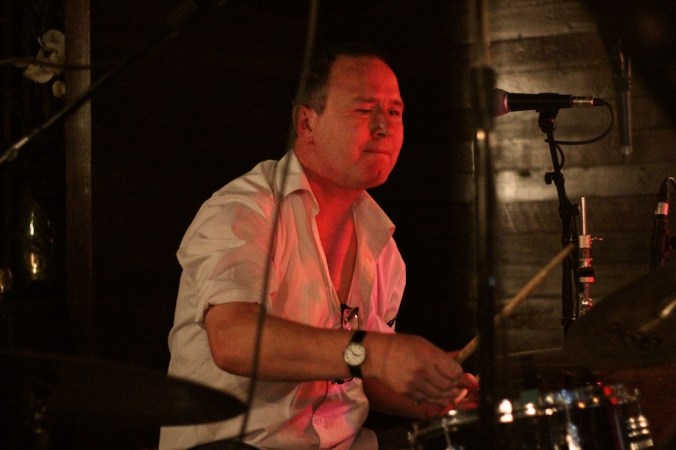 It wouldn’t be the ‘Troubles’ if there wasn’t a distinct nod to some of the worlds trouble spots or to political events that confound us. I have chosen a clip ‘Arab Spring Roll’ (John Rae), a title which speaks for itself. Following the establishment of a compelling ostinato bass line, the musicians build a convincing modal bridge to the freedom which follows. Chaotic freedom is the perfect metaphor for the ‘Arab Spring’ uprising. The last number performed was the ANC National anthem and as it concluded, fists rose in remembrance of the anti-apartheid struggle. It is right that we should celebrate the struggles for equality, but sobering to reflect on how far we have to go. The Troubles keep our feet to the flame, while gifting us the best in musical enjoyment.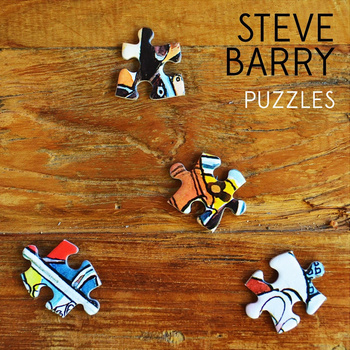
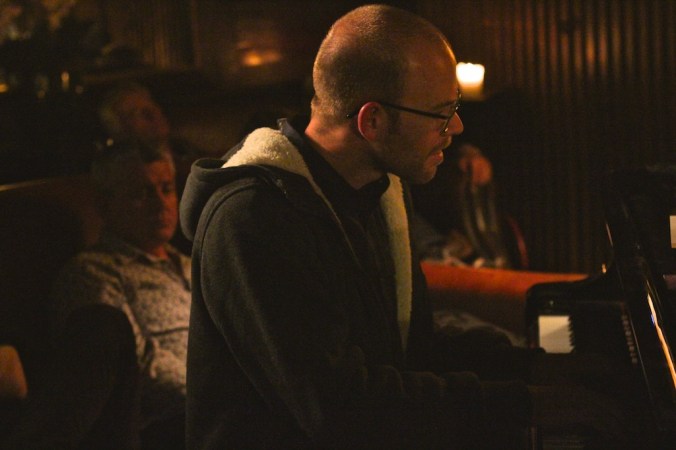
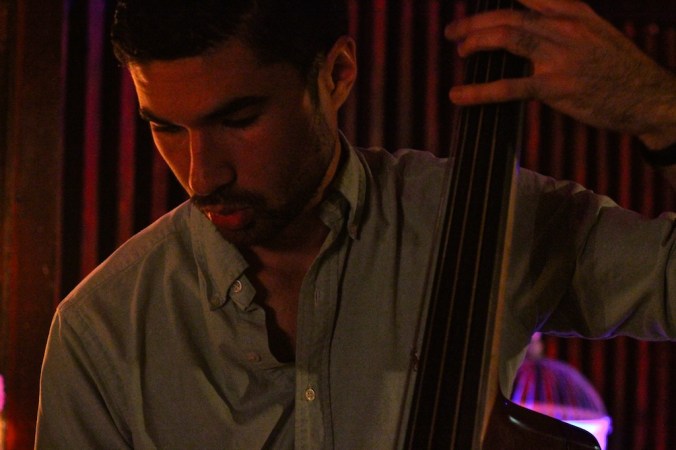
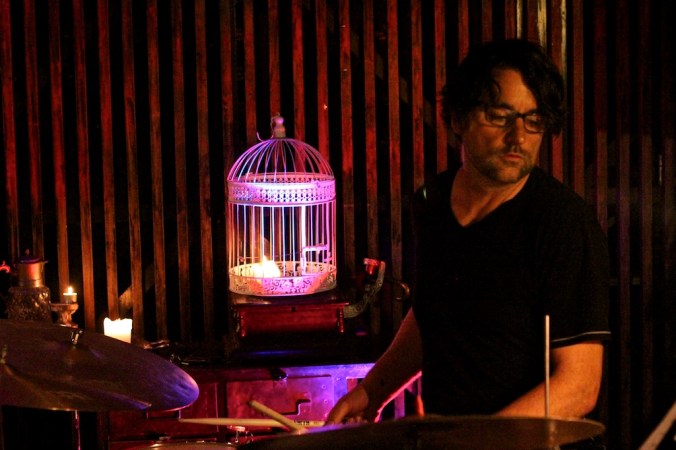
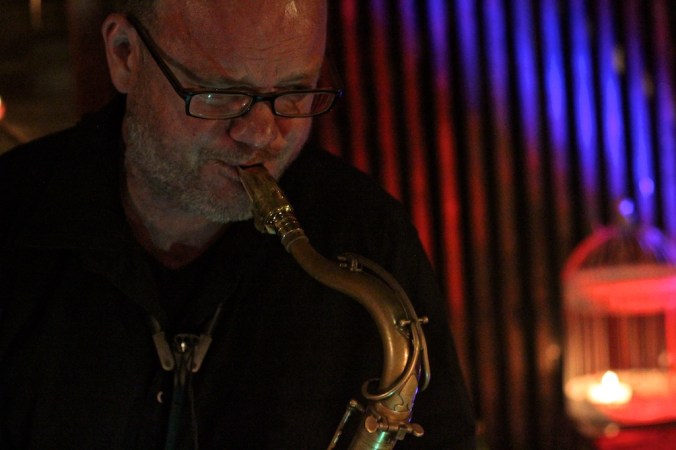
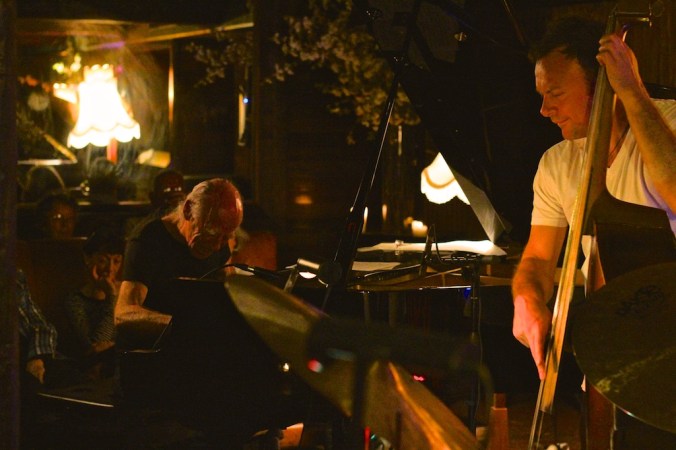
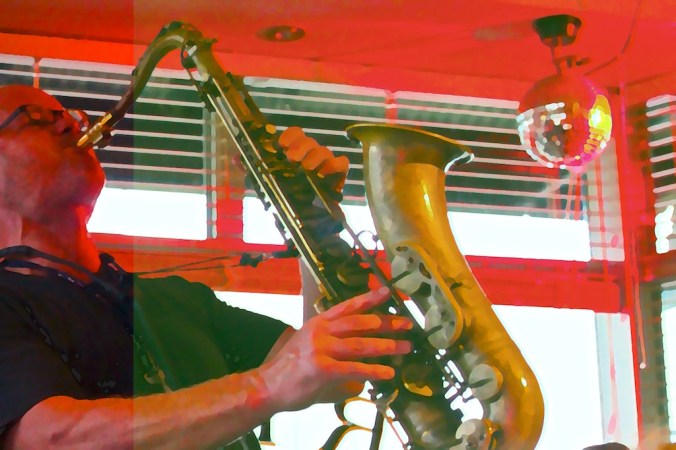
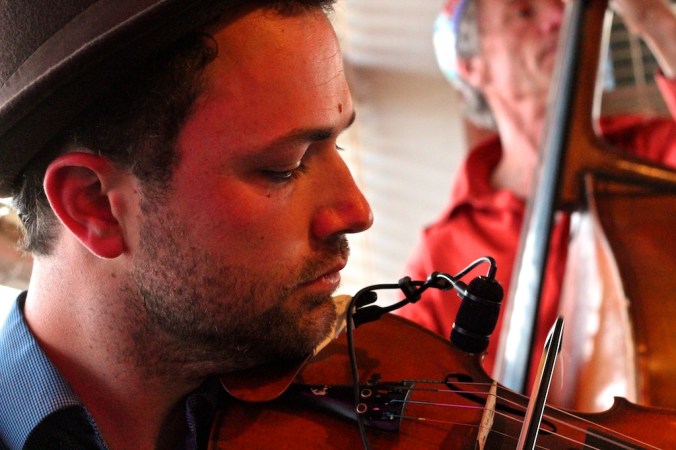
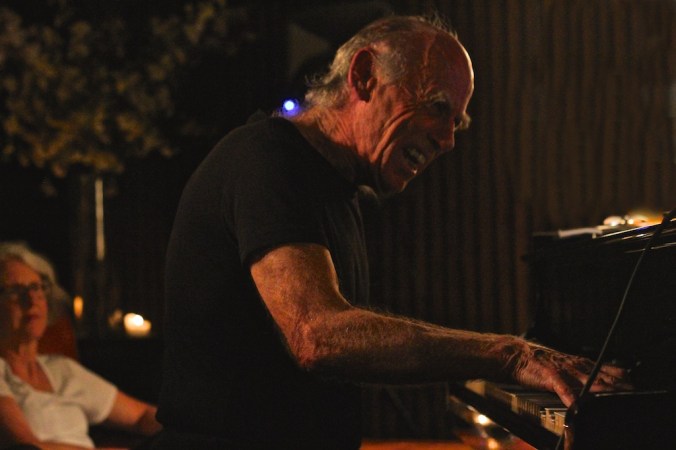
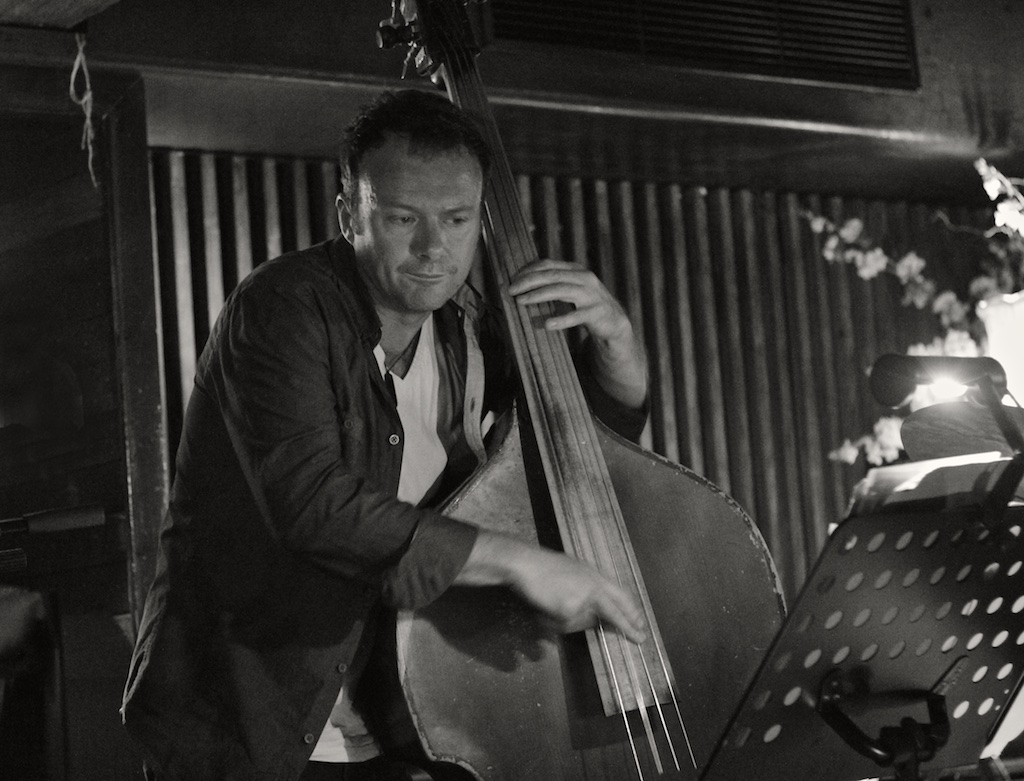
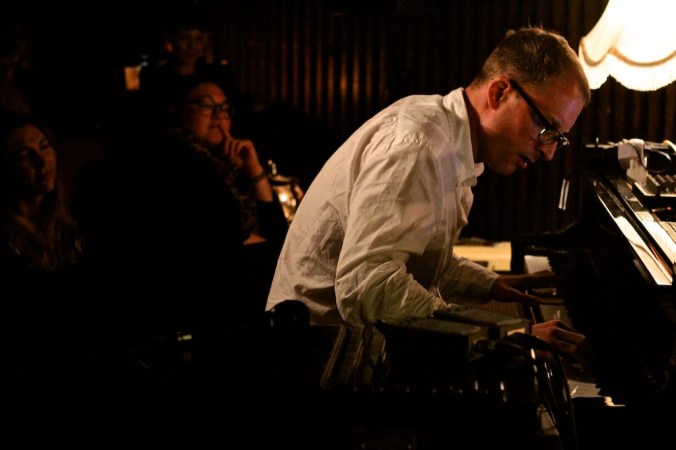

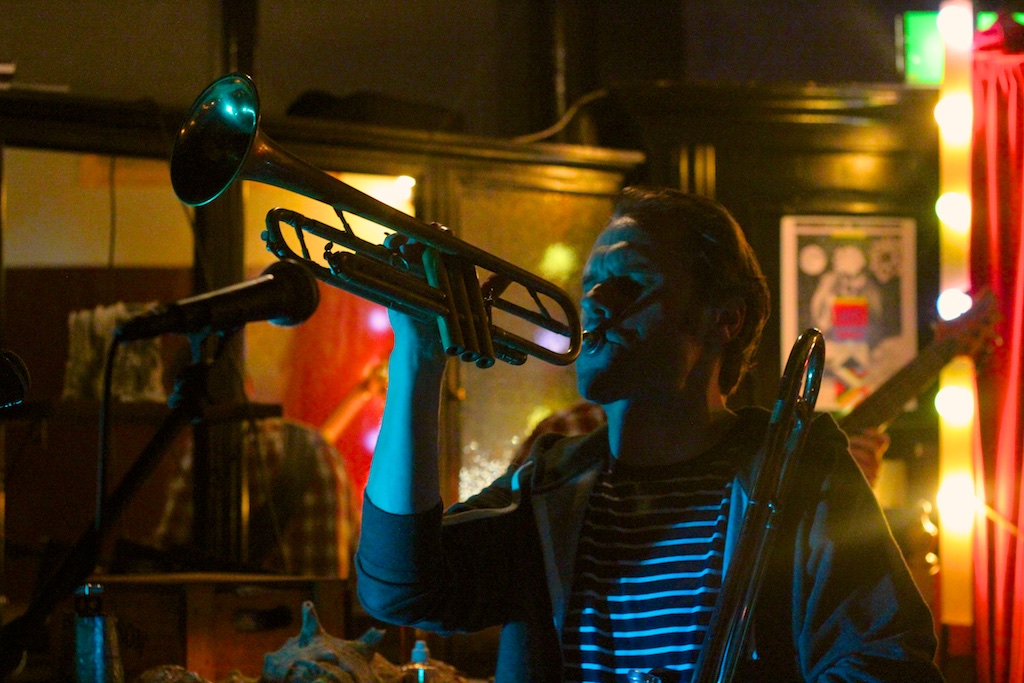

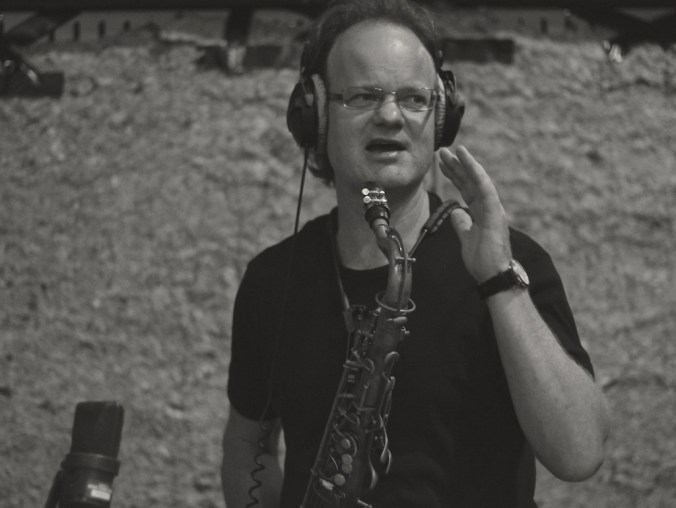
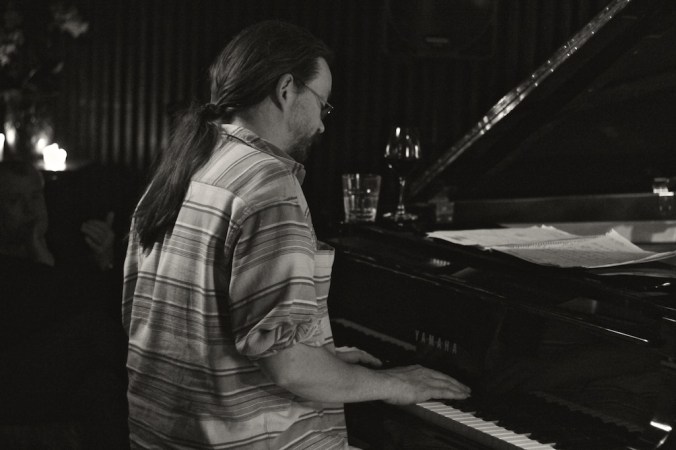

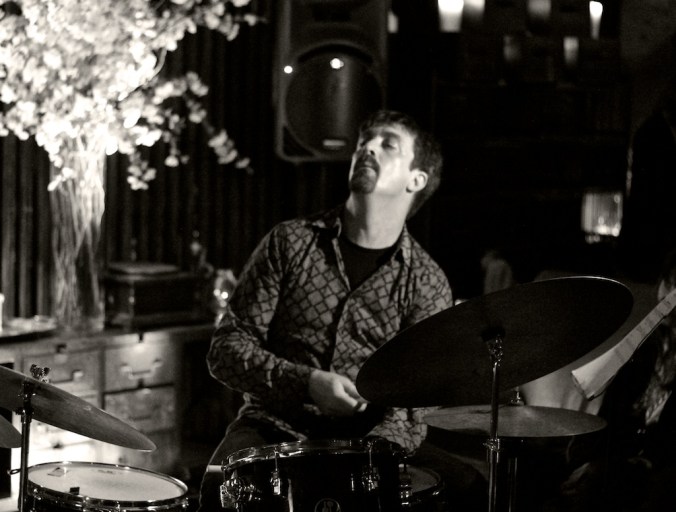

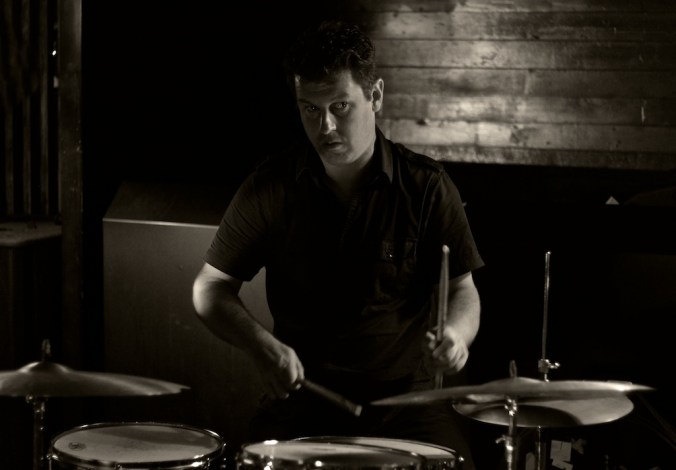
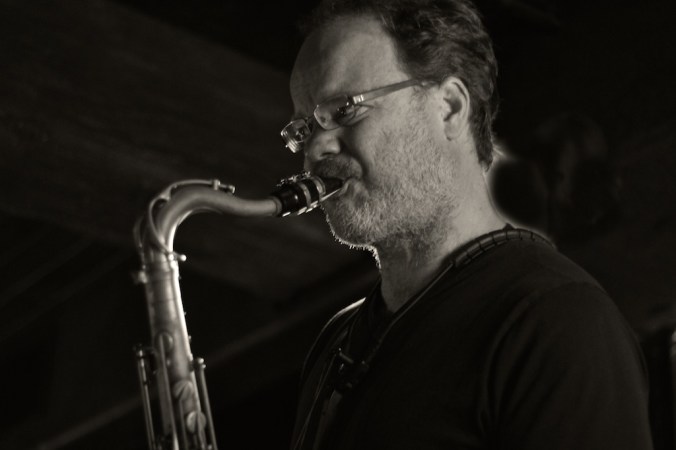

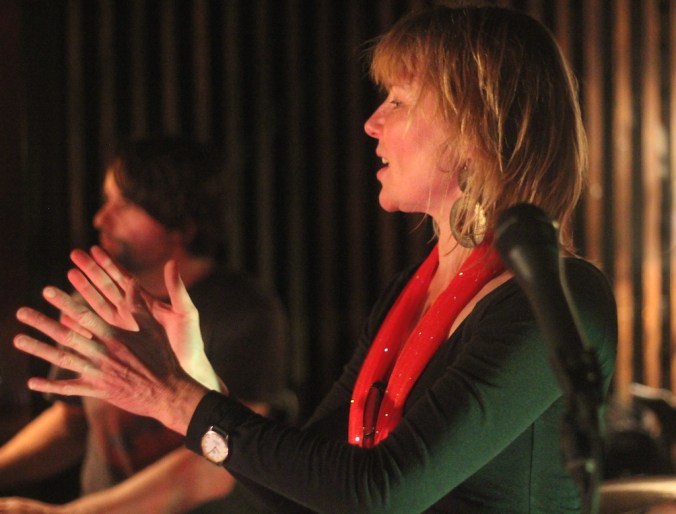
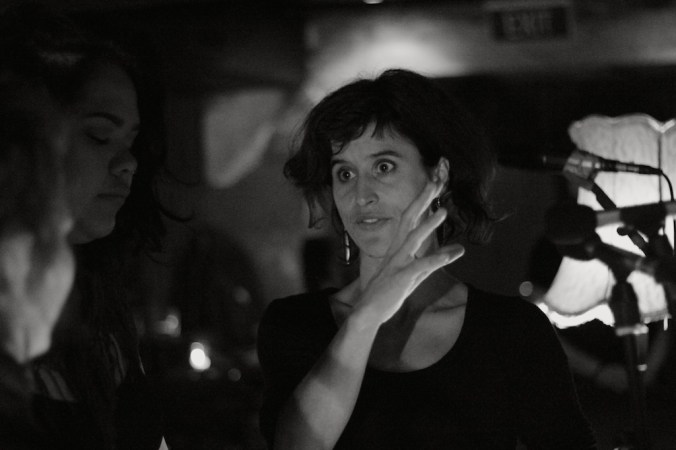

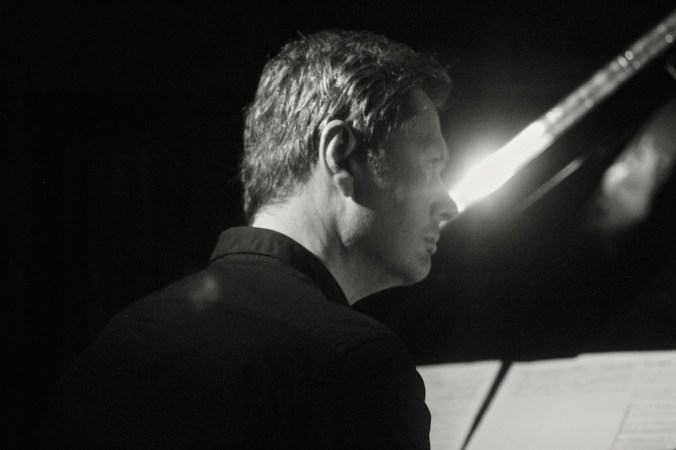
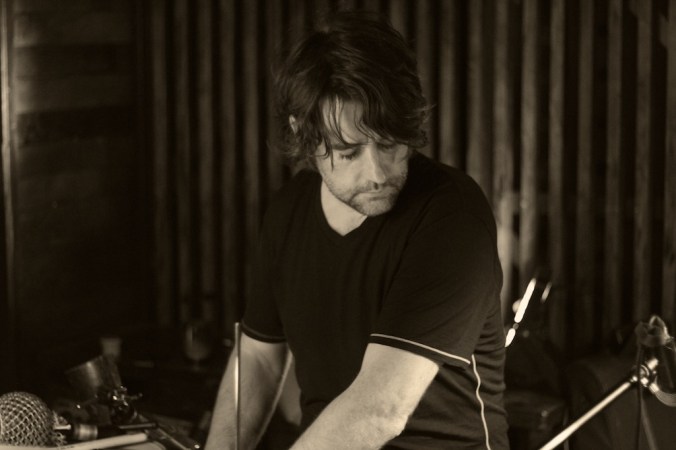
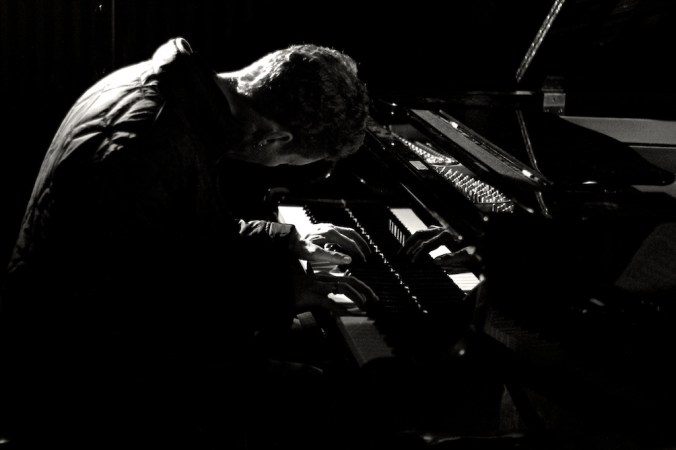
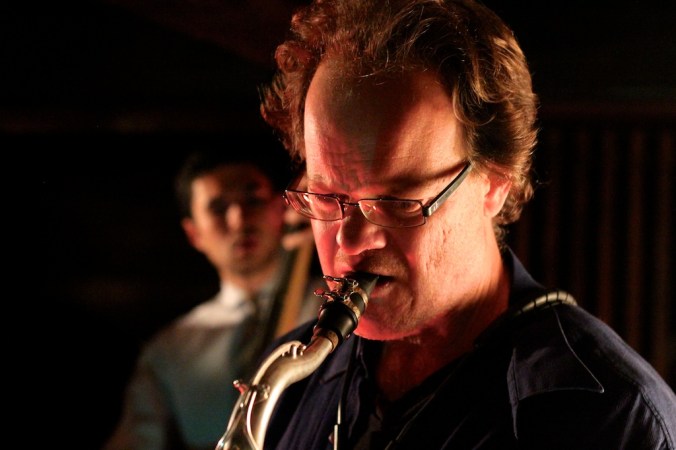
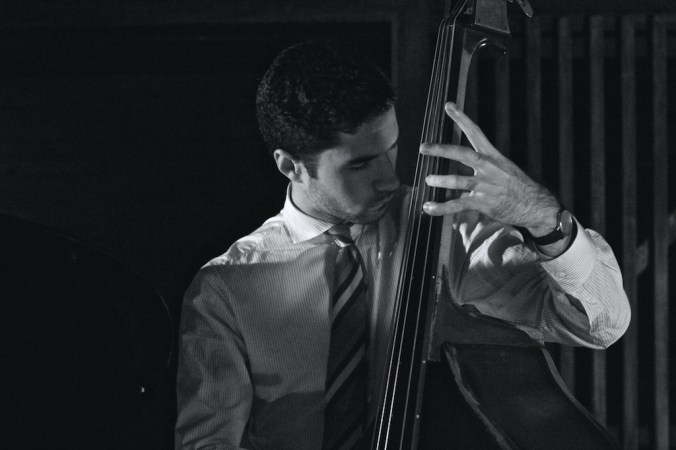
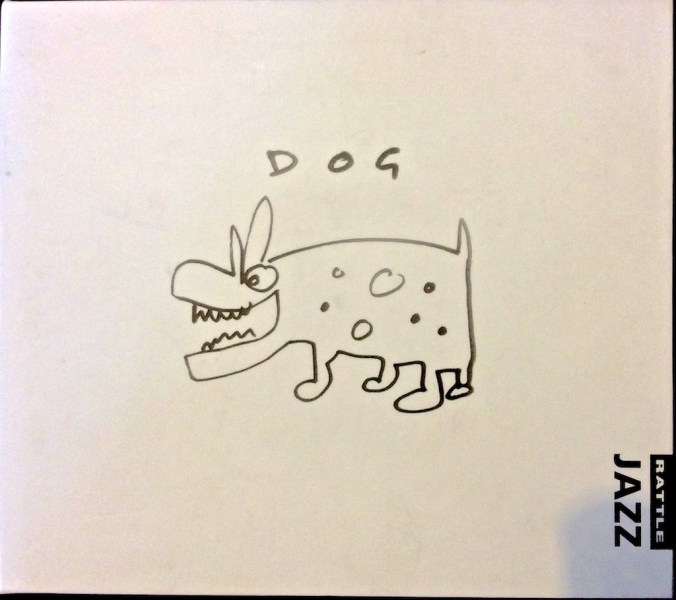

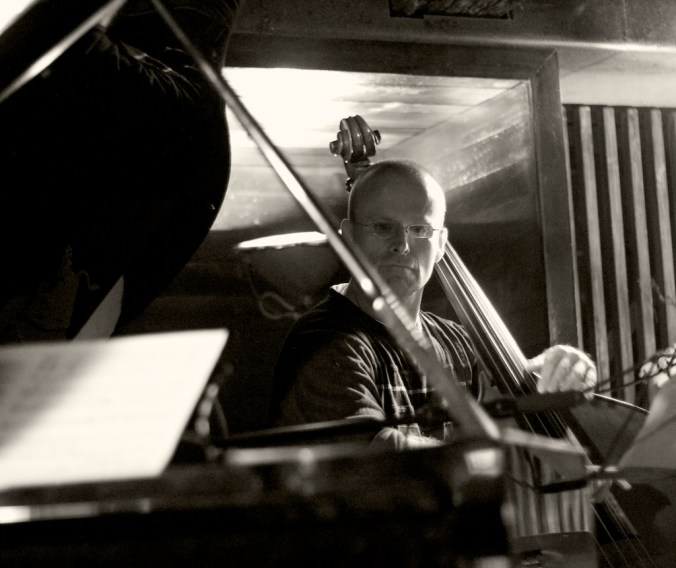
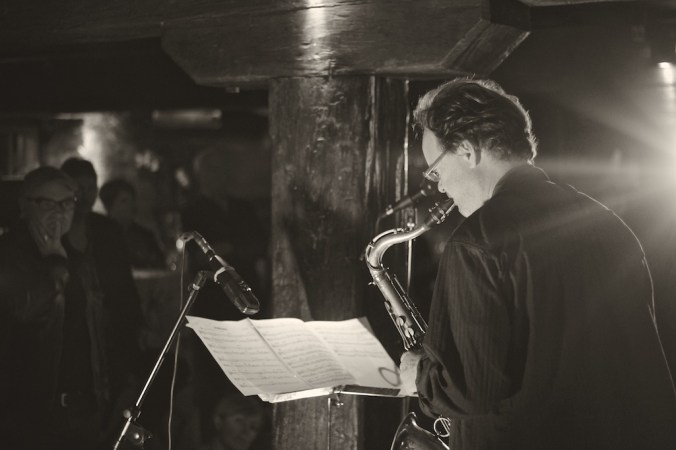
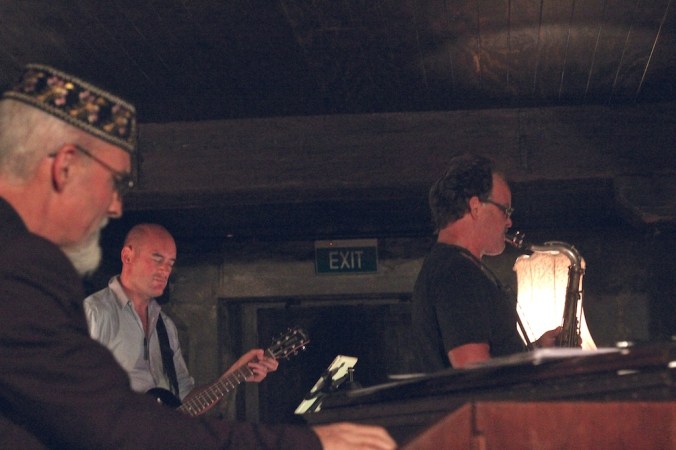
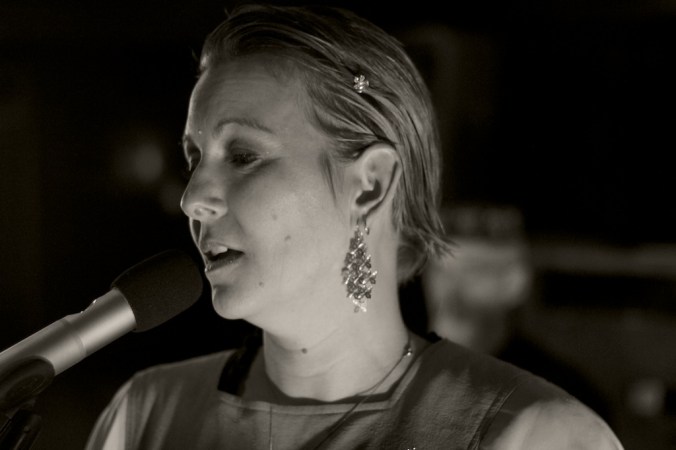
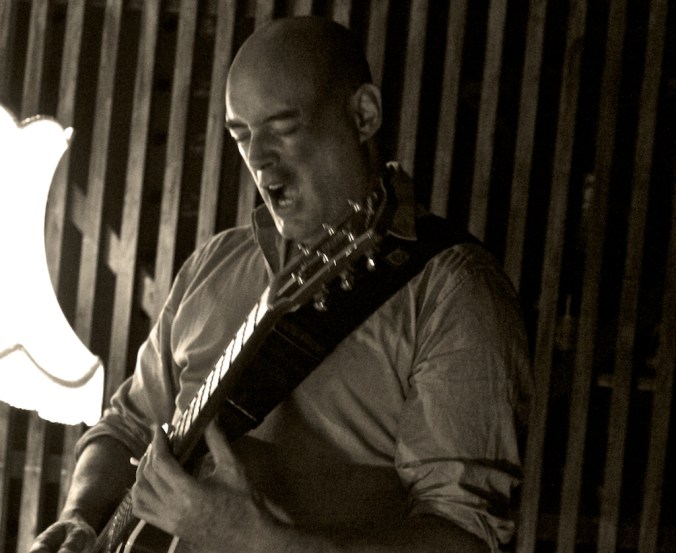
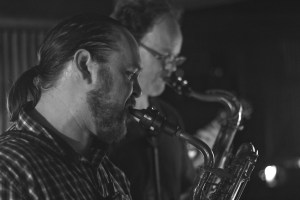
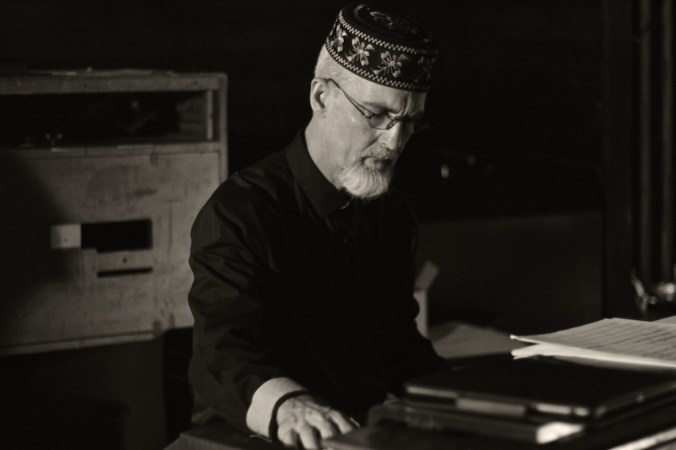
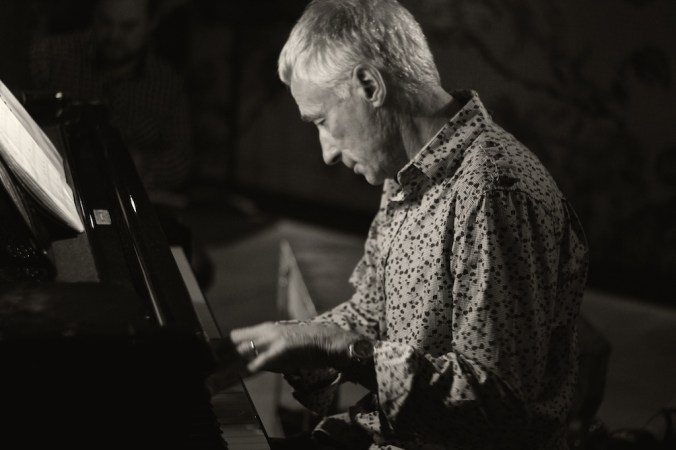
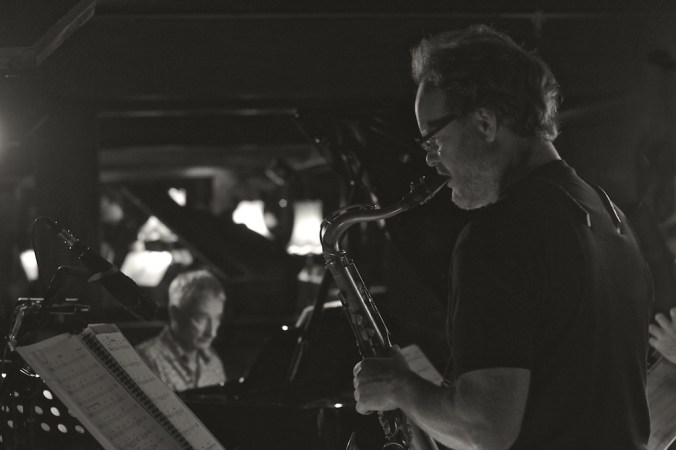
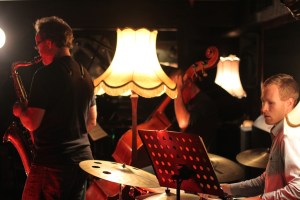 Auckland’s CJC (Creative Jazz Club) has created a Jazz Appreciation Month program with all of the above in mind. This week there is a B3 master from French New Caledonia, next week the globe-trotting genius of the keyboard Jonathan Crayford. Best of all is the long anticipated album launch of ‘Dr Dog’ on International Jazz Day. I feel lucky to live near a club that can present such wonderful artists. Grab this opportunity by the ears Kiwis, now is the perfect time to enjoy this music and above all share it with others.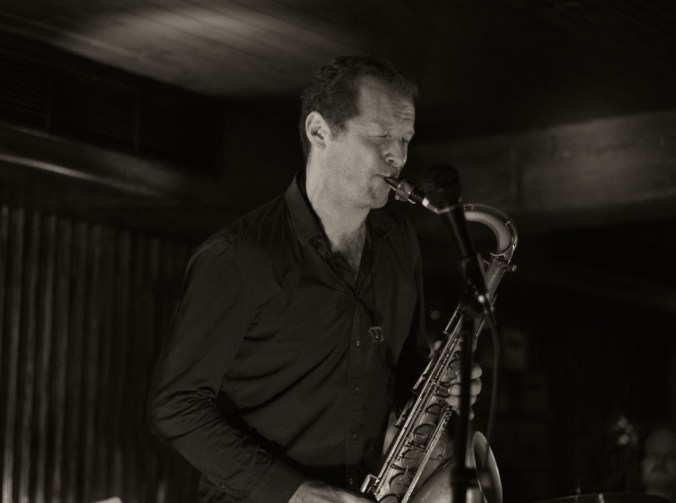
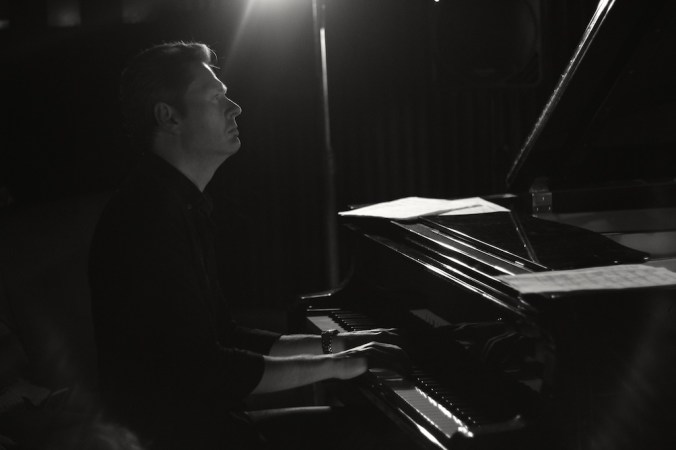
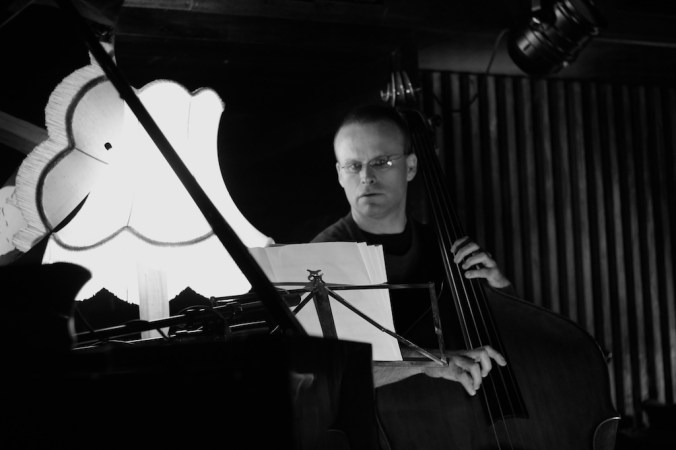
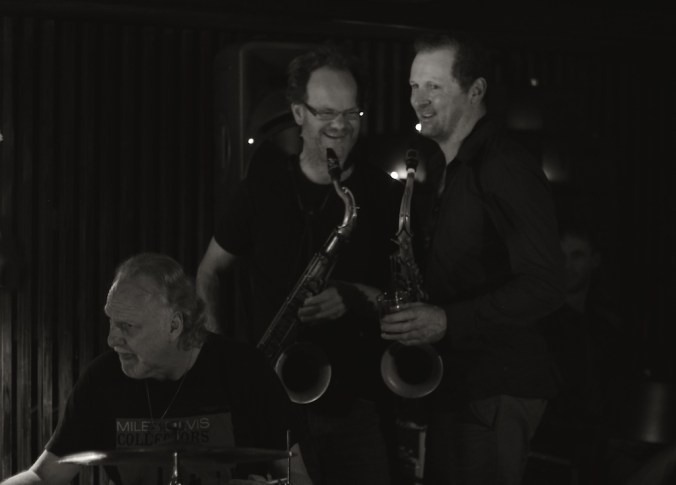
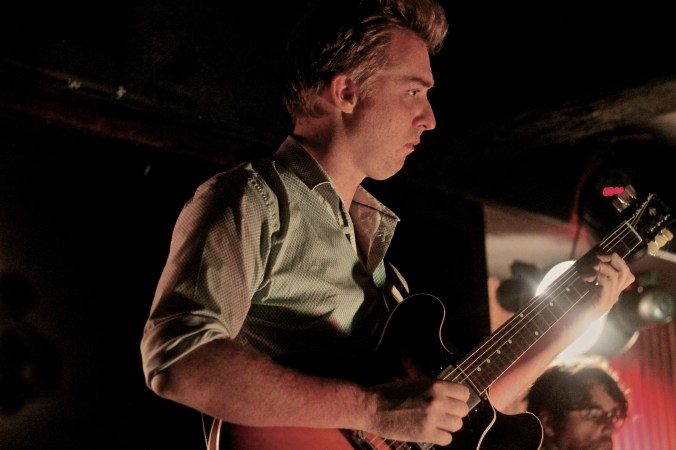
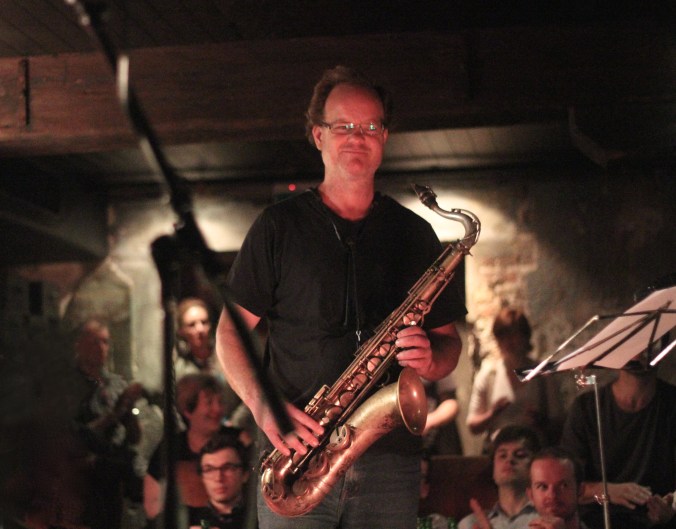
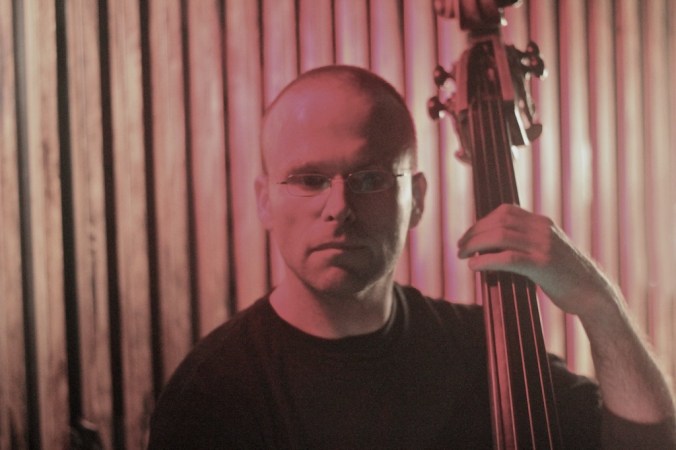
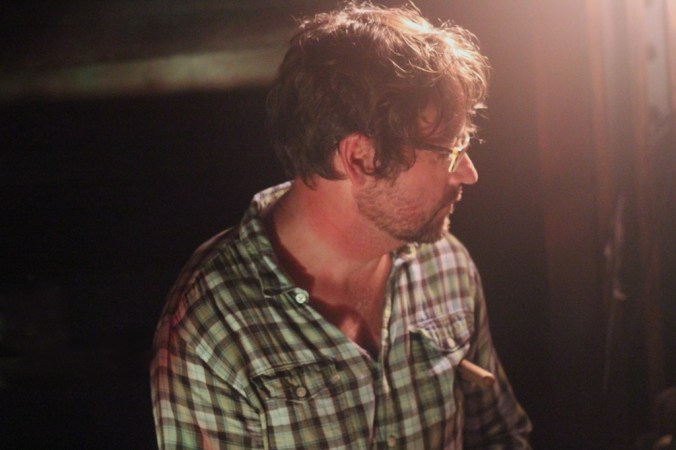
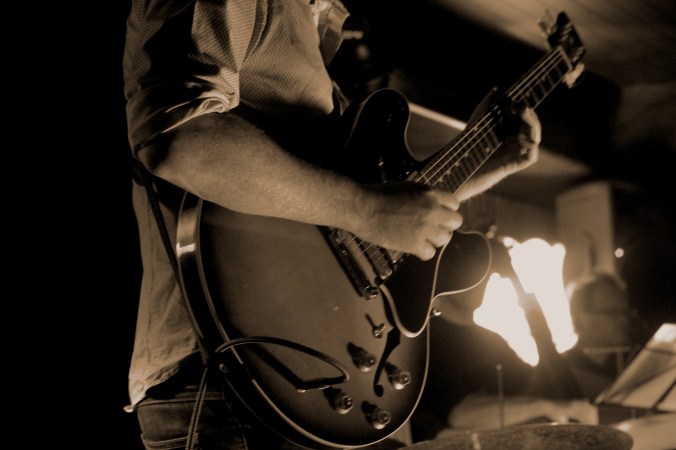
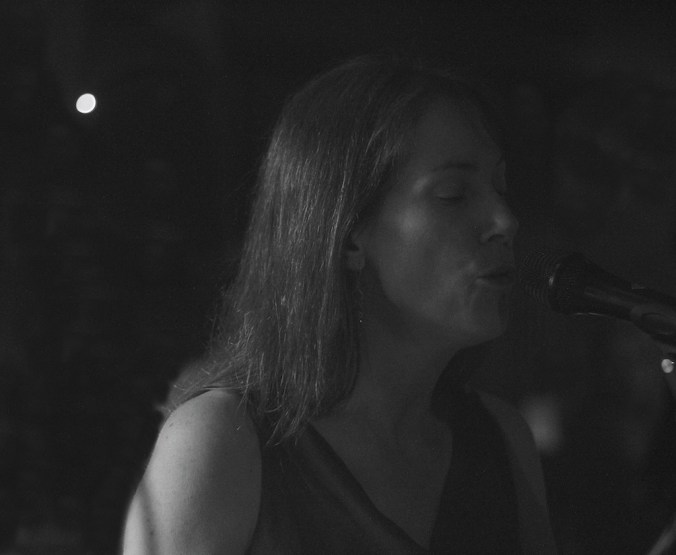

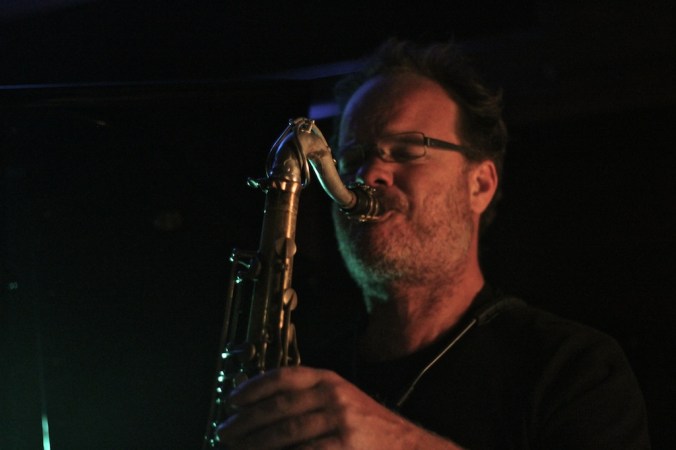
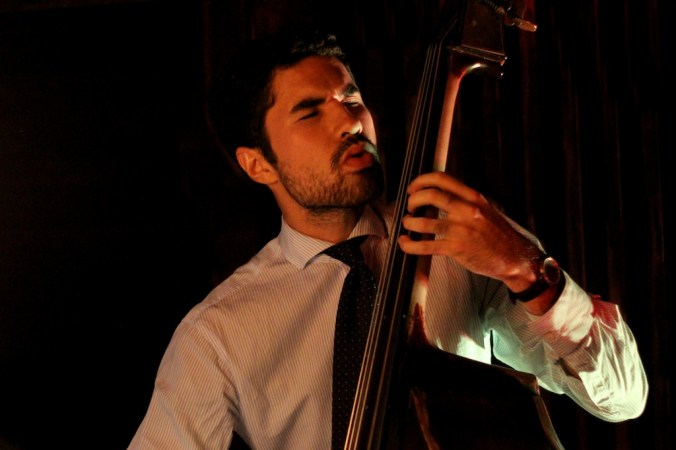
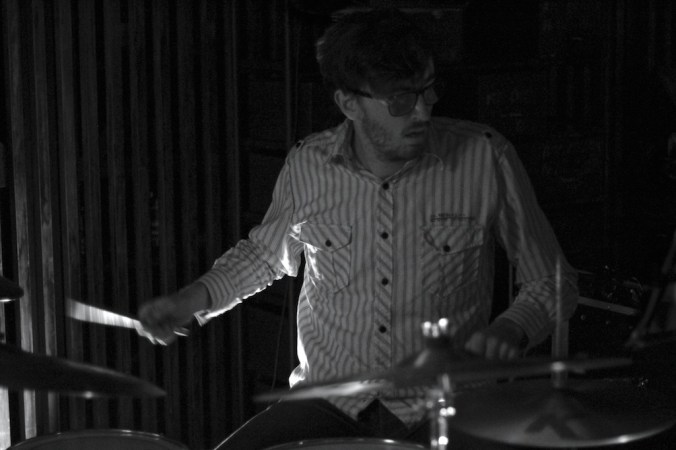
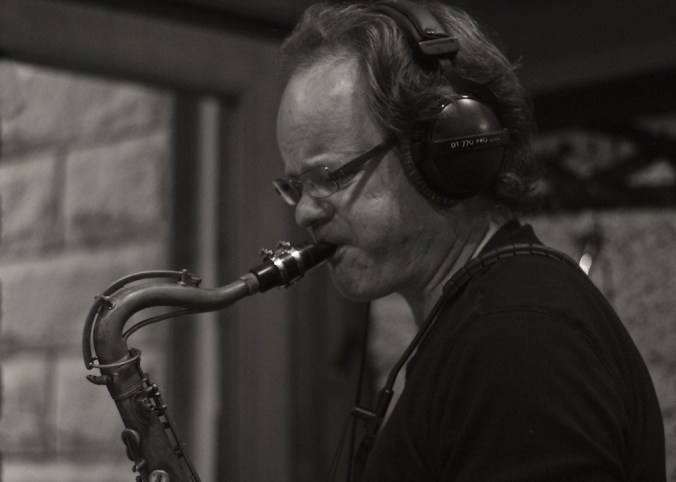
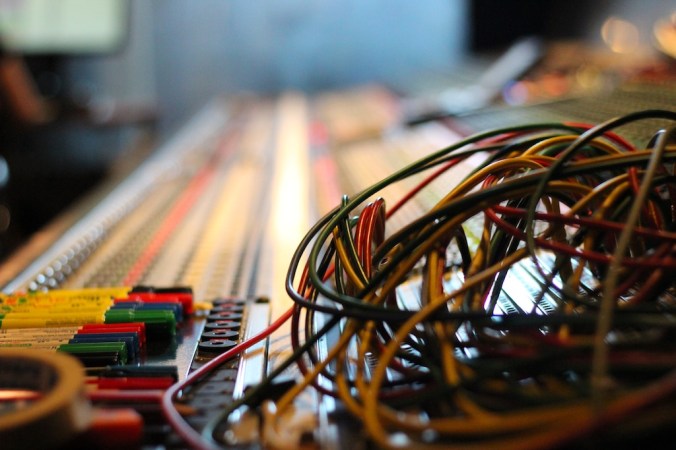
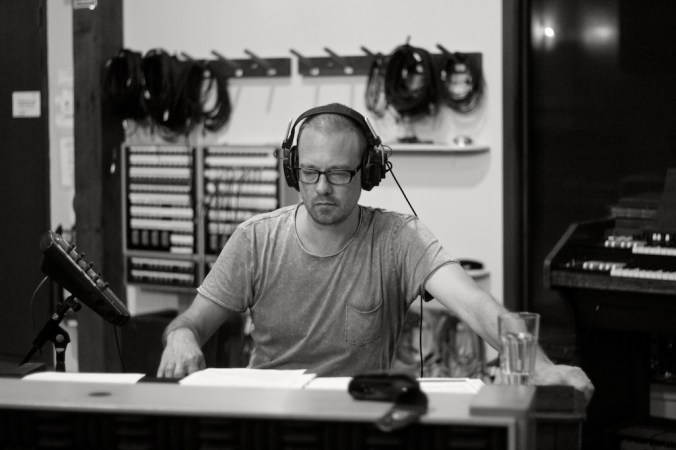
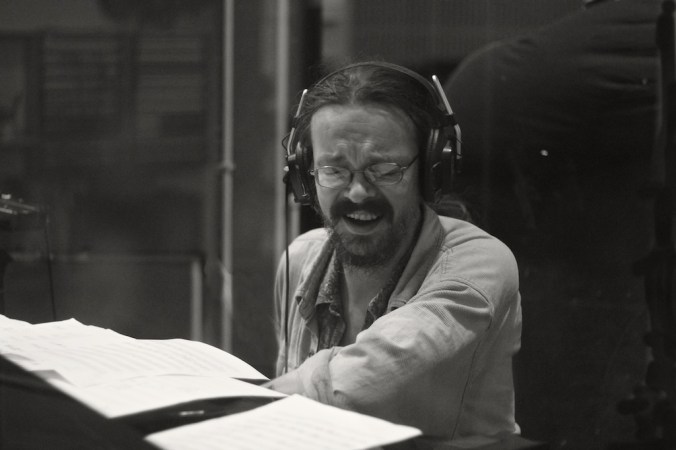

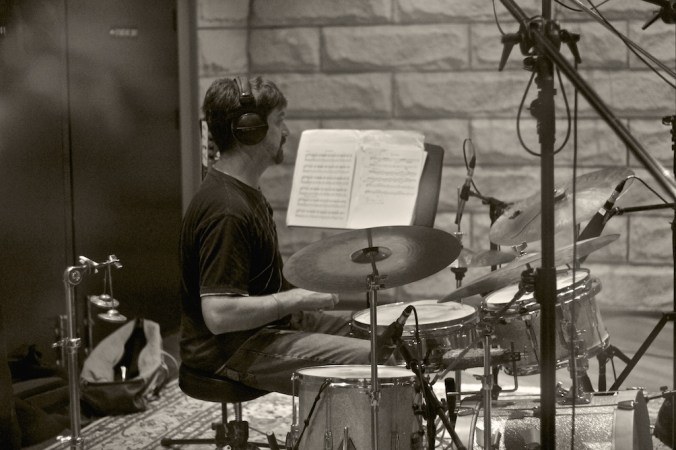
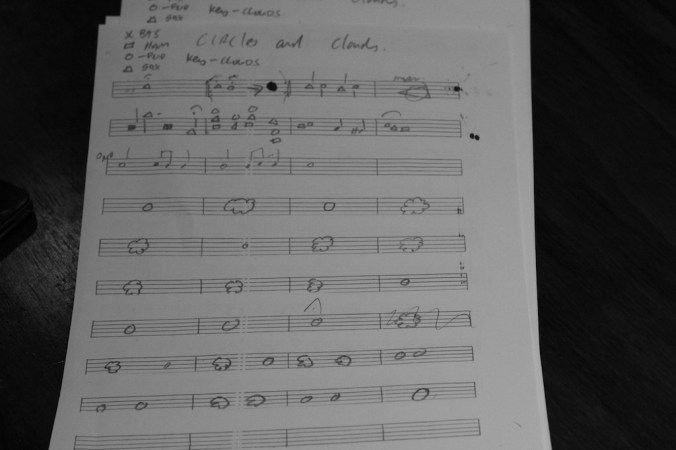
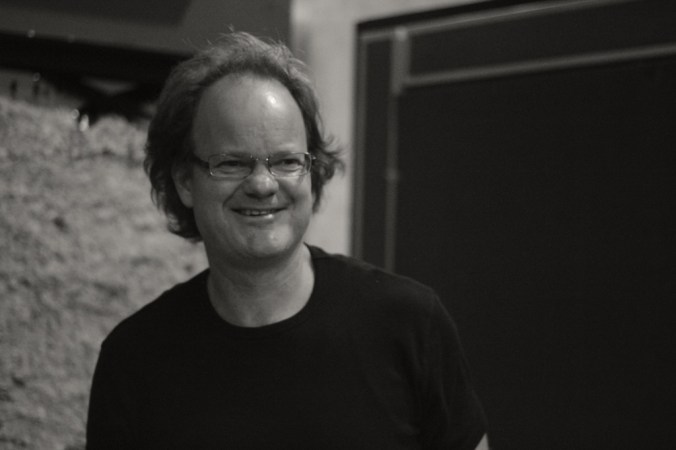

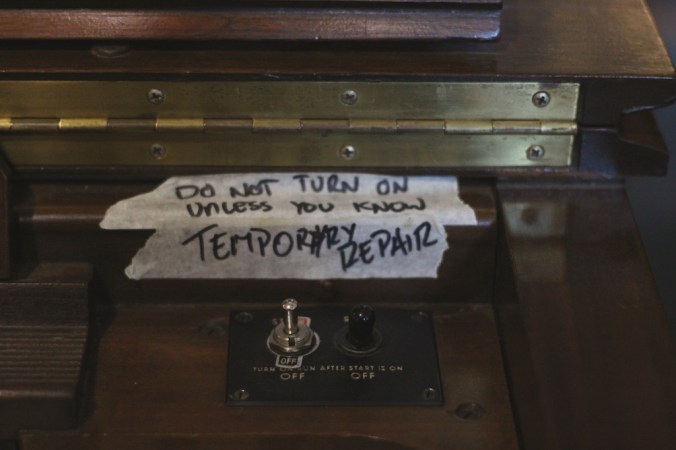
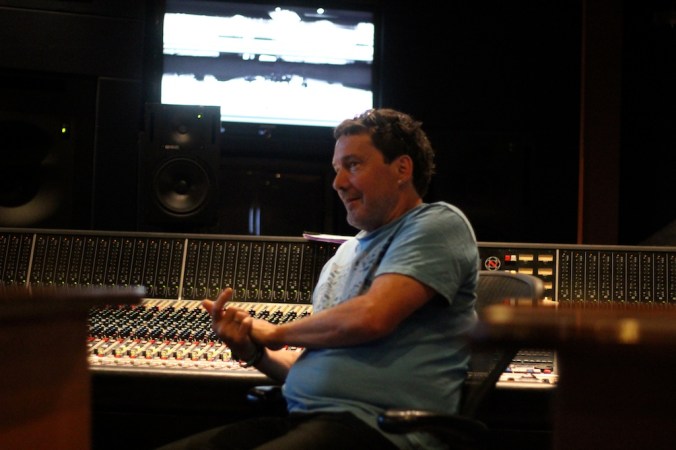
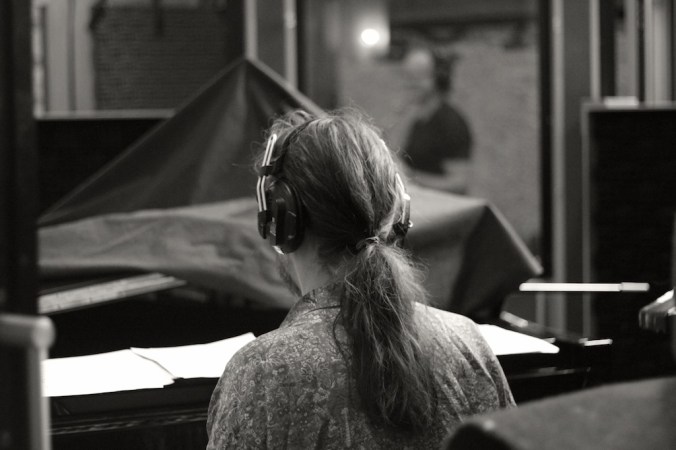
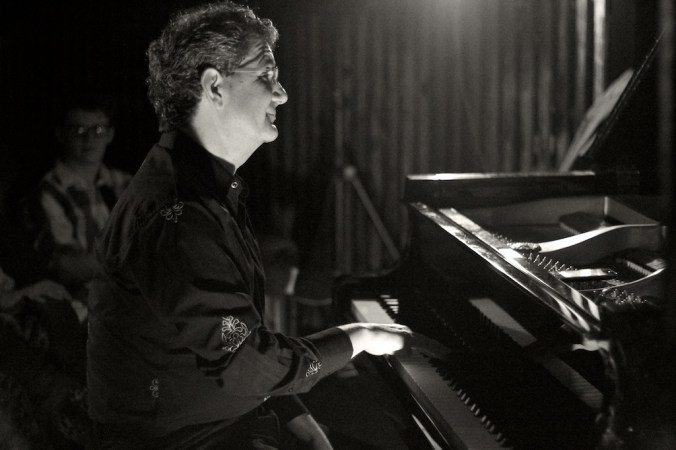
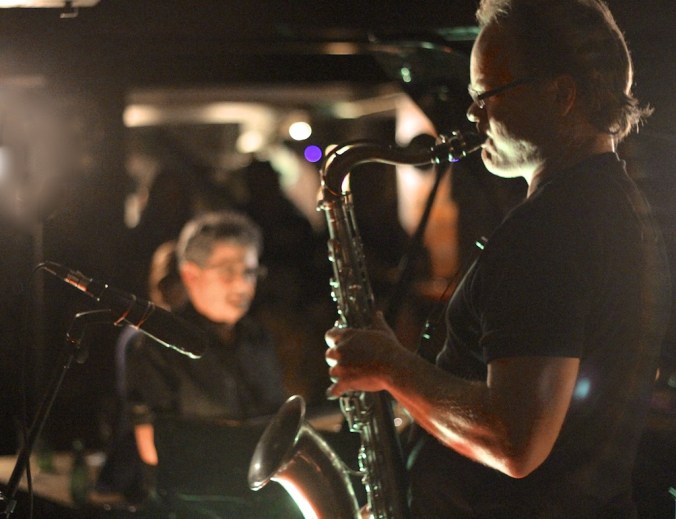
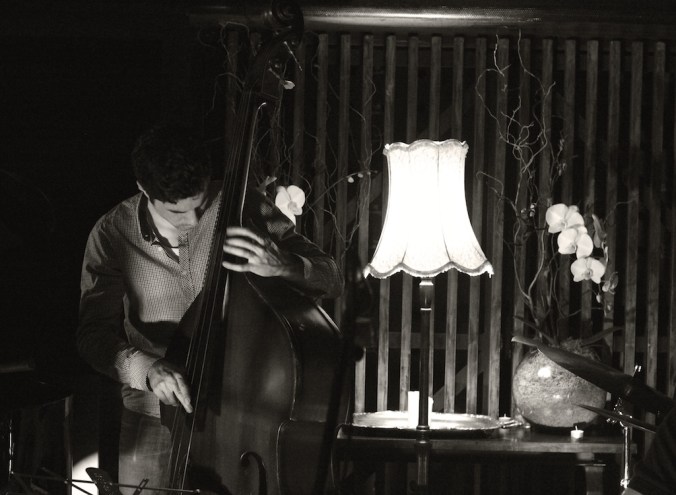
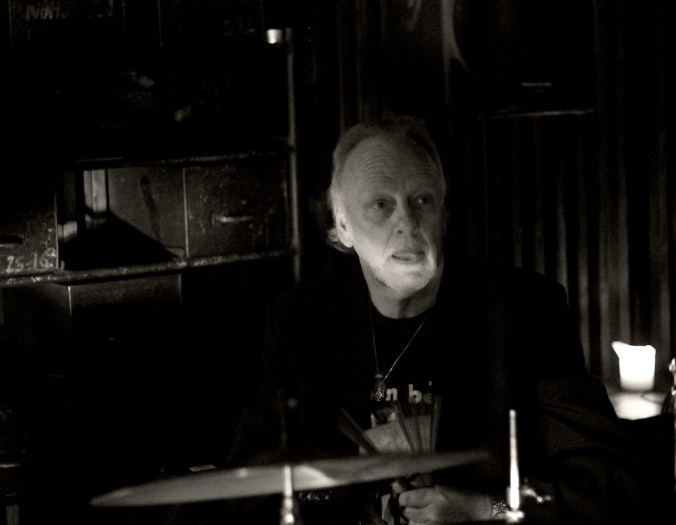
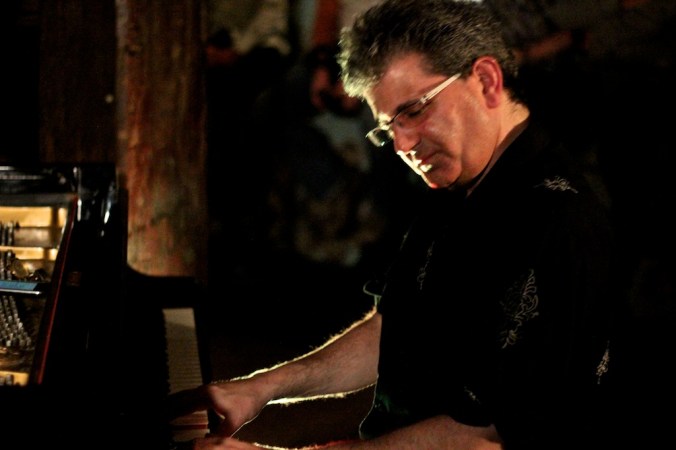
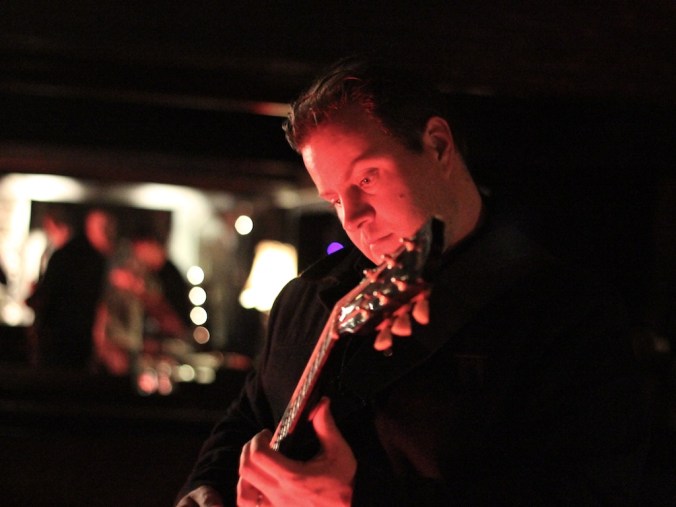
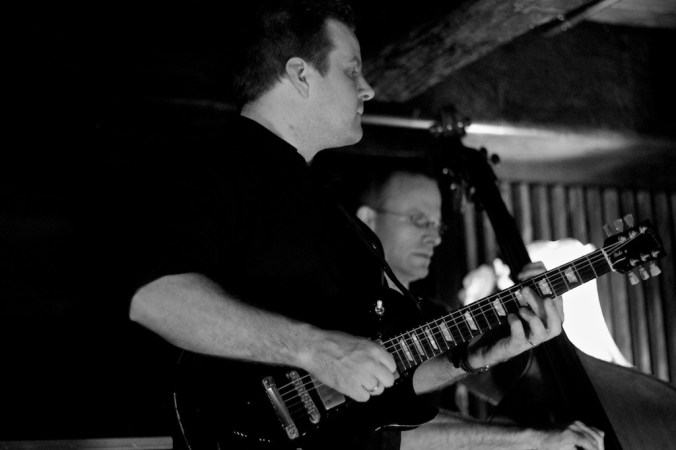
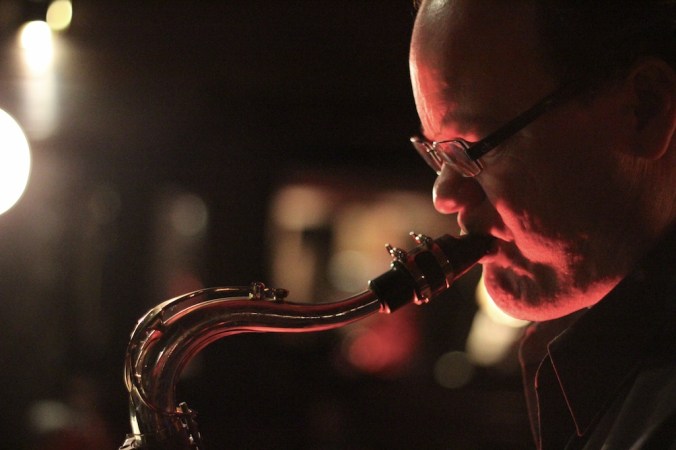
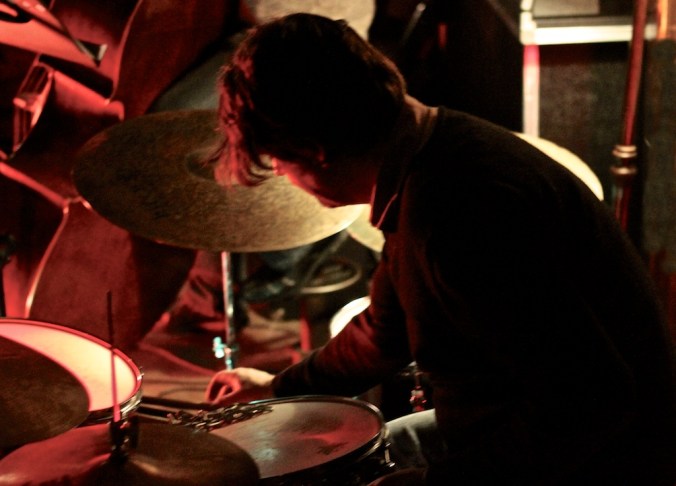

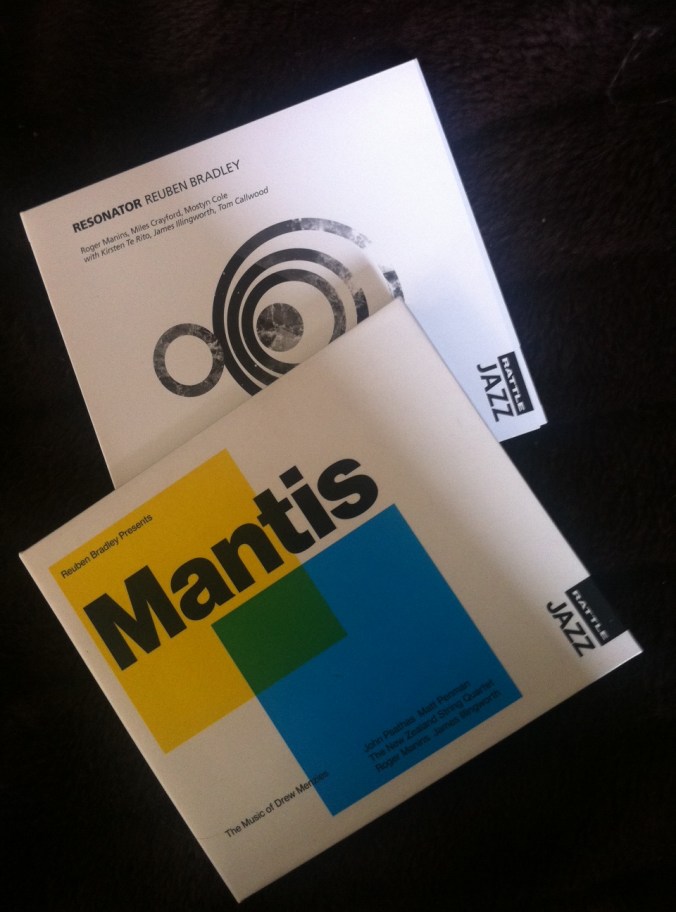
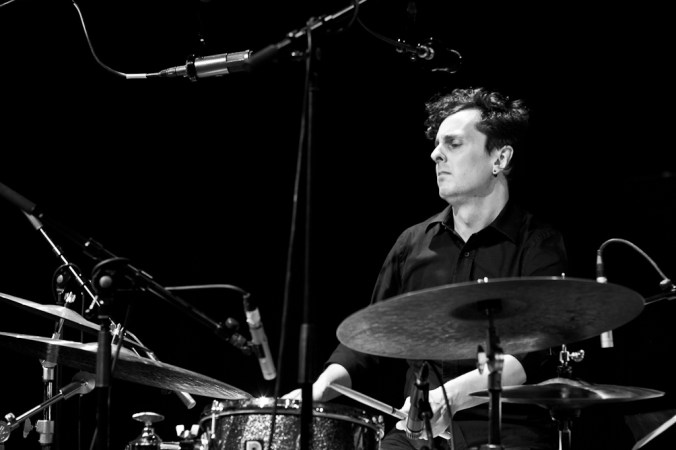

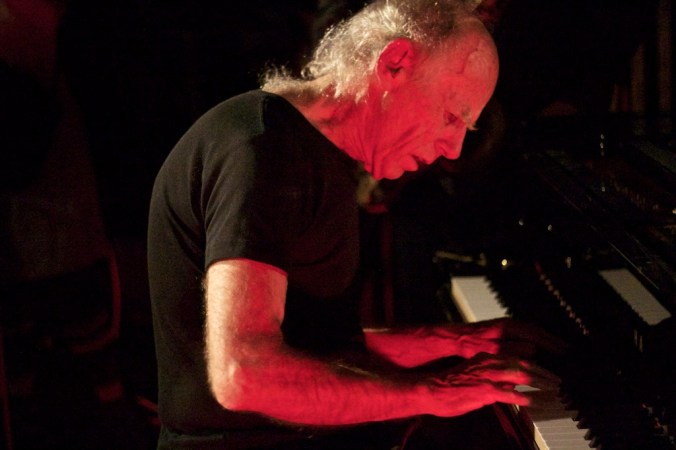
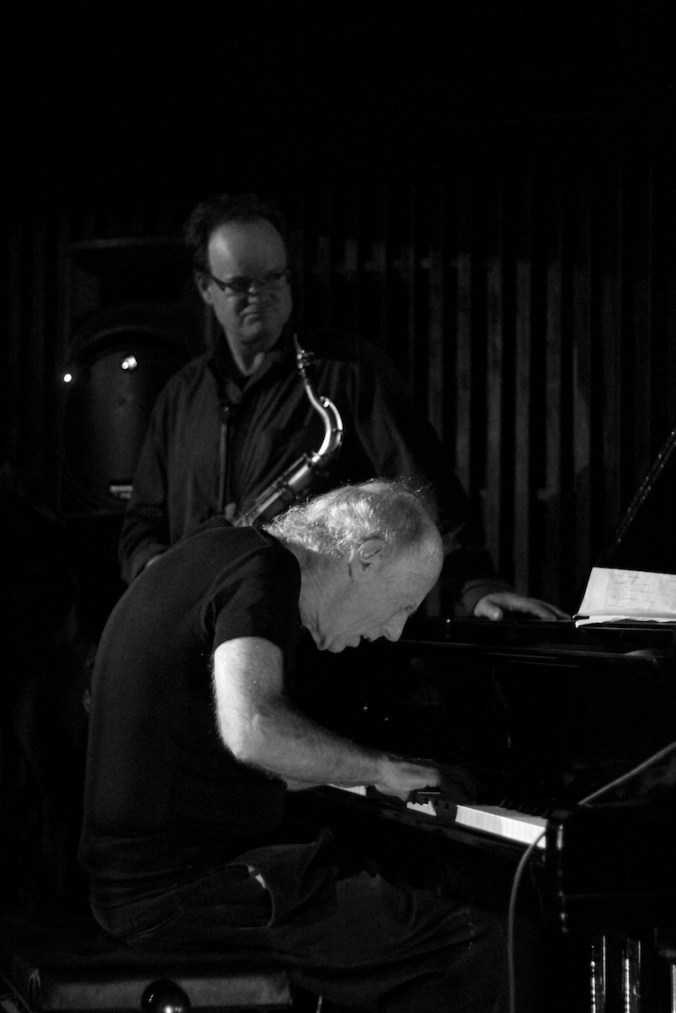
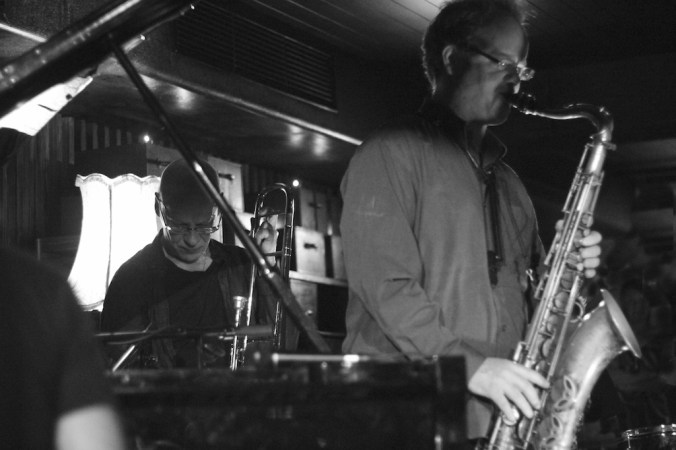
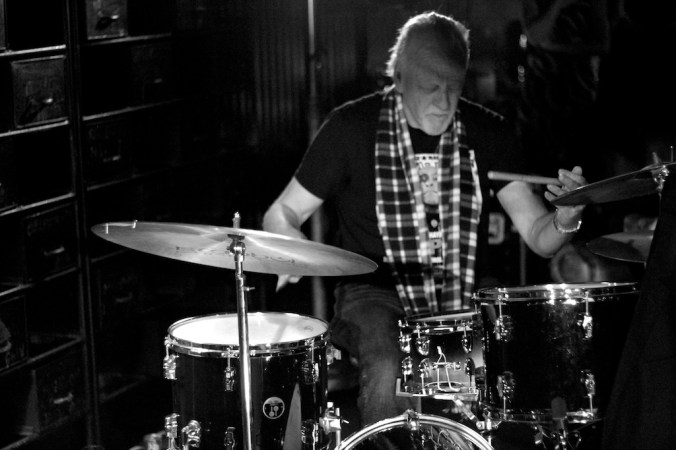

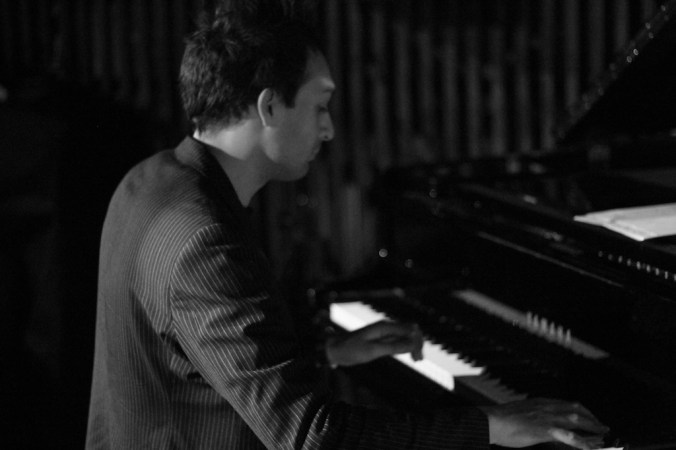
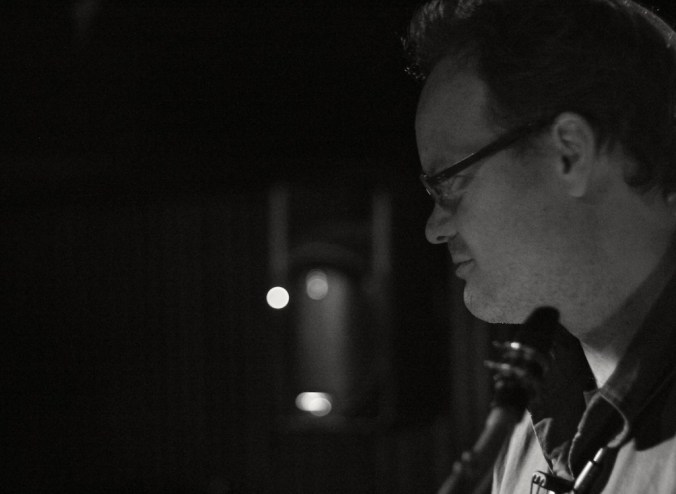

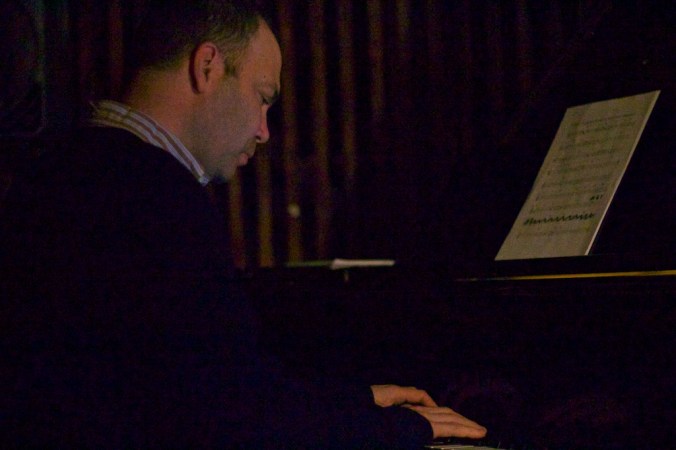
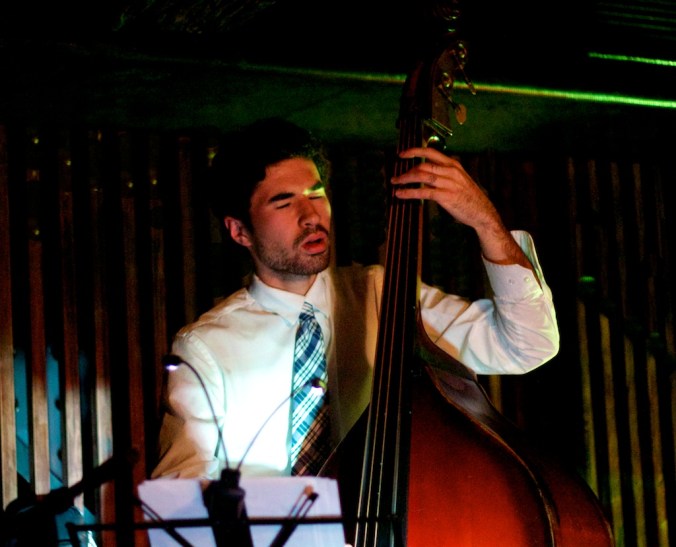
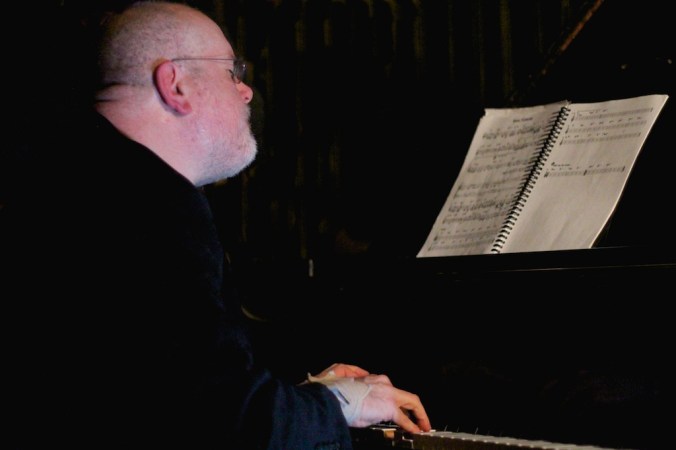
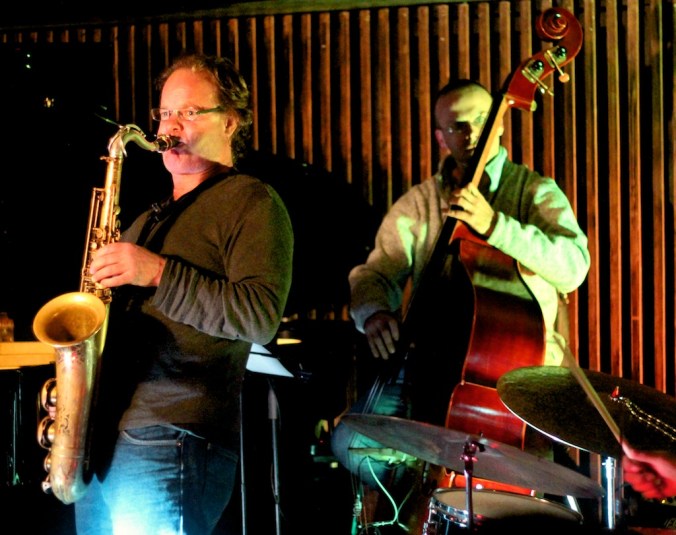
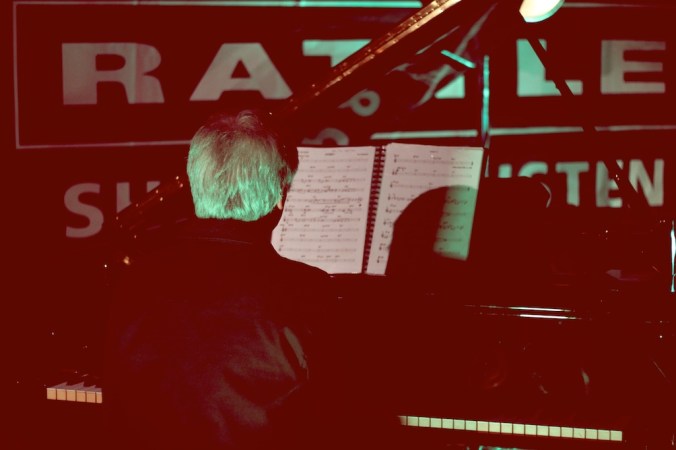
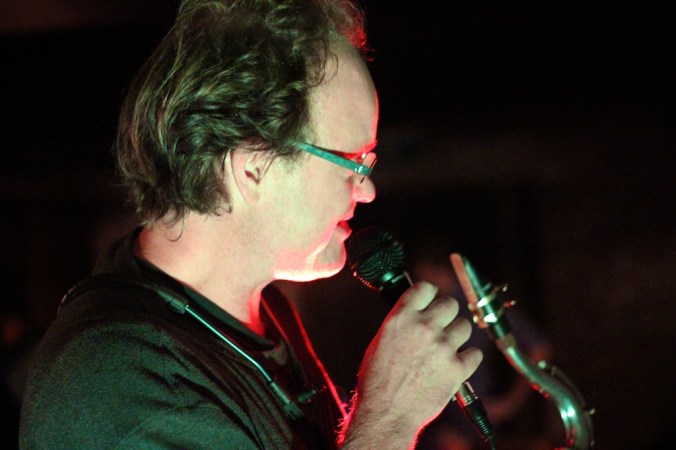




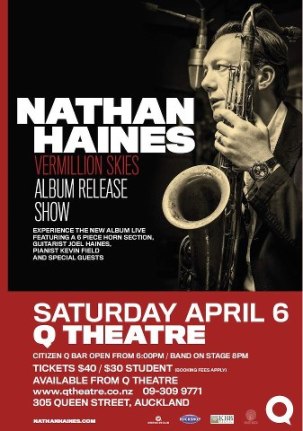

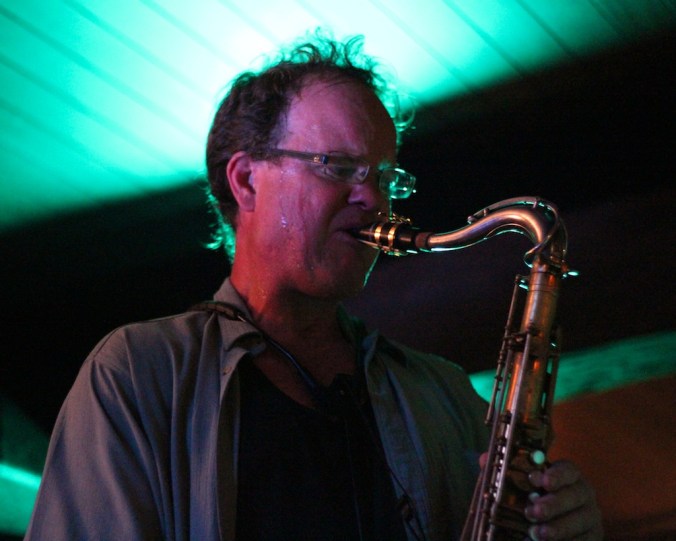
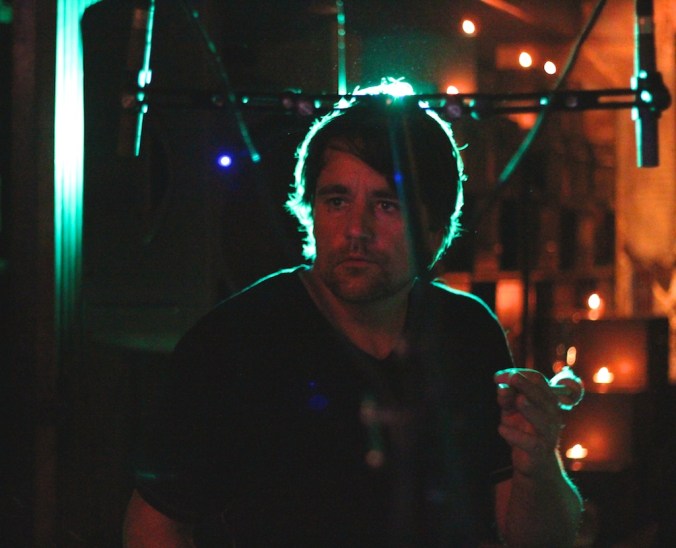
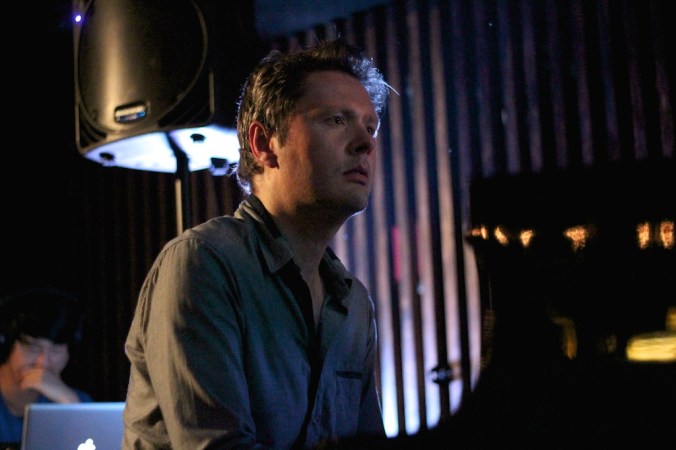
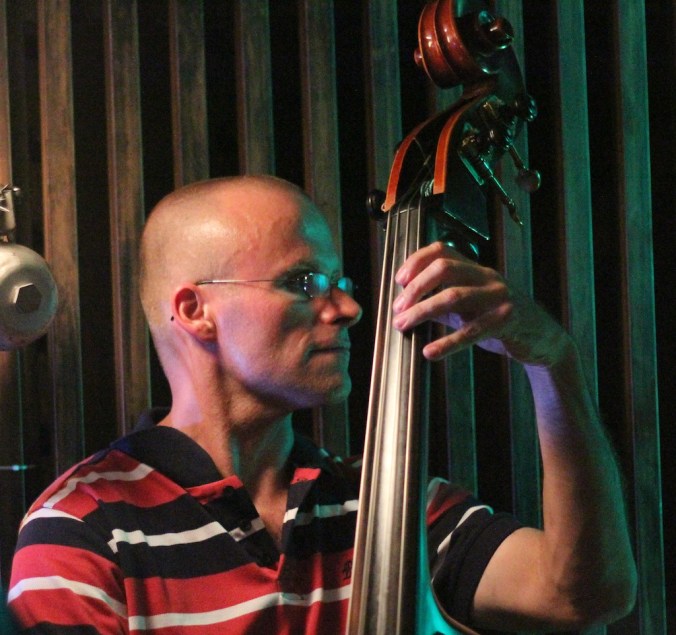
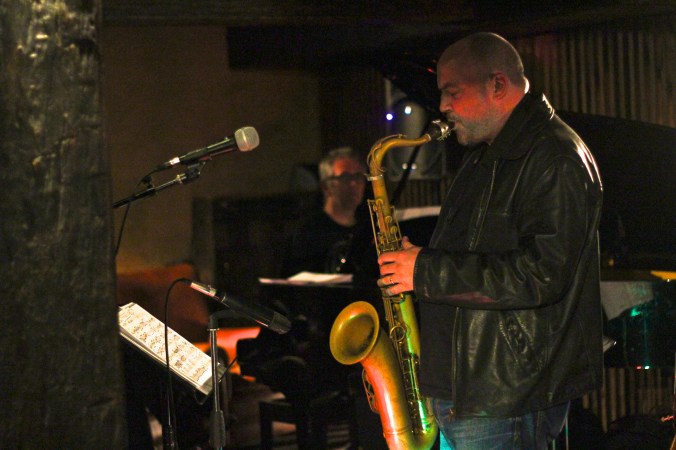
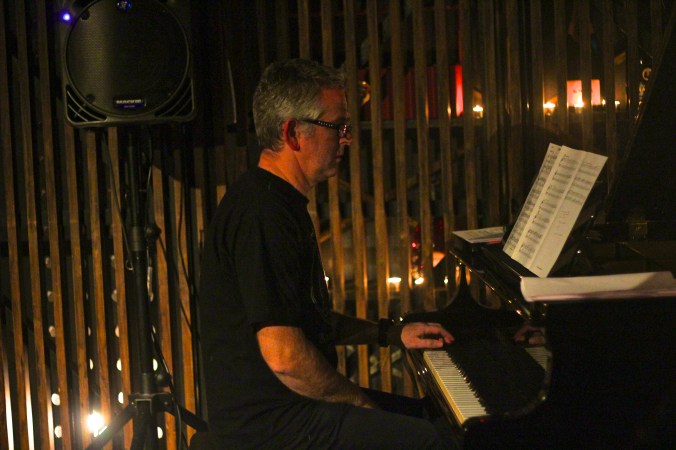
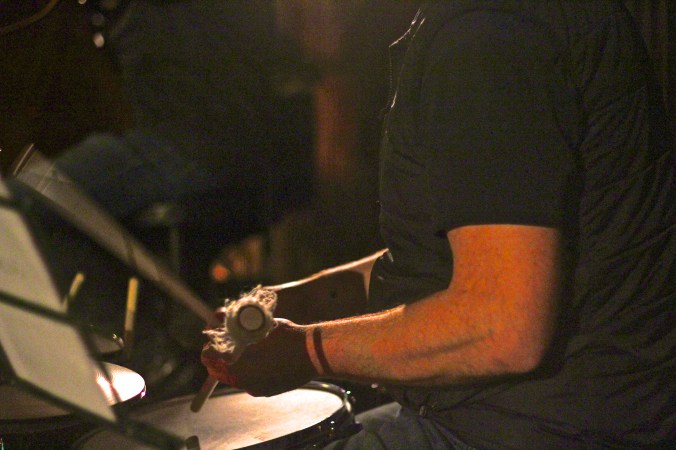
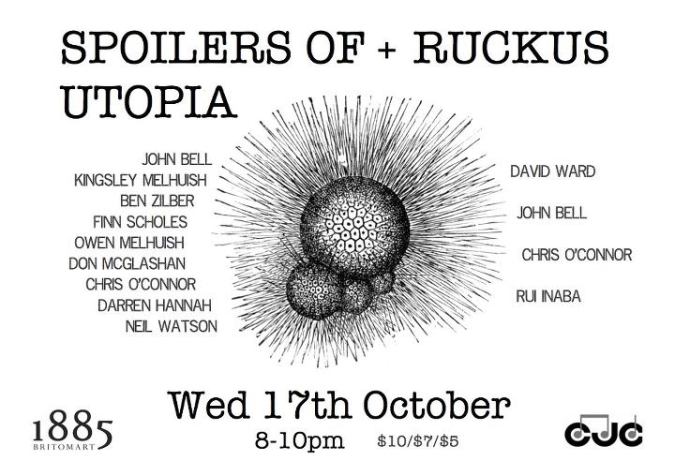
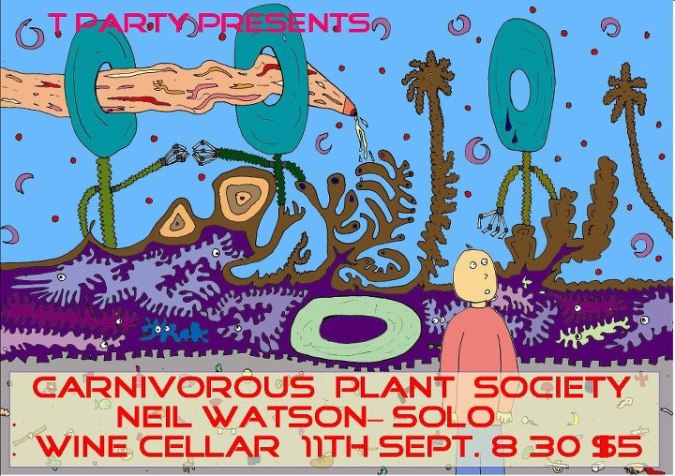
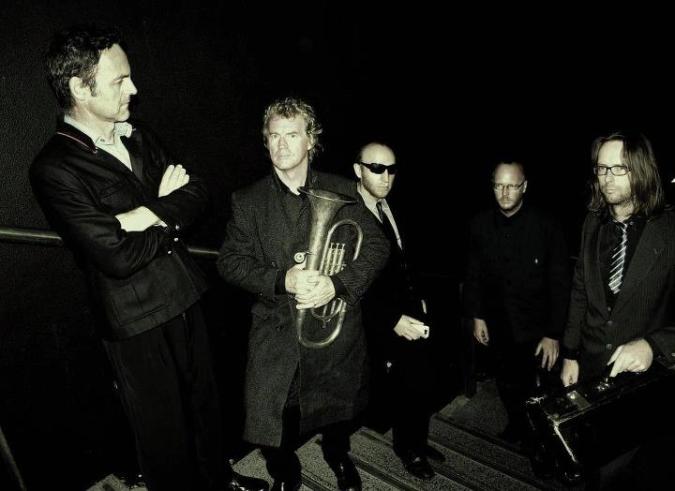
 JazzLocal32.com