I can’t remember when I first became conscious of Polish Jazz, but after Tomasz Stanko, Poland was forever on my listening radar. After that, I would listen to Polish improvisers whenever I came across them, Wasilewski, Komeda etc, and all the more so when I discovered later in life that I was a quarter Polish. In light of the above, I was naturally interested when I came across an Auckland-based, Polish-born pianist Michal Martyniuk. He was standing in for Kevin Field at a Nathan Haines gig – around the time of “The Poets Embrace’ release. Since then I have seen him with various iterations of Haines’ bands but until last week, never at a gig where he was the leader. It is an oft-debated topic, but I sometimes hear references to time and place in original music. After hearing Martyniuk I could identify his northern European influences. When I asked the pianist about the artists he most admires, he quickly identified Lyle Mays and Pat Metheny (also Weather Report plus Miles and Herbie). The Metheny/Mays reference is definitely evident but sifted through a Eurocentric filter. Mays, although influenced by Evans never sounded like a typical American pianist. Martyniuk’s compositions and performance contain all of the hallmarks of modern Euro jazz, a sound I hear in the Alboran Trio, Wasilewski and younger pianists like Michal Tokaj. A warmer sound than the Scandinavian pianists but as light filled and airy. There is a beauty to Martyiuk’s playing, a stylistic identity. For such a young pianist to have located this special sound is impressive.Something that many post-millennial Jazz musicians avoid, is evoking a sense of beauty. I can understand that because it must be done well or not at all. It is the territory of balladeers like Ben Webster and the territory of artists like Metheny. This was done well. The compositions were cleverly constructed around developing themes and with nothing was rushed, allowing melodic inventions to manifest. The tunes were also cleverly modulated, subtly amping up the tension to good effect at key points. Like Bennie Lackner, he used electronic keyboards to enhance or emphasize a phrase, but very sparingly.Again we see a musician deploying a top rated rhythm section to good advantage. With McArthur and Samsom behind him, he again showed wisdom. He worked with them and they gave him plenty in return. Although we often see this particular bass player and drummer in diverse situations, they appeared very comfortable here. The overall effect was that of interplay and cohesion.
Martyniuk is often asked to play in Haines bands and he returned the favour here. Haines joined the trio for four numbers. This was Haines in a reflective mood, in spite of his status, fitting in comfortably. His beautiful soprano tone a good fit for these compositions and his richer tenor likewise. Again the arrangements created a particular mood. After the unspeakable ugly horrors in the world at present, it was a relief to hear such a gorgeous performance. A night of music to heal our bruised souls.Martyniuk came to New Zealand around ten years ago and he attended the Auckland School of Music. Along with producer Nick Williams, he is soon to release a Jazz infused Soul album which will feature internationally renowned artists like Kevin Mark Trail, Nathan Haines, Miguel Fuentes and others. Judging by the huge audience at this gig his future looks very rosy indeed. The Jazz club turned away dozens of attendees in the end. A good problem to have.
Michal Martyniuk Trio (+ Nathan Haines). Michal Martyniuk (compositions, piano, keys), Cameron McArthur (bass), Ron Samsom (drums). The CJC (Creative Jazz Club), Albion Hotel basement, 13th July 2016.
The Joni Mitchell/ Charles Mingus project is always ripe for reevaluation and I’m glad that Caro Manins was the one to explore it again. The connection between Joni and Jazz experimentalism runs deep. Rolling Stone Magazine figured it out early on, describing her as a ‘Jazz savvy experimentalist’. While the connection is obvious in her 1979 ‘Mingus’ album the move toward a freer music and towards harmonic and rhythmic complexity began earlier in the mid 70’s. Initially coming up through the American folk tradition, she gradually embraced a different style. She would later say, “Anyone could have written my earlier music, but Hejira (and later albums) could only have come from me”. From the 70’s on, she utilised her own guitar tunings and often incorporated pedal point, chromaticism, and modality in her compositions. If you look at her later musical collaborations, names like Jaco Pastorius, Herbie Hancock, and Wayne Shorter stand out.To her amazement at the time, a dying Charles Mingus asked Joni to call by. He told her that he had written a number of songs for her. Mingus passed before the completion of her project, but he heard all of the tunes except ‘God must be a Bogey Man’. Her ‘Mingus’ album followed soon after. “It was as if I had been standing by a river – one toe in the water. Charles came along and pushed me in – sink or swim”.
Taking on a project like this is more daunting than it may appear to the casual observer. Understanding that, Caro Manins got busy writing new charts. This is not the sort of gig that you just throw together; this is not a covers band. Joni tunes don’t always behave in expected ways, there is a high degree of abstraction, layers of subtlety, places where the tunes change direction under their own impetus. Doing the Mingus album justice is not for the faint-hearted. The listener tends to associate Joni Mitchel with her biting lyrics and adamantine melodic clarity. In reality, although accessible, her tunes pivot on clever musical devices. The end result here was well worth the effort. A genuine commitment to the project made this happen, imbuing it with the integrity it deserved.The project deserved a good lineup and it got one. Caro Manins, Roger Manins, Jonathan Crayford, Cameron McArthur and Ron Samsom. Crayford was especially interesting on this gig. His abstract explorative adventuring replaced by rich traditional voicings – his solos a history lesson; from locked hands chord-work to impressionistic delicacy. All of the musicians were respectful of Joni’s body of work and they understood that the best way to honour her legacy was by interpreting her work honestly and imaginatively. Not every tune came from Joni’s ‘Mingus’ album but all followed the Joni/Mingus/Jazz theme.The gig was very well attended (no surprise there) and the audience enthusiastic. This was a CJC (Creative Jazz Club) event and it took place at the Albion Hotel on 29th June 2016. Caro Manins (leader, arranger, vocals), Jonathan Crayford (piano), Roger Manins (tenor saxophone), Cameron McArthur (Bass), Ron Samsom (drums, percussion).
Auckland spoils us with long runs of clement weather, but when winter hits we suffer. Having effectively avoided any meaningful autumn we suddenly plunged into a week of cold wet days. There was no better time for the Michel Benebig/Carl Lockett band to arrive. As we grooved to the music, a warmth flooded our bodies within minutes. Nothing invokes warmth like a well oiled B3 groove unit and the Benebig/Locket band is as good as it gets. The icing on the cake was seeing Shem with them. A singer with incredible modulation skills and perfect pitch, able to convey the nuances of emotion with a casual glance or a single note. The way she moves from the upper register to the midrange, silken.Michel Benebig has been travelling to New Zealand for years, and his connection with the principals of the UoA Jazz school has been a boon for us. He generally brings his partner Shem with him, but last time work commitments in her native New Caledonia kept her at home. Michel just gets better and better and the way his pedal work and hands create contrasts and tension defies belief. It is therefore not surprising that Michel attracts top rated guitarists or saxophonists to his bands. The best of our local groove guitarists have often featured and a growing number of stand-out American artists (see earlier posts on this band). Of these, the New York guitarist Carl Locket is of particular note. I first heard Lockett in San Francisco four years ago and he mesmerised me with his deep bluesy lines and time feel. Although comfortable in a number of genres, he is the ideal choice for an organ/guitar groove unit.The band played material from their recent album (mostly Benebig’s compositions) and a few standards. There were also compositions by Shem Benebig. Their approach to arranging standards is appealing – numbers like Johnny Mandel’s ‘Suicide is Painless’ are transformed into groove excellence. We heard that number performed at the band’s last visit and the audience loved to hear it repeated. This visit, we heard a terrific interpretation of ‘Angel Eyes’ (Matt Dennis). I confess that this is one of my favourite standards (Ella regarded it as her favourite ballad). Anita O’day performed it beautifully as did Frank Sinatra and Nat Cole. The only groove version I can recall is the relatively unknown Gene Ammons cut (a bonus number added in later years to his ‘Boss Tenor’ album with organist Johnny ‘Hammond’ Smith). That version took the tune at a very slow pace, so slow in fact that you initially wondered if Ammons had nodded off before he came in. It was wonderful for all that (who can resist Ammons).The band began the tune at a slow pace (but not as slow as Ammons), then once through, picking up the tempo, the band settling into a deeper groove, drummer Samsom and the guitarist really locking together, giving the Benebig’s room to create magic. That locked-in beat is often at the heart of an organ-guitar unit and when done well it adds bottom to the sound. Locket’s style of comping is the key to that effect, the entry point for the drummer, the way the guitarist lays back on the beat and comps in a particular way. Samsom heard and responded as I knew he would. He is a groove merchant at heart. On tenor saxophone, Roger Manins was on home turf. Dreamily caressing the melody before his solo.
On an earlier blues number, we saw Manins at his playful best. He is always up for a challenge and this time, it came from Shem Benebig. This blues (sung in French) was about the demon drink and the dangers lying therein. As Shem ran through the tune she gestured accusatively, as if berating the audience. She had transformed herself into a firebrand preacher and her playfulness went down a treat. Tunes like this contain the DNA of their ancient beginnings and the Sanctified Church, ‘call and response’ at their very heart. Having berated the audience she turned on Manins as they exchanged phrases in a time-honoured way. The musical conversation went on for a number of bars until Shem delivered the coup-de-grace. Manins came back whisper-soft in mock submission. Shem, hands on hips flicked her hair triumphantly – a delightful moment of ad-lib musical theatre. I have put up this blues clip – more clips to follow later.
And all the while that fabulous B3 grooved us to a place we never wanted to leave.
Michel Benebig (B3 organ), Carl Lockett (guitar), Shem Benebig (vocals), Roger Manins (tenor saxophone), Ron Samsom (drums). CJC (Creative Jazz Club, Albion Hotel, May 25th 2016.
These events focus on emerging Improvising artists and allow them to gain wider exposure in front of a discriminating audience. They generally occur around three or four times a year. Some of those featured in the Emerging Artists Series are recent graduates, others are still pursuing their studies. In this case, we had two horn players from out of town; Christchurch and Wellington respectively. Their horns were different, and their approaches to the sets different, but both approached the gig with the confidence of seasoned performers. Such confidence translates well on the bandstand and it informs an audience that the musician means business. Artists often remark that playing in a small Jazz club like the CJC is a unique experience. It’s not like a noisy bar, where people often ignore you, and it’s more intimate than a concert hall where an audience gives limited feedback. Club audiences listen intensely, they react boisterously at the end of a good solo and they call in encouragement when a phrase resonates. Mostly they listen in silence and but they listen actively.Jimmy Rainey, a tenor player from Christchurch played the first set. He is a graduate of the Jazz School in Christchurch, now furthering his Jazz studies at the Auckland University Jazz School. In Christchurch, he’s involved with a number of groups such as the Symposium Jazz Orchestra (many will recall that orchestra on Glen Wagstaff’s album), and the earthy ‘Treme’ styled Justice Brass Band. On Wednesday, he had a premier Auckland Rhythm Section at his disposal, Kevin Field, Cameron McArthur and Ron Samsom. Most of the compositions were Rainey’s and they showed a developing maturity. His sound was interesting, especially on the down-tempo numbers, having that downtown late-night feel. He is in Auckland for a while and I am certain that we see more of him. His father is well-known on the scene but he is earning his own place in the light. With a Jazz-famous name like Rainey, he has a head start.Bryn van Vliet has visited the club before as part of the boisterous Wellington Mingus Ensemble. In that context, I have seen him play in Auckland and Wellington, but never as a leader. He is also a member of the Roger Fox Big Band and a graduate from the Wellington Jazz School. While van Vliet often doubles on tenor, he played alto for this gig. What immediately caught my attention was his clean tone. A compelling tonal quality that quickly drew you in. His playing has cut-through in ways that Paul Desmond’s did, but for all that it was a modern sound. Vliet is originally from the far North but his Wellington credentials will no doubt anchor him there. Like Rainey, he brought many of his own compositions to the bandstand and the same rhythm section backed both players. For the last number, a standard, they were on the bandstand together.
Emerging Artists Series: Jimmy Rainey (tenor) and Bryn van Vliet (alto). Rhythm section: Kevin Field (piano), Cameron McArthur (bass), Ron Samson (drums) @ CJC Creative Jazz Club 16th March 2016
I was out of the country when Anita Schwabe performed at the CJC two years earlier. While I had seen her perform at the Bruce Mason Centre with the Rodger Fox Orchestra, I wanted to hear her in a more intimate setting. Her live (and recorded) performance on ‘Journey Home’ was impressive and as I recall a jet lagged Alan Broadbent watched her segments from the wings during the Auckland concert. As good as that concert and a later concert were, hearing an artist in close proximity is always a different experience. Schwabe didn’t disappoint. The first thing you observe when you meet her is her understated manner. Like many New Zealand improvising musicians she is self-effacing to the point of being dismissive of her own abilities. This contrasts strongly with the engaging confidence of her playing. From the first few bars you become aware that there is something special going on.
There is something of Broadbent in her ballad playing, perhaps even a hint of Evans, but she has a sound of her own. She initially evokes a sense of the familiar, but then you hear something deeper; a subtle richness underpinning her voicings. A lushness implied but not overtly stated and this quality lingers in memory long after the notes are played – above all she swings like crazy. Perhaps it was having Roger Manins, Ben McNicoll, Ron Samsom and Cameron McArthur in her band that created this particular rub. What ever it was they quickly gelled and played off each other like a band that had been together for years.Schwabe’s first number referenced the under-acknowledged and recently departed pianist Clare Fischer. “I like his unusual voicings”, she said before she played through her composition,’Fisching for Compliments’. The tune was intensely melodic, filled with clever references and a fitting tribute. Although a more reflective number (and her first of the night) we saw what she could do. The tune drew us in with a spacious intro and then imperceptibly we felt the swing. Block chords suddenly dissolving, close voicings appearing, disappearing; right hand running off the back of a phrase, subtly playing with time and rubbing against the chords in the left hand. This interaction between right and left hands created subtle and pleasing tension and we were to hear that often throughout the evening. That first number gave us a foretaste of what was consistently enjoyable music throughout the sets.
There were various ensemble configurations; trio, quartet and quintet. The bigger lineups with Manins and McNicoll were absolute cookers and the pair excelled themselves. An end of year holiday spirit had obviously descended upon them; the musicians interacting in a summery sweet spot. ‘The You Tube clip is ‘Fisching For Compliments’ (trio).The second number was a bossa, ‘No Winter Lasts Forever‘ and for that number she induced Manins (who is famously averse to putting aside his tenor), to play alto. There were whoops of delight and a lot of teasing, but Manins is killing on any of his horns. This was Manins at his formidable best. The saxophone deities of Conn and Selmer sensing the importance of the moment reacted and as he raised his alto, a halo of light formed directly above his head. This was clearly a sign of the gods pleasure. I have put the ‘alto’ bossa number up as the second sound clip. The last number of the evening titled ‘Anger Management’ burned with intensity (the first sound clip). This hard swinging Tyner-esk cooker had everyone on their feet. For Jazz lovers, burners like this are Christmas and New Year rolled into one and they fill us with endless joy.It was great to hear McNicoll and Manins together – both playing their asses off and McNicoll sounding great on soprano. They obviously enjoyed playing together and we were the beneficiaries. Their different horns and their different approaches to soloing entirely complimentary. With McArthur, Samsom and Schwabe you had a formidable rhythm section. McArthur kept a wonderful pulse and Samsom was right in the zone, ever urging them to go one step further. This band floods the body with endorphins – they are a trip. A musician in the audience behind me said – “man that’s some rhythm section – some horn section – yeah thats how its done alright”.
Anita Schwabe: (leader, piano, compositions), Roger Manins (tenor, alto), Ben McNicoll (soprano, tenor), Cameron McArthur (bass), Ron Samsom (drums). performing at the CJC (Creative Jazz Club), Britomart, Auckland 16th December 2015
I made up my mind days before the Mexico City Blues gig that I would not, could not review it. It is some kind of crazy to review a gig where you’re in the band. Logic and custom sensibly warns you to walk swiftly in the opposite direction. The gig passed and I asked others if they would do the review; “You’re wrong man” they said, “You absolutely have to do it, but do it differently – tell a story about what it felt like performing for the first time, and what it felt like as a non musician being part of a high quality improvising band”. I thought about it for a while and gave in. In truth I had a world of stuff churning about in my brain and the subconscious urge to outline the experience was gnawing at me; my thoughts and impressions always seem to spill onto the page somehow (or into a poem) – so hell why not. It’s Gonzo journalism in its purest form; outlining crazy, using ones-self as the hapless protagonist.
Just over a week ago I got an email from Stephen Small. His email cut right to the chase; Would I consider performing Jack Kerouac’s poetry as part of his next gig. The invitation delighted me although I have a writers/photographers reticence about crawling out from behind the pen or the lens. Having read Kerouac from age fourteen I couldn’t resist. Those poems and that crazy-wonderful Beat vibe shaped my life and I needed to acknowledge that. I was certain that he wanted no more than one, or possibly two short verses; still daunting. I emailed Stephen asking how long we had to get this together. We’re up next Wednesday he replied, we will rehearse a few hours before the gig. Moments after agreeing a sense of terror overcame me; troublesome questions and self-doubt tumbled out the ether. Shit how do we do this, what will my voice sound like? Having never performed poems in front of an audience AND to music, I experienced brief bouts of wide-eyed terror over the next day. I confided my fears to a few knowledgeable friends, Chris Melville and poet Iain Sharp. Both were very sensible and reassuring in their advice; “Just own who you are man, own your voice. You know this stuff backwards and you know the music”, they said. When I explained the hazards of fitting existing verse to music, drummer Ron Samson told me, “Don’t worry man, we will follow you – your safe with us”. I discussed it further with Stephen and he gave me a set list. From that list I chose three poems that roughly matched the rhythms of tunes. For ‘Goodbye Pork Pie Hat’ (Mingus) I chose Kerouac’s chorus 66 from ‘Orizaba 210 Blues’, for ‘Blue in Green’ (Evans/Davis) I selected the beautiful mystical 1st chorus of ‘Desolation Blues’. I was sure that two poems would be more than enough, but as a precaution I prepared a third as back up – verse 116 of ‘Mexico City Blues’ to Horace Silvers ‘Peace’.
On the day of the gig crazy set in. It started with a series of small mishaps like an email and printer crash. I immediately recognised the portents. The Sirens of the unknown were calling me into uncharted waters. Luckily I had my three poems ready – printed off in large type (as befitting a person of my age). At the last-minute, as if by divine providence, I threw a paperback of Kerouac’s ‘Book of Blues’ poems into my bag and headed for rehearsal. What happened next was pure Zen. Jazz gig rehearsals tend to follow a formula, but viewing this process from the outside and being part of it are two very different things. From the inside your inbuilt detached observer gets fired from the cannon of weirdness. You realise just how random Jazz rehearsals are. They begin what becomes a slow descent into the controlled accident. The first hour of any rehearsal is a ‘hang’, insider jokes, war stories and talk of gear and gizmos. Then a sudden flurry of activity follows; disembodied items of musical machinery miraculously forming into new shapes. If the rehearsals are in a Jazz club the activity takes place in semi darkness. Instruments, microphones and amplifiers joined by a spaghetti of wires as the musicians stumble over precarious piles of instrument cases and zip bags. “Oh shit this channel is dead – (from out of the darkness) – don’t worry its the cable – have another in my car – its parked a few streets away. Can we route the cable through the Hadron-Collider? – clip click – sorry false alarm”.
Then the actual rehearsal begins; The rehearsal proper being tiny fragments of music accompanied by impossibly cryptic instructions in a language that sounds like computer machine code. “Twice through the head – I’ll lay out – transition to this key at 32 – we’ll play Kathy’s Waltz in 4/4 as 3/4 is way to corny”. None of this is reassuring to a first timer, but the band leader (Stephen) managed to communicate profound information subliminally. Above all and surprisingly, I learned that he had absolute confidence in me. This gifted me a deeper understanding of the leaders role. Zen Master. The communications were less about detail than vision, their main purpose to bind the collective and set them on a path to the promised land; a guiding hand in a deeply mystical process. On the band stand the subtlest of gestures hold the collective together. A glance is a cue or a change of plan – a call to ‘Jump now’ – everyone trusted to do the business – me included. I know poetry and especially Kerouac’s poetry – it was my job in the collective to sell that. Then came the truly random bit. “We can cue you in on each piece, or just dive in where ever you think best – we can follow”. The words ‘each piece’ threw me a curve ball. “I have only three poems printed off” I added lamely (or four if you counted a crumpled excerpt from ‘Desolation Angels’ tucked into the back of the folder). “No matter – just say anything – you’re a poet – it will be fine” said Stephen. Then I remembered the paperback of Kerouac’s ‘Book of Blues’ in my bag. “Great” said Stephen, “just pick the poems randomly – do it at the last-minute while we run through the head of each tune – perfect”. This was a band leader channeling the Zen Master – a role quite appropriate to a 1959 referencing gig – throwing me a Koan, an improbable musical puzzle, no escape route possible. When we got to the tune ‘Peace’ I gained confidence, “Ah I have something for this – yeah – Horace Silver”. At this point Stephen casually informed me that they were actually doing Ornette Coleman’s ‘Peace”, another tune entirely. Ornette, ORNETTE – holy crap – panic. Next the gig
I was tentative during my first seconds of delivery and that was entirely due to where my awareness was. I mistakenly looked out to see how it was coming across; people were giving me the thumbs up and the band sounded perfect. After that I just relaxed. Stephen’s final instructions were as brief as they were powerful. He leaned across and said to me; “There is only one thing to remember tonight and that’s to have fun”. Minutes into the gig the advice sank in and I did. As I relaxed the strangest thing happened. It was a quasi-mystical sort of thing and I can only explain it in those terms. All sense of self and separation vanished as I felt a golden thread of sound and colour run through me. I recall glancing about me and feeling totally at one with the band. These are exceptional musicians and I suspect that they were doing all the heavy lifting. They treated the poetry with respect and they treated me as an equal. As a non-musician I will never forget that. I was suddenly experiencing the music as an insider, a privileged viewpoint that few non musicians ever get to experience. I leaned across to Hadyn Godfrey (on trombone) and said, “Holy crap is it always this much fun, I’m totally tripping on this?”. As I read I started playing with the phrasing and found that as I moved, the band moved with me. Even more amazingly we managed to converse musically. Me clumsy and them eloquent, but it felt so fine, so damn fine. I have never previously experienced such power – the engine of a musical collective. I am a careful listener and I know this music backwards, but from the inside everything looks different. There is nowhere to hide but everything to gain; that’s what makes it so exciting.
The gig was about placing the famous Jazz standards of 1959 into a wider context. We all love these tunes, but few grasp the wider sociopolitical forces at work behind the times. These musicians were part of a vital modernist movement; A reaction against the suburban atrophy of racially segregated urban America. Miles, Colman, Coltrane, Brubeck, Mingus, Kerouac and the Beats were counter-culture warriors, bent on ushering in a better world. A place were fresh ideas, the arts and people mattered. I will not critique my performance, that is for others. What I will do however is comment on the extraordinary Stephen Small Group – the ‘Mexico City Blues’ musicians. Stephen Small is a man of broad musical tastes, real vision and very open ears. He empowered a wonderful band and under his skilful and subtle coaxing they gave it their best. His piano never gets in the way of others, but it adds amazing texture and substance to the performances. It is deeply in the blues tradition and lovely. Instinctively he knew who to hire and what to expect of them.
Olivier Holland brought his electric bass as well as his upright bass. I hadn’t previously heard Oli on electric bass, but he is simply killing. Ron is always marvellous and as a musician said to me, “With those beats pushing at your back and pulsating through your body anything seems possible”. Neil Watson on guitar and pedal steel is another talented musician; his feel for the blues is exceptional. He also has a happy grasp of the absurd and this is an essential prerequisite for any good improvising musician. Lastly there is Hadyn Godfrey, an experienced talented trombonist who effectively added electronics to his horn for this gig. The use of pedals, a small Moog and various forms of extended technique gave the gig an other-worldly dimension. 1959 never sounded so good.
I may never get to do this again but I will not forget this night. Stephen Small did what good leaders do. He made us all believe that the improbable could become magic. He took an idea from the margins and helped us realise it in a fresh way. Jazz at its best is a controlled accident, a high wire act, an intrepid exploration. For one truly wonderful night I was a small part of that.
Stephen Small Group: Mexico City Blues – Stephen Small (leader, piano, keys), Neil Watson (fender guitar, pedal steel guitar, electronics), Hadyn Godfrey (trombone, electronics), Olivier Holland (electric bass, upright bass), Ron Samsom (drums), John Fenton (Kerouac poems)
Special acknowledgement to Chris Melville for the photographs
Michel Benebig visits New Zealand once a year and we anticipate his visits with Joy. His authentic B3 groove journey didn’t start in East Philly, but in tropical Noumea; a South Pacific Island north of here. After honing his craft he travelled widely and in consequence his star steadily rises. The more North American audiences hear him, the more they embrace him. He is now regarded as a B3 master. The B3 greats who inspired him are all but departed and he deservedly steps into their shoes. His travels in the USA have brought him into frequent contact with a number of well-known musicians. As good musicianship and a pleasant disposition are the highest recommendations possible, the musicians he worked with recommended him to others. That is how he teamed up with Carl Lockett.
I was in San Francisco in 2012 and as I had been tracking Benebig’s latest tour, I saw that he was gigging in the Bay Area. I said to my son, “Kid you need of piece of this, it will gladden your heart”. It did and I will always remember the smile on his face as the sound of the B3 floated up the stairs from the Academy Francaise auditorium. That was the first time I saw Benebig and Lockett together. I was over-whelmed by the warmth and groove they created. Around that time Michele recorded ‘Yellow Purple’ in California with Carl Lockett on guitar, James Levi on drums and his partner Fabienne Shem Benebig on vocals. Released in 2013 and the album brought him many new fans. The new album ‘Noumea to New York’ is his finest to date (and true to label, recorded in New York). Again Lockett features on guitar, Lewis Nash lays down the drum grooves and special guest Houston Person appears on tenor saxophone. What a marvellous line up this is and what an album they turned out. This album alone will secure Benebig a place in the pantheon. It has modern B3 classic written all over it. All compositions are by Benebig, with one tune co-credited with his partner Shem. There are so many treasures on this album that it is hard to single out one particular tune, but if pressed I would say ‘Noumea To New York’. A medium paced groove track with enough warmth to melt the ice in your drink. The flawless interplay between Benebig, Nash and Lockett is in strong evidence here. With Nash creating a solid cushion of groove, it is no wonder that Benebig and Locket sound so marvellous. The tour down under was minus Nash and Person; Locals filled those gaps. In Auckland we had Roger Manins on tenor and Ron Samsom on drums. This was also a perfect fit, as both had accompanied Benebig previously. The set list in Auckland was partly material from the album and partly marvellously quirky tunes from classic TV shows. How often do you hear the theme from ‘The Pink Panther’ or the theme from ‘The Naked City’ played by a groove unit? More common in Jazz circles is the Johnny Mandel standard ‘Suicide is Painless’ from Mash. When people think of that last number they think Evans and seldom the B3. To show what skilled groove merchants can do with such material I have uploaded a clip. While Benebig is very much in command here his groove collaborators preached just as hard from their respective pulpits. Lockett in particular was astonishing. Gasps of delight erupted as he utilised his finger picking blues-guitar credentials. Moving seamlessly from lightning quick double-time to a steamy groove; often leaning slightly back on the beat. His comping was equally delightful as he does what Pat Martino does. There is either a slight vibrato or he pulls gently down on the strings with each comping-chord; creating simultaneously a warm but slightly mournful effect. Whether on fast single-note runs or octave chords, its hard not to think of Wes Montgomery. His extensive use of thumb and fingers and his fluidity evokes that comparison. Manins was clearly in his element here. Happy among friends and happy to find himself back in the groove space. The same went for Samsom. Both are highly regarded straight ahead Jazz musicians but both have released great groove albums in the previous year. Their joyous abandon added to the quantum of happiness; every note making us smile.
In the end it was the leader Michel Benebig who stole the show. He set the tone with his groove-worthy compositions and his utterly authoritative old-school B3 style. He is a monster of the organ and a real showman. What also impressed was his ability to manage the Hammond SK2; reputedly a little tricky if you play the real beast. If the lack of pedals and the different touch troubled him, it certainly didn’t show. A B3 master can tame any beast and do it convincingly. It sounded perfect from where we sat.
Michel Benebig Quartet Album: Michel Benebig (B3), Carl Lockett (guitar), Lewis Nash (drums), guest – Houston Person (tenor saxophone). (New Zealand tour – Roger Manins replaces Houston Person – Ron Samsom replaces Lewis Nash)
Ron Samsom’s Neutrino Funk Experience ‘Ace Tone’ album has so much up front punch that that a warning is needed on the label. It is an album that grabs you by the lapels and demands your attention. As you listen it transports you to a world of joy. The album and the live band exudes a vitality that enters through your pores, pulsing through your body like the wild blood of extreme youth. Try as you may, it is impossible to keep still as the rhythms consume you limb by limb. While the album brings historic musical references to mind, it is very much of the present. This is Jazz Funk at its very best.There is cleverness aplenty in the album, but that’s not what it’s about. The pulse, punch and danceability are the draw cards. The tunes let each listener glean their own references. During the album launch someone said, “Oh wow that takes me back to Deep Purple”, while others talked of the Jazz funk gurus like Herbie Hancock, Eddie Henderson and Jimmy McGriff. What ever references people heard, one thing is for certain. This band updates 70’s Jazz Funk as few other albums do. A lifelong fan of the classic genre observed, “few classic 70’s funk albums actually sound as good as this”.
There is a hackneyed saying that states; good Rock music is simple music made to sound complex and good Jazz is complex music made to sound simple. That brings me to Samsom’s compositions. Samsom joked that the tunes were so simple, that anyone who couldn’t learn them in minutes was wrong for the band. While the heads are often simple, the weave of the music is not. These tunes are skilful constructs and the subtle shifts and turns are deeply nuanced. The writing allows for open-ended improvisation and soloing, while never letting the over-arching themes subside (e.g. the single bass note and organ chord dominating ‘Simple Facts’ or the catchy closed loop melody line played on bass in ‘Other Brother’). Driving everything like a powerful locomotive is that amazing back beat. There is no mistaking the leader. Samsom is authoritive.Material like this needs highly skilled and experienced musicians in order to extract the maximum advantage and that is exactly what Samsom got. This is an alignment of talent that works so well that they must surely build on their success. The Neutrino Funk Experience formed in 2014 and started doing regular gigs at Auckland’s Albion in the central City. The word soon got around and one by one we drifted down to see them. The band stood-out from the first day and the disbelieving expletives from experienced musicians confirmed what our gut told us. These guys were total ‘muthas’.Roger Manins always sounds great but he has excelled himself here. This brand of earthy down-home funk is a natural place for him and his own funk albums reinforce that view. Manins just tears the place up on these sessions and it would be hard to find his equal. There are times when he apparently defies gravity, rising to his toes and abandoning self to move inside the music. These are moments of pure Zen and I watch for them now. Man and instrument becoming one and out of the bell streams a cornucopia of sound, distilled from the human experience. From the otherworldly wails to the gentlest urgings you recognise Manins uniqueness. Organist Winterburn said of him, “Working with Roger is perfect for me. He’s such a rhythmic saxophonist”. Coltrane, old school funk, ballads and modern edge; it’s all there in the sound.
Grant Winterurn is another extraordinary talent and a fully formed musician. He can talk engagingly on anything musical; complex theory, Bill Evans, Kieth Jarrett, Rick Wakeman, Brother Jack McDuff or Schoenberg. Securing him for this unit was a masterstroke. He is a busy working musician and consequently we don’t see enough of him on the scene. When he does appear an audience follows; he has admirers everywhere. He is not only the consummate organist, pianist and keys player but a great showman. When a C3 or B3 player sits at the keyboards lumpen it feels plain wrong. There is no chance of levelling this criticism at Winterburn. He is delightful to watch and to listen to. Few keyboardists are better able to co-ordinate limbs, groove and flourish like him. Like all improvisers he creates maps of sound in his head and the logic of his solos draws on his wide musical knowledge.On the album we have Cameron McArthur on upright bass. Even before leaving the UoA Jazz school Cameron was punching well above his weight. I would describe him as an instinctive player. Knowing where to place his lines and always strongly supportive of other band members. He quickly became a fixture in quality rhythm sections and visiting artists praised him. After a trip to New York to check out the scenic he picked up some work in cruise ship bands. By happy coincidence they had cut the album prior to him leaving. So punchy are his bass lines on ‘Ace Tones’, that you think he is playing an electric bass. In his absence Samsom hired Karika Junior Turua for the launch gig. Again this was a good choice. This time we did hear an electric bass and as Turua has experience with Jazz funk, the transition from upright to electric bass was seamless.Lastly there’s the album art work and the recording credits. Who ever created the cover design and layout must feel pleased; they did an amazing job. The presentation tells the ‘Ace Tone’ story perfectly. My friend Iain Sharp and I were involved in the project as liner notes providers. As requested we contributed poems. It is rare (but not unheard of) for an album to use poems instead of the standard liner note blurb. I really hope that this trend continues for selfish reasons. Contributing something to an album like this is pure pleasure. The recording and mixing took place at ‘Roundhead Studios’ in Auckland and the mastering at ‘Turtle Tone Studios’ in New York. The album is out on Rattle Jazz where the best of original New Zealand music lives.
Having documented the band from their first gig, I have long felt a stake in this project. The finished album is surely not where this story ends; music of this quality deserves a sequel. Ron Samsom is an intuitive multi-faceted drummer and gifted composer. He is program coordinator at the UoA Jazz school. (if you haven’t already done so check out his and Manins contributions on the award-winning DOG album).
The Neutrino Funk Experience: Ron Samsom (leader, compositions, drums), Grant Winterburn (Hammond organ, Nord Stage, Wurlitzer electric piano, acoustic piano), Roger Manins (tenor saxophone), Cameron McArthur (acoustic bass) – live Karika Junior Turua (electric bass).
Doug Lawrence is every bit the archetypal southern tenor man, from the top of his tall frame to the bell of his brightly shining tenor. His sound is fat and down-home-cooking rich, whether playing softly or at volume. He has more cut through than a diamond headed drill-bit. Lawrence has such considerable credentials that it is beyond my reach to enumerate them all here (google him).
He arrived in New Zealand several weeks ago as lead tenor player for the Basie Band. It was a sellout concert in the Civic and we marvelled at the tightness and punch of their sound. Eighty years on the road will do that. Kansas City swing is a wonder of the universe and seeing Lawrence solo in front of that famous orchestra told us that we were in for another treat. Unbelievably our CJC Jazz club had booked him to appear in a few days. At first we wondered how this came about, but we were soon to learn of a long-standing connection between him and the CJC’s Roger Manins. A wonderful Jazz back story informed this gig and we were the lucky beneficiaries.Lawrence is tall and as he performs he stoops slightly, forming a classic old school playing pose. Slowing bending his knees inwards before stretching and lifting his horn to the ceiling. His speaking voice is rich like his playing, a southern Louisiana drawl adding to his considerable charm. The first number was ‘End of a love Affair (Redding) and the audience whooped in delight as the band took the changes at a good pace. The rhythm section propelled by the tidal waves of sound emanating from the tenor. It was that sound and the power of delivery that grabbed you from the get go. The intonation and phrasing revealing influences which although readily identifiable, transformed them into a new sound. This was pure alchemy. It was like having Gene Ammons and Dexter Gordon on the same band stand.It is during ballads that the skill of a musician is often tested. In this case we saw something close to perfection. It wasn’t just Lawrence, but his Kiwi pickup band as well. Spurred on by each other, they dug deeper and deeper. A night and a vibe that we will remember for years to come. There was an obvious rapport between pianist Kevin Field and Lawrence. I gather that he found Field’s harmonic approach interesting and perhaps this is an indication of our own development as we grow our standing. Lawrence’s intonation was the thing that grabbed you most and this made his solos particularly enjoyable. Long held notes ending in breathy flurries or else bending the note ever so slightly before delivering a short heart stopping burst of controlled vibrato. With Holland and Samsom also finding their sweet spot this was a dream band.
There were a few evergreen Basie numbers like the swinging ‘Shiny Stockings’ (Foster) and ‘Jumping by the Woodside’ (Basie) but the biggest surprise came later when Lawrence invited Roger Manins and Nathan Haines up to join him. Leaning into the microphone he announced ‘Impressions’ by John Coltrane. This was a change of pace devoured by club audience and band alike as they dove deeper and deeper into the crazy off the grid modal grooves. Its true what they say. Cats like this can do anything when the spirit moves them. The spirit was sure among us that night.Here is the back story: 17 years ago a younger Roger Manins hit the New York streets, where he learned to scuffle in the time-honoured way of Jazz musicians. Because he possessed the hunger to learn he approached many established horn players. One of these was Doug Lawrence and traces of that time are still evident in Manins sound. All of those years ago Manins subbed for him and here is a Face Book extract that Lawrence posted once he returned to the USA. “Roger has matured into a GREAT player and MAGNIFICENT teacher! All of his students have a SOUND and they are all inspired to play, because of Roger. The curriculum at the University of Auckland Jazz Department is second to none, and I am going to use it as my model when conducting masterclasses at other universities around the world. Roger and Ron Samsom and the rest of the faculty have got it right at the U of A and I’m going to suggest that each and every University I teach at check it out. Cheers ROG! You are doing it ALL right brother! I hope to see and play with you soon mate!” That says it all really.
The last phase of the evening is best described as Tenor Madness. At times three tenors played in unison, at other times Nathan Haines keening Soprano took up the challenge. When Manins and Haines (plus Haines father Kevin) took to the stage we found ourselves in 1940’s Kansas City. Witnessing the good-natured, but no holds barred tenor battles of old. At the end of the second set the audience nearly rioted. No-one wanted this night to end. Lawrence asked for another drink and picked up his saxophone again. “My plane for the States doesn’t leave for five hours, lets play on”, he said. And they did.
You can purchase Doug Lawrence’s ‘New Organ Trio album’ from iTunes, Cactus Records or from Amazon. Please show your appreciation for these amazing artists by purchasing their recordings.
Who: The Doug Lawrence Quartet – plus guests: Doug Lawrence (Tenor Saxophone, Kevin Field (piano), Olivier Holland (bass), Ron Samsom (drums) – Guests: Roger Manins (tenor saxophone), Nathan Haines (tenor saxophone, soprano saxophone), Kevin Haines (bass).
Nathan Haines is a master of the melodic and the model and he has a beautiful and distinctive sound on all his horns (and winds). He has a strong following around the world and it is no wonder when he turns on gigs like this. His following crosses genres, attracting younger and older audiences equally. He also cuts through media blind spots in a way that few other New Zealand improvising musicians do. It is good to have him on home soil for a while and good that he is focussing on fresh local projects. What he does is always exciting and this gig was no exception.The talented and hard-working, Haines always thinks through his projects. Hot on the heals of his successful award-winning Jazz albums ‘Poets Embrace’ and ‘Vermillion Skies’ he has again teamed up with arrangers Wayne Senior and Mike Booth. The decision to include more Jazz vocals is a welcome development. There’s a paucity of male jazz singers in the modern world and they’re a rarity in New Zealand. The set list was an interesting mix of Haines originals and a few Jazz standards seldom heard live. Like his recent Jazz projects, these tunes evoked and reinterpreted the classic era of the 50’s. Consequently they oozed cool. With Michal Martyniuk on piano, Kevin Haines on bass and Ron Samsom on drums he was already on solid ground. This is also where Haines excels. He is a bandleader who choses his musicians well. Martyniuk made his presence felt and soloed beautifully while never over playing. It was exactly what these charts required. Kevin Haines is a highly-respected, tasteful bass player with an impeccable CV. During the sets smiles and friendly banter flowed between father and son; further enhancing the mood. The highly experienced Samsom was on drums throughout. He is new to Haines lineups. His approach to the kit springs from a confident inner logic; more organic than Haines usual drummers. It was interesting to watch their interactions as they sparked off each other. Samsom giving Haines a different platform to work from.
The first few numbers were quartet only and the gorgeous and evocative ‘The Night Air’ opened the set. This is a lovely composition by Haines, with the warmth and vibe of a classic Impulse vinyl album (see clip). His tone is unique and especially evident when doing this material. It immediately took me back to hearing Pharoah Sanders for the first time. When Haines plays these modal pieces, there’s a spiritual joy that comes across. This is a strong suit for him and for those of us who love that era a balm.
As the set progressed the ensemble doubled to include a four piece horn section. There were distinct tonal and textural qualities to this ‘Little Big Band’; differing from his ‘Vermillion Skies’ horn section as that had French horns. The line up of trombone, tenor Saxophone, Alto saxophone and trumpet/flugal worked well. From ‘Vermillion Skies’ we heard J. J. Johnson’s ballad ‘lament’ and the vocal ‘Navarino Street’. Wayne Senior and Mike Booth had worked on the arrangements and few in New Zealand can match their arranging skills. Perhaps the greatest pleasure was hearing an arrangement of ‘Boplicity’ from the 1949 Miles Davis album ‘Birth of Cool’. Few bands tackle this and more’s the pity. The octet horn section were Mike Booth, Roger Manins, Callum Passells and Hayden Godfrey.
It’s always good to hear Haines singing and I think we will hear more of that in future. That said, as long as Haines puts a tenor saxophone to his lips he will draw audiences because his tenor playing infects us with joyousness. There’s a real warmth to his playing and if you have listened to Jazz for as long as I have, your memories will quickly conjure the days of Coltrane, Lateef or Sanders. On nights like this you feel the best of your yesteryear listening captured, then gifted back to you. As I filmed I noticed the famous artist Billy Apple sitting beside me. He leaned forward smiling and said, “This is wonderful, the vibe is just like a New York Jazz club of the 50’s or 60’s”. He is right.
Who: Nathan Haines Quartet & Octet – Nathan Haines (tenor, saxophone, vocals, compositions)- Michal Martyniuk (piano), Kevin Haines (bass), Ron Samsom (drums), Mike Booth (trumpet, flugel, arrangements), Roger Manins (tenor saxophone), Callum Passells (alto saxophone), Hayden Godfrey (trombone), – conductor arranger Wayne Senior.
Where:(CJC Creative Jazz Club), Britomart 1885, Auckland, 27th May 2015
Mark Isaacs is an important and highly respected Australian musician and it was a pleasure to see him in Auckland again. It was October 2013 when he last visited and since then he has been busy with the presentation of his symphony and a number of other noteworthy projects. He is a celebrated Jazz and classical musician and he continues to excel in both genres. Musicians like this are rare, as the two disciplines require very different approaches. When you talk to Isaacs you realise that he is passionate about both. He respects the art forms far too much to settle for anything less than his best. In either genre.
I once recall naively asking a visiting musician whether the ability to perform at the highest level on an array of difficult instruments was a unique skill. I have never forgotten the answer. “No it’s the outcome of hard work and an exponential increase in practice time. Every instrument you play is practiced equally and intensively’. I am certain that the same would apply to working across different genres. That said, I suspect that attitude and aptitude are still somewhere in the mix.
Nothing annoys musicians more than being told that what they do is the result of a gift. It implies that the results come easily to them. Having great chops is only the starting point, as there is more to a successful Jazz musician than technique. Deep level communications are necessary and for a performance to work well, everyone must connect. Musician to musician and musicians to audience. Having something original to say and saying it well is something Mark Isaacs understands. Those performing at this level bring something unique to the equation. Something of themselves. An essence drawn from experience and an intuitive understanding of how time works. No matter how good a pianist, bass player or drummer, a piano trio is still a collaboration. Isaacs must have been happy with Holland and Samsom. They are two of our best musicians.
Isaacs comes from an exceptional musical family with a lineage stretching back to the Stephane Grapelli band and probably beyond that. Knowing the depth of his classical and Jazz heritage gives an added perspective to his multifaceted career trajectory.
I missed the first few numbers and arrived at the CJC just as the trio were warming up. The first number I heard was Kenny Dorham’s ‘Blue Bossa’. A much-loved standard that has remained extremely popular. Good improvising musicians extract gold from compositions like this (and often without needing to deviate far from the traditional chart). This was a night of wonderful standards played to perfection. Hearing a superb pianist and a solid rhythm section performing in such an intimate space is something Jazz fans live for. Everyone there experienced the warm glow. A warmth that only nights like this can impart. I truly wish Isaacs lived a lot closer. My appetite for his playing is far from being satisfied. My late arrival was due to a previous gig and as I walked in, the sound enveloped me completely. Before I had settled Ron Samsom had grinned in my direction, Oli Holland had poked out his tongue and Mark Isaacs had given a quick wave (mid solo). With those brief gestures the realisation swept over me that this club and these musicians are family. A. J. a club regular grabbed me in the break and said tongue in cheek, “Thank god your here man, the universe has realigned”. Ron Samsom the drummer added, “Yeah it took us a while to settle because there were two strangers in YOUR chair and you were nowhere to be seen”. I guess I am like the guy who lives perpetually on the bar stool of his local bar. Sort of Jazz furniture.
A performance of Mark Isaacs ‘Symphony’ has been professionally filmed and it was recently purchased by the ‘SKY Arts’ channel. It plays in New Zealand on the 10th June at 8pm. Please support this important work by watching and perhaps writing to SKY Arts and saying how much we appreciate seeing material like this (The same for the recent Mike Nock/Contemporary Dance film on SKY Arts). These are important artists and landmark events. We live in a crass market-driven world where the Philistines try to dictate our taste. Without our support these amazing artists can struggle for wider recognition. Writing to encourage the purchase of such films is the least we can do by way of thanks. Remember, this works best as a collective enterprise and all of us have a role to play in this.
What: Mark Isaacs Trio – Mark Isaacs (piano), Oli Holland (bass), Ron Samsom (drums).
Where: CJC (Creative Jazz Club), Britomart 1885, Auckland, New Zealand, Wednesday 22nd April 2015
When I saw that pianist Chris Cody was coming to New Zealand I immediately recognised the name. For a moment I couldn’t fill in the blank spots of memory but I sensed that the connection was both Australian and international. My CD collection is huge and I knew that the answer lay buried somewhere in the unruly muddle of music lying about the house. Then it came flooding back; Cody recorded a great ‘Chris Cody Coalition’ album in the nineties. The first international Jazz NAXOS recording titled ‘Oasis’ and produced by Mike Nock; an innovative exotic project brimming with warm middle eastern influences. Some quick research told me that the Chris Cody Coalition was still an entity and what equally excited me was to see the name Glenn Ferris on several of the albums credits. ‘Oasis’ featured the Australian Trombonist James Greening and on several of the later Coalition albums Cody features trombonist Ferris (an utterly distinctive player). His whispers, growls and smears are at times otherworldly, but also mysteriously human. Cody works especially well with trombone players and his writing reflects this on the latest album.
I trawled the Paris Jazz clubs in the nineties and recall seeing Ferris perform. Later I picked up an album by Henri Texier ‘Indians Week’ and loved it. Ferris has appeared on 179 albums; everyone from Stevie Wonder (‘Songs in the key of life’), to a co-led album with Chico Freeman and an Archie Shepp album (‘Meeting’). The new Chris Cody Coalition album ‘Conscript’ is enjoyable from start to finish. An accessible album that bathes you in warmth and light. There is real intimacy about the recording, a feeling that you are in the front row and this is as much about Cody’s writing skills as the strong confident performances. It is also about the recording quality which is superb. I strongly recommend this album. I first heard the quartet at the Tauranga Jazz Festival. A CJC Jazz stage showcased the finale and the Jazz Tui Awards presentation. I spoke to Cody in a break and quickly learned that he had New Zealand blood running in his veins. Born in Australia of Kiwi parents he studied music before moving to Paris. Based there ever since and gaining a strong reputation on the wider scene. He has very recently move back to Australia but he intends to return to Paris to work periodically.
It is the diversity of life experience that makes for interesting Jazz musicians and Cody has the aura of Paris cool about him. While he often draws on very American sources like Jamal, he is also in the mould of pianists like Jacky Terrasson (also a Parisian). Cody’s compositions are well thought out and replete with interesting asides. We heard many of these at the CJC and the album ‘Conscript’ is all originals. I am a sucker for a Cole Porter tunes and when he opened with ‘I love Paris in the springtime’ I couldn’t have been happier. Happy because I love the song and above all happy because the quartet played it so well. I have posted a video of the CJC performance and the title track from the ‘Conscript’ album with Ferris (the latter an official video release). His pick up band are the familiar and popular Roger Manins (tenor), Oli Holland (bass) and Ron Samsom (drums). In the rush of the Tui awards there was little time to rehearse, but it didn’t show. This is 3/4 of DOG and they are the 2015 Jazz Tui winners after all.
Who: Chris Cody Quartet – Chris Cody (piano), Roger Manins (tenor sax), Oli Holland (bass), Ron Samsom (drums).Where: CJC (Creative Jazz Club), Britomart 1885, Auckland, New Zealand, 8th April 2015 #jazzapril #jazzappreciationmonth http://www.jazzapril.com
I often detect a unique quality in New Zealand improvised music, but when it comes to defining it, the illusive essence dissolves before I can grab hold. ‘Harry Himself’ has brought me one step closer, connecting me with a tangible manifestation. This band is the perfect example of improvised ‘Kiwiana’. At first hearing you detect a melange of the familiar; elements of World, Fusion, Straight ahead, Post bop, Post millennial Jazz and all served up with a generous dollop of classic country. Listen more closely and you will get strong South Sea references, flashes of musical memory permeating every bar. Everything from Bill Sevesi to the ancient sounds of New Zealand indigenous music. Even song titles revolve around Kiwiana themes . Many of the tunes belong to a place, to the Islands we live on and to the immense swath of sea that surrounds it. Like the harbours and oceans that surround us, this is a mosaic of glittering fragments. A familiar yet unknown music to gladden the heart. Above all this is a good-natured band, oozing charm and character. The array of instruments and the judicious use of loops and pedals more than doubles their range. The only constant in the sounds are the six string bass and drums. The leader Kingsley Melhuish is sometimes seen in the company of adventurous avant-gardists. He can also be found among the free ranging Ponsonby Road improvising bands. His use of pedals and loops is tasteful and it serves the music not a whim. His pedal effects and electronics are not added randomly, nor for the sake of it. He is an accomplished horn player, switching seamlessly between trumpet, flugelhorn, tuba, trombone and lately, a vast array of conch shells. Melhuish often sets up loops and then he plays over them with different horns. This layering of sound is achieved well and the real-time harmonic overlay enables him to add considerable texture and breadth. Neil Watson does likewise, as he frequently moves between Fender guitar and pedal steel guitar. The day after the gig I called into the MAINZ recording studio to grab a few shots of the group laying down an album. I overheard the recording technician asking the band after a take, “How do you feel that went; do you want to listen before moving on”? Immediately a voice came from the studio speaker, “No, I think we’ll do that one again. The Fender and the conch will work better together than the pedal steel on this track”. A huge smile crossed the technicians face, “I’ve never heard that said in a studio before” he said. They were right and it reinforced a long-held view of mine; that no instrument is beyond the reach of Jazz and that no sound should remain un-pillaged. I always appreciate Sam Giles electric bass playing and I am always left with the feeling that he is scandalously under-utilised. Solid and groove based was what the band needed and solid and groove based was what they got. On drums was premier drummer Ron Samsom. He worked these beats like he always does, purposefully, skilfully and making it look second nature. I’m glad the band is recording this material and I have a feeling that the album could grow legs with the right exposure. I hope so, they are fun. I have added two video clips of the band, which demonstrate the diversity of their material. While diverse, it never-the-less hangs together nicely. The fist clip is ‘Cy’s Eyes’ a tune composed for one of Melhuish’s children. The second tune is the wilder freer ‘Zornithology’. A tribute to John Zorn (with an obvious play on the title of a Bird tune). There was one tune I wish I’d captured on video and that was ‘Rose Selavy’ by Enrico Rava. Man, what a hard-edged powerhouse romp that was.
Who: ‘Harry Himself‘ is Kingsley Melhuish (trumpet, flugel, tuba, trombone, conch’s), Neil Watson (Fender guitar, Pedal Steel guitar), Sam Giles (six string e-bass), Ron Samsom (drums).
On Wednesday five well turned out ‘men in black’ suspended time at Auckland University. This was a rare event, pairing two of New Zealand’s best known and best-loved contemporary tenor players. The invitation only concert billed as ‘Nathan Haines meets DOG’ kicked off of the Universities 2015 Summer Concert Series. New intake students attending (or viewing the video clip) discovered just how high the standard is; they also realised how lucky they are to have these teachers and these role models.The Nathan Haines/DOG line up can rightly be described as a super-group; the cream of New Zealand’s improvising artists. We saw Haines at his best here as he showcased his formidable talents on tenor saxophone, soprano saxophone, flute & vocals. He is a multiple New Zealand Music Awards winner and perennially popular in New Zealand and London where he is now based. The DOG band members are all senior teaching staff at the Auckland University Jazz School (Faculty of the Arts). Collectively Ron Samsom (drums), Roger Manins (tenor saxophone), Oli Holland (bass) and Kevin Field (piano) form a dangerous new breed. The agility and intelligence of the animal has led many to speculate on its lineage; some suggesting Greyhound crossed with Border Collie? We will never know unless the parents own up, but it is beyond dispute that each band member has multiple acclaimed recordings to his credit. DOG is one of three groups short-listed for the 2015 Vodafone New Zealand Music Awards.
Supergroups are not always successful as promoters will tell you. It may seem counter intuitive, but there are many pitfalls in the format. Artistic and stylistic sensibilities can conflict and while less of an issue in Jazz, the rider still applies. Not every configuration gels. Putting two titans of the tenor together is an old concept and it was very popular in the 1940’s and 1950’s. These jousts or ‘cutting contests’ and the so-called battles between Lester Young and Bean (Colman Hawkins) have attained legendary status. There is a lot of mythology in the subsequent reportage and most musicians view the exchanges as a chance to collaborate; not cut someone down to size. It is an opportunity to challenge and be challenged; a high level musical interaction between equals. At its best it can bring out something special in both artists and Wednesdays gig achieved just that.
Manins and Haines played classic Selmer Mk 6 tenors but in the hands of each the instruments sounded different (although manufactured just 3 years apart). Their beautiful full-throated tenors blended perfectly and especially during the heads; creating a fat rich sound. The instruments when coaxed by experienced players like these, magnify subtle differences in tone. There is an attractive melodic thoughtfulness to Nathan’s improvisations, while Roger’s explorations can impart a wild edgy heart stopping quality. Both find their bliss and share it with the audience. This pairing on this night, will long be talked about in Auckland.
The band leapt out of the starting gate with a crackling rendition of ‘Cheesecake’ by Dexter Gordon. This classic hard bop tune from ‘Dex’s’ Blue Note era gave the musicians a chance to shine. Both Selmers bit hard and with Field, Holland and Samsom playing behind them it was hardly surprising. The accolades heaped upon this particular rhythm section are unsurprising. Field’s comping was as tasteful as his well constructed solos. Hollands clean punchy bass lines were a beating heart in the mix. It fell to Samsom to control the energy levels and when appropriate he pushed the band to ever greater heights. On the up tempo numbers his facial expressions mirrored each rhythmic flurry as he dug ever deeper.
The set also featured a new ballad by Holland who introduced it with a tongue in cheek reference to the complexity of many modern Jazz compositions, “you will like this. It has a melody and lots of chords”. The remainder of the set featured Haines compositions. These compelling, well constructed tunes are by now familiar to local Jazz audiences. This band gave them fresh legs. Of note was the gorgeous ‘Lady Lywa’ which had Manins on tenor and Haines on flute. Once again the pairing worked to perfection.
Near the end (and to the delight of those familiar with this tune) Nathan sang ‘Impossible Beauty’ from his ‘Sound Travels’ album. There is a lot to like about this haunting song; Nathan’s voice, the wonderfully evocative lyrics and the way the tune captures that dreamy Chet Baker vibe. To hear it with Roger Manins providing lovely fills on tenor was a treat. I know that I keep saying this, but Haines needs to sing more often. He is widely acknowledged as a gifted tenor, soprano and flute player; time to add vocals to the accolades.
As I was leaving I spotted the well-known arranger Wayne Senior. He is especially familiar with this venue as it was once the main studio of Television New Zealand. He has worked on pervious projects with Haines. The National Institute of Creative Arts & Industries (NiCAi) filmed the video and I acknowledge them. Lastly all credit to the Arts Facility, Music Department of Auckland University. This University Jazz programme adds inestimable richness to our cultural life. With the Philistines ever at the gate, you persist in supporting the creative arts. Thank you.
Where: Auckland University Jazz School, Shortland Street Auckland New Zealand 18th February 2015
Who: Nathan Haines, Roger Manins, Kevin Field, Oli Holland, Ron Samsom
Caitlin Smith is a vocalist who can quickly put a smile on your face or shamelessly tug at your heart-strings. She always finds a way to connect her audience to the essence of a song; deftly locating that illusive sweet spot. While there is often power in her delivery, there is also remarkable subtlety. You could describe her voice in many ways; pitch perfect, having an almost operatic range, but there is much more to Smith than chops. In the parlance she owns each song she sings and embeds it with a uniqueness. Like a seasoned saxophonist she tells beguiling stories in a distinctive way. There is a well-worn cliché that vocalists hog the limelight and in truth many go through their careers with barely a reference to the musicians that they work with. Caitlin Smith is the opposite. You are left in no doubt that her gigs are a shared project as she interacts with band and audience, picking up on every nuance from either. She works with a band as a vocalist should and she is comfortable giving them space to solo. There is a generosity of spirit about her persona and this manifests in the music. I have also witnessed her solid support for emerging artists. The ultimate litmus test for me, is that gifted improvising musicians enjoy playing in Caitlin Smith lineups. While Smith is widely acknowledged as a gifted singer-songwriter, it is her Jazz repertoire that is turning heads of late. Her performance with the AJO at the Tauranga Jazz festival won her many new fans. She is a wonderful interpreter of Jazz standards and this aspect of her repertoire deserves critical attention. Her vocal gifts and incredible musicality thrive with this space; of particular note is the delightful way she plays with lyrics. Smith is a natural performer and there is something wonderfully theatrical and engaging about her stage presence. This gives her gigs an added spark of life. On Wednesday she included some of her own compositions like the beautiful ‘In between’, but the audience was particularly wowed by her take on jazz standards such as Ellington’s ‘I like the sunshine’. I have heard her sing Ellington and Strayhorn at other gigs and I am always impressed by the way she freshens these standards up.
Her innate ability to carry off the more difficult of the Ellington/Strayhorn song-book tunes is beyond question. ‘Lush life’ in particular requires real vocal skills to pull it off well and her interpretation is flawless. This affinity cries out for her to record the material. It would be great to see an Ellington album someday; accompanied by the Kevin Field Trio, alternating with the AJO. Another song from a different genre was ‘River’ (Joni Mitchell). This classic Mitchell song was recently reinterpreted by Herbie Hancock and Wayne Shorter. As Smith delivered her version she phrased it in such a way that I could hear those elided Shorter fills in my head. Her delivery was crystalline and it brought her two worlds together perfectly.
Who: Caitlin Smith (vocals, arrangements), Kevin Field (piano), Oli Holland (bass), Ron Samsom (drums) (acknowledgement to Dennis Thorpe for the River video)
Nick Granville’s return to the CJC was long overdue and the fact that he’d invited local favourite Dixon Nacey to join him made this an extra welcome return. Granville is one of the busiest and most versatile guitarists in New Zealand. Although a Jazz guitarist, he is just as likely to appear with the New Zealand Symphony Orchestra (the recent Dr Who tour), on TV, with visiting pop idols or touring beside visiting jazz royalty like Joey Defrancesco. He’s a prolific recording artist, widely travelled and always in demand. Dixon Nacey is also extremely well-known. He has been absent from the club recently; touring the Pacific rim and gaining new fans wherever he goes. Dixon is a real crowd pleaser.
It is not often that we get two guitars in a quartet gig at the CJC and when the guitarists are Granville and Nacey it is a twelve stringed celebration. When two guitarists play together, each needs hyper awareness of what the other is about. Jazz guitar collaborations tend to fall into two camps; either they work extremely well or the musicians crowd into the same space. These men are masters of their instruments and it was evident from the start that they knew instinctively when to play, comp or lay out. The cross talk and the support was there without compromising the others space.
Although there was an upbeat Scofield number and a very engaging Pat Metheny number, the gig gave a distinct nod to the traditional. It was certainly not the material, as there were no standards; it was the approach. Most of the compositions were contemporary originals but both guitarists bop roots were on show. There is appropriateness to that when you consider the bench marks. To my ears the twin guitar gold standard occurred in 1974 with Joe Pass and Herb Ellis on their ‘Seven to Eleven’ (Jake Hanna and Ray Brown rounded out that quartet).
Granville is an Ibanez artist and Nacey a Godin artist. In juxtaposition, under the lights, the gleaming instruments glowed as if in a beauty contest. A preening mass of highly polished wood tones. These instruments are things of great beauty and to see them and hear them together is a treat. In the hands of these two guitarists even more so. There were a number of Granville’s compositions played during the night but the second up; ‘Somewhere I’ve been’ (which is Granville’s reharmonisation of Shorter’s ‘Footsteps’) burned and crackled with unimaginable energy. This set us up well for the evening, as we progressed through further compositions by Granville, Nacey, Samsom, plus a Scofield and a Metheny number. I managed to capture Metheny’s ‘Question & Answer’ and I have posted it. This clip speaks well of the musicianship and the genuine interaction between the two guitarists.
On bass was Oli Holland and he is in perpetual good form. With his Doctorate now completed we can expect to see more of him on the band stand. Ron Samsom on drums played with fiery enthusiasm. It is always a pleasure to hear Samsom and especially to hear his compositions. That said, the icing on the cake was catching a photograph of that fleeting signature snarl. This illusive manifestation of ‘drum face’ occurs all too rarely and only when Samsom digs deep. I am a great believer in drum face as it often presages rhythmic riches.
Who: Nick Granville (guitar), Dixon Nacey (guitar), Oli Holland (bass), Ron Samsom (drums)
Where: CJC (Creative Jazz Club), Britomart 1885, Auckland, New Zealand, 12th November 2014
Steve Barry recorded his new ‘Puzzles’ album back in February and after his very successful first album ‘Steve Barry’, there were high expectations for its successor. In ‘Puzzles’ Barry has returned to the winning combination of Alex Boneham on bass and Tim Firth on drums and he could hardly have done otherwise. When musicians work this well together and have more to say, the journey should continue. While essentially a trio album, the gifted alto saxophonist Dave Jackson joins them for three numbers. There is a sense of shared vision here as the four have worked together extensively. While familiarity can sometimes breed complacency there is none of that in ‘Puzzles’. The communication between band members is intuitive, but there is an element of surprise and freshness about the interactions. All of these musicians are at their peak and while they impress deeply, there is no escaping the fact that it is the strength of compositions that gives this album its edge.
Barry’s life is an extremely busy one. He is in the final stages of his doctrinal studies (focussing on composition) and he gigs regularly around Australia and New Zealand. Last year he won the prestigious Bell Award and was the runner-up at Wangaratta. Guiding his impressive work ethic is more than just academic or professional considerations; he possesses a deep quest for knowledge. If you follow Barry’s physical travels you understand something of what motivates him. He is never a casual tourist. His engagement with and questioning of the world about him informs his work. The compositions in ‘Puzzles’ reflect this as they are carefully crafted improvisational vehicles, complimentary in relation to each other but clearly reflecting the learnings gained by Barry along the way. The sound quality on the album is also superb and the album nicely presented. ‘Puzzles’ was recorded at the ‘Pughouse Studios’ in Melbourne by Niko Schauble and the cover design is Barry’s.
I saw Barry on his way through Auckland to perform in Queenstown. Reports from that gig were positive and over the week he worked his way back to Auckland’s CJC, where he performed with Roger Manins on tenor, Cameron McArthur on bass and Ron Samsom on drums. The CJC band are highly rated musicians, but you inevitably get a different feel from any band less familiar with the material. While the numbers on the album sound effortless, the charts are obviously complex. We heard many cuts from the album and a few new numbers that have not yet been recorded. In the past Barry’s compositions tended to favour a degree of density, but many of his new tunes have a lighter feel. They are probably just as complex but like all evolving musicians Barry is mastering the art of making the complex sound simpler. It would be hard to pick between the tracks on ‘Puzzles’ but for beauty and emotional depth I like ‘Forge’ and for groove the fabulous ‘Heraclitus Riverbed’ (anything involving the ancient philosopher Heraclitus draws me in). It was interesting to compare Manins (live) with Jackson (on the album). Manins on tenor was the passionate story-teller while Jackson on alto has a drier sound and evokes the feeling of an intrepid pugnacious explorer.
After listening to him live and replaying the album for days on end the conclusion is inescapable; Barry is a major talent on an upward trajectory. I would urge people to hear him live when the opportunity presents itself and above all to support his art by buying the albums.
The Album: ‘Puzzles’ – Steve Barry (piano, rhodes), Alex Boneham (bass), Tim Firth (drums), Dave Jackson (alto saxophone). www.stevebarrymusic.com
The CJC Gig: Steve Barry (Piano), Roger Manins (tenor saxophone), Cameron McArthur (bass), Ron Samsom (drums) on the 29th October 2014 www.creativejazzclub.co.nz
Trudy Lile is always in demand whether it’s cruise liner gigs, winery gigs or bar and club gigs. Last night she was at the CJC with Kevin Field on piano, Cameron McArthur on bass and Ron Samsom drums. This particular quartet is a regular lineup for Lile and it is hardly surprising. Musicians like this are a gift to a leader, as each of them has pulling power, but they operate as a high functioning unit when together. Lile is also an energetic and engaging performer and the enthusiasm she radiates is always evident in her music.
As a singer/flutist Lile often favours standards or latin material, as these suit voice and flute so well. She still surprises though with appealing lessor known tunes or sometimes popular tunes which lend themselves to wider explorations under her coaxing. She is keen on finding new standards from the latter and we often hear material from sources not usually tapped by improvising musicians. This use of popular material is becoming more commonplace and another recent example of this was Benny Lackner opening with a number from the latest Bowie album. Lile also brought some interesting new compositions to the gig.
The clubs audience numbers could have been better during the last month, perhaps they were saving for the festival, but Lile being a true professional worked the room and fed off the interaction. She has an abundance of charm, humorous banter and above all musicality. The band responded to her lead with enthusiasm, amping up their performances to match hers. Kevin Field is the sort of pianist who understands the accompanists role, comping sparingly at times and launching into heart stopping solos at others with McArthur and Samsom responding to each nuance. I have posted a clip from the gig which is a favourite of Lile’s. An Eliane Alias number titled ‘An Up Dawn’ from the album ‘The Three Americas’.
Footnote: My ability to comprehend the softly spoken human voice with any accuracy has declined in recent years; probably due to the endless procession of loud gigs in intimate spaces that I attend. What I heard Lile announce was a tune called “An Up Storm’ and so I labeled the You Tube clip accordingly. When I saw Lile a few days later she laughingly told me what the actual title was. Unfortunately I misheard that as well, as ‘An Up Swarm’. The clip now correctly refers to ‘An Up Dawn’, but I do like my rogue re-titling. Perhaps Trudy Lile could reharm the tune, utilising my imaginative and thought-provoking title(s)? I am sure Eliane wouldn’t mind. There is more than a hint of Chaos Theory in what I had originally settled on; An up swarm of bees in Brazil causing a storm in Auckland.
Who: Trudy Lile (leader, flute, vocals), Kevin Field (piano), Cameron McArthur (bass), Ron Samsom (drums)
Where: CJC (Creative Jazz Club), Britomart 1885 basement, Auckland New Zealand 15th October 2014
Guitar Jazz is a surprisingly diverse sub-genre of improvised music. So many barriers are broken down that almost all current (and past) musical genres are embedded in the improvising guitarists lexicon (including Punk). At first listening it might be surmised that gifted guitarist Joel Haines sits somewhere closer to the rock spectrum than to Jazz but his roots are much broader than that. As his gigs unfold you can hear Americana, modern Jazz guitar, country and a plethora of other influences. There is also the unmistakable influence of film, as his themes invoke pictures. This is what improvised music is about; appropriation and transformation. Nothing ruled in or out, nothing too free, too exploratory, too dissonant or melodic.
When you’ve been around New Zealand Jazz awhile you learn that Haines is one of the musicians that other musicians respect deeply. Guitarists especially come to hear him and I spotted a few in the audience on this night. The two sets kicked off as Haines sets always do; with Haines hunching into his semi-hollowbody guitar and playing with deep absorption. There are never introductions or tune titles, just waves of compelling music. Because he constructs his improvisations around soulful, bluesy and deeply melodic ideas, perhaps more so than other guitarists, there is a radiating warmth that emanates from the band stand. Black Tee-shirt, nut-brown wood-grained guitar, skin tones reddened by the club lights and rays of warm enveloping music.
To my ears there is always a tangible hint of Jimi Hendrix in his voicings. Few improvising guitarists could occupy this space so convincingly. It is the place that Hendrix was heading for in his last days, only thwarted by his demons. A place begging for further exploration by anyone brave enough. For all that, Haines is a modern guitarist, as much in the Scofield camp as he is Rock inflected. A feeling of familiarity guides us through his explorations, a sense of something familiar that you can’t quite place. This is gift that only the best musicians bring to a gig. His improvising journeys appear anchored by the vignettes he creates at the beginning of a piece, often worked over short loops, ostinato bass, or a tight driving pulse from the drummer. Themes stated, constantly expanded then contracted again.
For trio partners he had Oli Holland on upright bass and Ron Samsom on drums. Being multi faceted and highly experienced musicians they quickly found the heart of the music. Samsom in particular found his way deftly to where he added the most value. He has considerable experience in lineups like this, music which edges closer to Frisell than to Pass. Near the end of the first set Roger Manins sat in for a number (a composition by Joel’s brother Nathan from a recent award-winning album). The number added breadth to the gig as it gave us a different perspective; Roger played like a demon as always. This was another good night at the CJC and they just keep coming.
With the Auckland Jazz Festival shortly underway and a wealth of quality music on offer, I must echo what my friend Stu said, “This will surely be remembered as the golden age of Auckland Jazz and improvised music”.
Who: The Joel Haines Trio – Joel Haines (guitar), Oli Holland (bass), Ron Samsom (drums).
James Wylie last passed through Auckland in late 2012 when he played two gigs at the CJC (Creative Jazz Club). A gifted alto saxophonist who doubles on clarinet, he has always been popular here. In his travels around the world, his natural creativity has found endless new avenues for expression, examining, dissecting and assimilating the sounds around him. What you get from Wylie is authenticity, an authenticity fuelled by indigenous music, country music, his own imaginings and all through a Jazz lens. Last time he appeared, Greek singer Egli Katsiki accompanied him for two numbers. This time we were again treated to some improvisations around traditional Greek melodies and to my delight a particularly lovely medieval Arab melody. This interface between the ancient streams of Mediterranean music and Jazz is one that I am always up for, but seldom get a chance to hear in New Zealand. Wylie is these days a resident of Greece.
The co-leader Miles Crayford, now based in Auckland, has appeared at the CJC several times in recent months. An interesting pianist and composer who compliments Wylie in unexpected ways. This meeting of musical minds stimulated both artists. The bass player was Mostyn Cole, but Crayford’s usual drummer, the Wellington based Reuben Bradley was replaced by Ron Samsom. While all respected musicians in their own right, putting such combinations together is not in itself a guarantee of success. In this case it worked well. I like Reuben’s drumming enormously, but Ron Samsom gave the lineup an unusual colour that would not otherwise have been there. Samsom can draw on an endless array of styles, in each case arriving at a feel that is indispensable to the improvisers around him. Like Wylie and Crayford, Cole contributed an original composition or two. Cole is also based in Auckland these days and that is our gain. He often incorporates passages of arco bass into his arrangements, perhaps more so than his local contemporaries.
The musical connection between Crayford and Wylie was obvious, with the deliciously dark voicings of the pianist giving the alto player much to work with. The first tune up titled ‘Taniwha’ (Crayford), set the tone for the evening. A compelling tune with a melodic head, opening out to reveal depth upon depth. In the second set Wylie showcased some traditional Greek tunes, unmistakable as to their origin, but somehow imparting a hint of that familiar Kiwi sound. Kiwi musicians are reflections of our national character, often excelling at what they do but seldom acknowledging their achievements. Many are deliberately self-effacing, only letting their music speak for them. Telling their stories in other ways is a writers job.
I enjoyed this band and judging by the enthusiastic applause, so did the audience. There was a time when I dreaded our more talented improvising musicians moving overseas as it felt like a loss. Now I think differently. Every-time James Wylie, Jonathan Crayford or Mike Nock returns home they bring back something new. Nothing is ever lost if we listen properly and keep supporting the music. These musicians and the many students who tread the same path are our legacy; where ever they live.
Who: James Wylie/Miles Crayford Group. – James Wylie (alto saxophone), Miles Crayford (piano), Mostyn Cole (bass), Ron Samsom (drums).
Last week was my two hundredth post and I was casting about for something extra special to put up. Something to celebrate a rite of passage for JazzLocal32.com. Happily I found that special something right at my doorstep. Brooklyn based pianist Barney McAll was in town. There are a lot of exceptional pianists on the global scene and in spite of diligent explorations on my part, there are many that I haven’t yet heard. Barney McAll was one of those but the omission is now rectified. He is firmly on my radar and I will track his every move.
Barney McAll is an expat Australian, moving to New York in the mid nineties. There are 104 albums and films which credit him as either leader, sideman, arranger or collaborator and the people he has worked with defy belief. If I added all of their names here it would be a very long post, but to give you an idea of the diversity of his projects I will list a handful of his collaborators. Dewey Redman, Kurt Rosenwinkel, Kenny Garret, Marceo Parker, Jimmy Cobb, Eddie Henderson, Vernel Fournier, Billy Harper, Josh Roseman, Gary Bartz and Andy Bey. This guy is an established heavyweight but as if to round out an already fat resumé, his most recent activity focuses on solo piano. He has a long-standing weekly spot at a Brooklyn church and his Sunday gig is shaping his work in interesting ways. He is a deep improviser and his output of late has a spiritual dimension; embodying a personal journey. Spiritual in the way that eighties Jarrett or sixties Coltrane were.
When he plays solo piano or leads an intimate trio, Barney McAll appears protean. Changing form before your very eyes as he rolls to the music and enters into a state of absorption. Sometimes merging with the shadows, as fleeting shards of light fall across his face and fingers. I once read an account of a Tibetan Shaman who appeared to change shape as the wailing ceremonial trumpets and resonant sub-bass chanting engulfed him; reflecting the ebb and flow of the music. This is how I perceived McAll.
He mostly played his own compositions, but at times he augmented these with lessor known tunes from the margins of the Jazz repertoire. A good example of the latter was his joyful take on “Mendez takes a Holiday’ by Donny Hathaway. Whatever he played took you to the beating heart of the tune. McAll is like the perfect tour guide. Pointing out the things that you should know, while leaving you at the brink of deeper secrets. His own compositions were particularly fine, brimming with interesting musical ideas, original viewpoints, but always engaging. There is never the slightest suggestion of noodling about his playing. He shares his experiences and the audiences sit enthralled at every turn.
It is always instructive to watch musicians during such gigs as they hear things differently from the rest of us. The last time I saw so many open mouths was during feeding time at a seal colony. Occasionally someone would whisper “oh what a total mofo”. A recent Jazz studies graduate Chelsea Prastiti said to me later, “The flow of ideas had enormous coherence. They all made perfect sense while sounding quite original. I wish I had thought of them”. In the break he spoke enthusiastically to me about his new band mates Cam McArthur and Ron Samsom. “These guys are great and they really prepare well ” he said. He was right to praise them as they did not put a foot wrong. He later told the audience, “Sometimes I hear the first contact with the crash symbol and I think, oh dear, this will be a long night. This is definitely not the case with Ron Samsom”. He also complimented Cameron McArthur, “You saved my ass twice man, and its my tune”.
His tune ‘FlashBacks’ imparts a wistful sadness, of the sort so wonderfully portrayed in ancient Japanese haiku. Darkly beautiful, redolent of the shadows and the play of light, chiaroscuro. There is something about those voicings and their relationship to each other that evokes a haunting elegiac portrayal of how life is, but hinting also at how it should be. It is humanism in its purest form. The other composition that grabbed my attention was ‘Non Compliance’ an invective against the NRA (National Riffle Association). In his inimitable way McAll conjures ‘Sandy Hook’ and the ghastly ever mounting toll of lost children. This is a call for sanity in a gun-toting culture gone mad. An expose of a strange irrational twilight world where frightened people think more guns will solve the problem. All of that imparted so succinctly, and done over a simple pedal point.
Telling stories is what good Jazz musicians do and McAll is a very good jazz musician. So good that a few (including me) followed him to Wellington for more.
One of the strengths of the CJC (Creative Jazz Club) is its varied program. Sixty years ago improvised music meant only one thing to the western world. Mainstream Jazz. From the late fifties onwards the music drew from an ever-widening array of influences, experiments with unusual and exotic instruments occurred, not always successful as the attempts were often self-conscious. At worst they felt like a size twelve-foot being jammed into a size six shoe, at best they tantalised, leaving us wanting more. Among the best of these explorations were Jimmy Giuffre’s. A Texas tenor man with open ears and an innate ability to double on reeds and winds. By the sixties his folk tinged Jazz with Jim Hall and Bill Crow (Train and the River) was considered mainstream. By then Giuffre had moved on to explore open skies atonal explorations with Paul Bley and Steve Swallow and to dabble in the ‘third stream’. The third stream referenced modern classical music as it sought to make a hybrid of the two forms. Attempts to bring in the exotic sounds of the Mediterranean, in spite of Django, were slower coming. The exotic of the sixties was more likely Cuban influenced Jazz or the music of Tom Jobim. Both wonderful, but unmistakably music rooted in the Americas, in spite of their ancient African influences.
Post millennium, there are interesting and innovative Jazz Projects proliferating across the globe. ECM in particular has long been adept at broadening Jazz tastes and over the last two decades it is repeatedly voted as the best-loved Jazz Label. Not once has it compromised its mission. Not once has it tried to travel down the populist route. It survives in a space where the iconic Jazz labels disappear, engulfed by amoral corporate machines or buried in an increasingly harsh market place. One ECM album in particular comes to mind, a wonderful collaboration between premier Italian Jazz trumpeter Paulo Fresu and a traditional Corsican mens choir, ‘Mystico Mediterraneo’. This acapella song form is combined with improvisation much like Caroline’s and Tui’s projects. Improvising around ancient forms and bringing back deeply evocative all but forgotten songs. This feels natural in 2014 and this brings me to the original point. Jazz now coexists comfortably around a variety of genres, from deep Americana (Bill Frisell), to Middle Eastern music (Dhafer Youssef). The self-consciousness is gone and the younger audiences in particular are more open. This feels right in a globalised world and from an ethnomusicological view-point, it helps catalogue musics that are fast fading from thecollective memory.
The ‘Acapollination’ project illustrates the above points perfectly. This acapella group, four women (two established Jazz vocalists), explore the harmonies and rhythms of Bulgarian folk music. I knew little of Bulgarian music but was keen to learn. What I now know is that there is an ancient tradition of folk singing and that the style is quite distinct. Differing markedly from other European or Slavonic music. When Bulgaria became communist the authorities appropriated these folk songs and under their guiding hand they morphed in propaganda tools. Complex meters became the norm, no longer left in the sole hands of peasants who had preserved them by oral tradition. In some cases purged of unwelcome minority ethnic influences. It is to the credit of Ron Samsom and the Auckland University Jazz School that this project was accepted. There are many improvising traditions in the world, some new, some ancient. When they meet new horizons open before us.
The second set was Carolina Moons Mother Tongue. This project has been around for a few years and has travelled extensively. There have been a few changes to the original line-up but the core performers remain. Wherever the Mother Tongue project has appeared it’s received to wide acclaim. Once again this is an ancient music, a hybrid form emerging from multiple sources in medieval Sephardic Spain. Not only are the melodies of the Jewish Diaspora heard, but the songs of the Moors and the other races surrounding them. This truly exotic and rich music just begs for modern interpretation and Carolina Moon has achieved that exceptionally well. Her voice is wonderful and her arrangements perfect. I have heard this group many times, but at each listening I gain new insights, fresh enjoyments. They are evolving with time and different facets emerge or fade as they progress. Nigel Gavin is always extraordinary but Roger Manins intense short modal improvisations on Bass Clarinet, Flute or Soprano saxophone make this special. Carolina Moon, Roger Manins, Kevin Field, Ron Samsom and Nigel Gavin are the original members. Cameron McArthur is a newer addition. This is a cohesive working group and long may they remain so.
If you have seen the Neutrinos perform at the Albion you will know how intensely funky they are. Because they are a pub band, the music is beat focussed, danceable and outrageously cheerful; making people whoop with joy at the sheer exuberance of the music. Ron Samsom is the Neutrino’s leader and he has contributed most of the tunes. I have only recently begun to grasp the breadth and depth of his compositions. He is as a gifted writer. Roger Manins has also contributed some great tunes from his popular earthy funk projects. In his inimitable way he is also shares comparing duties. The Albion band is Ron Samsom (drums), Roger Manins (tenor), Grant Winterburn (organ) and Cameron McArthur (bass). As a unit they are the ultimate live experience. Grant Winterburn’s solos scuffle and sing their way into your soul, taking your breath away with their brilliance. Roger Manins brings down the happy ghosts of the funk tenor greats, Cameron McArthur makes the music dance and Ron Samsom’s drives endless flurries of killing beats out from his kit. Being bombarded with something faster than light and more mysterious; neutrinos. leaving in their wake pulsing rays of warmth. More later on that gig as I will be writing a post on the Albion Funk Jazz Neutrinos shortly.
The CJC Neutrinos while composed of the same parts approached the music from a different angle.
The Neutrinos lineup at the CJC was promoted as Jazz Funk (not Funk Jazz) and this offered a clue to the change of focus. Visiting Canadian keyboard player Rob Thompson also replaced resident organist Grant Winterburn for this one gig. Instead of the tone wheel simulating Nord C2D which Winterburn uses, there was a Nord Stage 88ex. The sounds are very different. Because the CJC is a listening space this opened up other possibilities; beat driven funk can follow ballads or introspective pieces. We heard many of the tunes from the Albion repertoire, but the real surprise of the evening came when Rob Thompson moved from keyboards to piano. He made a brief announcement and then proceeded to play two numbers strongly associated with Bill Evans. Appropriately the quartet shrunk to a trio at this point. Leaving just Thompson, McArthur and Samsom.
It is unusual to see anyone interpret Bill Evans these days as modern pianists tend to shy away from this material. There are a number of reasons for this and I suspect the sheer recognisability of his style, and of his particular approach to harmony invites unwelcome comparison. A recent exception would be the album by Eliane Elias with husband Marc Johnson (an Evans alumni). That particular album is Evans and Elias in equal proportions. Rob Thompson has been studying Evans for a year or so and in situations like this there is a fine point between sounding like a particular artist and strongly referencing that artist. How to approach the tunes is the perpetual conundrum. The first tune of two was ‘Morning Glory’ (Bobby Gentry). It was typical of Evans to appropriate an unlikely pop tune, film theme or country & western tune and then make it his own. In this case ‘Morning Glory’s’ country and western origins dissolved into crystalline beauty. Quite uncoupled from the Tallahatchie Bridge and Billy Joe McAlester.
From the intro to the end it spoke of Evans without being a slavish imitation. The voicings and the approach were close enough to Evans to evoke him, but different enough to feel that you had gained a fresh perspective. His second Evans number was ‘Re: Person I Knew” (Evans), a tune he wrote as a tribute to his friend Orrin Keepnews of Riverside Records. The title is a clever anagram of Keepnews name, an intellectual challenge that Evans could seldom resist. This introspective, wistful tune is among those most associated with Evans. It is not only Keepnews who’s referenced here, as the song contains a haunting echo of the Scott Lafaro sessions at the Village Vanguard. I have put up a clip of this. Later I asked Cameron McArthur if he had ever played this material before and he had not. With Evans bass playing changed. Chuck Israels was the bass player when Evans wrote this tune and he said, “My voice is left open because Bill doesn’t play the bass in his left hand”. Both McArthur and Samsom responded appropriately to Thompson’s explorations and both displayed a high degree of sensitivity. Then it was back to the quartet format and higher octane tunes: with Roger Manins playing boisterously and to his usual high standard.
It is always worthwhile to see familiar material examined afresh and played from a new perspective. It was not just the Evans but the Neutrino song book reinterpreted on this night.
Who: Ron Samsom’s Neutrinos – Ron Samsom (drums), Roger Manins (tenor saxophone), Cameron McArthur (bass) with guest artist Rob Thompson (piano, keys)
Where: CJC (Creative Jazz Club), Britomart 1885, Auckland, New Zealand 13th May 2014. www.creativejazzclub.co.nz
The DOG project was conceived two years ago and during its public outings the band garnered enthusiastic support. Those who heard DOG urged them to record and eventually they did. The long-awaited album was ready for release on International Jazz Day 2014; a gestation time roughly equivalent to that of an elephant. The time however has been very well spent, as the band members have composed a wealth of new material. DOG (formally Dr Dog) is Roger Manins, Kevin Field, Oli Holland and Ron Samsom. Manins, Field & Holland are lecturers at the Auckland University School of Music (Jazz program), Samsom is the senior lecturer. They are all in demand for the best gigs about town. They are the big dogs on the block.
International Jazz day was the perfect time to release this album, underscoring as it does a local Jazz scene crackling with life and teeming with invention. Anyone familiar with the Auckland Jazz Scene will know that these musicians are a driving force; inspiring, challenging and empowering emerging artists. It is a band of titans but it is also a true band of equals. In the Jazz world bands made up of many leaders often fall short. A juggling act’s required to unify a multiplicity of visions. That problem does not apply here. These men appear to breathe in unison and react to each other intuitively. At the ripe old age of two DOG is in peak condition.
The album is beautifully recorded and the mix could hardly be improved upon. Credit to the York Street Studios in Auckland and to the tasteful mixing by Rattle’s Steve Garden (and DOG themselves). ‘Rattle Records’ are going from strength to strength and if the last three months output is anything to go by, this will be their best year yet. From the first few notes the album reels you in and holds your attention throughout. There is a virtuosity and a tightness to the performances but it is more than that. Beneath the unquestionable musicianship there is a radiating warmth and a bounty of good humour which shines through. This was especially evident during the International Jazz Day performance at the CJC. It was a humour filled affair and delightfully laid back.
Roger Manins was the front man for the release gig and the dog jokes and banter had people in fits of laughter. He teased the band mercilessly and they responded with sad looks or dismissive gestures. The Zeppo Marx to Manins Groucho. This is a role that he is well suited to and his jokes are quintessential Kiwiana. Some of the titles contained obscure dog references. ‘Race to Space’ honours the Russian dog which led off the space race, others inspired by loveable but hapless dogs of good breeding as in ‘Evolution’. At one stage Manins directed people to a comparative dog intelligence chart. “This is my spaniel rated at number fifty three, which is around the middle of a descending scale”. Next he asked, “Does anyone here own an Afghan Hound?”. No one owned up, perhaps guessing what was to transpire. “Ladies and gentlemen they are number ninety two on the list, almost at the bottom of the intelligence scale”. Some brave soul responded, “Surely not”. “Have you ever tried to play cards with an Afghan Hound” was Manins quick response. Roger Manins drawings for the cover art say it all.
Because there are four composers, the tunes have a variety of moods and tempos. I like them all, but if forced to choose one I would go for Hollands ‘Didel Didel Dei’. There are burning solos on this uptempo track and the interplay is quite exceptional. On this track you will hear Manins at his best. As usual there is no sugar-coating as he pushes the tenor to its outer limits. Field, Holland and Samsom responded in kind. This music they play has the utmost integrity and the audience laps it up.
International Jazz Day has become the premier event on the International Jazz Calendar with the brightest stars in the Jazz firmament showcased. Auckland, New Zealand can hold its head high in the midst of these international celebrations. This album and this live performance did us proud.
Who: ‘DOG’ is Roger Manins (tenor Sax), Kevin Field (piano), Oli Holland (bass), Ron Samsom (drums) – compositions by all band members
When a Hammond B3 artist hits town, organ combo fans cheer and roadies duck for cover. The B3 is not the sort of instrument that musicians bring with them on a plane (unless they have chartered a Lear Jet or a Hercules). These mysterious musical behemoths are now harder to find, as the Hammond company folded in 1986 and the original tone-wheel B3/C3 has not been made since 1974. The instrument barely fits into a utility van and weighs more than 435 lb; with the accompanying Lesley Unit you can add 150 lb. The first problem for a travelling B3 artist is therefore to source a well restored working machine in the town where the gig will be held. Auckland is lucky in this respect as there are a few of the instruments around. To locate one in full working order is often difficult but the first port of call in Auckland is always keyboardist/organist Alan Brown. Alan has just restored his beloved C3 (an even heavier version of the B3).
Young unsuspecting musicians and a few experienced ones who should have known better, cajoled by Roger manins, moved this fabulous machine halfway across town, down two flights of stairs and into the basement of the 1885 building. They suffered for our enjoyment.
.
Its been over a year since Michele Benebig and Shem were in town and we love them here. Their blend of hard swinging old school B3 Jazz groove and evocative South Sea Island referencing vocals is a perfect fit for New Zealand audiences. The Author Lawrence Durrell* once described a rare disease called ‘Islomania’. This affliction of the spirit causes a form of intoxication; an overwhelming desire to live on lush green Islands surrounded by limitless expanses of sea. For the afflicted this is a source of inner happiness. While Michel and Shem are often seen on the West Coast of America; in Australia, New Zealand or France, it is their Island home base of New Caledonia that defines them. Shem in particular fills her compositions with descriptions of exotic papillon (French for butterfly), colourful birds who warn the locals of impending storms and of the Pacific. She and Michel are clearly afflicted by Islomania and as a fellow sufferer I empathise. When this affliction meets the Jazz B3 obsession a potent hybrid arises and from the grip of this there is no escape.
After seemingly endless months of blue skies it poured down on the night of the gig. This was bound to affect attendance, but those who braved the storm heard something exceptional. If there is one compelling reason to brave wind and rain it is to hear a B3 Combo. There is a primal warmth radiating from a B3 that seeps into your body. From the first few chords you feel at one with the world and during the intense slow burning grooves you are lost to your cares altogether.
Several numbers into the first set we heard ‘State Highway Blues’, composed and arranged by Fabienne Shem Benebig (the previous day) while driving up the North Island. This blues in Ab was absolutely captivating and the way the musicians gently pulled back on the beat gave it a deep swing (a number that reprised in my dreams for days to come). This number had enough tension and release to power Big ben. There were many new compositions from both Michel and Shem plus the odd tune from Michel’s earlier albums ‘Black Cap’ and ‘Yellow Purple’. One notable exception was the inclusion of a number by the French organist Eddie Louiss. Several years ago Michel wrote ‘Blues for Rog..’ (for Roger Manins) and in this number much of his formidable technique is evident.
Fabienne Shem Benebig always accompanies Michel on the road and she is also a gifted musician. Her well thought out compositions and strong vocal presence are integral to the combo. ‘Shem’ mainly sings in her native French tongue and hearing the blues in that language is pleasant to the ear. That said she is not there for mere novelty value as her voice is authoritative. Whether whispering a ballad or belting out a Basie number she is equally compelling. Like Michel she has a captivating stage presence and her playful humour is the perfect foil to his studied cool.
Michel Benebig is gaining wider attention and his recent trips to California have resulted in two stellar albums. His command of the B3 is astonishing and if you want a masterclass in technique and cool watch him in action. He has an intuitive feel for this genre and every move, every pregnant pause and every gesture becomes part a his unfolding story. As the last of the old B3 masters leave us, Michel Benebig and others like him will be swiftly identified as the new cadre, ready to move up and occupy that hallowed space.
No organ combo is going to work properly without the right sort of guitarist and for this gig Michel used Auckland’s Dixon Nacey. Dixon Nacey and drummer Ron Samson had not long been back from New Caledonia where they joined Michel and Shem for the official opening of the new Astro Jazz Club (run by Michel and dedicated to organ Jazz and in particular Brother Jack McDuff). Dixon always looks happy when playing, but never more so when playing blues or groove. He really pulled out some great performances on this gig and the chemistry between he and Michel was evident. The multi faceted (and by default polyrhythmic drummer) Ron Samsom was cast in the unusual role of groove drummer here. He exercised restraint and kept the tight focus needed, stepping free at appropriate moments. The most important role for a groove drummer is to lock into the organs groove and he achieved that. Roger Manins and Ben McNicoll made up the horn section and while Roger played the heads and an occasional solo, Ben mostly played counterpoint. The tenor sax and baritone sounded wonderful together. Everything about this gig felt right and the genre was well served.
We are now halfway through the CJC (Creative Jazz Club) #jazzapril series and the program offers depth and variety. As we approach International Jazz Day we should reflect on the gift that we have at our disposal. While it is tempting to say that we’re lucky (and we are) I also mindful that the music we call Jazz is the result of hard work and dedication. This American art form has long had global outreach and down at the bottom of the Pacific we legitimately own a piece of that, thanks to a plethora of gifted musicians and enablers like Roger, Ben and Caro.
*Reflections on a Marine Venus – L Durrell
Who: Michel Benebig (Hammond C3), Fabienne Shem Benebig (vocals), Dixon Nacey (guitar), Ron Samsom (drums), Roger Manins (tenor sax), with Ben McNicoll (baritone sax).
Where: CJC (Creative Jazz Club), 1885 Britomart, Auckland New Zealand. 16th April 2014
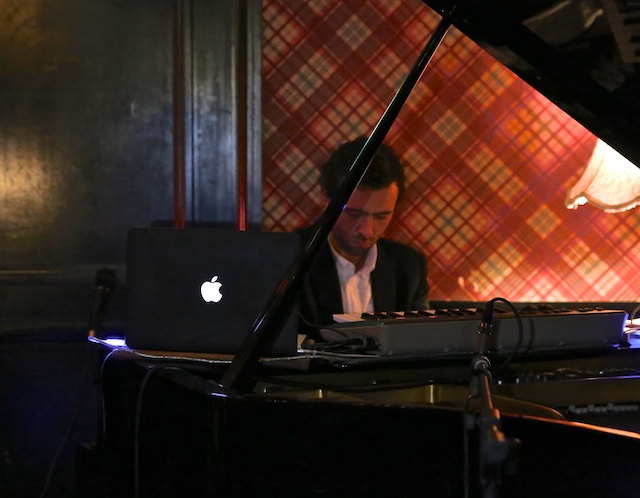 I can’t remember when I first became conscious of Polish Jazz, but after Tomasz Stanko, Poland was forever on my listening radar. After that, I would listen to Polish improvisers whenever I came across them, Wasilewski, Komeda etc, and all the more so when I discovered later in life that I was a quarter Polish. In light of the above, I was naturally interested when I came across an Auckland-based, Polish-born pianist Michal Martyniuk. He was standing in for Kevin Field at a Nathan Haines gig – around the time of “The Poets Embrace’ release. Since then I have seen him with various iterations of Haines’ bands but until last week, never at a gig where he was the leader.
 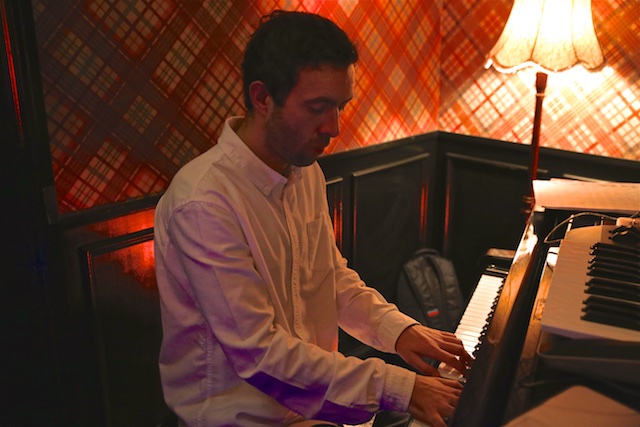 It is an oft-debated topic, but I sometimes hear references to time and place in original music. After hearing Martyniuk I could identify his northern European influences. When I asked the pianist about the artists he most admires, he quickly identified Lyle Mays and Pat Metheny (also Weather Report plus Miles and Herbie). The Metheny/Mays reference is definitely evident but sifted through a Eurocentric filter. Mays, although influenced by Evans never sounded like a typical American pianist. Martyniuk’s compositions and performance contain all of the hallmarks of modern Euro jazz, a sound I hear in the Alboran Trio, Wasilewski and younger pianists like Michal Tokaj. A warmer sound than the Scandinavian pianists but as light filled and airy. There is a beauty to Martyiuk’s playing, a stylistic identity. For such a young pianist to have located this special sound is impressive.
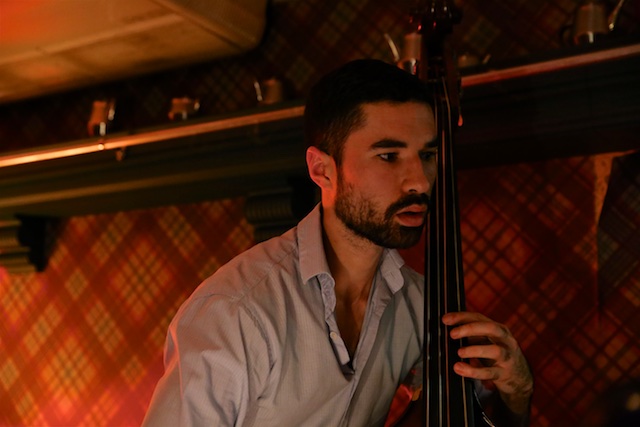 Something that many post-millennial Jazz musicians avoid, is evoking a sense of beauty. I can understand that because it must be done well or not at all. It is the territory of balladeers like Ben Webster and the territory of artists like Metheny. This was done well. The compositions were cleverly constructed around developing themes and with nothing was rushed, allowing melodic inventions to manifest. The tunes were also cleverly modulated, subtly amping up the tension to good effect at key points. Like Bennie Lackner, he used electronic keyboards to enhance or emphasize a phrase, but very sparingly.
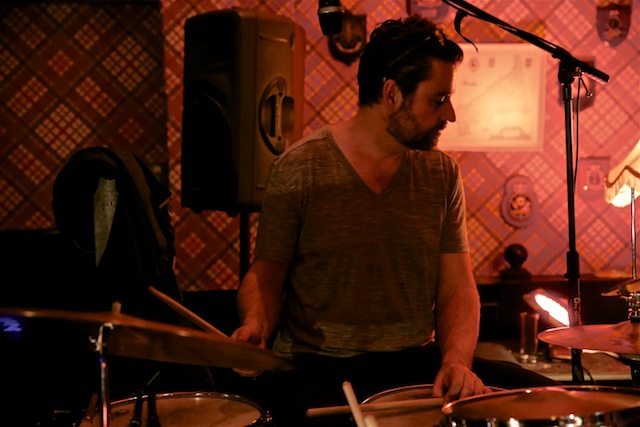 Again we see a musician deploying a top rated rhythm section to good advantage. With McArthur and Samsom behind him, he again showed wisdom. He worked with them and they gave him plenty in return. Although we often see this particular bass player and drummer in diverse situations, they appeared very comfortable here. The overall effect was that of interplay and cohesion.
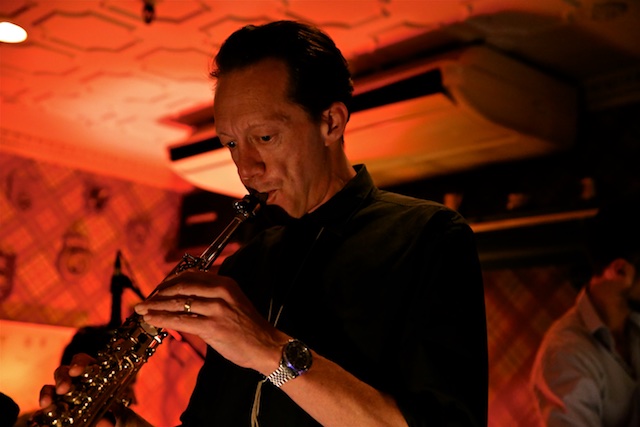 Martyniuk came to New Zealand around ten years ago and he attended the Auckland School of Music. Along with producer Nick Williams, he is soon to release a Jazz infused Soul album which will feature internationally renowned artists like Kevin Mark Trail, Nathan Haines, Miguel Fuentes and others. Judging by the huge audience at this gig his future looks very rosy indeed. The Jazz club turned away dozens of attendees in the end. A good problem to have.
 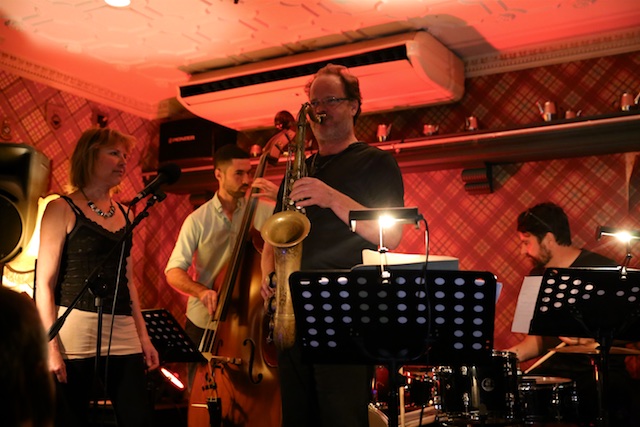 The Joni Mitchell/ Charles Mingus project is always ripe for reevaluation and I’m glad that Caro Manins was the one to explore it again. The connection between Joni and Jazz experimentalism runs deep. Rolling Stone Magazine figured it out early on, describing her as a ‘Jazz savvy experimentalist’. While the connection is obvious in her 1979 ‘Mingus’ album the move toward a freer music and towards harmonic and rhythmic complexity began earlier in the mid 70’s. Initially coming up through the American folk tradition, she gradually embraced a different style. She would later say, “Anyone could have written my earlier music, but Hejira (and later albums) could only have come from me”. From the 70’s on, she utilised her own guitar tunings and often incorporated pedal point, chromaticism, and modality in her compositions. If you look at her later musical collaborations, names like Jaco Pastorius, Herbie Hancock, and Wayne Shorter stand out.
 To her amazement at the time, a dying Charles Mingus asked Joni to call by. He told her that he had written a number of songs for her. Mingus passed before the completion of her project, but he heard all of the tunes except ‘God must be a Bogey Man’. Her ‘Mingus’ album followed soon after. “It was as if I had been standing by a river – one toe in the water. Charles came along and pushed me in – sink or swim”.
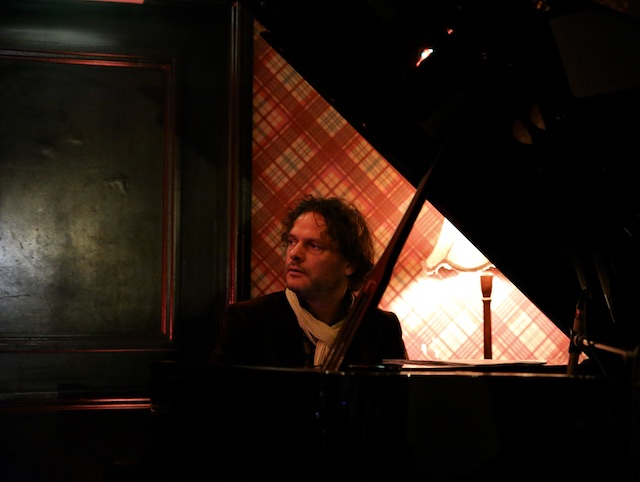 The project deserved a good lineup and it got one. Caro Manins, Roger Manins, Jonathan Crayford, Cameron McArthur and Ron Samsom. Crayford was especially interesting on this gig. His abstract explorative adventuring replaced by rich traditional voicings – his solos a history lesson; from locked hands chord-work to impressionistic delicacy. All of the musicians were respectful of Joni’s body of work and they understood that the best way to honour her legacy was by interpreting her work honestly and imaginatively. Not every tune came from Joni’s ‘Mingus’ album but all followed the Joni/Mingus/Jazz theme.
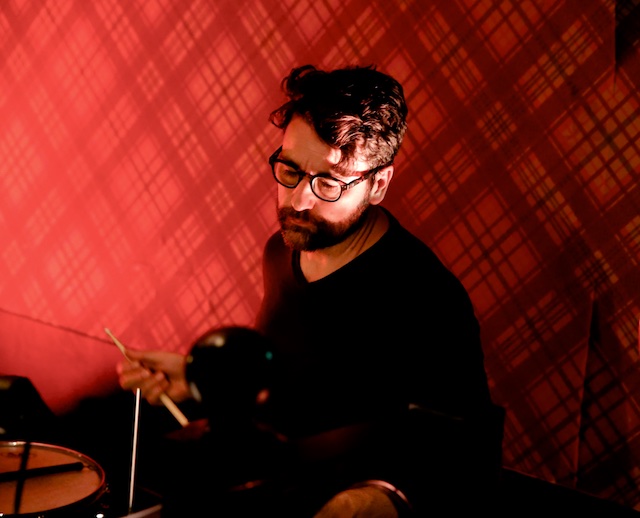 The gig was very well attended (no surprise there) and the audience enthusiastic. This was a CJC (Creative Jazz Club) event and it took place at the Albion Hotel on 29th June 2016. Caro Manins (leader, arranger, vocals), Jonathan Crayford (piano), Roger Manins (tenor saxophone), Cameron McArthur (Bass), Ron Samsom (drums, percussion).
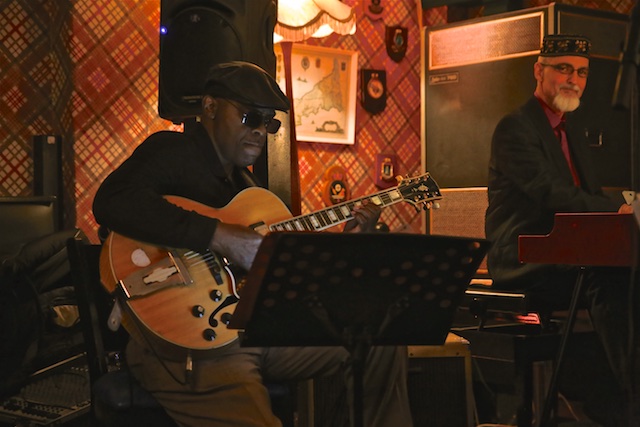 Auckland spoils us with long runs of clement weather, but when winter hits we suffer. Having effectively avoided any meaningful autumn we suddenly plunged into a week of cold wet days. There was no better time for the Michel Benebig/Carl Lockett band to arrive. As we grooved to the music, a warmth flooded our bodies within minutes. Nothing invokes warmth like a well oiled B3 groove unit and the Benebig/Locket band is as good as it gets. The icing on the cake was seeing Shem with them. A singer with incredible modulation skills and perfect pitch, able to convey the nuances of emotion with a casual glance or a single note. The way she moves from the upper register to the midrange, silken.
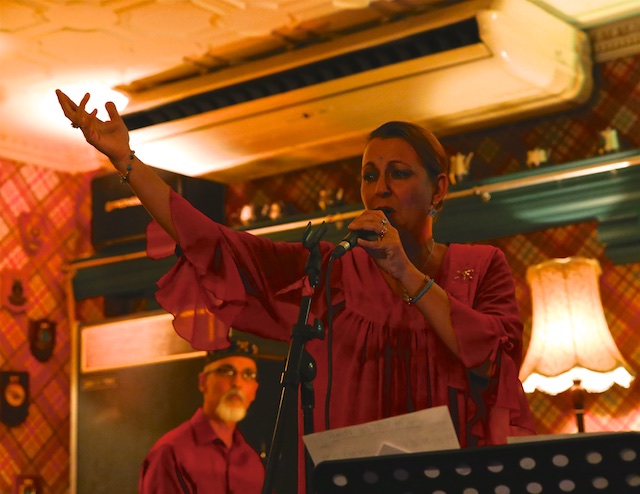 Michel Benebig has been travelling to New Zealand for years, and his connection with the principals of the UoA Jazz school has been a boon for us. He generally brings his partner Shem with him, but last time work commitments in her native New Caledonia kept her at home. Michel just gets better and better and the way his pedal work and hands create contrasts and tension defies belief. It is therefore not surprising that Michel attracts top rated guitarists or saxophonists to his bands. The best of our local groove guitarists have often featured and a growing number of stand-out American artists (see earlier posts on this band). Of these, the New York guitarist Carl Locket is of particular note. I first heard Lockett in San Francisco four years ago and he mesmerised me with his deep bluesy lines and time feel. Although comfortable in a number of genres, he is the ideal choice for an organ/guitar groove unit.
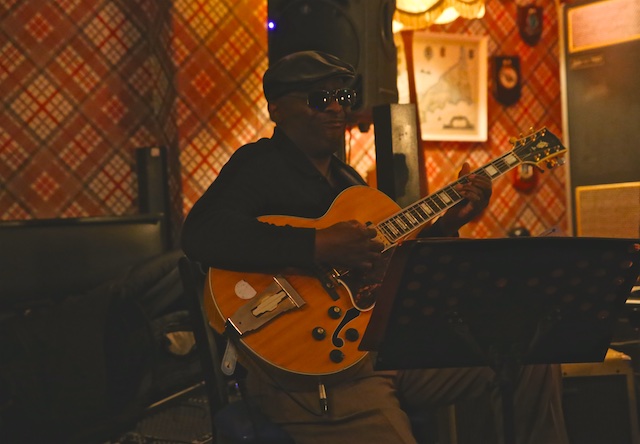 The band played material from their recent album (mostly Benebig’s compositions) and a few standards. There were also compositions by Shem Benebig. Their approach to arranging standards is appealing – numbers like Johnny Mandel’s ‘Suicide is Painless’ are transformed into groove excellence. We heard that number performed at the band’s last visit and the audience loved to hear it repeated. This visit, we heard a terrific interpretation of ‘Angel Eyes’ (Matt Dennis). I confess that this is one of my favourite standards (Ella regarded it as her favourite ballad). Anita O’day performed it beautifully as did Frank Sinatra and Nat Cole. The only groove version I can recall is the relatively unknown Gene Ammons cut (a bonus number added in later years to his ‘Boss Tenor’ album with organist Johnny ‘Hammond’ Smith). That version took the tune at a very slow pace, so slow in fact that you initially wondered if Ammons had nodded off before he came in. It was wonderful for all that (who can resist Ammons).
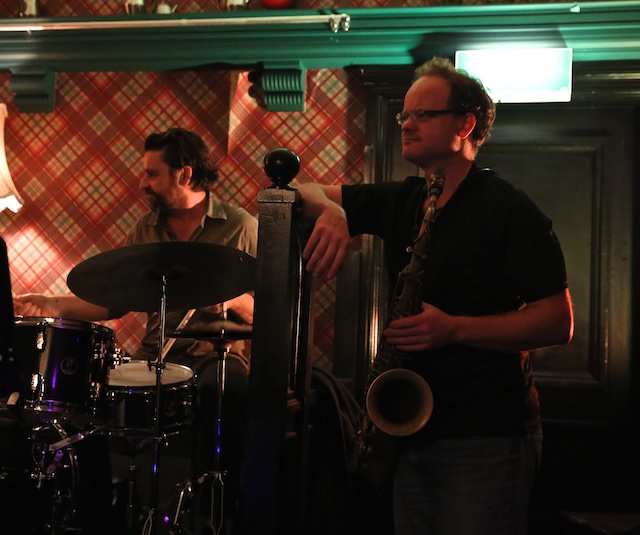 The band began the tune at a slow pace (but not as slow as Ammons), then once through, picking up the tempo, the band settling into a deeper groove, drummer Samsom and the guitarist really locking together, giving the Benebig’s room to create magic. That locked-in beat is often at the heart of an organ-guitar unit and when done well it adds bottom to the sound. Locket’s style of comping is the key to that effect, the entry point for the drummer, the way the guitarist lays back on the beat and comps in a particular way. Samsom heard and responded as I knew he would. He is a groove merchant at heart. On tenor saxophone, Roger Manins was on home turf. Dreamily caressing the melody before his solo.
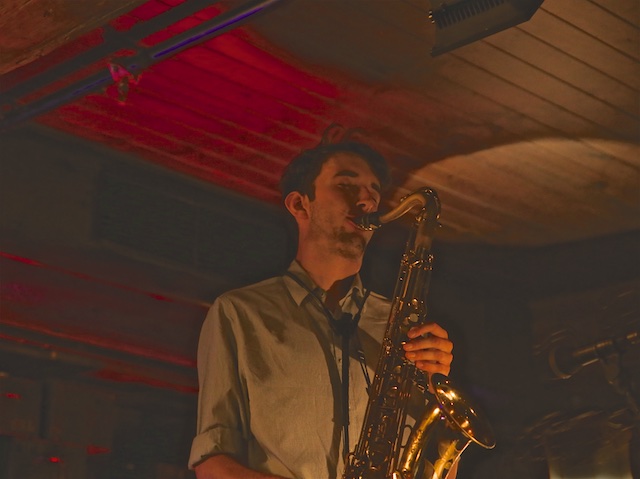 These events focus on emerging Improvising artists and allow them to gain wider exposure in front of a discriminating audience. They generally occur around three or four times a year. Some of those featured in the Emerging Artists Series are recent graduates, others are still pursuing their studies. In this case, we had two horn players from out of town; Christchurch and Wellington respectively. Their horns were different, and their approaches to the sets different, but both approached the gig with the confidence of seasoned performers. Such confidence translates well on the bandstand and it informs an audience that the musician means business. Artists often remark that playing in a small Jazz club like the CJC is a unique experience. It’s not like a noisy bar, where people often ignore you, and it’s more intimate than a concert hall where an audience gives limited feedback. Club audiences listen intensely, they react boisterously at the end of a good solo and they call in encouragement when a phrase resonates. Mostly they listen in silence and but they listen actively.
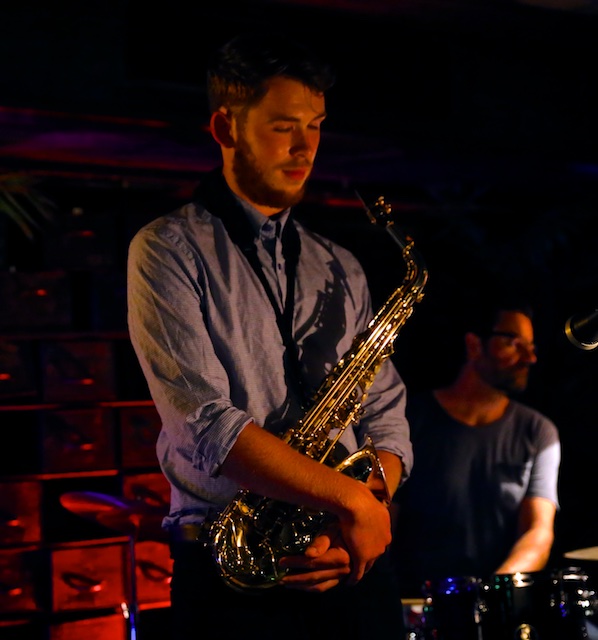 Jimmy Rainey, a tenor player from Christchurch played the first set. He is a graduate of the Jazz School in Christchurch, now furthering his Jazz studies at the Auckland University Jazz School. In Christchurch, he’s involved with a number of groups such as the Symposium Jazz Orchestra (many will recall that orchestra on Glen Wagstaff’s album), and the earthy ‘Treme’ styled Justice Brass Band. On Wednesday, he had a premier Auckland Rhythm Section at his disposal, Kevin Field, Cameron McArthur and Ron Samsom. Most of the compositions were Rainey’s and they showed a developing maturity. His sound was interesting, especially on the down-tempo numbers, having that downtown late-night feel. He is in Auckland for a while and I am certain that we see more of him. His father is well-known on the scene but he is earning his own place in the light. With a Jazz-famous name like Rainey, he has a head start.
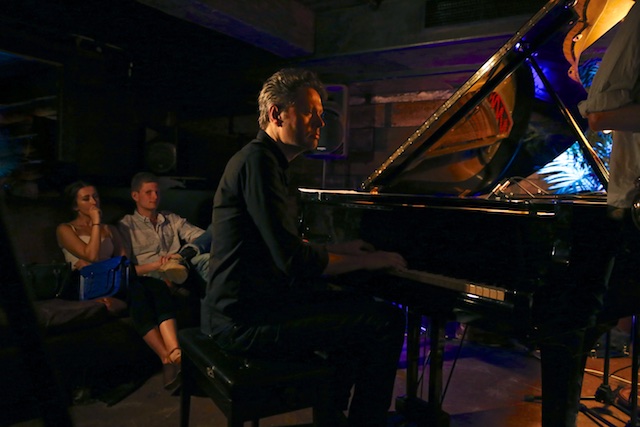 Bryn van Vliet has visited the club before as part of the boisterous Wellington Mingus Ensemble. In that context, I have seen him play in Auckland and Wellington, but never as a leader. He is also a member of the Roger Fox Big Band and a graduate from the Wellington Jazz School. While van Vliet often doubles on tenor, he played alto for this gig. What immediately caught my attention was his clean tone. A compelling tonal quality that quickly drew you in. His playing has cut-through in ways that Paul Desmond’s did, but for all that it was a modern sound. Vliet is originally from the far North but his Wellington credentials will no doubt anchor him there. Like Rainey, he brought many of his own compositions to the bandstand and the same rhythm section backed both players. For the last number, a standard, they were on the bandstand together.
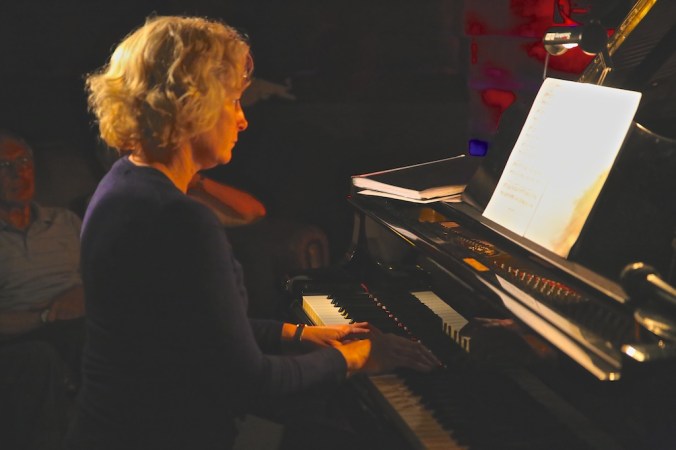 I was out of the country when Anita Schwabe performed at the CJC two years earlier. While I had seen her perform at the Bruce Mason Centre with the Rodger Fox Orchestra, I wanted to hear her in a more intimate setting. Her live (and recorded) performance on ‘Journey Home’ was impressive and as I recall a jet lagged Alan Broadbent watched her segments from the wings during the Auckland concert. As good as that concert and a later concert were, hearing an artist in close proximity is always a different experience. Schwabe didn’t disappoint. The first thing you observe when you meet her is her understated manner. Like many New Zealand improvising musicians she is self-effacing to the point of being dismissive of her own abilities. This contrasts strongly with the engaging confidence of her playing. From the first few bars you become aware that there is something special going on.
 Schwabe’s first number referenced the under-acknowledged and recently departed pianist Clare Fischer. “I like his unusual voicings”, she said before she played through her composition,’Fisching for Compliments’. The tune was intensely melodic, filled with clever references and a fitting tribute. Although a more reflective number (and her first of the night) we saw what she could do. The tune drew us in with a spacious intro and then imperceptibly we felt the swing. Block chords suddenly dissolving, close voicings appearing, disappearing; right hand running off the back of a phrase, subtly playing with time and rubbing against the chords in the left hand. This interaction between right and left hands created subtle and pleasing tension and we were to hear that often throughout the evening. That first number gave us a foretaste of what was consistently enjoyable music throughout the sets.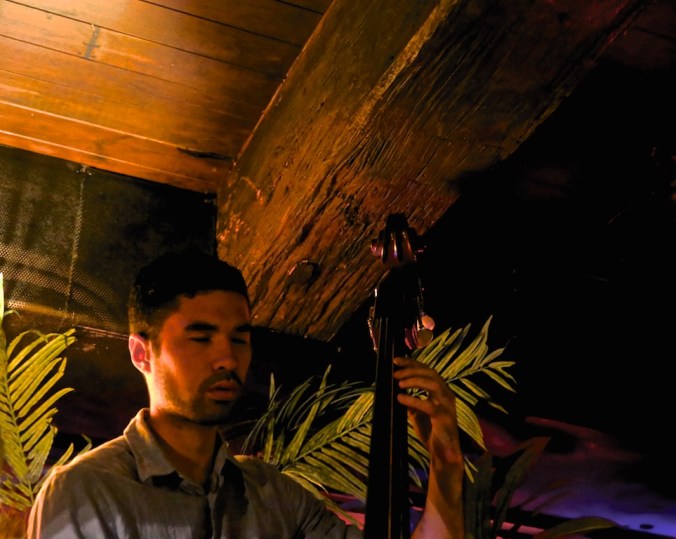
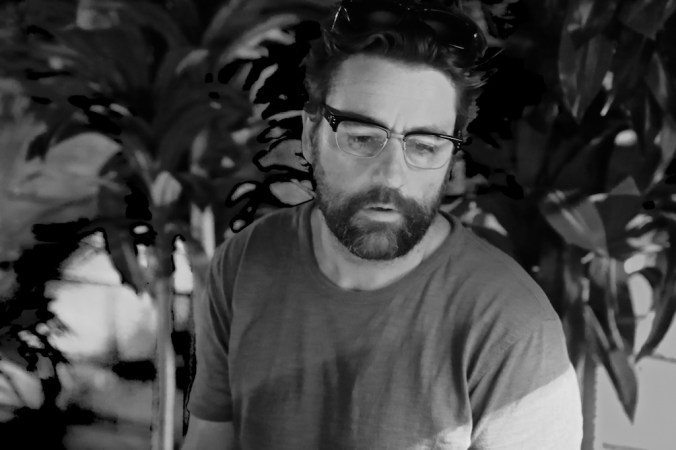
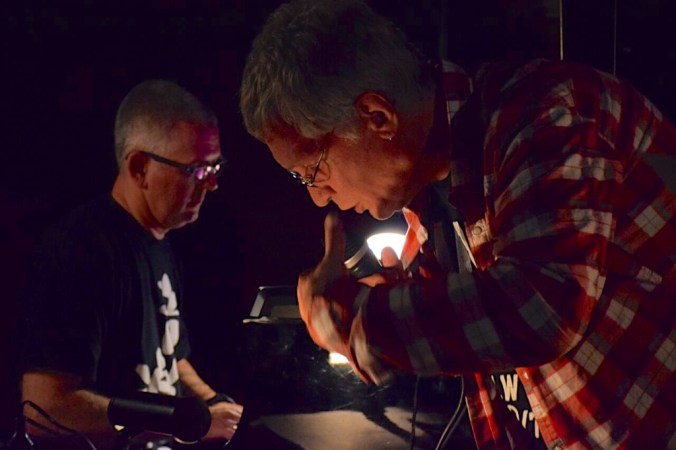 I made up my mind days before the Mexico City Blues gig that I would not, could not review it. It is some kind of crazy to review a gig where you’re in the band. Logic and custom sensibly warns you to walk swiftly in the opposite direction. The gig passed and I asked others if they would do the review; “You’re wrong man” they said, “You absolutely have to do it, but do it differently – tell a story about what it felt like performing for the first time, and what it felt like as a non musician being part of a high quality improvising band”. I thought about it for a while and gave in. In truth I had a world of stuff churning about in my brain and the subconscious urge to outline the experience was gnawing at me; my thoughts and impressions always seem to spill onto the page somehow (or into a poem) – so hell why not. It’s Gonzo journalism in its purest form; outlining crazy, using ones-self as the hapless protagonist.
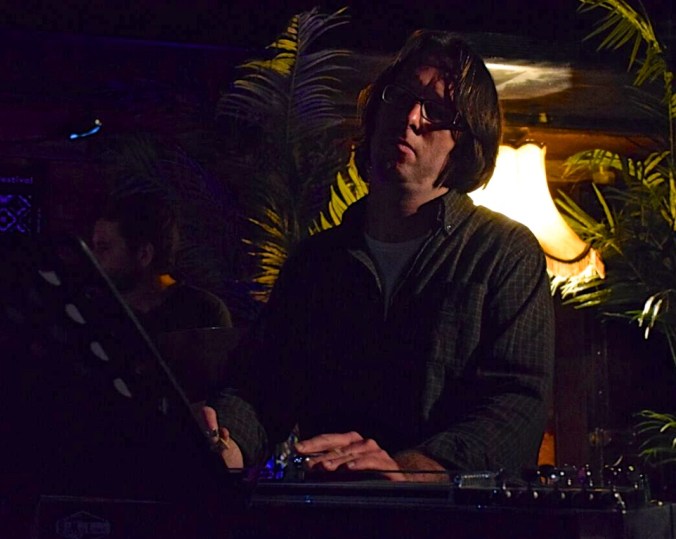 I confided my fears to a few knowledgeable friends, Chris Melville and poet Iain Sharp. Both were very sensible and reassuring in their advice; “Just own who you are man, own your voice. You know this stuff backwards and you know the music”, they said. When I explained the hazards of fitting existing verse to music, drummer Ron Samson told me, “Don’t worry man, we will follow you – your safe with us”. I discussed it further with Stephen and he gave me a set list. From that list I chose three poems that roughly matched the rhythms of tunes. For ‘Goodbye Pork Pie Hat’ (Mingus) I chose Kerouac’s chorus 66 from ‘Orizaba 210 Blues’, for ‘Blue in Green’ (Evans/Davis) I selected the beautiful mystical 1st chorus of ‘Desolation Blues’. I was sure that two poems would be more than enough, but as a precaution I prepared a third as back up – verse 116 of ‘Mexico City Blues’ to Horace Silvers ‘Peace’.
 Jazz gig rehearsals tend to follow a formula, but viewing this process from the outside and being part of it are two very different things. From the inside your inbuilt detached observer gets fired from the cannon of weirdness. You realise just how random Jazz rehearsals are. They begin what becomes a slow descent into the controlled accident. The first hour of any rehearsal is a ‘hang’, insider jokes, war stories and talk of gear and gizmos. Then a sudden flurry of activity follows; disembodied items of musical machinery miraculously forming into new shapes. If the rehearsals are in a Jazz club the activity takes place in semi darkness. Instruments, microphones and amplifiers joined by a spaghetti of wires as the musicians stumble over precarious piles of instrument cases and zip bags. “Oh shit this channel is dead – (from out of the darkness) – don’t worry its the cable – have another in my car – its parked a few streets away. Can we route the cable through the Hadron-Collider? – clip click – sorry false alarm”.
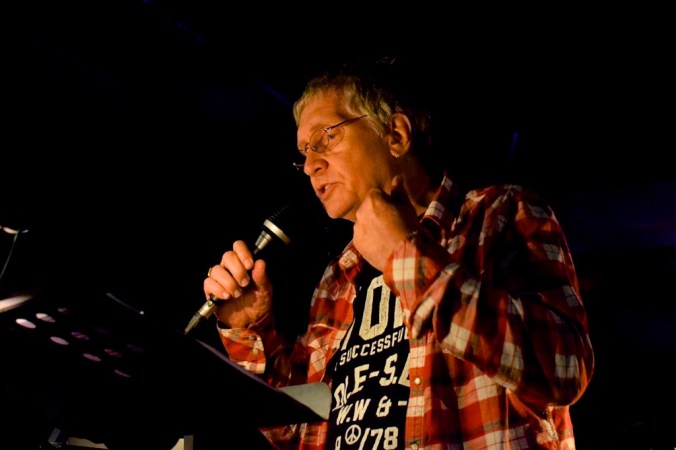 Then came the truly random bit. “We can cue you in on each piece, or just dive in where ever you think best – we can follow”. The words ‘each piece’ threw me a curve ball. “I have only three poems printed off” I added lamely (or four if you counted a crumpled excerpt from ‘Desolation Angels’ tucked into the back of the folder). “No matter – just say anything – you’re a poet – it will be fine” said Stephen. Then I remembered the paperback of Kerouac’s ‘Book of Blues’ in my bag. “Great” said Stephen, “just pick the poems randomly – do it at the last-minute while we run through the head of each tune – perfect”. This was a band leader channeling the Zen Master – a role quite appropriate to a 1959 referencing gig – throwing me a Koan, an improbable musical puzzle, no escape route possible. When we got to the tune ‘Peace’ I gained confidence, “Ah I have something for this – yeah – Horace Silver”. At this point Stephen casually informed me that they were actually doing Ornette Coleman’s ‘Peace”, another tune entirely. Ornette, ORNETTE – holy crap – panic. Next the gig
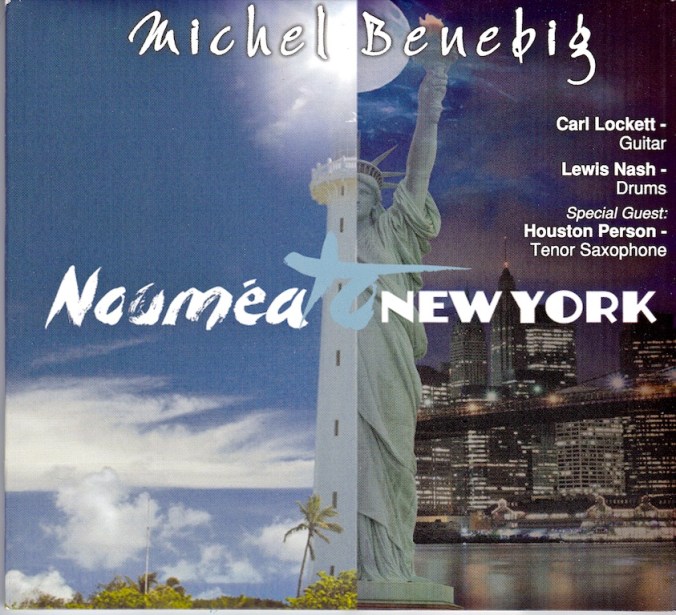 Michel Benebig visits New Zealand once a year and we anticipate his visits with Joy. His authentic B3 groove journey didn’t start in East Philly, but in tropical Noumea; a South Pacific Island north of here. After honing his craft he travelled widely and in consequence his star steadily rises. The more North American audiences hear him, the more they embrace him. He is now regarded as a B3 master. The B3 greats who inspired him are all but departed and he deservedly steps into their shoes. His travels in the USA have brought him into frequent contact with a number of well-known musicians. As good musicianship and a pleasant disposition are the highest recommendations possible, the musicians he worked with recommended him to others. That is how he teamed up with Carl Lockett.
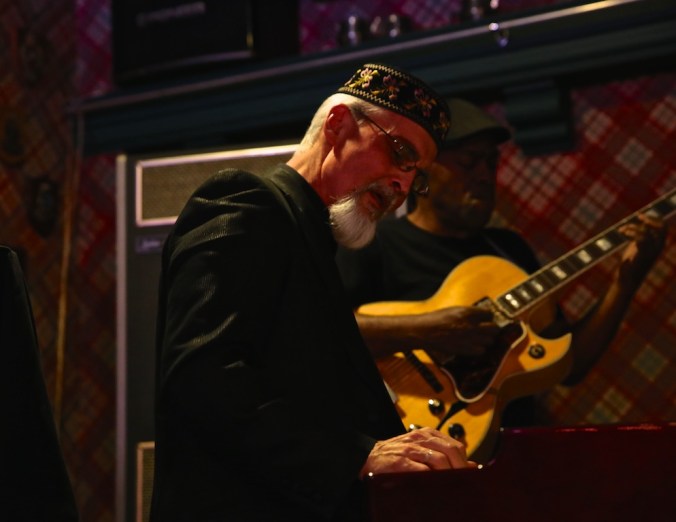 The new album ‘Noumea to New York’ is his finest to date (and true to label, recorded in New York). Again Lockett features on guitar, Lewis Nash lays down the drum grooves and special guest Houston Person appears on tenor saxophone. What a marvellous line up this is and what an album they turned out. This album alone will secure Benebig a place in the pantheon. It has modern B3 classic written all over it. All compositions are by Benebig, with one tune co-credited with his partner Shem. There are so many treasures on this album that it is hard to single out one particular tune, but if pressed I would say ‘Noumea To New York’. A medium paced groove track with enough warmth to melt the ice in your drink. The flawless interplay between Benebig, Nash and Lockett is in strong evidence here. With Nash creating a solid cushion of groove, it is no wonder that Benebig and Locket sound so marvellous.
 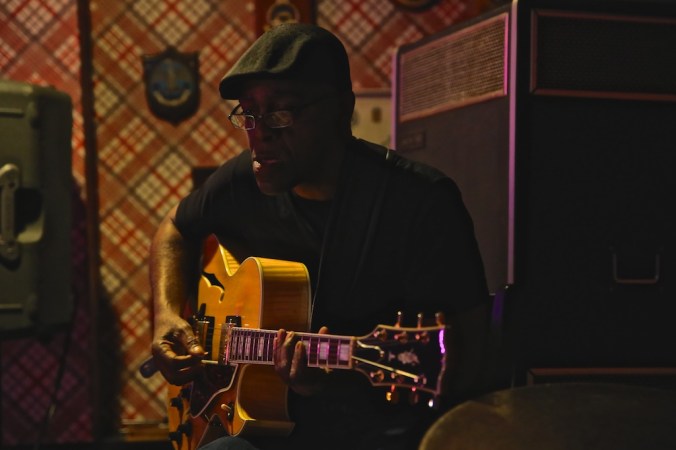 The tour down under was minus Nash and Person; Locals filled those gaps. In Auckland we had Roger Manins on tenor and Ron Samsom on drums. This was also a perfect fit, as both had accompanied Benebig previously. The set list in Auckland was partly material from the album and partly marvellously quirky tunes from classic TV shows. How often do you hear the theme from ‘The Pink Panther’ or the theme from ‘The Naked City’ played by a groove unit? More common in Jazz circles is the Johnny Mandel standard ‘Suicide is Painless’ from Mash. When people think of that last number they think Evans and seldom the B3. To show what skilled groove merchants can do with such material I have uploaded a clip.
 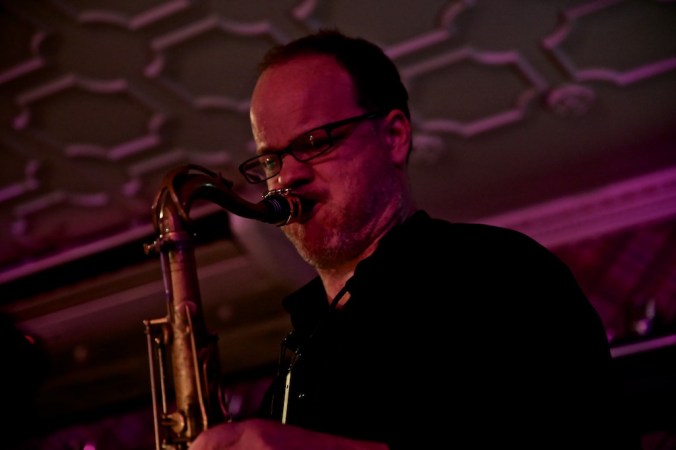 While Benebig is very much in command here his groove collaborators preached just as hard from their respective pulpits. Lockett in particular was astonishing. Gasps of delight erupted as he utilised his finger picking blues-guitar credentials. Moving seamlessly from lightning quick double-time to a steamy groove; often leaning slightly back on the beat. His comping was equally delightful as he does what Pat Martino does. There is either a slight vibrato or he pulls gently down on the strings with each comping-chord; creating simultaneously a warm but slightly mournful effect. Whether on fast single-note runs or octave chords, its hard not to think of Wes Montgomery. His extensive use of thumb and fingers and his fluidity evokes that comparison.
 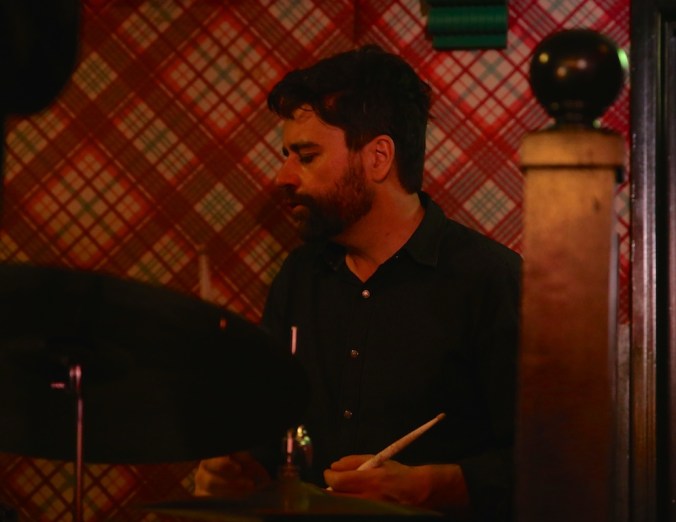 Manins was clearly in his element here. Happy among friends and happy to find himself back in the groove space. The same went for Samsom. Both are highly regarded straight ahead Jazz musicians but both have released great groove albums in the previous year. Their joyous abandon added to the quantum of happiness; every note making us smile.
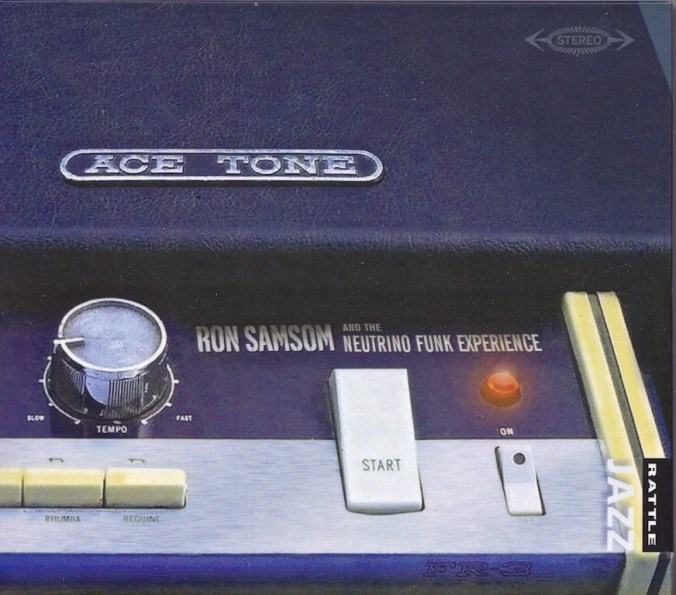 Ron Samsom’s Neutrino Funk Experience ‘Ace Tone’ album has so much up front punch that that a warning is needed on the label. It is an album that grabs you by the lapels and demands your attention. As you listen it transports you to a world of joy. The album and the live band exudes a vitality that enters through your pores, pulsing through your body like the wild blood of extreme youth. Try as you may, it is impossible to keep still as the rhythms consume you limb by limb. While the album brings historic musical references to mind, it is very much of the present. This is Jazz Funk at its very best.
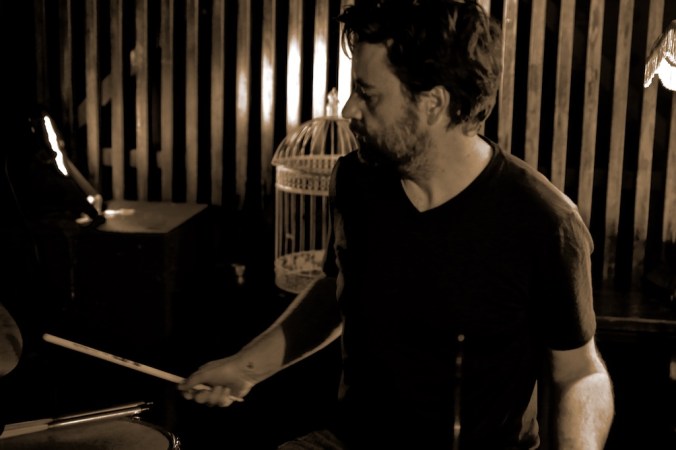 There is cleverness aplenty in the album, but that’s not what it’s about. The pulse, punch and danceability are the draw cards. The tunes let each listener glean their own references. During the album launch someone said, “Oh wow that takes me back to Deep Purple”, while others talked of the Jazz funk gurus like Herbie Hancock, Eddie Henderson and Jimmy McGriff. What ever references people heard, one thing is for certain. This band updates 70’s Jazz Funk as few other albums do. A lifelong fan of the classic genre observed, “few classic 70’s funk albums actually sound as good as this”.
 Material like this needs highly skilled and experienced musicians in order to extract the maximum advantage and that is exactly what Samsom got. This is an alignment of talent that works so well that they must surely build on their success. The Neutrino Funk Experience formed in 2014 and started doing regular gigs at Auckland’s Albion in the central City. The word soon got around and one by one we drifted down to see them. The band stood-out from the first day and the disbelieving expletives from experienced musicians confirmed what our gut told us. These guys were total ‘muthas’.
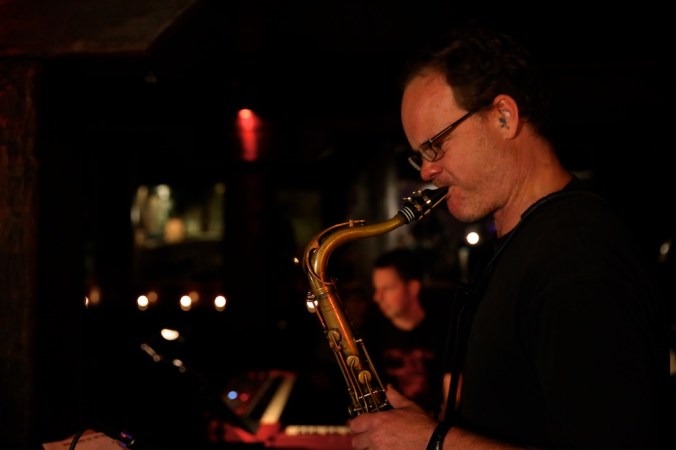 Roger Manins always sounds great but he has excelled himself here. This brand of earthy down-home funk is a natural place for him and his own funk albums reinforce that view. Manins just tears the place up on these sessions and it would be hard to find his equal. There are times when he apparently defies gravity, rising to his toes and abandoning self to move inside the music. These are moments of pure Zen and I watch for them now. Man and instrument becoming one and out of the bell streams a cornucopia of sound, distilled from the human experience. From the otherworldly wails to the gentlest urgings you recognise Manins uniqueness. Organist Winterburn said of him, “Working with Roger is perfect for me. He’s such a rhythmic saxophonist”. Coltrane, old school funk, ballads and modern edge; it’s all there in the sound.
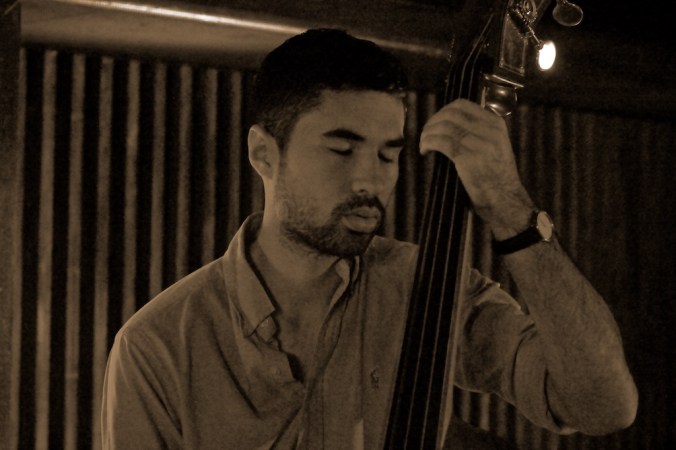 On the album we have Cameron McArthur on upright bass. Even before leaving the UoA Jazz school Cameron was punching well above his weight. I would describe him as an instinctive player. Knowing where to place his lines and always strongly supportive of other band members. He quickly became a fixture in quality rhythm sections and visiting artists praised him. After a trip to New York to check out the scenic he picked up some work in cruise ship bands. By happy coincidence they had cut the album prior to him leaving. So punchy are his bass lines on ‘Ace Tones’, that you think he is playing an electric bass. In his absence Samsom hired Karika Junior Turua for the launch gig. Again this was a good choice. This time we did hear an electric bass and as Turua has experience with Jazz funk, the transition from upright to electric bass was seamless.
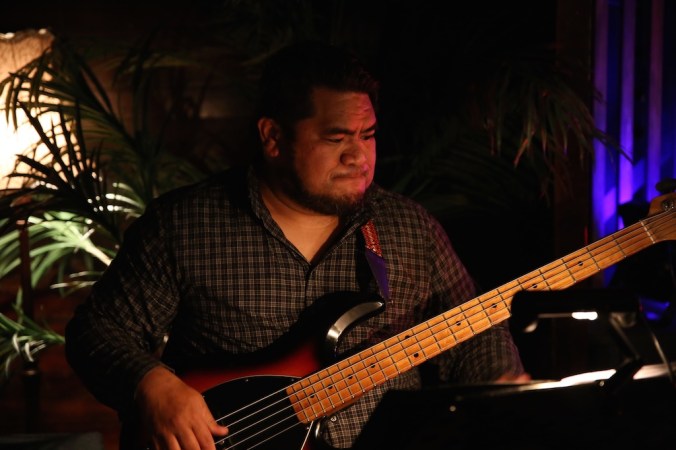 Lastly there’s the album art work and the recording credits. Who ever created the cover design and layout must feel pleased; they did an amazing job. The presentation tells the ‘Ace Tone’ story perfectly. My friend Iain Sharp and I were involved in the project as liner notes providers. As requested we contributed poems. It is rare (but not unheard of) for an album to use poems instead of the standard liner note blurb. I really hope that this trend continues for selfish reasons. Contributing something to an album like this is pure pleasure. The recording and mixing took place at ‘Roundhead Studios’ in Auckland and the mastering at ‘Turtle Tone Studios’ in New York. The album is out on Rattle Jazz where the best of original New Zealand music lives.
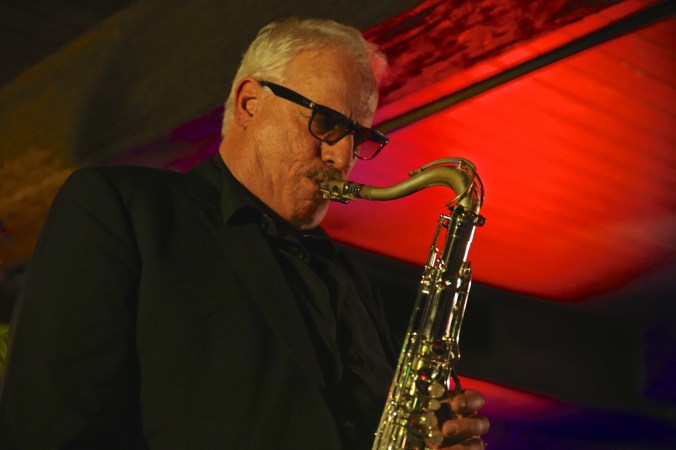 Doug Lawrence is every bit the archetypal southern tenor man, from the top of his tall frame to the bell of his brightly shining tenor. His sound is fat and down-home-cooking rich, whether playing softly or at volume. He has more cut through than a diamond headed drill-bit. Lawrence has such considerable credentials that it is beyond my reach to enumerate them all here (google him).
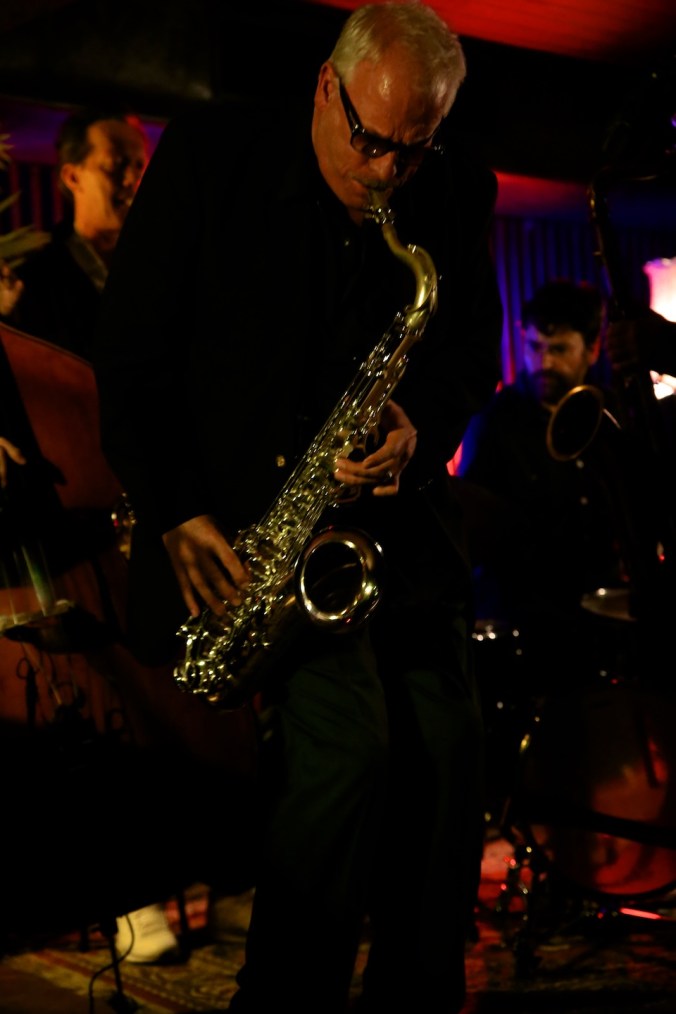 Lawrence is tall and as he performs he stoops slightly, forming a classic old school playing pose. Slowing bending his knees inwards before stretching and lifting his horn to the ceiling. His speaking voice is rich like his playing, a southern Louisiana drawl adding to his considerable charm. The first number was ‘End of a love Affair (Redding) and the audience whooped in delight as the band took the changes at a good pace. The rhythm section propelled by the tidal waves of sound emanating from the tenor. It was that sound and the power of delivery that grabbed you from the get go. The intonation and phrasing revealing influences which although readily identifiable, transformed them into a new sound. This was pure alchemy. It was like having Gene Ammons and Dexter Gordon on the same band stand.
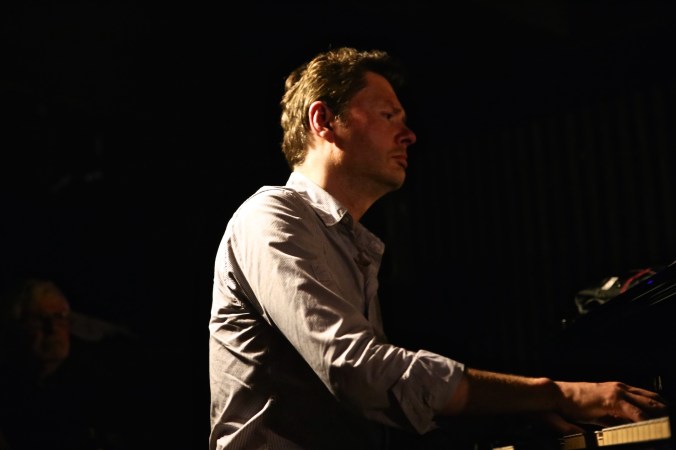 It is during ballads that the skill of a musician is often tested. In this case we saw something close to perfection. It wasn’t just Lawrence, but his Kiwi pickup band as well. Spurred on by each other, they dug deeper and deeper. A night and a vibe that we will remember for years to come. There was an obvious rapport between pianist Kevin Field and Lawrence. I gather that he found Field’s harmonic approach interesting and perhaps this is an indication of our own development as we grow our standing. Lawrence’s intonation was the thing that grabbed you most and this made his solos particularly enjoyable. Long held notes ending in breathy flurries or else bending the note ever so slightly before delivering a short heart stopping burst of controlled vibrato. With Holland and Samsom also finding their sweet spot this was a dream band.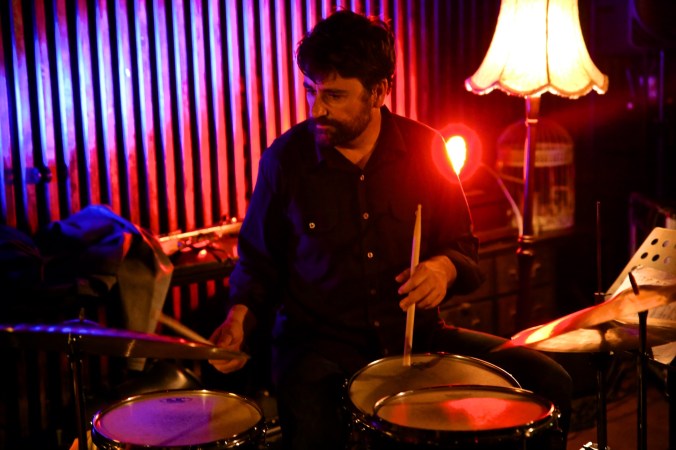
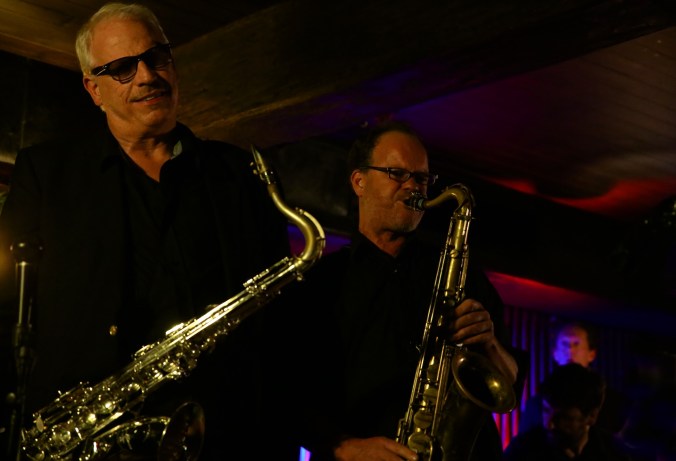 Here is the back story: 17 years ago a younger Roger Manins hit the New York streets, where he learned to scuffle in the time-honoured way of Jazz musicians. Because he possessed the hunger to learn he approached many established horn players. One of these was Doug Lawrence and traces of that time are still evident in Manins sound. All of those years ago Manins subbed for him and here is a Face Book extract that Lawrence posted once he returned to the USA.
 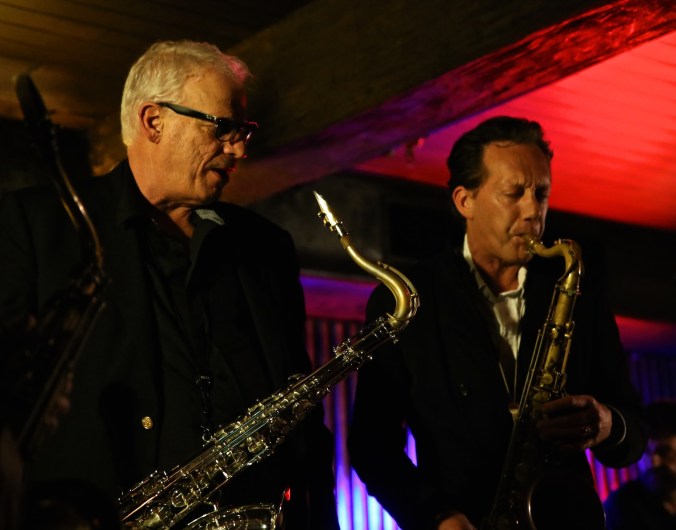 “Roger has matured into a GREAT player and MAGNIFICENT teacher! All of his students have a SOUND and they are all inspired to play, because of Roger. The curriculum at the University of Auckland Jazz Department is second to none, and I am going to use it as my model when conducting masterclasses at other universities around the world. Roger and Ron Samsom and the rest of the faculty have got it right at the U of A and I’m going to suggest that each and every University I teach at check it out. Cheers ROG! You are doing it ALL right brother! I hope to see and play with you soon mate!” That says it all really.
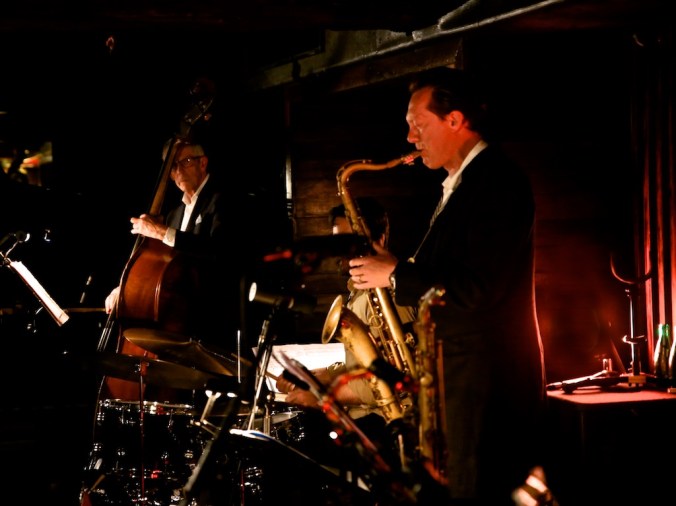 Nathan Haines is a master of the melodic and the model and he has a beautiful and distinctive sound on all his horns (and winds). He has a strong following around the world and it is no wonder when he turns on gigs like this. His following crosses genres, attracting younger and older audiences equally. He also cuts through media blind spots in a way that few other New Zealand improvising musicians do. It is good to have him on home soil for a while and good that he is focussing on fresh local projects. What he does is always exciting and this gig was no exception.
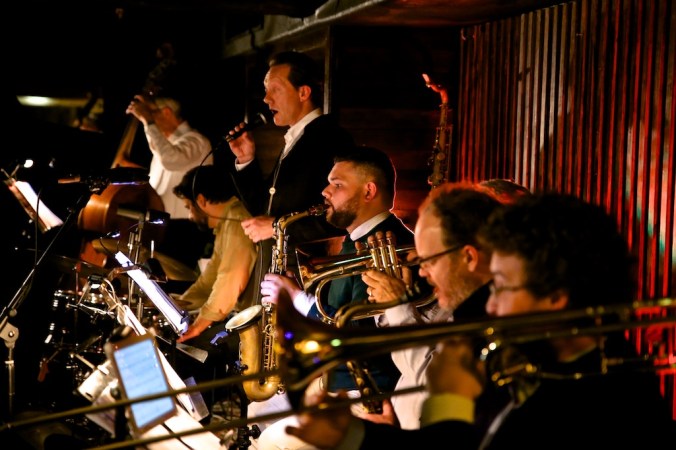 The talented and hard-working, Haines always thinks through his projects. Hot on the heals of his successful award-winning Jazz albums ‘Poets Embrace’ and ‘Vermillion Skies’ he has again teamed up with arrangers Wayne Senior and Mike Booth. The decision to include more Jazz vocals is a welcome development. There’s a paucity of male jazz singers in the modern world and they’re a rarity in New Zealand. The set list was an interesting mix of Haines originals and a few Jazz standards seldom heard live. Like his recent Jazz projects, these tunes evoked and reinterpreted the classic era of the 50’s. Consequently they oozed cool.
 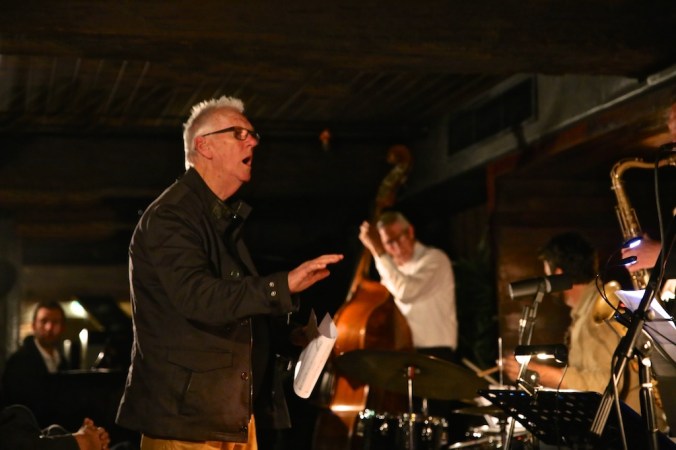 With Michal Martyniuk on piano, Kevin Haines on bass and Ron Samsom on drums he was already on solid ground. This is also where Haines excels. He is a bandleader who choses his musicians well. Martyniuk made his presence felt and soloed beautifully while never over playing. It was exactly what these charts required. Kevin Haines is a highly-respected, tasteful bass player with an impeccable CV. During the sets smiles and friendly banter flowed between father and son; further enhancing the mood. The highly experienced Samsom was on drums throughout. He is new to Haines lineups. His approach to the kit springs from a confident inner logic; more organic than Haines usual drummers. It was interesting to watch their interactions as they sparked off each other. Samsom giving Haines a different platform to work from.
 immediately took me back to hearing Pharoah Sanders for the first time. When Haines plays these modal pieces, there’s a spiritual joy that comes across. This is a strong suit for him and for those of us who love that era a balm.
 Davis album ‘Birth of Cool’. Few bands tackle this and more’s the pity. The octet horn section were Mike Booth, Roger Manins, Callum Passells and Hayden Godfrey.
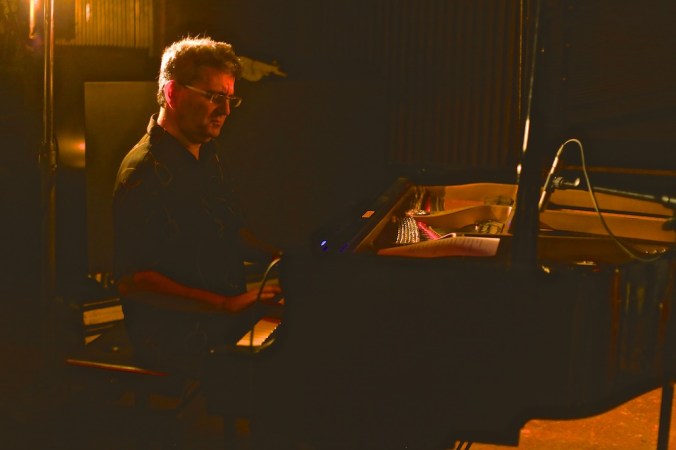 Mark Isaacs is an important and highly respected Australian musician and it was a pleasure to see him in Auckland again. It was October 2013 when he last visited and since then he has been busy with the presentation of his symphony and a number of other noteworthy projects. He is a celebrated Jazz and classical musician and he continues to excel in both genres. Musicians like this are rare, as the two disciplines require very different approaches. When you talk to Isaacs you realise that he is passionate about both. He respects the art forms far too much to settle for anything less than his best. In either genre.
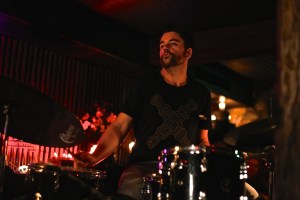
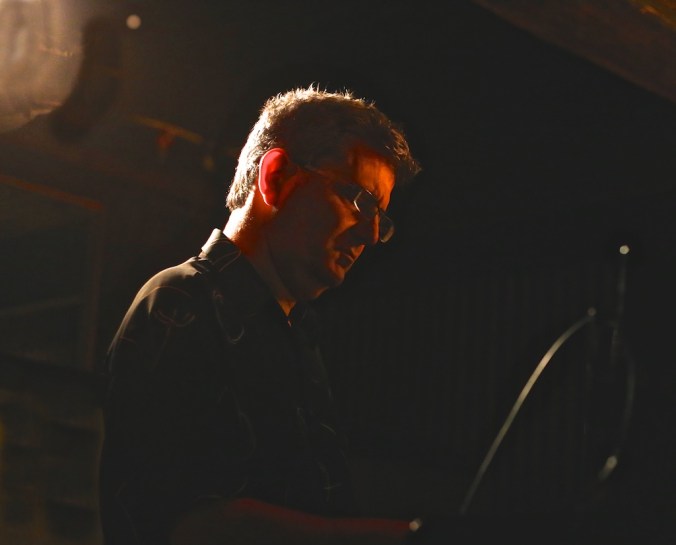 My late arrival was due to a previous gig and as I walked in, the sound enveloped me completely. Before I had settled Ron Samsom had grinned in my direction, Oli Holland had poked out his tongue and Mark Isaacs had given a quick wave (mid solo). With those brief gestures the realisation swept over me that this club and these musicians are family. A. J. a club regular grabbed me in the break and said tongue in cheek, “Thank god your here man, the universe has realigned”. Ron Samsom the drummer added, “Yeah it took us a while to settle because there were two strangers in YOUR chair and you were nowhere to be seen”. I guess I am like the guy who lives perpetually on the bar stool of his local bar. Sort of Jazz furniture.
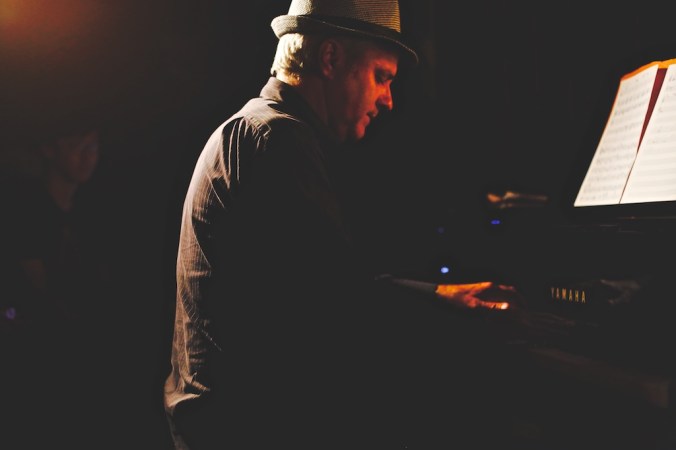 When I saw that pianist Chris Cody was coming to New Zealand I immediately recognised the name. For a moment I couldn’t fill in the blank spots of memory but I sensed that the connection was both Australian and international. My CD collection is huge and I knew that the answer lay buried somewhere in the unruly muddle of music lying about the house. Then it came flooding back; Cody recorded a great ‘Chris Cody Coalition’ album in the nineties. The first international Jazz NAXOS recording titled ‘Oasis’ and produced by Mike Nock; an innovative exotic project brimming with warm middle eastern influences. Some quick
 research told me that the Chris Cody Coalition was still an entity and what equally excited me was to see the name Glenn Ferris on several of the albums credits. ‘Oasis’ featured the Australian Trombonist James Greening and on several of the later Coalition albums Cody features trombonist Ferris (an utterly distinctive player). His whispers, growls and smears are at times otherworldly, but also mysteriously human. Cody works especially well with trombone players and his writing reflects this on the latest album.
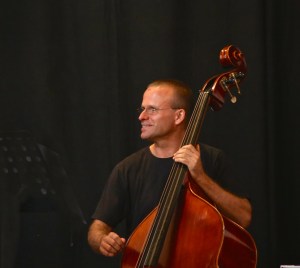 in the front row and this is as much about Cody’s writing skills as the strong confident performances. It is also about the recording quality which is superb. I strongly recommend this album. I first heard the quartet at the Tauranga Jazz Festival. A CJC Jazz stage showcased the finale and the Jazz Tui Awards presentation. I spoke to Cody in a break and quickly learned that he had New Zealand blood running in his veins. Born in Australia of Kiwi parents he studied music before moving to Paris. Based there ever since and gaining a strong reputation on the wider scene. He has very recently move back to Australia but he intends to return to Paris to work periodically.
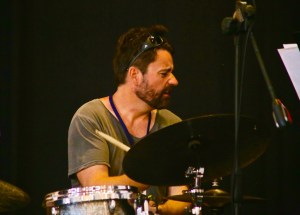 often draws on very American sources like Jamal, he is also in the mould of pianists like Jacky Terrasson (also a Parisian). Cody’s compositions are well thought out and replete with interesting asides. We heard many of these at the CJC and the album ‘Conscript’ is all originals. I am a sucker for a Cole Porter tunes and when he opened with ‘I love Paris in the springtime’ I couldn’t have been happier. Happy because I love the song and above all happy because the quartet played it so well. I have posted a video of the CJC performance and the title track from the ‘Conscript’ album with Ferris (the latter an official video release).
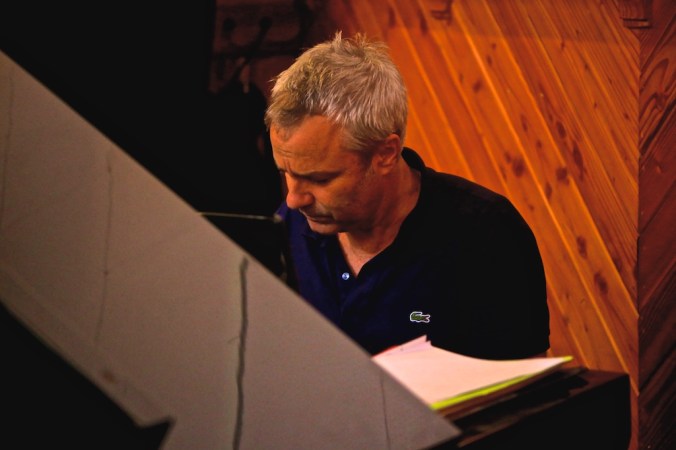 His pick up band are the familiar and popular Roger Manins (tenor), Oli Holland (bass) and Ron Samsom (drums). In the rush of the Tui awards there was little time to rehearse, but it didn’t show. This is 3/4 of DOG and they are the 2015 Jazz Tui winners after all.

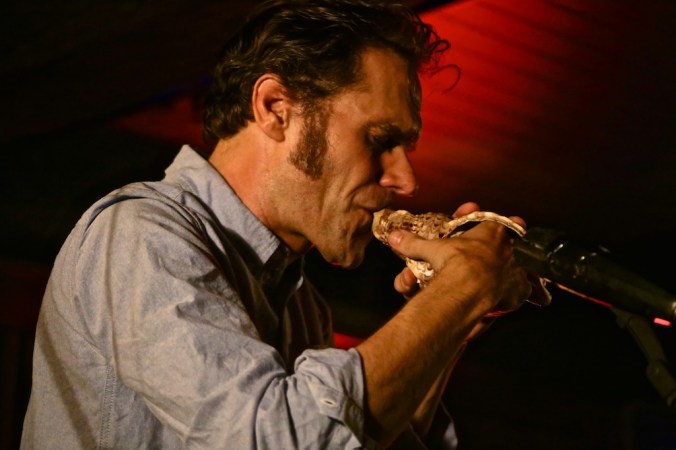 I often detect a unique quality in New Zealand improvised music, but when it comes to defining it, the illusive essence dissolves before I can grab hold. ‘Harry Himself’ has brought me one step closer, connecting me with a tangible manifestation. This band is the perfect example of improvised ‘Kiwiana’. At first hearing you detect a melange of the familiar; elements of World, Fusion, Straight ahead, Post bop, Post millennial Jazz and all served up with a generous dollop of classic country. Listen more closely and you will get strong South Sea references, flashes of musical memory permeating every bar. Everything from Bill Sevesi to the ancient sounds of New Zealand indigenous music. Even song titles revolve around Kiwiana themes . Many of the tunes belong to a place, to the Islands we live on and to the immense swath of sea that surrounds it. Like the harbours and oceans that surround us, this is a mosaic of glittering fragments. A familiar yet unknown music to gladden the heart.
 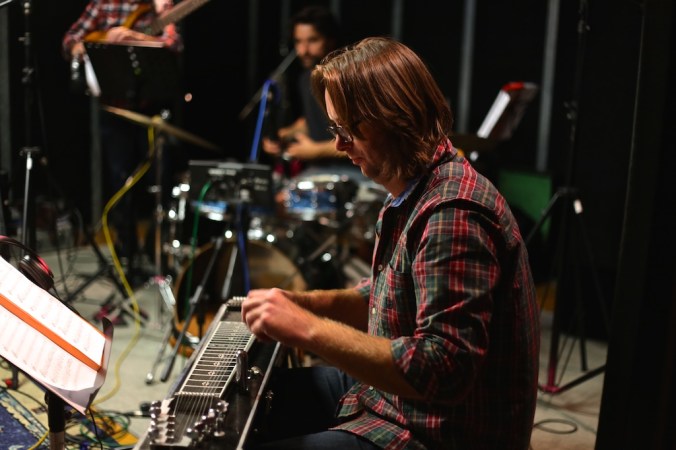 Above all this is a good-natured band, oozing charm and character. The array of instruments and the judicious use of loops and pedals more than doubles their range. The only constant in the sounds are the six string bass and drums. The leader Kingsley Melhuish is sometimes seen in the company of adventurous avant-gardists. He can also be found among the free ranging Ponsonby Road improvising bands. His use of pedals and loops is tasteful and it serves the music not a whim. His pedal effects and electronics are not added randomly, nor for the sake of it. He is an accomplished horn
  player, switching seamlessly between trumpet, flugelhorn, tuba, trombone and lately, a vast array of conch shells. Melhuish often sets up loops and then he plays over them with different horns. This layering of sound is achieved well and the real-time harmonic overlay enables him to add considerable texture and breadth. Neil Watson does likewise, as he frequently moves between Fender guitar and pedal steel guitar. The day after the gig I called into the MAINZ recording studio to grab a few shots of the group laying down an album. I overheard the recording technician asking the band after a take, “How do you feel that went; do you want to listen before moving on”? Immediately a voice came from the studio speaker, “No, I think we’ll do that one again. The Fender and the conch will work better together than the pedal steel on this track”. A huge smile crossed the technicians face, “I’ve never heard that said in a studio before” he said. They were
  right and it reinforced a long-held view of mine; that no instrument is beyond the reach of Jazz and that no sound should remain un-pillaged. I always appreciate Sam Giles electric bass playing and I am always left with the feeling that he is scandalously under-utilised. Solid and groove based was what the band needed and solid and groove based was what they got. On drums was premier drummer Ron Samsom. He worked these beats like he always does, purposefully, skilfully and making it look second nature. I’m glad the band is recording this material and I have a feeling that the album could grow legs with the right exposure. I hope so, they are fun.
 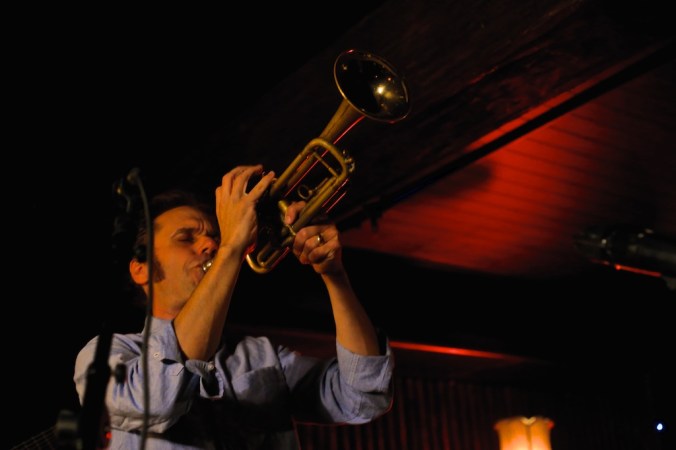 I have added two video clips of the band, which demonstrate the diversity of their material. While diverse, it never-the-less hangs together nicely. The fist clip is ‘Cy’s Eyes’ a tune composed for one of Melhuish’s children. The second tune is the wilder freer ‘Zornithology’. A tribute to John Zorn (with an obvious play on the title of a Bird tune). There was one tune I wish I’d captured on video and that was ‘Rose Selavy’ by Enrico Rava. Man, what a hard-edged powerhouse romp that was.
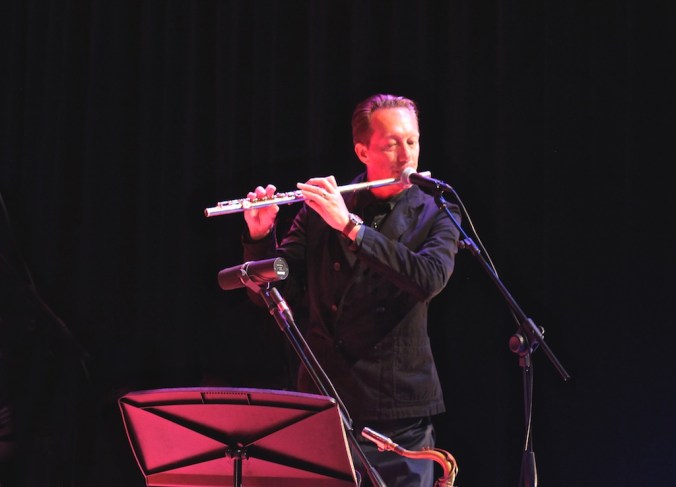 On Wednesday five well turned out ‘men in black’ suspended time at Auckland University. This was a rare event, pairing two of New Zealand’s best known and best-loved contemporary tenor players. The invitation only concert billed as ‘Nathan Haines meets DOG’ kicked off of the Universities 2015 Summer Concert Series. New intake students attending (or viewing the video clip) discovered just how high the standard is; they also realised how lucky they are to have these teachers and these role models.
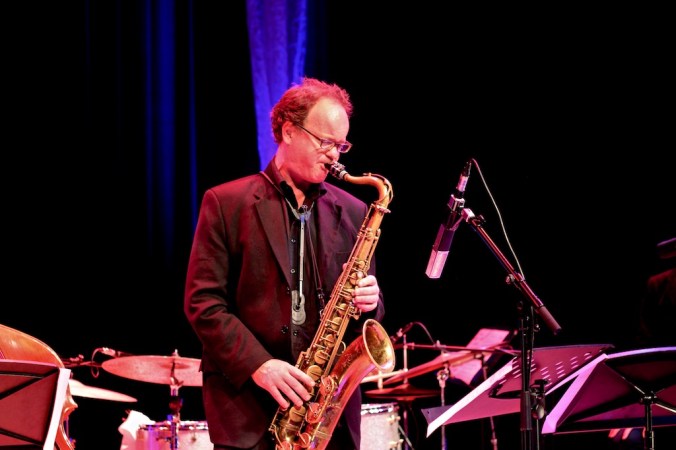 The Nathan Haines/DOG line up can rightly be described as a super-group; the cream of New Zealand’s improvising artists. We saw Haines at his best here as he showcased his formidable talents on tenor saxophone, soprano saxophone, flute & vocals. He is a multiple New Zealand Music Awards winner and perennially popular in New Zealand and London where he is now based. The DOG band members are all senior teaching staff at the Auckland University Jazz School (Faculty of the Arts). Collectively Ron Samsom (drums), Roger Manins (tenor saxophone), Oli Holland (bass) and Kevin Field (piano) form a dangerous new breed. The agility and intelligence of the animal has led many
  to speculate on its lineage; some suggesting Greyhound crossed with Border Collie? We will never know unless the parents own up, but it is beyond dispute that each band member has multiple acclaimed recordings to his credit. DOG is one of three groups short-listed for the 2015 Vodafone New Zealand Music Awards.
 reportage and most musicians view the exchanges as a chance to collaborate; not cut someone down to size. It is an opportunity to challenge and be challenged; a high level musical interaction between equals. At its best it can bring out something special in both artists and Wednesdays gig achieved just that.
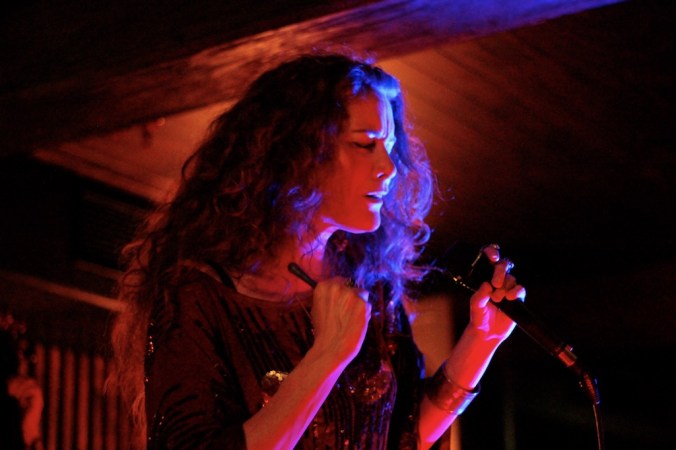 Caitlin Smith is a vocalist who can quickly put a smile on your face or shamelessly tug at your heart-strings. She always finds a way to connect her audience to the essence of a song; deftly locating that illusive sweet spot. While there is often power in her delivery, there is also remarkable subtlety. You could describe her voice in many ways; pitch perfect, having an almost operatic range, but there is much more to Smith than chops. In the parlance she owns each song she sings and embeds it with a uniqueness. Like a seasoned saxophonist she tells beguiling stories in a distinctive way.
 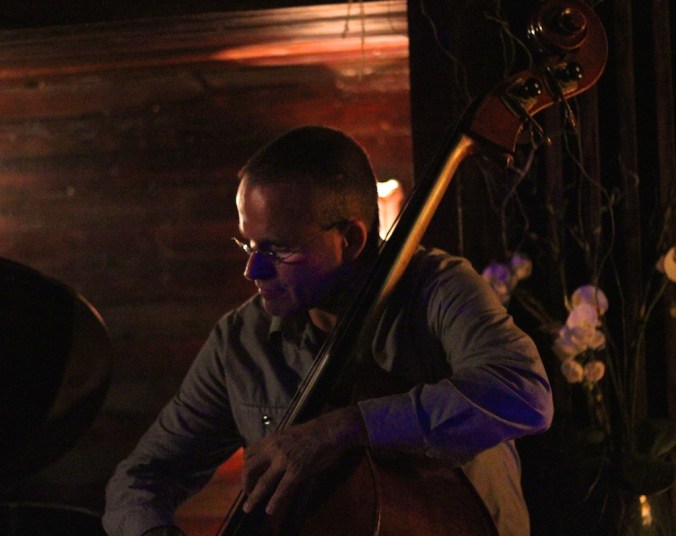 There is a well-worn cliché that vocalists hog the limelight and in truth many go through their careers with barely a reference to the musicians that they work with. Caitlin Smith is the opposite. You are left in no doubt that her gigs are a shared project as she interacts with band and audience, picking up on every nuance from either. She works with a band as a vocalist should and she is comfortable giving them space to solo. There is a generosity of spirit about her persona and this manifests in the music. I have also witnessed her solid support for emerging artists. The ultimate litmus test for me, is that gifted improvising musicians enjoy playing in Caitlin Smith lineups.
 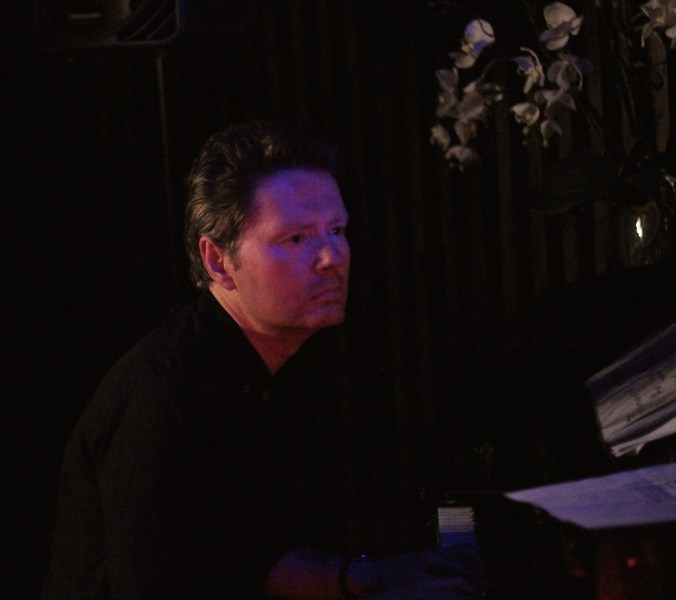 While Smith is widely acknowledged as a gifted singer-songwriter, it is her Jazz repertoire that is turning heads of late. Her performance with the AJO at the Tauranga Jazz festival won her many new fans. She is a wonderful interpreter of Jazz standards and this aspect of her repertoire deserves critical attention. Her vocal gifts and incredible musicality thrive with this space; of particular note is the delightful way she plays with lyrics.
 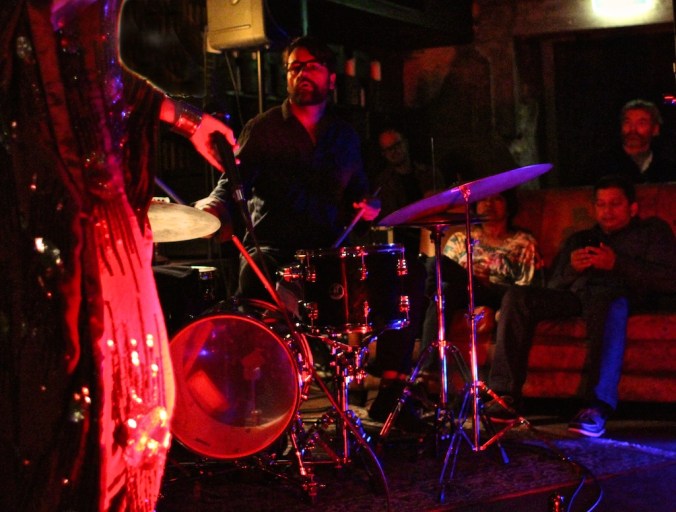 Smith is a natural performer and there is something wonderfully theatrical and engaging about her stage presence. This gives her gigs an added spark of life. On Wednesday she included some of her own compositions like the beautiful ‘In between’, but the audience was particularly wowed by her take on jazz standards such as Ellington’s ‘I like the sunshine’. I have heard her sing Ellington and Strayhorn at other gigs and I am always impressed by the way she freshens these standards up.
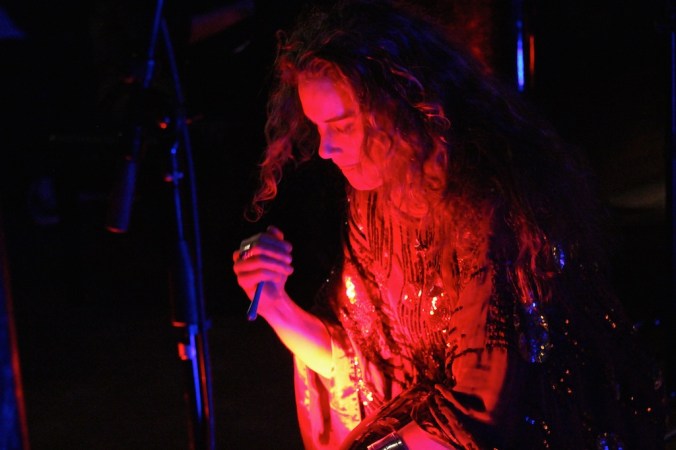 Another song from a different genre was ‘River’ (Joni Mitchell). This classic Mitchell song was recently reinterpreted by Herbie Hancock and Wayne Shorter. As Smith delivered her version she phrased it in such a way that I could hear those elided Shorter fills in my head. Her delivery was crystalline and it brought her two worlds together perfectly.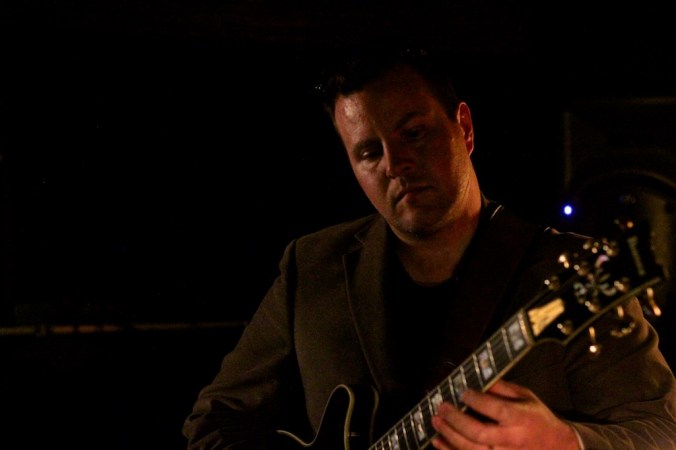
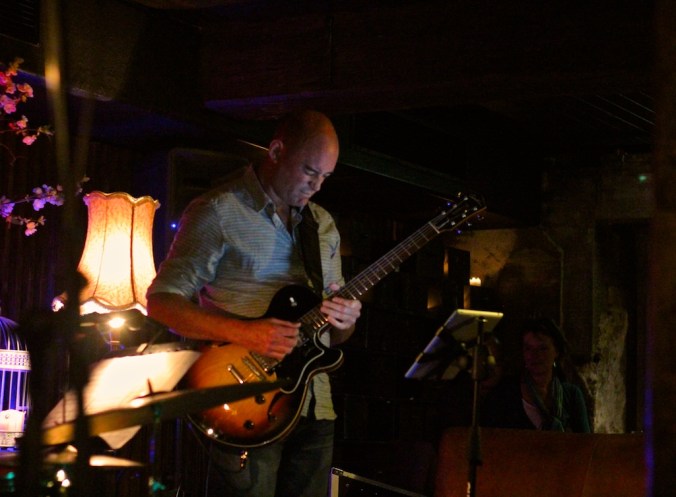
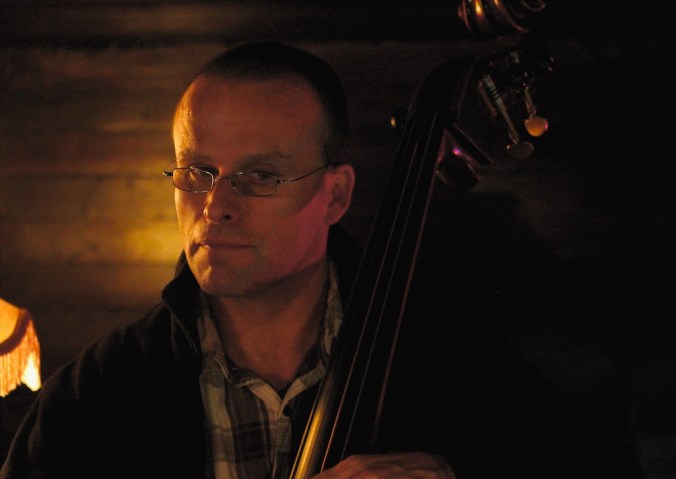

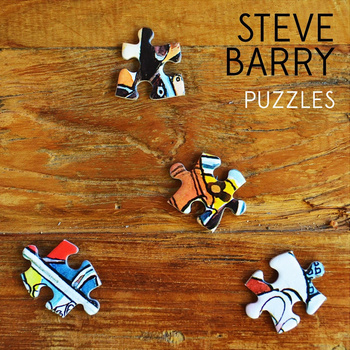
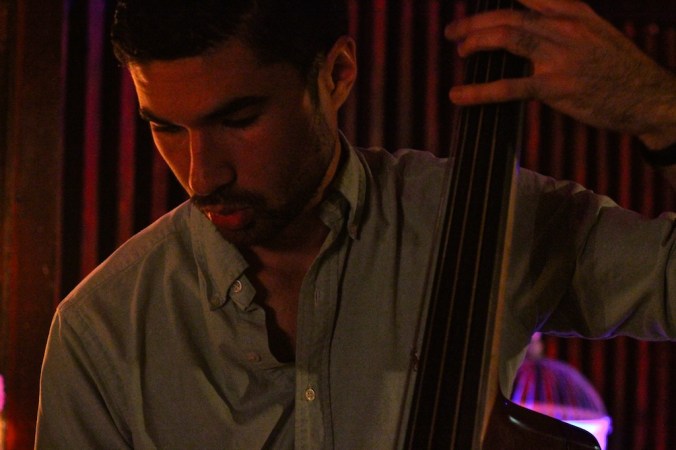
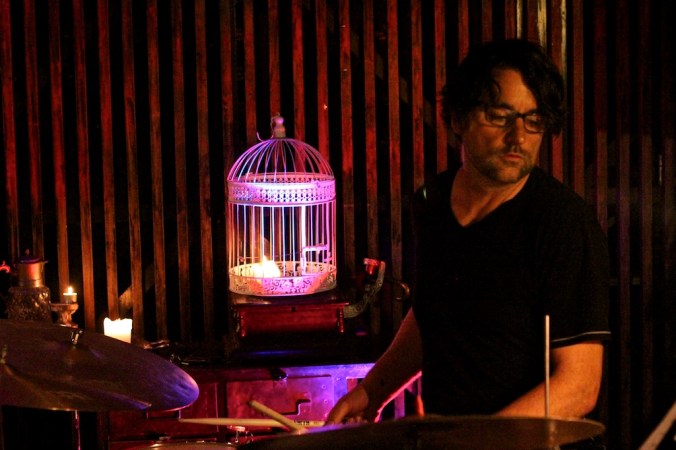
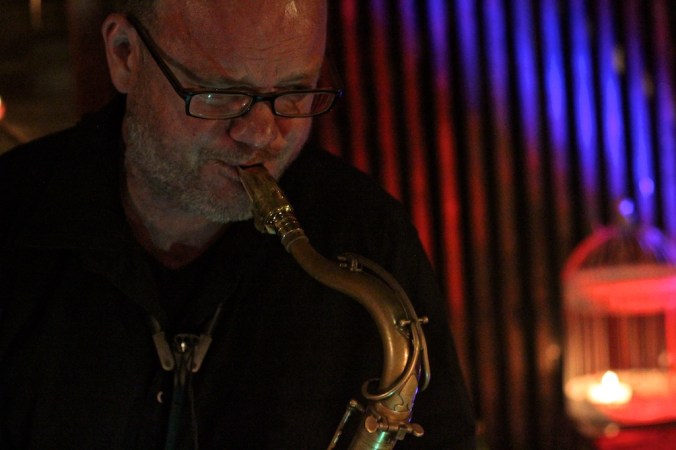
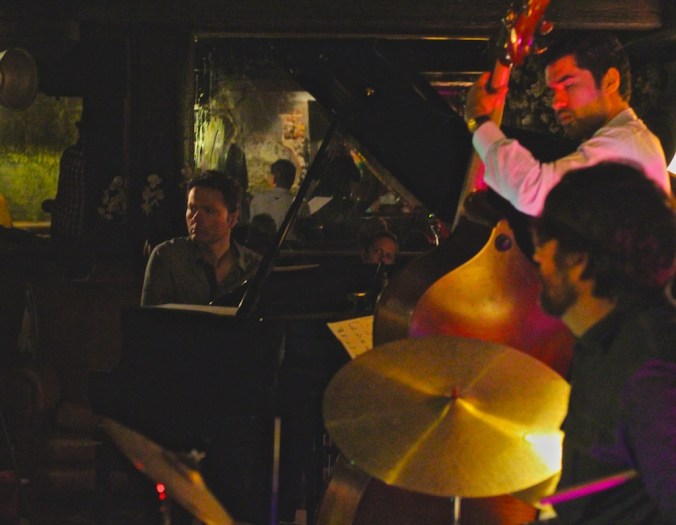
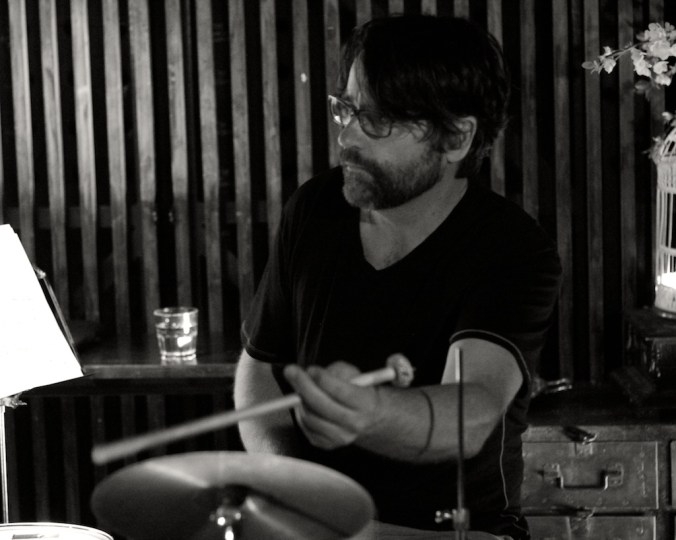
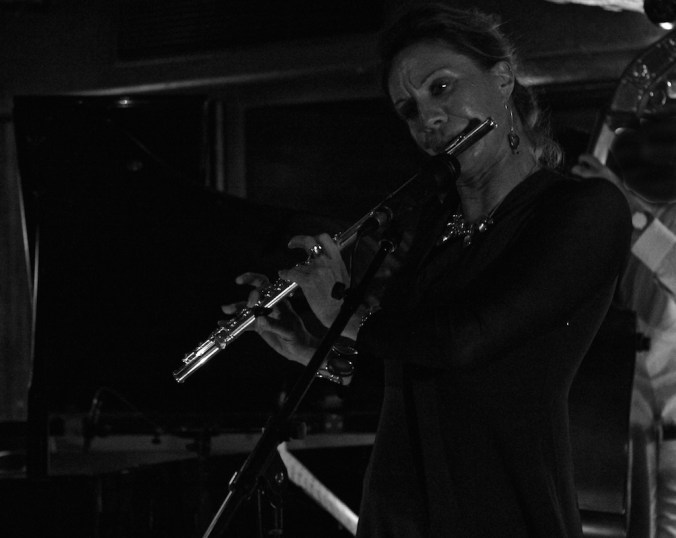
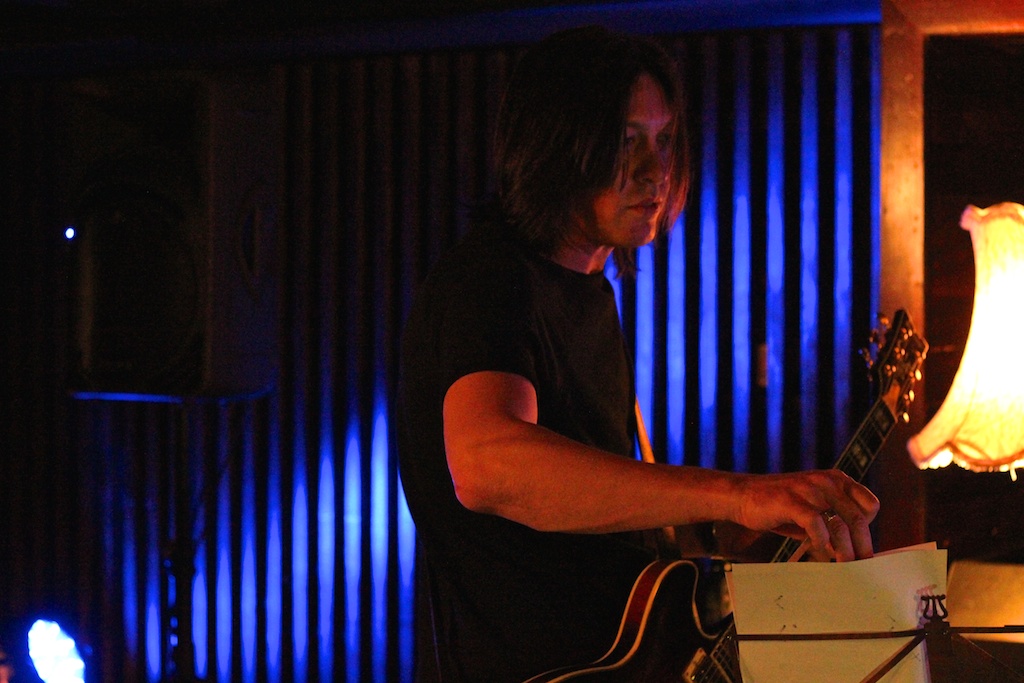
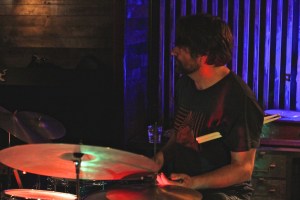
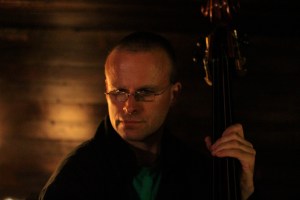
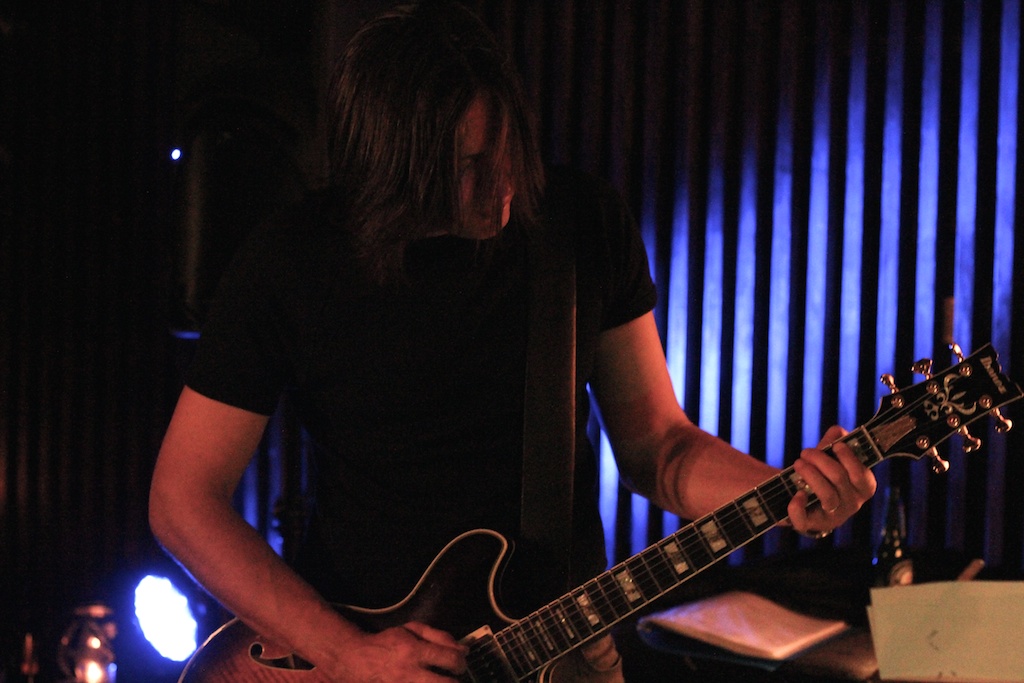
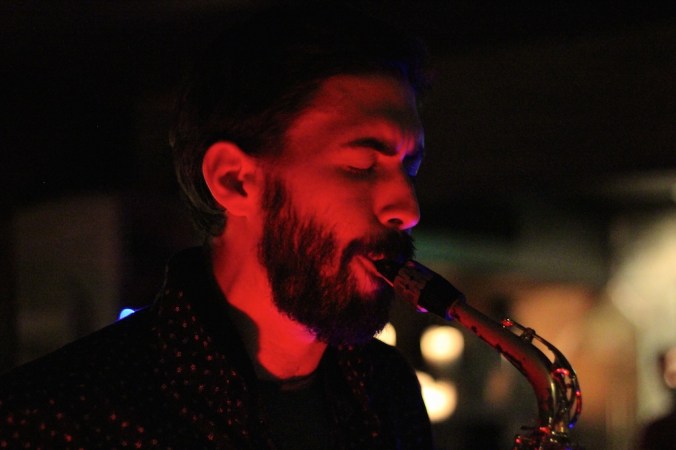
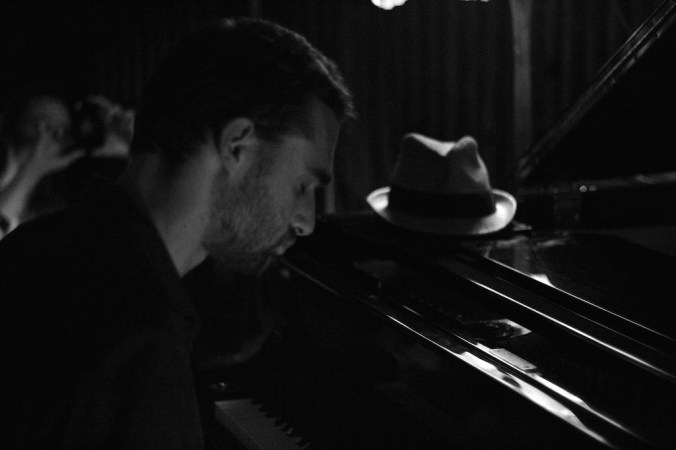
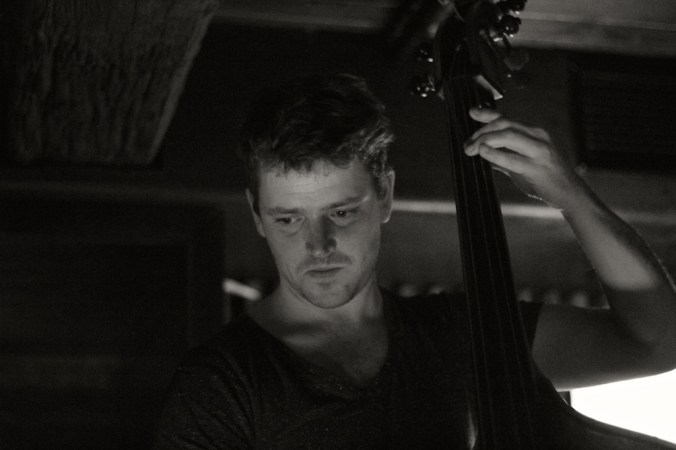
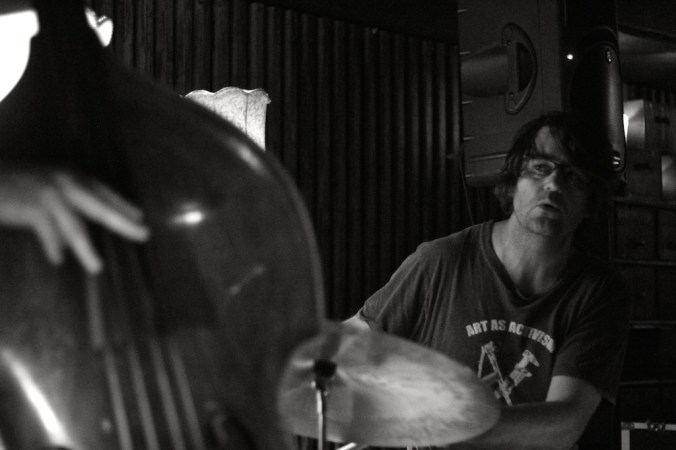
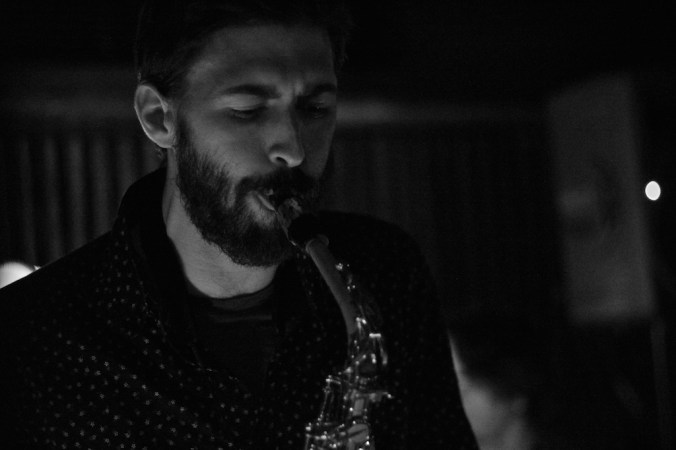
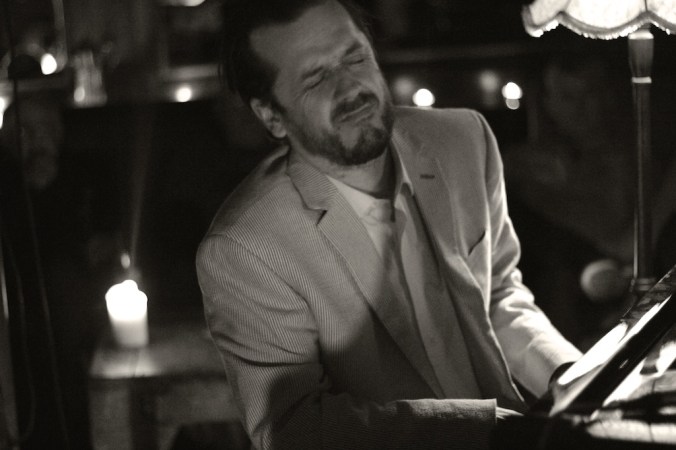
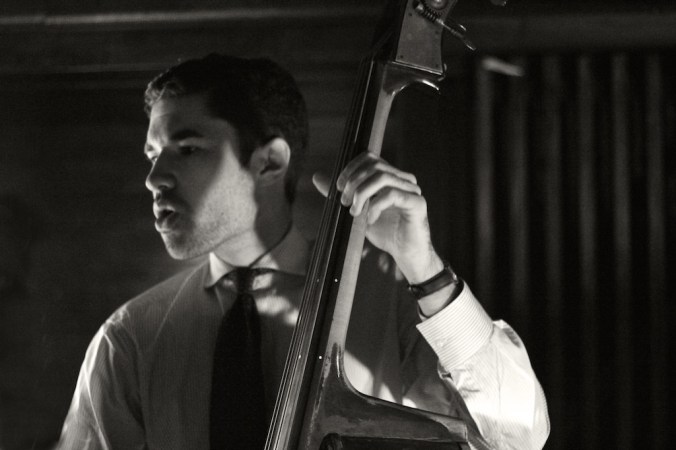
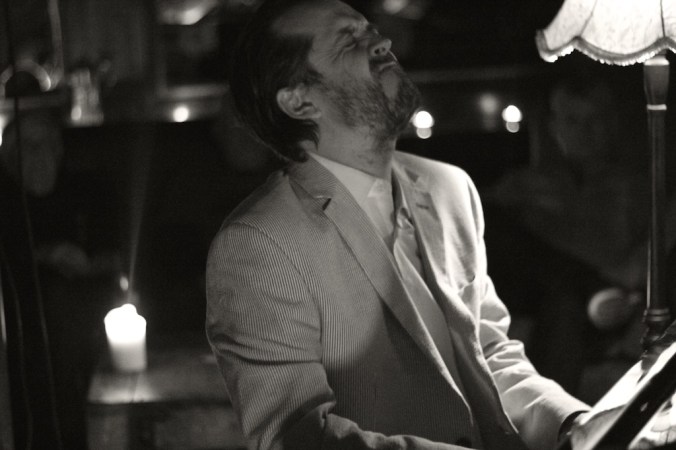
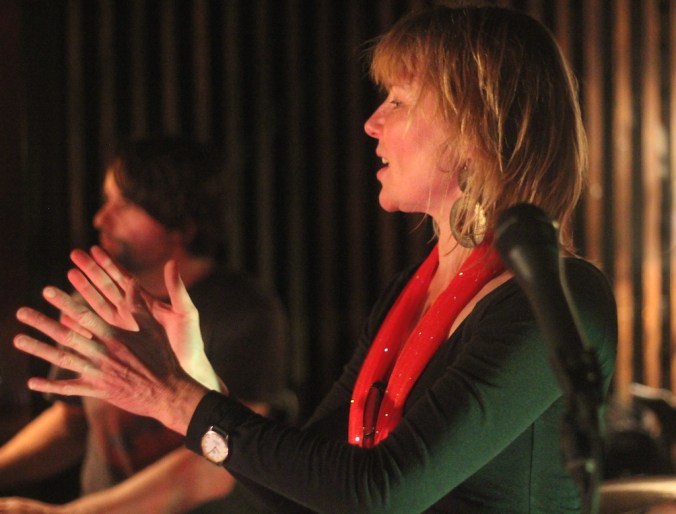

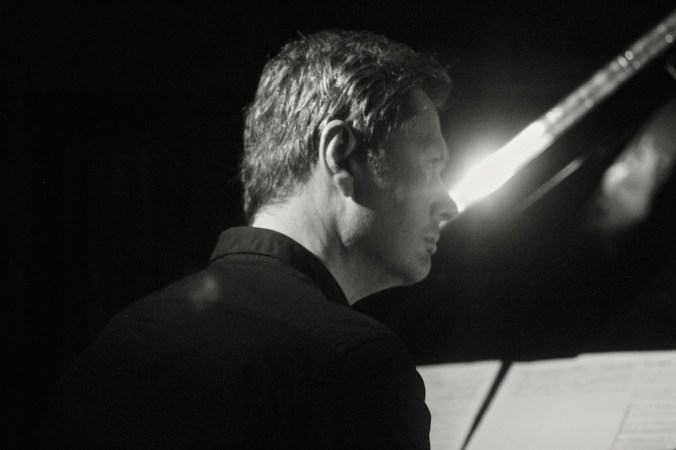
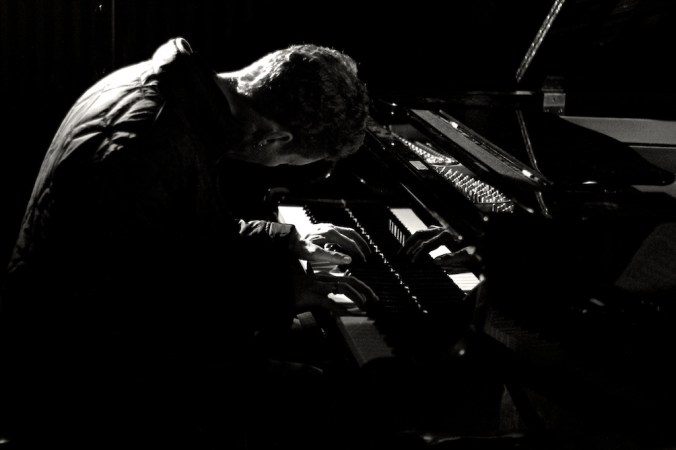
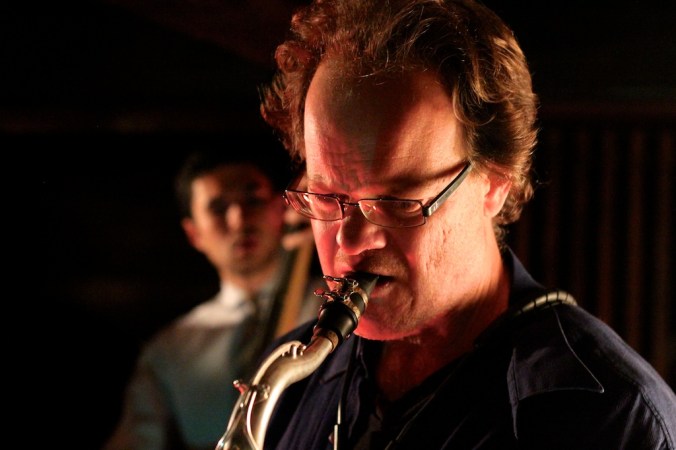
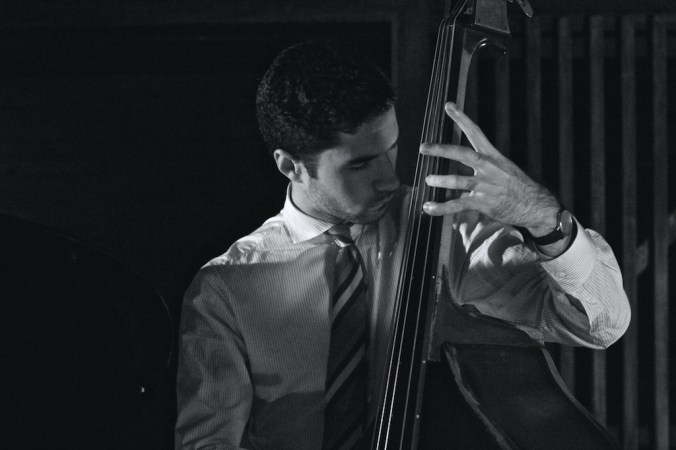
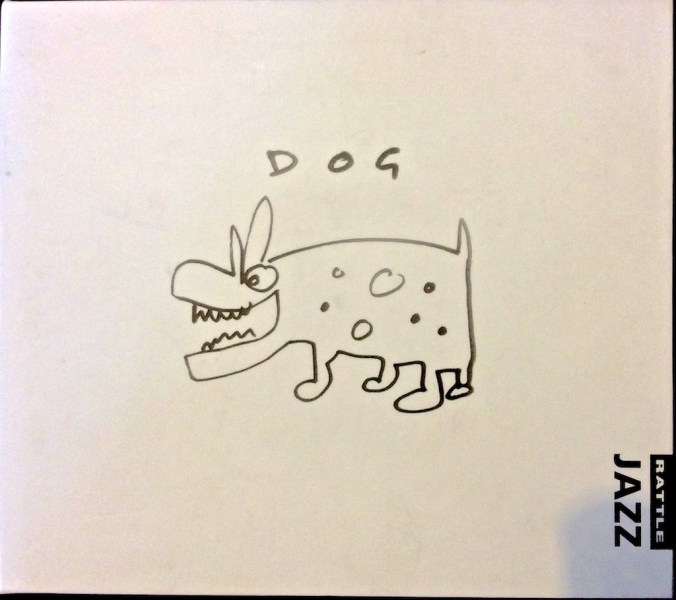

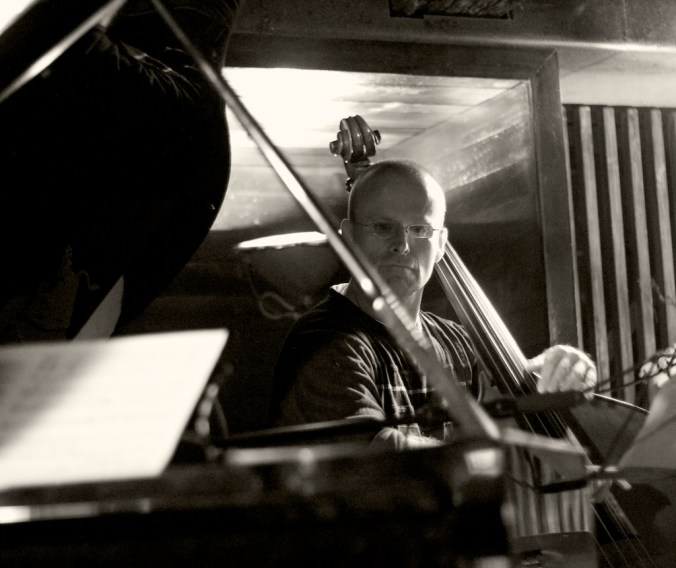
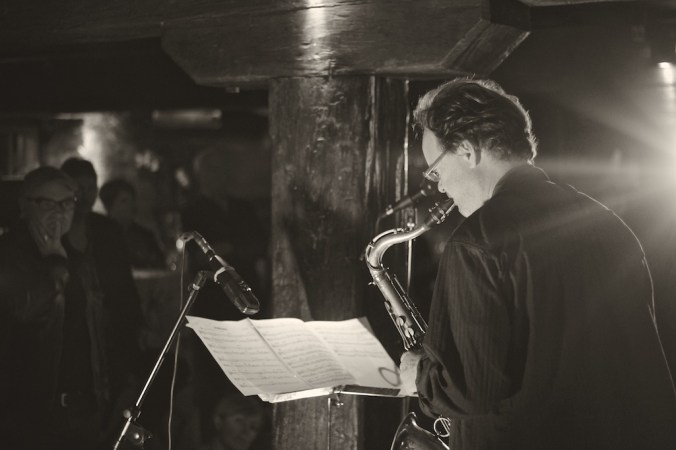
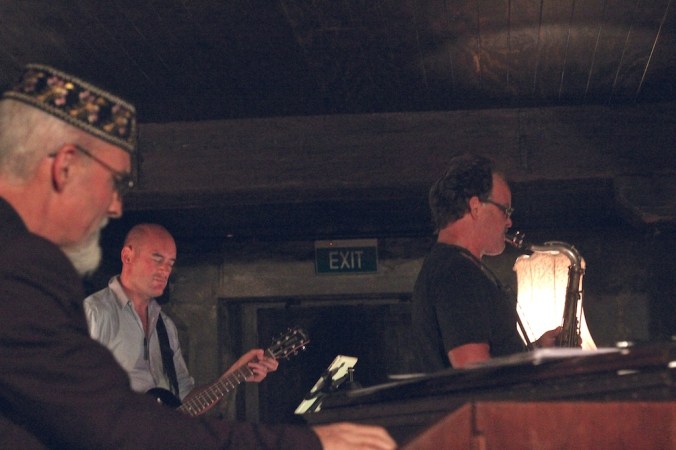
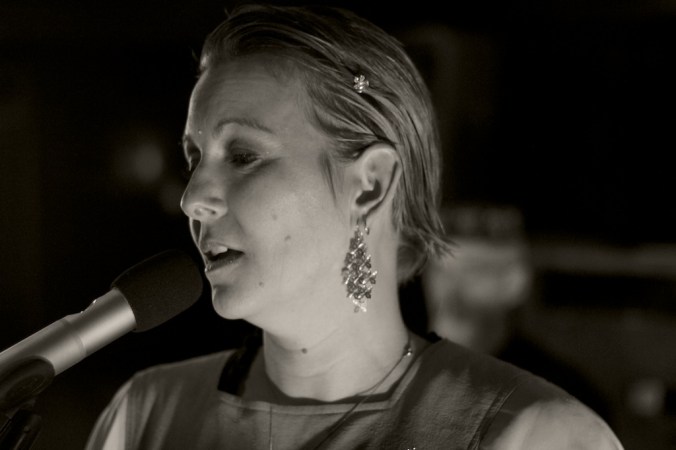
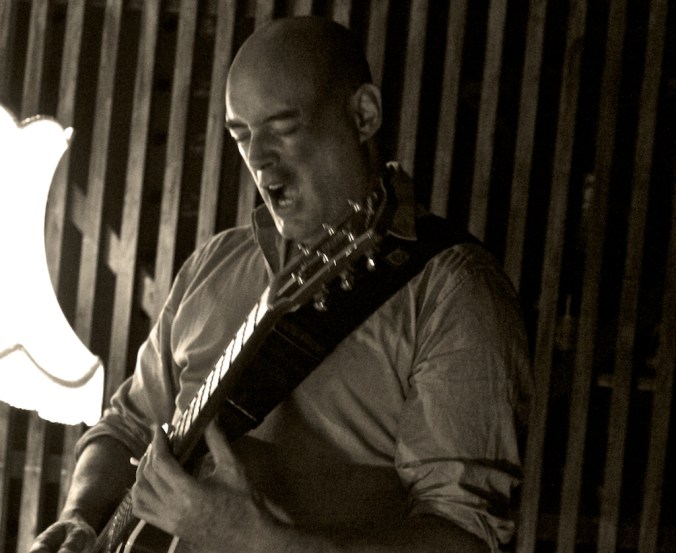
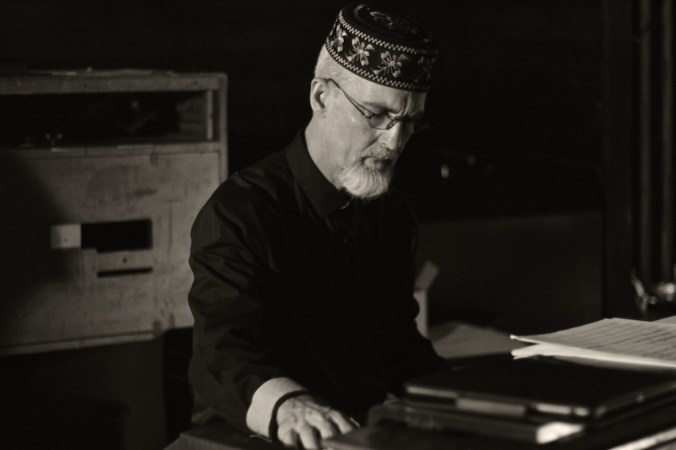
 JazzLocal32.com