The Outsider is the latest release by acclaimed Jazz Pianist Chris Cody, and as with his previous albums, he unflinchingly holds a mirror up to life past and present. Cody has demonstrated an uncanny knack for drawing back the veil on what we wilfully overlook; colonisation, alienation, belonging and dislocation. And he does so while offering us hope and sublimely beautiful music. This album elevates his already impressive discography to new heights as he chronicles the new reality.
The title of the album is apt, for its reference to Camus and because we have all of us become outsiders to the lives we once knew. Camus, a French Algerian, wrote his famous novel in 1942 when the European peace was in tatters, the menace of fascism threatened and when the colonised were challenging the hegemony of the old world order. We are living through similar times with a pandemic isolating us, authoritarians threatening us and the postwar consensus looking shakey. We are also confronting our colonial pasts as indigenous voices speak truths.
The echoes of the world that Camus wrote about are familiar to Cody as he has lived in and performed extensively in France and the former French colonies. Although Australian, his creative milieu is the world at large. He is not only well qualified to tell this story but his skill as a composer, arranger and pianist enables him to tell it well. As the narrative unfolds a rich textural palette is utilised. The octet sounds bigger or smaller depending on the mood.
The inclusion of the Oud not only broadens the palette but it highlights Cody’s arranging skills. The Oud is a spectacular instrument with evocative brightness and because of its authoritative voice, it is mostly heard with small jazz ensembles. Here, the Oud was woven beautifully into the whole, the three horns giving pleasing contrast. North African stories have immense clarity when spoken through an Oud.
This is a great lineup, and consequently, they deliver a tight performance whether supporting the soloists or leaning into those delightful bittersweet orchestral voicings. I strongly recommend this album which can be purchased only on Bandcamp either digitally or in CD form. I would opt for the CD, as the artwork by Maya Cody is stunning. Very few album covers match the music as well as this cover does. Purchase at chriscody.bandcamp.com
JazzLocal32.com is rated as one of the 50 best Jazz Blogs in the world by Feedspot. The author is a professional member of the Jazz Journalists Association, a Judge in the 7VJC International Jazz Competition, and apoet & writer. Some of these posts appear on other sites with the author’s permission.
It had been quite a while since the pianist and composer Ben Wilcock and I last caught up, so when I heard about his new album, I set up a ZOOM interview. It was a wide ranging discussion, more like a hang really, and because we were both relaxed we found a lot to talk about. The most obvious place to start was with Greek Mythology, a topic that we both had an interest in. Exploring this topic backgrounded the album nicely and the consequent intertextuality enhanced my appreciation of the project.
So, Tethys was a Titan and the daughter of Uranus and Gaia (Sky and Earth). She was associated with bathing spots and rivers. Among her siblings were Hyperion and Oceanus (the latter her brother and husband). Tethys later gave birth to the numerous water gods and nymphs who appear throughout Greek literature (Oceanids).
My assumption that the album directly referenced this mythology was only partly true. In fact, the prime inspiration was a series of SciFi novels titled ‘The Hyperion Cantos’ by Dan Simmons. I had no knowledge of his works, as my basic reference for Hyperion was John Keats’ aborted poem. My bad. The Hyperion Cantos is now on my reading list.
Aenea
The project topic was an immediate hook, but the way that Wilcock tackled it makes it extremely interesting. In the novels, the river Tethys flows between different worlds and in order to capture the mood of those worlds, he assigned each tune to a different world or place. He also decided that the pieces should not be programmatic and with that in mind he allocated each tune to a world after they were recorded.
The artistry of the musicians and the arrangements lead you to think that the work is through-composed, but in reality it is ninety percent improvisation and much of that free. Therefore, I was not surprised to learn that the tunes were mostly captured in one-take. Each of them sparkles with a spontaneity which arises from that in-the-moment approach. The tunes are mostly Wilcock originals but with three standards interposed, the juxtaposition works very well.
The blistering rendition of Gillespie’s ‘Groovin High’ is a roller coaster ride, pulling at the very fabric of the tune, and much like the hot music of the Mos Eisley Cantina in Star Wars, you wish that you could hang there. As Wilcock put it, ‘melody over chaos time’. Another standard is a take on de Paul/Rayes ‘Star Eyes’, a tune made famous by Tommy Dorsey. The remaining standard is ‘La Rosita’ (brought into the Jazz lexicon by Ben Webster and Coleman Hawkins). All of the above are assigned a different mood (e.g La Rosita has an old movie vibe, later settling into a delicious Ahmed Jamal groove with its easy loping swing).
As interesting as the standards are, it is the originals that truly reel you in. Right from the opening number you know that you are in for a treat as a succession of expansive tunes entice you phrase by phrase. This is an album that rewards repeat listening. Some are slow burners while others are edgy, and in spite of the oblique references to familiar music, this is a forward looking and original album.
First Gate
One of the things Wilcock and I spoke of was how improvising artists hate to be confined or pigeon-holed. This album firmly establishes Wilcock as a capable modern stylist. Yes, he is adept at creating a Peterson, Monk or Garner vibe, but he is so much more than that. There is free improvisation on this album and he is very much at home in this space. I can’t wait to hear more. This must surely be his direction of travel from here out.
When you check out the album, listen to the slow burning and bluesy ‘Sol Draconi Septum’. A tune where the form is implied and liberated. Or check out the extraordinary ‘The Secret Life of Music’, which opens with a scuffling dissonant urgency (think Paul Bley), then unexpectedly merges into a delightfully syncopated Willie the Lion stride romp. Then there is ‘Aenea’ with its otherworldly violin soaring over the trio like a circling eagle; and that subtle elegant progression in the middle which briefly reminds you of Evans playing The Peacocks.
With the colourist drumming and interactive bass, the openness of the offering is reinforced. That the music could be simultaneously inside and outside, is a tribute to the musicians. And Wilcock’s piano is superb throughout, a joy from start to finish and worth the album price alone. Accompanying Wilcock are his frequent collaborators, John Rae (drums) and Dan Yeabsley (bass). On a number of tracks they are joined by the interesting violinist Tristan Carter. No one put a foot wrong here.
I have always been a fan of John Rae’s drumming and partly because it is always totally appropriate to each situation. Therefore, I shouldn’t have been surprised to hear those spare, Motian-like, colourist pulses emanating from his well tuned drum heads. I love minimalism and there is plenty of it to enjoy on this album. The best example can be found in ‘First Gate’. Here, the quartet speaks as one and they capture the very essence of minimalist Jazz, something rare, sparse and beautiful. The opening bar begins with three chords, then the sound decays as the seconds tick (how wonderful), gradually that tap, tap, tap and the arco bass or snatches of violin. Five stars for this tune.
The last number on the album is Star Eyes and as the trio settles into a warm groove, we are eased back to the familiar. Having experienced this journey. I know that I will return often; these are worlds that beg a deeper exploration. To purchase the album visit Thick Records (follow the link). It is also available on streaming services, but it is best to purchase and support these artists – this one you will want to own in any case.
JazzLocal32.com is rated as one of the 50 best Jazz Blogs in the world by Feedspot. The author is a professional member of the Jazz Journalists Association, poet & writer.Some of these posts appear on related sites.
The gigs introducing young emerging artists are a time-honoured tradition at the CJC Jazz Club. It is one of the reasons why Carolyn and Roger Manins formed the cooperative well over a decade ago. It is a vital part of club programming, as it tests the metal of emerging musicians by exposing them to a seasoned Jazz audience. The gigs also give us a glimpse of the future; they reveal who has yet to shine, and who will soon be nipping at the heels of seasoned musicians.
Both Joe Kaptein and Ben Gailer are students at the University of Auckland Jazz school. Kaptein is in his third year of studies and Gailer has recently completed his honours studies. Stylistically, the musicians presented very different offerings and the contrasting approaches gave us a unique insight into the breadth of teaching available at the Jazz school. It was a showcase for the band leaders and a showcase for their tutors, with many of the latter hiding in the shadows and beaming throughout.
First up, was the Joe Kaptein sextet. The band was a mixture of former and current Jazz students (plus two tutors), with Kaptein leading on keyboards, Michael Gianan on guitar, Roger Manins on tenor saxophone, Will Goodinson on electric bass, Elijah Whyte drums and Ron Samsom on percussion. The compositions were all Kapteins and it was immediately obvious why he chose keyboards over the piano. I have heard Kaptein perform as a sideman on several occasions, and his preferred palette is that drawn from the older analogue keyboard instruments. On this occasion, he had a Render Rhodes as his primary keyboard and a variety of augmentations (one machine in an intriguing case, the knobs and dials reminiscent of the moon landing console).
The first time I heard Kaptein was like hearing 70s Jazz reimagined. I have always thought that the era deserved further appraisal, as the journey back then was curtailed by the Jazz police. It is possible, that Kaptein found this style without reference, but nevertheless, he has encapsulated a modern version of that older trippy explorative vibe. His compositions are mature and packed with surprise. In typical post-bop fashion, there were references to the waypoints of the jazz journey; but above all, these numbers spoke of joy.
The second set featured a sixteen-piece ensemble led by Ben Gailer and what he presented wowed everyone in the room. Arranging and composing for an orchestra is a complex task, but to bring such an orchestra to a Jazz club on your first gig there is beyond brave. All of the charts had been arranged by Gailer and many of the compositions were his own. His own material stood up very favourably amongst the standards ’There will Never be Another You’ and a fresh sounding take on Hancocks ‘Maiden Voyage’. That speaks for itself.
It’s hard to know where to start in evaluating a set like this as it covered so much fertile ground. There was his energised conducting, somewhat reminiscent of Darcy James Argue with its expressive flourishes as he urged the sections on. There were the finely textured arrangements which balanced dissonance with melodicism in a precise and pleasing measure, and then, there was his pianism which shone through all of that. That is a lot to bundle together but he did so with real class. I can’t wait to hear where his journey takes him next.
Ben Gailer
Because of the sight-lines and the seating, I could not set my video up for that set and I cursed that I had not brought audio-recording equipment with me. What I did, was record it on my phone as an aid in evaluating the performance. Posting iPhone capture is not ideal, but with luck, a better recording of this large ensemble may become available at a later date. I certainly hope so.
Joe Kaptein Sextet: Kaptein (keyboards, effects), Roger Manins (tenor saxophone), Michael Gianan (guitar), Will Goodinson (electric bass), Elijah Whyte (drums), Ron Samsom (percussion)
Ben Gailer Orchestra: Ben Gailer (compositions, arrangements, piano, Fender Rhodes), Lukas Fritsch (reeds), Cameron Kelso (reeds), Felix Hayes-Tourelle (reeds), Daniel McKenzie (reeds), Charlie Harmer (reeds), Jake Krishnamurti (Trumpet), Jack Thirtle (trumpet), Nick Curry (trumpet), Caleb Probine (trumpet), Jono Tan (trombone), Esther Simpson (trombone), Zachary Lim (trombone), Michael Gianan (guitar), Hank Trenton (bass), Rhohil Kishore (drums).
The orchestra was a mixture of present and recently graduated UoA Jazz school pupils.
My general rule is to confine my posts to New Zealand or Australian bands, or to local gigs by visiting musicians. Very occasionally, I post from further afield or review albums from the wider Jazz diaspora. In this case, my self imposed categories both fit and they don’t. The first album is Polish in origin, but the leader, Michal Martyniuk, has lived in both New Zealand and Poland. Each alternate track was recorded with Kiwi musicians. The second album is the astonishing New Yor-Uba ensemble and I have a story to tell about my brief but memorable online interactions with the leader, New York-based Michele Rosewoman. The next album is by the Italian born pianist Roberto Magris, who I narrowly missed catching up with when I was in Prague and Trieste. And lastly a heads-up. Jason Miles is about to release an album featuring Jay Rodriguez, a frequent visitor to New Zealand. Anything with Rodriguez will be worth checking out.
Resonate (Michal Martyniuk)
Resonate is an album that has shaped itself over time. The recordings took place in different countries and in three instances, the recordings were separated by more than four years. In spite of that, there is a remarkable cohesion throughout. I have reviewed Martyniuk previously and I follow his journey carefully. Anyone who has paid attention to his live performances and to his recorded output will understand why the spacial and time disparities are irrelevant. Martyniuk has an intense artistic focus and his mind-set is not to move on until he is completely satisfied. While it may not be a formula for producing albums in swift succession, it is a recipe which pays dividends for him. Like all strong leaders, he communicates his vision to the musicians and because of that, we get synergy and flow between tracks.
It is an album of beautiful pianism and an album that I would place firmly in the European modern jazz mainstream. I believe it is equal to the best coming out of Europe. He also has a keen sense of which musicians will work with his compositions and more importantly, which will react to the other musicians. His New Zealand trio is Martyniuk (keys) with Cameron McArthur (bass) and Ron Samsom (drums) (plus the Polish guitarist Kuba Mizeracki track two). His Polish quintet features Martyniuk (keys), Jakub Skowronski (tenor saxophone), Mizeracki (guitar), Bartek Chojnacki (upright bass) and Kuba Gudz (drums. Since reconnecting with his Polish roots and performing in Poland, Martyniuk has carved a strong niche for himself. With his career on the rise, we may see him less and less, but if you do get wind of a visit, grab a ticket. You can purchase the album through his Bandcamp site and if downloading I recommend the Wav option.
No matter how many times I listen to ‘Hallowed and I have listened often, my evaluation is always the same. This is an album of extraordinary depth and a testament to Rosewoman and her unique perspective on Afro Cuban music in America. Hallowed is the culmination of thirty-six years work, and of many successful and innovative collaborations. This latest album follows her acclaimed ‘New Yor-Uba, 30 Years: a musical celebration of Cuba in America’. Rosewoman deservedly garnered a Cuban Jazz Grammy for that. It was rated #1 by NPR in the Latin Jazz category. Although what she plays is always accessible, Rosewoman has long been regarded as an adventurous musician but she defies easy pigeonholing. Her early influences like Mingus informed her trajectory while her association with the likes of Greg Osby, Steve Colman, Julien Priester,and Oliver Lake plus a plethora of gifted Cuban musicians set her final course. The bulk of this latest album was the result of a commission by Chamber Music America. Long ago when websites were new, I decided to check out some online Jazz sites. I was enthusiastic about Rosewoman’s Quintessence albums and I found her site and typed her name into a message box. Within minutes her reply came back and it astounded me that I could talk to a musician in real-time. In the mid-nineties that felt like magic.
In the wrong hands, a large ensemble, weaving intricate clave rhythms can overwhelm. On Hallowed, the charts are meticulously crafted, allowing the music to breathe naturally. The orchestration here is simply exquisite. Each track begins with a particular rhythm, moving subtly to other rhythms and moods as the listener is drawn into the essence of the music, which in spite of its intricacy takes you on an expansive and heartwarming journey. As you listen you feel the warmth and undulating caress of a Cuban breeze. The heart of the album is the commissioned work titled Oru de Oro (Room of Gold). This should be listened to following the track order and the 10 tracks enjoyed as a whole. As with most Cuban music, the rhythms of the Bata are the threads upon which all else rests and although the warp and weft pulse and change, the centre always holds. There are many master musicians on this album and it could be described as an amalgamation of worlds, a uniting of times past and present.Although not prolific as a recording artist, this is Rosewoman at her best. It is hard to see how she could surpass this, but given her previous albums, she probably will.
To date Robert Magris has led or co-led around 30 albums and ‘Sun Stone’ is a recent offering from the Kansas City ‘JMood’ label. He is a veteran of the European Jazz scene and his consistent output has frequently brought him into contact with respected American Jazz musicians.He travels widely, performing at festivals and gigs throughout the world. These fruitful collaborations have frequently taken him to America where he has cut some well-received albums in recent years. While a mainstream Post-bop stylist, he is never-the-less difficult to categorise precisely. Like many pianists who have been around a while, he has absorbed many influences and to these, he has added his own southern European voice.
‘Sunstone’ the album features the respected multi-instrumentalist Ira Sullivan and the rest of the sextet apart from Magris hail from either Florida or Chicago. The first number and title track is a crackling energised number which sets the tone for much that follows, but there are also some reflective numbers. On several of the later tracks, Sullivan is heard to great effect on flute.Magris is from Trieste and he often performs in nearby Prague with the MUH trio. It was in those two cities where I almost caught up with him a few years ago. Trieste appeals to me greatly, so perhaps next time?
JazzLocal32.com was rated as one of the 50 best Jazz blogs in the world by Feedspot. The author is a professional member of the Jazz Journalists Association.
Canadian Jazz guitarist Keith Price is a welcome addition to the Auckland scene. He brings with him fresh ideas and a musical connection to his hometown. Manitoba is associated with Lenny Breau and Neil Young who both grew up there. Perhaps it’s the proximity to the open spaces which echo in the music, that wide-open sound (and in Young’s case an overlay of dissonant melancholia)? Whatever it is, it certainly produces distinctive musicians. Lenny Breau is an important Jazz guitarist and one who is sadly overlooked, Hearing Price’s respectful acoustic homage on Wednesday, cast my ears in that direction again.
Before moving to New Zealand, Price recorded a collaborative album in his home state of Winnipeg and that material formed the basis of what we heard last Wednesday. While the album features Canadian musicians, it was released on our premier Kiwi label Rattle. ‘Upside Downwards’ is a terrific album and from the first track, you become aware of how spaciousness informs the compositions, a note placement and phrasing which allows the music to breathe deeply. This feeling of expansiveness is also underscored by a certain delicacy. In the first track especially, you marvel at the touch; the skilfully deployed dynamics grabbing your attention, but it is the artful articulation of Price’s playing that is especially evident. Listening through, it impossible not to feel the presence of the open plains and of Lenny Breau.
The co-leaders are perfectly attuned to each other throughout; playing as if one entity. There are no ego-driven flights here and in that sense, it reminded me of an ECM album. I had not come across either the pianist or the drummer before but they impressed deeply. From Jeff Presslaff, that delicate touch on the piano and the ability to use a minimalist approach to say a lot. The drummer Graydon Cramer a colourist and musical in the way Paul Motian was.
Wednesday’s gig was in part an album release, but Price also traversed earlier albums and played a short acoustic set. The album was a trio, but this time he brought four of Auckland’s best to the bandstand. The quintet format worked beautifully and his bandmates were clearly enjoying themselves. These guys always sound good, but it felt like they there were especially onboard for this. In the acoustic set, Price played what looked like a Martin (a Breau and a Young tribute). The other standard was a killing arrangement of Wayne Shorter’s Ju Ju. Why do we not hear that more often?
When setting up my video camera I made the mistake of locating myself near the bar and because of that, there is bleed-through from the air conditioners (the curse of all live recordings). The sightlines are also poor from that end. Never-the-less, I have put up a clip from the first set titled ‘Solstice/Zoom Zoom’. It was worth posting in spite of the defects. I have also posted a sound clip from the album titled ‘6 chords commentary’.
Album: Keith Price (guitar), Jeff Presslaff (Piano), Gradon Cramer (drums)
Auckland Quintet: Keith Price (guitars), Kevin Field (piano), Roger Manins (tenor saxophone), Olivier Holland (upright bass), Ron Samsom (drums). Anthology, CJC Creative Jazz Club, K’Road, 09 October 2019. Recoding available at Rattle Bandcamp.
I have listened to John Bell over a number of years and I have always marvelled at his inventiveness. Bell (along with Jeff Henderson), is widely acknowledged as the experimental music guy, the free improvisation guy. He is a musician who takes risks as he aims for clear skies; a musician who involves himself in interesting cross-cultural collaborations, a vibraharp player who doubles on brass instruments. He is an artist who you always associate with innovation – consequently, other musicians look up to him.
In spite of his wide-ranging credentials, I had never seen him perform this type of material and I anticipated it keenly. His latest project, the Aldebaran Quartet, dove into the explorations of a specific era. The warm modal music of the late sixties and seventies. A time in Jazz when the behemoth of Rock dominated the airwaves and filled record shelves – eclipsing everything else in view. It is unfortunate that audiences looked away just then because out of that era came a heady brew of fresh ideas. Hidden in plain sight were improvising trailblazers; laying down wonderful music, incorporating new freedoms, and embracing a quasi-secular space age spirituality. This was the era when Bobby Hutcherson and Herbie Hancock took a new direction with ‘Oblique’ – when Chick Corea cut ‘Tones for Jones Bones’; both albums featuring the scandalously underrated drummer (and vibes player) Joe Chambers: an era when Eddie Henderson released ‘Sunburst’, Bernie Maupin ‘The Jewel in the Lotus’, and when Alice Coltrane and Don Pullen broke new ground. And all the while looking toward some distant star system or an inner world; all bringing a new flavour to the improvised music scene.
This was a gig filled with mesmerizing soulfulness, but underneath the shimmering sound lay some very clever compositions and great musicianship; referencing a time when modal music stepped free from the formulaic. An era ripe for further exploration. This was complex music made to sound simple; a visceral music that took you to its heart without the need for pointy-headed insider knowledge. The track I have posted is a good example, the lessons of eastern and western music, absorbed, expanded and all without a hint of contrivance. Melodic patterns over a crisp undulating drum pulse, piano and bass picking up the pattern, in unison or in response, freeing the vibraharp to explore the possibilities as they opened up space. The tune in question ‘Atagato’ (Bell) is a wonderful composition. It resonates deeply, the complexity artfully hidden behind simple themes, throwing up a melody line that is merely implied. The clever musical devices employed were endless but for the listeners, that was not important – it was the immediacy, the resonance which touched us. Bell is a true tintinnabulist and we are lucky to have him home.
When Vibes and piano play together they often take a different tack from that of guitar and piano. Occupying the same tonal range is avoided in the latter case but with piano and vibes, a unison approach is frequently employed. When either piano or vibes are comping the chords can become mirrors – reflecting each other but varying fractionally to add texture; completing each other through the harmonics arising from their different timbres. In this respect and others, the pianist Phil Broadhurst was superb. Again, I am very familiar with his output, but I had never heard him in this context. His solos were in the pocket and his sensitive comping concise, supportive.
Bass player Eamon Edmundson-Wells was just right for this gig. Like Bell, Edmundson-Wells has a firm foothold in the avant-garde scene. The more I hear him the higher my regard for his musicality. He is an extraordinary young bass player and capable in any given situation. The remaining quartet member was drummer Steve Cournane. From the first few beats, he stamped his authority. His rhythmic feel interesting and a little different from other drummers about town. He lived in South America for some time and it’s really good to see him back on the scene. There is something of the classic Jazz fusion drummer about him but more besides (he sometimes reminds me of Peter Erskine or perhaps Lenny White). Together they form a great unit. I hope that they record this material and perhaps exchange the keyboards for an acoustic piano when they do. These compositions and this unit are far too enjoyable to disappear from earshot.
John Bell: Aldebaran Quartet – Bell (vibraharp, compositions), Phil Broadhurst (keyboards, compositions), Eamon Edmundson-Wells (upright bass), Steve Cournane (drums). The gig took place at the CJC Creative Jazz Club, Backbeat Bar, K’Road, Auckland March 2018.
Roger Manins uncoupled the microphone and looked around the club. It was winter outside but you wouldn’t have known it. The windows were steamed up from the heat of a capacity crowd; all eyes were fixed on the stage and the stocky man holding the tenor saxophone. “You know how lucky you are …. right,” Manins asked the audience? A loud cheer went up accompanied by whistles and foot stomping. George Garzone was in town and no one was in any doubt.
The Garzone phenomenon is hard to pin down, there are so many facets to it. While incredibly famous in Jazz education circles, revered by elite saxophonists; loved by club audiences and improvising musicians, he is under-mentioned in the Jazz press. The reason for this apparent contradiction cuts right to the heart of the man himself. Garzone has always plotted his own course and his playing reflects this. He travels less than most musicians of his stature, but he has never the less carved out a unique space; that of the underground hero, the musician to have on your tenor player bucket list, the artist that is talked of in hushed whispers, ‘the guy’. While a monster player, he is always happy to share his knowledge and to share the bandstand. Most of the tunes were in long form and most were Garzone originals. All were perfect for the occasion. As you might expect, the Garzone tunes were springboards for deep improvisation; the heads, however, were memorable and so well-arranged that they stood out. I failed to catch all of the titles because the applause often drowned out the announcements. There was a catchy tune referencing Bourbon Street, A moving tribute to his friend Michael Brecker and a tune titled ‘The Mingus that I know’. They all had pithy stories attached. The two standards were Billy Eckstine’s ‘I want to talk about you’ and a wonderful earthy take on John Coltrane’s ‘Impressions’. I read somewhere that Garzone plays like he talks, in a Bostonian/Calabrian dialect. The cadences and rhythms of speech are part of who we are, it is, therefore, logical that they encompass how musicians express themselves and especially on a vocal instrument like the saxophone.His pick up band were Kevin Field, Ron Samsom, Mostyn Cole and Roger Manins. Like every international who passes through, he heaped praise on the local musicians. Coming from Garzone this really counts. He and Manins go back a way and the synergies between them are evident (the Garzone influence is worldwide and Manins is no exception). Whether playing in unison or in counterpoint, they sounded right together – tenors who knew just how to compliment or when to keep clear. This was a very big sound and when trading fours they cajoled each other as friends might. The rhythm section was energised as well; Cole, Samsom and Field providing rhythmic and harmonic trickery. And at one point, ‘Hey great, I heard some Salsa in that solo’, said Garzone looking in Fields direction.
The tour was put together by Roger Manins on behalf of the CJC Jazz Club and other clubs throughout the New Zealand Jazz touring circuit. Those who attended the two master classes at the Backbeat Bar and the two sold out Thirsty Dog gigs certainly knew how lucky they were. This was the night that Boston’s best; one of Americas finest tenor-men, came to town and blew like crazy. You had to be there to fully comprehend it, but this was a night to tell our grandchildren about.
George Garzone (tenor saxophone, compositions, arrangements), Roger Manins (tenor saxophone), Kevin Field (piano), Mostyn Cole (upright bass), Ron Samsom (drums). CJC Creative Jazz Club at the Thirsty Dog, Auckland, K’Rd 16th August 2017.
Around Christmas, I discovered that I could not upload video to ‘YouTube’. I spent a few weeks trying to figure out what was causing the problem and then I made a fatal error – I consulted grown-up experts and that only delayed the problem. I should have asked a 12-year-old because none of the experts had the faintest idea what was occurring. After three months I finally nutted it out for myself, old as I am. FYI – when you upgrade your operating system, the default setting on power-saver puts the machine to sleep half an hour after the last keystroke.
Yesterday was Tito Puente’s birthday and so this is an appropriate time to post the first of the missing videos. First up is the Neil Watson Quartet playing a medley. The latter part of which is Tito Puente’s magnificent samba ‘Picadillo’. What a fabulous tune and what a hard-swinging rendition. It is all the more amazing due to the first two segments of the medley; An eye-popping version of the Erroll Garner classic ‘Misty, which swings between tradition and something akin to a Marc Ribot Ceramic Dog version. This Avant Jazz -Punk rendition gives us new ears on an old tune. Part two of the medley is ‘Moonlight in Vermont’ (Blackburn/Suessdorf). This particularly references the famous Johnny Smith/Stan Getz version but again inviting us to reconsider it from an altered vantage point. A brief and deliberately clichéd quote from ‘Stairway to Heaven’ caused hoots of laughter.
The second video is from the DOG Live concert December 15th, 2016. This was a great gig and the performances were of the highest order. What a bad week for my videos to become unavailable! Posting the clip now makes amends and I have more to follow. We can expect a new DOG album sometime this year – I can’t wait. The tune in the video clip is titled ‘Push Biker’ by drummer Ron Samsom. Roger Manins and the other DOG members are playing out of their skins here. The intensity of this performance is astonishing, even by DOG standards. The group is by now well seasoned and it shows – in dog years they are well and truly veterans.
More clips will follow incrementally. I would also like to thank those who watch the videos – more than 70,000 of you have during the last two or three years.
As another DOG night approached I could feel the excitement in my bones. I had followed their tracks from the groups inception, enjoying every moment along the trail. I was at their first gig in February 2013 and it amazed me then just how rounded and complete they were. If you search for the ‘(Dr) Dog’ post in this blog site you will find a video from that gig. Man that blew me away. I just couldn’t get the tunes and the excitement of that night out of my head. Later I used a cut ‘Dideldideldei’ (Holland) as the signature for my YouTube site. I also sent the cut to a Jazz DJ friend Eddie B in LA and he played it on his show. Unsurprisingly people phoned in immediately wanting to know, “who were those amazing cats”? Before long the group decided to record – everyone who heard them wanted more. DOG seemed to encapsulate everything that was good and exciting about the local scene – DOG was, and still is, something special.There are so many aspects to this group that it is hard enumerate them all; of course there are the outrageous dog jokes, the brilliant compositions from each band member, the powerful stage presence, but it is something else that excites me the most. This is a band that could gig anywhere in the world and we could hold our heads up, knowing that they would do us proud, tell our story. I felt excited when they were nominated for ‘album of the year’ and as pleased as a dog with two tails when they won the ‘Jazz Tui’. Now it is rumoured that a new DOG album is on the way. I can’t wait.
Most bands take a number or two to warm up, but not this one. At the Thirsty Dog the band leapt out of the starting gate like fixated greyhounds after a lure. The first number of the first set was a new composition by bass player Oli Holland (‘Scheibenwischer’ – this translates as windscreen-wiper) and it sounded great, setting the tone for the evening. Next was Ron Samsom’s tune ‘Push Biker’ (the first track on the DOG album). The intro begins with a long morse like pulse, everyone joining in but from a different perspective, then a melodic head – coming right at you like a freight train. A great vehicle for Roger Manins to use as a launch pad as he jets into orbit on his solo.Throughout the sets were a scattering of familiar DOG compositions – plus a few new ones (like ‘Merde’ by Samsom and Hollands ‘Shceibenwischer’). All of the tunes sounded fresh and somehow different, perhaps because Kevin Field was playing a Rhodes and not a piano. I love the Rhodes in all its antique glory and in Field’s hands it is especially wonderful. It cut through the room like crystal. Hearing the familiar tunes like ‘Peter the Magnificent’ (Manins), ‘Icebreaker’ (Field) and ‘Sounds like Orange’ was like meeting old friends. The last track of the evening was the familiar ‘Dideldideldei'(Holland). DOG ripped into it with the usual abandon, leaving us shaking our heads in disbelief and grinning like Cheshire cats.The Thirsty Dog works well as a venue, having good acoustics, good sight-lines and a sizeable bandstand. They also serve snack food and they are most welcoming. The first DOG album is available at Rattle Records and if you don’t own a copy don’t delay. Everyone wants a DOG for Christmas.
FYI: YouTube refuses to upload video, even though I have some great cuts from this gig – will post if I ever get it sorted.
DOG: Kevin Field (Rhodes, compositions), Roger Manins (tenor saxophone, compositions), Oli Holland (bass, compositions), Ron Samsom (drums, compositions) held for the CJC (Creative Jazz Club) at the Thirsty Dog, K’Rd, Auckland city, December 7th 2016.
Au revoir is more than a simple good-bye. The fuller meaning is ‘until we meet again’. Jazz pianist, broadcaster and educator Phil Broadhurst is about to move to Paris, where he will reside for a few years (along with his partner vocalist/pianist Julie Mason). He assures us that he will return and it is not unreasonable to expect him to arrive back with new compositions and new projects to showcase. A Francophile (and francophone), Broadhurst has long been influenced by the writers and musicians of France. His last three albums ‘The dedication trilogy’ all contain strong references to that country. Wednesdays gig was centred on his recent output, but with new tunes and a surprise or two thrown in.Broadhurst is an institution on the New Zealand Jazz scene and it will feel strange with him absent. The strangeness on this particular Wednesday night was compounded by the impending American election result. An election dominated by bizarre outbursts of racism, belligerence, stupidity and misogyny. As the first number of the evening progressed, everyone relaxed; Broadhurst’s melodicism a balm for what ailed us. The tune was ‘Orange’ (a French commune in the Alps/Cote d’Azur region). Half way through the piece everyone’s mobiles lit up. I tried to ignore mine but the vibrating and flashing increased. I reached to shut it off and spotted the words – Trump wins US election. The ‘four horsemen of the apocalypse’ had just entered the room via electronic media. The tune ‘Orange’ is particularly beautiful (and I hope Broadhurst will forgive me for this association), but on this night, the title was also oddly appropriate. An orange gargoyle was about to release the furies upon a surprised world.Accompanying Broadhurst were his regular quintet, Roger Manins (tenor), Mike Booth (trumpet), Oli Holland (bass) and Cam Sangster (drums – and with special guest Julie Mason (vocals). Broadhurst, and his various lineups have received numerous accolades. In recent years there have been nominations and awards; most recently the prestigious ‘Tui’ at the 2016 New Zealand Jazz Awards. Anyone who follows NZ Jazz will be familiar with many of the tunes played on Wednesday; ‘Orange’, ‘Precious Metal’, ‘Loping’ etc. The nicest surprise of the evening was hearing a Frank Foster tune ‘Simone’ (absolutely nailed by Julie Mason). A fine tribute to Nina Simone, and appropriate to the night, given Simone’s views on the lamentable state of race relations in America. This unit is supremely polished and I highly recommend that you purchase the recent albums if you haven’t already done so. They are all still available from Rattle Records.
I wish the couple well for the journey ahead and look forward to their return. In addition I fervently hope that they are spared a Marine Le Pen ascendancy during their stay in Paris.
Phil Broadhurst Quintet; Phil Broadhurst (piano, compositions), Roger Manins (tenor saxophone), Mike Booth (trumpet, flugel), Oli Holland (upright bass), Cam Sangster (drums), Julie Mason (vocals, lyrics), performing for the CJC (Creative Jazz Club), Albion Hotel basement, Auckland, 9th November 2016.
This year has seen a lot of international acts through the CJC (Creative Jazz Club), compelling musicians with interesting stories to tell and often with serious gig miles under their belt. As exciting as it is to see the high-end performers of the scene, it is just as important to recognise and evaluate those who might one day take their place. Not all will last the course, but the persistent and the passionate can make that journey. Standing in front of a discerning club audience tests young musicians in ways not easily replicated. Unlike the Jazz School environment, the musicians technical prowess is subservient to the authenticity they bring to the bandstand. Fluffing a line is more likely forgiven than delivering a technically perfect but lifeless performance. Sam Weeks and Sean Martin-Buss tested themselves and came through the fire relatively unscathed.The gig was part of the emerging artists series and the musicians first time at the CJC as leaders. Both have previously played as sidemen at the club, but standing anonymously in a horn line is a different thing entirely. I am happy to give this gig the thumbs up as they performed well. It took the first few numbers for them to warm up properly, but warm up they did. The rest of the first set and the one after that delivered crackling performances. All of the material was their own and their writing skills were favourably displayed (especially those of Weeks). A piece titled ‘Missing Together’ by Weeks was a gem – opening with some tricky unison lines, followed by a few bars of counterpoint. They made it sound easy, but clearly, many of these compositions were not. The act of embracing the difficult is how a musician grows. I am glad they took some risks, as Jazz functions best in the absence of complacency.Sean Martin-Buss was on alto saxophone with Sam Weeks on tenor saxophone. Each gave the other ample room and the contrast between the horns was therefore amplified. They also differed stylistically and this gave an added piquancy to the gig. They made good use of interactive Banter, musician to audience and to each other. Off the wall comments came out of nowhere, and the audience included in the joke. The humour was not in the lines but in the offhand delivery. A very Kiwi type of onstage banter – self-effacing, mumblingly casual.Emerging musicians are often tempted to rely heavily on musicians from their own graduate class. There is nothing wrong with that per se, but the first question is always, which musicians will serve the gig best? Again the co-leaders made good choices in Tristan Deck (drums) and Eamon Edmundson-Wells (upright bass). The remaining band member was Crystal Choi on piano. Deck and Edmundson-Wells perform in public regularly and both have earned considerable respect. They personify good musical taste. They have talent and better yet, they work extraordinarily well together. It was this combination that tightened up the performance – real assets. Choi was extremely interesting on this gig. I have sometimes noticed a tiny hesitancy in her delivery. On this night, her performance exuded confidence and several of her solos were stunning. The enthusiastic audience responded throughout the night.Although the leaders possess perfect vision and are clearly not Venetian, the project was ‘The Blind Venetians’. This was also the name of the final number of the last set; a roistering finale bringing down the cantilevered shutters at gigs end.
The Blind Venetians: Sam Weeks (tenor saxophone, compositions), Sean Martin-Buss (alto saxophone, compositions), Crystal Choi (piano), Eamon Edmundson-Wells (upright bass), Tristan Deck (drums). Performed at the CJC (Creative Jazz Club), Albion Hotel, Auckland, New Zealand, 04 May 2016
These events focus on emerging Improvising artists and allow them to gain wider exposure in front of a discriminating audience. They generally occur around three or four times a year. Some of those featured in the Emerging Artists Series are recent graduates, others are still pursuing their studies. In this case, we had two horn players from out of town; Christchurch and Wellington respectively. Their horns were different, and their approaches to the sets different, but both approached the gig with the confidence of seasoned performers. Such confidence translates well on the bandstand and it informs an audience that the musician means business. Artists often remark that playing in a small Jazz club like the CJC is a unique experience. It’s not like a noisy bar, where people often ignore you, and it’s more intimate than a concert hall where an audience gives limited feedback. Club audiences listen intensely, they react boisterously at the end of a good solo and they call in encouragement when a phrase resonates. Mostly they listen in silence and but they listen actively.Jimmy Rainey, a tenor player from Christchurch played the first set. He is a graduate of the Jazz School in Christchurch, now furthering his Jazz studies at the Auckland University Jazz School. In Christchurch, he’s involved with a number of groups such as the Symposium Jazz Orchestra (many will recall that orchestra on Glen Wagstaff’s album), and the earthy ‘Treme’ styled Justice Brass Band. On Wednesday, he had a premier Auckland Rhythm Section at his disposal, Kevin Field, Cameron McArthur and Ron Samsom. Most of the compositions were Rainey’s and they showed a developing maturity. His sound was interesting, especially on the down-tempo numbers, having that downtown late-night feel. He is in Auckland for a while and I am certain that we see more of him. His father is well-known on the scene but he is earning his own place in the light. With a Jazz-famous name like Rainey, he has a head start.Bryn van Vliet has visited the club before as part of the boisterous Wellington Mingus Ensemble. In that context, I have seen him play in Auckland and Wellington, but never as a leader. He is also a member of the Roger Fox Big Band and a graduate from the Wellington Jazz School. While van Vliet often doubles on tenor, he played alto for this gig. What immediately caught my attention was his clean tone. A compelling tonal quality that quickly drew you in. His playing has cut-through in ways that Paul Desmond’s did, but for all that it was a modern sound. Vliet is originally from the far North but his Wellington credentials will no doubt anchor him there. Like Rainey, he brought many of his own compositions to the bandstand and the same rhythm section backed both players. For the last number, a standard, they were on the bandstand together.
Emerging Artists Series: Jimmy Rainey (tenor) and Bryn van Vliet (alto). Rhythm section: Kevin Field (piano), Cameron McArthur (bass), Ron Samson (drums) @ CJC Creative Jazz Club 16th March 2016
When the word gets about that a Jamie Oehlers gig is imminent, excitement mounts. Having turned people away last year, due to a capacity audience, the CJC offered two sessions this time. As expected, both were well attended. Oehlers is highly regarded in the Jazz world and it is not surprising. His astonishing mastery of the tenor saxophone is central to his appeal, but it is more than that. Every note he plays sounds authentic as if no other note could ever replace it, and all conveying a sense of musical humanism.
He introduced the numbers by painting word pictures; creating an expectation that the best is soon to come. The audience anticipating an interesting journey happily followed. He always gives us something of himself and it serves him well. Audiences like to glimpse the human being behind the music and not all musicians are capable of that. If done well (not forced), it must convey warmth. Oehlers is a natural in this regard. This affability applies to the man and to the musician. His egalitarian world-view inevitably seeping into his playing. This is how it is with all the greats. Their sound and their life eventually merge. The horn becoming breath.Oehlers has a new album out titled ‘The burden of memory‘ and we heard many of the pieces as the sets unfolded. Accompanying him on the album is a dream rhythm section: Paul Grabowsky on piano, Reuben Rogers on bass and Eric Harland on drums. Each a heavyweight and living up to their formidable reputations. For the Auckland gig, there was Kevin Field on piano, Olivier Holland on bass and Frank Gibson Jr on drums. Jumping in where Grabowsky, Rogers, and Harland had gone was no doubt daunting but they pulled it off in style. All played exceptionally well, but Gibson was a standout. The exchanges between him and Oehlers memorable. These men have history and the old conversations were clearly rekindled on the bandstand. Roger Manins joined Oehlers for the last number of each set and the two dueled as only they can. Weaving skillfully around each other and sounding like two halves of a whole; grinning like Cheshire cats.The album title and the song titles speak clearly of the musicians thought processes. He talks of his motivations and his horn takes us there. The burden of memory is a phrase he heard while listening to talkback radio and it resonated with him. He thinks deeply, examines the world about him and this communicates throughout the album. The second track ‘Armistice’ is a good example, possessing a melancholic beauty, and while it throws up the obvious images of a war ending, it also speaks of families and the tentative steps towards new possibilities.
‘The dreaming‘ references the indigenous peoples of Australia. An ancient meditative practice, the dreaming is an altered state of consciousness, where the past and future appear to those open enough to receive that gift. Of the two standards, the reharmonized version of ‘Polka Dots and Moonbeams‘ particularly appealed. The gig featured several tunes, not on the album; we were especially delighted by the ‘fast burner’ take on ‘After You’ve gone’. That particular standard by Turner Layton harks back to 1918. it was soon picked up by Bessie Smith, Louis Armstrong, and Fats Waller. This bebop referencing version breathed fire into the room. Those who attended the gigs were abuzz afterward and rushed to purchase the album. If you missed the tour and wanted a copy of the album I have included a link below. Recorded in Brooklyn New York at the System 2 studios, the album had the support of the WA Department of Culture and the Arts. Oehlers wrote six of the tunes and co-wrote a further three with Rogers, Harland, and Grabowsky. The remaining three tunes were by Grabowsky, Jobim and Van Heusen.
January was hot and wet and the CJC was on holiday. If like me, you are a regular attendee at the CJC (Creative Jazz Club) December to February is a long time between drinks. The El Nino humidity with its sullen skies and petulant storm threats rolled into February and suddenly we were back in business. The first gig of the year featured Craig Walters and Mike Booth. Walters, a well-known Sydney based tenor player, last performed at the club in 2012. Booth is a local and he features often; a gifted composer, arranger and trumpet/flugel player. Booth and Walters have a long history together.
The gig featured original material by Walters and Booth and as you would expect, nicely arranged heads augmented attractive melodies. There was also material by pianist Phil Broadhurst whose tunes are familiar, memorable and compelling. With Broadhurst on piano, Cameron McArthur on bass and Stephen Thomas on drums the evening was complete. The club was icy cool and as they started playing the sticky tropical night air faded to a distant memory. Improvised music is a medicine like no other; headaches and discomfort vanish in a trice as endorphins flood the consciousness.The first number was a Walters tune titled ‘Easy’. Booth played flugel and the relaxed fluid interplay between horns set us up nicely for the evening. Walters plays with real fluidity and his tone has a certain quality – a hint of mid to upper register sweetness not dissimilar to that of Ernie Watts – but with an earthier colour overlay. While the first tune eased us the into the gig the second tune grabbed our attention in a different way. ‘A Kings Ransom’ is a seldom played Booth tune and its complex rhythms gave the band a solid work out. Broadhurst delivered a wonderfully solo on this – Monkishly jagged and totally within the spirit of the composition.
As we progressed through the first set we heard the first Broadhurst composition ‘Stretched’. It is impossible not to like Broadhurst compositions. It is a hallmark of his writing skill that his tunes are always warmly familiar. We treat them as fond friends when we hear them again. Two more Walters tunes rounded off the set (his ballad ‘Where have you gone to?’ was quite lovely). The second set saw the band stretching out and never more so than on Broadhurst’s fabulous Horace Silver tribute ‘Precious Metal’. The tune following was written for (and not by) Mike Booth. Written by a Dutch musician during Booths long years of working in the Netherlands. The tune has the eponymous title, ‘Mikes Theme’ and for me it conjured the vibe of the Clifford Brown ballads. As usual McArthur and Thomas never put a foot wrong. Towards the end of the second set they played Walters ‘As close as you’ll get’. If the title didn’t trigger any memories the first bar surely did. This was a tune that I’d heard way back in April 2012. Its intricate hooks and counterpoint nailed it within seconds. This was not a tune easily forgotten – in fact I happily replayed it in my head for weeks after the 2012 gig. I was not putting up video way back then but have chosen this cut to put up now. Last years attendance at the club was good and if Wednesday was anything to go by this years will be even better. There were many first time attendees and based upon the applause most will return. The artists create the music but they need engaged audiences to complete the circle. As the famous American bass player David Friesen said to us last year – ‘this is a virtuous circle and the magic only emerges when audience and musicians interlink. The sum of what comes from this interaction is often greater than the sum of its parts. Improvised live music at its best is profound and the thought that we might miss a wonderful and unique moment causes us to return time and again. That is how it works me anyhow.
Craig Walters/Mike Booth band – Craig Walters (tenor saxophone), Mike Booth (trumpet, flugel), Phil Broadhurst (piano), Cameron McArthur (bass), Stephen Thomas (drums). The gig was at the CJC (Creative Jazz Club), Britomart 1885, downtown Auckland 3rd February 2016.
The Mark Donlon trio gig gave us two leaders for the price of one. Accompanying Donlon was the highly rated LA bass player Tom Warrington. Jazz audiences in New Zealand are very familiar with Warrington as he toured here on many occasions. Donlon, originally from the UK is now living in Wellington and working as the Jazz Studies program leader at the New Zealand School of Music.
Donlon is a Post-bop pianist with a grab-bag of familiar standards and a number of original compositions at his fingertips. He is also adept at writing ‘contrafacts’; new tunes written over the changes of existing standards. While such practices are strongly associated with Parker or with innovative Post-bop improvisers, the practice actually dates from to 16th century. Some of the standards were reharmonised while he played others in familiar ways. It was a nice selection; including the song book standards ‘If I were a bell’ (Frank Loesser), ‘Darn that dream’ (Jimmy Van Heusen), ‘How deep is the ocean’ (Irving Berlin), ‘Quiet nights & quiet stars’ ( Tom Jobim) and Jazz standards like ‘Stolen Moments’ (Oliver Nelson) and ‘Nutty’ (Thelonious Monk). When I hear songbook standards by Berlin like’ How deep is the ocean’ or the equally engaging ‘Lets face the music and dance’ I am awe-struck. They are perennial in the fullest sense of the word and I hope that their star never wanes.I have been a Tom Warrington fan for many years and I have most of the Jazz Compass albums where he features to such great effect. He is a bass player who speaks with incredible forthrightness, but never undermining the others on the date. On ‘Corduroy Road’, a fabulous album that I play often, the ‘others’ I refer to are Larry Koonse and Joe Labarbera. These guys can do no wrong; their version of ‘You Must believe in Spring’ (Bergman/Bergman/Legrand) is a small masterpiece. We are lucky to have such a strong association with Warrington and Rodger Fox is the one to thank for that. I last saw him during the ‘Cow Bop’ tour, where his band shared the stage with guitarist Bruce Forman (and the Cow boppers). A friendly modest man of enormous talents and good company. When I spoke to him last Wednesday I learned that Larry Koonse (and perhaps Joe Lababera) will be touring New Zealand soon. Koonse has suffered health problems of late but he is evidently recovering well. Warrington’s recording credits are too numerous to mention. Tom is now domiciled in this country which is very good news.Cory Champion although Wellington based is no stranger to the CJC. He was there earlier in the year with Matt Steele’s ‘Master Brewers’. He writes and plays well and it is likely that we will see him in the drum chair often.
By my best estimation, Murphy’s Law kicks in roughly once every three months. Before the gig I plugged in my HD video recorder to charge, gathered my camera equipment into one place and foolishly congratulated myself on being so well organised. That was the mistake right there. Having tempted the Fates they responded in kind. My video recorder didn’t charge because the gods rewarded my hubris by half unplugging the charger cable. This was a gig I particularly wanted to video but the battery died mockingly within 15 minutes. Immediately the battery gave out the gig got better and better.I had not encountered Kushal Talele before. Until recently he has been working overseas and in London in particular. What I do know about him is that Brian Smith and Pete France tutored him at the New Zealand School of Music; both wonderful musicians. He was born on the Deccan Plateau in the city of Pune, the ninth largest city in India and the second largest after Mumbai in the state of Maharashtra. His family moved to New Zealand when he was eight, but he is now clearly a citizen of the world and of music.His good looks and relaxed confidence tell a story before he plays a note. Looking the part on the band stand is about posture and being at ease with the task at hand. His tone on the tenor is beautiful. He is very much a modernist but with the elements of Coltrane and the post bop era embedded. I asked him who he particularly listened to and the first name he mentioned was Chris Potter. Serious tenor players all admire Potter and rightly so. I also asked him if Indian Classical Music informed his playing and he was quick to say that it didn’t; adding that it was something he would like to explore one day.I asked because I have been following altoist Rudresh Mahanthappa who successfully fuses elements of South Indian music with modern Jazz conceptions. In reality most serious post Coltrane saxophonists have these elements in their playing. The way he tirelessly works over figures of melodic and harmonic invention tells me that he has that influence. In approach if not in sound, he takes a similar route to Sonny Rollins. Easing himself into a tune, in no hurry; working over long vamps which stretch into infinity. This turning a piece over and looking at it from different angles; gnawing away until the essence exposed, is a very New York thing.The group came together for this gig. All younger musicians but all experienced. It was great to see Cameron McArthur back on the band stand. One of my favourite bass players and adept at handling any challenge. He and drummer Cameron Sangster have just returned from an extended stint playing the East bound cruise ships. On Keys and piano was Connor McAneny. The band settled in as the gig progressed and during the last set they were playing tight energised grooves. Talele worked these grooves to maximum effect. I could only capture the first number (see below). It is my sense, that to experience Talele in peak form, one should see him with a settled band. The density and complexity of his playing would be enhanced by this. As good as this gig was I would very much like to see him in that context.
Kushal Kalele Quartet: Kushal Kalele (tenor saxophone), Conner McAneny (Keys), Cameron McArthur (bass), Cameron Sangster (drums). At the CJC (Creative Jazz Club), Britomart 1885, Auckland 12th August 2015
In the coming months there will be a new Phil Broadhurst album released, ‘Panacea’. Broadhurst is an enduring musical presence, a backbone of the Auckland Jazz scene. Running the Massey School of Music Jazz programme in Auckland keeps him busy, but he somehow finds time to write interesting new material and to perform gigs about town. A prolific writer and arranger, he has released a number of albums in recent years and all have done well. His tribute to Michel Petrucciani ‘Delayed Reaction’ garnered favourable reviews here and offshore and his 2014 album ‘Flaubert’s Dance’ was short listed for a Jazz Tui.
On Wednesday, as a prequel to the Panacea album release, we heard the Phil Broadhurst Quintet (plus a friend) at the Creative Jazz Club. The identity of the mystery guest was a poorly kept secret, anticipated and not puzzled over. As the band set up, the shiny pedal-steel guitar and the battle-worn fender dispelled any remaining doubts. The band was Phil Broadhurst, Roger Manins, Mike Booth, Oli Holland, Cameron Sangster and of course Neil Watson (AKA the mystery guest).
There were newer tunes and a few familiar ones from past gigs. Most of the new tunes will feature on the Panacea album, which will probably be released in late May. As a writer Broadhurst avoids cliches, but at the same time he manages to avoid the obtuse. there are odd time-signatures but when he delves into complexity the tunes still remain accessible. These are tunes that sound familiar; not because you’ve heard them before or because they rely on well-worn licks. They sound familiar because they tap into a recognisable vibe. At the heart of his writing is a real warmth. The tunes take you to a familiar place even though you’ve never been there before; carried by rich harmonies and well crafted heads.
Holland Manins, Booth and Sangster have been with the band a long while and that familiarity enabled them to extract the maximum from the material. As many of the tunes were lyrical, Manins showed a gentler side to his tenor playing. While he favours fast burners (where he excels), his ballad work here had depth and feeling. Booth and Manins blend well and especially with Booth on Flugel. Adding Watson into the mix changed the dynamic and his solos on fender had urgency and edge. Watson is a good musician but one who never takes himself too seriously. He brings humour to any bandstand and minor mistakes are fodder for self-deprecatory slapstick asides.
One of the newer compositions made reference to Watson’s pedal steel guitar. Like an elephant, the tune title had undergone a long and difficult gestation. Broadhurst composed it just before going on an overseas trip and promptly forgot about it in the rush to pack. A year or so later he decided to clean up the computer program and began the process of mechanically purging duplicate copies of old tunes. By this point all had been given titles and saved elsewhere. Rescued from the lonely obscurity of the ‘untitled’ nomenclature. As he deleted them one by one he spotted an anomaly. One particular tune was mysteriously labeled ‘untitled-untitled’. He opened it, liked the look of it but didn’t recognise it, so he played it. He recalls wondering who had written it until the penny dropped. ‘Untitled-Untitled’, the tune rescued in the eleventh hour, was later shown to Neil Watson who was wrangling with his new pedal steel guitar. There are so many levers to operate he complained to Broadhurst, who replied, “I think that you’ve just named my lost tune’. ‘Lever’ is a great tune and its improbable genesis gives it that added piquancy.
Who: Phil Broadhurst (piano), Roger Manins (tenor sax), Mike Booth (trumpet & Flugel), Oli Holland (bass), Cameron Sangster (drums), – guest Neil Watson (pedal steel and fender guitars).
Nick Granville’s return to the CJC was long overdue and the fact that he’d invited local favourite Dixon Nacey to join him made this an extra welcome return. Granville is one of the busiest and most versatile guitarists in New Zealand. Although a Jazz guitarist, he is just as likely to appear with the New Zealand Symphony Orchestra (the recent Dr Who tour), on TV, with visiting pop idols or touring beside visiting jazz royalty like Joey Defrancesco. He’s a prolific recording artist, widely travelled and always in demand. Dixon Nacey is also extremely well-known. He has been absent from the club recently; touring the Pacific rim and gaining new fans wherever he goes. Dixon is a real crowd pleaser.
It is not often that we get two guitars in a quartet gig at the CJC and when the guitarists are Granville and Nacey it is a twelve stringed celebration. When two guitarists play together, each needs hyper awareness of what the other is about. Jazz guitar collaborations tend to fall into two camps; either they work extremely well or the musicians crowd into the same space. These men are masters of their instruments and it was evident from the start that they knew instinctively when to play, comp or lay out. The cross talk and the support was there without compromising the others space.
Although there was an upbeat Scofield number and a very engaging Pat Metheny number, the gig gave a distinct nod to the traditional. It was certainly not the material, as there were no standards; it was the approach. Most of the compositions were contemporary originals but both guitarists bop roots were on show. There is appropriateness to that when you consider the bench marks. To my ears the twin guitar gold standard occurred in 1974 with Joe Pass and Herb Ellis on their ‘Seven to Eleven’ (Jake Hanna and Ray Brown rounded out that quartet).
Granville is an Ibanez artist and Nacey a Godin artist. In juxtaposition, under the lights, the gleaming instruments glowed as if in a beauty contest. A preening mass of highly polished wood tones. These instruments are things of great beauty and to see them and hear them together is a treat. In the hands of these two guitarists even more so. There were a number of Granville’s compositions played during the night but the second up; ‘Somewhere I’ve been’ (which is Granville’s reharmonisation of Shorter’s ‘Footsteps’) burned and crackled with unimaginable energy. This set us up well for the evening, as we progressed through further compositions by Granville, Nacey, Samsom, plus a Scofield and a Metheny number. I managed to capture Metheny’s ‘Question & Answer’ and I have posted it. This clip speaks well of the musicianship and the genuine interaction between the two guitarists.
On bass was Oli Holland and he is in perpetual good form. With his Doctorate now completed we can expect to see more of him on the band stand. Ron Samsom on drums played with fiery enthusiasm. It is always a pleasure to hear Samsom and especially to hear his compositions. That said, the icing on the cake was catching a photograph of that fleeting signature snarl. This illusive manifestation of ‘drum face’ occurs all too rarely and only when Samsom digs deep. I am a great believer in drum face as it often presages rhythmic riches.
Who: Nick Granville (guitar), Dixon Nacey (guitar), Oli Holland (bass), Ron Samsom (drums)
Where: CJC (Creative Jazz Club), Britomart 1885, Auckland, New Zealand, 12th November 2014
Alan Broadbent is rightly revered by New Zealand Jazz musicians, but I am not sure that the rest of New Zealand is aware of just how well respected he is overseas. During the enthusiastic publicity about New Zealand’s high achieving young musician ‘Lorde’, the media generally overlooked the fact that we already have a two times Grammy winner in Alan Broadbent. Not only has he won two Grammy’s, but he has also been nominated seven times. Add to that his repeated poll winning status and his arranging work for many of the worlds most successful artists and you begin to grasp his importance in the music world. His arrangements, compositions and piano playing with Woody Hermans Herd and Charlie Haden’s Quartet West are what he is best known for in the the Jazz world. You can also add a long list of important collaborations (Charlie Haden, Diana Krall, Natalie Cole, Bud Shank, Chet Baker, Warne Marsh, Johnny Mandel, Quincey Jones, Henry Mancini, Sir Paul McCartney, Barbara Streisand and so on). The LA Times named him as ‘one of the major keyboard figures of the day’ and a recent Downbeat critics poll awarded his latest album an extremely rare ‘five star masterpiece status’.
While his arrangements for singers may bring him the most attention, it is when you delve into his lessor known albums that a cornucopia of hidden treasures emerge. An early example of just how strong his compositional and arranging skills are can be found on the all but forgotten Woody Herman recording ‘Children of Lima’ (especially ‘Far in’ – Broadbent). To get right to the heart of Alan’s music though, you must strip away the orchestra and discover him alone with his piano in a sympathetic setting. I refer here to the 1991 Concord album ‘Live at Maybeck Hall, Volume 14’. This is one of the finest albums out of a series noted for its exceptional solo piano performances. His interpretation of ‘Lennie’s Pennies’ (by Tristano who he studied with as a young musician) and ‘Woody ‘n’ I’ (a tune written by Broadbent during his time with Woody Herman ) have to be heard to be believed. It has puzzled many a critic that such an exceptional solo album did not have a sequel.
“It is as if he has found a way to condense the essence of all of those orchestral arrangements into his hands”
Puzzle no more because the drought’s finally over. Last year Alan Broadbent recorded his second solo album ‘Heart to heart’ and amazingly it is even better than his Maybeck album. While there are hints of his signature style he pays less attention to the romanticism of Quartet West; a sound that many who have not heard his trio albums like ‘Pacific time’ might have come to regard as the norm. There is a naked truthfulness about this music, and although it is solo piano, it somehow evokes a bigger vista. It is as if he has found a way to condense the essence of all of those orchestral arrangements into his hands. On Charlie Haden’s ‘Hullo my lovely’ his left hand walks a bass line against probing introspective right hand lines. As someone rightly observed this is truly ‘a conversation between two hands’. As well as recording four of his own finest compositions; ‘Heart to heart’, ‘Now and then’, ‘Journey home’ and ‘Love is the thing’ he also puts his spotlight on tunes as varied as ‘Lonely woman’ (Ornette Coleman) and ‘Alone together’ (Arthur Schwartz). Alan selects his standards carefully and those lucky enough to have seen him performing live will know that he also tells wonderful pithy stories about them. It is the raconteur that informs his playing on these albums.
His most recent album has just been released and this time he’s back with a Jazz orchestra. There is an interview with him in the publicity material and it is interesting to learn that as a pianist he did not find working with Woody Hermans Herd or any big band enjoyable. He explains that the piano generally gets lost in big arrangements and that was not where he wanted to be. Now years later he is guesting with the NDR Big band and obviously enjoying the process. This album really works for him and it does so because he is in charge and can vary the dynamics to suit his tastes, There is ample space for piano solos and his love of improvising is given free reign.
April is Jazz Appreciation Month (or in Jazz Journalists Association speak #jazzapril ) and we are fast approaching International Jazz day. Besides attending local gigs you could purchase these albums. Celebrating Jazz is what it’s all about and there are few better places to start than here.
What: Alan Broadbent (solo on ‘Heart to Heart’ and with the NDR Big Band)
#JazzApril is International Jazz Appreciation Month (JAM) and the CJC (Creative Jazz Club) in Auckland New Zealand has lined up an impressive roster of artists. The opening gig for Jazz April was the acclaimed saxophonist Jamie Oehlers from Perth Australia and the club could hardly have done better than engage this titan of the tenor. Anyone who had heard Jamie Oehlers on previous visits needed no second invitation; the club filled to capacity. Jamie is tall, so tall in fact that I managed to chop off his head while filming the first video clip (having foolishly set up the camera during the sound check when he was not present). In fact everything about Jamie Oehlers is larger than life. His presence fills a room in ways that it is hard to adequately convey. The sound of his tenor has a warm luminous quality about it and it seems to penetrate every nook and cranny of a room; whether playing softly or loudly it reaches deep into your soul.
Two hundred years ago ( November 1814) a young Belgium instrument maker Adolphe Sax was born and in the 1840’s he patented the tenor saxophone. It has gone through relatively few modifications since that time. Fast forward to the Jazz age and the instrument came into its own. Nobody brought the instrument to the wider public’s attention more than Coleman Hawkins and few took it to such dizzying heights as John Coltrane. Listening to Jamie Oehlers perform made me think of the tenor’s history and above all it reconfirmed my deep love for the instrument. Last time he was in Auckland he played ‘Resolution’ from Coltrane’s ‘A Love Supreme’ (it is the 50th anniversary of ALS this year). Among other numbers in the set list this year was Coltrane’s ‘Dear Lord’ (recorded by JC in 1963 but only released in the 1970’s on the ‘Dear old Stockholm’ album). Jamie Oehlers was born to interpret Coltrane and he certainly held our rapt attention last Wednesday.
He had requested the same local musicians for this visit as last time; Kevin Field (piano), Oli Holland (bass) and Frank Gibson (drums). Roger Manins joined the band for the last two numbers and the two tenor masters unsurprisingly wowed everybody by the way they cajoled each other to new heights. There were introspective ballads, freshly interpreted standards and a few fire-breathing fast burners. I filmed quite a few numbers and have posted a duo performance of Mal Waldrons ‘Soul Eyes’ (Jamie Oehlers and Auckland pianist Kevin Field). It is during ballads and especially the slower paced duo numbers that a musician is left naked. No pyrotechnics to hide behind, no lightening strike runs or off the register squawks to dazzle us with. This clip says everything about Oehlers as a man and as a musician. Thoughtful, compelling and always authoritative.
He was right to request Field, Holland and Gibson for this gig. They showed repeatedly that they were up to the task and gave of their best. It is gigs like this that make us proud of our down-under musicians and we know when we hear performances like these that we can hold our heads high in the wider Jazz world. There was no more appropriate gig than this in which to kick off Jazz April. Listen to the You Tube clip and I’m certain that you will agree.
Who: The Jamie Oehlers Quartet – Jamie Oehlers (tenor sax), Kevin Field (piano), Oli Holland (bass), Frank Gibson (drums).
Where: The CJC (Creative Jazz Cub), Britomart 1885 basement, Auckland New Zealand, 2nd April 2014
I have watched the career trajectory of Steve Barry for sometime and with each passing year the acclaim grows. Just over a year ago he won the prestigious Bell Ward. More recently he obtained second place in the ‘Australian Jazz artist of the year’ awards at Wangaratta 2013. After winning a generous grant, enabling him to concentrate on his writing, he took time out for wood-shedding and further study. He also travelled extensively. He made use of this time by studying under piano masters like John Taylor. From the outside his rise has the appearance of an effortless ascendancy, but the success of Steve’s trio arises from dedication and hard work. His years of intensive study and relentless practice are now paying off. As a result he plays with a maturity that is rare in younger artists and his unique approach to form is especially evident in his own reworked compositions and the often obscure but well-chosen ballads that he plays.
There are two equally valid Jazz traditions around forming up combo’s and both can produce in-the-moment music. At one end of the spectrum are groups formed just prior to a gig. Hasty truncated rehearsals take place if time allows, but in some cases the musicians do not meet each other until they hit the bandstand. At the other end are the groups like Jarretts Standards Trio, who are so familiar with each other that communication becomes intuitive. Both situations have their pitfalls as the overly familiar can produce a certain complacency (Evans was sometimes guilty of this), while the seat of the pants line-ups can result in cues being missed. Even good musicians fall at these hurdles but not so this trio. The Steve Barry Trio has been together for over two years and they deliver royally. The music sounds incredibly fresh each time we hear them and there is no lack of invention. This is a special group with a unique ability to react to and challenge each other. They are one of the finest piano trios in Australasia.
I have heard Steve’s compositions many times, but on Wednesday it all seemed new. They were the same familiar tunes with their complex time signature and moments of intense ostinato but they had somehow evolved. Steve Barry is not an artist to rest on his laurels or to recycle old licks. The most obvious changes occurred with the intro’s, which probed new pathways and took us on compelling journeys until we were again on familiar ground. His intro’s and outro’s are something I look forward to, as they balance the pulse and swing.
I loved every note but the piece that really stood out was the seldom heard standard ‘More than you know’ (Vincent Youmans -1929). This was covered by Teddy Wilson, Billie Holiday and others. It is not heard much these days. This slowly paced intensely beautiful ballad proved a good vehicle for improvisation and in the hands of this trio it was wonderful. Steve stated the melody upfront and the richness of his voicings took my breath away. There were subtle asides as the tune progressed, like a fine filigree partly obscuring the form. Then about five minutes in a gentle swing section.
You could not wish for better collaborators than Alex Boneham on bass and Tim Firth on drums. Both are truly exceptional musicians. There is a rich fatness to Alex Boneham’s tone which is all the more surprising as he was playing an old upright bass from the Auckland University School of Music. In the hands of a master bassist, even an average instrument sounds rich and full toned. His feel for time and note placement is perfect; deeply engaged and listening with big ears for every nuance.
Tim Firth also creates a buzz when he is in town and local drummers especially love to hear him. Few can handle complex time signatures like he does and while he can play high octane tunes with edginess and fire, he can also execute brush work perfectly. His brush work on ‘More than you know’ was understated (as it should be on a ballad) but as the tune progressed you were in no doubt about the value of his contribution.
This was one of those nights that gives Jazz a good name.
Who: The Steve Barry Trio – Steve Barry (leader and piano), Alex Boneham (upright bass), Tim Firth (drums)
Where: CJC (Creative Jazz Club), 1885 Britomart, Auckland on the 27th November 2013
Auckland’s CJC (Creative Jazz Club) hosted two European Jazz Acts in as many months. The most recent band ‘No Square’, is from Switzerland. This is a top rated European unit who have been together since 1994 and their tightness, focus and intuitive interactions reflected that. Having played many European festivals to acclaim, they ventured further afield, assisted by the Francophile cultural organisation the Alliance Francaise. Michel Benebig is another artist often supported by this worthy organisation.
The journey down from Europe is particularly gruelling and even with New Zealand gigs tagged onto an Australian tour it requires a big commitment from the musicians. I am not sure whether New Zealand audiences always grasp that. After hearing about how poorly attended the Wellington ‘No Square’ gig was I cringed in embarrassment. This is a truly amazing band and they deserved the respect of an attentive and decent sized audience. Thankfully the audience at the CJC was reasonable, (but it could have been better). If we don’t support visitors then why should they support our musicians who travel? It is too easy to blame the lack of promotion, as our web-based and word of mouth networks are generally sufficient to pack out gigs. All that’s required is a commitment to get off the damn couch. Roger Manins goes to great effort to organise offshore acts and the audiences must respond in kind. If we love this music we should pay it the respect of attendance.
Europe has been deeply involved in the Jazz world since the early 1900’s and it was so popular that Hitler banned it as depraved. There could be no higher recommendation. Euro Jazz is not a slavish imitation of American Jazz, as each region has developed distinct flavours of their own. This is particularly pronounced in the Mediterranean region and with the ebb and flow of migration the process has accelerated. France was arguably the original centre of Euro Jazz but her near neighbours Switzerland, Spain, Germany, Belgium, UK and Italy have all contributed significantly to the development of the music. This band originates from French-speaking Switzerland, with their most recent album recorded in beautiful Lausanne on Lac Lemon. While they referenced Coltrane it was also evident that middle eastern rhythms and themes informed their work as well. This well-travelled band is extremely tight as a unit. Whatever twists and turns the music took they intuitively coalesced around each new theme. No charts needed here.
The first few numbers were denser and more complex than what followed, but as the evening progressed an airy feel and a deeper groove established. I could discern many European and American influences from Debussy to Coltrane. This distinctive original music was Euro Jazz at its best. Andre Hahne (bass) took care of the introductions (presumably because he has more English than the others), but the band is billed as a collective of equals. It would be impossible to single out any particular musician as they all shone in one way or another. On saxophones was Matthieu Durmarque, piano Matthieu Roffe and drums Alexandre Ambroziak.
Pianist and composer Mark Isaacs has a rapidly growing international reputation and we were lucky to get him here. Once again it was down to Roger Manins, who has wide connections in the Jazz world and we are eternally grateful for it. Mark Isaacs has toured the world extensively and not only fronted a number of prestigious Jazz festivals, but also recorded with many world-renowned Jazz musicians. Artists like Kenny Wheeler, Roy Haines, Adam Nussbaum and Dave Holland have appeared on his albums but as if that were not enough, he has two parallel musical careers. Mark is also a classical pianist/composer of some stature and the conductor Vladimir Ashkenazy said this of his extraordinarily beautiful ‘Children’s Songs’. “This wonderful cycle is highly inventive and inspiring, accessible to children and adults alike. Very enjoyable and touching“.
The first thing to strike you about Mark is his intense passion for music, but his focus and drive have not in any way deterred him from exhibiting a cheerful, often extroverted demeanour. He engaged easily with the CJC audience and his level of report with the band and especially Roger, made the gig all the more enjoyable. Even though he had not played with drummer Frank Gibson Jr or Bass player Cameron McArthur before it felt like an established band. He and Saxophonist Roger Manins go back a long way and perhaps because of this long-standing connection, what was billed as a standards gig, soon became so much more.
The set kicked off with ‘Gone With the Wind’ (Allie Wrubel – 1937). By coincidence this once popular but seldom heard tune was performed here by Mike Nock only months earlier. Both artists appeared to briefly reference the brilliant but somewhat obscure Brubeck version, but each approached the tune in very different ways. Mark Isaacs is another musician who has the history Jazz piano under his finger tips and as he worked his way into the tune I could hear brief echoes of the past greats. I love this tune and especially when interpreted this well.
As the set list unfolded I realised that most of the standards were from the 1930’s. It is not hard to fathom why, as the Great American Songbook tunes written in this period were second to none. The gig, subtitled as ‘Pennies From Heaven’, was later explained as being an inside joke. Roger and Mark had embarked upon just such a project a decade ago and in their view the title scared off the potential audience. More fool those who failed to turn up because this number in their hands was fresh, funny and satisfying. ‘Pennies from Heaven’ (Johnny Burke/Arthur Johnston) is also from the 1930’s.
The tune that I have posted is the perennial favourite ‘Someday My Prince Will Come’ (Frank Churchill – 1937). Although non Jazz audiences would only associate this tune with Disney, it has a long and distinguished Jazz history. Among the 100’s of well-loved versions are those by Oscar Peterson, Miles Davis, Dave Brubeck, Bill Evans, Wynton Kelly and Grant Green. Playing a classic standard like this to a savvy Jazz audience can have its pitfalls as comparisons are inevitable. The audience however lapped it up and from the stating of the melody through to the open-ended interpretation near the end, it was fabulous. With Roger egging the band on and Mark responding in kind it could hardly be otherwise.
There was a very nice solo by Cameron McArthur who astonishingly just keeps improving between gigs. Frank Gibson Jr met Mark years ago but in spite of them trying to organise a gig it never happened until now. In the event it was a happy confluence of inventiveness, exuberance and great musicianship. Roger Manins was on form as usual, delivering fiery energised solos in a post Coltrane manner.
Mark Isaacs has the technique and the hunger to continually reach beyond. Whether gently comping under a melodic bass solo or unwinding the melody to explore what lies beneath he engages us. His probing left hand often pulls slightly back on what his right hand is playing and the tension created gives added impetus. While his Classical compositions are informed by Jazz, the opposite is also true. He will surely continue to do well in both worlds.
As I left the club I picked up a copy of his Resurgence band’s ‘Duende’ album and put it on during the drive home. It is an album of his own compositions. What was immediately apparent was how well crafted the compositions were. It was the sort of album that ECM might have released and the quality of the recording added to that impression. As I listened on I heard some beautiful guitar work, not over stated but clean, inventive and crystalline. Then I heard a human voice, wordlessly singing arranged lines as part the ensemble. Easing over to the curb I picked up the album cover and flipped it over.
The personnel list would stop anyone in their tracks. Mark Isaacs (piano), James Muller (guitars), Matt Keegan (reeds and percussion), Brett Hirst (bass), Tim Firth (drums), Briana Cowlishaw (vocal). Matching this dream line up with those compositions was a masterstroke. Muller and Isaacs communicate so very well. It all made sense, the Kenny Wheeler connection, the skilled arranging and the promise of what may follow. Mark Isaacs has the ears to absorb and the smarts to compose what works best for him. This album certainly does.
Who: Mark Isaacs (piano, compositions, leader), Roger Manins (tenor saxophone), Cameron McArthur (upright bass), Frank Gibson Jr (drums).
Where: CJC (Creative Jazz Club), Britomart, 1885 Basement, Auckland, New Zealand on 2nd October 2013.
Album and contact details: ‘Duende’ (Gracemusic GROO4)
Dog bands are a recurring theme in New Zealand jazz. There was Neil Watson’s ‘Zen Dogs’, ‘Dr Dog’ (Roger Manins, Kevin Field, Oli Holland & Ron Samsom) and now Reuben Derrick’s ‘Hound Dogs’. To redress any perceived species imbalance, I was glad to see that visiter Mike Stern recently put out an album titled ‘Who Let the Cats Out’.
Reuben has played in Auckland before but I missed that gig. I was glad that I did not miss this one. With the exception of Alan Brown, all of the band have either lived in or have some strong connection with Christchurch. Reuben Derrick is an important part of the Christchurch Jazz scene and with the Christchurch Festival underway very shortly we were lucky to lure him up for the gig. In hound dog fashion he had tracked down an impressive set list, including several tunes each by Monk, Steve Lacy and Charles Mingus. The two Monk tunes were ‘Ask me Now’ and ‘Bolivar Blues’.
Both are familiar to me but it took me a moment to realise what they were. They breathed new life into these much-loved but less-often-heard tunes and amazingly they made them sound as fresh as paint. They did so without reharmonising, nor tackling them in an especially angular way (That would be pointless as you can’t out-Monk, Monk). There were not so many jagged edges but these were great renditions. Authentic and so accessible that their ‘Bolivar Blues’ has been singing in my head ever since.
Reuben plays an older instrument and the character of that tenor really suits his bluesy-earthy approach. Some tenor players depart the melody before it is stated but Reuben stands on confident ground. He is a an intensely melodic player but there is nothing clichéd about his approach. This is most often seen in the older bop era players, who were able to stay close to the melody but still tell a great story. Another thing that I liked was the way that his improvisations unfolded with an inner logic. A logic that allowed you to trace the steps back in your mind. A journey shared.
I am not sure whether Alan Brown has played with Reuben before, but he couldn’t have fitted in better. I have learned over the years that Alan is not only gifted on keys and piano but he is able to adapt to a multitude of styles. I have not heard him play Monk before but he gave the band exactly what they required. Solid decisive chord work and inventive solo’s. He navigated Monk’s choppy lines with the same ease that he tackled the very different compositions of Steve Lacy.
There were two familiar faces in the lineup, Andy Keegan and Richie Pickard. Andy has played a number of gigs about town since moving up from Christchurch and he is often at the CJC. He is a versatile drummer and we saw that demonstrated as he moved effortlessly from colourist to bop drummer during the gig. I like his time feel and the fact that he lays down a solid beat without drowning out the others. He plays to the room. I often tease him by saying that he is a very photographer friendly drummer, as he often leans forward as he gets into a number.
Ritchie has also played the CJC before and the last time I saw him was with Dixon Nacey. This is very different material to the high-octane tunes that Dixon was playing and so I saw another side of him in the Hound Dogs. I found him especially strong on the ballad material like the quirky ‘Ask Me Now’. The other member of the Hound Dogs is guitarist Sam Taylor and he is not seen in the CJC very often. That is a pity because his sound is different from many of the Auckland guitarists. He draws more deeply on traditional Jazz guitar and he does so convincingly. At times his comping was very reminiscent of Freddy Green’s; a quiet rhythmic strum that pulled back slightly on the beat and gave the number a deep swing feel. His comping may reference swing but his lines are pure Be bop or Post bop.
These guys may not get together very often but when they do they are a solid unit. With a great sound like that, I hope that they come and play the club again
Who: Reuben Derrick’s Hound Dogs: Reuben Derrick (tenor), Alan Brown (piano), Sam Taylor (guitar), Richie Pickard (bass), Andy Keegan (drums).
Where: CJC (Creative Jazz Club), Brittomart 1885 Building Basement, Auckland 4th September 2013
Trudy Lile has unerring radar when it comes to locating tunes from the lessor known jazz lexicon. Tunes that she skilfully transforms into glowing vibrant flute friendly arrangements. Her choice of ‘Steppin Out’ is a good example. Kurt Elling recently sung this wonderful (but difficult) Joe Jackson tune on his ‘At The Gate’ album. Not only was it a great choice and well executed but her new lineup rose to the occasion; giving her all the support she needed and more.
Trudy Lile last performed at the CJC about 8 months ago and she had a different line-up then. Last Wednesday she had assembled a particularly solid rhythm section in Alan Brown (piano), Cameron McArthur (bass) and Ron Samsom (drums). Trudy is often adventurous in her choice of material, mixing reworked standards, originals and virtually unknown tunes scavenged from interesting nooks and crannies. On Wednesday she held to this course and it paid off.
Among the other numbers performed was a beautiful rendition of ‘Niama’ (Coltrane), ‘Flute Salad’ (Lile) – I love this tune with its swinging happy vibe and another Lile original ‘Domestic Bliss’. Trudy explained that this number was somewhat tongue in cheek, as her own experiences of domestic bliss at times resembled the TV character Miranda’s.
Trudy Lile is well-known about New Zealand as a gifted flutist. While the flute is her prime instrument she also demonstrates impressive vocal skills. We saw both on Wednesday. I have always sensed a pied-piper quality to her work and as she dances and sways during the flute solos it is impossible not to be captivated. Dedicated Jazz-flute players have been rare over the years and some critics have been disparaging about the lack of expression in that horn. If they listened to Trudy they would shut up, sit down and recant. In her hands the flute has all of the expression you could ever want
.
I must zero in on Alan Brown here as he was just superb. OK, Alan always puts on a great performance but this facet of his playing is not seen as often. Alan is rightly famous for his soul infused Jazz funk. He was a power house of inventiveness on Wednesday,but more importantly he established beyond a shred of doubt that he is a stellar straight-ahead Jazz pianist. His playing is always strongly rhythmic and that is what we expect from Alan, but to see him as an accompanist in this context was revealing. Anyone hearing a Kurt Elling number such as ‘Steppin out’, notices his arranger and pianist Laurence Hobgood. Hobgood is a dedicated accompanist of the highest order. Alan communicated a special quality also. He supported vocals (and flute) in the way Hobgood does and it was pure gold. After seeing him in this context I would really like to hear him do a piano trio gig sometime, complete with a few straight-ahead standards.
Cameron McArthur has become the first choice bass player for Auckland gigs and every time he appears (which is often) he impresses afresh. He is gaining a substantial group of supporters about town and his solos always elicit enthusiastic calls and strong applause.
Ron Samsom is quite simply the best there is on traps and his tasteful underpinning of any band is inspiring. On this gig he alternated between quieter brush or mallets work and power house grooves which lifted the others to greater heights. Sometimes when I hear Ron’s drumming I can discern a pulse that goes way beyond the room. Perhaps it is the pulse of the Jazz tradition itself, the history and the future rolled together in a beat.
This band was the perfect foil for Trudy and she took full advantage of it.
Who: The Trudy Lile Quartet – Trudy Lile (leader, vocals, flute). Alan Brown (piano), Cameron McArthur (bass), Ron Samsom (drums).
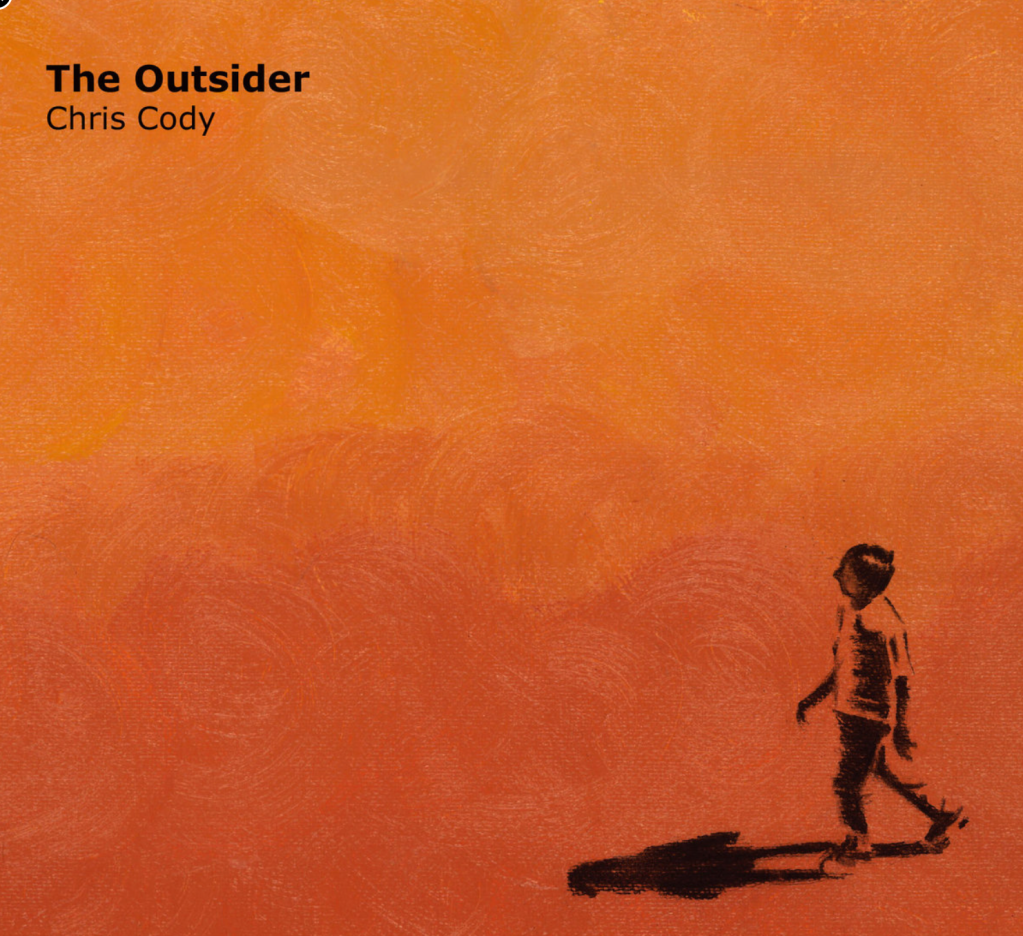

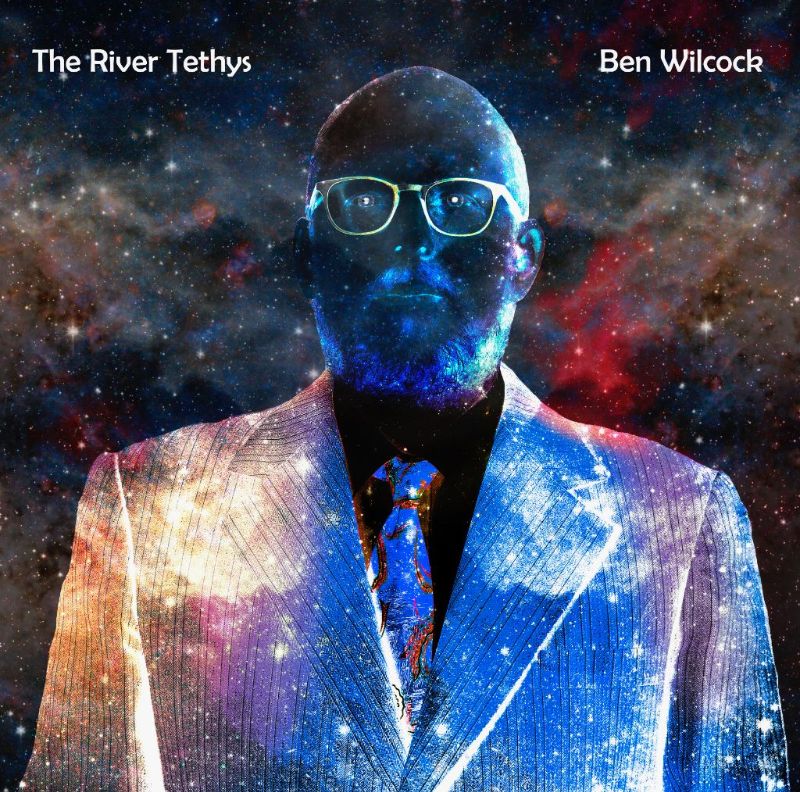
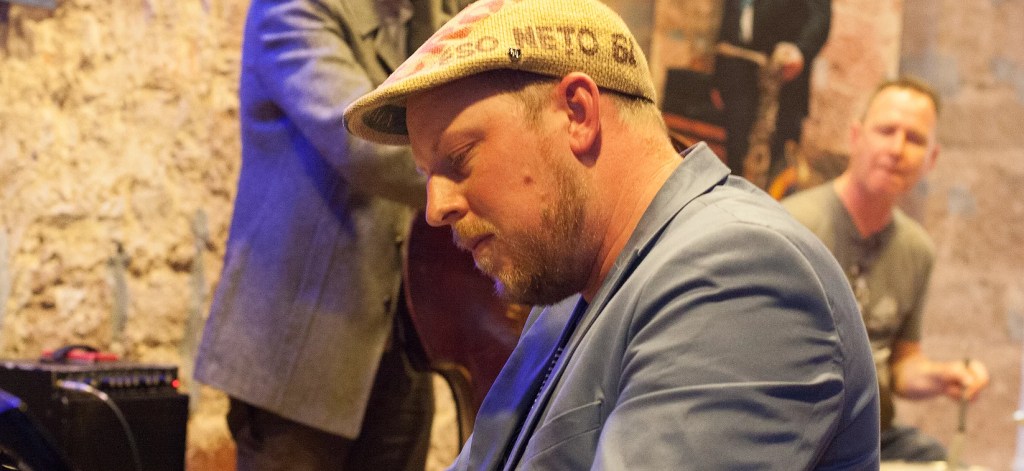


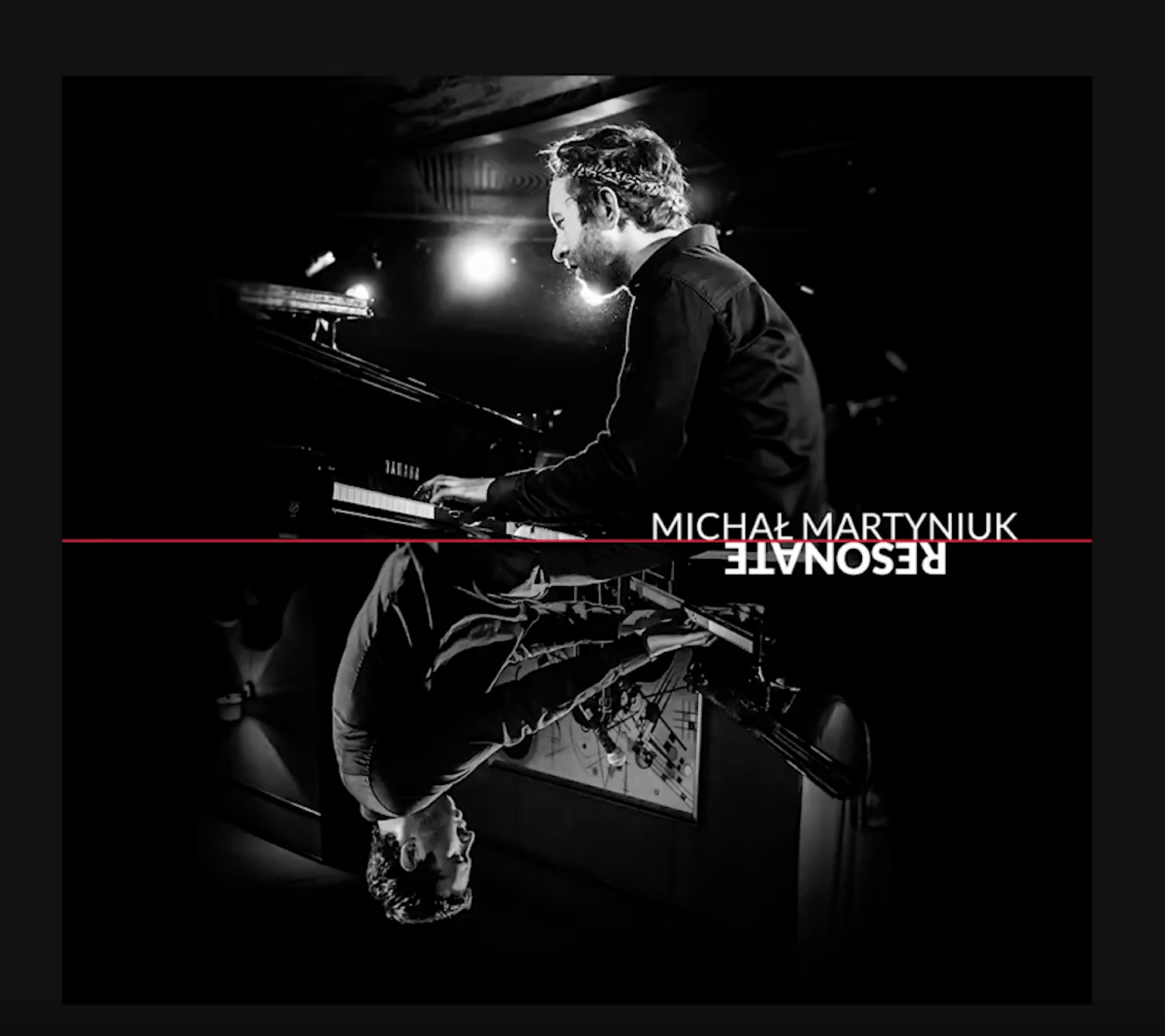
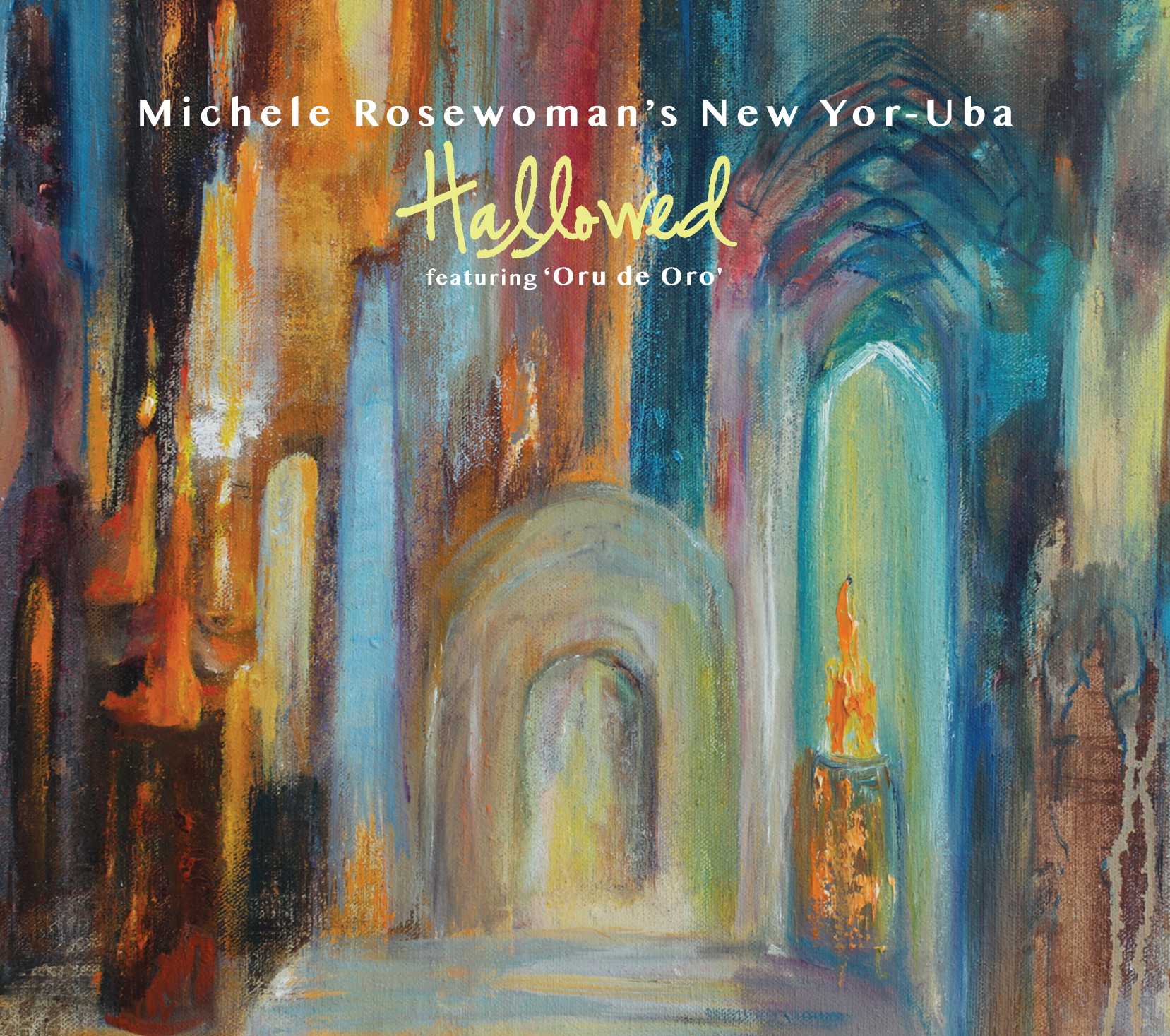
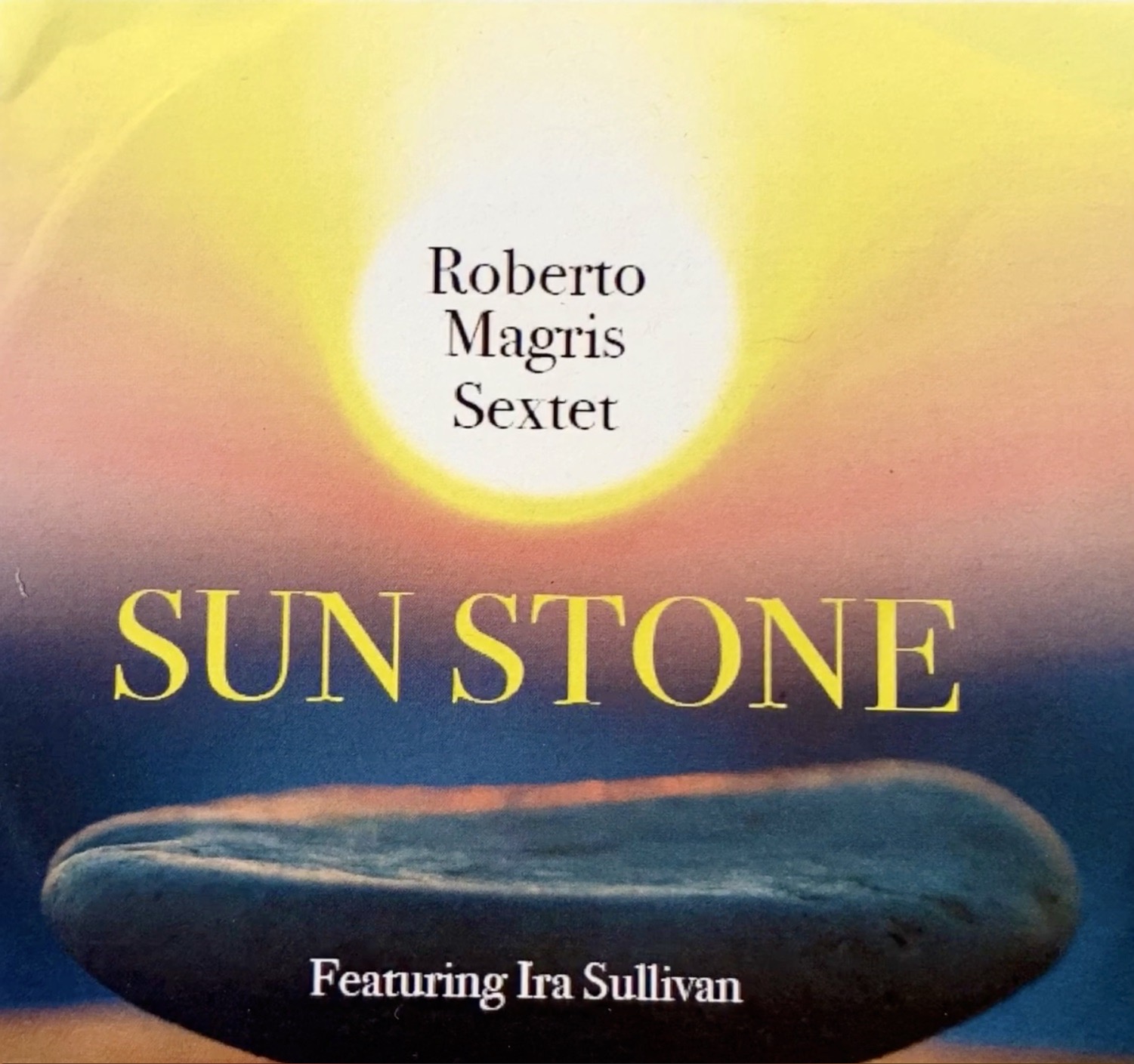
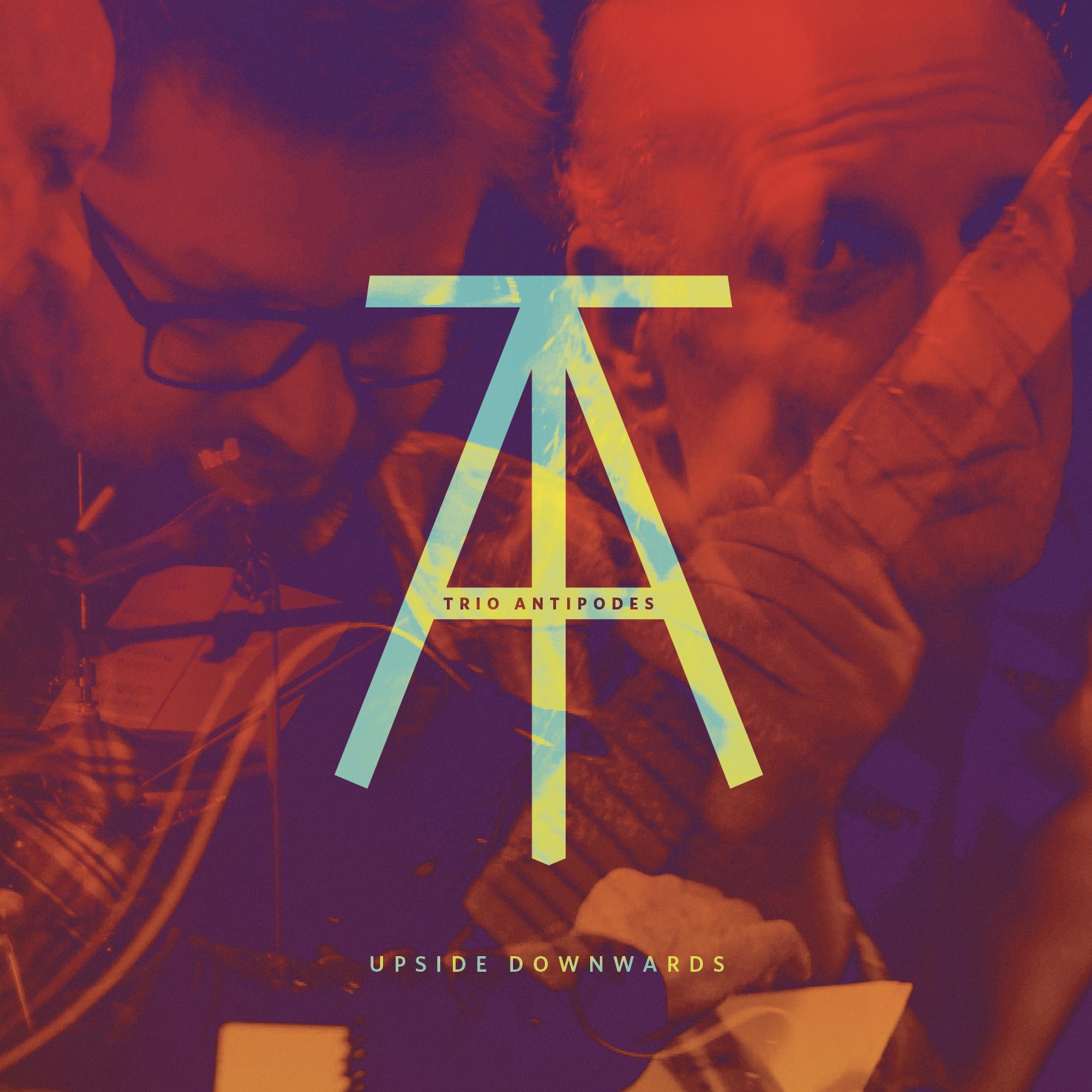 Canadian Jazz guitarist Keith Price is a welcome addition to the Auckland scene. He brings with him fresh ideas and a musical connection to his hometown. Manitoba is associated with Lenny Breau and Neil Young who both grew up there. Perhaps it’s the proximity to the open spaces which echo in the music, that wide-open sound (and in Young’s case an overlay of dissonant melancholia)? Whatever it is, it certainly produces distinctive musicians. Lenny Breau is an important Jazz guitarist and one who is sadly overlooked, Hearing Price’s respectful acoustic homage on Wednesday, cast my ears in that direction again.
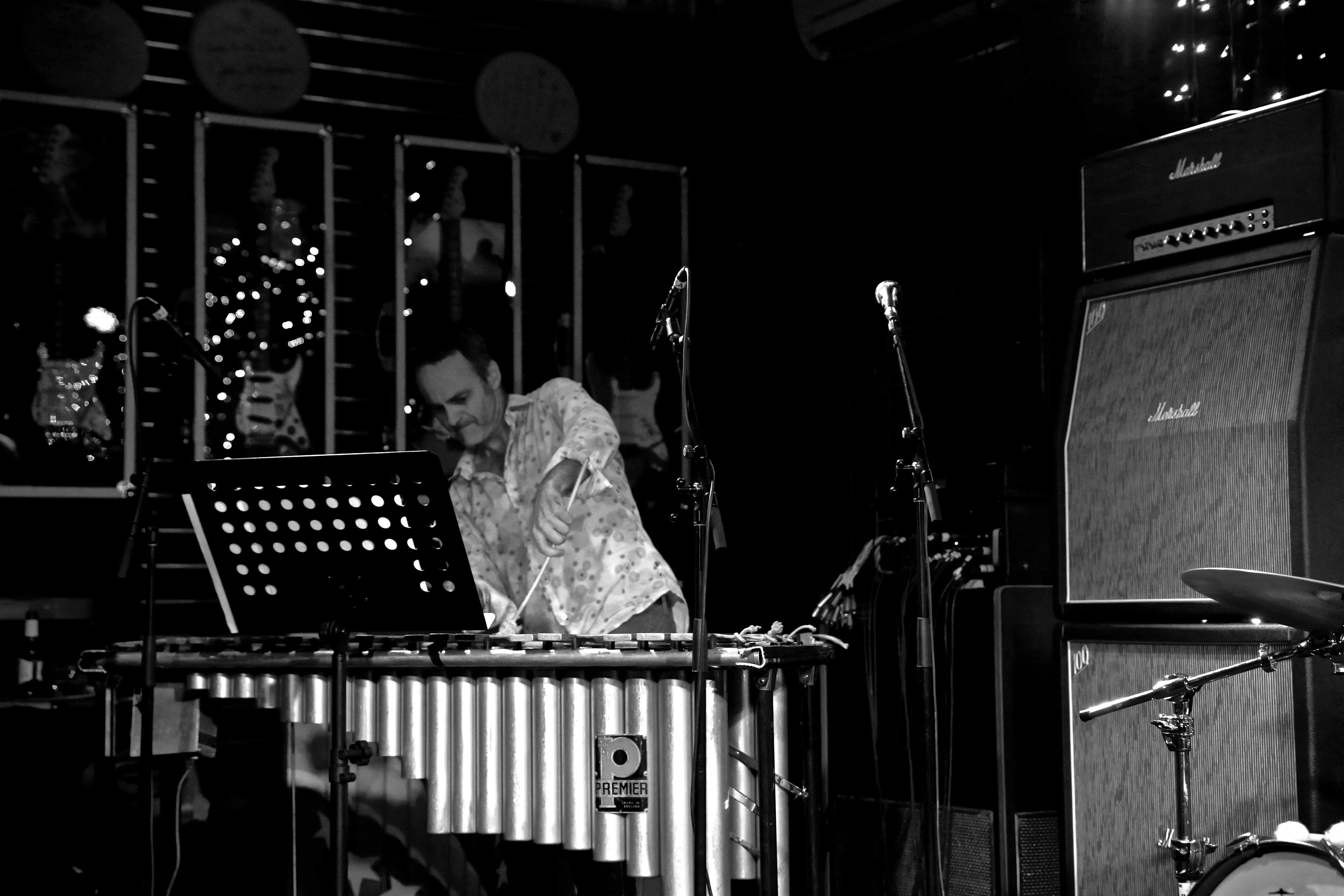 I have listened to John Bell over a number of years and I have always marvelled at his inventiveness. Bell (along with Jeff Henderson), is widely acknowledged as the experimental music guy, the free improvisation guy. He is a musician who takes risks as he aims for clear skies; a musician who involves himself in interesting cross-cultural collaborations, a vibraharp player who doubles on brass instruments. He is an artist who you always associate with innovation – consequently, other musicians look up to him.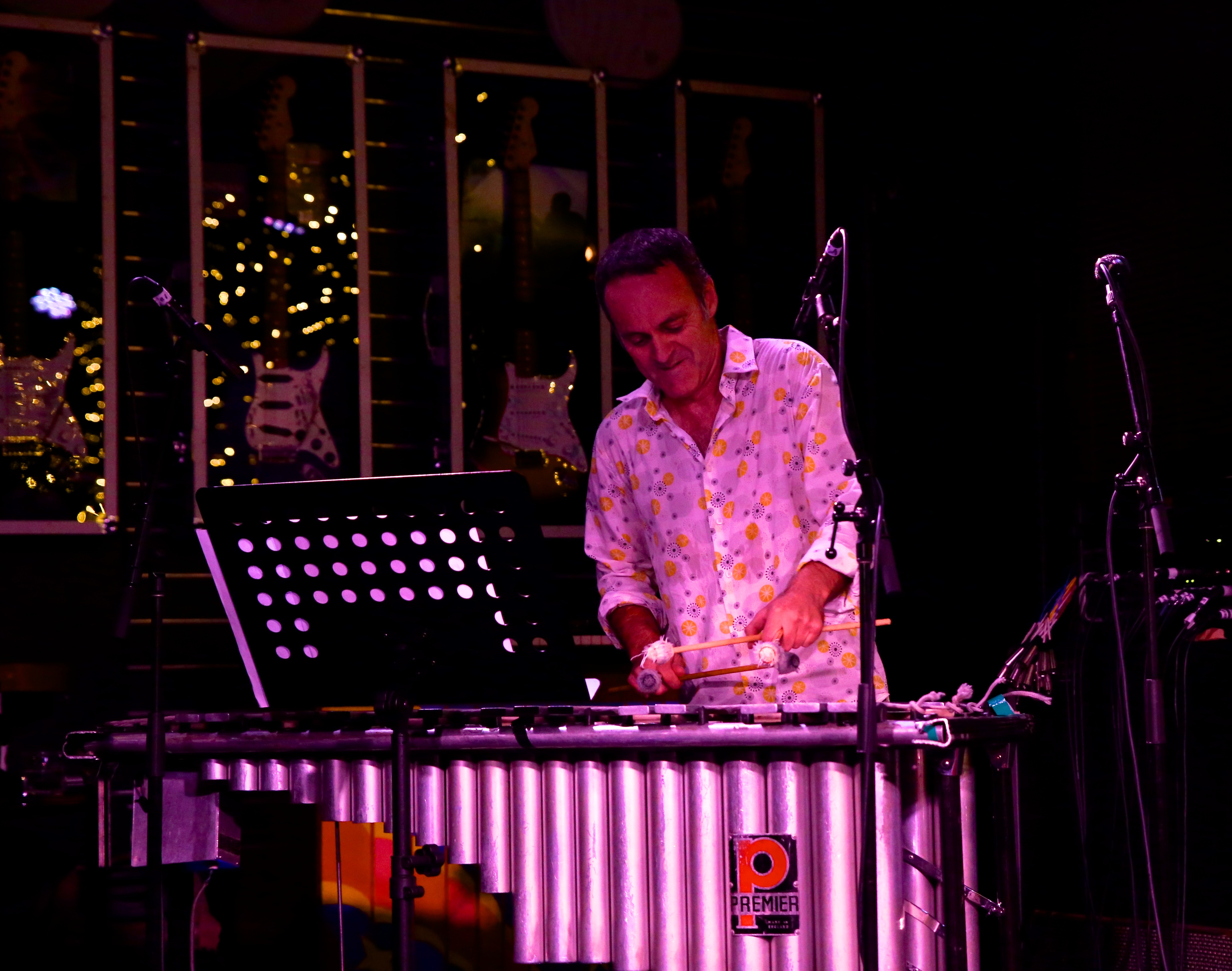
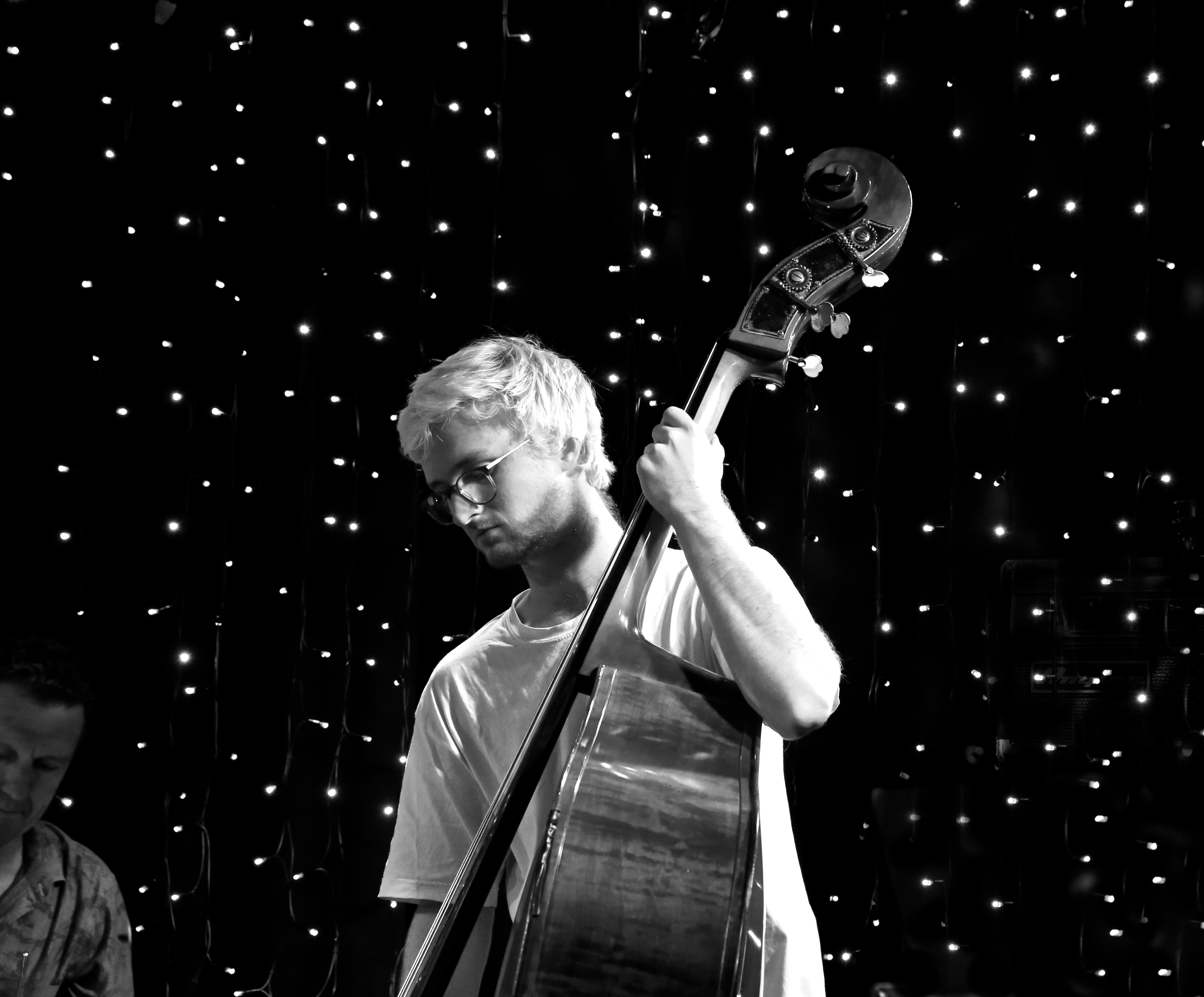
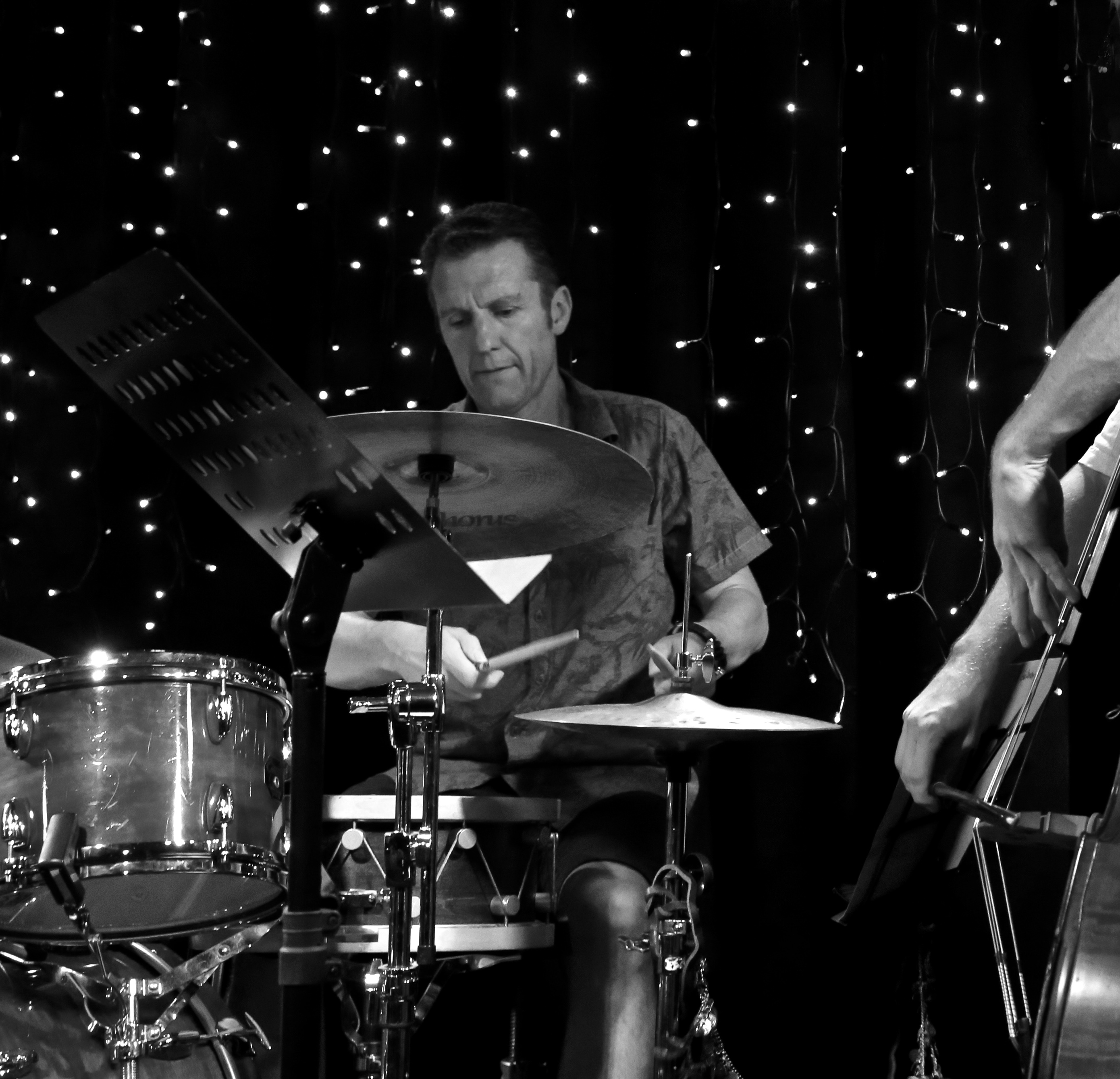
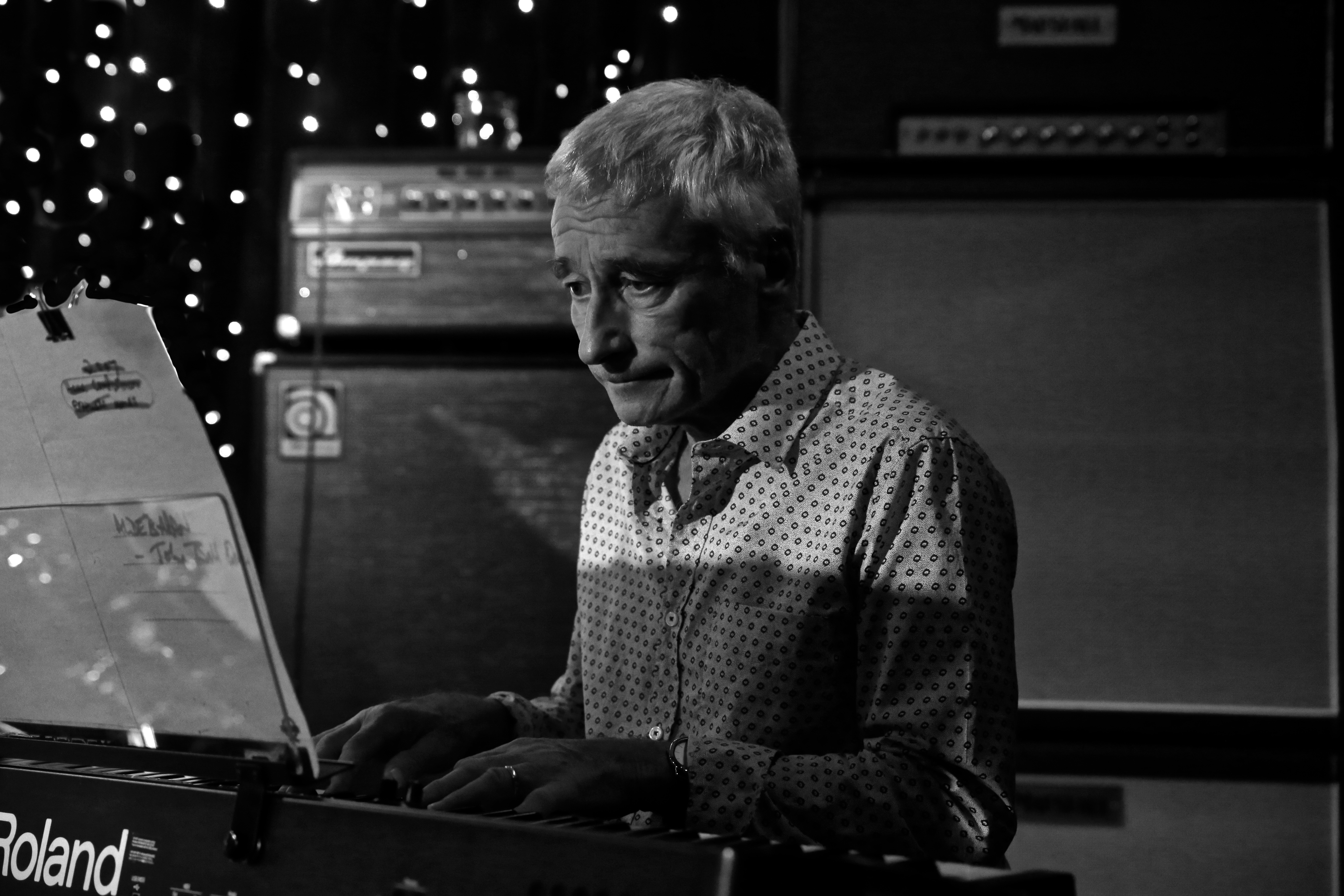
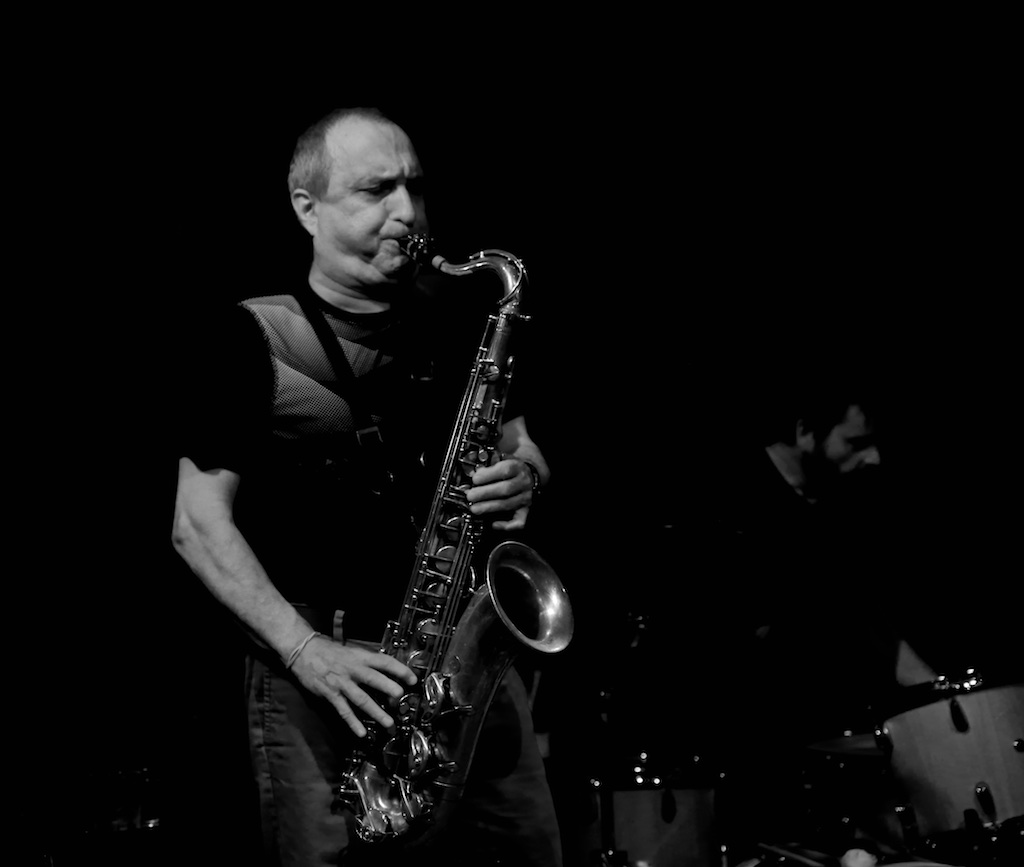 Roger Manins uncoupled the microphone and looked around the club. It was winter outside but you wouldn’t have known it. The windows were steamed up from the heat of a capacity crowd; all eyes were fixed on the stage and the stocky man holding the tenor saxophone. “You know how lucky you are …. right,” Manins asked the audience? A loud cheer went up accompanied by whistles and foot stomping. George Garzone was in town and no one was in any doubt.
 Most of the tunes were in long form and most were Garzone originals. All were perfect for the occasion. As you might expect, the Garzone tunes were springboards for deep improvisation; the heads, however, were memorable and so well-arranged that they stood out. I failed to catch all of the titles because the applause often drowned out the announcements. There was a catchy tune referencing Bourbon Street, A moving tribute to his friend Michael Brecker and a tune titled ‘The Mingus that I know’. They all had pithy stories attached. The two standards were Billy Eckstine’s ‘I want to talk about you’ and a wonderful earthy take on John Coltrane’s ‘Impressions’. I read somewhere that Garzone plays like he talks, in a Bostonian/Calabrian dialect. The cadences and rhythms of speech are part of who we are, it is, therefore, logical that they encompass how musicians express themselves and especially on a vocal instrument like the saxophone.
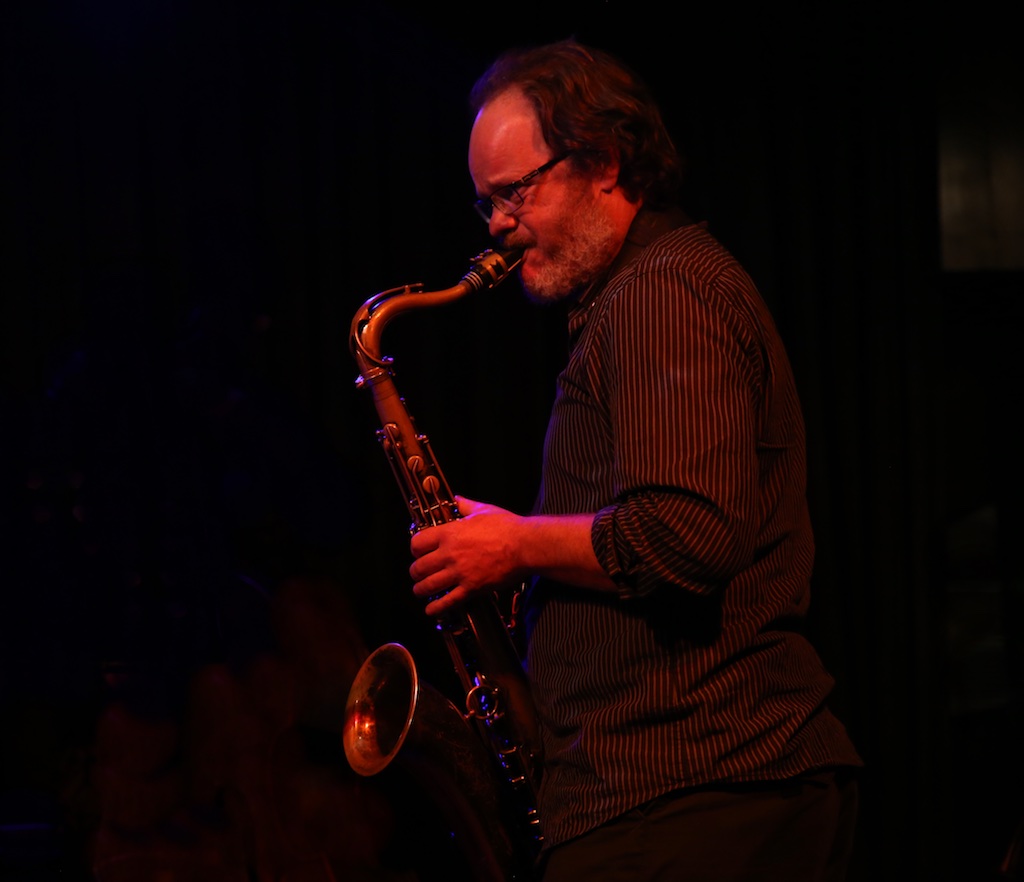 His pick up band were Kevin Field, Ron Samsom, Mostyn Cole and Roger Manins. Like every international who passes through, he heaped praise on the local musicians. Coming from Garzone this really counts. He and Manins go back a way and the synergies between them are evident (the Garzone influence is worldwide and Manins is no exception). Whether playing in unison or in counterpoint, they sounded right together – tenors who knew just how to compliment or when to keep clear. This was a very big sound and when trading fours they cajoled each other as friends might. The rhythm section was energised as well; Cole, Samsom and Field providing rhythmic and harmonic trickery. And at one point, ‘Hey great, I heard some Salsa in that solo’, said Garzone looking in Fields direction.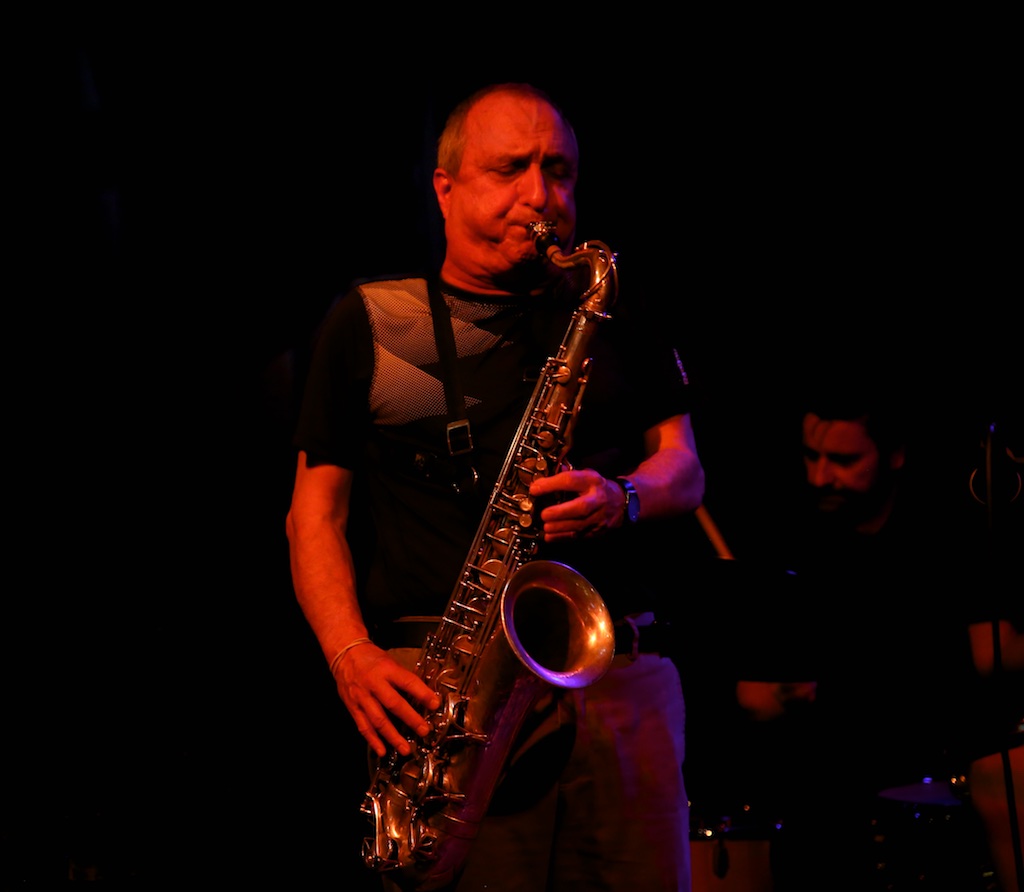
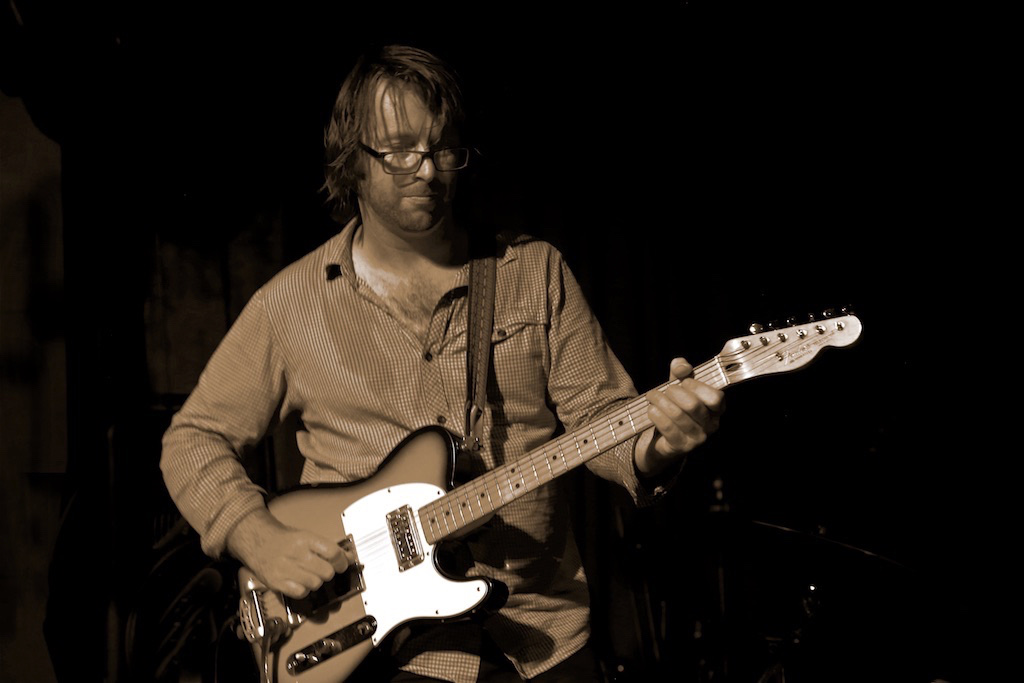 Around Christmas, I discovered that I could not upload video to ‘YouTube’. I spent a few weeks trying to figure out what was causing the problem and then I made a fatal error – I consulted grown-up experts and that only delayed the problem. I should have asked a 12-year-old because none of the experts had the faintest idea what was occurring. After three months I finally nutted it out for myself, old as I am. FYI – when you upgrade your operating system, the default setting on power-saver puts the machine to sleep half an hour after the last keystroke.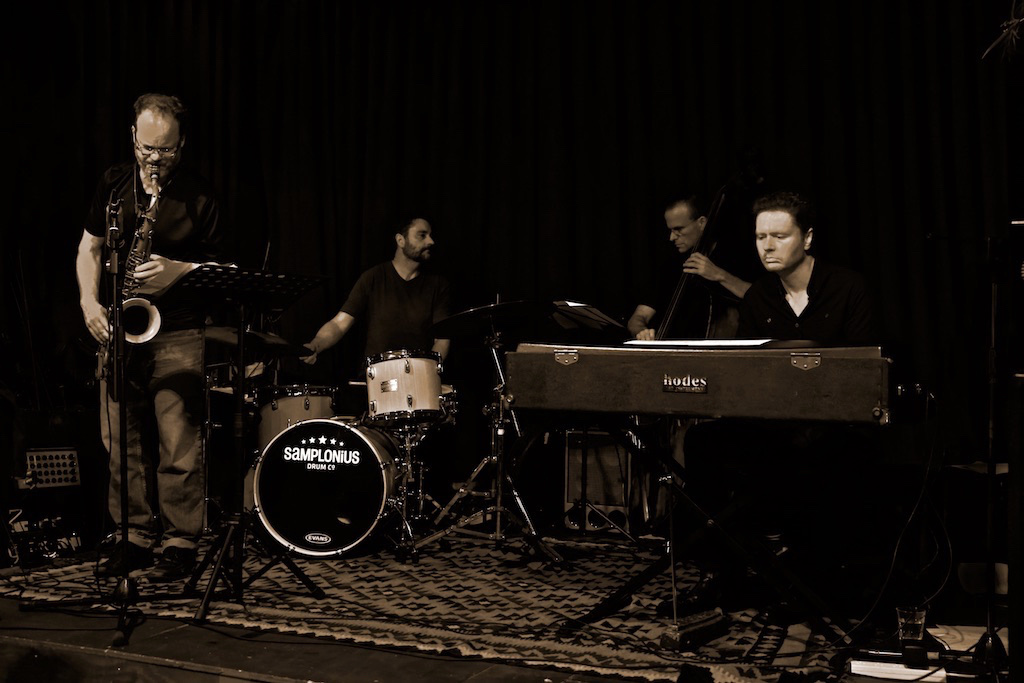
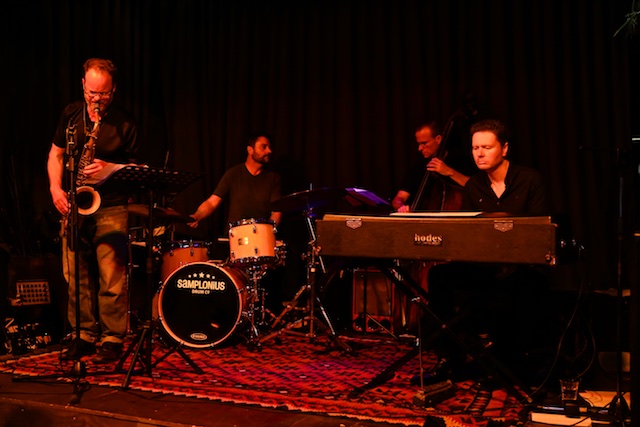 As another DOG night approached I could feel the excitement in my bones. I had followed their tracks from the groups inception, enjoying every moment along the trail. I was at their first gig in February 2013 and it amazed me then just how rounded and complete they were. If you search for the ‘(Dr) Dog’ post in this blog site you will find a video from that gig. Man that blew me away. I just couldn’t get the tunes and the excitement of that night out of my head. Later I used a cut ‘Dideldideldei’ (Holland) as the signature for my YouTube site. I also sent the cut to a Jazz DJ friend Eddie B in LA and he played it on his show. Unsurprisingly people phoned in immediately wanting to know, “who were those amazing cats”? Before long the group decided to record – everyone who heard them wanted more. DOG seemed to encapsulate everything that was good and exciting about the local scene – DOG was, and still is, something special.
 There are so many aspects to this group that it is hard enumerate them all; of course there are the outrageous dog jokes, the brilliant compositions from each band member, the powerful stage presence, but it is something else that excites me the most. This is a band that could gig anywhere in the world and we could hold our heads up, knowing that they would do us proud, tell our story. I felt excited when they were nominated for ‘album of the year’ and as pleased as a dog with two tails when they won the ‘Jazz Tui’. Now it is rumoured that a new DOG album is on the way. I can’t wait.
 Throughout the sets were a scattering of familiar DOG compositions – plus a few new ones (like ‘Merde’ by Samsom and Hollands ‘Shceibenwischer’). All of the tunes sounded fresh and somehow different, perhaps because Kevin Field was playing a Rhodes and not a piano. I love the Rhodes in all its antique glory and in Field’s hands it is especially wonderful. It cut through the room like crystal. Hearing the familiar tunes like ‘Peter the Magnificent’ (Manins), ‘Icebreaker’ (Field) and ‘Sounds like Orange’ was like meeting old friends. The last track of the evening was the familiar ‘Dideldideldei'(Holland). DOG ripped into it with the usual abandon, leaving us shaking our heads in disbelief and grinning like Cheshire cats.
 The Thirsty Dog works well as a venue, having good acoustics, good sight-lines and a sizeable bandstand. They also serve snack food and they are most welcoming. The first DOG album is available at
  Au revoir is more than a simple good-bye. The fuller meaning is ‘until we meet again’. Jazz pianist, broadcaster and educator Phil Broadhurst is about to move to Paris, where he will reside for a few years (along with his partner vocalist/pianist Julie Mason). He assures us that he will return and it is not unreasonable to expect him to arrive back with new compositions and new projects to showcase. A Francophile (and francophone), Broadhurst has long been influenced by the writers and musicians of France. His last three albums ‘The dedication trilogy’ all contain strong references to that country. Wednesdays gig was centred on his recent output, but with new tunes and a surprise or two thrown in.
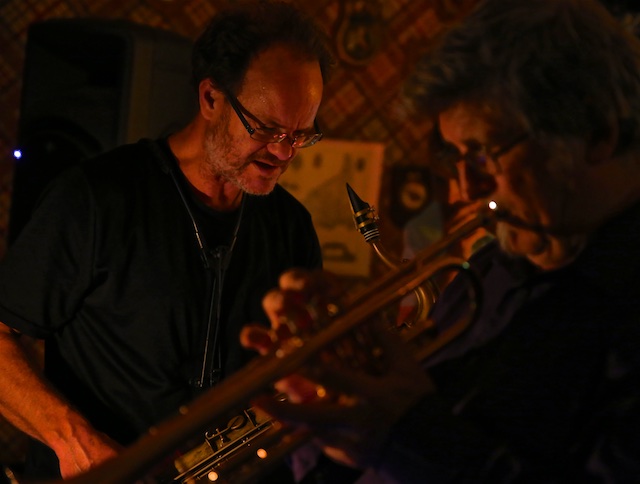 Broadhurst is an institution on the New Zealand Jazz scene and it will feel strange with him absent. The strangeness on this particular Wednesday night was compounded by the impending American election result. An election dominated by bizarre outbursts of racism, belligerence, stupidity and misogyny. As the first number of the evening progressed, everyone relaxed; Broadhurst’s melodicism a balm for what ailed us. The tune was ‘Orange’ (a French commune in the Alps/Cote d’Azur region). Half way through the piece everyone’s mobiles lit up. I tried to ignore mine but the vibrating and flashing increased. I reached to shut it off and spotted the words – Trump wins US election. The ‘four horsemen of the apocalypse’ had just entered the room via electronic media. The tune ‘Orange’ is particularly beautiful (and I hope Broadhurst will forgive me for this association), but on this night, the title was also oddly appropriate. An orange gargoyle was about to release the furies upon a surprised world.
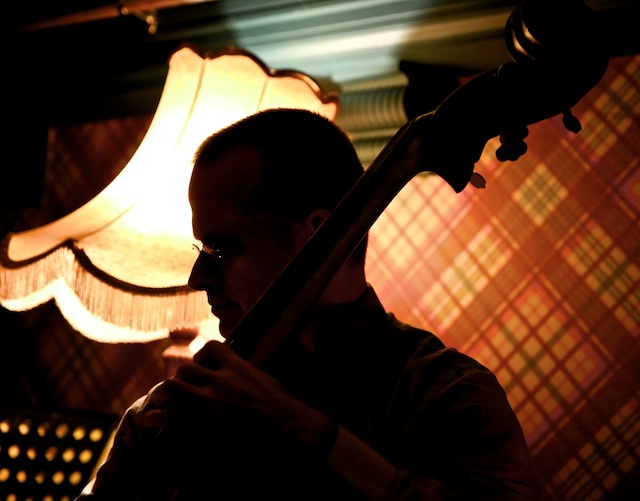 Accompanying Broadhurst were his regular quintet, Roger Manins (tenor), Mike Booth (trumpet), Oli Holland (bass) and Cam Sangster (drums – and with special guest Julie Mason (vocals). Broadhurst, and his various lineups have received numerous accolades. In recent years there have been nominations and awards; most recently the prestigious ‘Tui’ at the 2016 New Zealand Jazz Awards.
 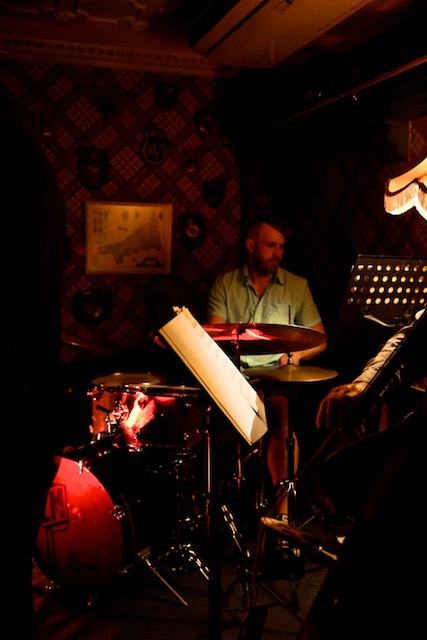 Anyone who follows NZ Jazz will be familiar with many of the tunes played on Wednesday; ‘Orange’, ‘Precious Metal’, ‘Loping’ etc. The nicest surprise of the evening was hearing a Frank Foster tune ‘Simone’ (absolutely nailed by Julie Mason). A fine tribute to Nina Simone, and appropriate to the night, given Simone’s views on the lamentable state of race relations in America. This unit is supremely polished and I highly recommend that you purchase the recent albums if you haven’t already done so. They are all still available from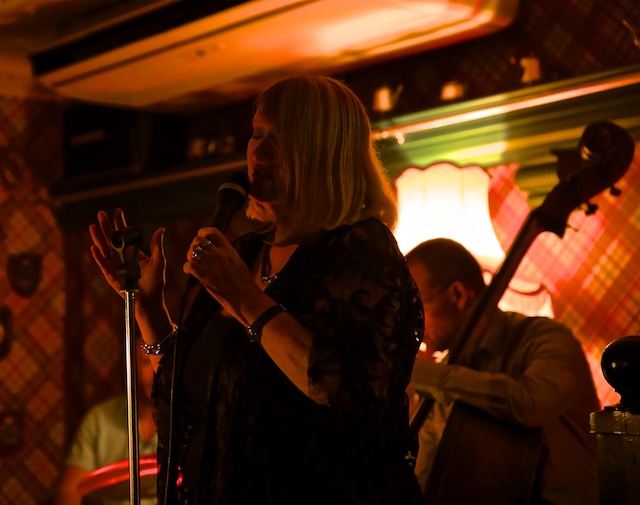
 This year has seen a lot of international acts through the CJC (Creative Jazz Club), compelling musicians with interesting stories to tell and often with serious gig miles under their belt. As exciting as it is to see the high-end performers of the scene, it is just as important to recognise and evaluate those who might one day take their place. Not all will last the course, but the persistent and the passionate can make that journey. Standing in front of a discerning club audience tests young musicians in ways not easily replicated. Unlike the Jazz School environment, the musicians technical prowess is subservient to the authenticity they bring to the bandstand. Fluffing a line is more likely forgiven than delivering a technically perfect but lifeless performance. Sam Weeks and Sean Martin-Buss tested themselves and came through the fire relatively unscathed.
 The gig was part of the emerging artists series and the musicians first time at the CJC as leaders. Both have previously played as sidemen at the club, but standing anonymously in a horn line is a different thing entirely. I am happy to give this gig the thumbs up as they performed well. It took the first few numbers for them to warm up properly, but warm up they did. The rest of the first set and the one after that delivered crackling performances. All of the material was their own and their writing skills were favourably displayed (especially those of Weeks). A piece titled ‘Missing Together’ by Weeks was a gem – opening with some tricky unison lines, followed by a few bars of counterpoint. They made it sound easy, but clearly, many of these compositions were not. The act of embracing the difficult is how a musician grows. I am glad they took some risks, as Jazz functions best in the absence of complacency.
 Sean Martin-Buss was on alto saxophone with Sam Weeks on tenor saxophone. Each gave the other ample room and the contrast between the horns was therefore amplified. They also differed stylistically and this gave an added piquancy to the gig. They made good use of interactive Banter, musician to audience and to each other. Off the wall comments came out of nowhere, and the audience included in the joke. The humour was not in the lines but in the offhand delivery. A very Kiwi type of onstage banter – self-effacing, mumblingly casual.
 Emerging musicians are often tempted to rely heavily on musicians from their own graduate class. There is nothing wrong with that per se, but the first question is always, which musicians will serve the gig best? Again the co-leaders made good choices in Tristan Deck (drums) and Eamon Edmundson-Wells (upright bass). The remaining band member was Crystal Choi on piano. Deck and Edmundson-Wells perform in public regularly and both have earned considerable respect. They personify good musical taste. They have talent and better yet, they work extraordinarily well together. It was this combination that tightened up the performance – real assets. Choi was extremely interesting on this gig. I have sometimes noticed a tiny hesitancy in her delivery. On this night, her performance exuded confidence and several of her solos were stunning. The enthusiastic audience responded throughout the night.
 Although the leaders possess perfect vision and are clearly not Venetian, the project was ‘The Blind Venetians’. This was also the name of the final number of the last set; a roistering finale bringing down the cantilevered shutters at gigs end.
 These events focus on emerging Improvising artists and allow them to gain wider exposure in front of a discriminating audience. They generally occur around three or four times a year. Some of those featured in the Emerging Artists Series are recent graduates, others are still pursuing their studies. In this case, we had two horn players from out of town; Christchurch and Wellington respectively. Their horns were different, and their approaches to the sets different, but both approached the gig with the confidence of seasoned performers. Such confidence translates well on the bandstand and it informs an audience that the musician means business. Artists often remark that playing in a small Jazz club like the CJC is a unique experience. It’s not like a noisy bar, where people often ignore you, and it’s more intimate than a concert hall where an audience gives limited feedback. Club audiences listen intensely, they react boisterously at the end of a good solo and they call in encouragement when a phrase resonates. Mostly they listen in silence and but they listen actively.
 Jimmy Rainey, a tenor player from Christchurch played the first set. He is a graduate of the Jazz School in Christchurch, now furthering his Jazz studies at the Auckland University Jazz School. In Christchurch, he’s involved with a number of groups such as the Symposium Jazz Orchestra (many will recall that orchestra on Glen Wagstaff’s album), and the earthy ‘Treme’ styled Justice Brass Band. On Wednesday, he had a premier Auckland Rhythm Section at his disposal, Kevin Field, Cameron McArthur and Ron Samsom. Most of the compositions were Rainey’s and they showed a developing maturity. His sound was interesting, especially on the down-tempo numbers, having that downtown late-night feel. He is in Auckland for a while and I am certain that we see more of him. His father is well-known on the scene but he is earning his own place in the light. With a Jazz-famous name like Rainey, he has a head start.
 Bryn van Vliet has visited the club before as part of the boisterous Wellington Mingus Ensemble. In that context, I have seen him play in Auckland and Wellington, but never as a leader. He is also a member of the Roger Fox Big Band and a graduate from the Wellington Jazz School. While van Vliet often doubles on tenor, he played alto for this gig. What immediately caught my attention was his clean tone. A compelling tonal quality that quickly drew you in. His playing has cut-through in ways that Paul Desmond’s did, but for all that it was a modern sound. Vliet is originally from the far North but his Wellington credentials will no doubt anchor him there. Like Rainey, he brought many of his own compositions to the bandstand and the same rhythm section backed both players. For the last number, a standard, they were on the bandstand together.
 When the word gets about that a Jamie Oehlers gig is imminent, excitement mounts. Having turned people away last year, due to a capacity audience, the CJC offered two sessions this time. As expected, both were well attended. Oehlers is highly regarded in the Jazz world and it is not surprising. His astonishing mastery of the tenor saxophone is central to his appeal, but it is more than that. Every note he plays sounds authentic as if no other note could ever replace it, and all conveying a sense of musical humanism.
 Oehlers has a new album out titled ‘The burden of memory‘ and we heard many of the pieces as the sets unfolded. Accompanying him on the album is a dream rhythm section: Paul Grabowsky on piano, Reuben Rogers on bass and Eric Harland on drums. Each a heavyweight and living up to their formidable reputations. For the Auckland gig, there was Kevin Field on piano, Olivier Holland on bass and Frank Gibson Jr on drums. Jumping in where Grabowsky, Rogers, and Harland had gone was no doubt daunting but they pulled it off in style. All played exceptionally well, but Gibson was a standout. The exchanges between him and Oehlers memorable. These men have history and the old conversations were clearly rekindled on the bandstand. Roger Manins joined Oehlers for the last number of each set and the two dueled as only they can. Weaving skillfully around each other and sounding like two halves of a whole; grinning like Cheshire cats.
 The album title and the song titles speak clearly of the musicians thought processes. He talks of his motivations and his horn takes us there. The burden of memory is a phrase he heard while listening to talkback radio and it resonated with him. He thinks deeply, examines the world about him and this communicates throughout the album. The second track ‘Armistice’ is a good example, possessing a melancholic beauty, and while it throws up the obvious images of a war ending, it also speaks of families and the tentative steps towards new possibilities.
 January was hot and wet and the CJC was on holiday. If like me, you are a regular attendee at the CJC (Creative Jazz Club) December to February is a long time between drinks. The El Nino humidity with its sullen skies and petulant storm threats rolled into February and suddenly we were back in business. The first gig of the year featured Craig Walters and Mike Booth. Walters, a well-known Sydney based tenor player, last performed at the club in 2012. Booth is a local and he features often; a gifted composer, arranger and trumpet/flugel player. Booth and Walters have a long history together.
 The first number was a Walters tune titled ‘Easy’. Booth played flugel and the relaxed fluid interplay between horns set us up nicely for the evening. Walters plays with real fluidity and his tone has a certain quality – a hint of mid to upper register sweetness not dissimilar to that of Ernie Watts – but with an earthier colour overlay. While the first tune eased us the into the gig the second tune grabbed our attention in a different way. ‘A Kings Ransom’ is a seldom played Booth tune and its complex rhythms gave the band a solid work out. Broadhurst delivered a wonderfully solo on this – Monkishly jagged and totally within the spirit of the composition.
 Towards the end of the second set they played Walters ‘As close as you’ll get’. If the title didn’t trigger any memories the first bar surely did. This was a tune that I’d heard way back in April 2012. Its intricate hooks and counterpoint nailed it within seconds. This was not a tune easily forgotten – in fact I happily replayed it in my head for weeks after the 2012 gig. I was not putting up video way back then but have chosen this cut to put up now.
 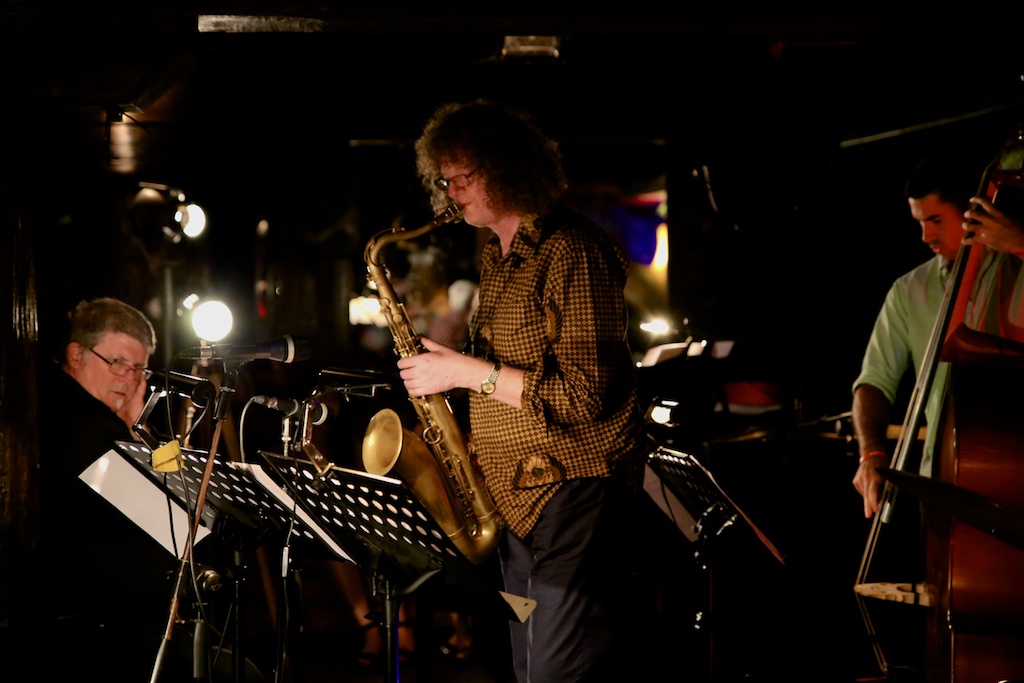 Last years attendance at the club was good and if Wednesday was anything to go by this years will be even better. There were many first time attendees and based upon the applause most will return. The artists create the music but they need engaged audiences to complete the circle. As the famous American bass player David Friesen said to us last year – ‘this is a virtuous circle and the magic only emerges when audience and musicians interlink. The sum of what comes from this interaction is often greater than the sum of its parts. Improvised live music at its best is profound and the thought that we might miss a wonderful and unique moment causes us to return time and again. That is how it works me anyhow.
 The Mark Donlon trio gig gave us two leaders for the price of one. Accompanying Donlon was the highly rated LA bass player Tom Warrington. Jazz audiences in New Zealand are very familiar with Warrington as he toured here on many occasions. Donlon, originally from the UK is now living in Wellington and working as the Jazz Studies program leader at the New Zealand School of Music.
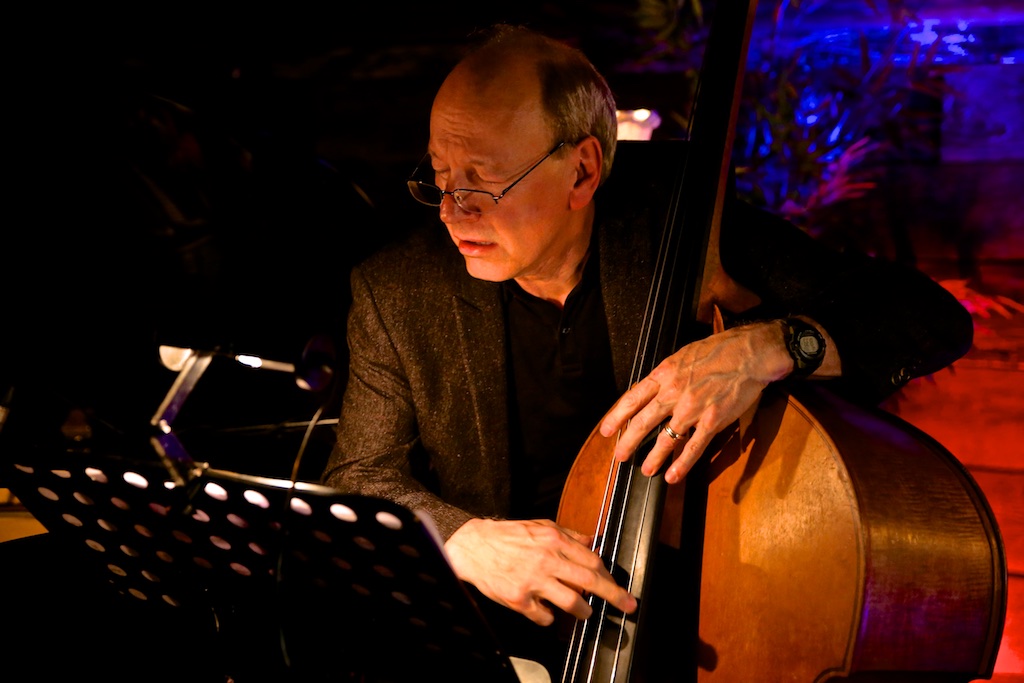 I have been a Tom Warrington fan for many years and I have most of the Jazz Compass albums where he features to such great effect. He is a bass player who speaks with incredible forthrightness, but never undermining the others on the date. On ‘Corduroy Road’, a fabulous album that I play often, the ‘others’ I refer to are Larry Koonse and Joe Labarbera. These guys can do no wrong; their version of ‘You Must believe in Spring’ (Bergman/Bergman/Legrand) is a small masterpiece. We are lucky to have such a strong association with Warrington and Rodger Fox is the one to thank for that. I last saw him during the ‘Cow Bop’ tour, where his band shared the stage with guitarist Bruce Forman (and the Cow boppers). A friendly modest man of enormous talents and good company. When I spoke to him last Wednesday I learned that Larry Koonse (and perhaps Joe Lababera) will be touring New Zealand soon. Koonse has suffered health problems of late but he is evidently recovering well. Warrington’s recording credits are too numerous to mention. Tom is now domiciled in this country which is very good news.
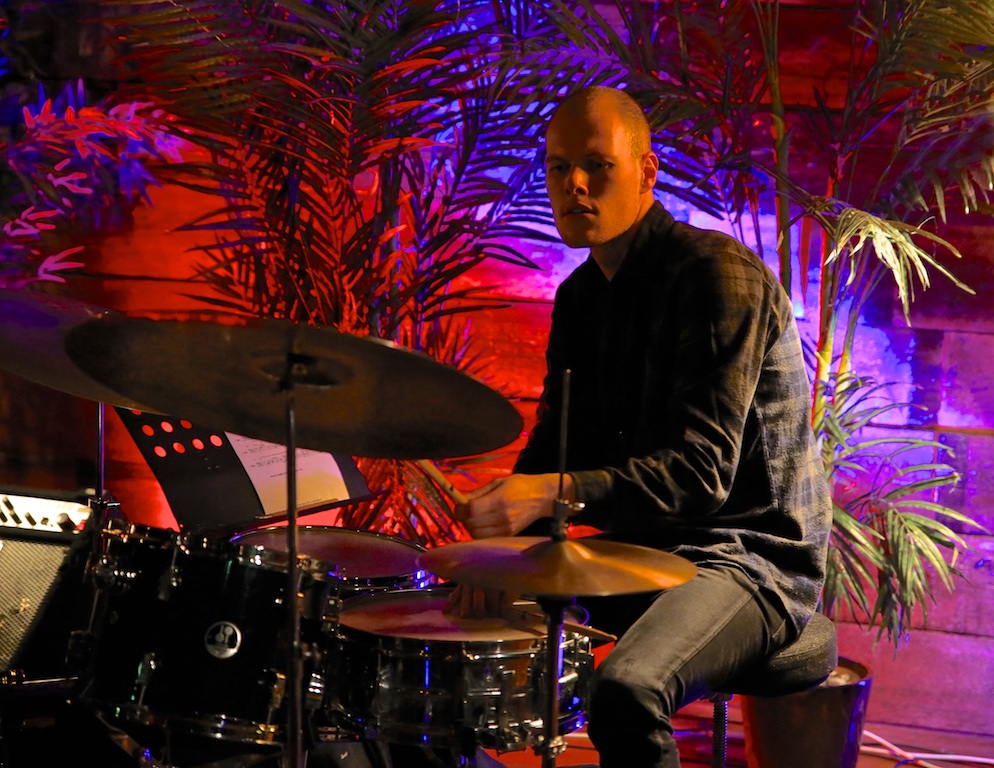 Cory Champion although Wellington based is no stranger to the CJC. He was there earlier in the year with Matt Steele’s ‘Master Brewers’. He writes and plays well and it is likely that we will see him in the drum chair often.
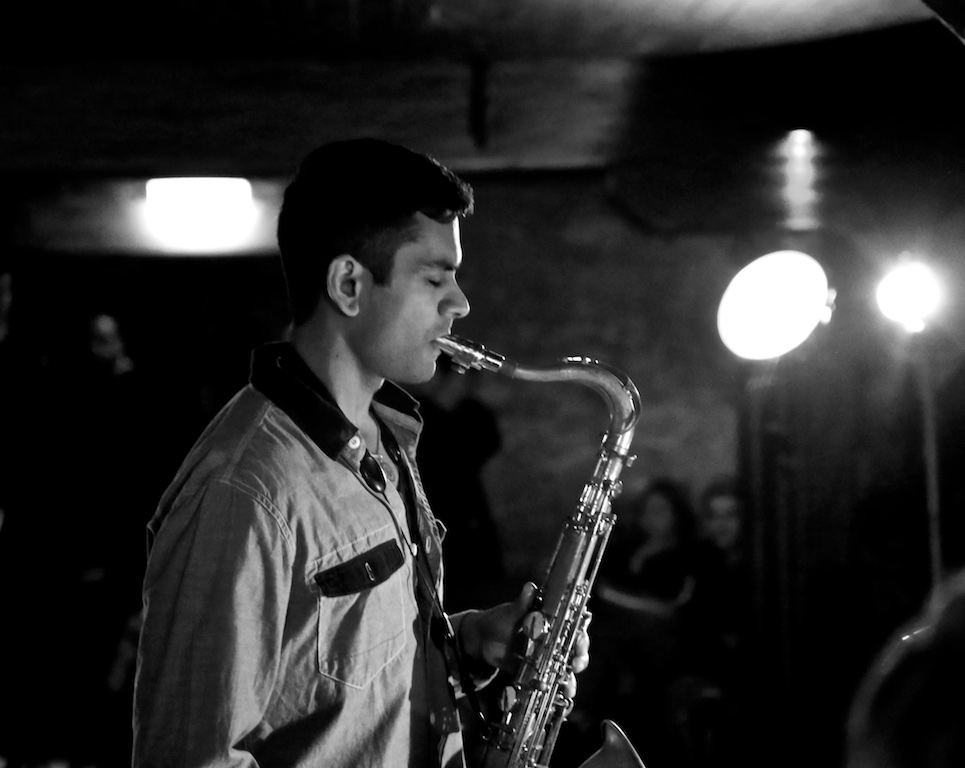 By my best estimation, Murphy’s Law kicks in roughly once every three months. Before the gig I plugged in my HD video recorder to charge, gathered my camera equipment into one place and foolishly congratulated myself on being so well organised. That was the mistake right there. Having tempted the Fates they responded in kind. My video recorder didn’t charge because the gods rewarded my hubris by half unplugging the charger cable. This was a gig I particularly wanted to video but the battery died mockingly within 15 minutes. Immediately the battery gave out the gig got better and better.
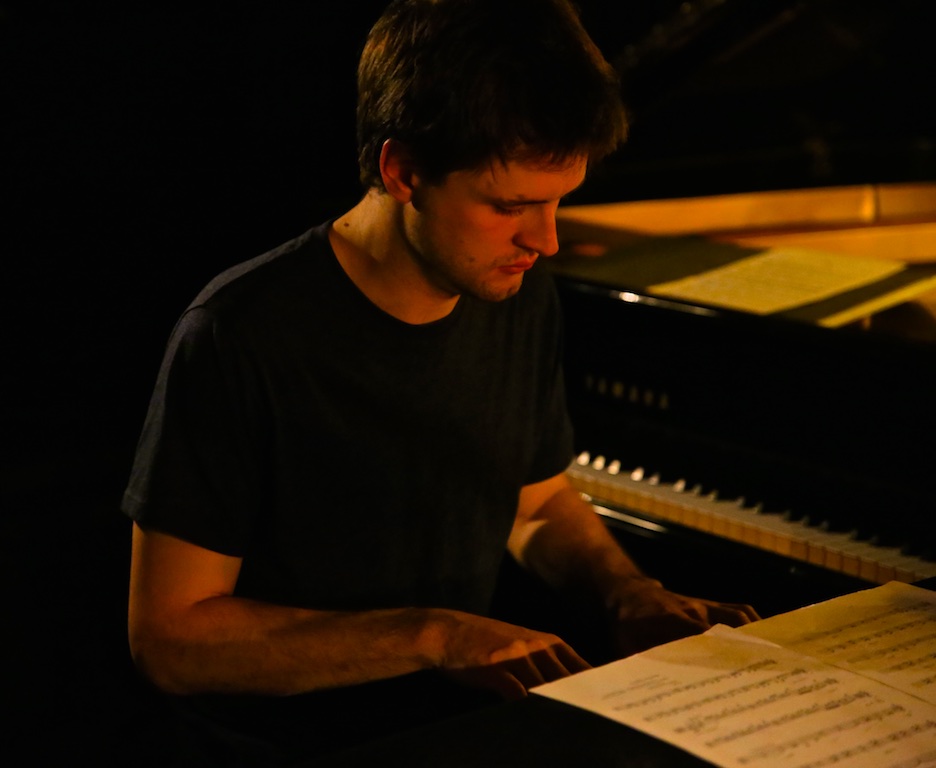 I had not encountered Kushal Talele before. Until recently he has been working overseas and in London in particular. What I do know about him is that Brian Smith and Pete France tutored him at the New Zealand School of Music; both wonderful musicians. He was born on the Deccan Plateau in the city of Pune, the ninth largest city in India and the second largest after Mumbai in the state of Maharashtra. His family moved to New Zealand when he was eight, but he is now clearly a citizen of the world and of music.
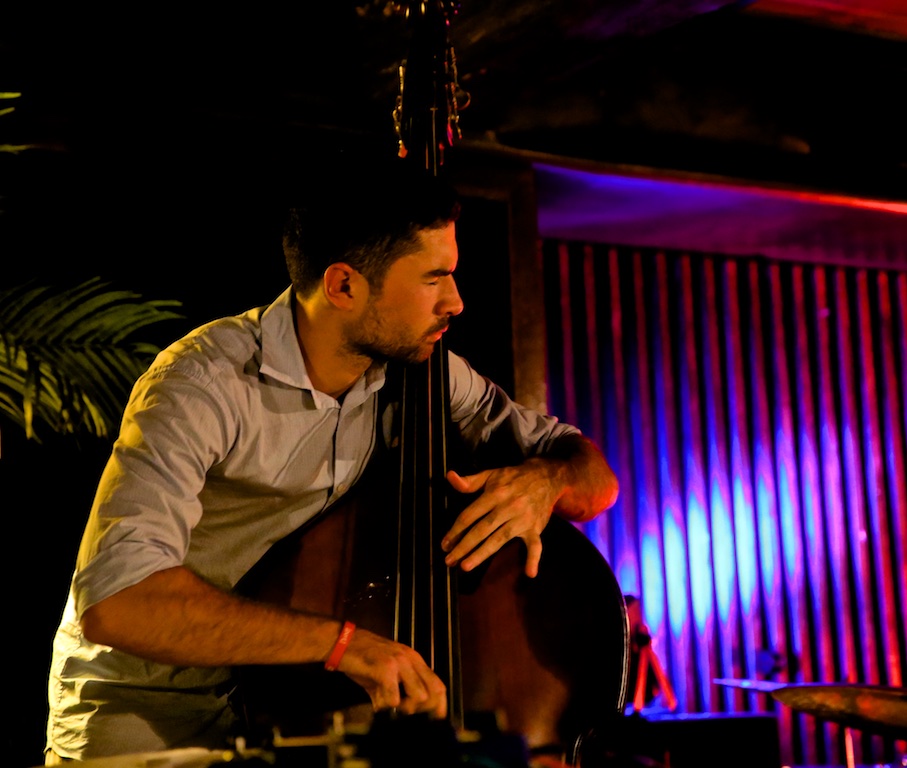 His good looks and relaxed confidence tell a story before he plays a note. Looking the part on the band stand is about posture and being at ease with the task at hand. His tone on the tenor is beautiful. He is very much a modernist but with the elements of Coltrane and the post bop era embedded. I asked him who he particularly listened to and the first name he mentioned was Chris Potter. Serious tenor players all admire Potter and rightly so. I also asked him if Indian Classical Music informed his playing and he was quick to say that it didn’t; adding that it was something he would like to explore one day.
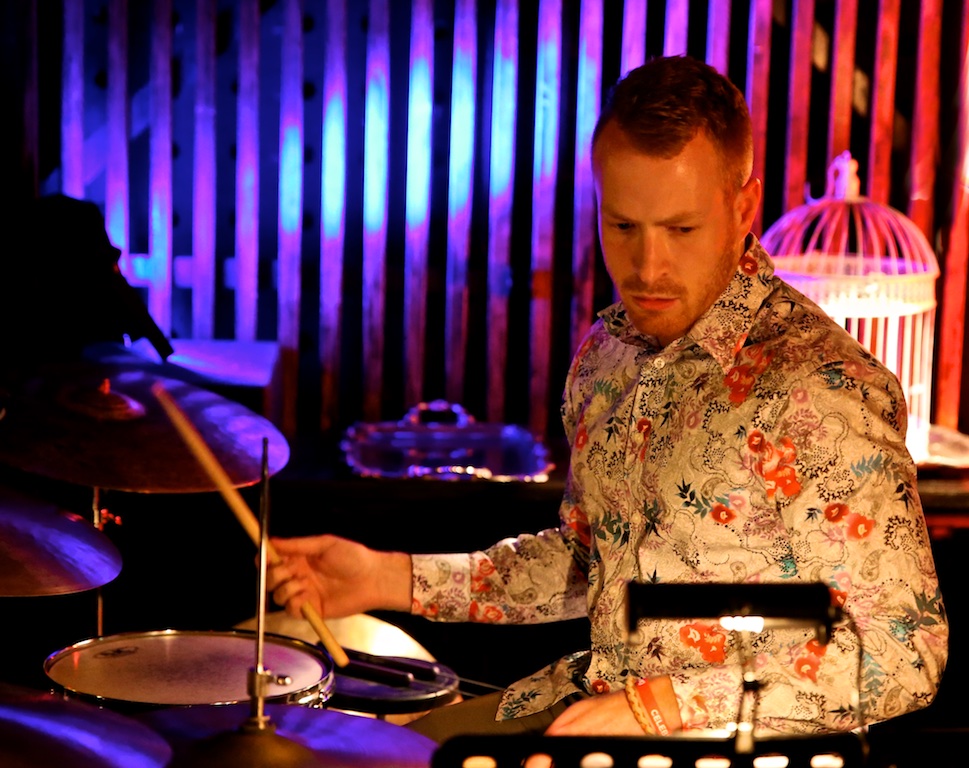 I asked because I have been following altoist Rudresh Mahanthappa who successfully fuses elements of South Indian music with modern Jazz conceptions. In reality most serious post Coltrane saxophonists have these elements in their playing. The way he tirelessly works over figures of melodic and harmonic invention tells me that he has that influence. In approach if not in sound, he takes a similar route to Sonny Rollins. Easing himself into a tune, in no hurry; working over long vamps which stretch into infinity. This turning a piece over and looking at it from different angles; gnawing away until the essence exposed, is a very New York thing.
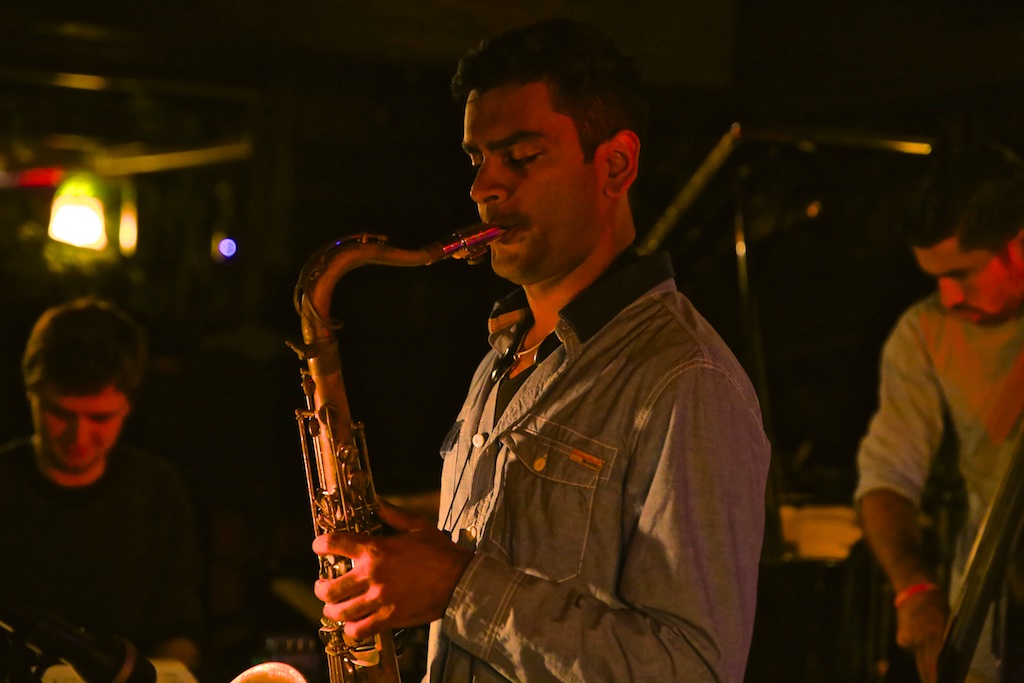 The group came together for this gig. All younger musicians but all experienced. It was great to see Cameron McArthur back on the band stand. One of my favourite bass players and adept at handling any challenge. He and drummer Cameron Sangster have just returned from an extended stint playing the East bound cruise ships. On Keys and piano was Connor McAneny. The band settled in as the gig progressed and during the last set they were playing tight energised grooves. Talele worked these grooves to maximum effect. I could only capture the first number (see below). It is my sense, that to experience Talele in peak form, one should see him with a settled band. The density and complexity of his playing would be enhanced by this. As good as this gig was I would very much like to see him in that context.
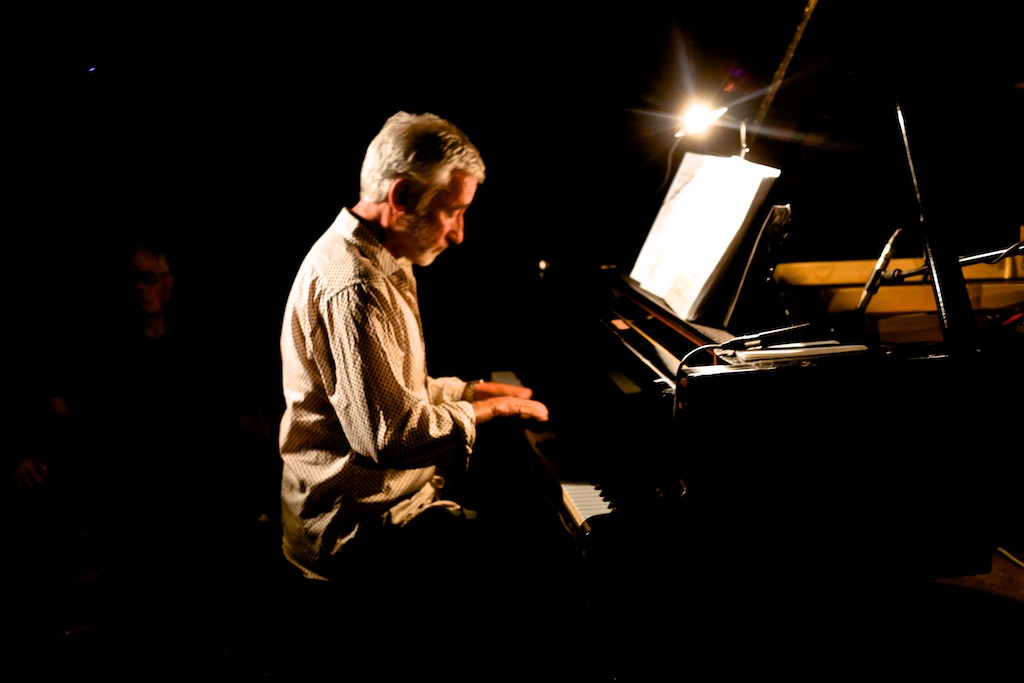 In the coming months there will be a new Phil Broadhurst album released, ‘Panacea’. Broadhurst is an enduring musical presence, a backbone of the Auckland Jazz scene. Running the Massey School of Music Jazz programme in Auckland keeps him busy, but he somehow finds time to write interesting new material and to perform gigs about town. A prolific writer and arranger, he has released a number of albums in recent years and all have done well. His tribute to Michel Petrucciani ‘Delayed Reaction’ garnered favourable reviews here and offshore and his 2014 album ‘Flaubert’s Dance’ was short listed for a Jazz Tui.
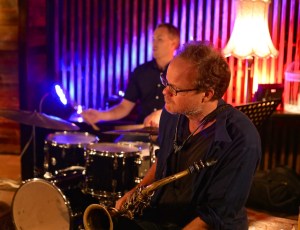 poorly kept secret, anticipated and not puzzled over. As the band set up, the shiny pedal-steel guitar and the battle-worn fender dispelled any remaining doubts. The band was Phil Broadhurst, Roger Manins, Mike Booth, Oli Holland, Cameron Sangster and of course Neil Watson (AKA the mystery guest).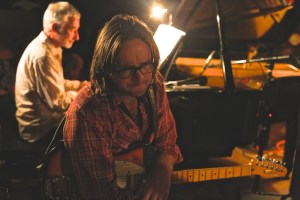
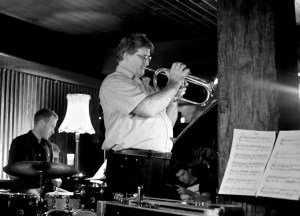 began the process of mechanically purging duplicate copies of old tunes. By this point all had been given titles and saved elsewhere. Rescued from the lonely obscurity of the ‘untitled’ nomenclature. As he deleted them one by one he spotted an anomaly. One particular tune was mysteriously labeled ‘untitled-untitled’. He opened it, liked the look of it but didn’t recognise it, so he played it. He recalls wondering who had written it until the penny dropped. ‘Untitled-Untitled’, the tune rescued in the eleventh hour, was later shown to Neil Watson who was wrangling with his new pedal steel guitar. There are so many levers to operate he complained to Broadhurst, who replied, “I think that you’ve just named my lost tune’. ‘Lever’ is a great tune and its improbable genesis gives it that added piquancy.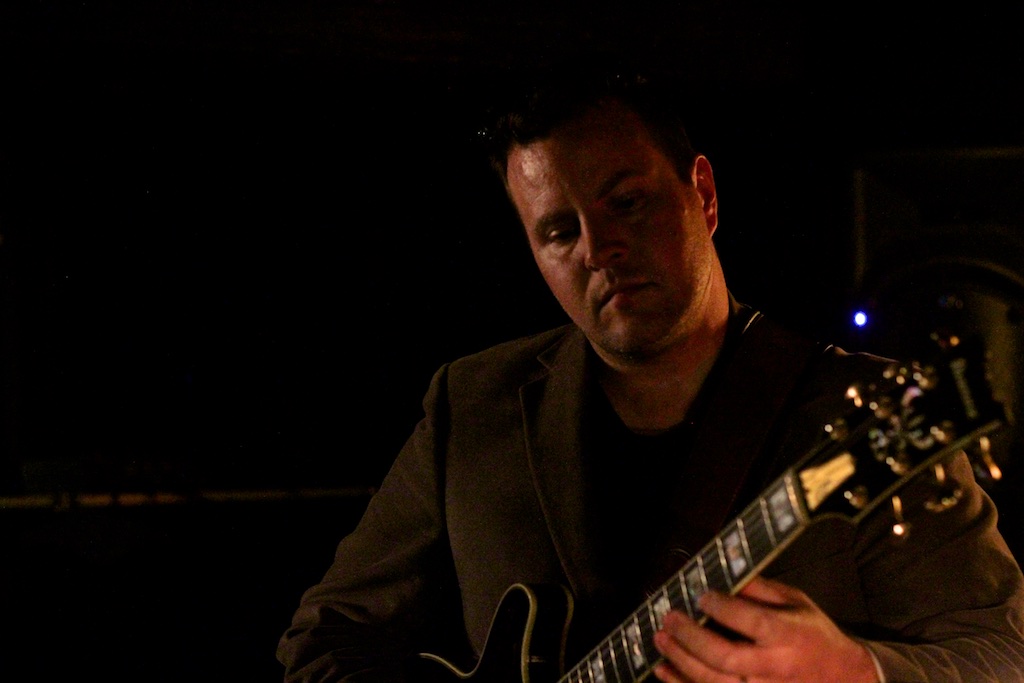
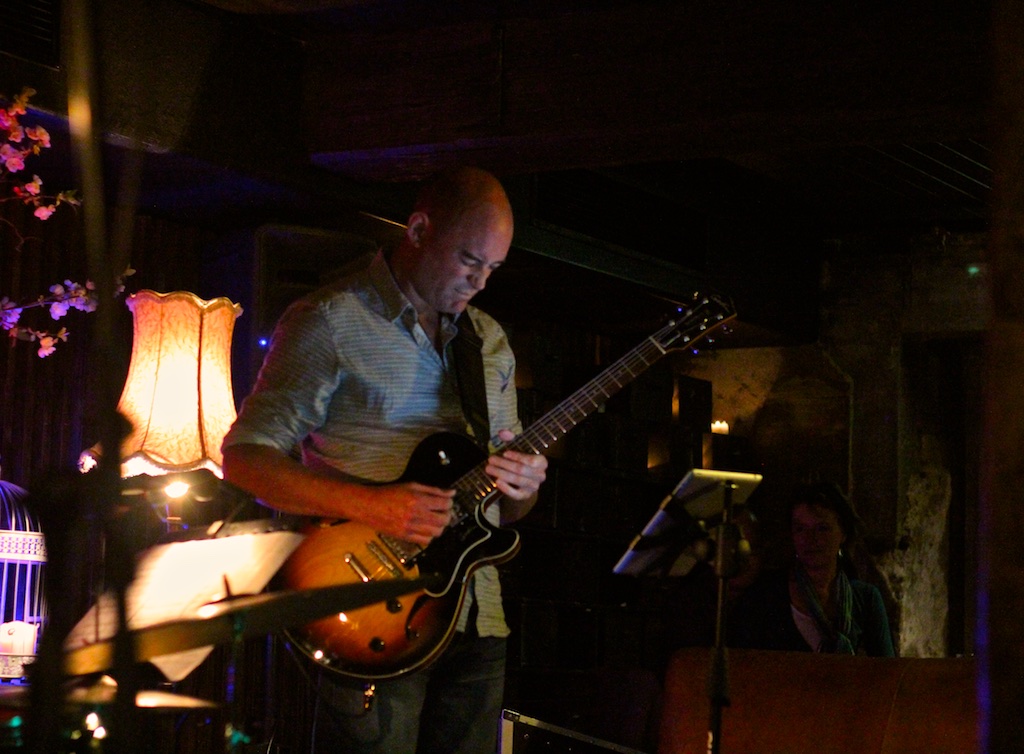
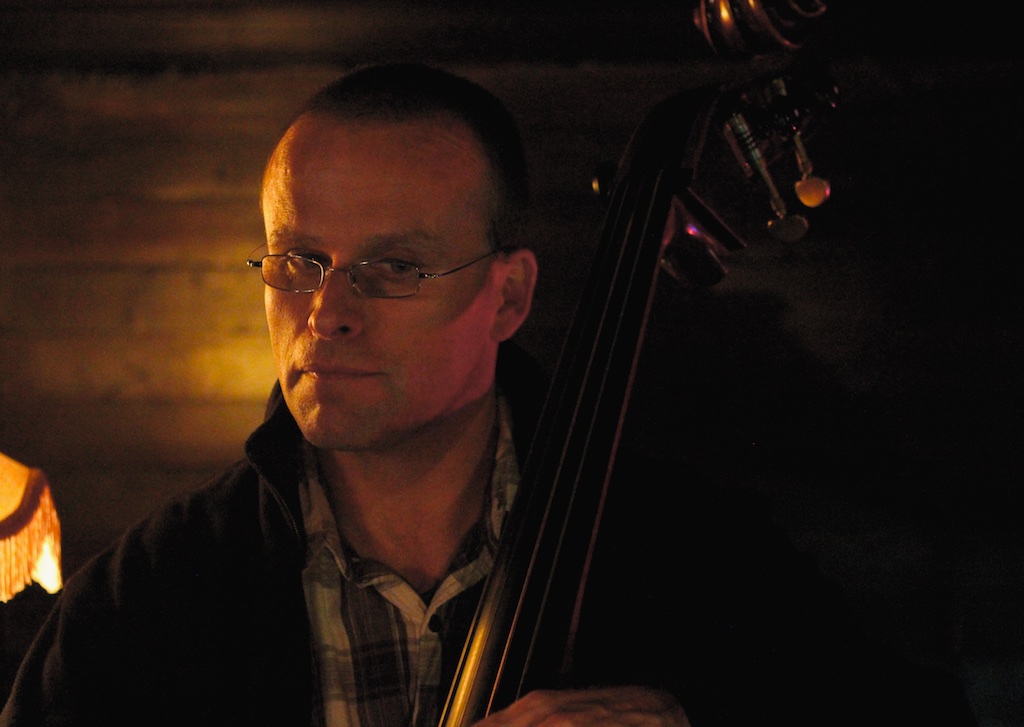

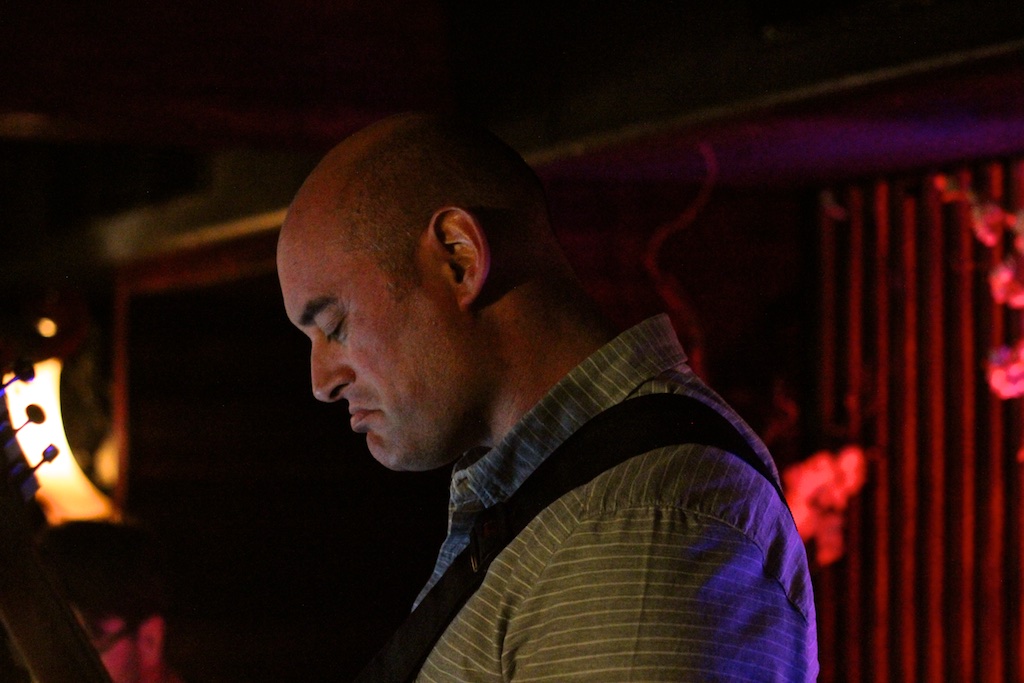
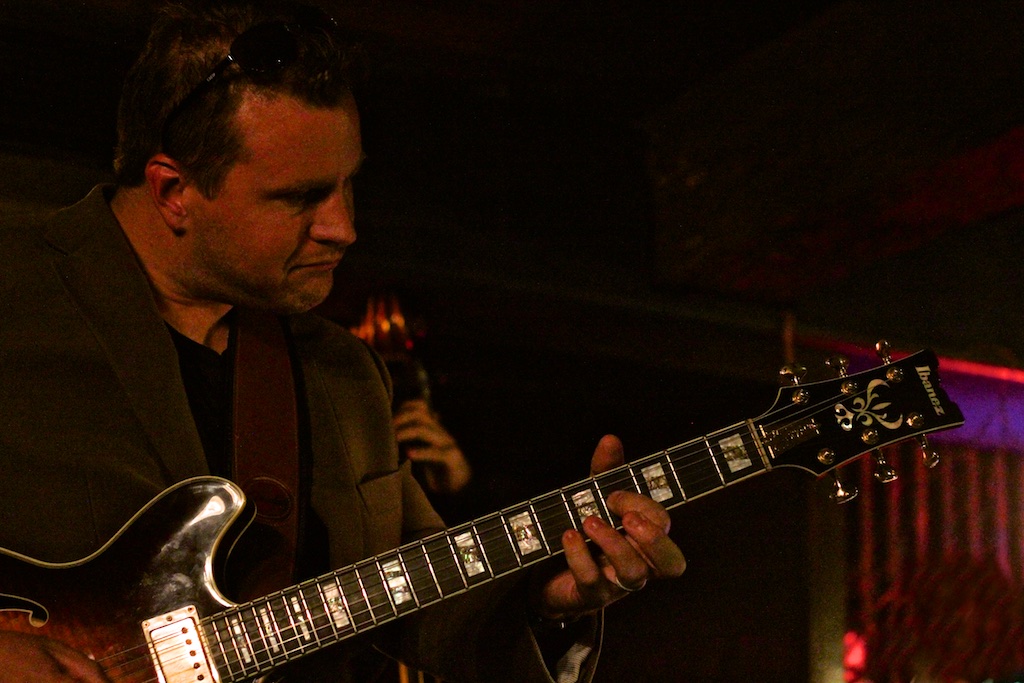
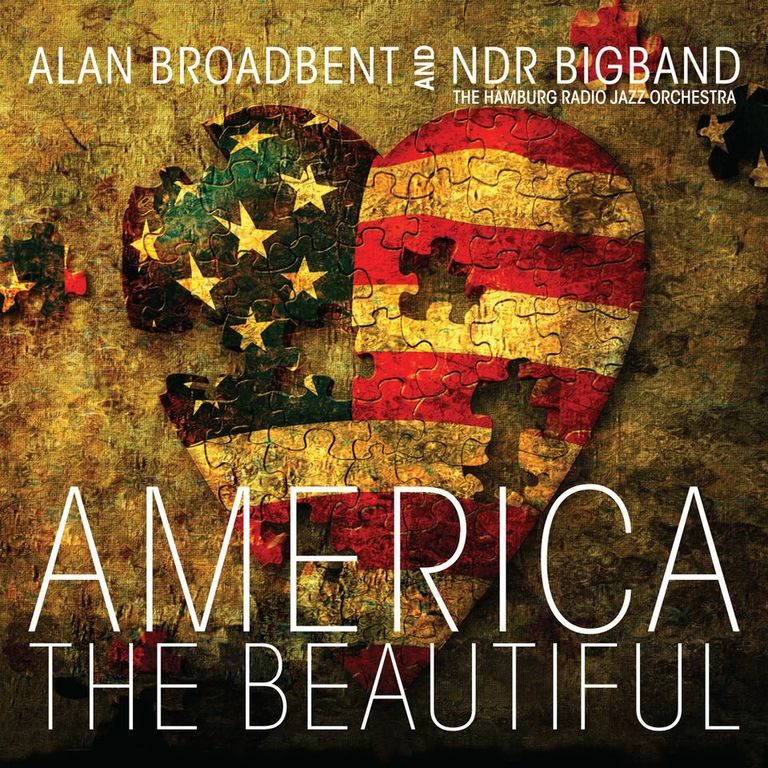
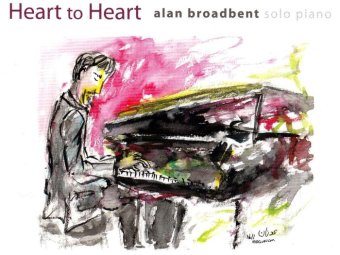
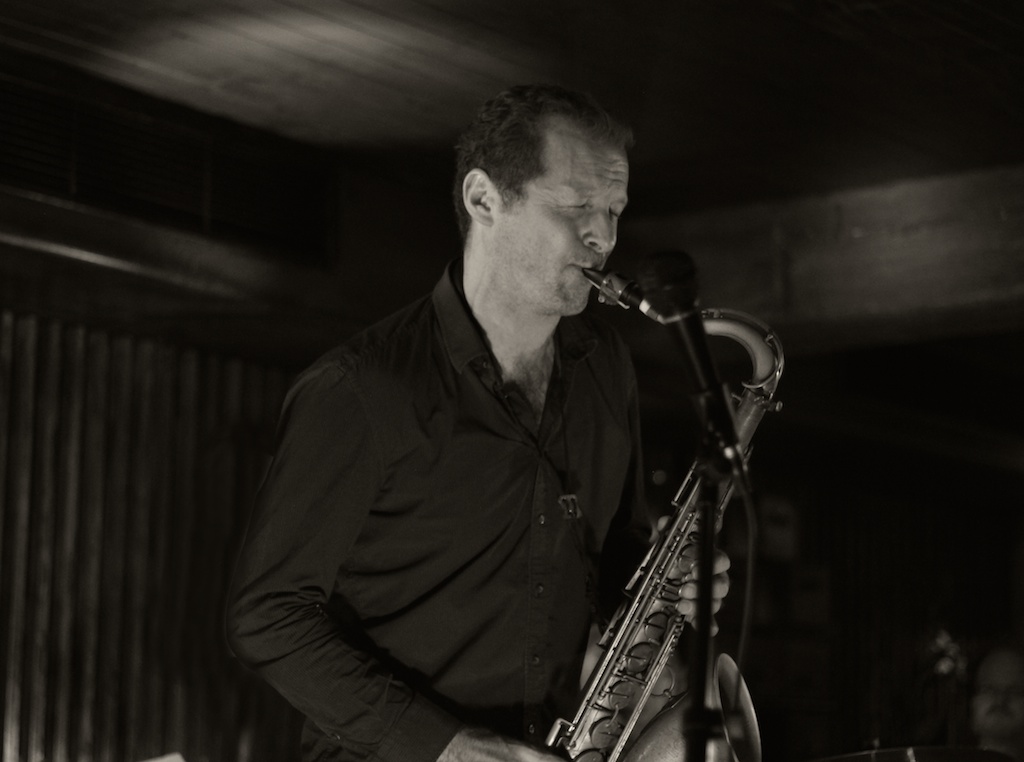
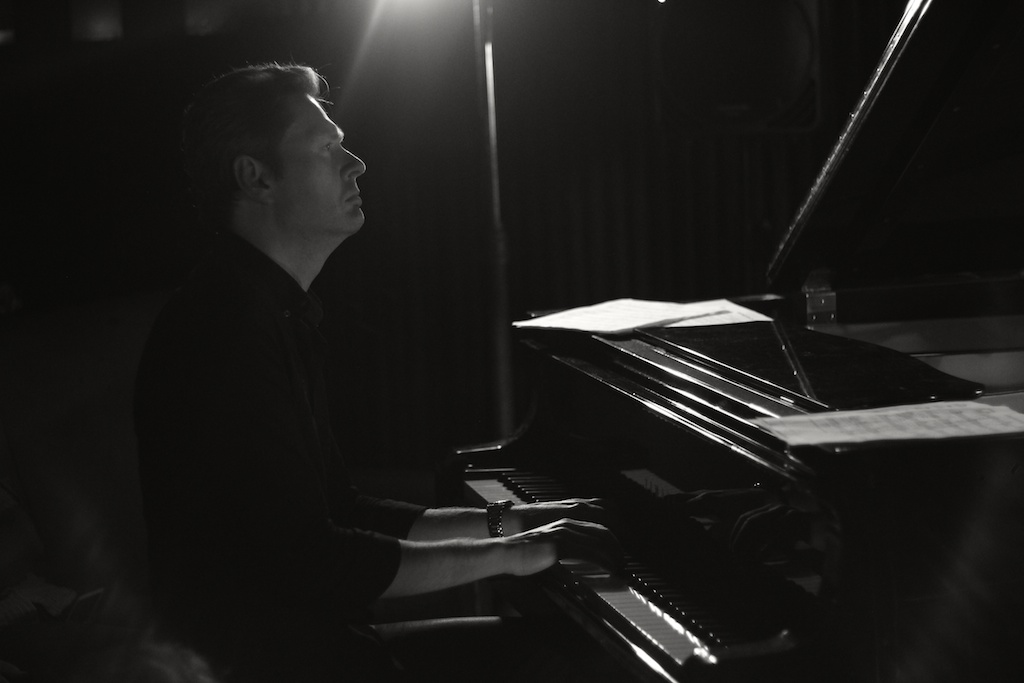


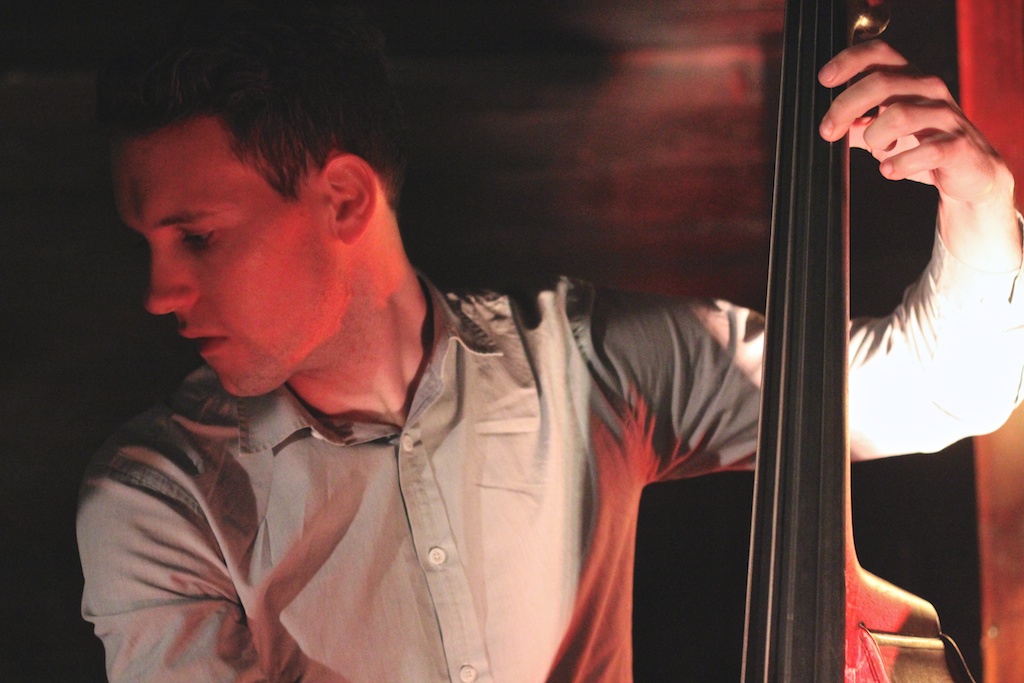
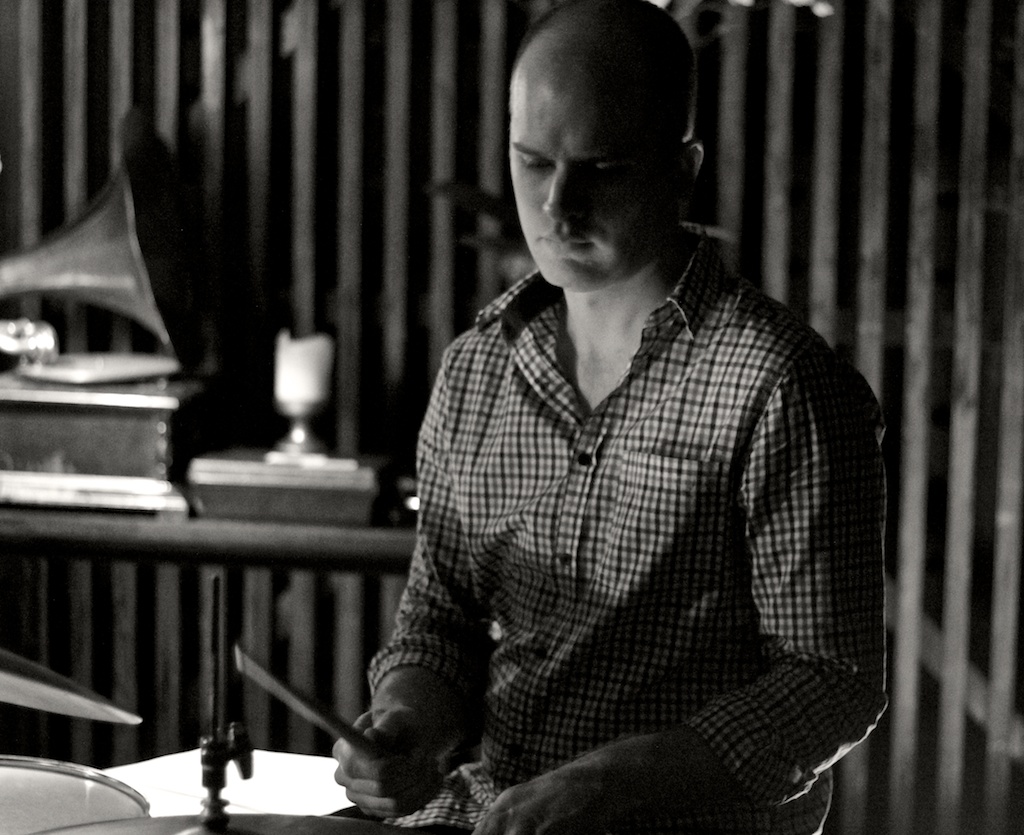
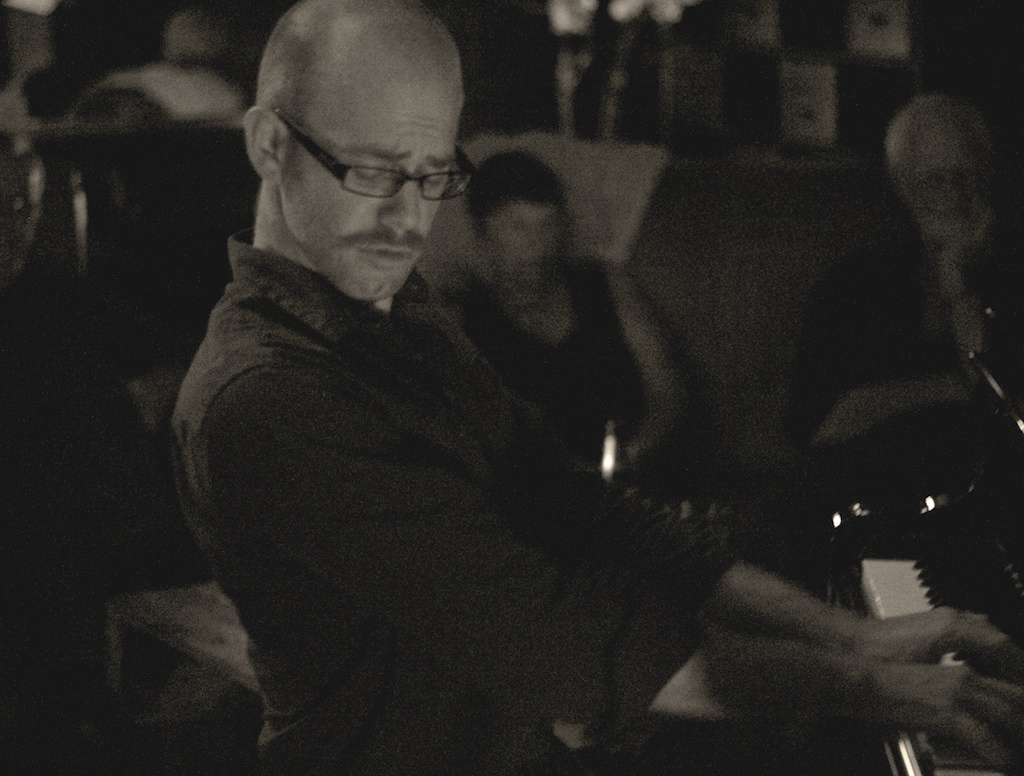
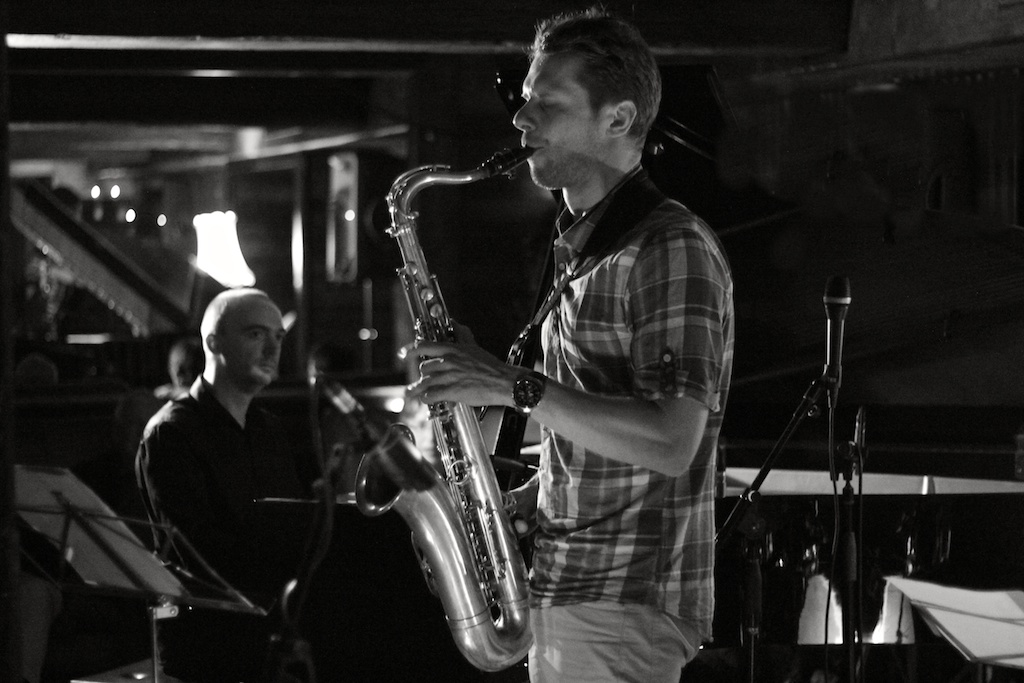
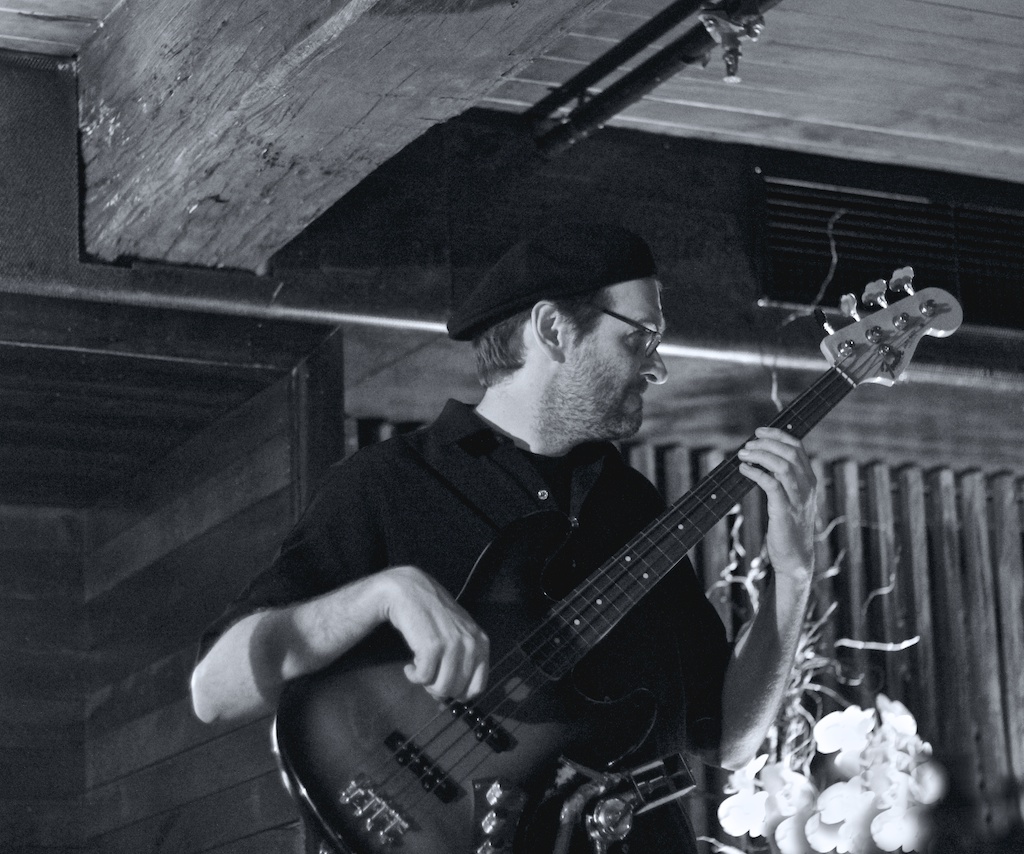
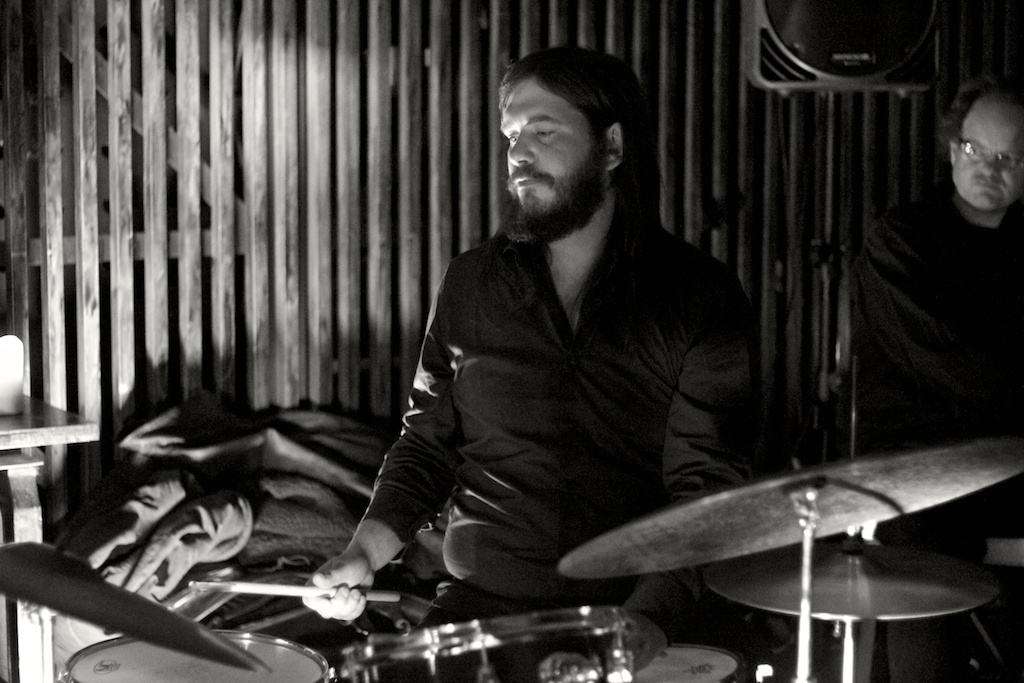
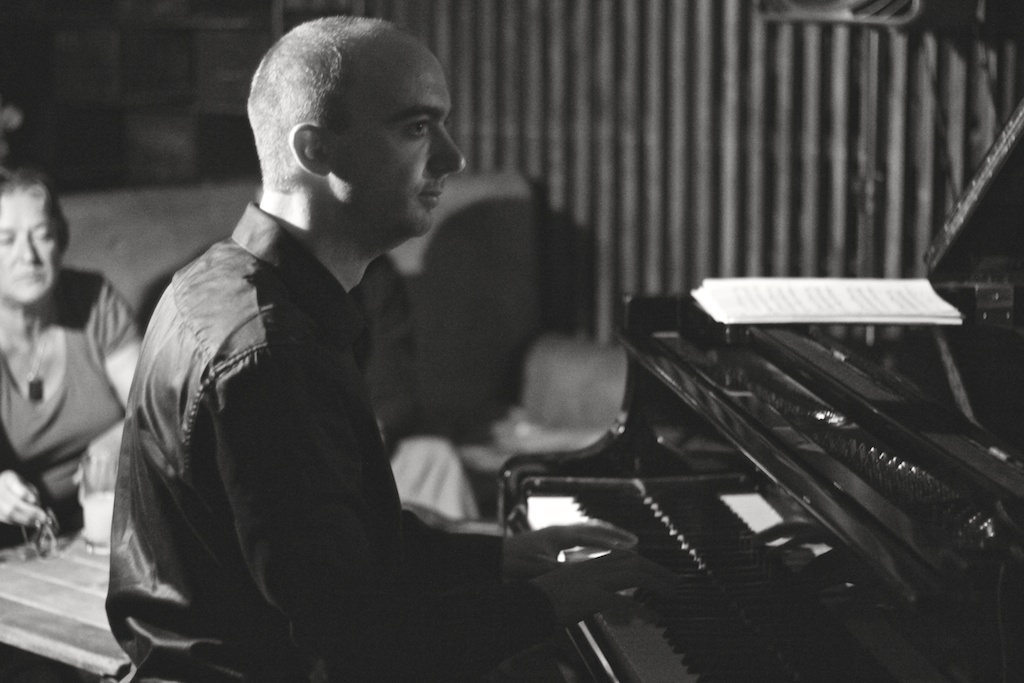
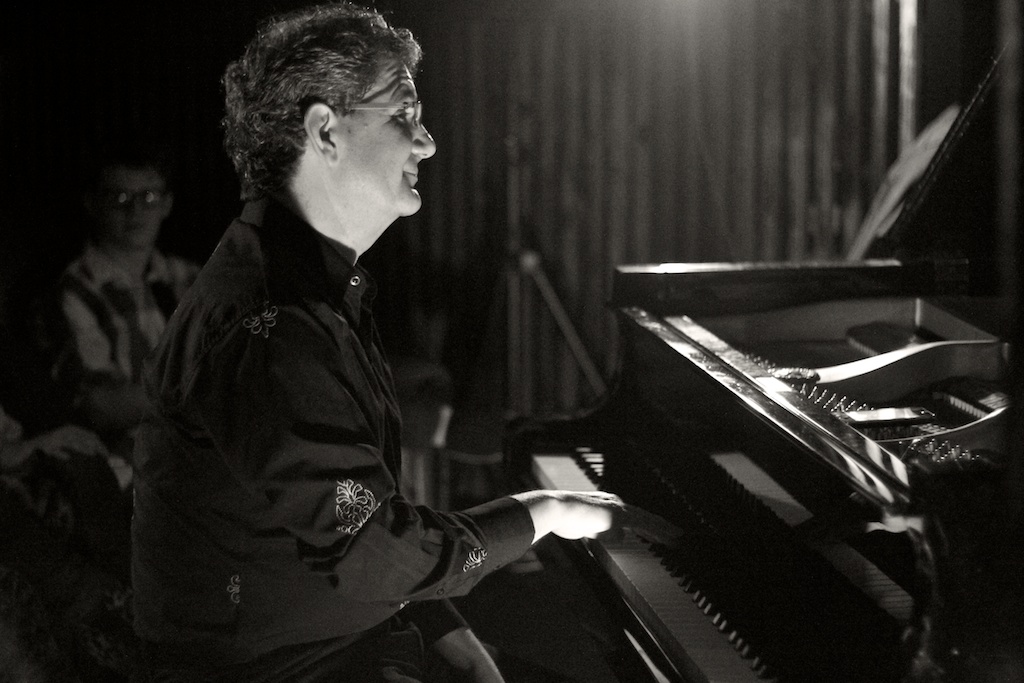

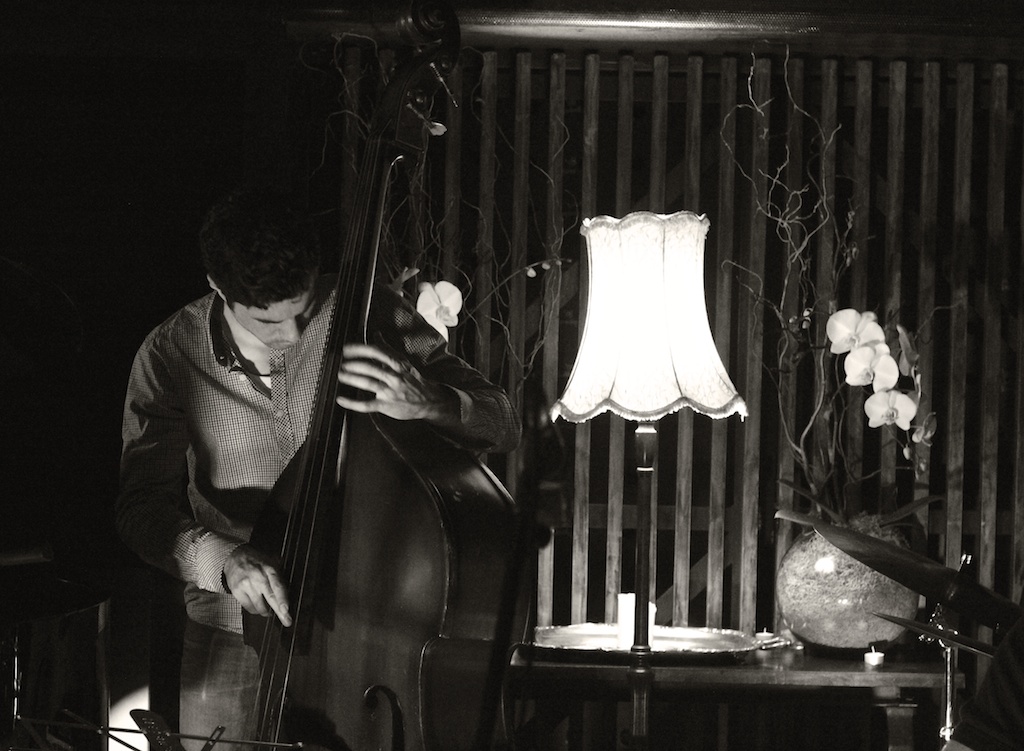
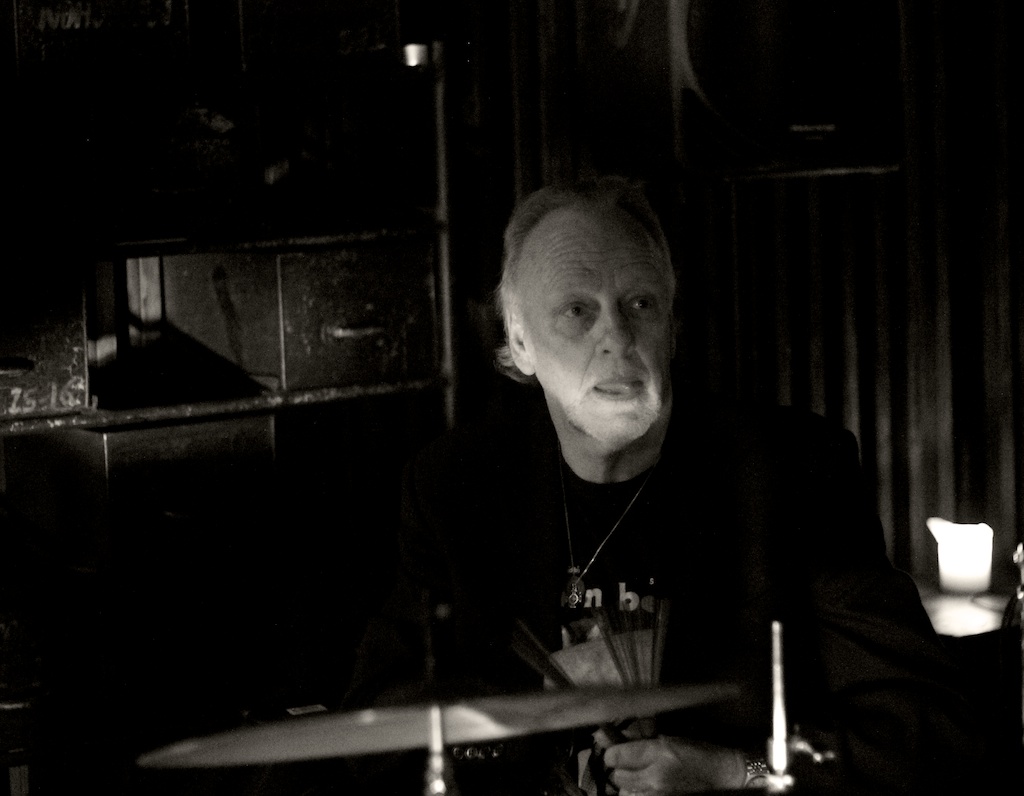
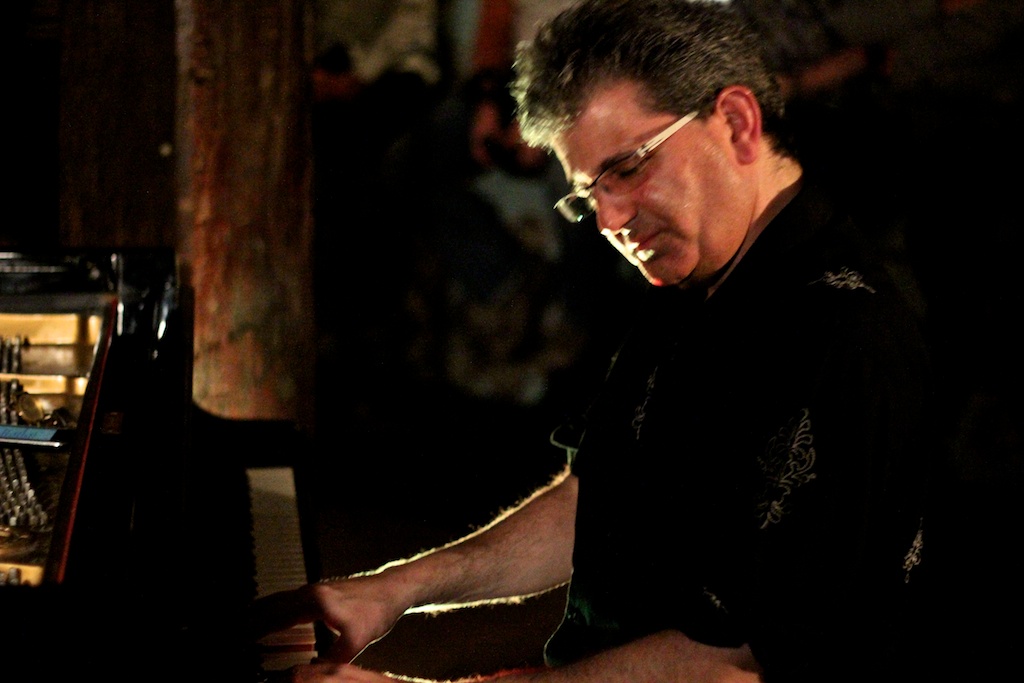
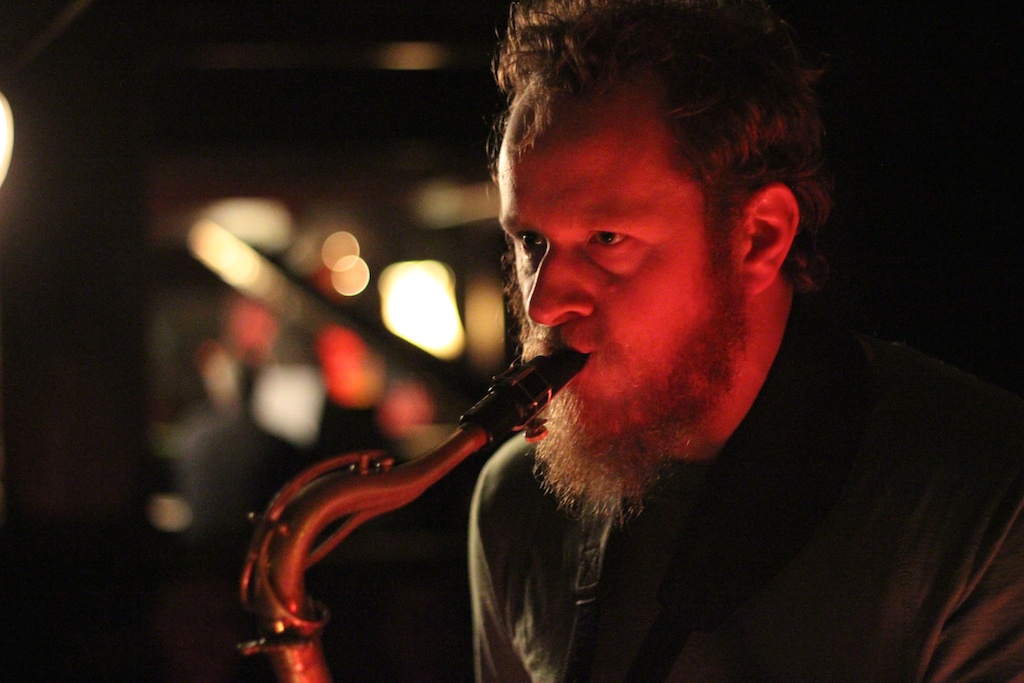
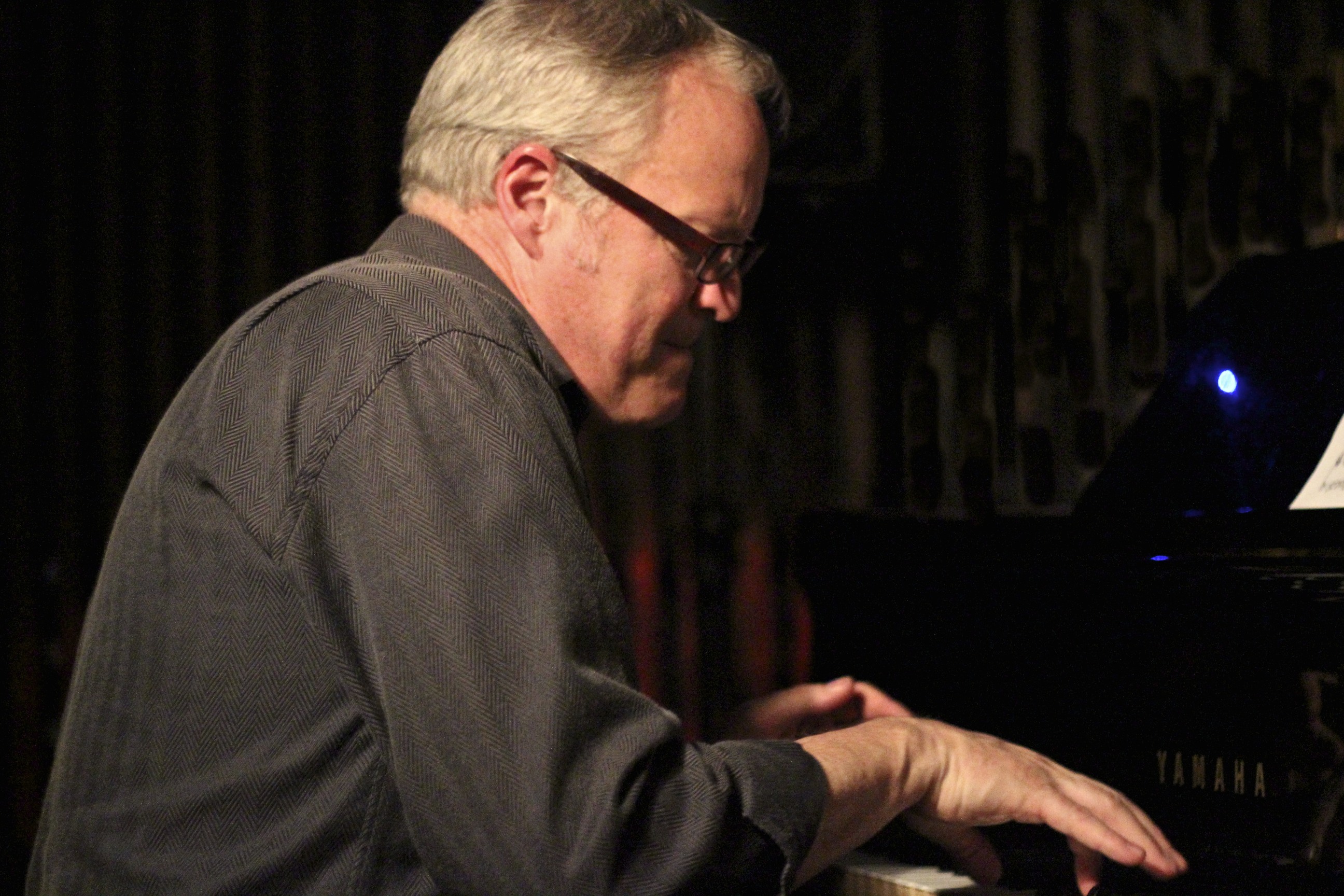
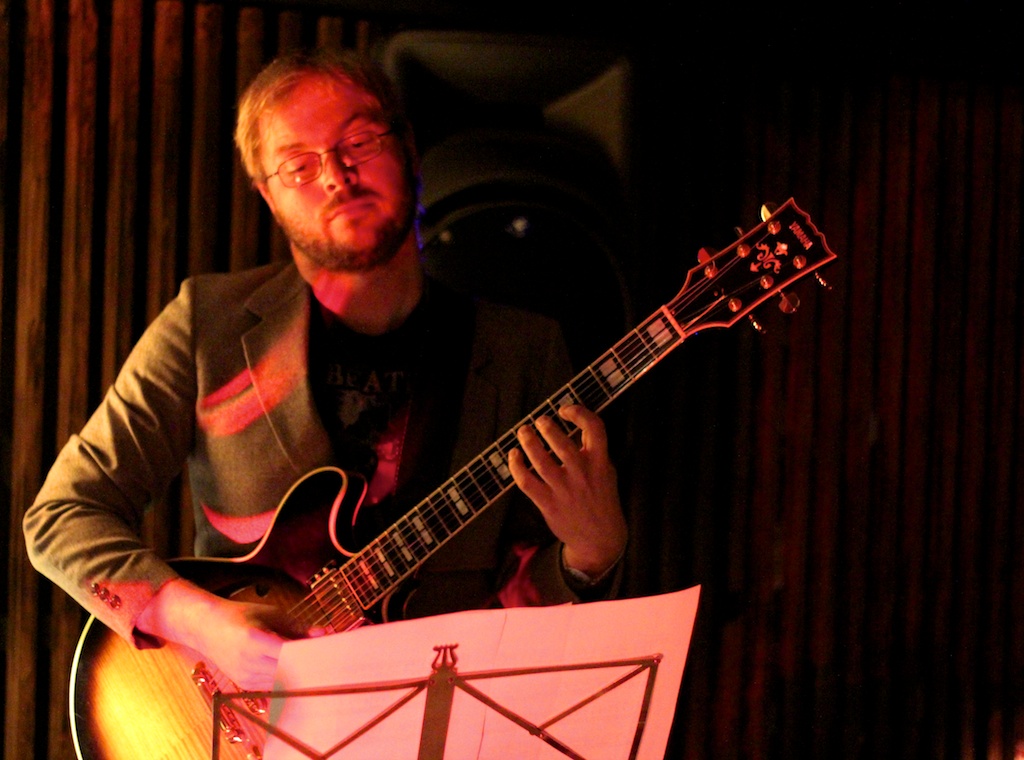

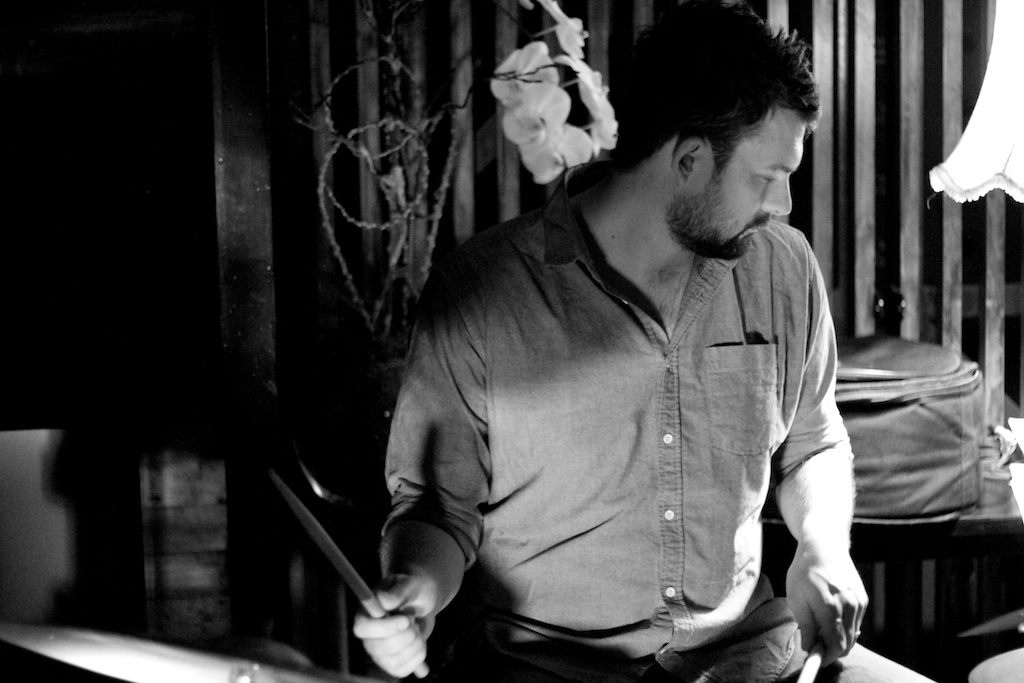
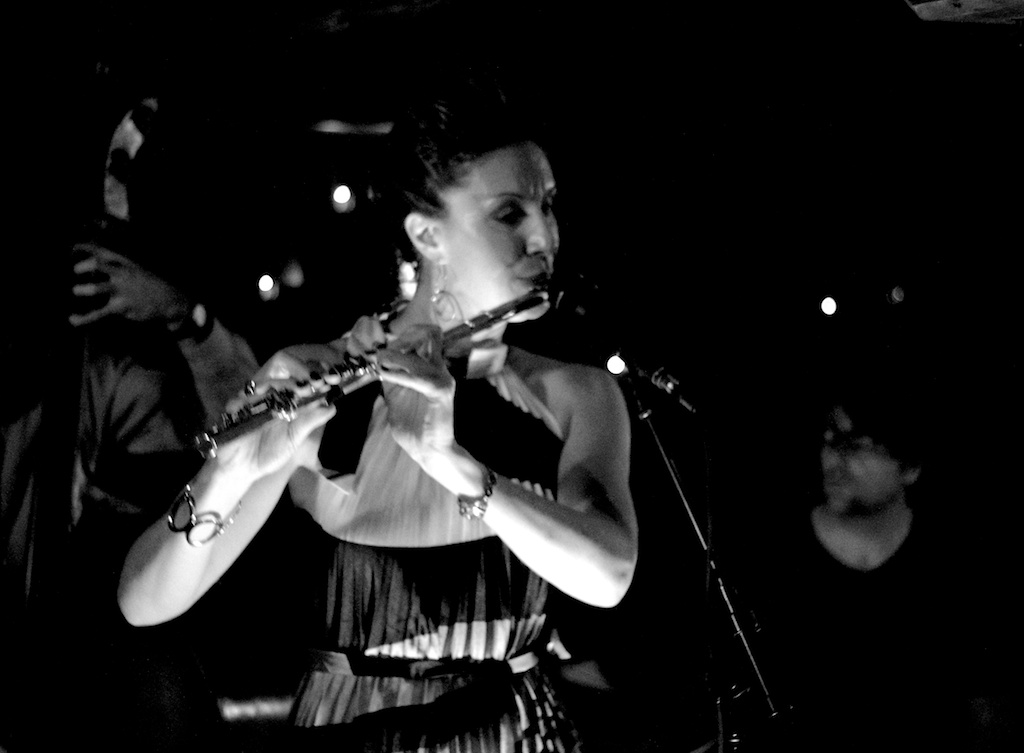
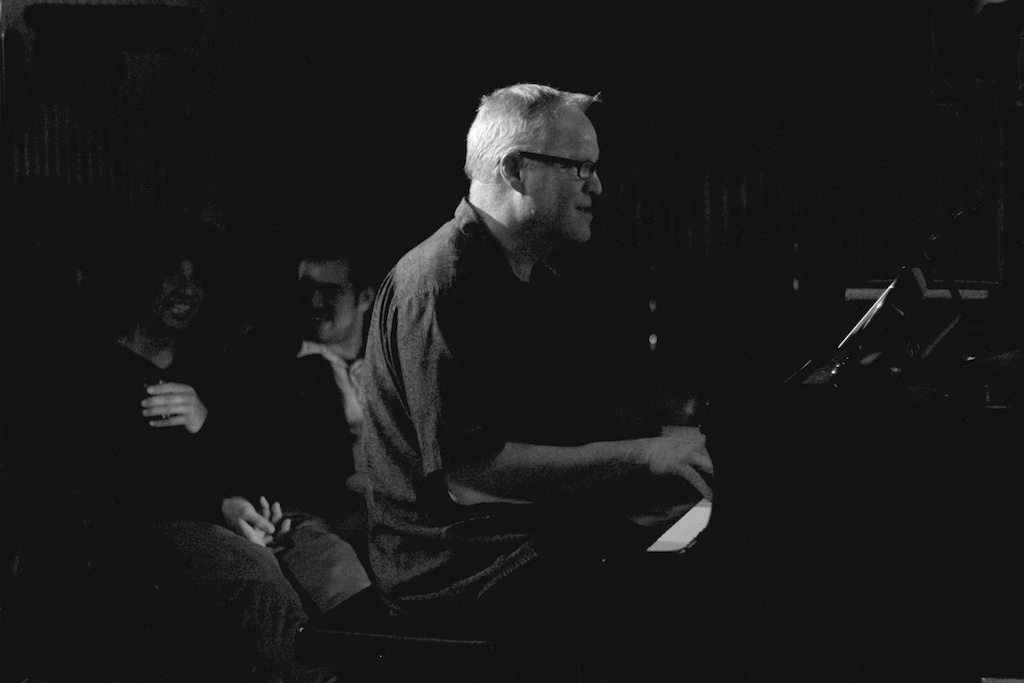

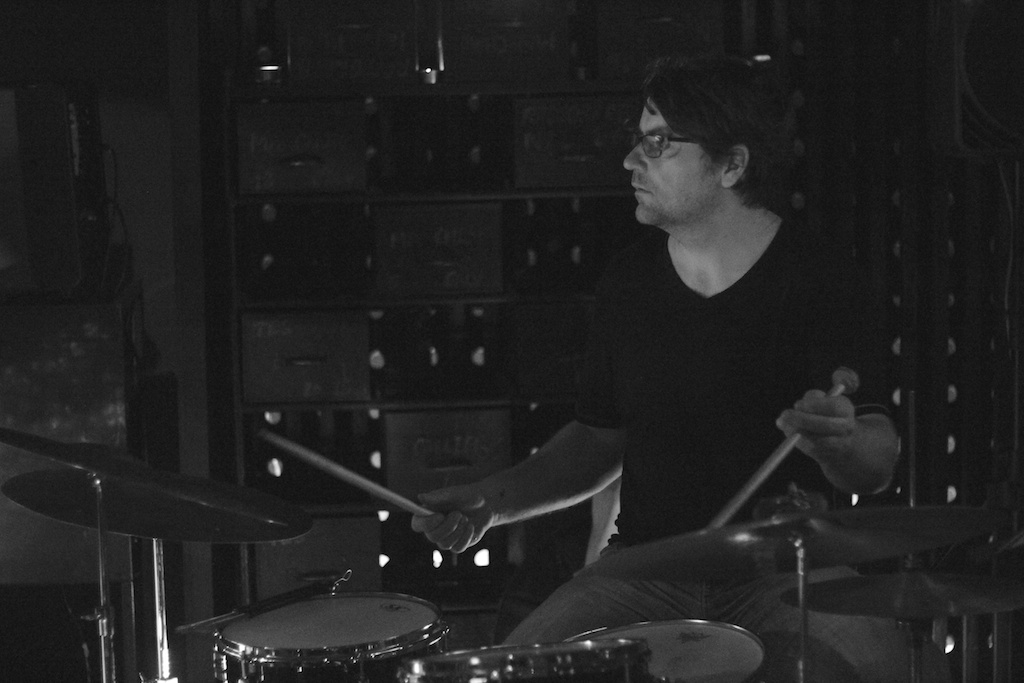

 JazzLocal32.com