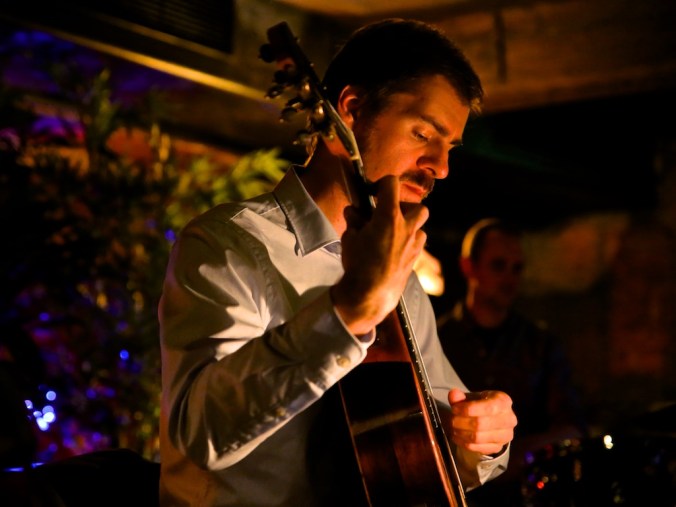
 There was a buzz of excitement surrounding Simon Thacker’s ‘Ritmata’ tour. Not the touring rock-band sort of buzz, but a word of mouth Twitter-post kind. A buzz generated by night people and festival goers. Those who pay close attention to good music. I followed the threads and everything I read about Thacker sat well with me. I looked forward to his Auckland gig and the hype was not over-stated. Ritmata was a delight.
I have travelled extensively through the Mediterranean region and delighted in the diverse streams of music flowing together; Armenian, North African, Sufi, Sephardic, Flamenco, Jazz etc. Thacker takes this concept further. It is a human weakness to catalogue, to reach for definitions. It is the inbuilt train-spotter lurking in our subconscious mind and it doesn’t work well with bands like this. Ritmata may draw upon many sources but it is owned by none of them. While there are many familiar references, the music reaches for clear space. What appears as a multicultural journey, departs for newer unexplored realms. The familiar is fleeting because this music is more than the sum of its parts.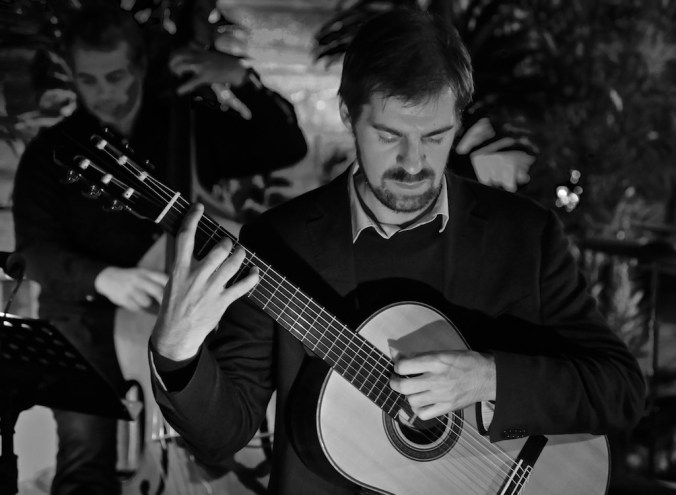 Simon Thacker is the ideal front man; funny, confident, virtuosic. His authority emanating from a force field of energy. A musical vision that engages; thriving on intimacy. A club setting is therefore perfect, with warmth and exuberance captured, contained; audience and musicians sharing an experience. Thacker’s banter is quirky, self-deprecating and it connects. There were howls of delight at the sheep jokes and they told me something important. Scotts, Kiwis and Australians have a shared humour, a post colonial cultural connection. An inbuilt irreverence that is part of our evolving story.
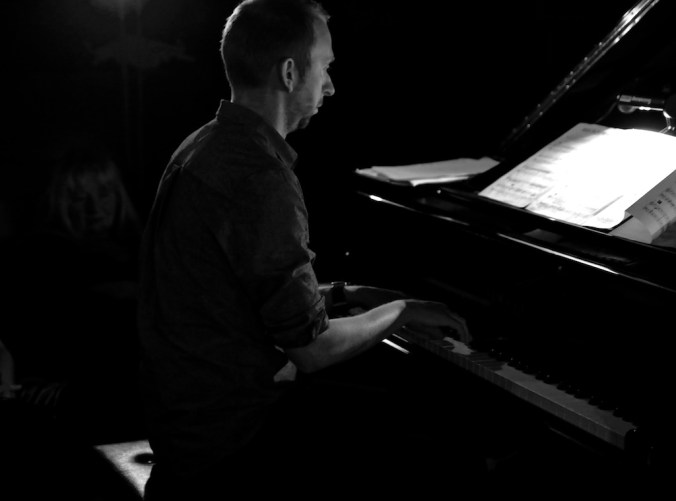 The first set opened with traditional Sephardic melodies ‘reimagined’. This is familiar territory as Caroline Manins has trodden this path with her Mother Tongue project. Some of these tunes are more than a thousand years old (‘Des Oge Mais’), and in spite of dealing with loss or longing, they are often fast paced and rhythmically complex. In Ritmata’s hands they are ancient to modern. Evoking the melting pot of Judaic Moorish Spain but never time-locked. Elements of Flamenco, and even the modal chromaticism of Jazz pianists like McCoy Tyner came to mind.
 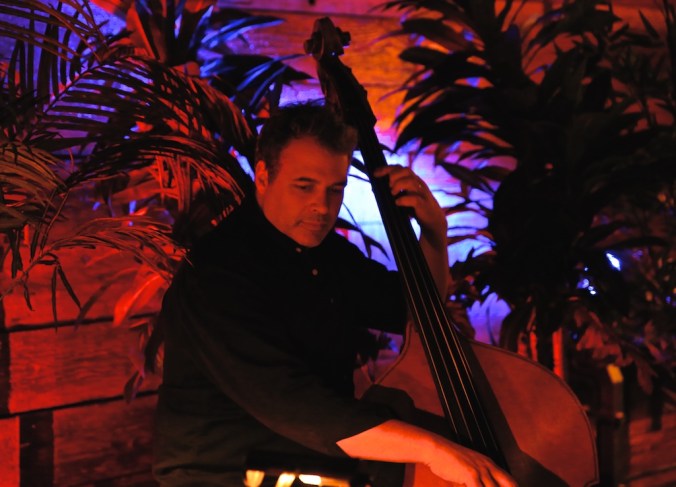 There were a number of interesting Thacker originals and to my delight three pieces based on Egberto Gismonti compositions (a stunning Brazilian improvising guitarist who used the street music of Choro to create similar, beyond-genre visions – an artist beloved of Jazz audiences). One of Thacker’s tunes ‘Honour the Treaties’ referenced the chants of American Indians and as indicated by the wild applause, it resonated powerfully. Then there was ‘Asuramaya’, influenced by the Indian Ragas. That piece had a delicious dream-sequence feel to it. He rounded off his sets with a traditional Azerbaijani tune, ‘Bana Bana Gel’ and a Jewish tune ‘Ovshori’ from the mountains Dagestan. When the audience clamoured for an encore, vocalist and Sephardic specialist Carolina Manins joined the band singing ‘Madre de Deus’; again reimagined by Thacker.
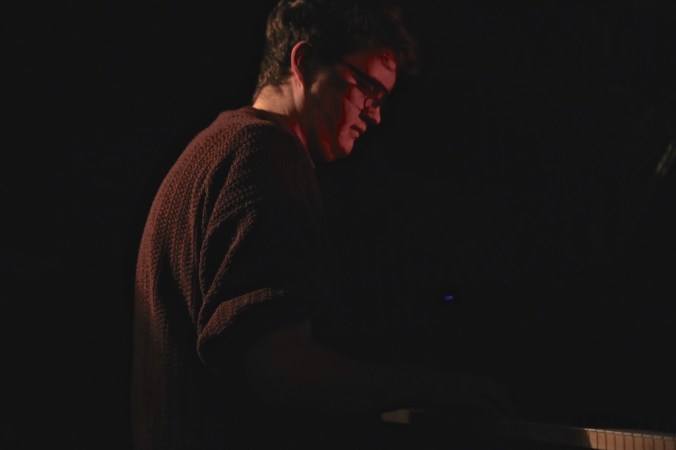
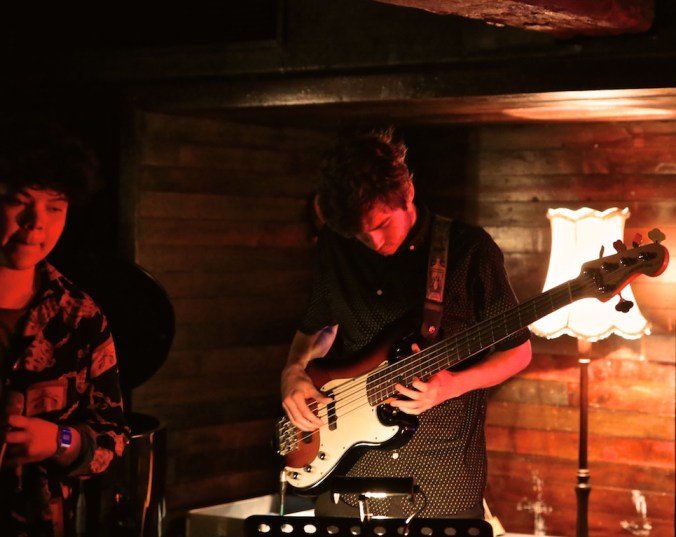
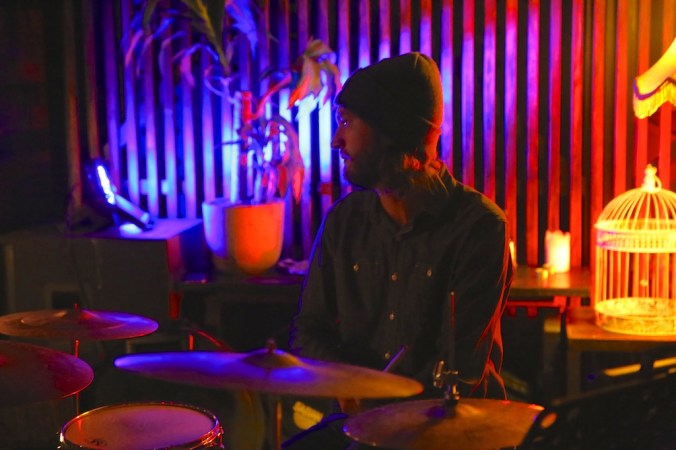
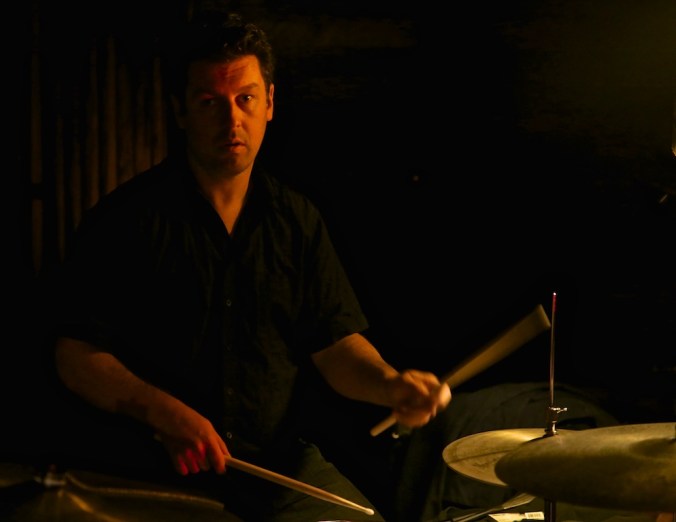
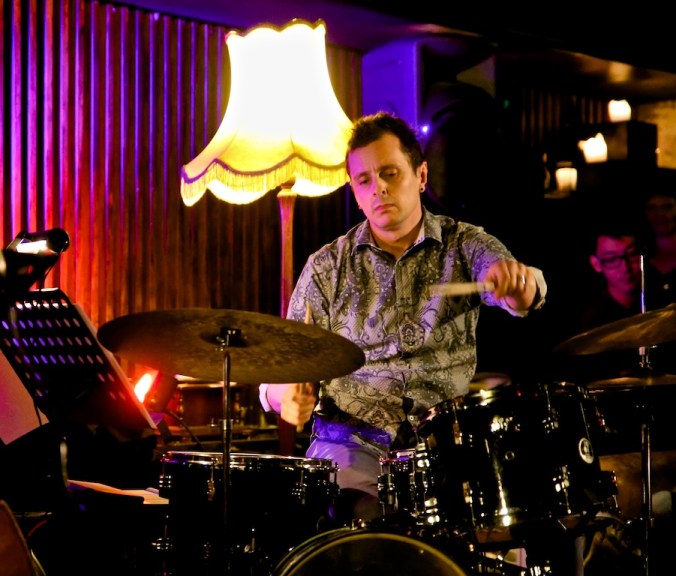
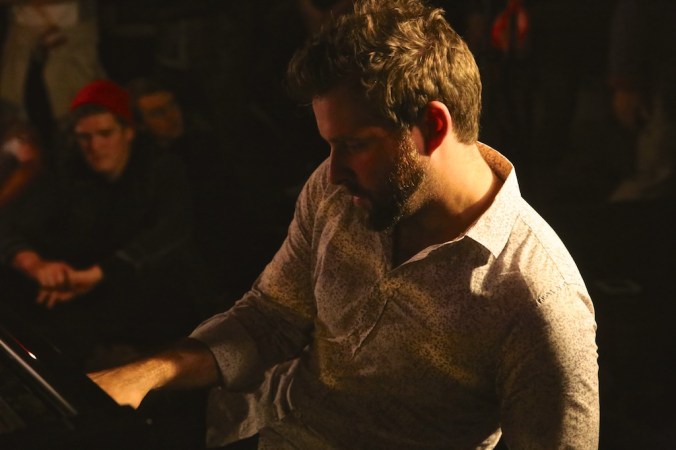
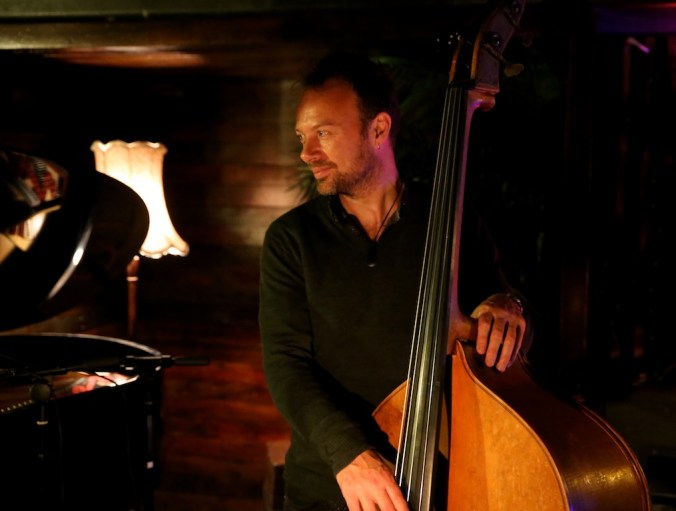
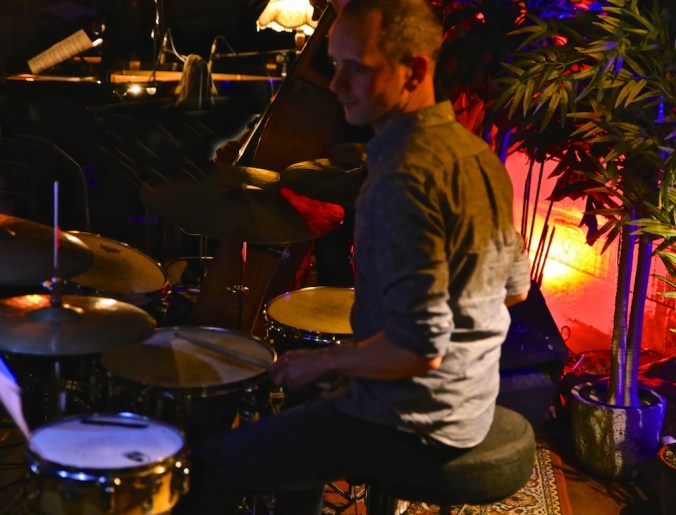 While Thacker dominated proceedings with his larger than life presence, the band members were stars in their own right. I have seldom heard a unit so in lock-step. The pianist, bass and drums were as central to the enjoyment as Thacker himself. The spotlight must lastly fall on that lovely guitar; I couldn’t keep my eyes off it. An extraordinary Rouse classical guitar; it sang like the Lyre of Orpheus. Orchestrating time and place; stretching time until we could see the future.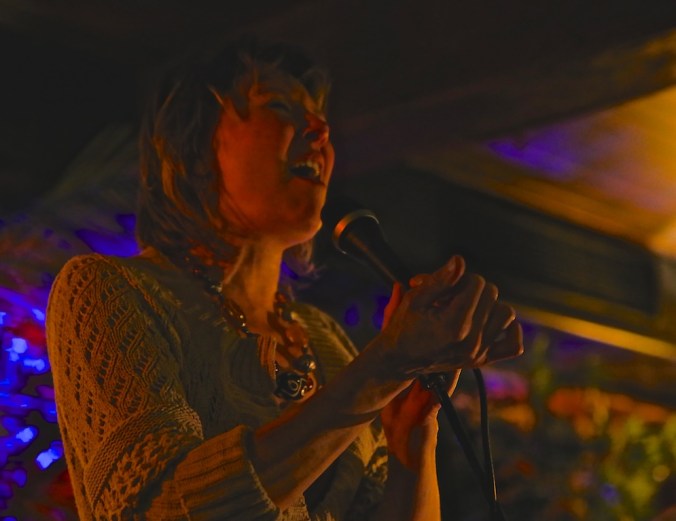
Ritmata: Simon Thacker (amplified acoustic guitar, compositions), Paul Harrison (piano), Mario Caribe (bass), Stu Brown (drums/percussion).
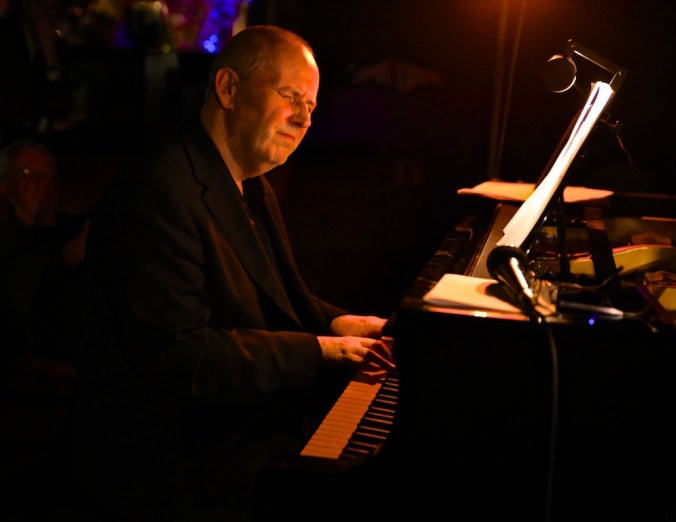 The Mark Donlon trio gig gave us two leaders for the price of one. Accompanying Donlon was the highly rated LA bass player Tom Warrington. Jazz audiences in New Zealand are very familiar with Warrington as he toured here on many occasions. Donlon, originally from the UK is now living in Wellington and working as the Jazz Studies program leader at the New Zealand School of Music.
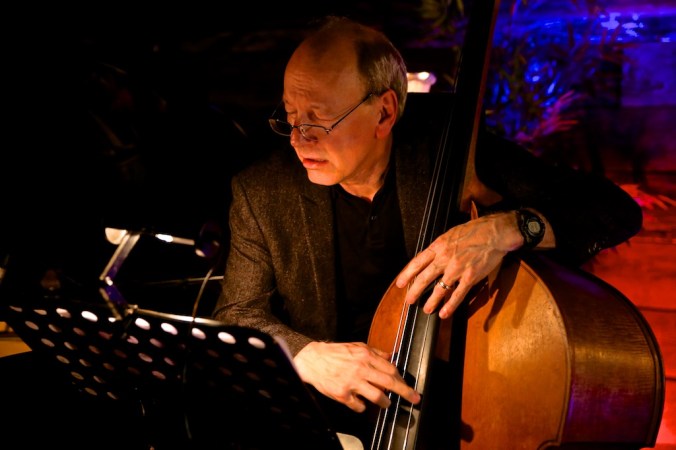 I have been a Tom Warrington fan for many years and I have most of the Jazz Compass albums where he features to such great effect. He is a bass player who speaks with incredible forthrightness, but never undermining the others on the date. On ‘Corduroy Road’, a fabulous album that I play often, the ‘others’ I refer to are Larry Koonse and Joe Labarbera. These guys can do no wrong; their version of ‘You Must believe in Spring’ (Bergman/Bergman/Legrand) is a small masterpiece. We are lucky to have such a strong association with Warrington and Rodger Fox is the one to thank for that. I last saw him during the ‘Cow Bop’ tour, where his band shared the stage with guitarist Bruce Forman (and the Cow boppers). A friendly modest man of enormous talents and good company. When I spoke to him last Wednesday I learned that Larry Koonse (and perhaps Joe Lababera) will be touring New Zealand soon. Koonse has suffered health problems of late but he is evidently recovering well. Warrington’s recording credits are too numerous to mention. Tom is now domiciled in this country which is very good news.
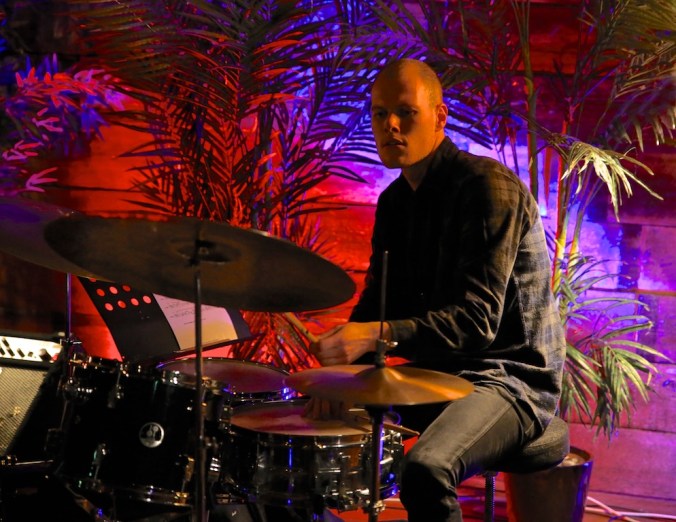 Cory Champion although Wellington based is no stranger to the CJC. He was there earlier in the year with Matt Steele’s ‘Master Brewers’. He writes and plays well and it is likely that we will see him in the drum chair often.
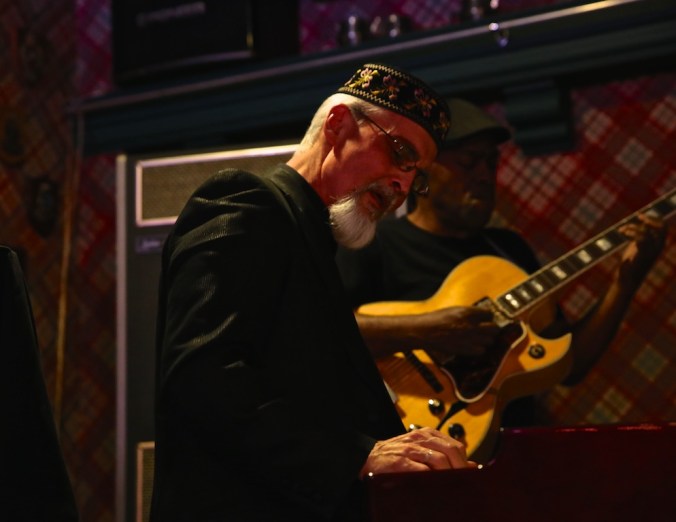
 Michel Benebig visits New Zealand once a year and we anticipate his visits with Joy. His authentic B3 groove journey didn’t start in East Philly, but in tropical Noumea; a South Pacific Island north of here. After honing his craft he travelled widely and in consequence his star steadily rises. The more North American audiences hear him, the more they embrace him. He is now regarded as a B3 master. The B3 greats who inspired him are all but departed and he deservedly steps into their shoes. His travels in the USA have brought him into frequent contact with a number of well-known musicians. As good musicianship and a pleasant disposition are the highest recommendations possible, the musicians he worked with recommended him to others. That is how he teamed up with Carl Lockett.
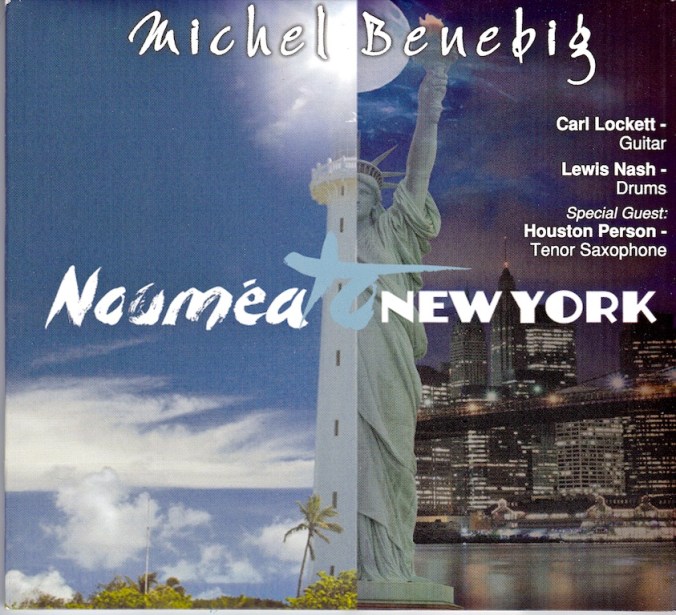
 The new album ‘Noumea to New York’ is his finest to date (and true to label, recorded in New York). Again Lockett features on guitar, Lewis Nash lays down the drum grooves and special guest Houston Person appears on tenor saxophone. What a marvellous line up this is and what an album they turned out. This album alone will secure Benebig a place in the pantheon. It has modern B3 classic written all over it. All compositions are by Benebig, with one tune co-credited with his partner Shem. There are so many treasures on this album that it is hard to single out one particular tune, but if pressed I would say ‘Noumea To New York’. A medium paced groove track with enough warmth to melt the ice in your drink. The flawless interplay between Benebig, Nash and Lockett is in strong evidence here. With Nash creating a solid cushion of groove, it is no wonder that Benebig and Locket sound so marvellous.
 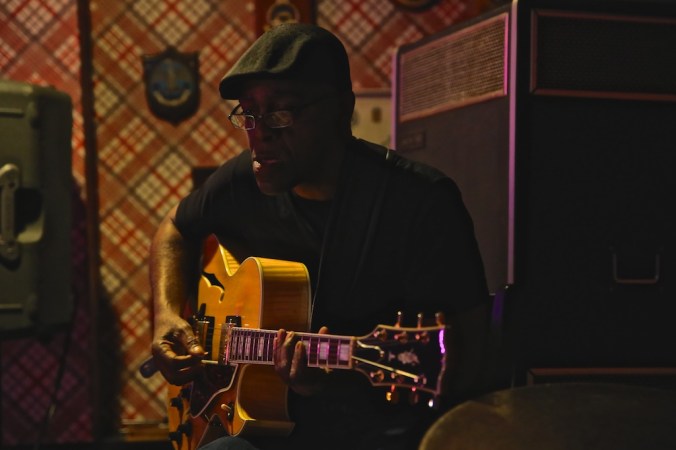 The tour down under was minus Nash and Person; Locals filled those gaps. In Auckland we had Roger Manins on tenor and Ron Samsom on drums. This was also a perfect fit, as both had accompanied Benebig previously. The set list in Auckland was partly material from the album and partly marvellously quirky tunes from classic TV shows. How often do you hear the theme from ‘The Pink Panther’ or the theme from ‘The Naked City’ played by a groove unit? More common in Jazz circles is the Johnny Mandel standard ‘Suicide is Painless’ from Mash. When people think of that last number they think Evans and seldom the B3. To show what skilled groove merchants can do with such material I have uploaded a clip.
 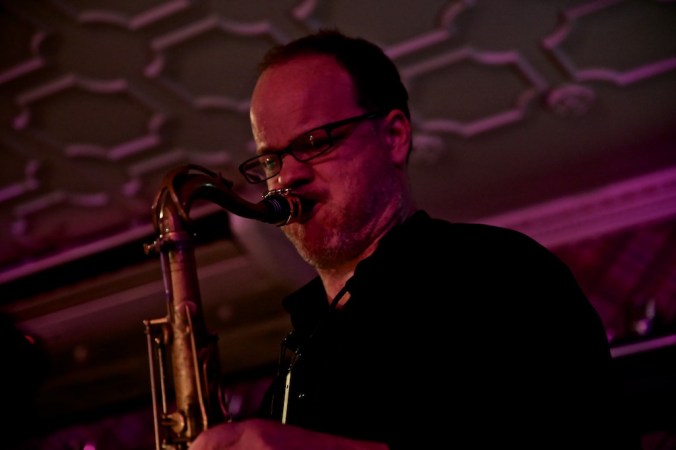 While Benebig is very much in command here his groove collaborators preached just as hard from their respective pulpits. Lockett in particular was astonishing. Gasps of delight erupted as he utilised his finger picking blues-guitar credentials. Moving seamlessly from lightning quick double-time to a steamy groove; often leaning slightly back on the beat. His comping was equally delightful as he does what Pat Martino does. There is either a slight vibrato or he pulls gently down on the strings with each comping-chord; creating simultaneously a warm but slightly mournful effect. Whether on fast single-note runs or octave chords, its hard not to think of Wes Montgomery. His extensive use of thumb and fingers and his fluidity evokes that comparison.
 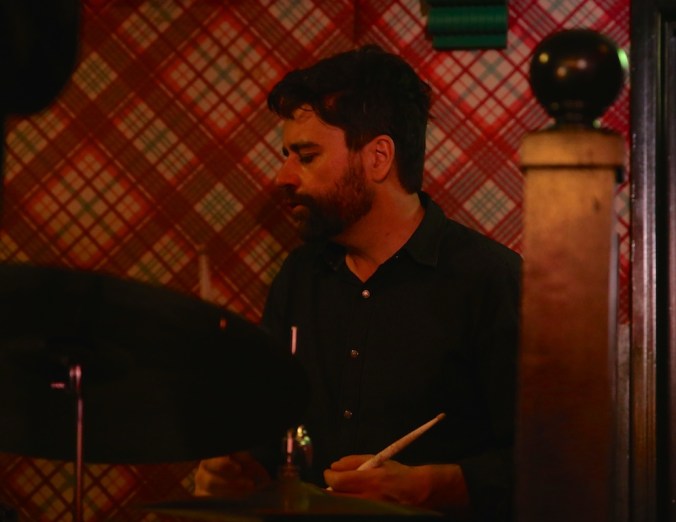 Manins was clearly in his element here. Happy among friends and happy to find himself back in the groove space. The same went for Samsom. Both are highly regarded straight ahead Jazz musicians but both have released great groove albums in the previous year. Their joyous abandon added to the quantum of happiness; every note making us smile.
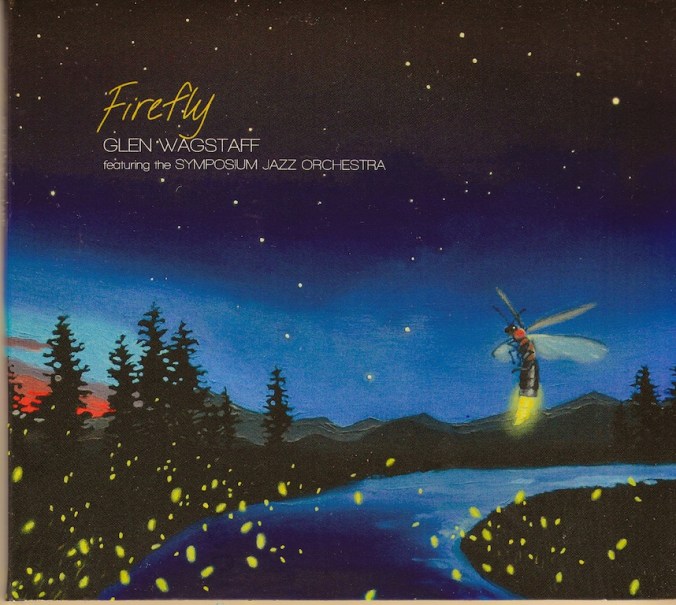 The postie brings more music to our house than he does bills and so I always welcome the sound of the small motorbike pausing outside. This time she delivered a wafer thin parcel with the sender identified as Glen Wagstaff; Firefly had arrived. Looking back over my blog posts revealed that I first encountered the Glen Wagstaff Project in October 2013. At that time we heard several compositions now on the album and in particular to the title track ‘Firefly’. The first Auckland lineup was an eight piece ensemble, all Christchurch musicians. I was only familiar with two of them, Tamara Smith and Andy Keegan. The ensemble impressed and especially notable were the compositions; well constructed charts which magically exceeded the limits of eight piece instrumentation.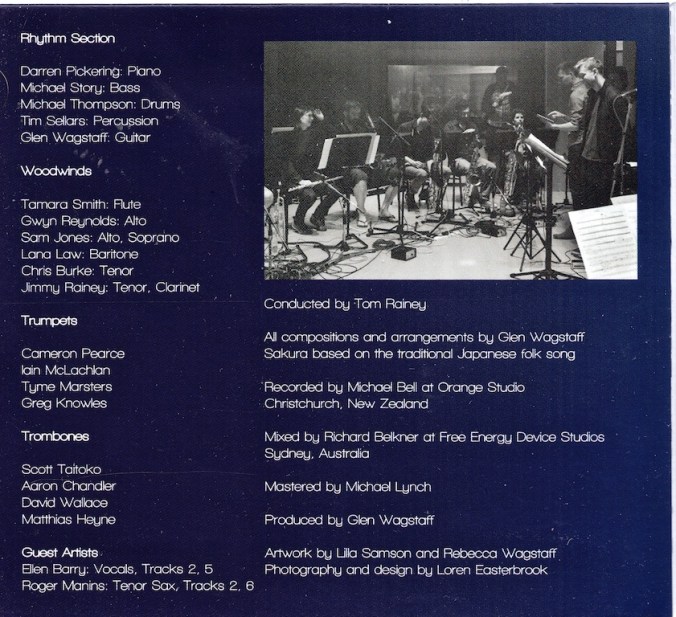
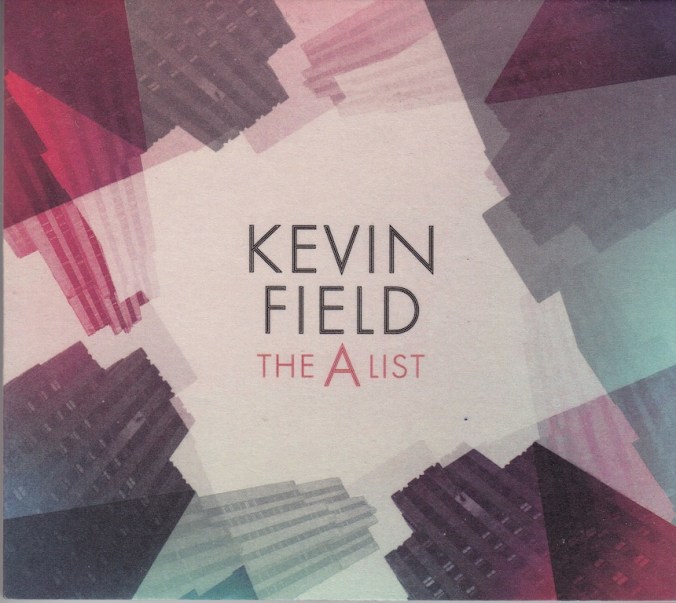 ‘The A List’ release has been a long time coming, or so it seems. Every recording of Kevin Field’s is noteworthy and when rumours of a New York album circulated I attempted to pin him down. Whenever I saw him playing as sideman about town or met him in the street I would pull him aside and say, “Kev, how is the album progressing, when will you release it?”. I invariably received iterations of the same cryptic answer; a knowing smile and a brief “it’s getting there, not too far away now”. the lack of specifics only fed my appetite. I have learned to read the signs and I can sense when an album pleases an artist. It is all in the body language, readable over the self-effacing vagaries of banter. Field had a look about him; a look that told me that he was nurturing a project that pleased him.
 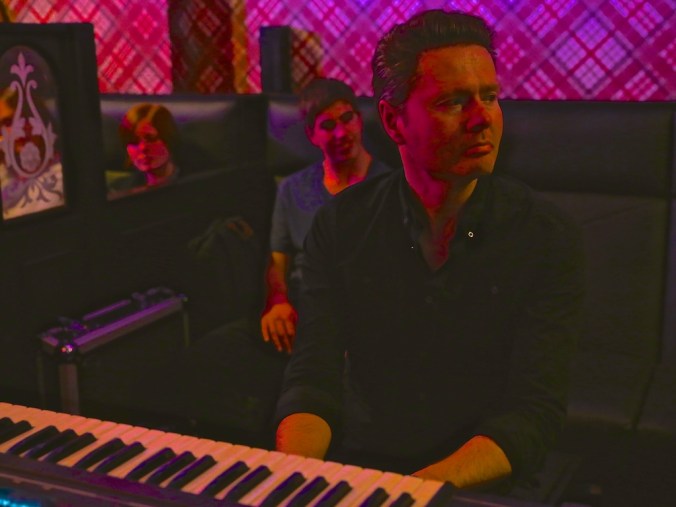 As the months progressed I gleaned additional fragments of information in bite sized chunks. Firstly that Matt Penman was on the recording, and incrementally that Nir Felder, Obed Calvaire, Miguel Fuentes, Clo Chaperon and Marjan Gorgani also. The substantive recording took place at Brooklyn Recording in New York with additional recording in Roundhead Studios Auckland. That was pretty much the extent of my knowledge. I have encountered this phenomena before. Treating an album as a child, holding it close before sending it out into the world. It generally presages good things to come. In this case it certainly did.
 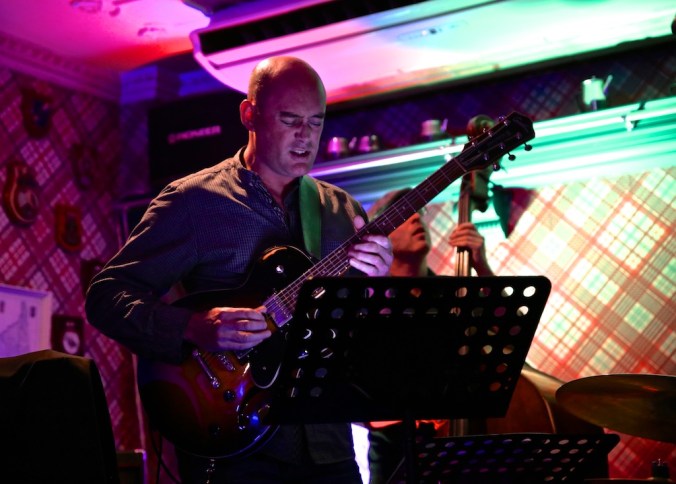 The title is probably tongue in check, but it speaks truth. There are a number of A List personnel on the album. Field is arguably Auckland’s first call pianist. No one harmonises quite like him and his consistency as pianist and composer is solid. New Zealand Jazz lovers also regard Matt Penman highly. His appearances with leading lineups and his cutting edge projects as leader always impress. In the same vein is Nir Felder; frequently mentioned in the same breath as the elite New York guitarists. Obed Calvaire the same in drum circles. This was an obvious next step for Field; having risen to the top of the local scene, it was time to record with New Yorker’s.
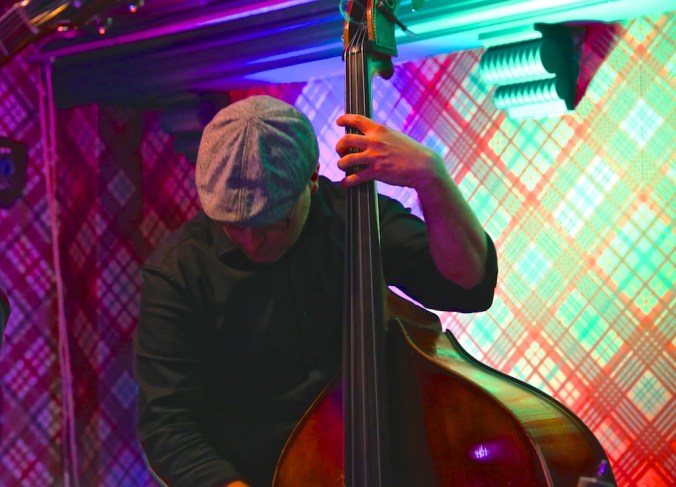 The CJC (Creative Jazz Club) Auckland launch substituted ‘A’ List locals for the famous New Yorker’s. On guitar was Dixon Nacey, on bass Richie Pickard and on drums Stephen Thomas. The vocal section was; Clo Chaperon & Marjan Gorgani (as on the album). These musicians are superb and so the comparison with the album was favourable (Field is a little higher in the mix on the album and guitarist Felder is a little lower).
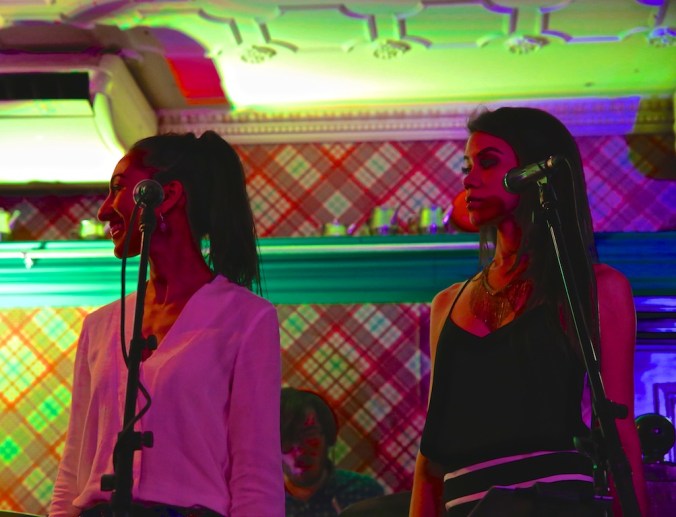
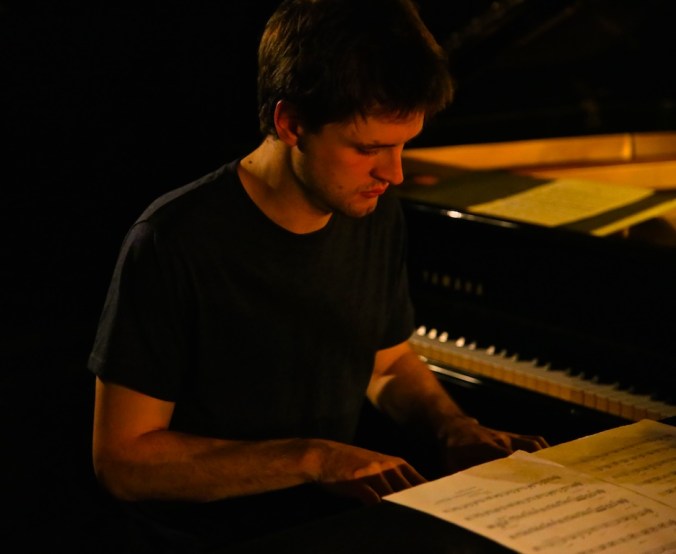
 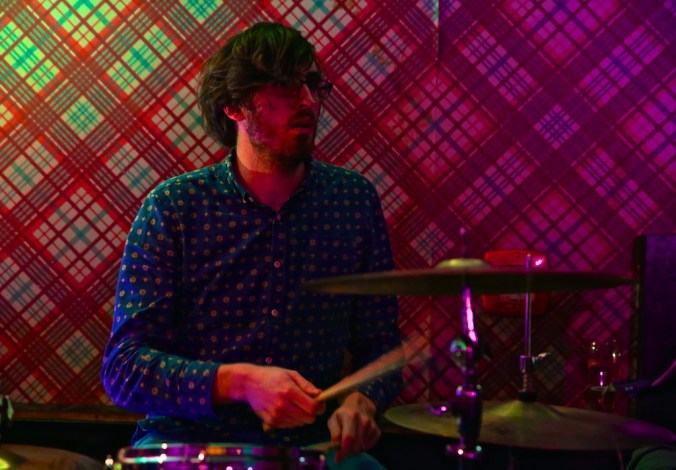 The CJC was in different venue this time, owing to the refurbishment of the 1885. The Albion is no stranger to Jazz and in spite of the ‘livelier’ acoustics, it was a good space in which to enjoy the music. Dixon Nacey always sounds like a guitarist at the peak of his powers, but somehow he manages to sound better every time I hear him. This time he used less peddling and spun out wonderfully clean and virtuosic lines. Apart from a tiny amount of subdued wah-wah peddle on the disco number his beautiful Godin rang out with bell-like clarity (the clipped wah-wah comping was totally appropriate in recreating the tight disco funk vibe). The other standout performance was from Stephen Thomas, who is able to find a groove and yet mess with it at the same time. His complex beats added colour and he mesmerised us all. At the heart of the sound was Richie Pickard. Some of the material was definitely challenging for a bass player as timing was everything. Pickard navigated the complexities with ease. There are were three vocal numbers at the gig (two on the album). Chaperon and Gorgani are impressive together and well matched vocally. Hearing them on the album showcases them to best advantage, as sound mixing is harder in a club. Their presence certainly added excitement to the gig.
 Buy the album and if possible see Field perform this material live. This music is exciting and innovative; past and present rolled into a forward looking Jazz form.
 By my best estimation, Murphy’s Law kicks in roughly once every three months. Before the gig I plugged in my HD video recorder to charge, gathered my camera equipment into one place and foolishly congratulated myself on being so well organised. That was the mistake right there. Having tempted the Fates they responded in kind. My video recorder didn’t charge because the gods rewarded my hubris by half unplugging the charger cable. This was a gig I particularly wanted to video but the battery died mockingly within 15 minutes. Immediately the battery gave out the gig got better and better.
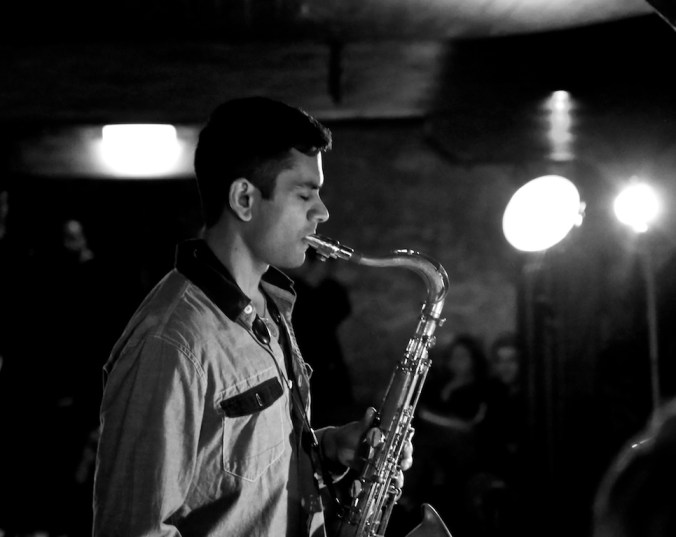
 I had not encountered Kushal Talele before. Until recently he has been working overseas and in London in particular. What I do know about him is that Brian Smith and Pete France tutored him at the New Zealand School of Music; both wonderful musicians. He was born on the Deccan Plateau in the city of Pune, the ninth largest city in India and the second largest after Mumbai in the state of Maharashtra. His family moved to New Zealand when he was eight, but he is now clearly a citizen of the world and of music.
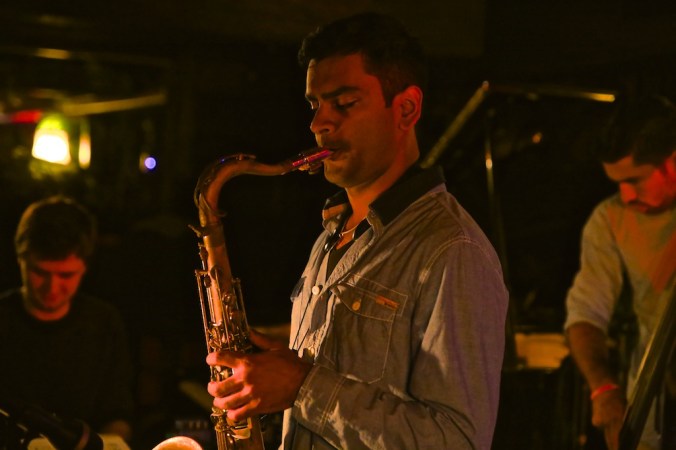
 His good looks and relaxed confidence tell a story before he plays a note. Looking the part on the band stand is about posture and being at ease with the task at hand. His tone on the tenor is beautiful. He is very much a modernist but with the elements of Coltrane and the post bop era embedded. I asked him who he particularly listened to and the first name he mentioned was Chris Potter. Serious tenor players all admire Potter and rightly so. I also asked him if Indian Classical Music informed his playing and he was quick to say that it didn’t; adding that it was something he would like to explore one day.
 I asked because I have been following altoist Rudresh Mahanthappa who successfully fuses elements of South Indian music with modern Jazz conceptions. In reality most serious post Coltrane saxophonists have these elements in their playing. The way he tirelessly works over figures of melodic and harmonic invention tells me that he has that influence. In approach if not in sound, he takes a similar route to Sonny Rollins. Easing himself into a tune, in no hurry; working over long vamps which stretch into infinity. This turning a piece over and looking at it from different angles; gnawing away until the essence exposed, is a very New York thing.
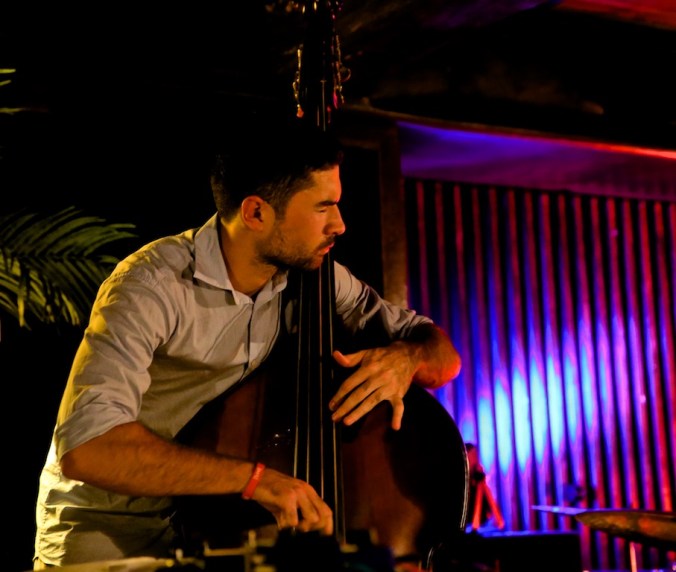
 The group came together for this gig. All younger musicians but all experienced. It was great to see Cameron McArthur back on the band stand. One of my favourite bass players and adept at handling any challenge. He and drummer Cameron Sangster have just returned from an extended stint playing the East bound cruise ships. On Keys and piano was Connor McAneny. The band settled in as the gig progressed and during the last set they were playing tight energised grooves. Talele worked these grooves to maximum effect. I could only capture the first number (see below). It is my sense, that to experience Talele in peak form, one should see him with a settled band. The density and complexity of his playing would be enhanced by this. As good as this gig was I would very much like to see him in that context.
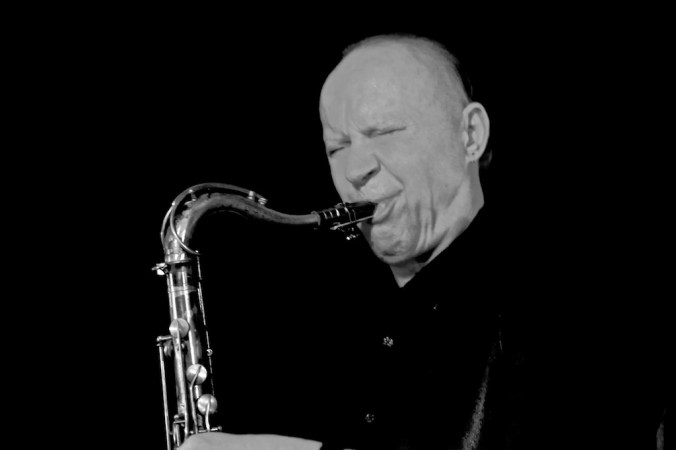 Paul Nairn is a man who avoids limelight and although he is extremely popular as a saxophone repairer he gigs all too infrequently. Those who have seen him before always turn up at his gigs, having fond memories of his standards interpretations and of his rich tone. For all of his reticence he is good company, knowledgable and a guy you enjoy being with. The last time I saw him was at the Doug Lawrence gig, shaking his head in disbelief and saying, “This is the southern styled tenor at its best. some of the greats are in that sound”. It is no secret that the classic era of 50’s Jazz is what he loves best. Larger than life standards played by some of the greatest musicians that walked the earth. The Phantom quartet was back to tell that story.
 The band set up early in case there was time for a quick run through but Nairn was nowhere in sight. He is notoriously hard to reach by email, phone or messaging so nobody tried. He is not enamoured of digital technology which is part of his charm. He is old school in good way. “He does know it’s tonight”, joked one band member? Twenty minutes before start time he arrived breathless. The vagaries of Auckland’s wet weather, downtown traffic and parking had tested but not defeated him.
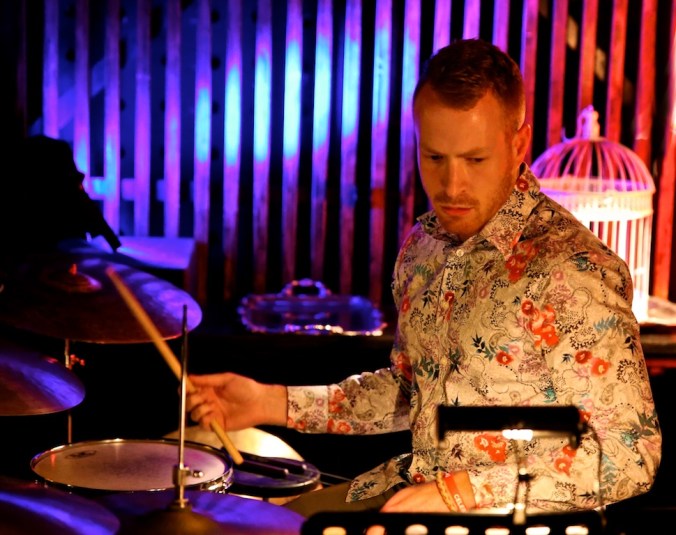
 Nairn’s sound is distinctive; clean but with the pleasant hint of a throaty rasp when he bites into a note. It is certainly a sound that you identify with an era. His repertoire on this night included tunes by Cedar Walton, Chick Corea, Gershwin, Jerome Kern, Joe Henderson and Coltrane. Henderson’s Inner Urge occurred during the first set. It is a complex tune harmonically, but a tune I could never tire of. It was great hearing it again. The clip I have put up is Coltrane’s famous ballad ‘Naima’. Everyone played beautifully on that and especially pianist Broadhurst. His approach was fresh and utterly engaging. Nairn and Santorelli played beautiful solos as well while Gibson kept his impeccable trademark pulse.
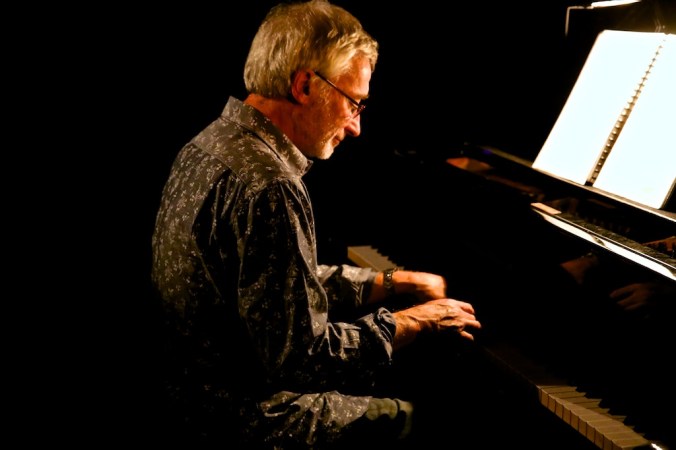
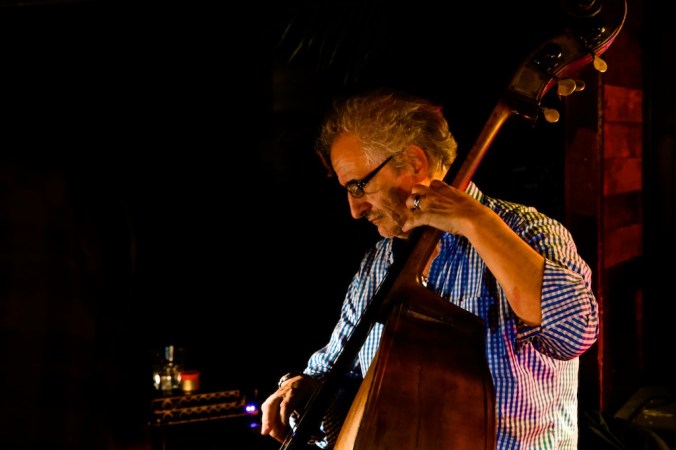
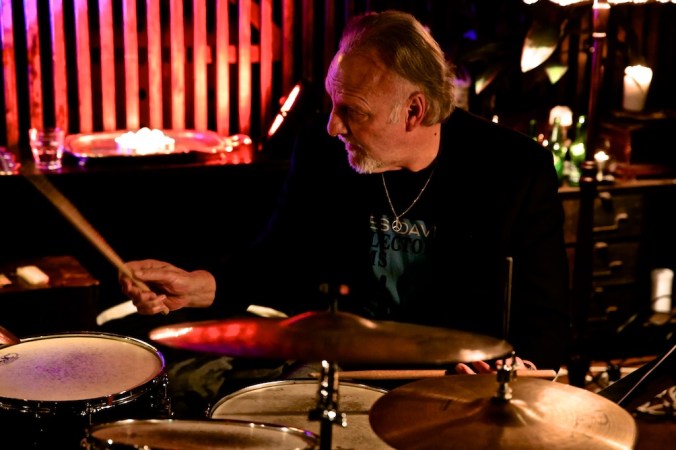 Nairn has been on the scene for a long time and when he calls upon veteran players to make up his band he gets them. On piano was Phil Broadhurst. In spite of the rain and coldness of the night he turned up in shirt sleeves, smiling and relaxed. His approach to the keyboard that night was anything but casual; stunning us with some of the best solos I have yet heard him play. For the second time in two months Alberto Santarelli was on bass and Frank Gibson was on drums. With these guys behind you good things can happen and Paul Nairn used them to good advantage.
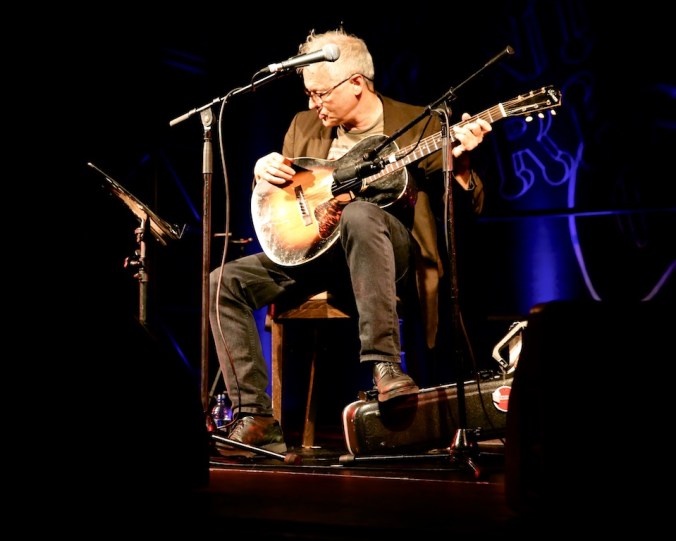 I am a Marc Ribot enthusiast so when local musician Neil Watson sent me a message to say that Ribot was coming to New Zealand I whooped for joy. My first thought was, wow, this will be the good shit. My next thought was, oh yeah I want to interview that cat about his musical and social activism. Watson was to open for him which pleased me. Watson was a good fit for this gig. An iconoclast multi genre improviser himself.
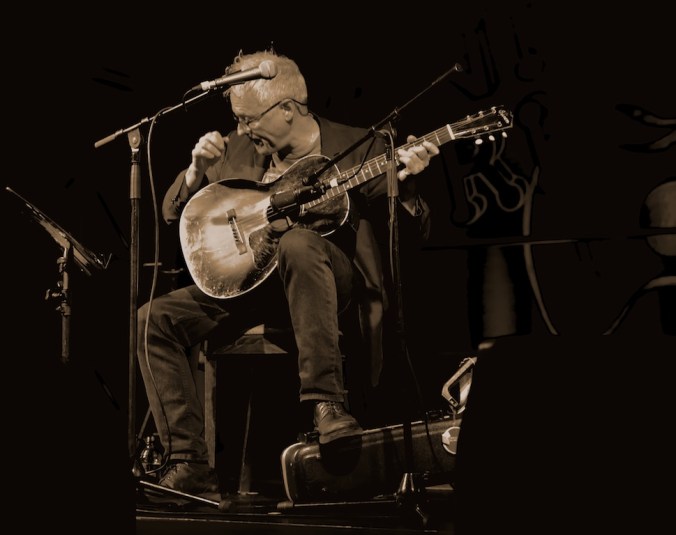 My first act on arriving at the venue was to approach the Tuning Fork floor manager and ask about photographs. He told me of a request from Ribot for absolute quiet. It was solo acoustic guitar, not Ceramic Dog and at Ribot’s request the venue turned off the air-conditioning and fridges. Camera clicks were obviously out of the question unless between numbers. I respected that and took photographs unobtrusively during moments of applause. This was a special gig that required a womb of engaged silence. Audience and musician locked into an embrace of sound.
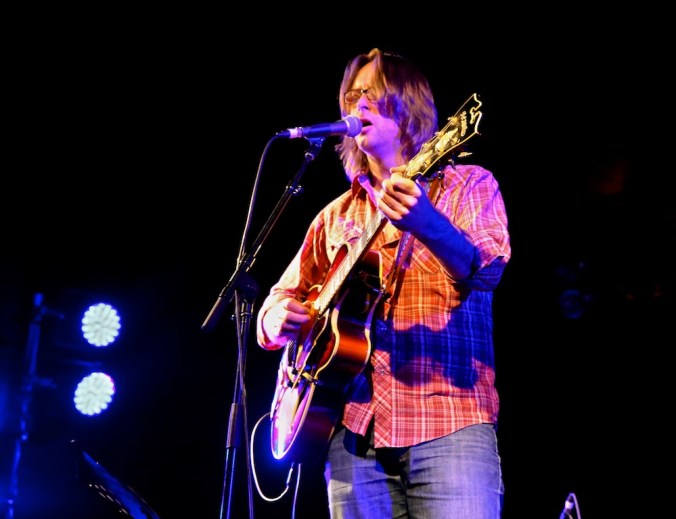 Footnote: Neil Watson acquitted himself well and added to the enjoyment of the evening. He played three types of electric guitar plus his pedal steel guitar; his set list ranging freely across genres. A Nirvana tune, a Hendrix referencing ‘Hear my train a comin’, a nice tune composed by his partner and the Kiwiana classic Blue Smoke as high points from his set.
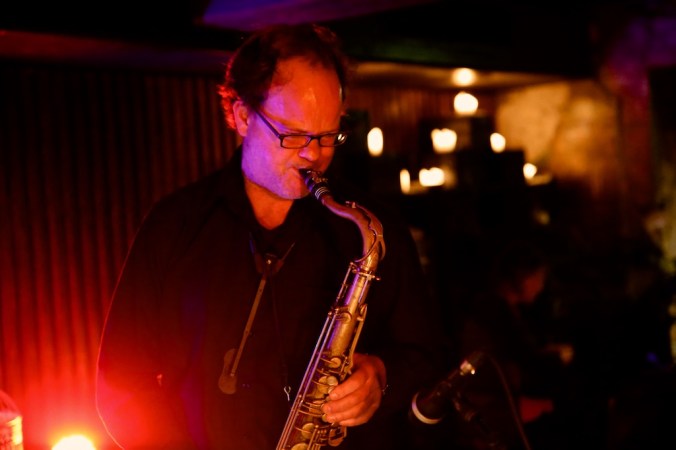 There are a lot of interesting stories on the Jazz circuit and some of them more improbable than others. None more so than a gig dedicated to the Manukau Harbour mud crab Grg67 (Varunidae:Helice). This ten legged estuarine creature has inspired Roger Manins to name a band after him and to compose a significant number of tunes
 in his honour. I could say that environmental activism fuelled the gig (and in part it was), but the affection and respect Manins exhibits towards these crustaceans is more complex than that. It is the respect of a dedicated Flounder fisherman; coloured by the quirkiness of an improvising musician. To quote: “When we play these compositions there are sharp claws and a soft underbelly; at times we can move unpredictably sideways at great speed”. Manins demonstrated this to great effect as he swiftly shuffled in alternate directions. You couldn’t make this stuff up. As the gig unfolded he delighted the audience with his antics and with the subsequent ‘crab’ influenced compositions.
 Underneath the crusty carapace were a bunch of good tunes and as Manins inferred, they were tangentially tricky and replete with interesting musical twists. Good improvisers are always on the look out for new challenges, new ways to interpret the world about them. In putting together ‘Grg67’ a fresh vehicle for improvisation is born. By bringing in several less experienced musicians Manins has fulfilled an older imperative. To challenge and encourage those beginning the improvising journey. This is how it should work, but many older musicians forget that and remain in their comfort zones. Everyone stepped up here under Manins watchful eye.
 The crab which is the central focus of these sets is Greg, but as Manins so eloquently explains “Crabs don’t use the letter ‘E’. It something to do with their waste not want not utilitarianism”. Other tunes had titles like ‘Crab Empathy’. These tunes and the stories that surrounded them evoked powerful mental images. As the music washed over us you could sense the ebb and flow of the tides. You could easily imagine a predatory Flounder sending the ever watchful crabs scuttling into their burrows (Flounder are none too bright according to net fisherman).
 Michael Howell and Tristan Deck are the youngest members of the ensemble. Howell is a Jazz student and with each month his guitar work grows more impressive. As his confidence grows he stretches himself and playing with Manins is exactly what he needs. He is ready for the deep end of the crab pool. On this gig he played a borrowed Fender and it sat well with him. That Tristan Deck played so well did not surprise me at all; his career trajectory assured as he increasingly takes his place among the better Jazz drummers of the city. He was good when I saw him two years ago; now he is very good. For the second time this month Mostyn Cole appears at the CJC. This time he held the groove with electric bass. He is reliable and multi faceted. Again Manins showed how seamlessly he slots into very different situations. He presented a complex set of tunes to good effect, navigating break-neck tempos and fusing complexities with an inexhaustible supply of good humour.
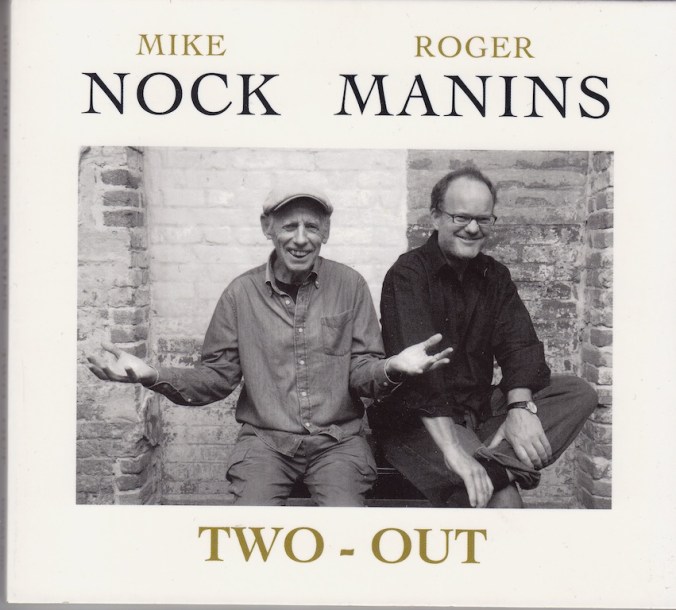 A few weeks ago I received a review copy of the Nock/Manins ‘Two-Out’ duo album. As it was late I put it straight into my work bag ready to play in the car. When the morning came, the distractions of the work day overtook me and I forgot it was there. It was not until a week later that I found it and listened.
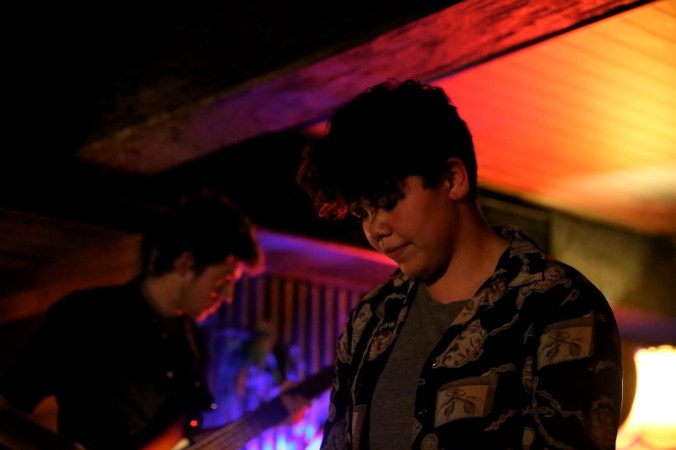 Last Wednesday the CJC took a step towards Robert Glasper’s ‘Black Radio’ project. At the time of its release the Glasper project shocked a few purists and delighted many others. It all depended on your point of view and your understanding of Jazz history. That particular album brought the ‘now’ of the urban streets into a Jazz recording; rap and urban soul coexisting with jazz keyboard harmonies. It is surprising that it shocked anyone! Surely this is an old story in the retelling. It is not hard to find earlier examples. George Russell’s ‘New York N.Y.’ and Gil Scott Heron’s output spring to mind. Words as poems, wordless vocals and instrumental Jazz are inextricably linked and always will be. Siobhan Leilani brought a Kiwi version of that to the Jazz club and we loved it. It felt in place and the nimble-footed danced. This constant reconnection with the streets is an essential part of our music and we forget it at our peril.
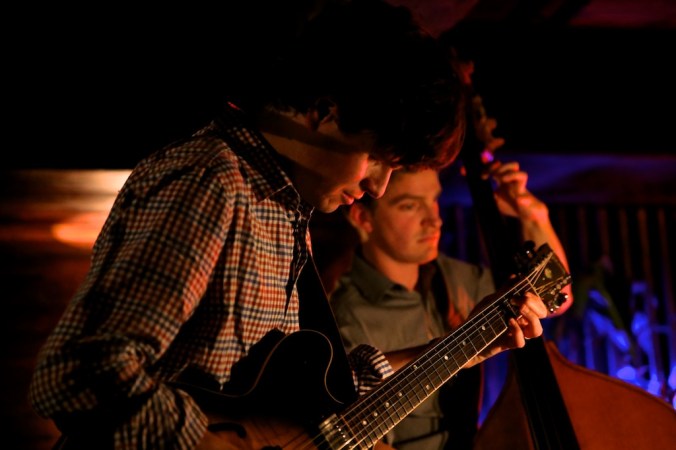 The first set to play was the Andy Smith Trio. Smith has played at the club as sideman a number of times, but it has been quite a few years since he brought us a project of his own. I have always enjoyed his slick guitar work and especially when he plays with an Alan Brown band. This gig was different as it reached deeper into the modern Jazz guitar bag. Smith has always used pedals convincingly but this time he dialled the effects right back. This was a purer form of modern Jazz guitar and in taking that route the music must stand on its own. It did. I like his approach to harmony and his compositions are compelling vehicles for improvisation.
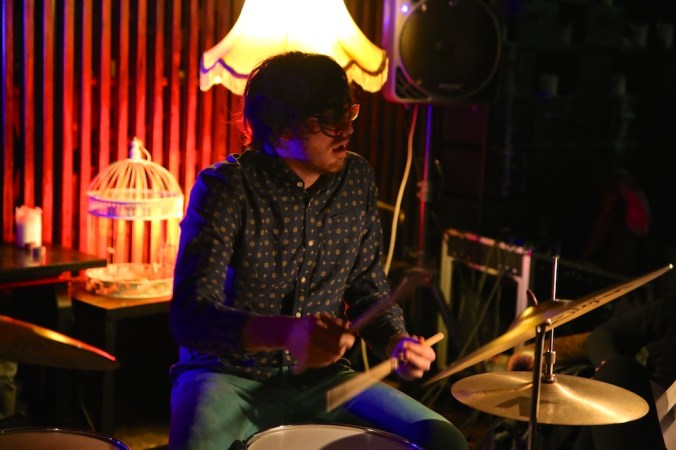 The gig undoubtedly benefitted from having the gifted Stephen Thomas on drums. While a regular in the club it has been a few months since we saw him. Thomas is a drummer’s drummer and he can tackle any project and shine. He constantly pushed the others to greater heights and his solos were tasteful, un-showy and tightly focused. The bass player Russell McNaughton was new to me, but I will be mindful of his presence in future. I particularly liked his arco bass work on ‘The Gypsy’s Dress’. The first number ‘CJC’ (Smith) was a good opener. There were plenty of meaty hooks to reel us in and an ever radiating warmth to dispel the chill rain outside. When they played a tune named ‘Awakening’ I recognised it instantly, but couldn’t recall where I’d heard it (or which group played it). It is actually an older tune of Smith’s and I had remembered it from three or more years ago. Again a solid composition and the fact that it had stuck with me after one hearing underlines that. A very nice trio.
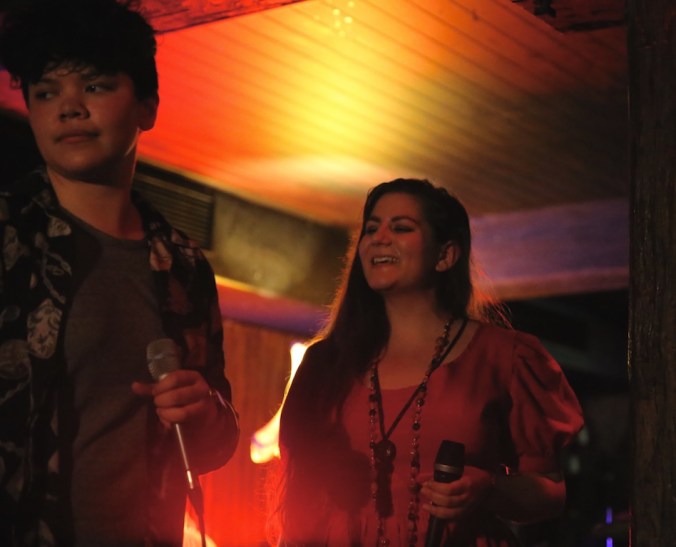 Siobhan Leilani (Siobhan Grace) is an interesting musician and one I hope we see a lot more of. Her association with the UoA Jazz school has yielded dividends. She utilised the services of former and current students for this gig; her guest Chelsea Prastiti most notably. There is an inherent risk in putting a soulful Jazz rapper together with an experimental improvising vocalist. The risk was well worth taking. These two feed off each others energy on up numbers and a force field of ‘happy’ seemed to emanate from them. The opening numbers were more in the soul/Jazz idiom and these were compelling in very different way. The lyrics spoke of angst and identity and this worked well for Leilani. What impressed me most was the authenticity. The language and sentiments were honest; heart-felt and purely ‘street’. I am only sorry that she was not a little louder in the mix (when it comes to vocals my hearing is not as sharp as it once was). This was poetry and good poetry. Word play, syllables stressed for emphasis, cadence; telling a story in an original way.
 On piano was UoA student Sean Martin-Buss. He caught me completely by surprise with his confident piano accompaniment. I had only seen him perform once previously and that was on bass clarinet. He mostly took a two-handed approach, soloed well on two occasions and engaged in a brief but effective call and response routine with Prastiti. The drummer and electric bass player were unknown to me but again they gave good a good account of themselves. The pumping drum and bass groove was right for the music. On electric bass was Joshua Worthington-Church, on drums Olie O’Loughlin.
 This was another testament to the gig programming at the CJC. With rare exceptions every Wednesday night brings an original project. The decision to encourage innovation and originality pays off time and again. The audience now expects it and they wouldn’t turn up week after week for a diet of well-worn standards. With gigs like this a bitter Winter is flying by.
 Footnote:’lyrics and poetry are two sides of the same thing‘ (Levitin). Poetry purists often express disdain for song lyrics and especially rap lyrics. The same can occur in reverse when a rapper dismisses poetry as high brow. There is only good poetry and bad poetry. The earliest surviving piece of literature ‘The Gilgamesh’ was written in poetic form. The greatest epics in any language are Homers Iliad and the Odyssey; also written in verse and probably sung. If you want ancient earthy lyrics sung or chanted by a woman then try Sappho: Stuffy (male) scholars have tried for two and a half millennia to purify her verse. “Batter your breasts with your fists girls/tatter your dresses/its no use mother dear/I can’t finish my weaving/you may blame Aphrodite soft as she is/she has almost killed me for love of that boy” – Sappho born 612 BC
 Mark Lockett is a New York based drummer who visits Australasia once a year. Each time he returns he brings with him a piece of his adopted city. He is an original drummer comfortable in diverse situations; a benign but strong presence in any lineup. His artistic approach under-pinned by an easy confidence and this enables him to interact well and to read every nuance. His wide open ears, communicating the pulse and possibilities of the life he lives as a working musician in a big metropolis. There is also a humour he radiates, which peppers his comments and drumming like aromatic seasoning. A Mark Lockett gig is always original and always enjoyable.
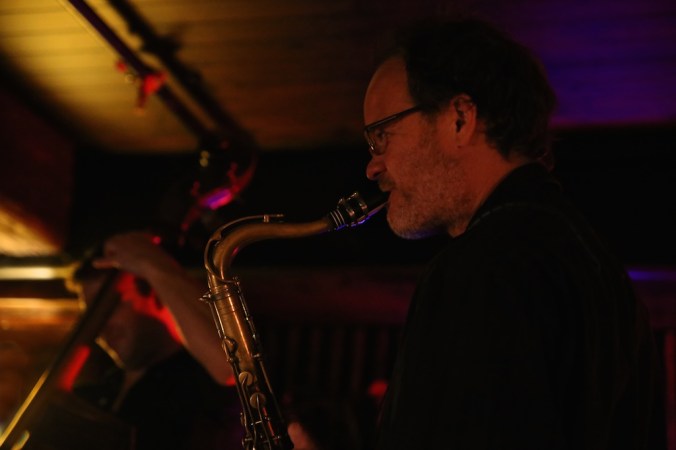 The music of Ornette Coleman while not without constraints frees the artists from many of the hard-wired rules. It doesn’t sound at all out-of-place now but I can remember the storm that surrounded its arrival. A treat for me was the groups rendition of ‘Congeniality’ from the seminal ‘The Shape of Jazz to Come’ album. The controversy surrounding this material is long behind us and every improvising musician has a little of Ornette in them whether they acknowledge it or not.
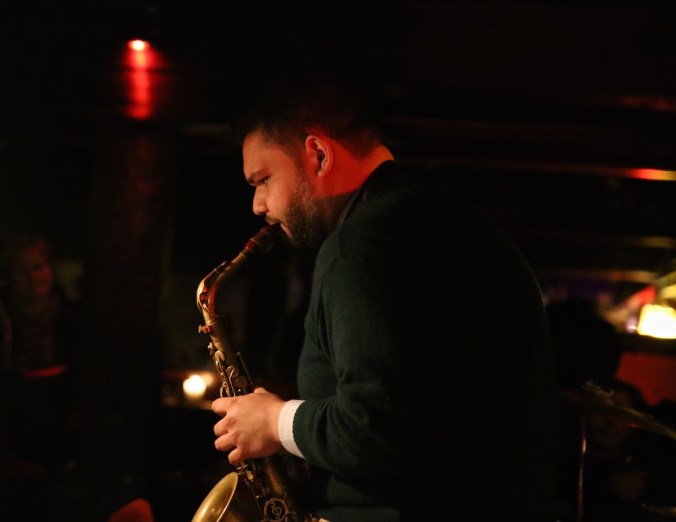 Lockett often forms trios or ensembles that have no chordal instruments. While the musicians played ‘inside’ and ‘out’ they also attempted something we seldom hear in New Zealand. The opening number of the first set was Shiny Stockings (Frank Foster) and they played this in the style of the Mulligan piano-less quartets. Bass, Alto and Tenor in counterpoint and working within the changes. This was nice hear. I have an appetite for more of this.
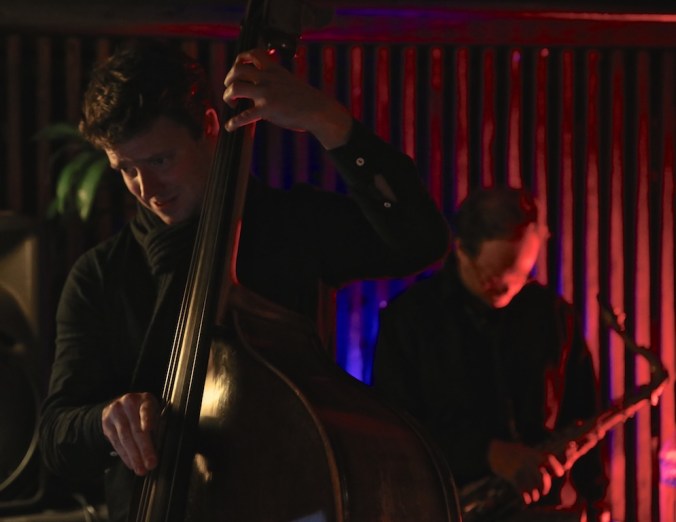 “Playing like that (fast and furious) is meat and potatoes in New York”, he said. He was once told that he could get better control if he held his sticks further down than usual. Because of that and because of his melodic approach, he is very interesting to watch. Somehow the sound is cleaner and with musical drumming like this who needs a chordal instrument. I can’t wait until his next visit.
 It is always good when proved right and in the case of Matt Steele I certainly was. This was a superb gig and it confirmed the promise that I saw in Steele as a first year student. The ‘Master Brewers’ musicians are exactly what Steele needed at this stage in his development and he is clearly what they needed. There is a cohesion about this group and it extends beyond the music. This is a band of friends and because they spend a significant amount of time together, they are able to dive deeper into the material on hand. Most of the band is writing and being familiar with each others styles, they contribute compositions that serve the project well. Younger musicians often favour shorter term projects but I hope this unit continues for a while. When I last saw Steele perform it was at his honours recital and he was very much in charge. Now as leader, the reins are subtly loosened and the music benefits from this. With experience, leaders can confidently guide without over playing the role. That only works when the interactions and cues become second nature. In their best moments the ‘Master Brewers’ acted as a single entity; everyone maximising their options while retaining an awareness of the others.
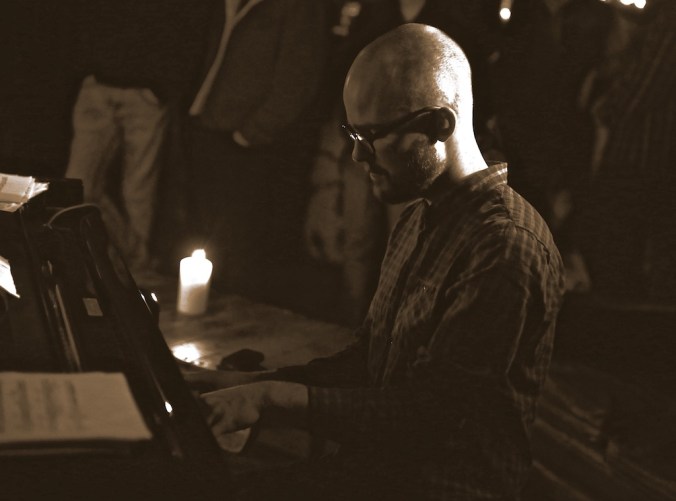 I immediately noticed that Steele’s voicings were darker. His interesting harmonic approach an outcome of an ever-growing musical maturity. There are certain aspects to Steele’s playing that stand out and during the gig these crystallised in my mind. These attributes are why I follow his career so attentively. He is self-effacing by nature, but that masks a ruthless striving for betterment. Ever reaching further, listening deeply, critically and taking risks. For all that he able to relax into the moment and as he grows musically this is more evident. The most difficult journey for any musician is finding a distinctive style and owning it. Steele is well on the way.
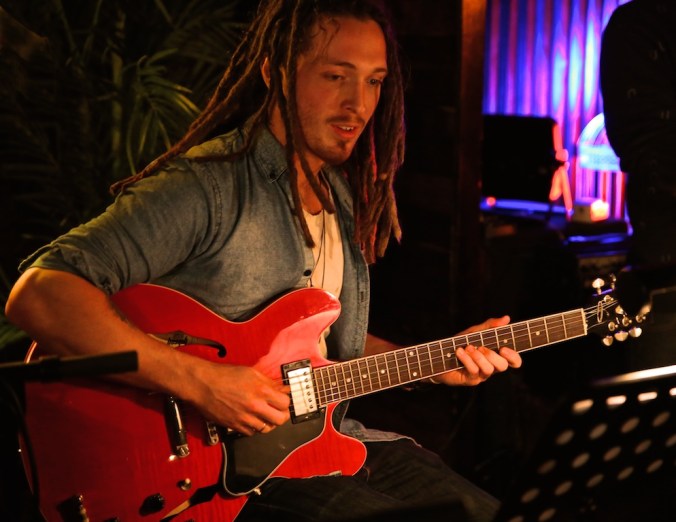 Thanks to Roger Manins programming, Auckland audiences get to see good Wellington bands every few months. In this case the audience were unfamiliar with the musicians (apart from Steele), but what a treat this gig was. The band won us over quickly and by the time the second set began they were cooking. In spite of the modernistic approach and complex time signatures these guys have a definite pulse. They swing like crazy.
 Ashton Sellars had suffered a mishap with his guitar and he had to borrow one at short notice for the gig. He told me that it felt very different to his own older instrument, but no one would have guessed it by the way he was playing. Under his fingers the instrument sang. He favours longer fluid lines (with a hint of Bauer/Tristano), but his is very much a modern sound. His improvisations are thoughtful and they invite you along. While their music is often complex there is no ballast of needless weighty intellectualism. Piano and guitar keeping nicely apart unless comping in support. Both understanding when to lay out. Once again cohesion and a sense of common purpose drives them
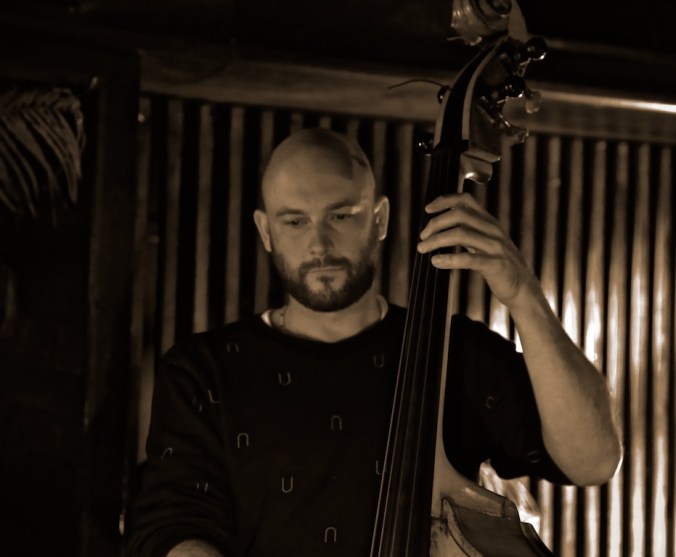
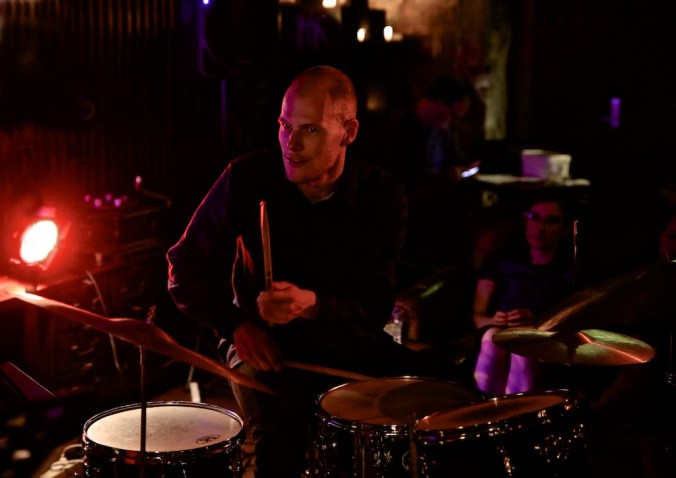 Johnny Lawrence played upright bass, maintaining the core rhythm duties. While he held the pulse intact, he could also solo very effectively. Like his band mates he fitted into the mix in exactly the right way. Cory Campion was also a strong presence, often giving colour or providing accents. Above all his compositions were strong. There is an increasing trend for drummers to compose and when they write like this it provides an interesting perspective. Drummers write differently and the ones I hear lately, write very well. Steele and Sellars contributed the most tunes and each wrote in their own distinctive style. Together those charts and this band gave us pure enjoyment.
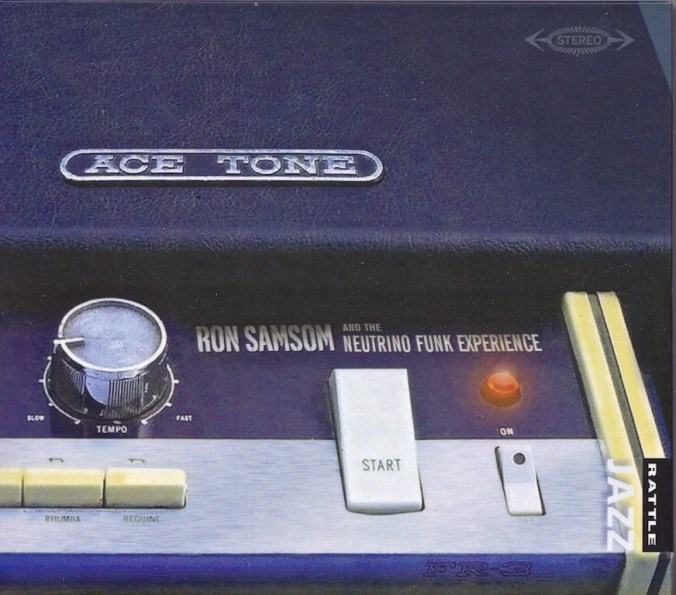 Ron Samsom’s Neutrino Funk Experience ‘Ace Tone’ album has so much up front punch that that a warning is needed on the label. It is an album that grabs you by the lapels and demands your attention. As you listen it transports you to a world of joy. The album and the live band exudes a vitality that enters through your pores, pulsing through your body like the wild blood of extreme youth. Try as you may, it is impossible to keep still as the rhythms consume you limb by limb. While the album brings historic musical references to mind, it is very much of the present. This is Jazz Funk at its very best.
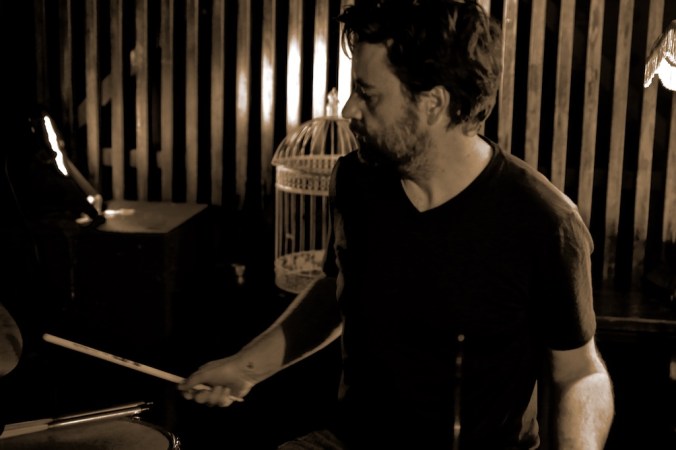 There is cleverness aplenty in the album, but that’s not what it’s about. The pulse, punch and danceability are the draw cards. The tunes let each listener glean their own references. During the album launch someone said, “Oh wow that takes me back to Deep Purple”, while others talked of the Jazz funk gurus like Herbie Hancock, Eddie Henderson and Jimmy McGriff. What ever references people heard, one thing is for certain. This band updates 70’s Jazz Funk as few other albums do. A lifelong fan of the classic genre observed, “few classic 70’s funk albums actually sound as good as this”.
 Material like this needs highly skilled and experienced musicians in order to extract the maximum advantage and that is exactly what Samsom got. This is an alignment of talent that works so well that they must surely build on their success. The Neutrino Funk Experience formed in 2014 and started doing regular gigs at Auckland’s Albion in the central City. The word soon got around and one by one we drifted down to see them. The band stood-out from the first day and the disbelieving expletives from experienced musicians confirmed what our gut told us. These guys were total ‘muthas’.
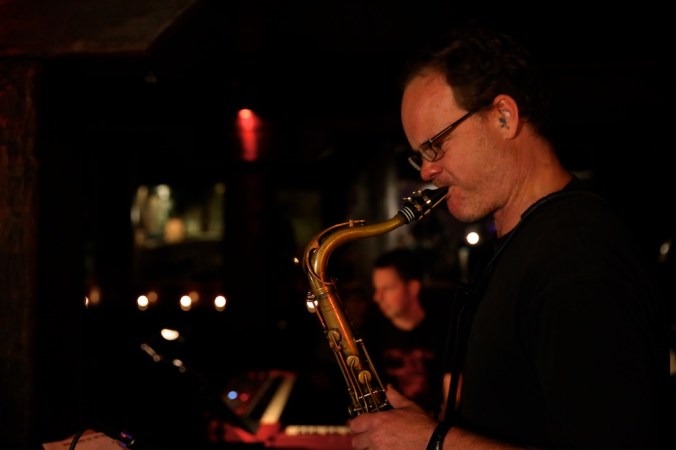 Roger Manins always sounds great but he has excelled himself here. This brand of earthy down-home funk is a natural place for him and his own funk albums reinforce that view. Manins just tears the place up on these sessions and it would be hard to find his equal. There are times when he apparently defies gravity, rising to his toes and abandoning self to move inside the music. These are moments of pure Zen and I watch for them now. Man and instrument becoming one and out of the bell streams a cornucopia of sound, distilled from the human experience. From the otherworldly wails to the gentlest urgings you recognise Manins uniqueness. Organist Winterburn said of him, “Working with Roger is perfect for me. He’s such a rhythmic saxophonist”. Coltrane, old school funk, ballads and modern edge; it’s all there in the sound.
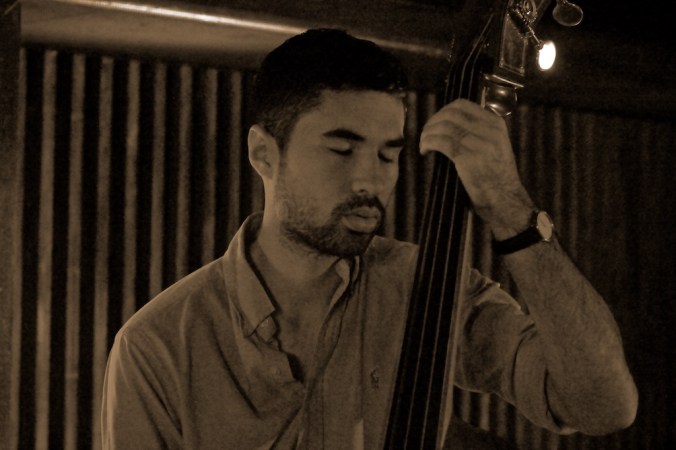 On the album we have Cameron McArthur on upright bass. Even before leaving the UoA Jazz school Cameron was punching well above his weight. I would describe him as an instinctive player. Knowing where to place his lines and always strongly supportive of other band members. He quickly became a fixture in quality rhythm sections and visiting artists praised him. After a trip to New York to check out the scenic he picked up some work in cruise ship bands. By happy coincidence they had cut the album prior to him leaving. So punchy are his bass lines on ‘Ace Tones’, that you think he is playing an electric bass. In his absence Samsom hired Karika Junior Turua for the launch gig. Again this was a good choice. This time we did hear an electric bass and as Turua has experience with Jazz funk, the transition from upright to electric bass was seamless.
 Lastly there’s the album art work and the recording credits. Who ever created the cover design and layout must feel pleased; they did an amazing job. The presentation tells the ‘Ace Tone’ story perfectly. My friend Iain Sharp and I were involved in the project as liner notes providers. As requested we contributed poems. It is rare (but not unheard of) for an album to use poems instead of the standard liner note blurb. I really hope that this trend continues for selfish reasons. Contributing something to an album like this is pure pleasure. The recording and mixing took place at ‘Roundhead Studios’ in Auckland and the mastering at ‘Turtle Tone Studios’ in New York. The album is out on Rattle Jazz where the best of original New Zealand music lives.
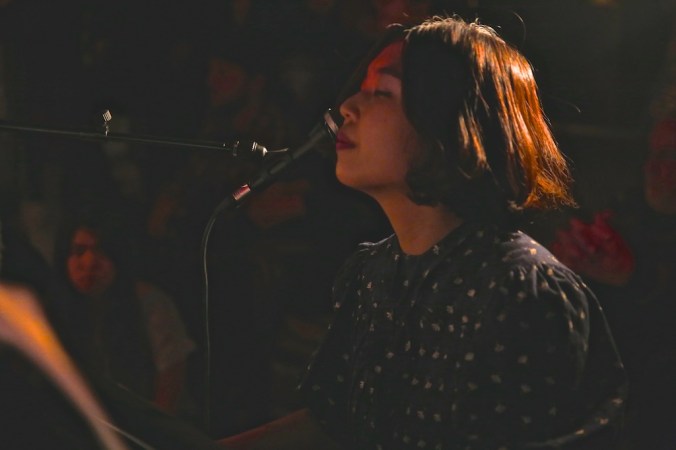 I looked forward to the ‘Skogkatt’ gig because Crystal Choi is a young musician with plenty of interesting ideas. She recently graduated from the UoA Jazz school and this project is largely drawn from her output as a student. Her arrangements and musical ideas show an evolving musician and her performance skills speak of energy and a growing confidence. When you speak to her there is a hint of shyness, but this evaporates the minute her hands touch the keyboard. At the piano her touch is decisive and the thinking behind the pieces is strongly communicated. She has grasped an important truth, how to play with space. One minute she is playing boldly with both hands raining down on the keys, the next dropping back to a gentle whisper or laying out. Her choice of project was a brave one as it tackled areas well beyond the usual Jazz orbit. Writing for strings and an unusually configured horn section an indicator of where she could be headed.
 Her compositions and charts were of particular interest as they evoked more of a Northern European, or South American ethos than a North American one. While all Jazz arises from American roots, there are other forces at work in a globalised jazz world. As musicians from different ethnic backgrounds embrace improvised music something fresh is added. It is right that New Zealanders, Northern Europeans or people from other regions bring something of their own life experiences to the music. Jazz from the outer rim is particularly interesting at present.
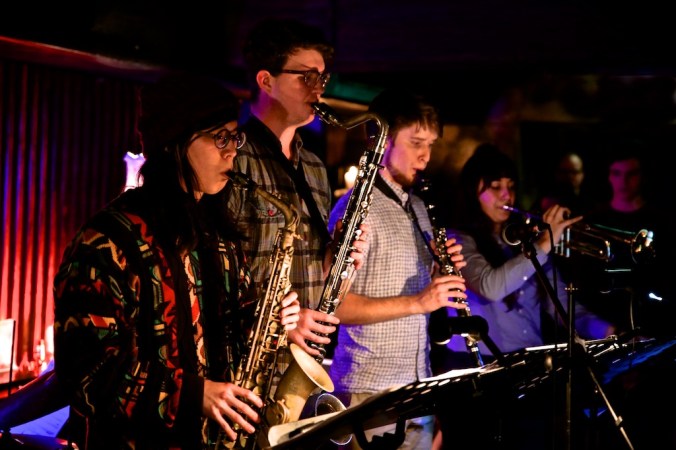
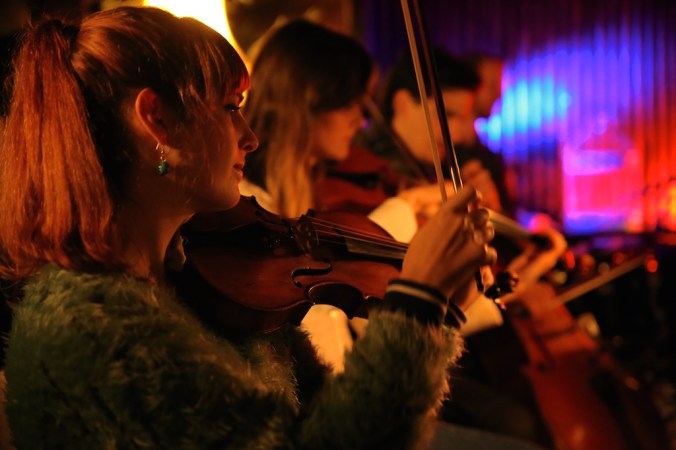 There were solo, trio, sextet, septet and tenet pieces. Her writing for the ten piece band was notable. Although an uncommon configuration of instruments these oddly configured, medium-sized ensembles have been a feature in modern classical music since Saint-Saens ‘Carnival of the Animals’ (that was an eleven piece). In Jazz since the late 40’s. Having a front line with two violins and cello alongside trumpet/flugel, bass-clarinet, clarinet and flute/alto saxophone worked well. The unusual textures gave depth and interest to the composition. The slightly tart voicings of the Bartok like string section contrasting nicely with the woody richness of the woodwind horns. These sort of excursions are not embarked upon lightly but I feel Choi pulled it off. My only quibble, and it is a small one is that the ensemble needed to tighten up somewhat in places.
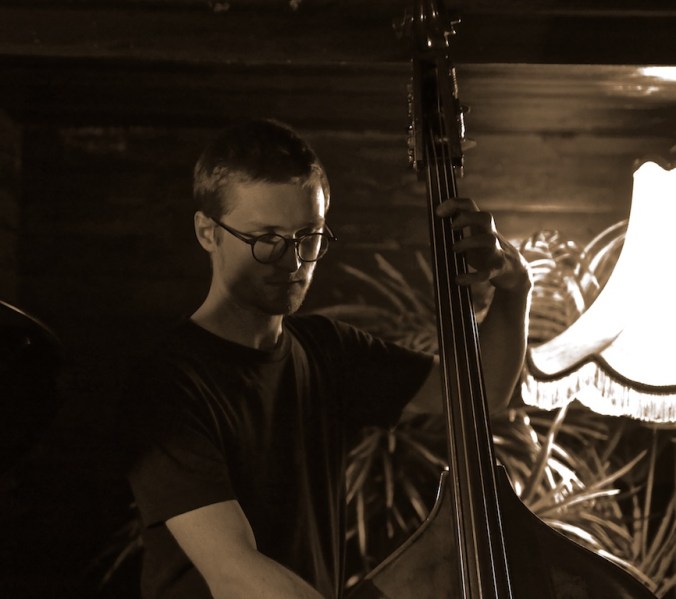 Another side of Choi is her singing. While certainly not a big voice it has charm and originality. Like many improvisers she sings while digging into a solo. These are wordless songs of the sort that you would hear on a Norma Winstone album. At times there is a Debussy feel to her solo and trio compositions.
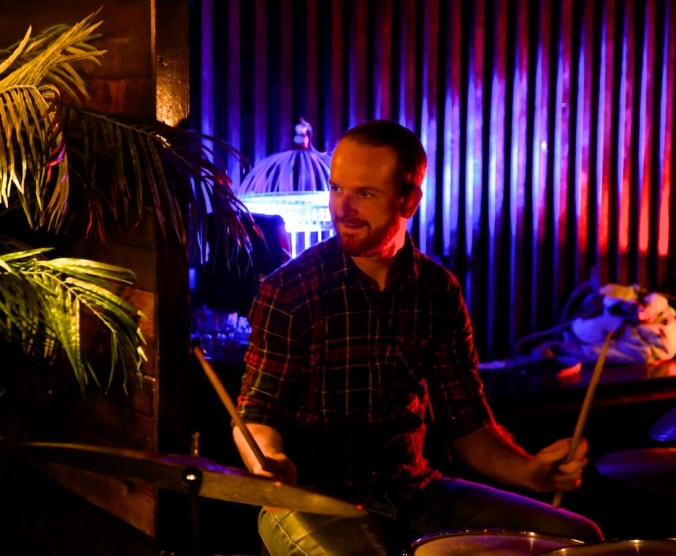 This project while far-ranging begs developing further and perhaps recorded at some future point. It had a Kiwi ECM feel to it. I hope that she works with the material and refines it further. It is well worth doing. Note: The Skogkatt is native to the forests of Scandinavia and the original Maine Coon cat.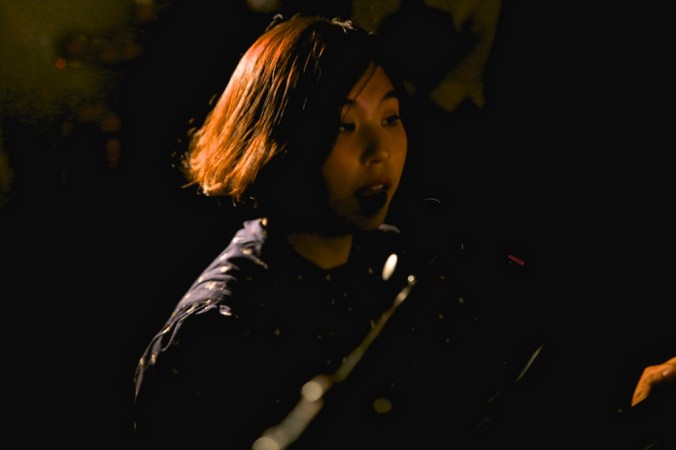
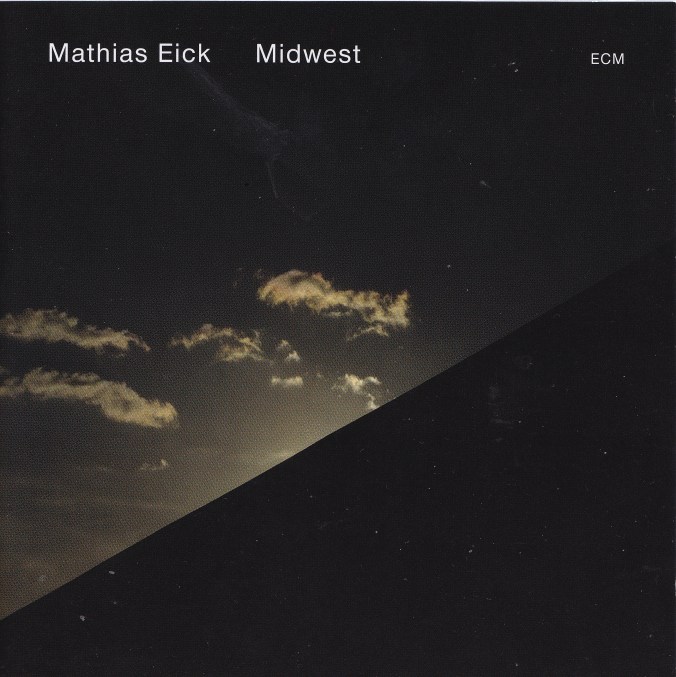 Before hearing the first note, I knew that I would like ‘Midwest’. Mathias Eick is a unique communicator and his compositions gift us with particular ways of experiencing places we have not yet visited. Sound is transmuted and we see what he is seeing. As I listened to the album I was drawn deep into a world of vast open spaces, history and complex human emotion. The connection was visceral as the music brought the plains of the Midwest into the range of intimacy. I sensed the wild grass running between my fingers as I listened. The last album to evoke such a strong sense of place for me was Tomasz Stanko’s ‘The Soul of Things’. ECM is the home of such evocative albums.
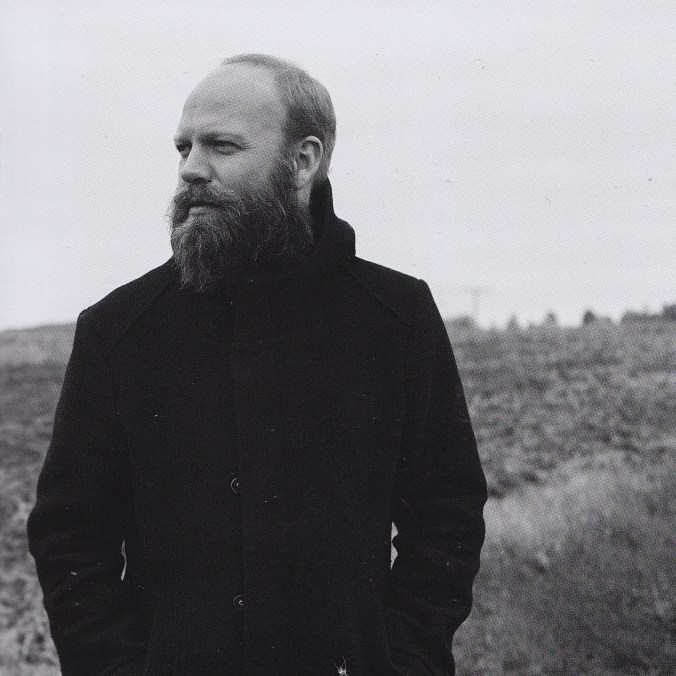 Where I live in the South Pacific, Jazz musicians sometimes pose the question; Do we have our own sound, a unique quality that we tap into? As our scene grows the answer is increasingly yes. This uniqueness of ‘sound’ is evident among Scandinavian improvising musicians and especially so among Norwegian trumpeters. In this case the identity is multi faceted. It is Norwegian and Americana.
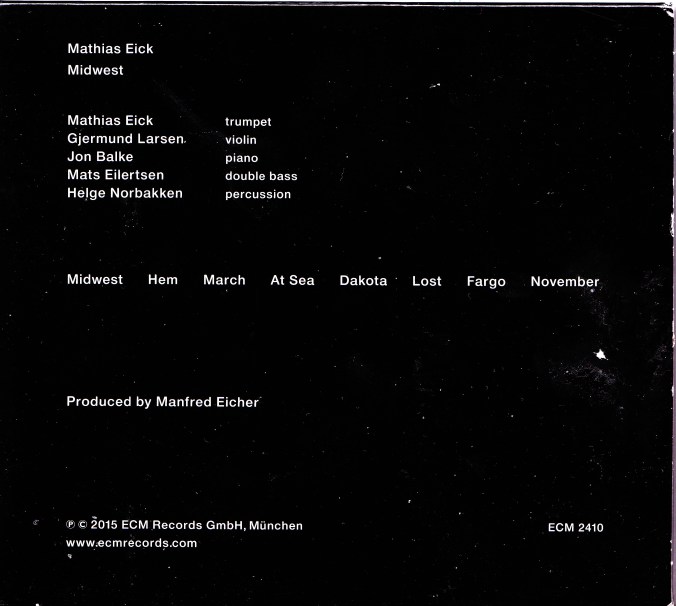 The Midwest is both mythical and real, we feel that we know it intimately. Endless tales arise from the indigenous peoples (who respected it best) and the hopeful European settlers who spread across it looking for a new home. It struck a particular chord with Eick as the peoples of Norway were prominent among those settlers. The writer Lawrence Durrell explains this best when he says that certain places transcend reality and become ‘less a geographical entity than an idea’. ‘Midwest’ is an embodiment of this principle. Midwest by Mathias Eick is out on the ECM label.
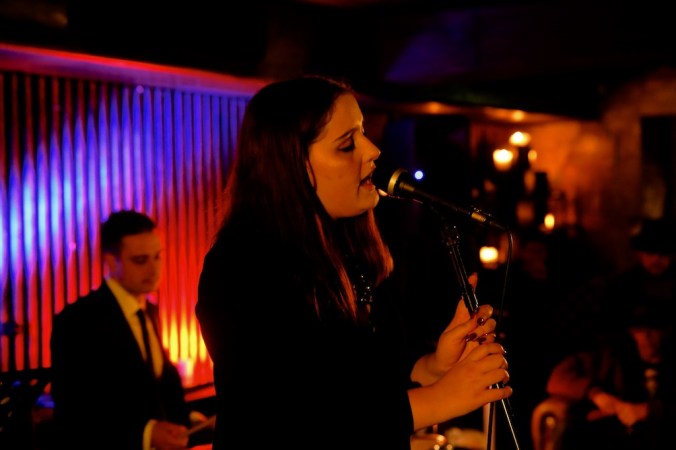 The last time I saw Rebecca Melrose perform was at a CJC gig, not long after her graduation from the UoA Jazz School. That was well over a year ago. Since then she has made her way as a vocalist, exploring several musical genres and recording an EP (yet to be released). This gig was straight ahead Jazz; her interpretations of various Jazz standards. I remember being impressed by Melrose the last time I heard her as there is a rich quality to her voice and she knows how to play with lyrics. At the last gig she took risks with her choice of material and it paid off. This time the sets were more mainstream but she exuded an easy-going confidence; the sort that comes with time in front of audiences.
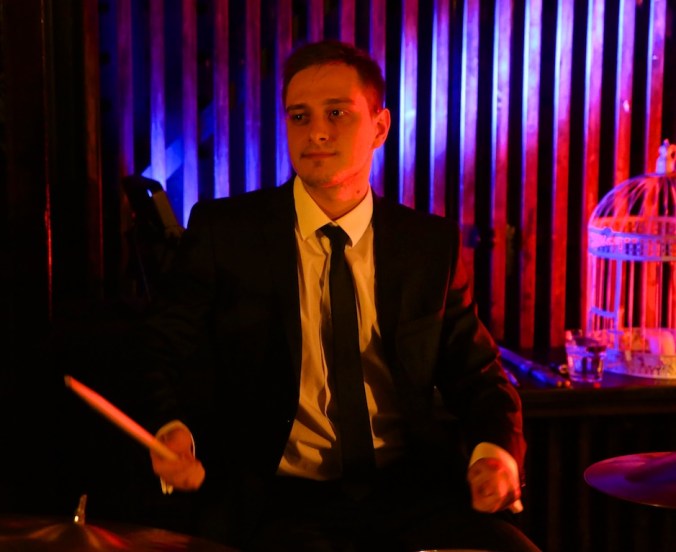
 Accompanying her were three graduates from the UoA Jazz Programme. Crystal Choi on piano, Eamon Edmunson-Wells on bass and Jared Devaux de Marigny, drums. CJC audiences have seen a lot of Edmunson-Wells over recent years and increasingly we are seeing Choi. Desvaux de Marigny is not seen as often. These are all fine musicians. Additional to the core lineup were guest artists Callum Passells (alto) and Liz Stokes (trumpet).
 Melrose has been selected as a semi-finalist in the prestigious Shure Vocal Competition (the only Australasian/Pacific finalist). She will fly to Montreux shortly to compete in the finals at the 2015 ‘Montreux Jazz Festival on Lac Lemon. This gig and other events are to help her get there. I wish her well.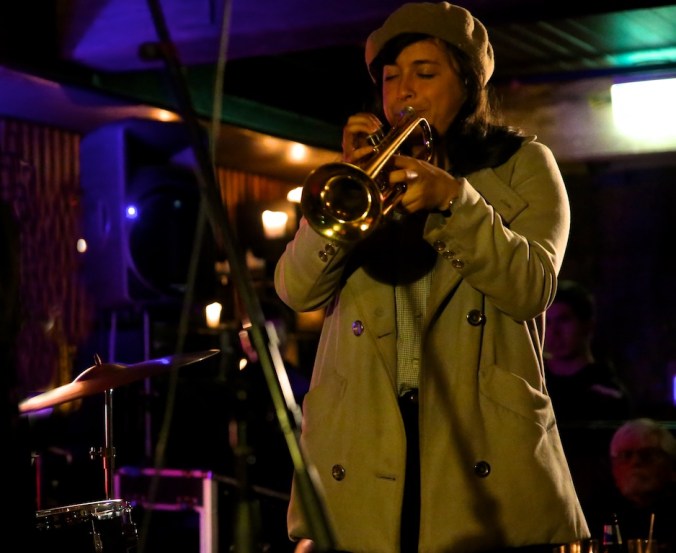
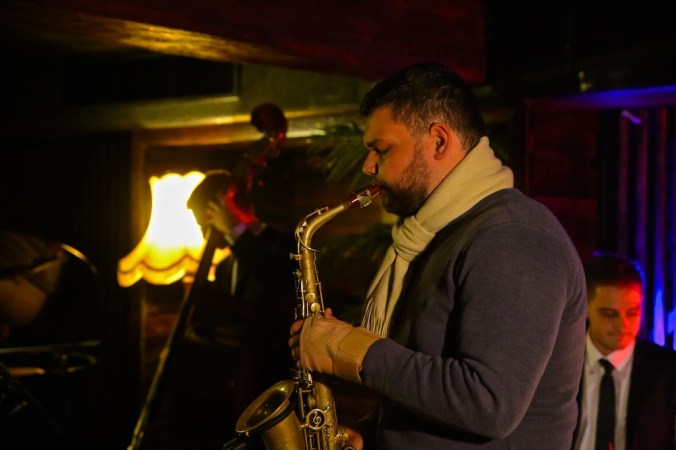 Quartet: Rebecca Melrose (leader, vocals), Crystal Choi (piano), Eamon Edmunsen-Wells (bass), Jared Desvaux de Marigny (drums).
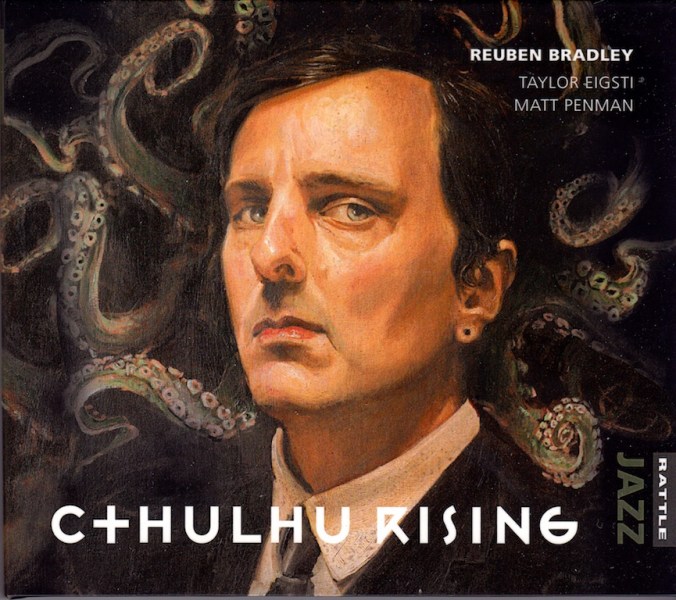 H P Lovecraft died under appreciated, but it didn’t curb his output. His imaginings took him to darkly strange and exciting places. Places that few of us dared contemplate. While he reached deeper than writers like Edger Alan Poe and further into the human psyche, his wildest dreams could not have prepared him for Wednesday night. Reuben Bradley, time traveller and keeper of lost grooves has wrestled with the spirits and brought Lovecraft to life again.
 This is a truly exceptional album and it is no wonder when you consider the source material and the musicians associated with it. Bradley, Penman and Eigsti are a deadly combination and their interplay is crisply on the mark. Matt Penman is dear to our hearts in New Zealand. One of our finest Jazz exports. An expat from Auckland who conquered the American improvised bass scene in ways that few others manage. His work with James Farm, the San Francisco Jazz Collective, Aaron Parks, Kurt Rosenwinkel and a long list of luminaries is instructive. That he still appears with the best of our local artists and on local recordings is our immense good luck. An imaginative and wonderfully musical bass player who holds the groove and manages to tell interesting stories without distracting us from the overall focus of the piece. Few bass players could do this better than Penman.
 The judicious use of sampled ‘Lovecraft’ readings in several places adds to the atmospheric feel and doesn’t detract from the overall musical experience. Every note played and every voice-over is well placed. Yet again Rattle Records have excelled themselves here. The secret of ‘Rattle Records’ tasteful Jazz catalogue must surely be seeping into the wider world by now. ‘Rattle’ is the ‘ECM’ of the South Pacific. This album was recorded at the ‘Bunker Studios’ in New York, Engineered by Aaron Nevezie and mixed and mastered by Steve Garden at ‘The Garden Shed’ Auckland.
 There was a change of personnel for the CJC ‘Cthulhu Rising’ release gig and for the Australasian tour to follow. Respected bass player Brett Hirst took Penman’s place and this was a sound choice. Hirst, another expat Kiwi, is well established on the Australian scene and frequently employed by visiting artists. He is a gifted musician and perfect for high end gigs like this.
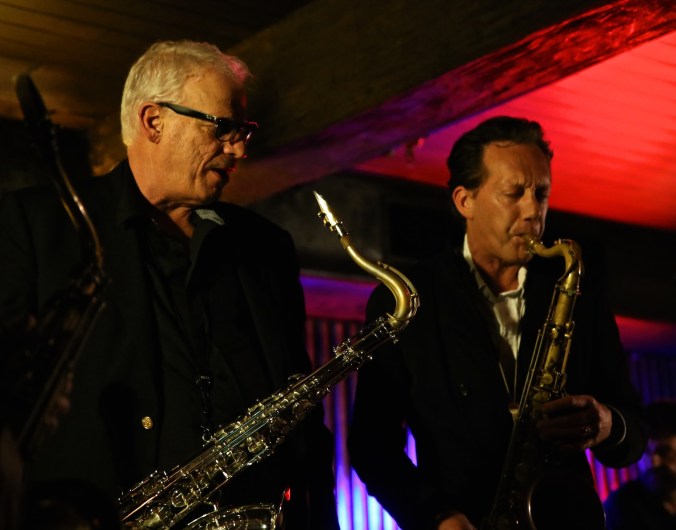
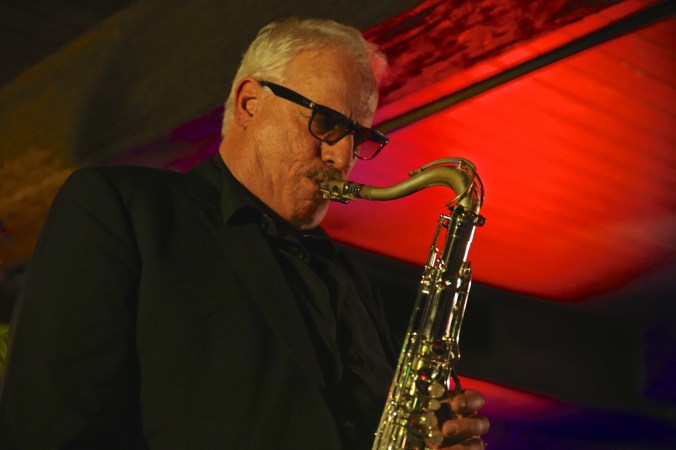 Doug Lawrence is every bit the archetypal southern tenor man, from the top of his tall frame to the bell of his brightly shining tenor. His sound is fat and down-home-cooking rich, whether playing softly or at volume. He has more cut through than a diamond headed drill-bit. Lawrence has such considerable credentials that it is beyond my reach to enumerate them all here (google him).
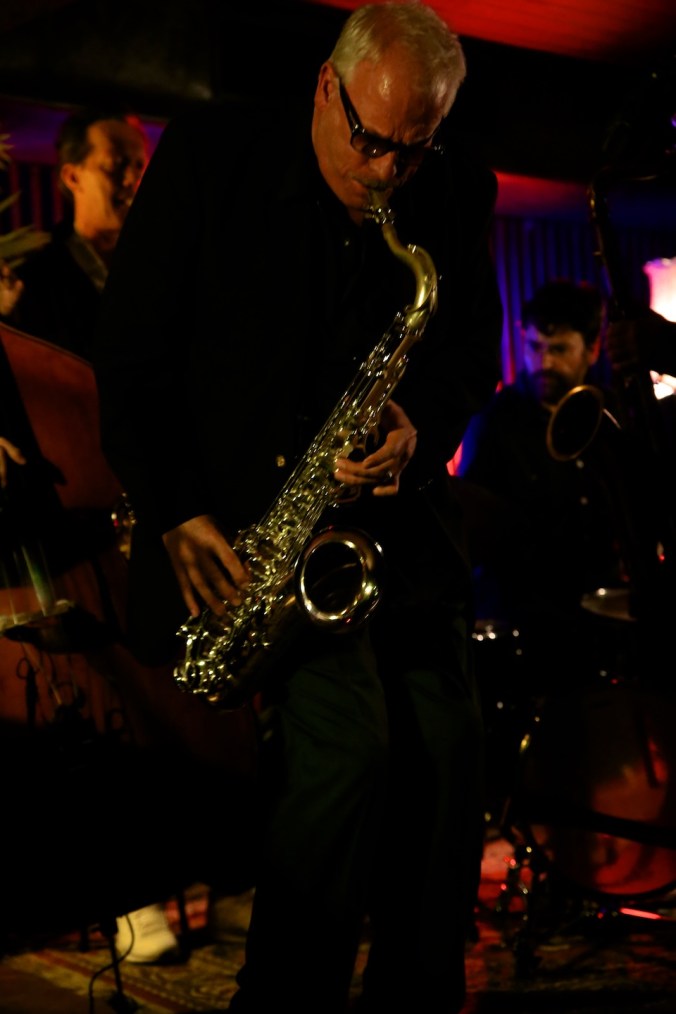 Lawrence is tall and as he performs he stoops slightly, forming a classic old school playing pose. Slowing bending his knees inwards before stretching and lifting his horn to the ceiling. His speaking voice is rich like his playing, a southern Louisiana drawl adding to his considerable charm. The first number was ‘End of a love Affair (Redding) and the audience whooped in delight as the band took the changes at a good pace. The rhythm section propelled by the tidal waves of sound emanating from the tenor. It was that sound and the power of delivery that grabbed you from the get go. The intonation and phrasing revealing influences which although readily identifiable, transformed them into a new sound. This was pure alchemy. It was like having Gene Ammons and Dexter Gordon on the same band stand.
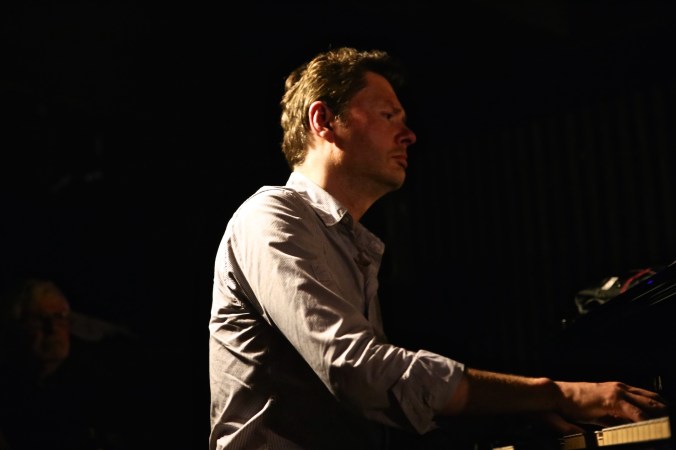 It is during ballads that the skill of a musician is often tested. In this case we saw something close to perfection. It wasn’t just Lawrence, but his Kiwi pickup band as well. Spurred on by each other, they dug deeper and deeper. A night and a vibe that we will remember for years to come. There was an obvious rapport between pianist Kevin Field and Lawrence. I gather that he found Field’s harmonic approach interesting and perhaps this is an indication of our own development as we grow our standing. Lawrence’s intonation was the thing that grabbed you most and this made his solos particularly enjoyable. Long held notes ending in breathy flurries or else bending the note ever so slightly before delivering a short heart stopping burst of controlled vibrato. With Holland and Samsom also finding their sweet spot this was a dream band.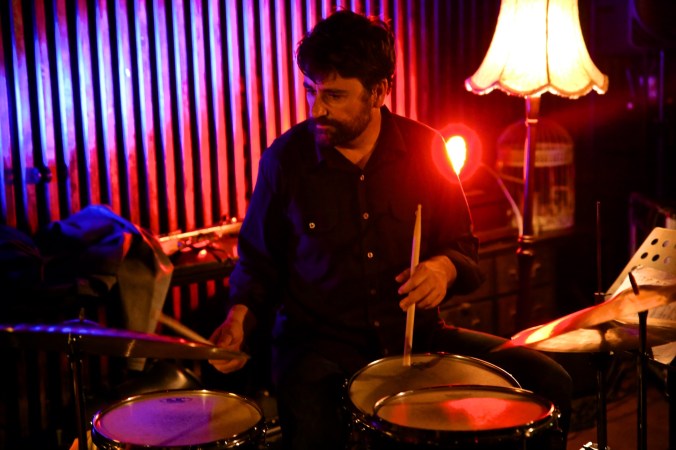
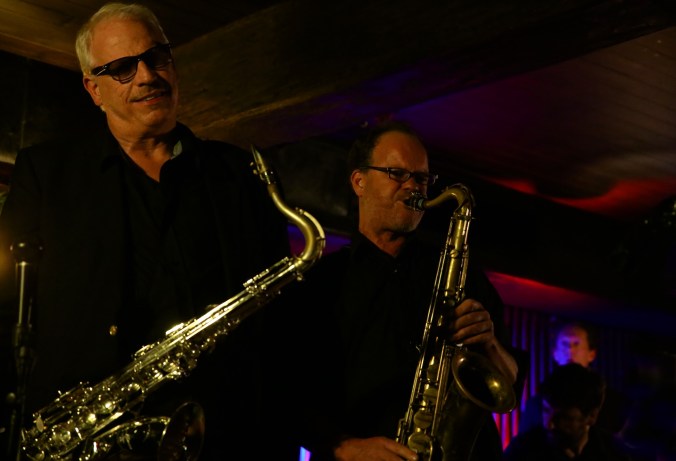 Here is the back story: 17 years ago a younger Roger Manins hit the New York streets, where he learned to scuffle in the time-honoured way of Jazz musicians. Because he possessed the hunger to learn he approached many established horn players. One of these was Doug Lawrence and traces of that time are still evident in Manins sound. All of those years ago Manins subbed for him and here is a Face Book extract that Lawrence posted once he returned to the USA.
  “Roger has matured into a GREAT player and MAGNIFICENT teacher! All of his students have a SOUND and they are all inspired to play, because of Roger. The curriculum at the University of Auckland Jazz Department is second to none, and I am going to use it as my model when conducting masterclasses at other universities around the world. Roger and Ron Samsom and the rest of the faculty have got it right at the U of A and I’m going to suggest that each and every University I teach at check it out. Cheers ROG! You are doing it ALL right brother! I hope to see and play with you soon mate!” That says it all really.
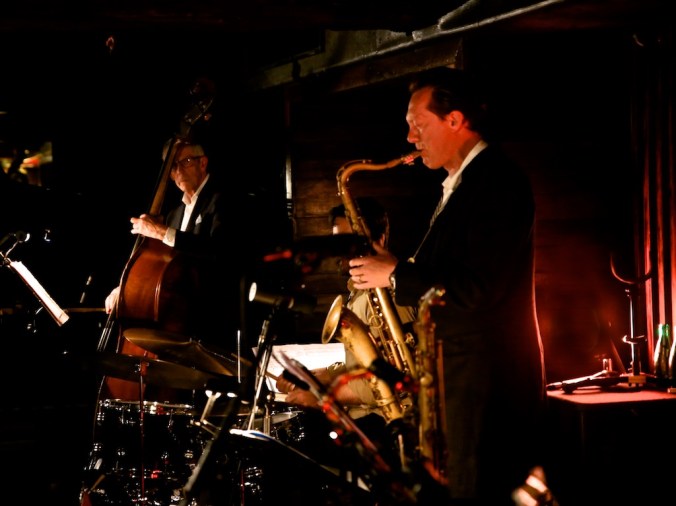 Nathan Haines is a master of the melodic and the model and he has a beautiful and distinctive sound on all his horns (and winds). He has a strong following around the world and it is no wonder when he turns on gigs like this. His following crosses genres, attracting younger and older audiences equally. He also cuts through media blind spots in a way that few other New Zealand improvising musicians do. It is good to have him on home soil for a while and good that he is focussing on fresh local projects. What he does is always exciting and this gig was no exception.
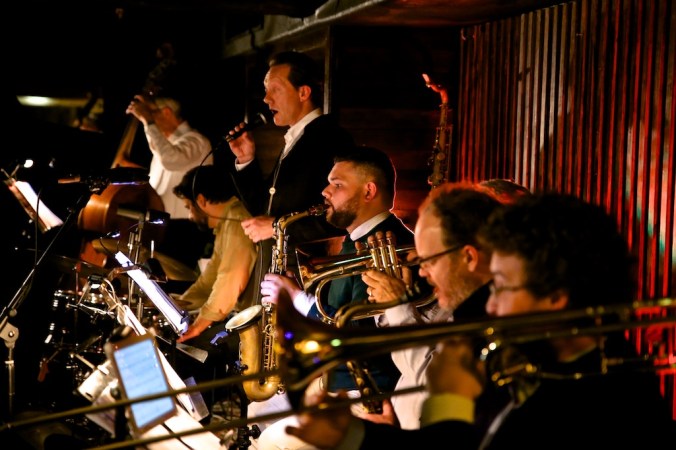 The talented and hard-working, Haines always thinks through his projects. Hot on the heals of his successful award-winning Jazz albums ‘Poets Embrace’ and ‘Vermillion Skies’ he has again teamed up with arrangers Wayne Senior and Mike Booth. The decision to include more Jazz vocals is a welcome development. There’s a paucity of male jazz singers in the modern world and they’re a rarity in New Zealand. The set list was an interesting mix of Haines originals and a few Jazz standards seldom heard live. Like his recent Jazz projects, these tunes evoked and reinterpreted the classic era of the 50’s. Consequently they oozed cool.
 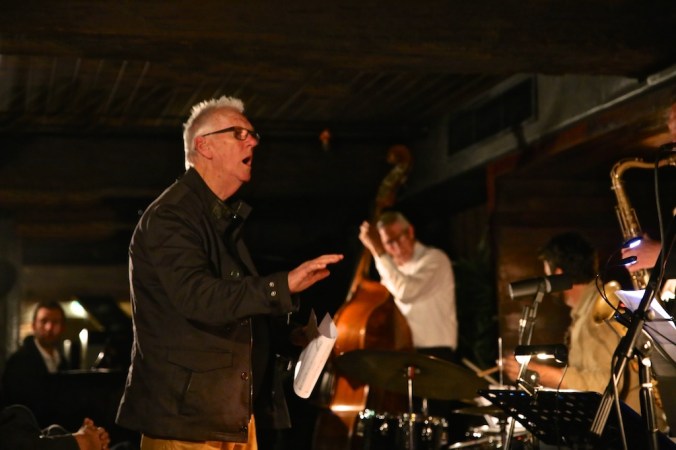 With Michal Martyniuk on piano, Kevin Haines on bass and Ron Samsom on drums he was already on solid ground. This is also where Haines excels. He is a bandleader who choses his musicians well. Martyniuk made his presence felt and soloed beautifully while never over playing. It was exactly what these charts required. Kevin Haines is a highly-respected, tasteful bass player with an impeccable CV. During the sets smiles and friendly banter flowed between father and son; further enhancing the mood. The highly experienced Samsom was on drums throughout. He is new to Haines lineups. His approach to the kit springs from a confident inner logic; more organic than Haines usual drummers. It was interesting to watch their interactions as they sparked off each other. Samsom giving Haines a different platform to work from.
 immediately took me back to hearing Pharoah Sanders for the first time. When Haines plays these modal pieces, there’s a spiritual joy that comes across. This is a strong suit for him and for those of us who love that era a balm.
 Davis album ‘Birth of Cool’. Few bands tackle this and more’s the pity. The octet horn section were Mike Booth, Roger Manins, Callum Passells and Hayden Godfrey.
 Music has a million functions, some of them mysterious; it is the soundtrack to our lives. One of those functions, should not be underestimated, is to bring fun into our day. In this age of multi-media music performance the use of film and theatre is generally ceded to heavy metal or pop. That is a shame because Jazz audiences can react favourably to music when accompanied by these various forms of media. This works well at the Golden Dawn. Sometimes when the CJC is held upstairs, we get random film and images playing across the musicians as they perform. Who can forget the crazy brilliance of ‘The Grid’ (see earlier post). While happenstance can work; truly effective interaction needs working into a performance and be way slicker than a silly strobe light or an embarrassing disco chandelier. The Carnivorous Plant Society presented a coordinated performance and it enhanced the music on offer.
 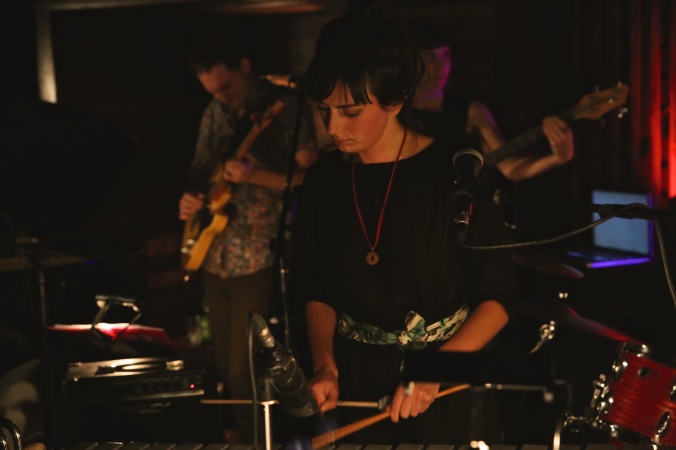 This is very much a Finn Scholes project and it has been around for some time. Scholes is primarily known as a trumpeter (often playing the avant-garde end of town). Increasingly these days he is a keyboard player and showman. Last year I saw him with this group; belting out his signature brassy Mexican trumpet sound while playing an analogue synth with his left hand. The performance often tipped into the surreal because Scholes wore a Mexican ‘night of the dead’ wrestling mask. Not an image or a sound I will easily forget.
 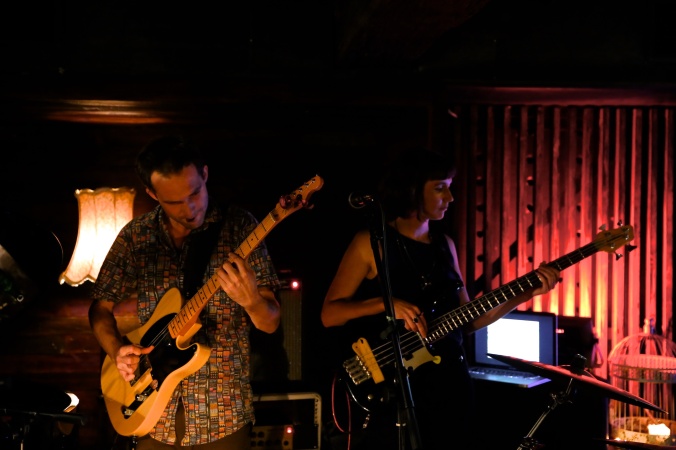 The Carnivorous Plant Society is a quintet but there are many more instruments, pedals and electronic devices than there are band members. Scholes plays trumpet, tuba, piano, numerous keyboards, electronics – Siobhanne Thompson, vibraphone, violin, percussion, pocket trumpet – Tam Scholes, electric guitar – Cass Mitchell, Electric Bass – Alistair Deverick, drums, electronics. With use of loops, wizard like gadgets and Siva like arms, a number of sounds are generated at once.
 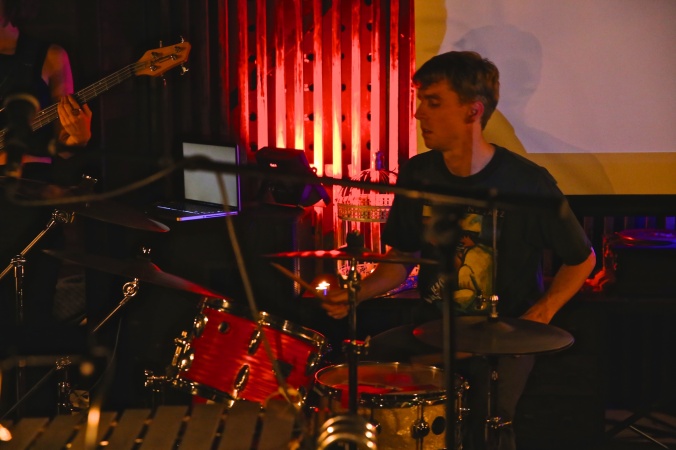 The occasional use of voice-over samples was far from being gratuitous as the ‘Max Headroom’ like humour often lay in these samples. There were strange Stephen King like stories of robots taking over the world and oddly quirky adventures relayed. The latter as if being recalled by deadpan 1950’s radio hosts. Many of these performed against brightly coloured cartoon graphics that played over their heads. The graphics were brilliant and although I have no evidence for supposing this, I presume that someone in the quintet (or a close friend hip to the project) created them.
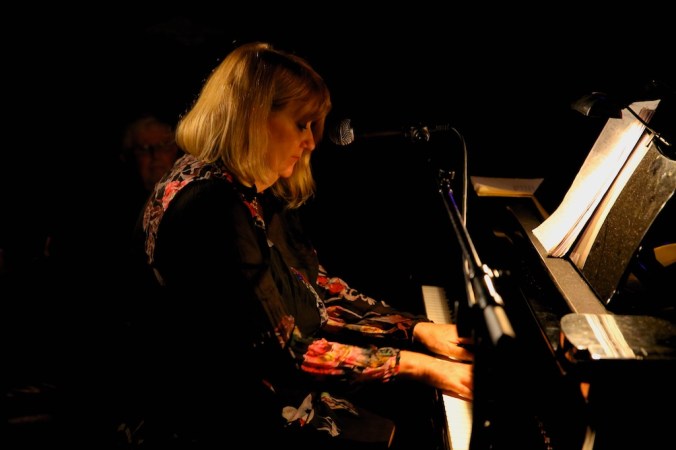 It has been a while since Julie Mason performed as leader. Mason is a pianist/vocalist who over the years taught and influenced a number of younger musicians. After a difficult few years battling health issues she has now started performing again and her new project titled: ‘compositions by piano playing Jazz Musicians’ is what she brought to the CJC. Most of these tunes are not standards in the American song-book sense and so they often lack wider recognition. That’s a pity because the tunes written by these musicians are some of best to come out of the last 90 years. It is always good to delve into this material.
 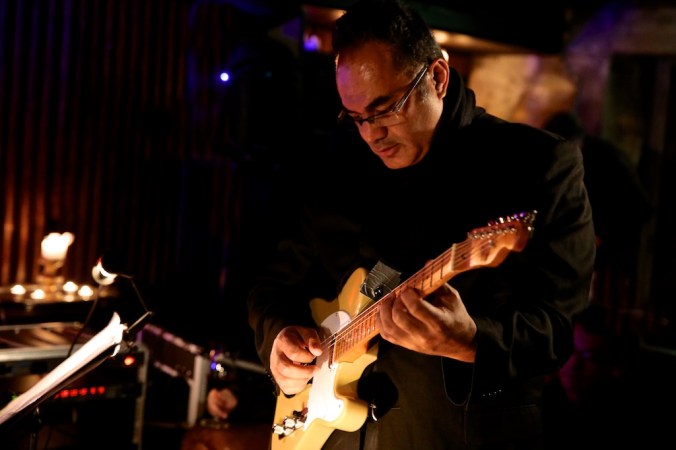 A perfect example of a composer/performer who deserves wider recognition is Enrico Pieranunzi. He is all too often overlooked outside of Europe. This formidable Italian improviser has performed with artists like Charlie Haden, Art Farmer, Kenny Wheeler, Chet Baker, Jim Hall and dozens of others. His output stands favourably when compared to the finest of the American Jazz issues. Of particular note is ‘Live in Paris’ and ‘Don’t forget the Poet’. The latter is a tribute to Bill Evans. Mason performed the title track from that album beautifully. She captured the lyrical quality of the piece.
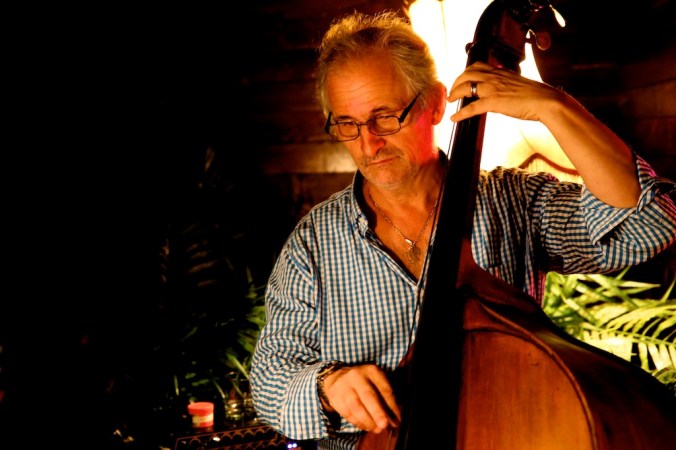 she has performed with these musicians for many years; Lance Su’a (guitar), Alberto Santarelli (bass) and Frank Gibson (drums). Her partner, the well known Jazz Pianist Phil Broadhurst sat in while Mason did a vocal number. The set list was split between vocals and instrumental pieces. The number Broadhurst accompanied her on was the fabulously evocative ‘The Peacocks’ (Jimmy Rowles/Norma Winstone). It is one of those tunes that is so aligned to Evans and Rowles that musicians tend to shy away from it. That’s a pity in my view: it was nice to hear it performed live. Other artists featured as sources were Chick Corea, Herbie Hancock, Billy Childs and Jacky Terrason.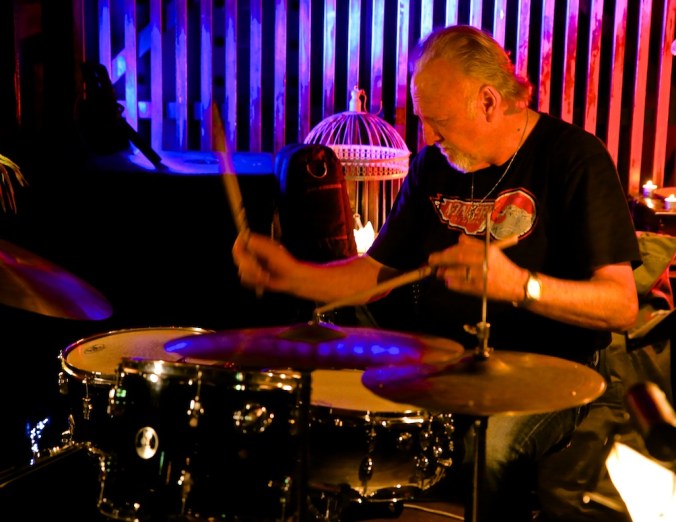
 The world is full of crazy shit at present and it’s time to organise. It’s time to form an organisation; deployable at short notice. ‘Hip Without Borders’ will have no membership card and it will not stand under any flag. ‘Hip without Borders’ will not require you to be a passport holder, because the corruption of nationalism could hinder your passage. Members will know each other on sight; no secret handshake necessary. Members will be subversive poets or out-cat musicians. They will know Miles Davis solo from Boplicity or of John Zorns tribute to William S Burroughs. They will not be able to name one contestant on X Factor or care that they found god afterwards. “Hip without Borders’ will be a proscribed organisation because they will infiltrate the security intelligence services. Members will not believe that the security intelligence services are either intelligent or secure. Members will value bitter-sweet dissonance over a pretty melody; knowing that it is a mirror held to the human condition. They will love mankind unconditionally; in spite of mankind’s fucking stupidity. They will confront power with trickster jokes. ‘Hip Without Borders’ requires your service. – John Fenton – Winter 2015 –
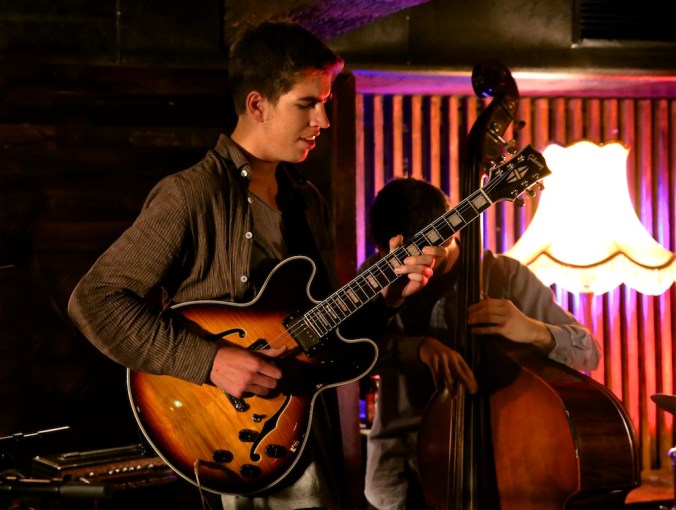 This was ’emerging artists’ night and you wouldn’t have thought so. The club had packed to capacity and the performances were far beyond what you’d expect from students. The artists approached their sets differently, but the end results were equally satisfying. Both study at the Auckland University Jazz School and if that institution is turning out students of this quality it certainly reflects well on the faculty.
 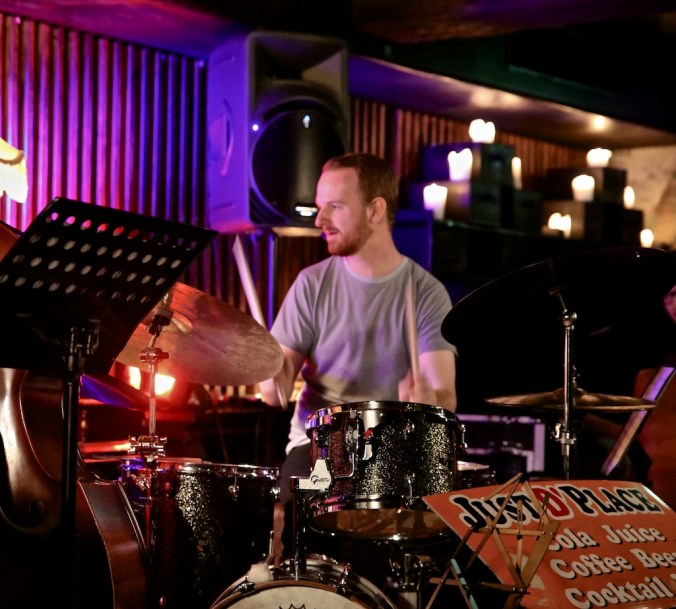 Michael Howell is from West Auckland and for some reason a number of excellent guitarists emerge from that quadrant. Growing up in the Waitakere ranges seems to have gifted his playing with an expansiveness and it is not hard to imagine big vistas and tree-clad hills during his ballad numbers. Howells set opened with a ballad and edged into the faster tempos later. His thoughtful opening took us deep inside the music and this was a good way to start a set. As well as his own tunes he featured compositions by Ben Monder, Sam Rivers and John Scofield. When a guitar trio doesn’t use an organ or piano there is more space to work in. This was well utilised by Howell although he is also adept in larger group situations. I heard him a few days later when he sat in with a number of very experienced musicians and he stepped into that space effortlessly. There were two numbers with piano and fellow student Crystal Choi sat in for these (also adding a vocal line). The other musicians were Eamon Edmundson-Wells on Bass (who also played bass in the second set) and Tristan Deck on drums. These former UoA students have already made their mark on the scene.
  Kenji Holdaway led the second set and his approach was quite different. Most of the tunes he chose favoured collective improvisation and they draw upon diverse genres. His bandstand presence and the way he approached tunes oozed confidence. He had also chosen some former UoA students to accompany him and his choice was right on the money. J Y Lee is a gifted alto player and he can work the spectrum from avant-garde through to the lyrical ballads that give sentiment a good name. His musicality shone through during this gig and he just gets better and better. On Rhodes and piano was Conner Mcaneny and he often pushed the group into a freewheeling fusion space. Once again It impressed me how well his playing served the music as it was far from formulaic. When the others were playing his comping chords acted as clever punctuation; urging them to reach further and deeper. Another surprise was Tom Legget on drums and perhaps I have not been paying proper attention. I recall him sitting in during the CJC Jam Sessions of 2012. Now he is a fully formed drummer. His contributions tasteful and decisive. Eamon Edmundson-Wells was on bass once again and he showed what a tasteful player he is. While the band was good it was Holdaway who dominated. It was not that he injected himself into others solos for he would regularly lay out respectfully. It was his impressive command of the guitar, that and the sense that he was really across this gig.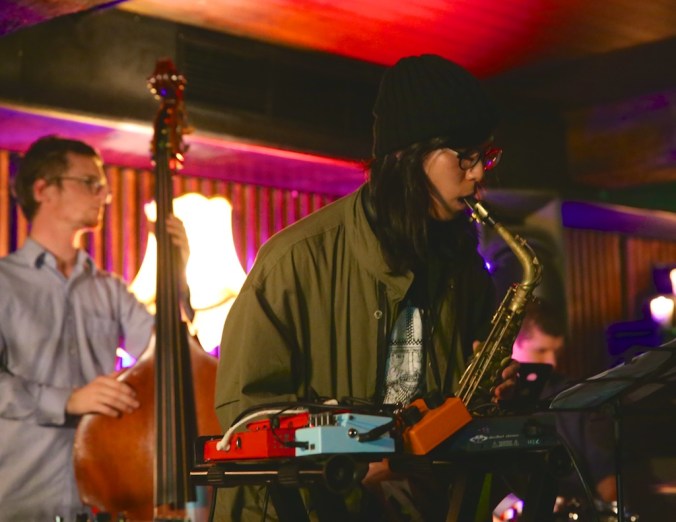
 JazzLocal32.com